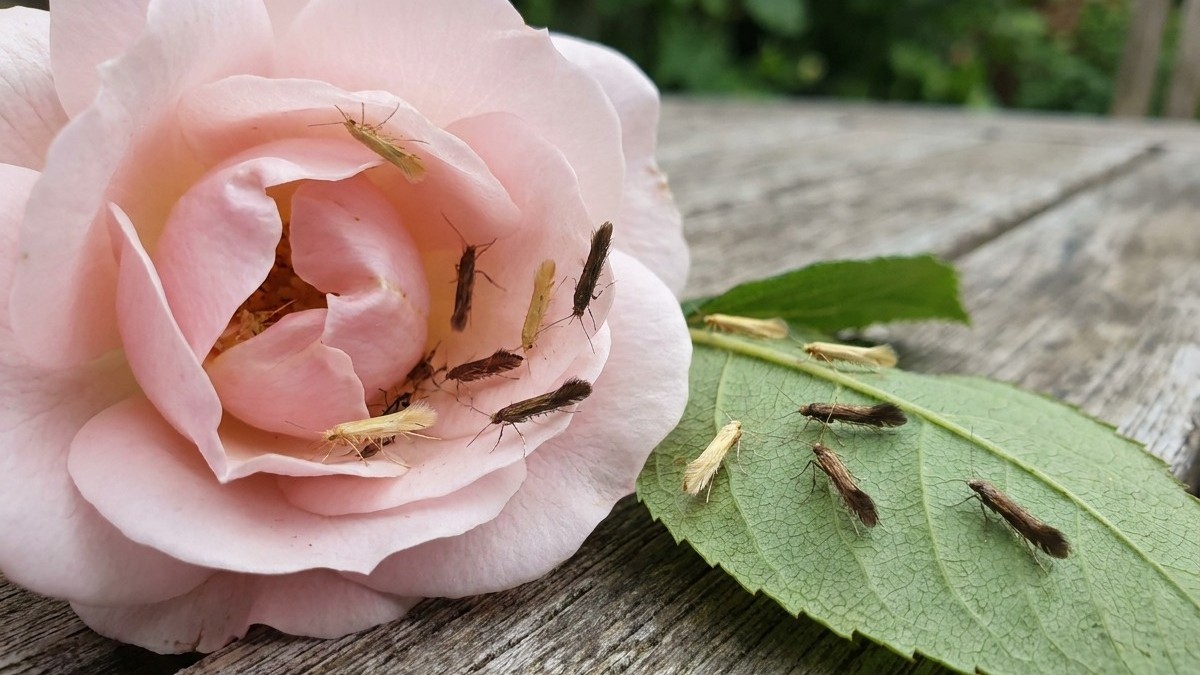

Cold is the easy part of growing roses in Georgia. The state runs from USDA zone 6a in the mountains to 9b on the coast, and most roses sold here tolerate that range. What sorts the survivors is humid summer heat and the diseases that come with it. Knock Out, New Dawn and old China roses such as Old Blush hold up across the state. Rugosas suit the north. Grafted hybrid teas and English-style roses need help. (Planting basics are in growing roses in Georgia.)
Which roses survive a Georgia winter
How cold does Georgia get for roses?
The USDA Plant Hardiness Zone Map puts Georgia in zones 6a to 9b. That system rates a place by a single number, the average annual extreme minimum temperature. Zone 6a covers the high mountains and ridges of the far north. Zone 9b sits along the coast and the southern edge of the state. A rose rated hardy to zone 5 or colder has a comfortable margin everywhere in between, and check the tag on each shrub rose before you buy it.
Atlanta is the usual reference point. At the Atlanta airport station, NOAA NCEI Climate Normals show the last spring freeze (32 F) landing between March 11 and March 29, and the first fall freeze between November 13 and December 1. Those are the middle 30 to 70 percent of years, so a given year can fall outside them. The airport is also a heat island. North Georgia and the mountains freeze several weeks earlier in fall, and the coastal plain runs milder.
Which rose types clear zone 6a without help?
Rugosas sit at the cold end of the scale. They are bred from a species native to the coasts of northeast Asia and are known for their cold tolerance. The Explorer series, developed in Canada for prairie winters, was bred for cold hardiness. Neither group has any trouble with a Georgia winter.
Modern shrub roses, many climbers and the old China roses come next. Most are rated for cold hardiness that covers the whole state. Hybrid teas sit at the edge. They are usually rated for milder zones, so in the mountains and the higher parts of the northern Piedmont they need a mound of mulch over the base after the first frost. Farther south they usually come through on their own.
Late freezes do more harm in Georgia than deep ones. Warm spells in February can push soft new growth, and a freeze in March can blacken it. The plant is rarely dead. Wait until the leaves open, then cut canes back to the point where the inside of the stem is green. Brown or black pith means that wood is gone.
Named roses that hold up here
Which tough roses suit the whole state?
Knock Out is the best-known name and has earned it. It is cold hardy, shrugs off Georgia summers, and blooms from spring until frost. It is also widely grown, which brings one risk: rose rosette disease, a viral problem that has spread through the Southeast and does not respect cultivar. The Rose Diseases in Georgia: What the Climate Here Actually Brings page covers how to spot it.
New Dawn is a pale pink climber that is cold hardy, grows on fences and arbors, and repeats its bloom. It tolerates some afternoon shade better than most roses, which matters in a state where full sun can mean brutal heat. Old Blush, a China rose that has been grown in the South for generations, blooms nearly nonstop in mild weather and does well in the warm half of the state.
Which cold-hardy roses suit the mountains?
Thérèse Bugnet and Hansa are both rugosa hybrids bred for severe cold, and neither cares about a zone 6a winter. Thérèse Bugnet has pale pink, fragrant blooms and a tall, arching, nearly thornless habit. Hansa is a dense shrub with deep magenta flowers and large red hips that persist into winter.
The weakness of both is summer. Rugosas come from cool coasts, and in the long humid heat of the Piedmont and the south they lose leaves early and bloom less. They are best placed in the mountains and the northern tier of the state, where nights cool off in July.
| Rose | Type | Lowest zone commonly listed | Best fit in Georgia |
|---|---|---|---|
| Knock Out | Shrub | 5 | Statewide |
| New Dawn | Climber | 5 | Statewide |
| Old Blush | China rose | 6 | Piedmont and south |
| Thérèse Bugnet | Hardy rugosa hybrid | 3 | Mountains, northern Piedmont |
| Hansa | Rugosa | 3 | Mountains, northern Piedmont |
Treat these ratings as starting points. A rose that survives the winter on paper still has to survive August, and the right choice for a mountain slope in Rabun County is not always the right one for Valdosta. If you grow in the mountains, plant rugosas where they get morning sun and airflow so the foliage dries quickly after rain.
Sold here, but not for this zone
Garden centers in Georgia stock roses chosen for the whole country, and plenty of what sits on the shelf was bred for a different climate. The roses that need the most work here are the ones with the most glamorous tags.
Grafted hybrid teas and grandifloras top the list. Their long, high-centered blooms are the picture most people have of a rose, and they are the ones most likely to be damaged by a hard Georgia winter in the northern half of the state. The same goes for tree roses, which are grafted onto the top of a trunk. A freeze can kill the whole upper plant, and no mulch mound will protect a head that sits several feet in the air. In the mountains, wrap or move tree roses before the first hard freeze or expect to replace them.
English-style roses are a different problem. Most are rated hardy enough, but they were bred for cool, damp British summers, and in Georgia heat they tend to get black spot, drop leaves and sprawl. Many gardeners enjoy them anyway, particularly in the mountains, but they ask for more spraying and pruning than a Knock Out ever will.
Miniature roses sold as potted gifts are the last common mismatch. They are often greenhouse-grown and arrive in a soft, tender state. Planted out in fall, they can struggle through a first winter. Move them into the ground only after they have hardened off in spring.
A mix of mulch, timing and placement saves most of these. The full routine is in Protecting Roses Through a Georgia Winter, and a good rule of thumb is that the colder your zone, the earlier that protection goes on.
What to check on the label before buying
What do the grade and the growing method on the tag mean?
Bagged and bare-root roses are graded. No. 1 is the top grade, with the thickest and most numerous canes, and it is the one to buy. No. 1½ and No. 2 are cheaper because they have fewer or thinner canes, and they take longer to get established. Potted roses are not always graded, so judge them by cane thickness and a firm, healthy root ball.
The second thing on the label is whether the rose is grafted or grows on its own roots. A grafted rose is a named variety joined onto a different, tougher rootstock, and you can see it as a swollen knob at the base of the canes. An own-root rose is the variety itself, grown from a cutting.
Why does own-root matter more in colder zones?
In a freeze that kills a rose to the ground, a grafted plant regrows from the rootstock. If the canes die back below the graft union, what grows back is the rootstock, not the rose you bought. It often looks like a wild, single-flowered plant with seven leaflets, and it will crowd out whatever is left of the original.
An own-root rose that freezes to the ground comes back as the same variety. That insurance is worth more in zones 6 and 7 than in 9, where hard freezes are rare. Check the tag for the words “own root,” and look for the zone rating on it. Then compare that number to your own zone, not to the national range printed beside it.
Checking this against your own county
Zones and frost windows vary from county to county, and sometimes from one side of a ridge to the other. University of Georgia Extension runs an office in every county, and the agents there know which roses have worked locally and when the last freeze tends to come. Call your county Extension office before you buy if you are planting more than a few roses or live near the line between two zones.
Common questions
Do Knock Out roses survive winter in north Georgia?
Yes. They are cold hardy, which suits every part of Georgia. Cold damage is usually limited to tip dieback, and plants leaf out again in spring.
Can rugosa roses grow in south Georgia?
They survive, since cold is no issue, but they do poorly in long, humid summers. Foliage declines early and bloom drops. They are a better match for the mountains and the northern Piedmont.
Are grafted roses a bad idea in Georgia?
No. In the warmer half of the state, grafted hybrid teas are common and do well. In zones 6 and 7, protect the graft union with mulch after the first frost, or choose own-root plants so a hard freeze cannot leave you with only the rootstock.
How can I tell if my rose is dead after a freeze?
Wait until the leaves would normally open in spring. Scratch a cane or cut it back. Green tissue inside means it is alive, and brown or black means cut lower until you find green.