Roof Wind Speed and Heat Requirements in Louisiana
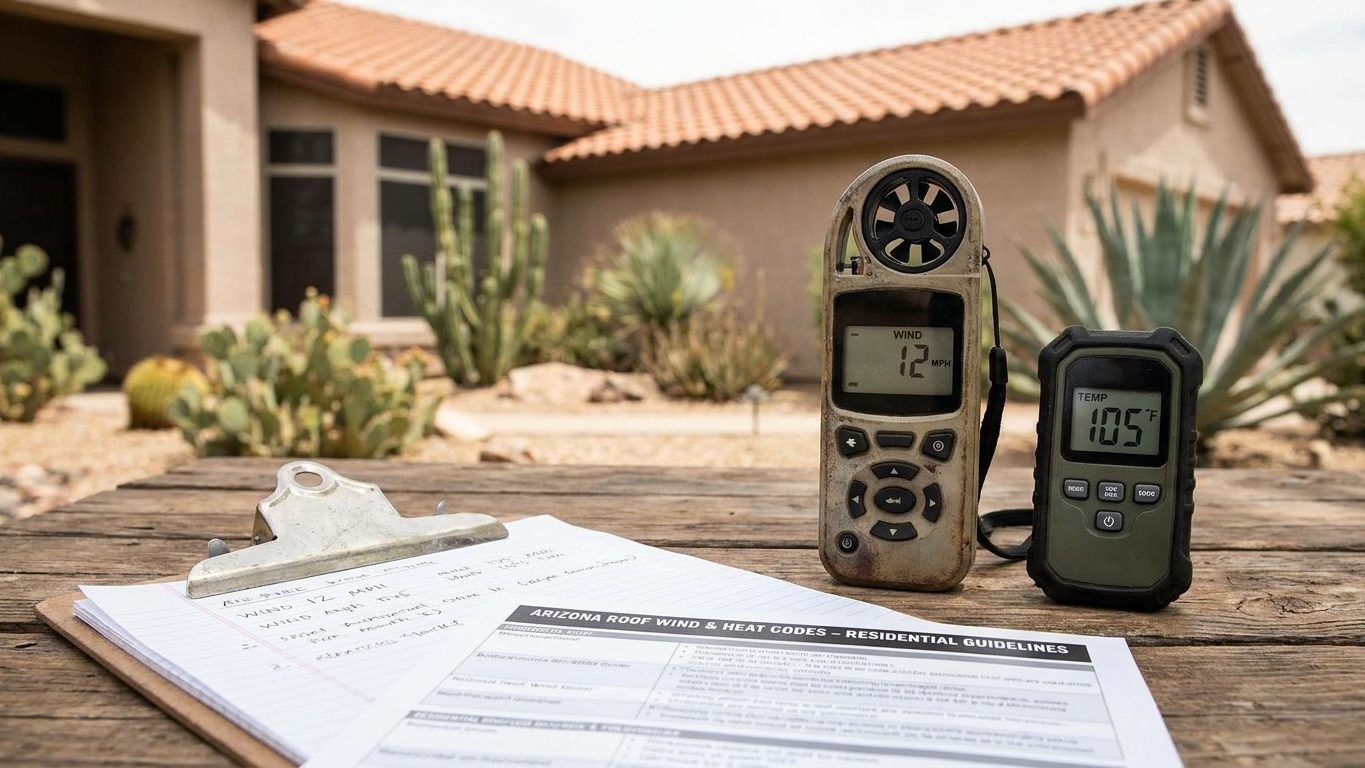
New Orleans’ 144 mph design wind speed crosses the impact-glazing threshold under the code edition currently governing most Louisiana permits.
Home & garden, state by state
Shingles, flashing, gutters and the damage you can spot from the ground.
New Orleans’ 144 mph design wind speed crosses the impact-glazing threshold under the code edition currently governing most Louisiana permits.
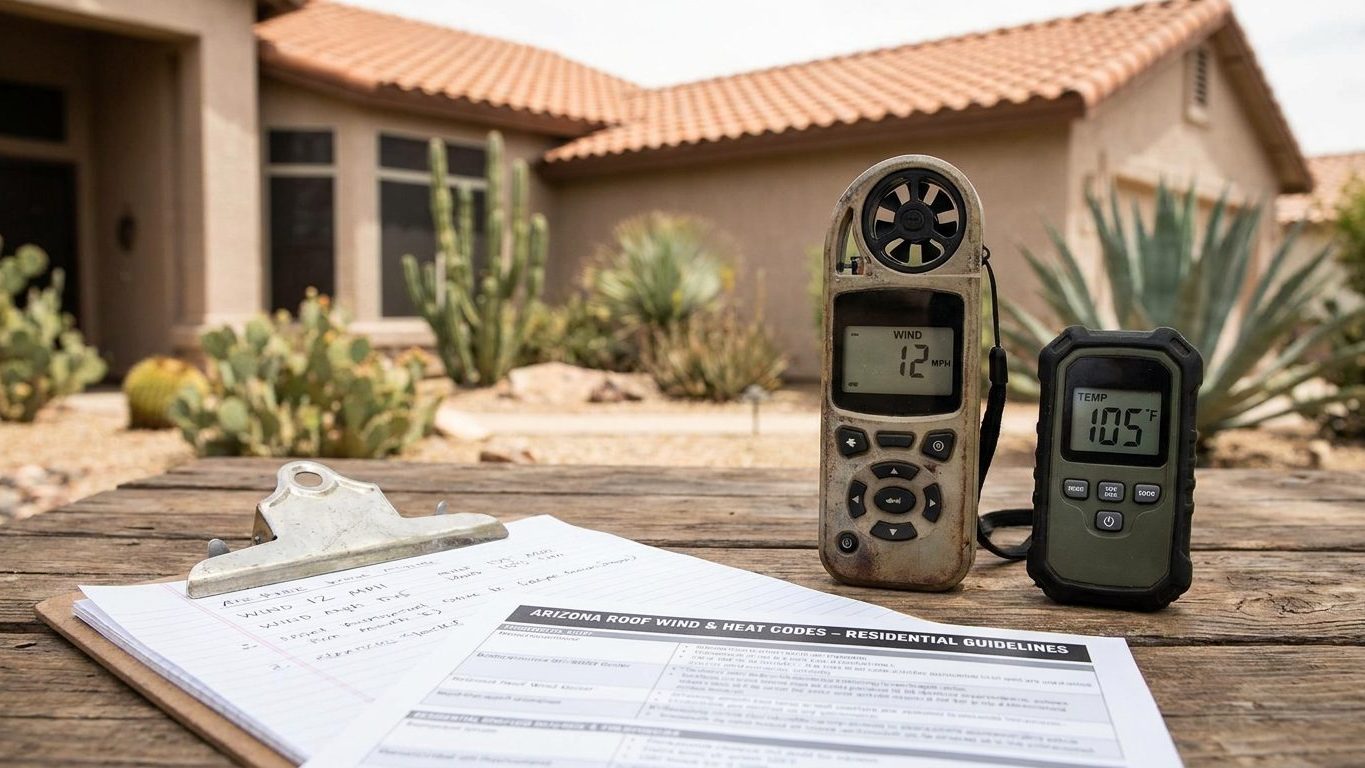
Honolulu’s 138 mph design wind speed drives roof framing and fastening in Hawaii, while the state’s snow load stays at zero and heat wears shingles fast.
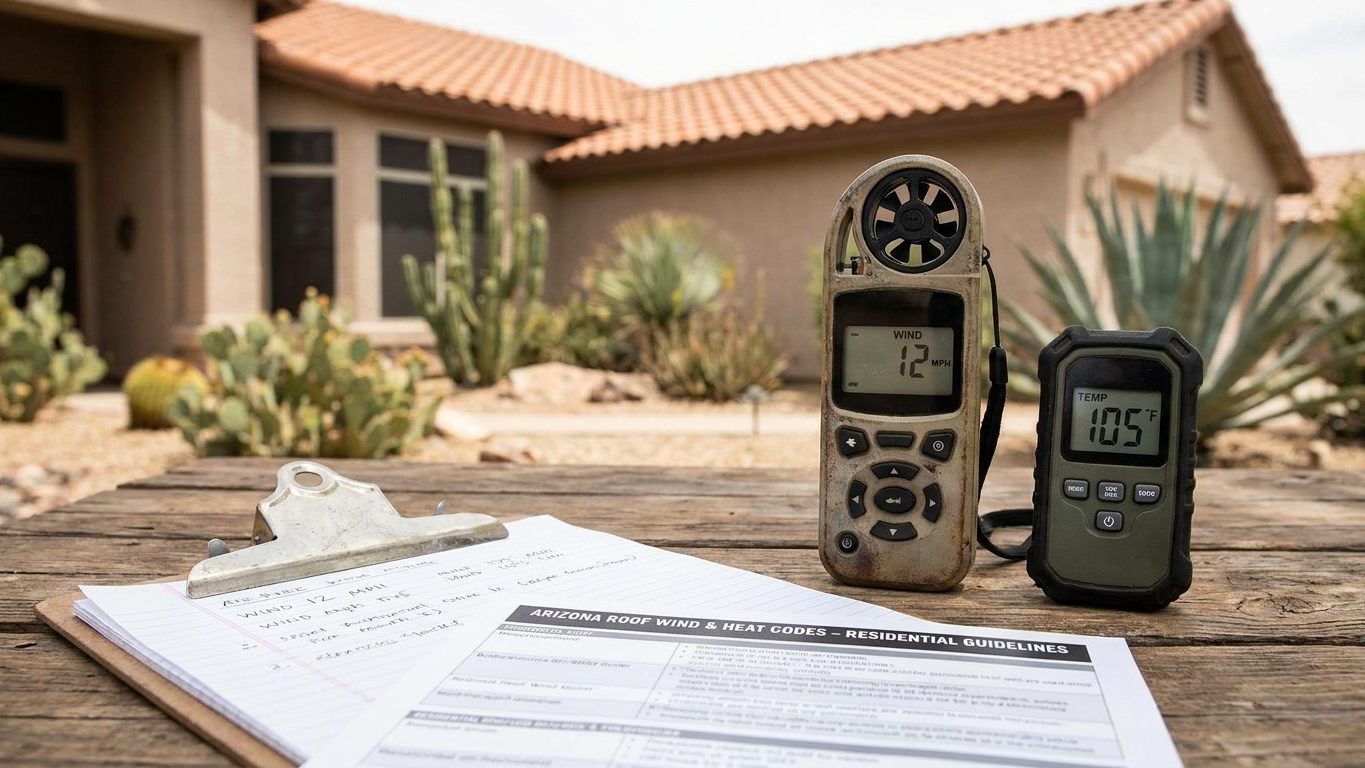
Explains the 126 mph design wind speed at Jacksonville, when impact-rated shutters are required, and why heat, not snow, wears out a Florida roof.
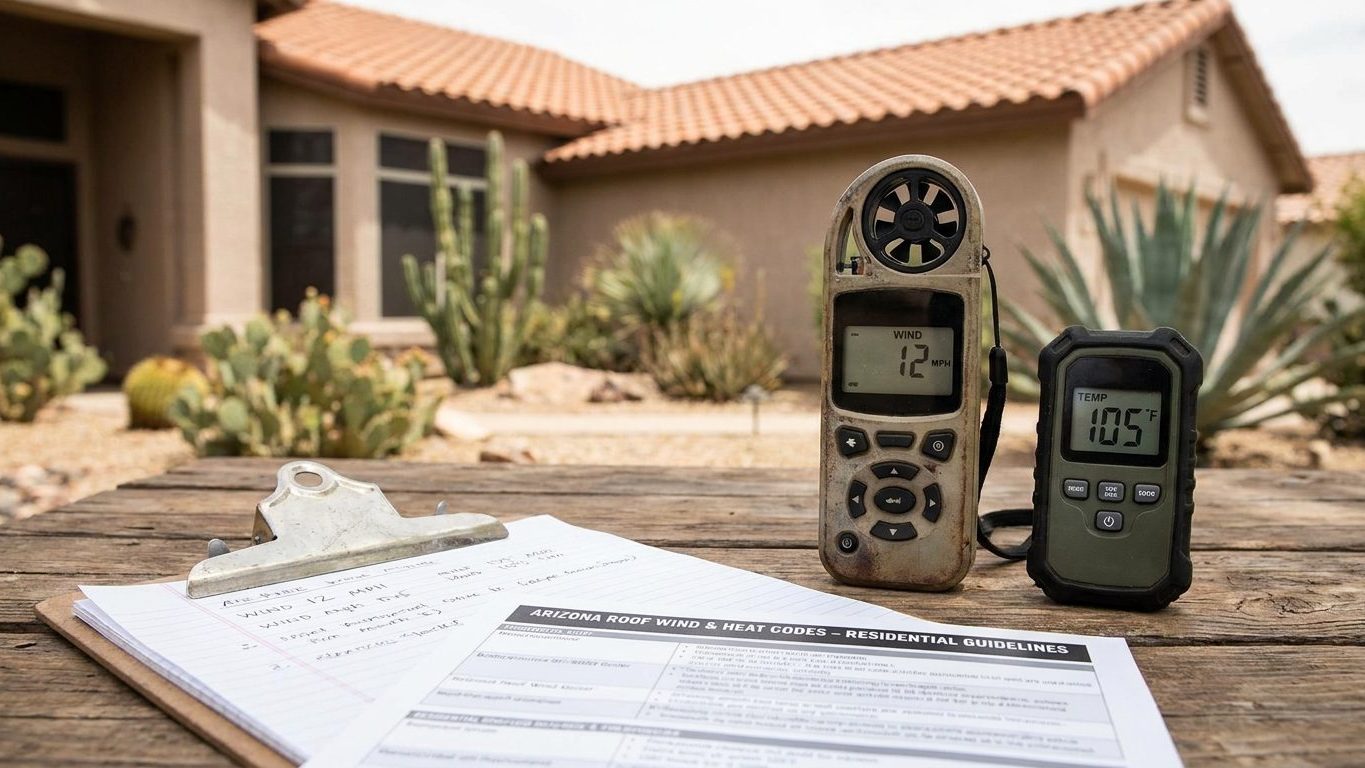
Explains the 95 mph design wind speed at Los Angeles under ASCE 7-16, what it means for shingles and fasteners, and why snow isn’t a factor in California roof codes.
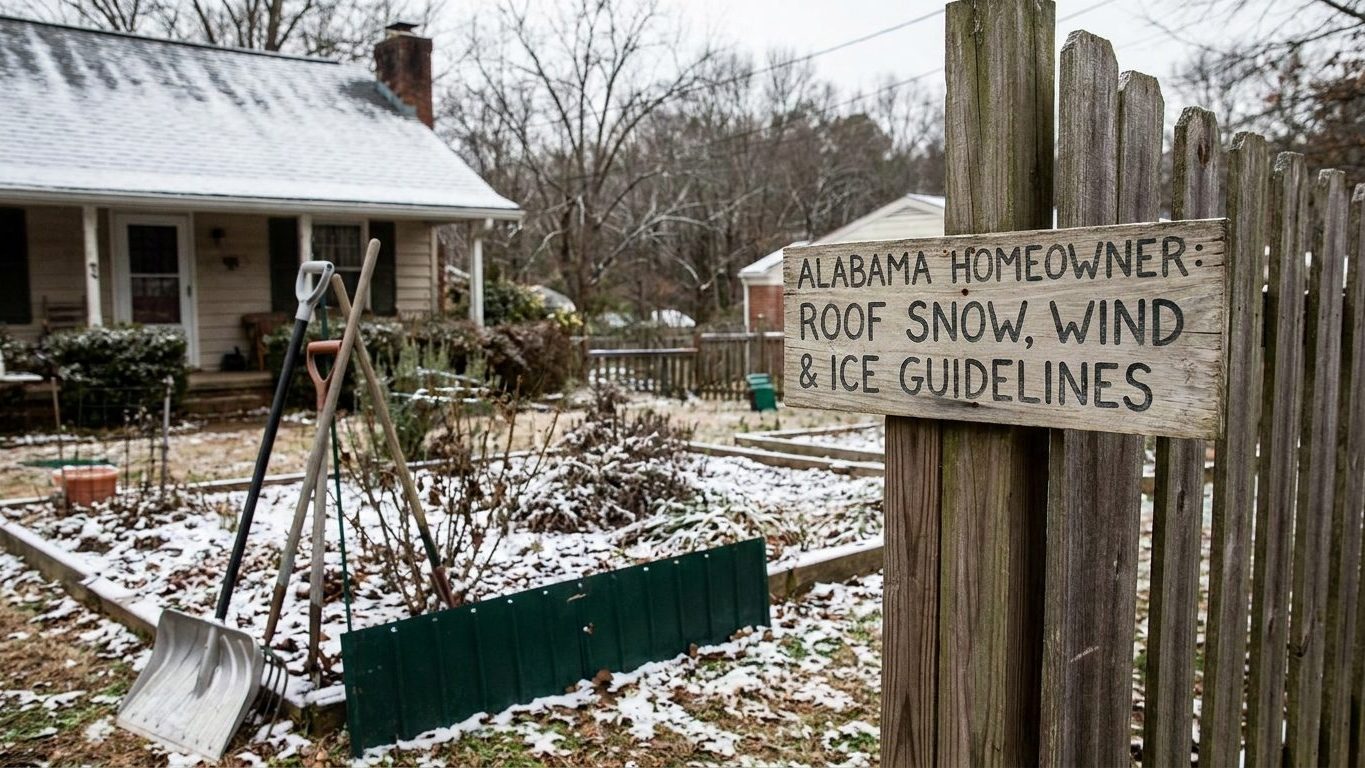
Providence’s design snow load, wind speed and Rhode Island’s ice-barrier rule explained, with the difference between ground load and roof load made clear.
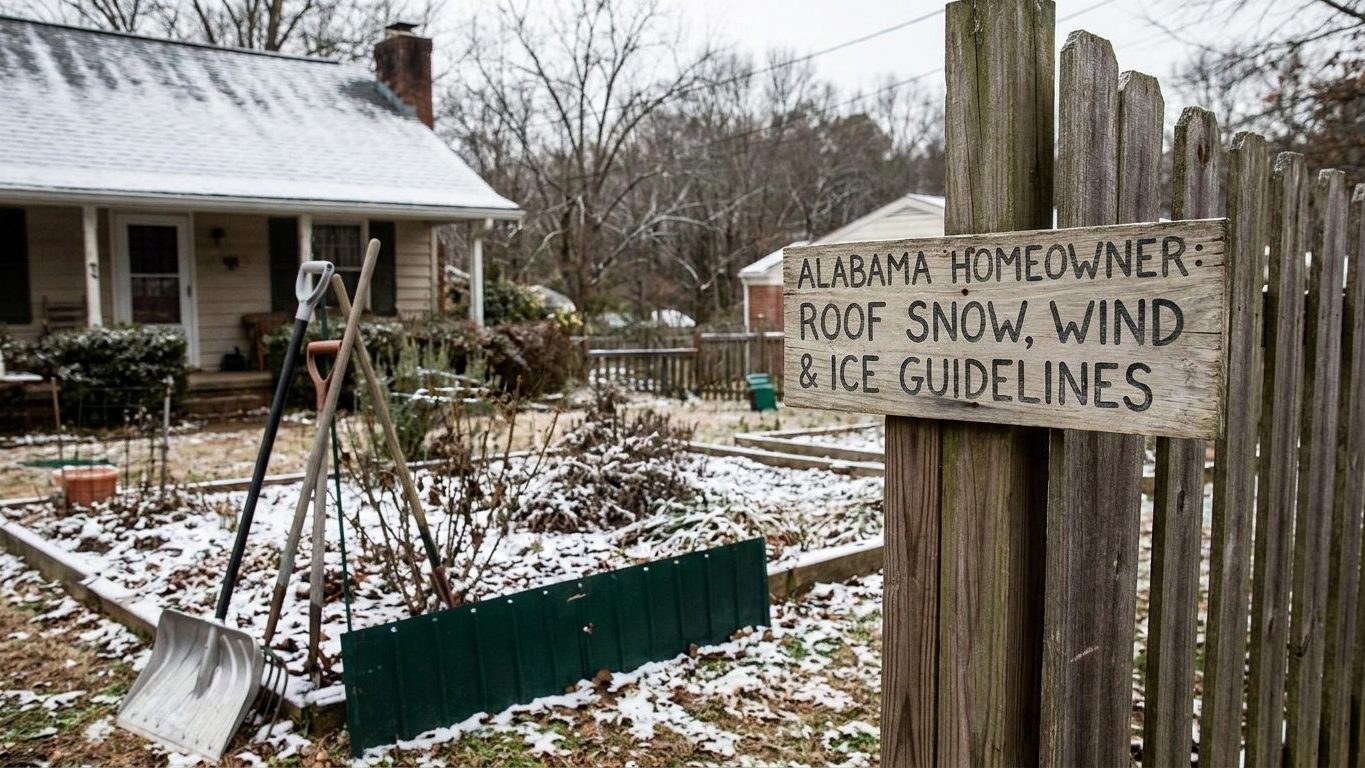
Quebec’s roof snow load, wind pressure and ice-barrier rules come from Montréal’s NBC 2020 figures, with municipal by-laws deciding the rest for houses.
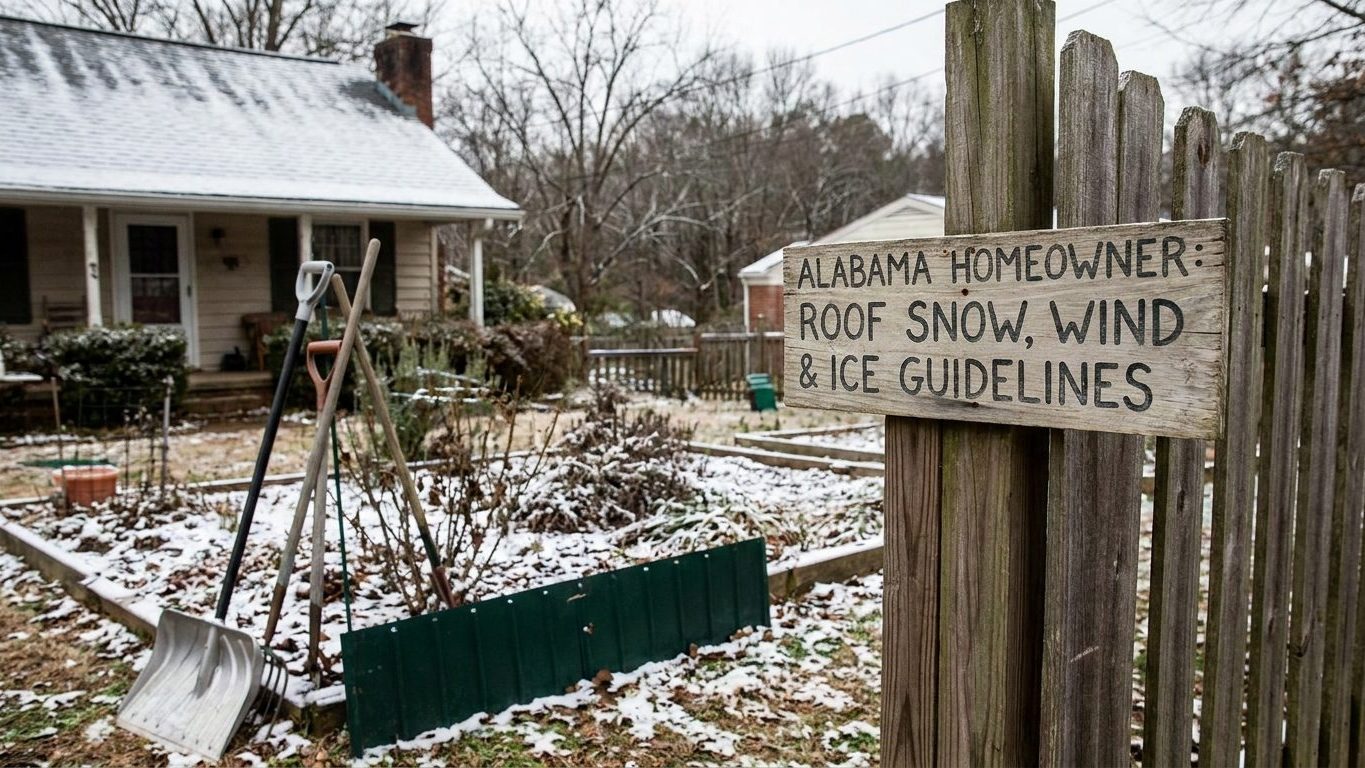
Oregon’s design snow load, wind speed and ice-barrier rules come from Portland’s ASCE figures and the state’s own residential code, not a single statewide number.
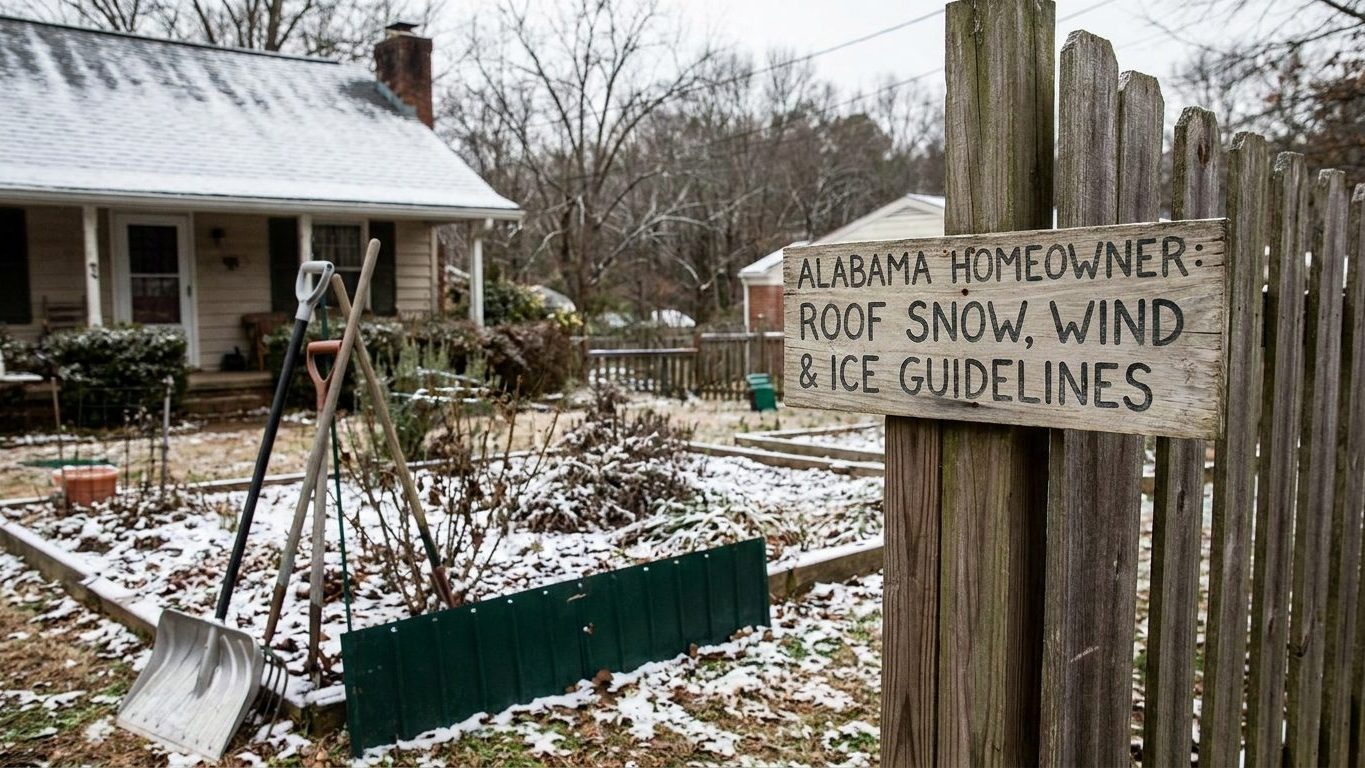
Ground snow load, rain load, wind pressure and ice barrier rules for roofs in Prince Edward Island, based on the reference figures for Charlottetown.
Explains Philadelphia’s design ground snow load, wind speed, ice barrier rules and the Pennsylvania Uniform Construction Code that applies them.
Explains Toronto’s NBC ground snow and wind pressure figures, how they convert to roof loads, and when Ontario’s building code calls for an ice barrier.