When to Cut Spinach in Saskatchewan, and How Long It Really Keeps
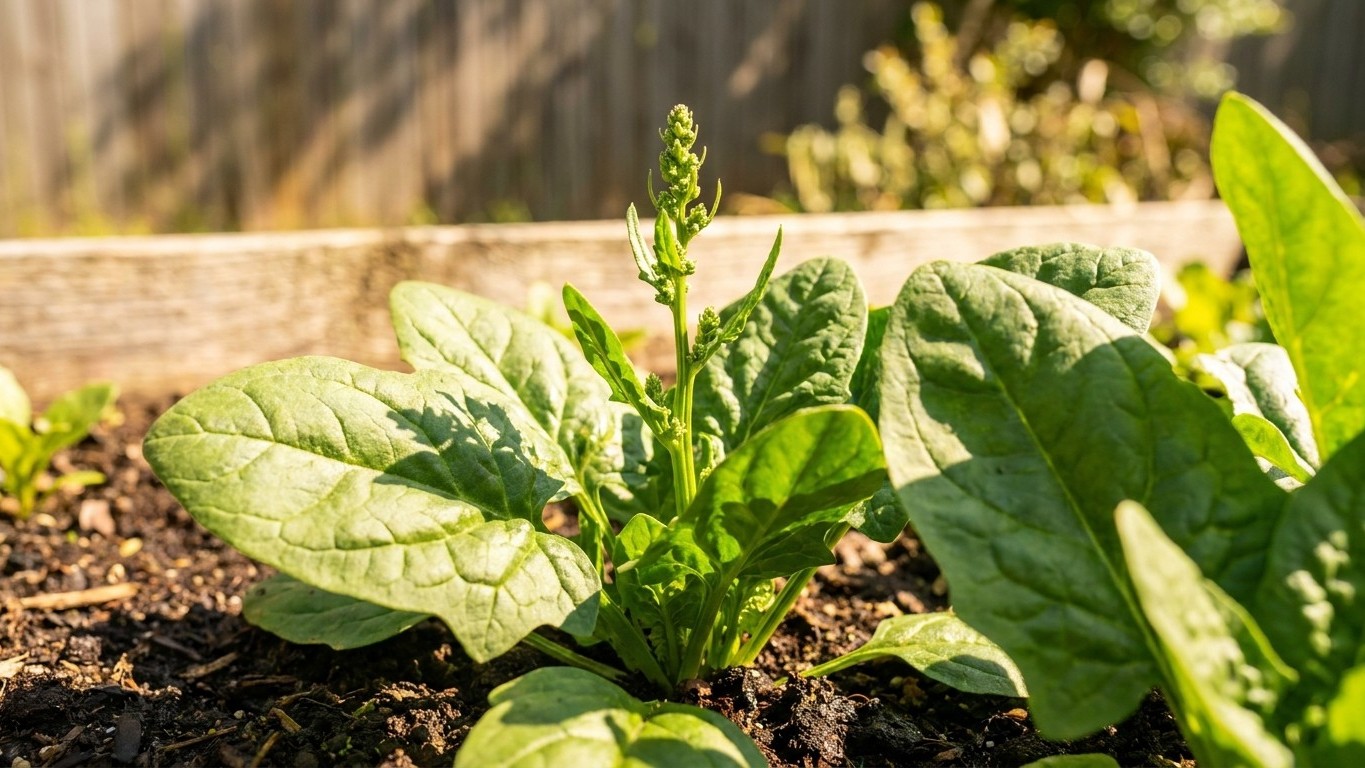
In Saskatchewan, cut spinach in two short bursts: late spring into early summer, and again in early autumn before the first frost. Midsummer is closed.
Home & garden, state by state
Home and garden guidance for Saskatchewan: hardiness zones, heating seasons, provincial programs and the rules that differ from across the border.
Everything we have worked out for Saskatchewan: what to plant and when, which varieties finish in time, the pests that actually turn up here, and the jobs that pay off month by month. We also cover the rest of the property, from lawns and soil to home care and energy, because a garden rarely stops at the vegetable bed.
The numbers first, because everything else follows from them. Measured at the weather station in Saskatoon, the last spring freeze falls around May 18 and the first fall freeze falls around September 18, 1,549 growing degree days in the year.
That is enough for early varieties, tight for anything late. Garlic does well: 34.8 weeks below 40 °F, comfortably past the six it needs to form a proper head.
Elsewhere on the property in Saskatchewan: the pests that turn up here.
Figures from Environment and Climate Change Canada. A state is not one climate: elevation, a large lake or the coast can move these dates by two weeks either way, so check your own county with the extension service before you spend money.
In Saskatchewan, cut spinach in two short bursts: late spring into early summer, and again in early autumn before the first frost. Midsummer is closed.
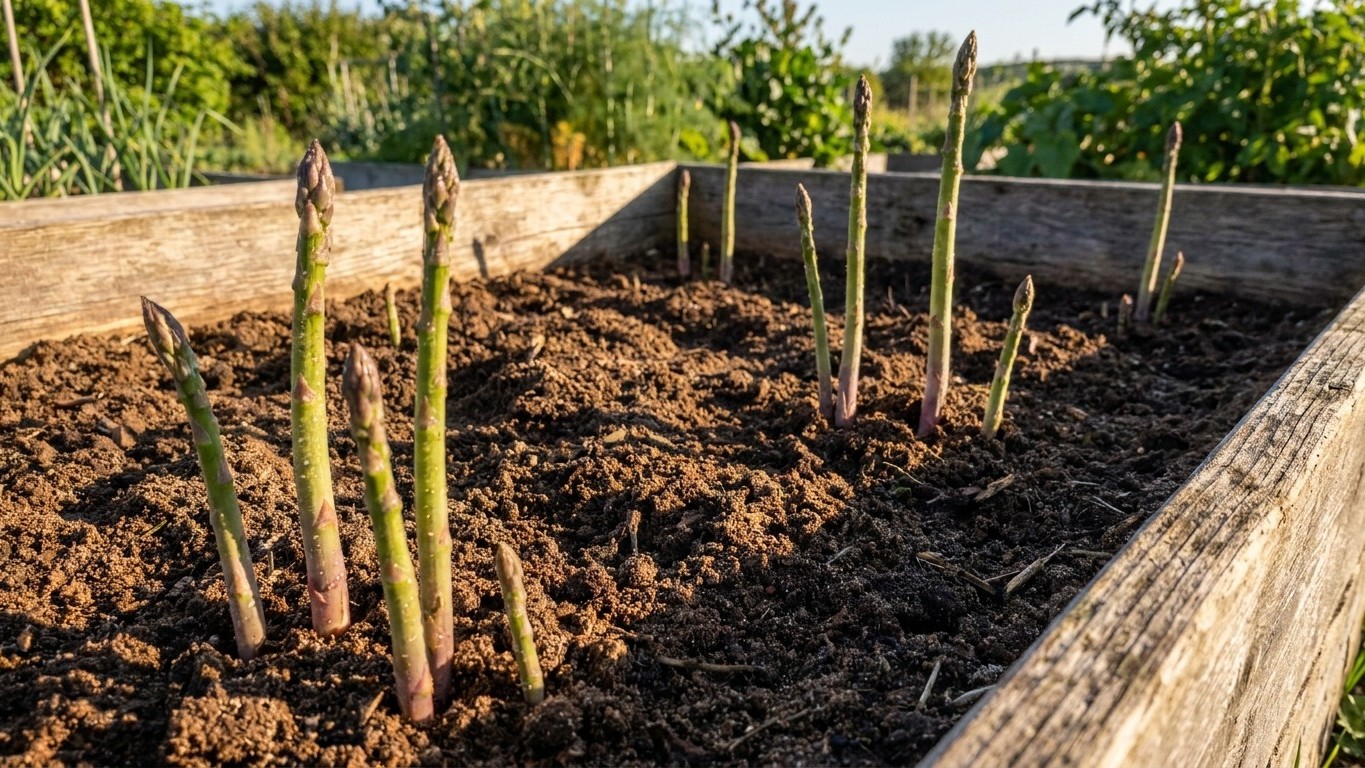
Stop cutting when most of the spears coming up are thinner than a pencil. That is the signal, and it beats any week on the calendar.
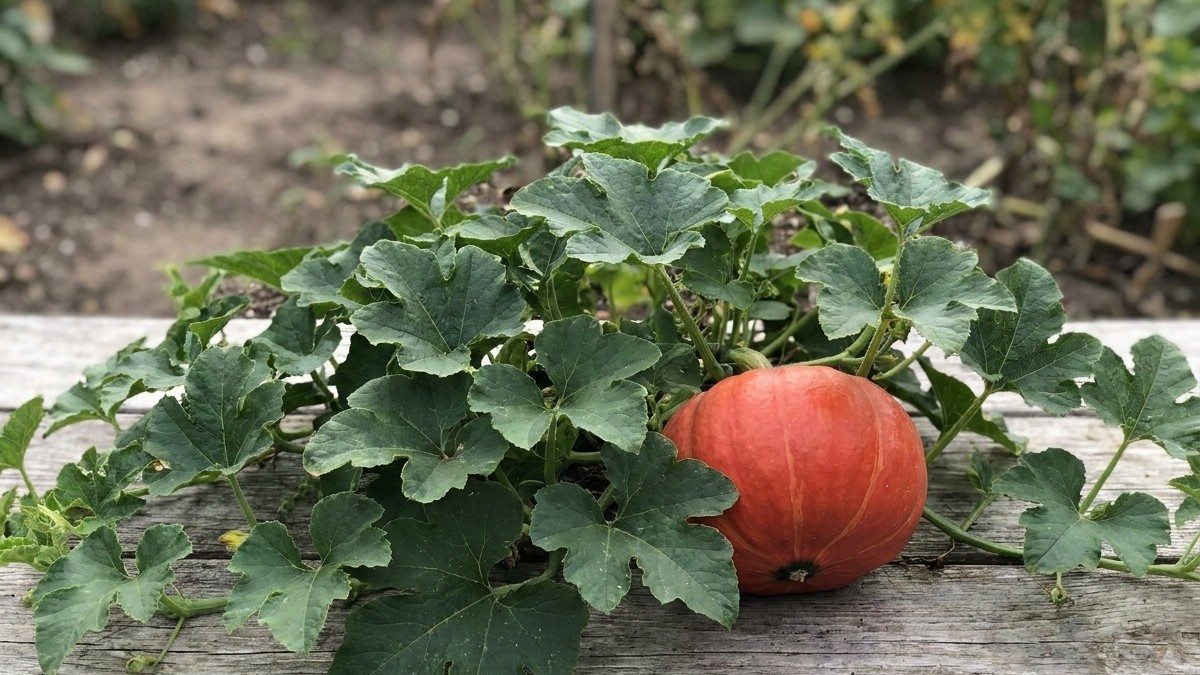
Cut pumpkins in Saskatchewan with the stem attached and before the first fall frost, which averages September 18 at the Saskatoon station.
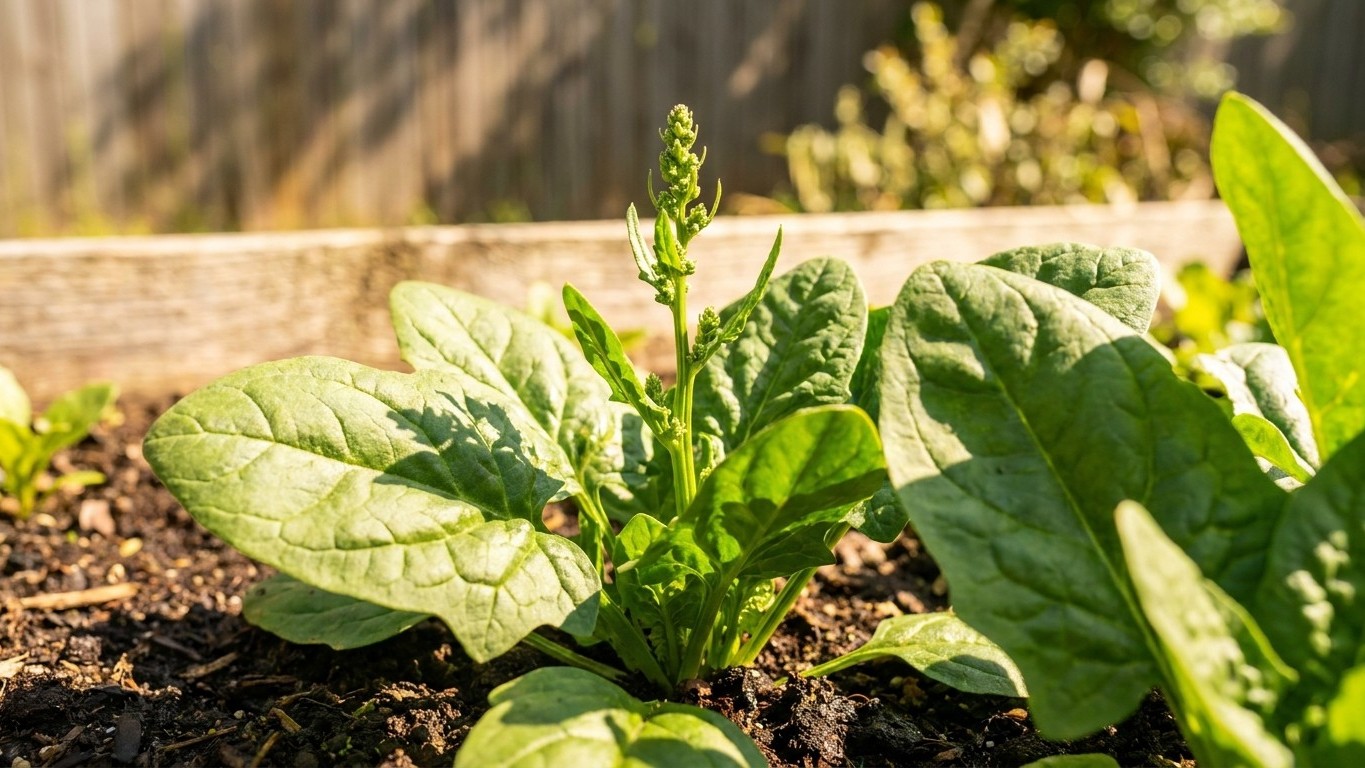
Two things eat spinach’s season in Saskatchewan: the length of the summer day and the heat. Neither is an insect, and no row cover fixes either one.
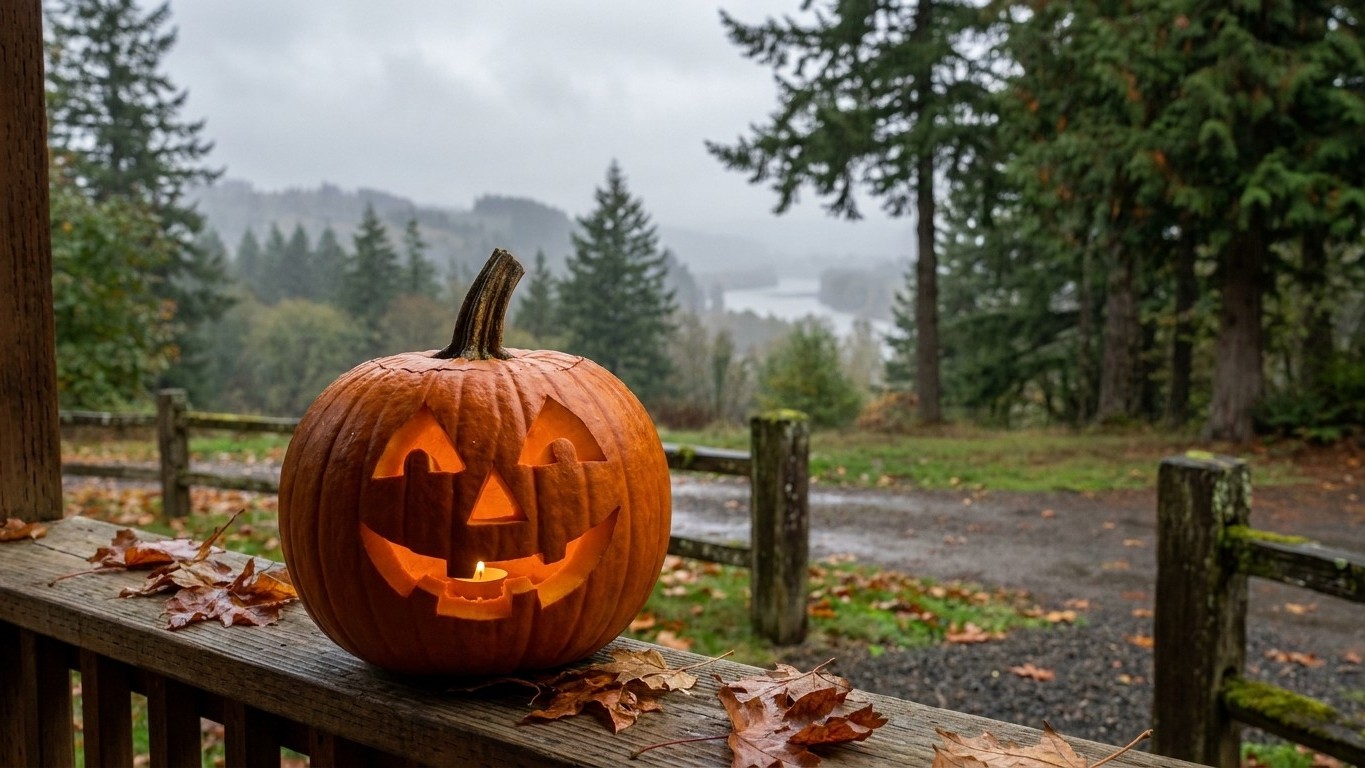
In Saskatchewan, the thing most likely to finish a pumpkin is the calendar, not an insect.
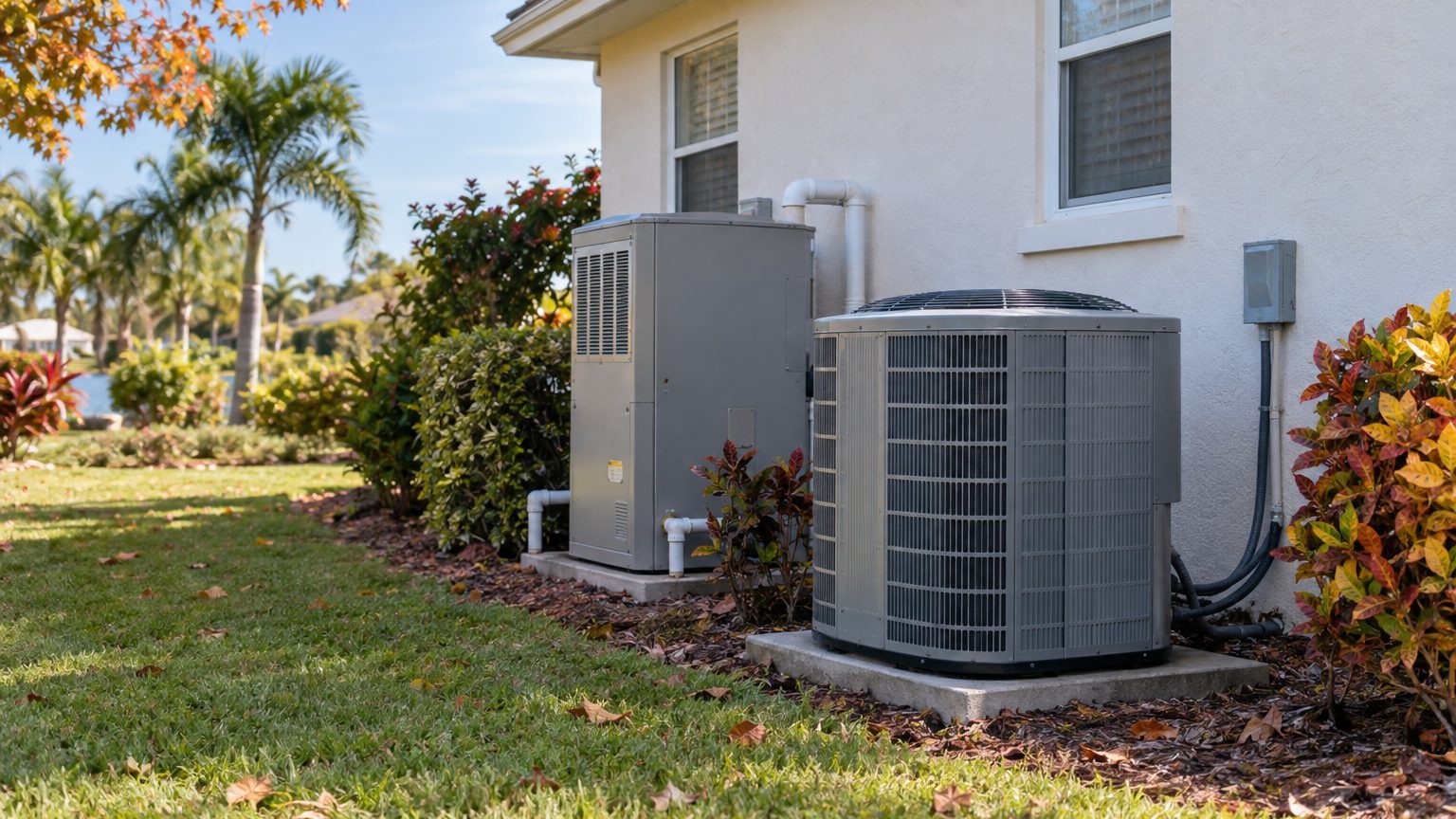
The honest answer hinges on a number that isn’t available here: the price of natural gas in Saskatchewan.
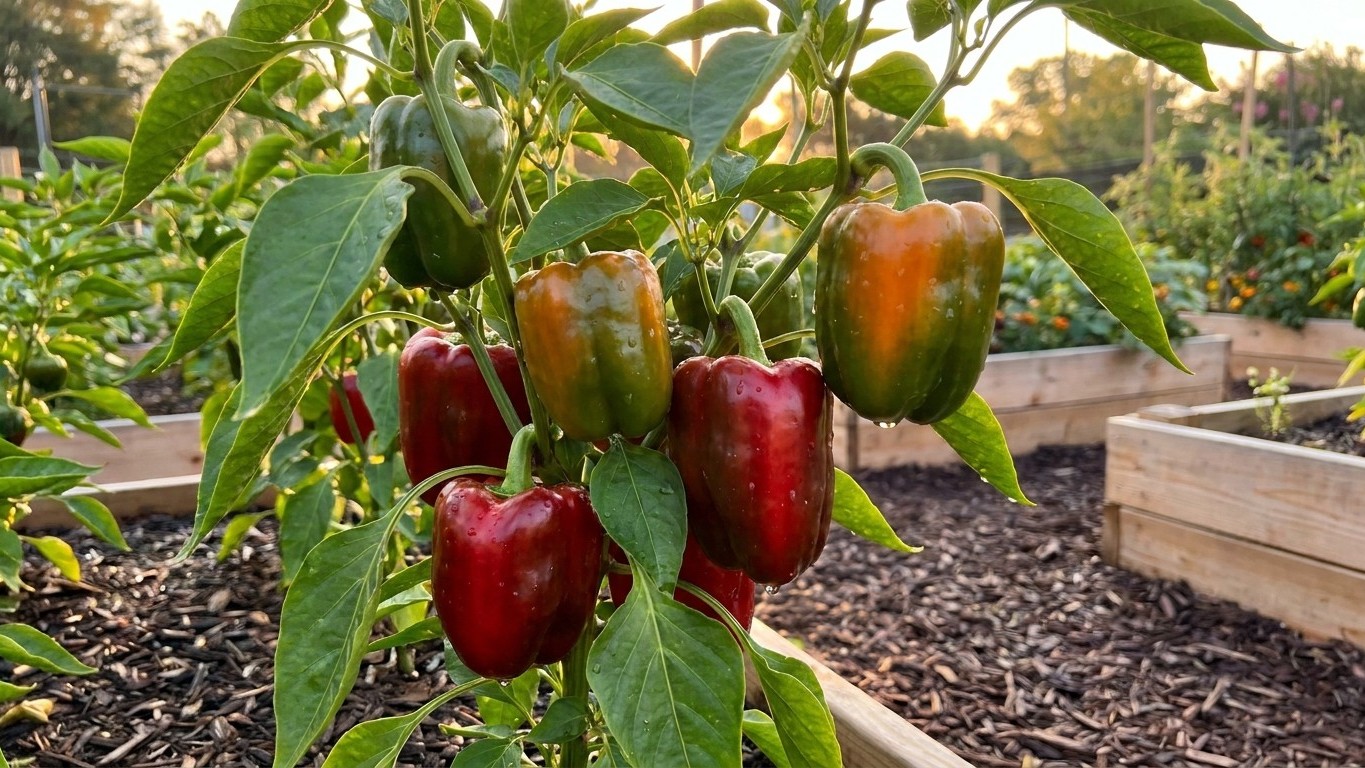
Weather does most of the damage to peppers in Saskatchewan, and the timing matters more than the intensity. Extreme heat is rare.
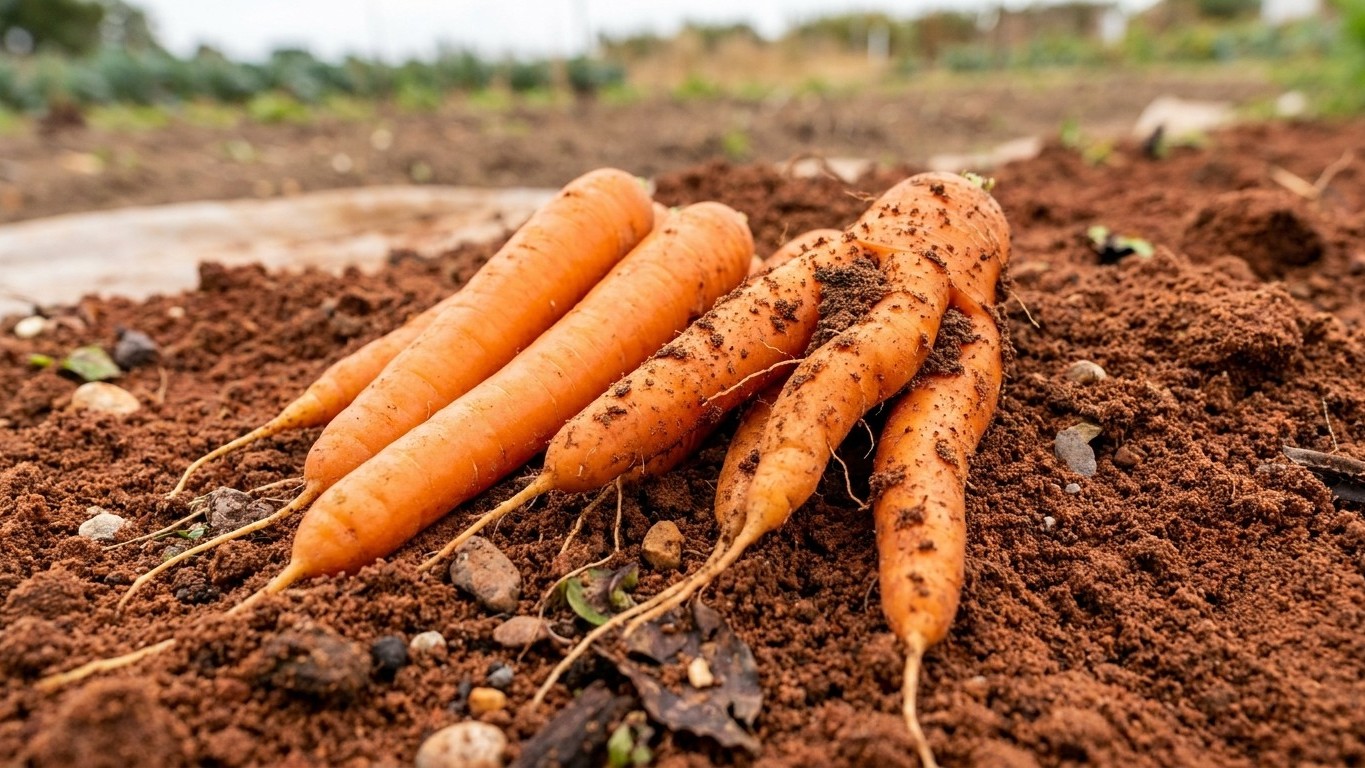
Mostly the ground and the weather, going by what this page can back up. Saskatchewan’s typical soil is forgiving to carrots, yet hard lumps, a hot…
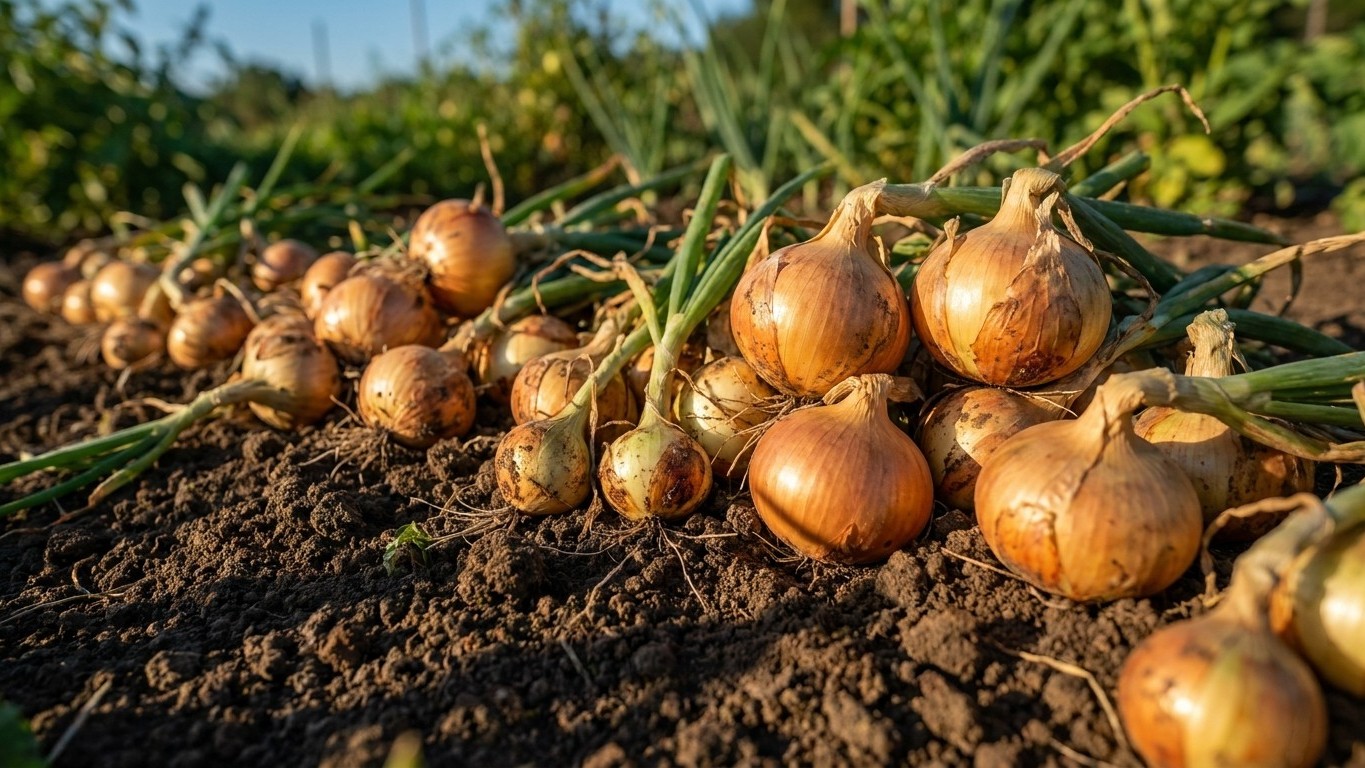
Two insects do most of the eating on onions here: thrips and grasshoppers. Thrips rasp the leaves and leave silvery scars. Grasshoppers chew them down.
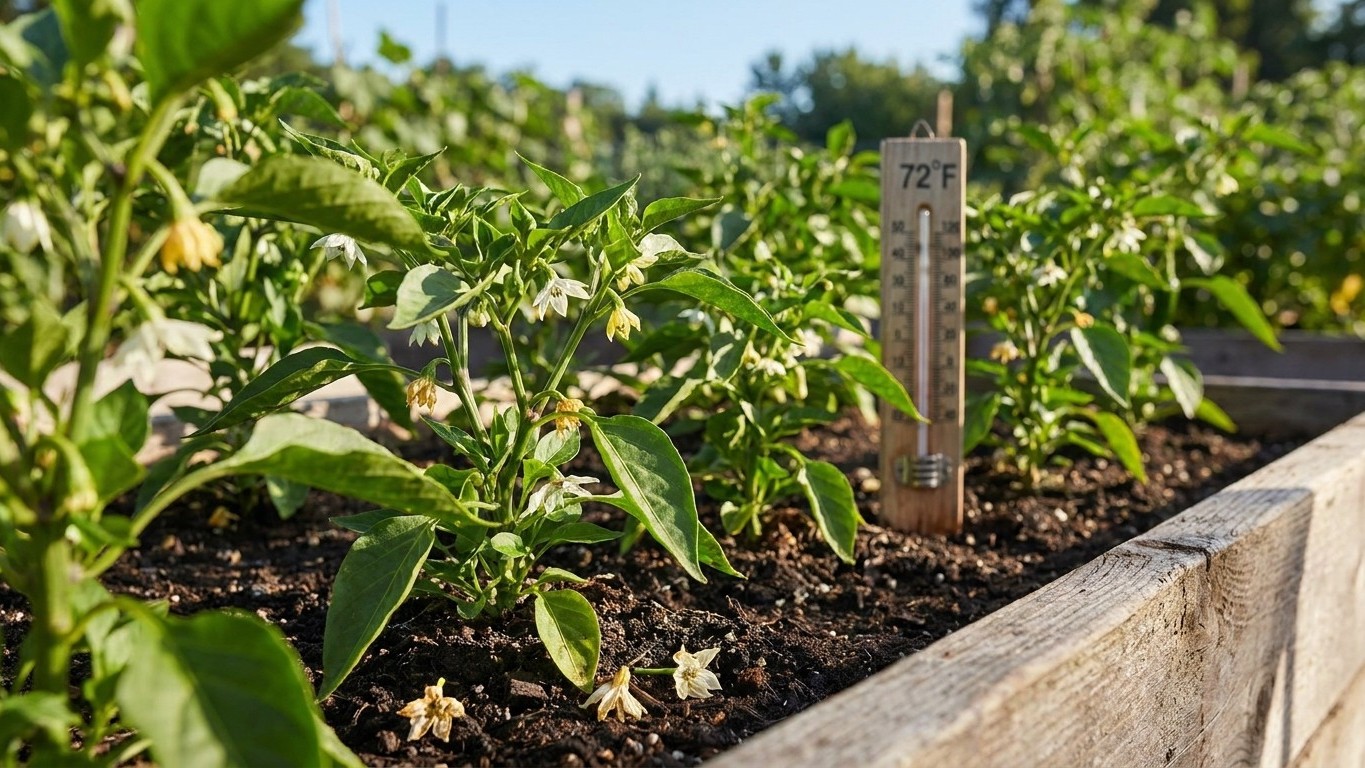
In Saskatchewan, start pepper seed indoors 8 to 10 weeks before you plan to transplant outside, and count your transplant date from two things: the day…