Basement Apartments in British Columbia: Rules, Ceiling Height and Windows
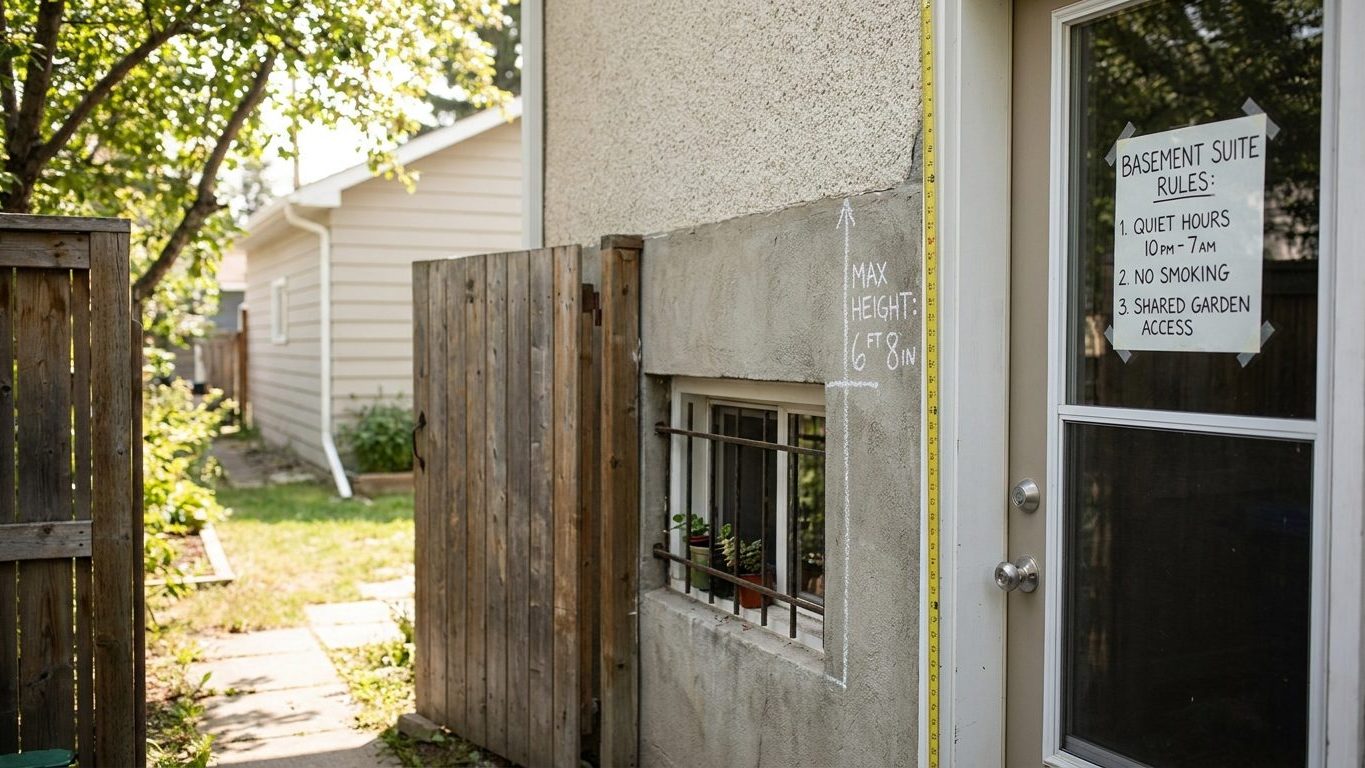
A practical look at British Columbia’s ceiling height, egress window and fire separation rules for basement suites, and where zoning still decides.
Home & garden, state by state
Cracks, drainage and moisture: reading what the house is telling you.
A practical look at British Columbia’s ceiling height, egress window and fire separation rules for basement suites, and where zoning still decides.
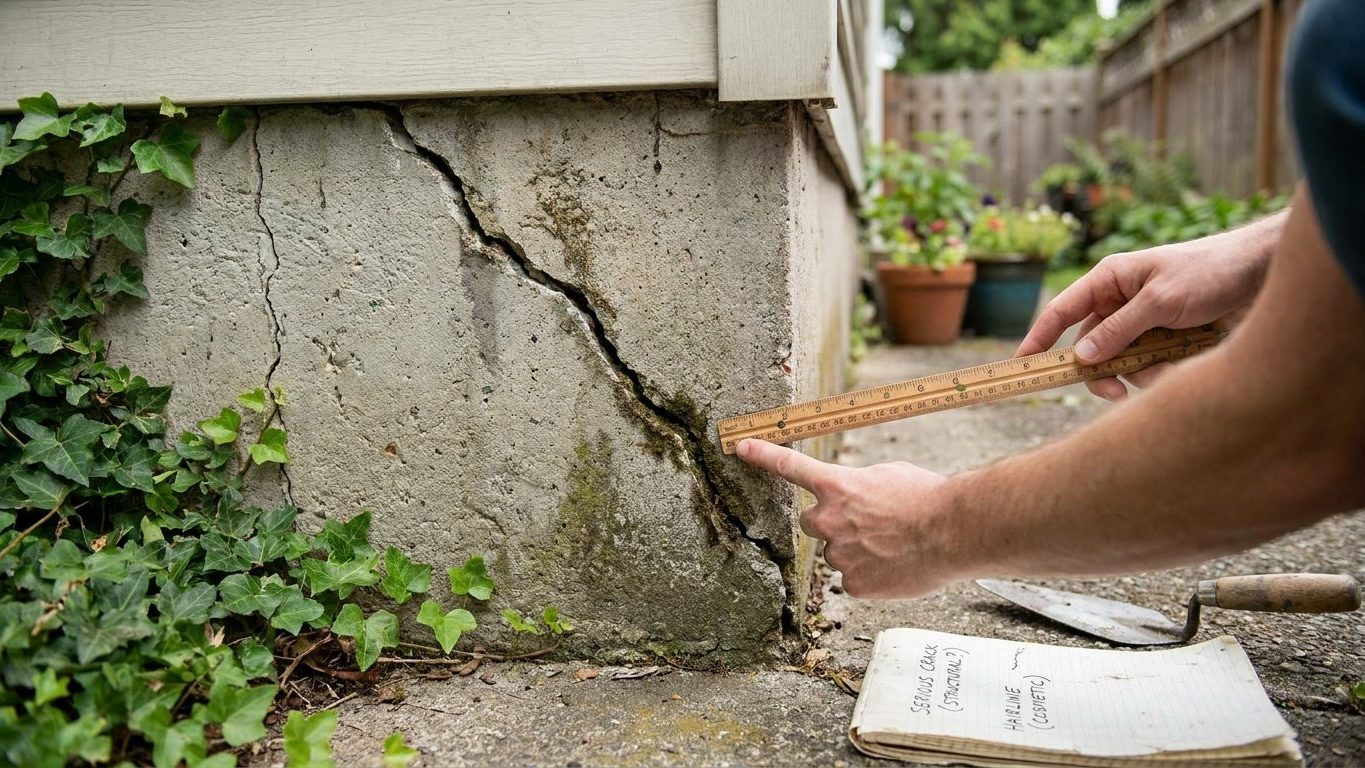
Learn to read a foundation crack by its direction and pattern, know what to monitor yourself, and know exactly when to call a structural engineer instead.

Radon is an invisible soil gas that enters through the lowest part of a house, and testing, not guessing, is the only way to know your level.
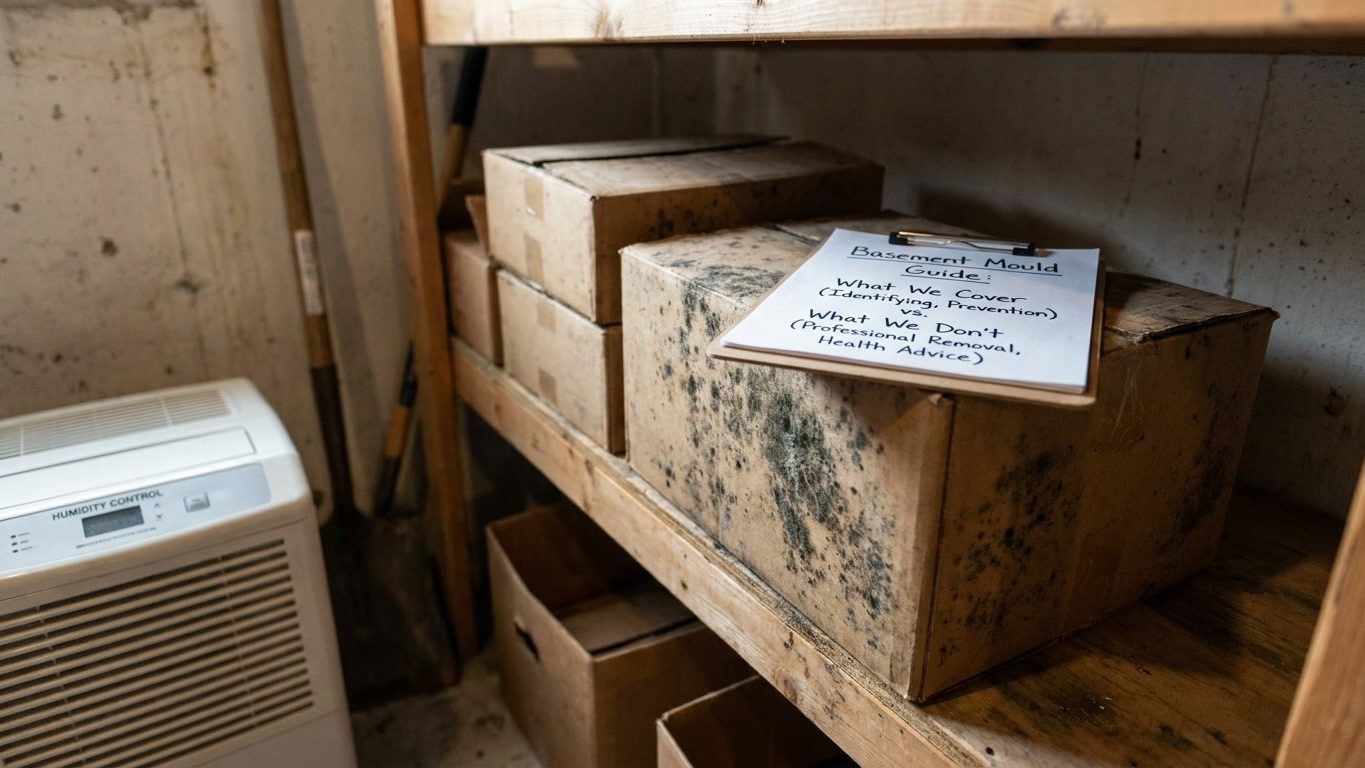
A clear look at what mould in a basement actually means, what to check first, and when the job needs a professional rather than a homeowner.
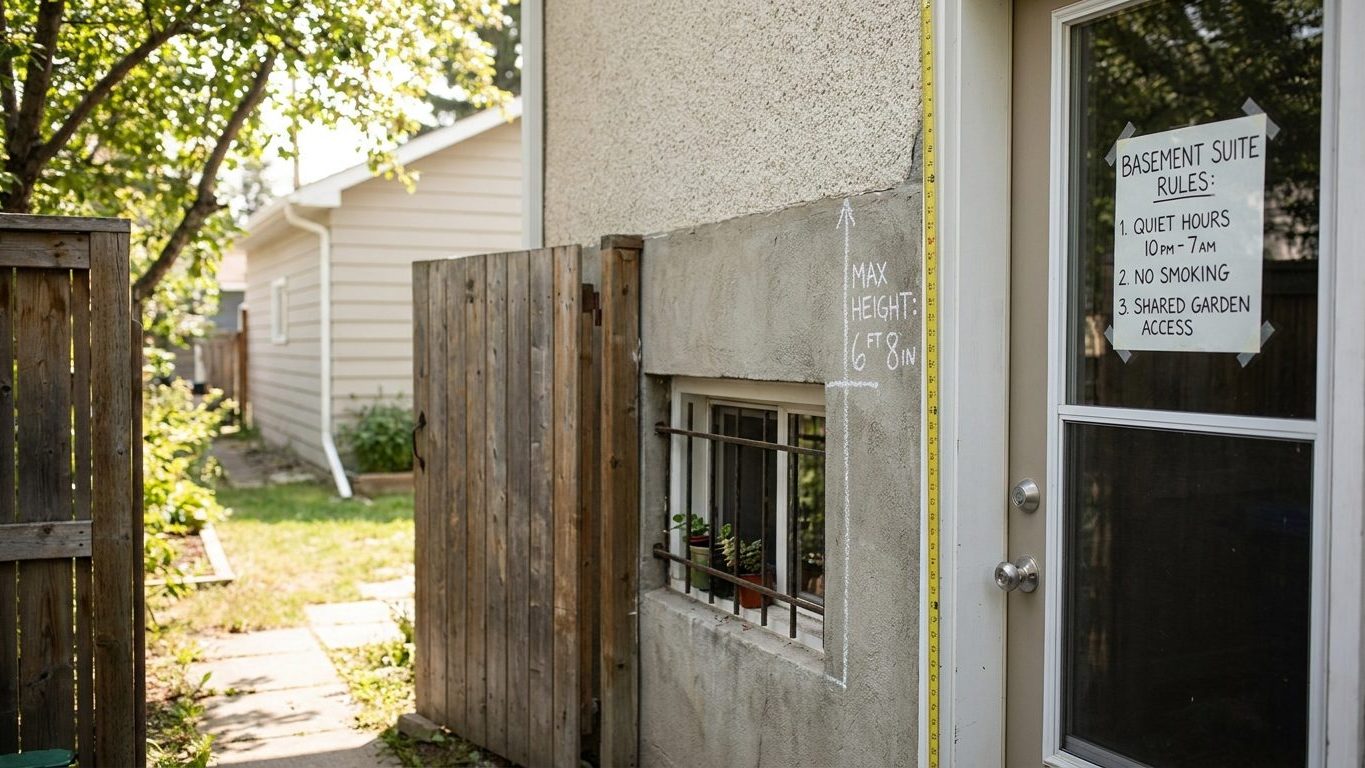
What Alberta’s building code requires for basement suite ceiling height, egress windows, fire separation and moisture control, and why zoning still matters.
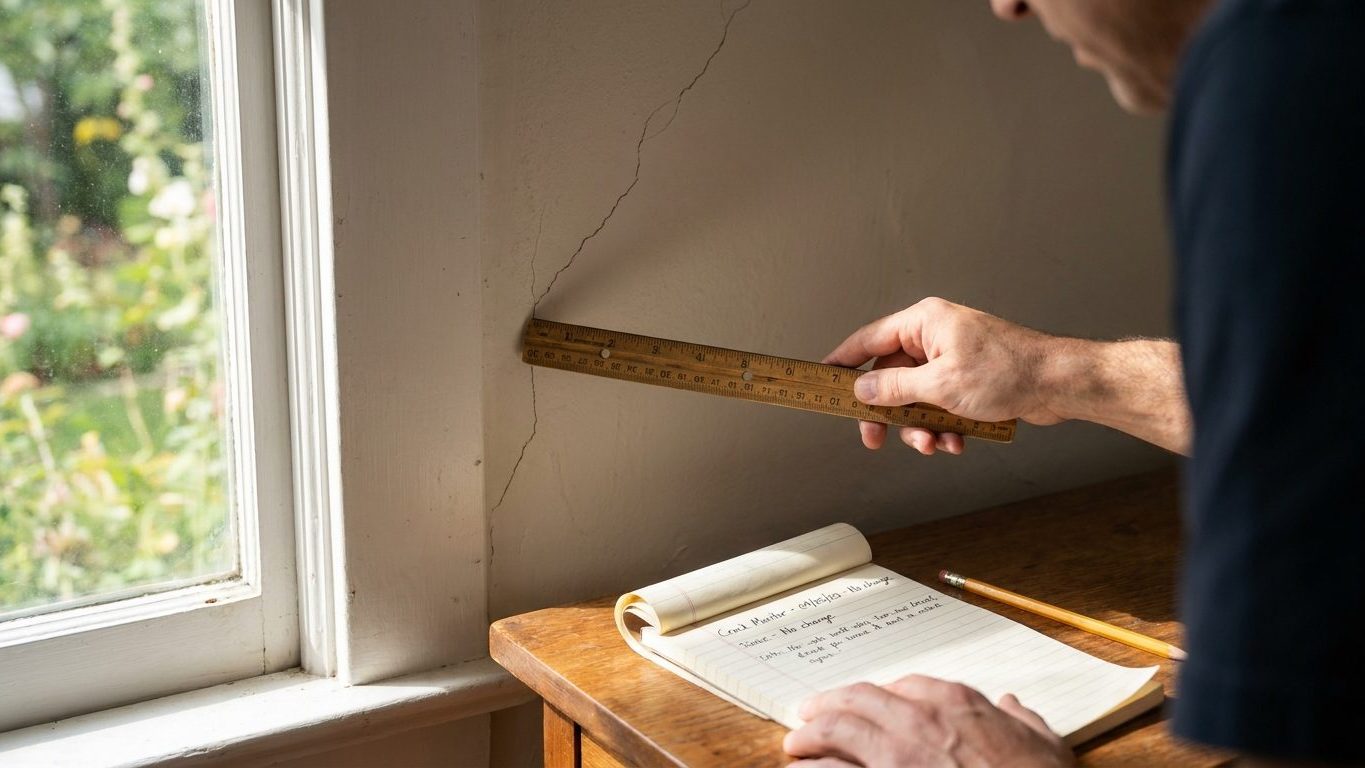
Explains how to mark, date, and re-check a crack in a foundation or wall to tell an old, stable crack from one that is still actively moving.
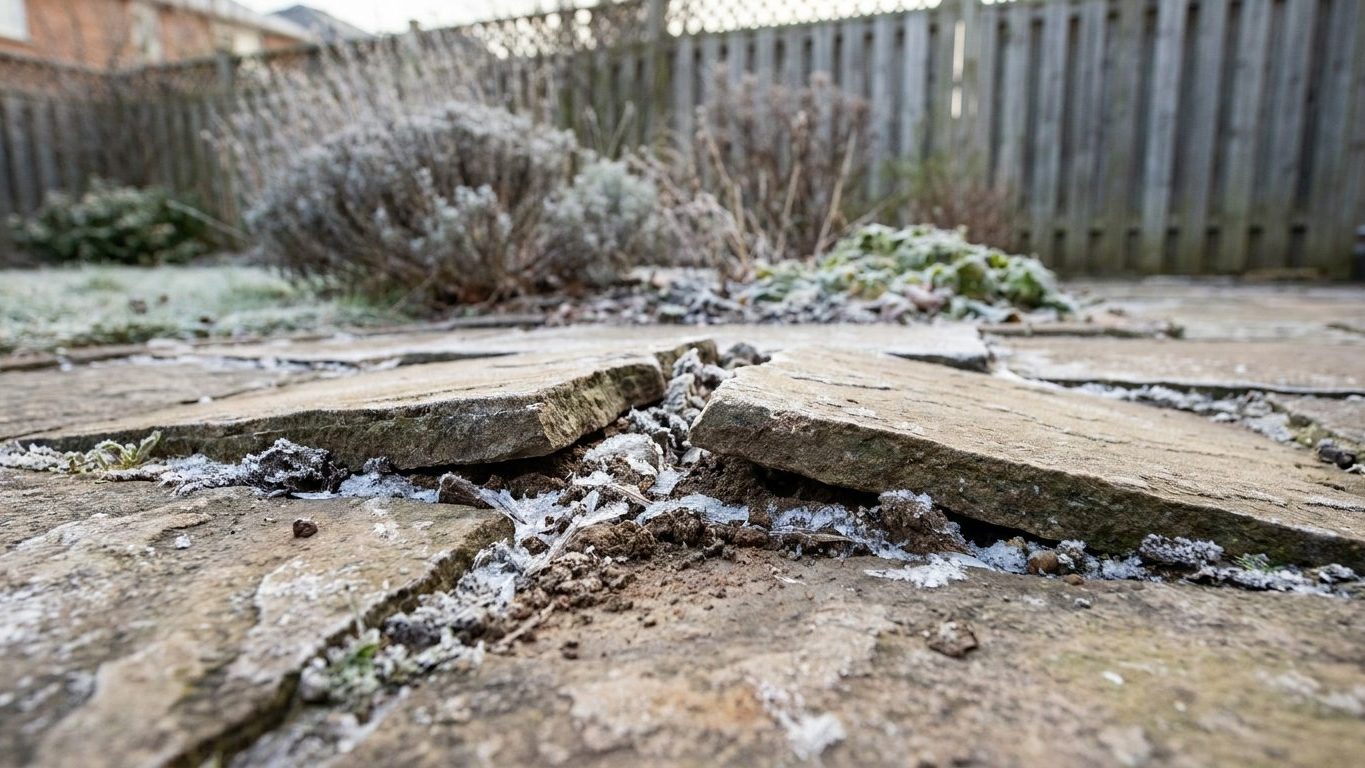
Frost heave happens when ice lenses form in wet soil and lift structures upward, and the fix starts with drainage, not with patching cracks.
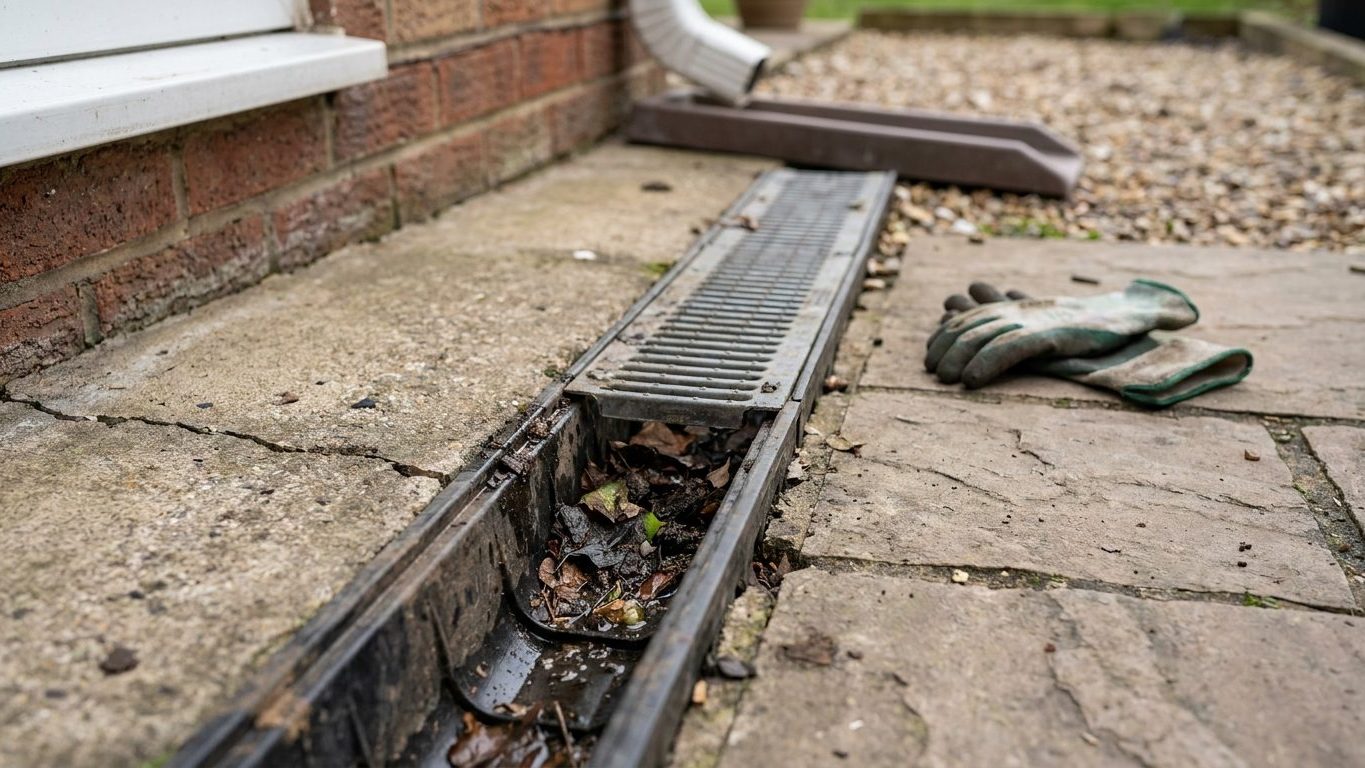
Exterior drains relieve hydrostatic pressure against a foundation wall but do nothing for gutter overflow, bad grading, condensation, or cracks that already exist.
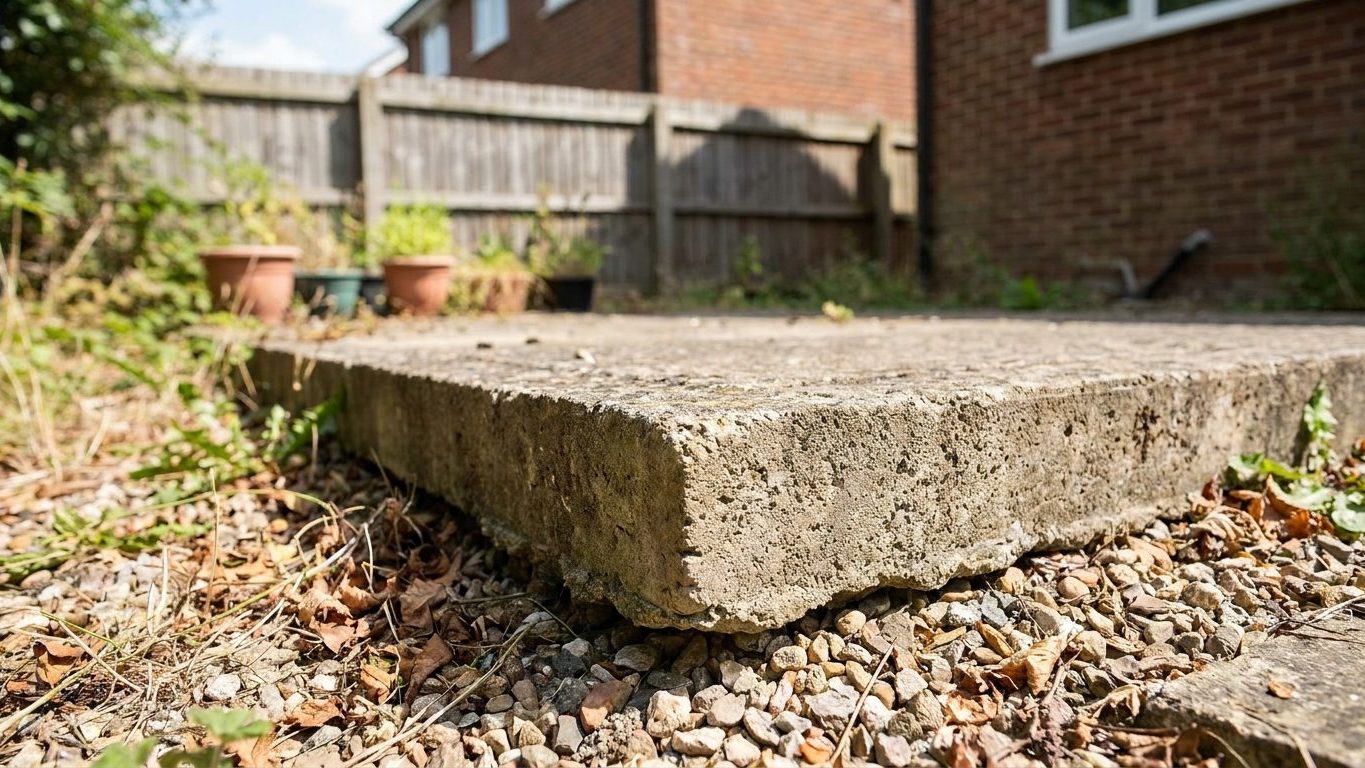
How to identify a slab, crawl space or basement foundation, what problems typical to each look like, and when a structural engineer beats a repair quote.
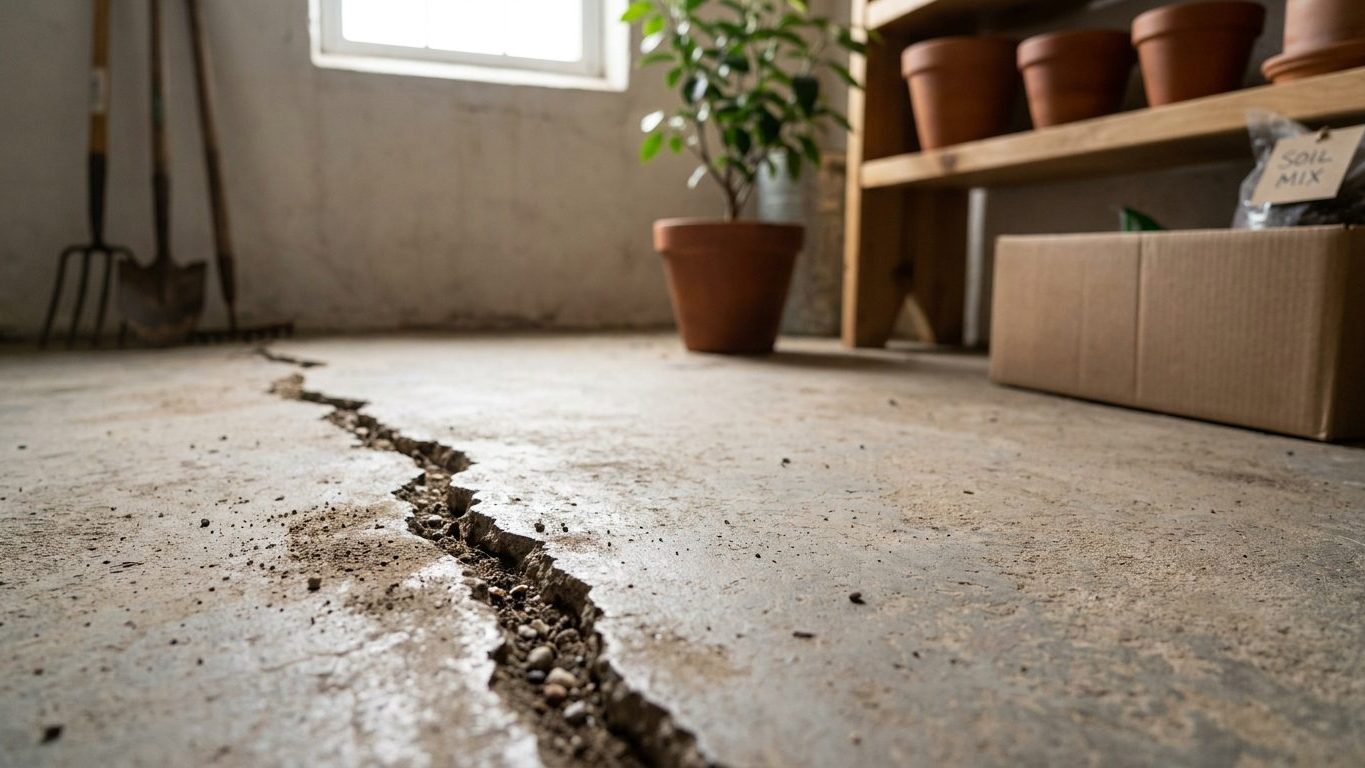
Explains which cracks in a basement or garage slab are normal settling and which ones signal a structural problem worth calling an engineer for.