When Sweet Corn Is Ready in Hawaii, and How Fast It Fades
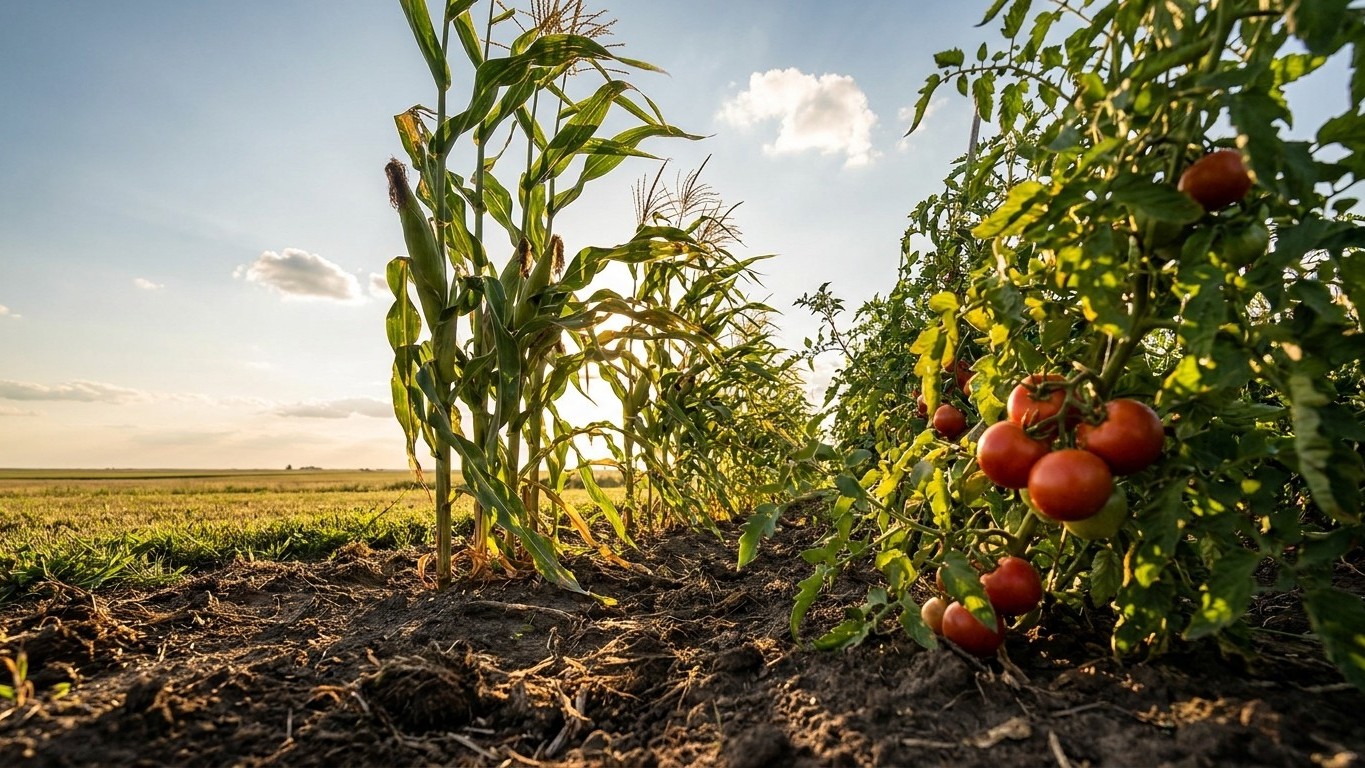
No frost date sets the clock for sweet corn in Hawaii’s inhabited areas. What decides it is soil temperature at planting, then 60 to 90 days of growing…
Home & garden, state by state
What home and garden advice looks like when it is written for Hawaii — west seasons, west rules, and the numbers that go with them.
Everything we have worked out for Hawaii: what to plant and when, which varieties finish in time, the pests that actually turn up here, and the jobs that pay off month by month. We also cover the rest of the property, from lawns and soil to home care and energy, because a garden rarely stops at the vegetable bed.
The numbers first, because everything else follows from them. Measured at the weather station in Honolulu, the last spring freeze falls around no freeze occurs in inhabited areas and the first fall freeze falls around no freeze occurs in inhabited areas, USDA zones 9a-13a, 9,934 growing degree days in the year.
Heat, not frost, is what shortens the season here: above 86 °F tomato pollen goes sterile, so growers run a spring crop and an autumn one rather than a single long season. Garlic is the awkward one: only 0 weeks below 40 °F, where it needs six to split into cloves. Chill the cloves before planting, or grow a softneck type.
Elsewhere on the property in Hawaii: the pests that turn up here.
Figures from NOAA's 1991-2020 climate normals. A state is not one climate: elevation, a large lake or the coast can move these dates by two weeks either way, so check your own county with the extension service before you spend money.
No frost date sets the clock for sweet corn in Hawaii’s inhabited areas. What decides it is soil temperature at planting, then 60 to 90 days of growing…
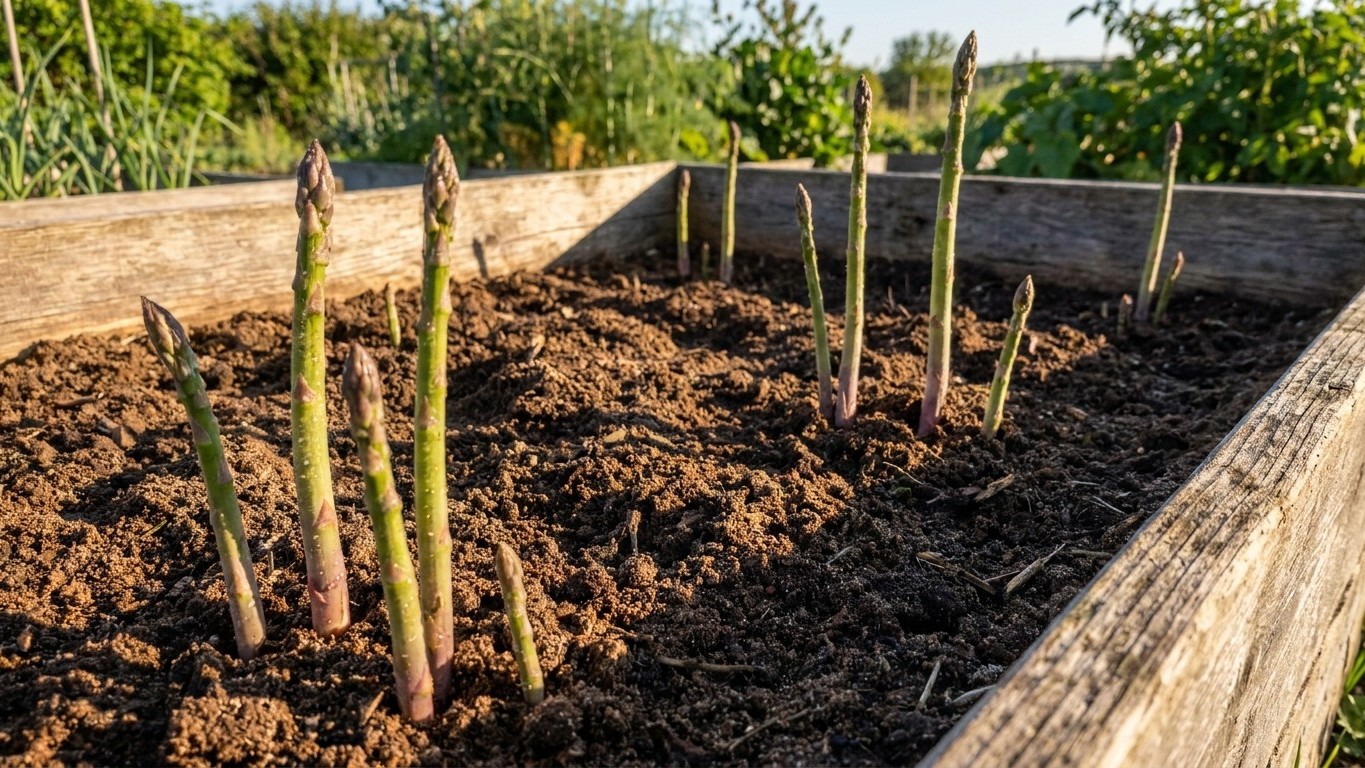
Stop cutting when most of the spears coming up are thinner than a pencil. That’s an object you can see, not a date on a calendar.
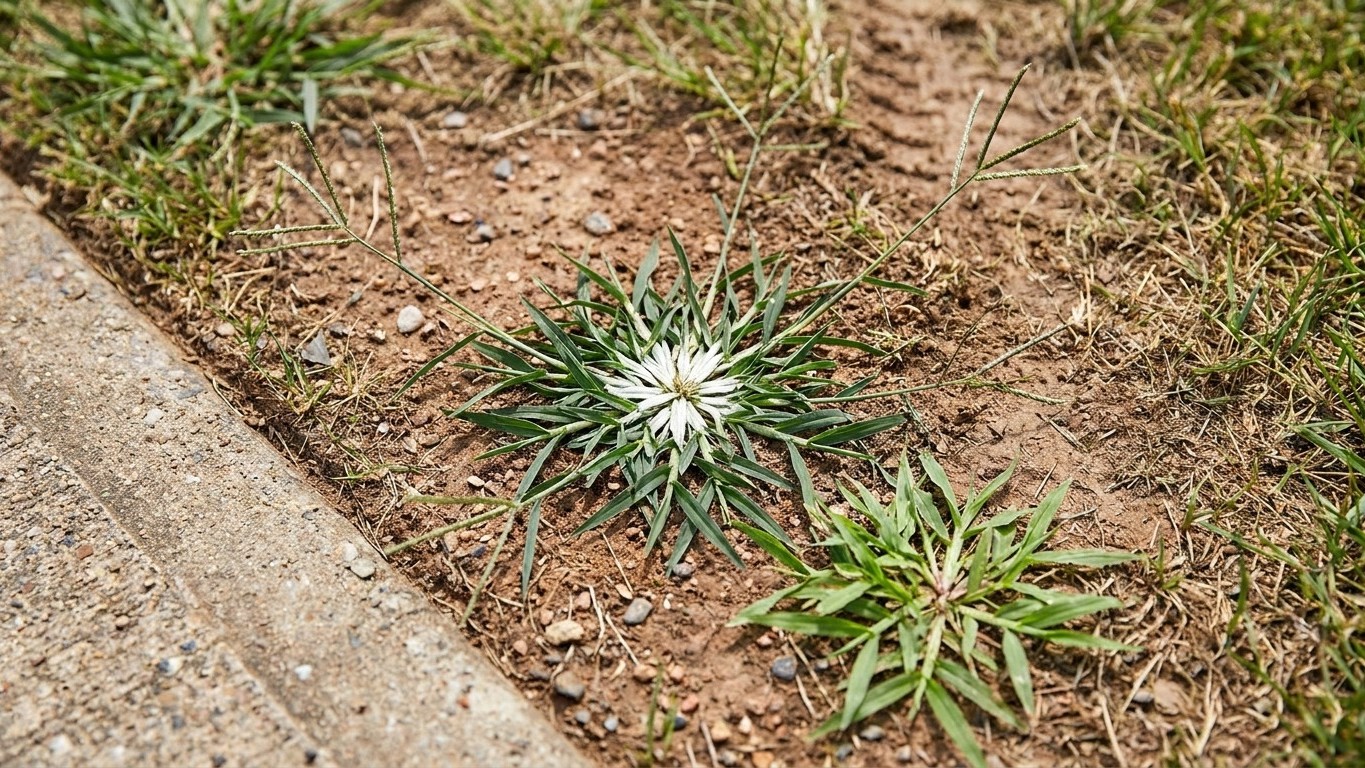
Most Hawaii lawns never need dethatching. Cut a small wedge out of the turf with a spade, and if the brown, spongy layer between the green blades and the…
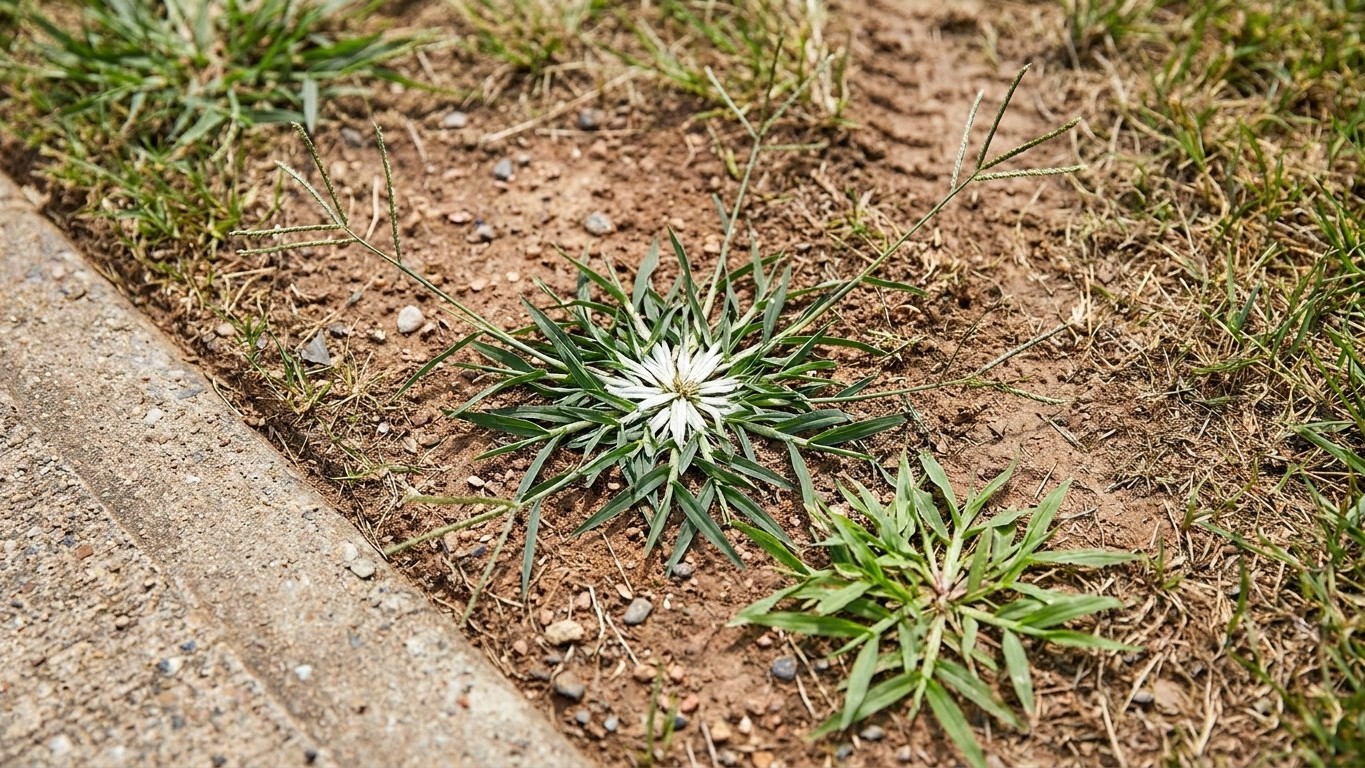
There is no single number, because Hawaii lawns are made of different grasses.
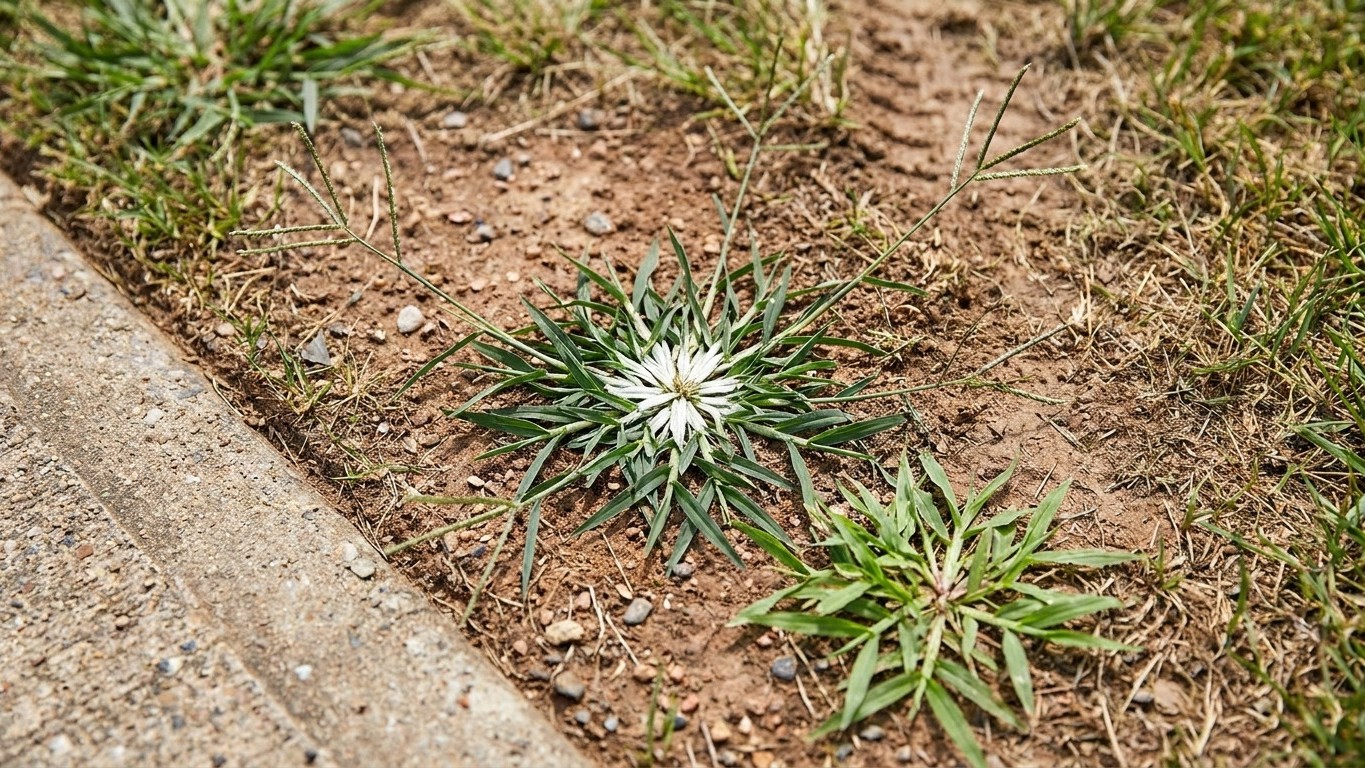
Hawaii has no frost calendar, so there is no “after the last frost” date to wait for.
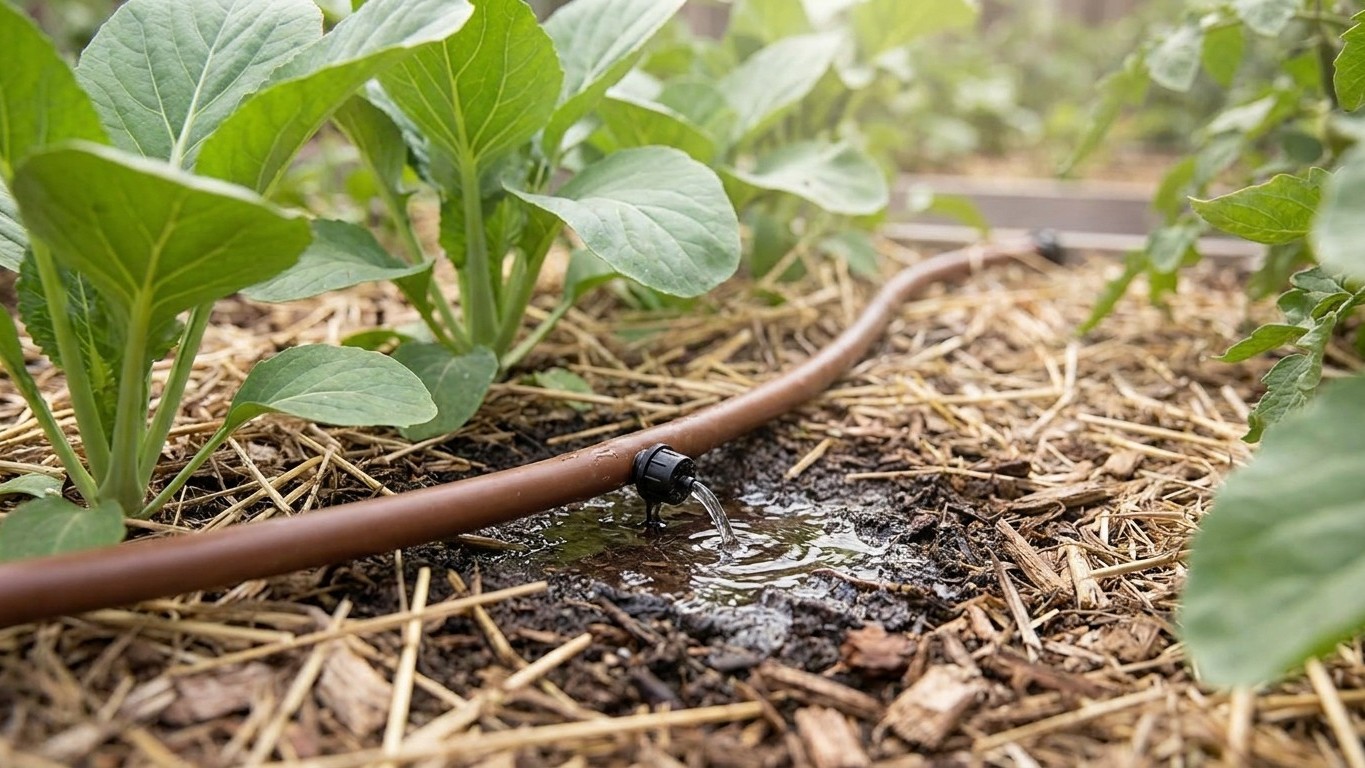
Lowland Hawaii has no last spring frost, so there is no frost date to count back from. Count back from the day you want transplants in the ground instead.
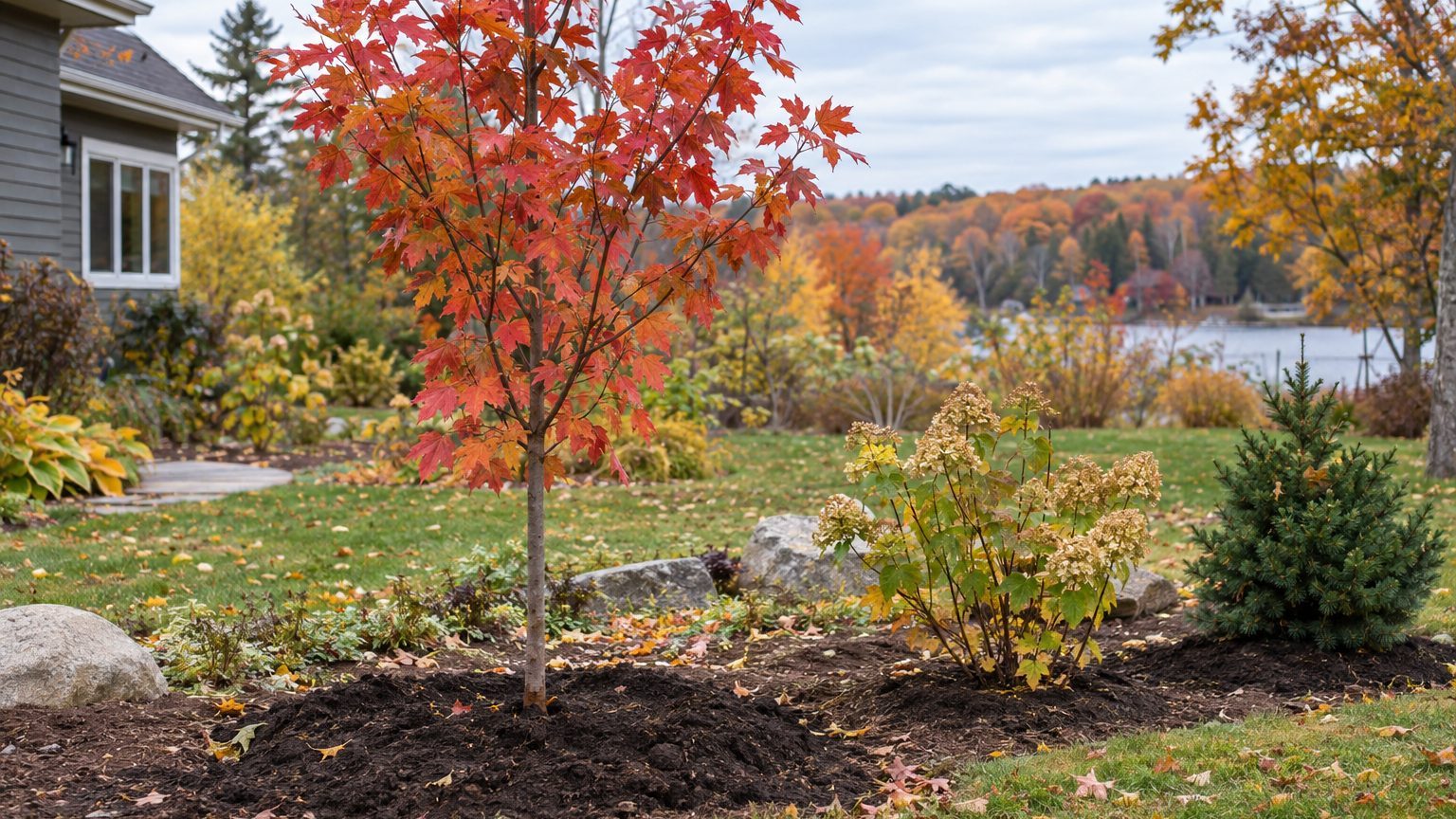
There is no fall planting deadline in lowland Hawaii. The ground does not freeze where people live, so the mainland rule of finishing weeks before a…
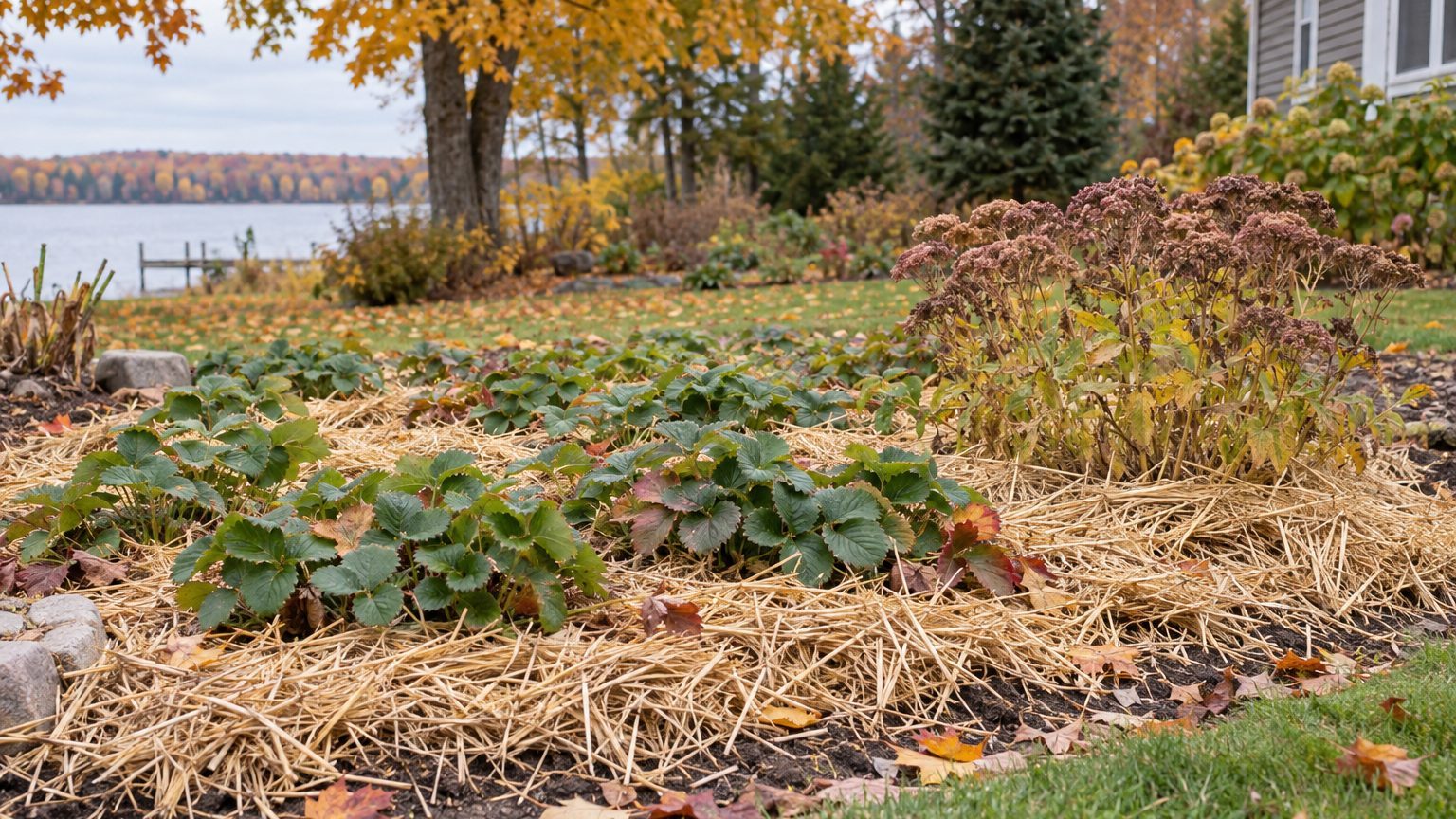
In Hawaii’s inhabited areas, there is no winter mulching date to circle. NOAA’s 1991-2020 Climate Normals record zero days per year at or below 32°F at…
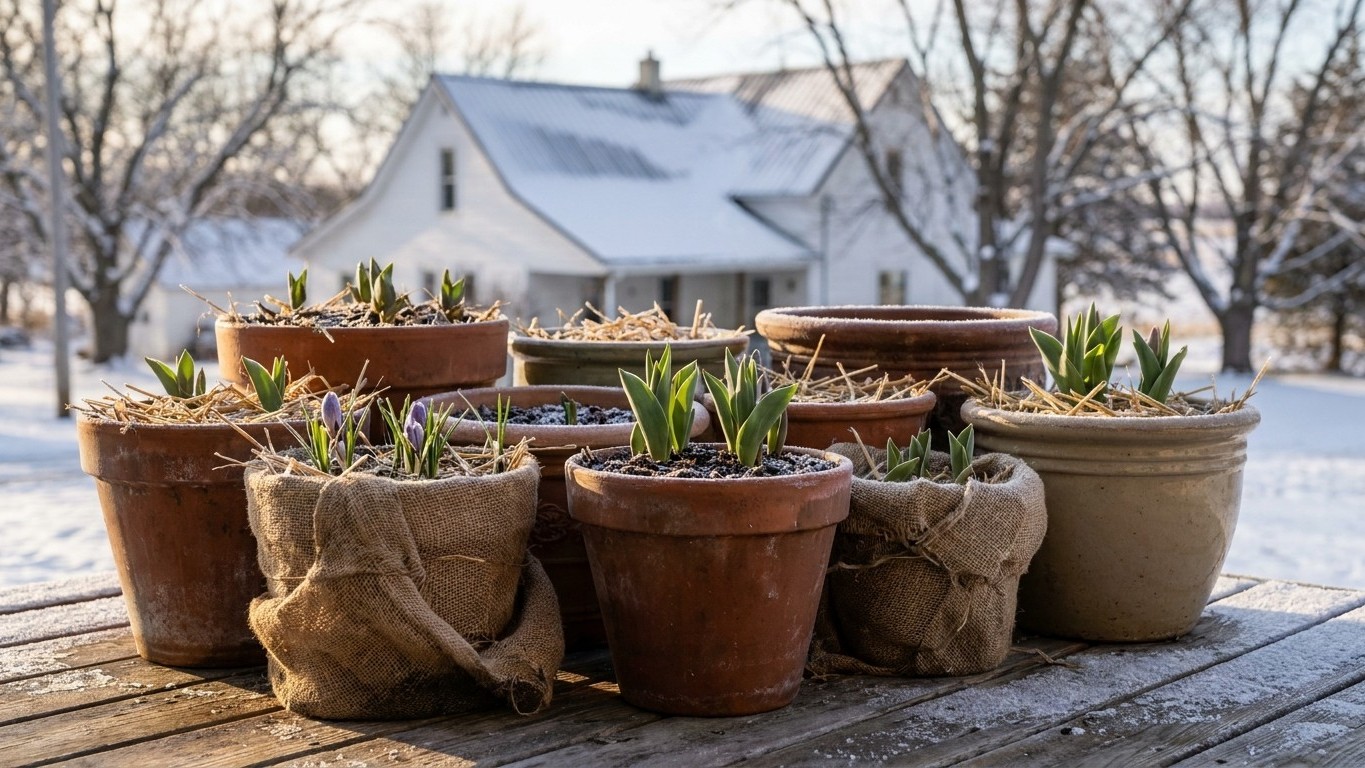
In lowland Hawaii, you don’t have to. No freeze reaches the tubers, so dahlias, cannas and gladiolus can stay in the ground all year, and there is no…
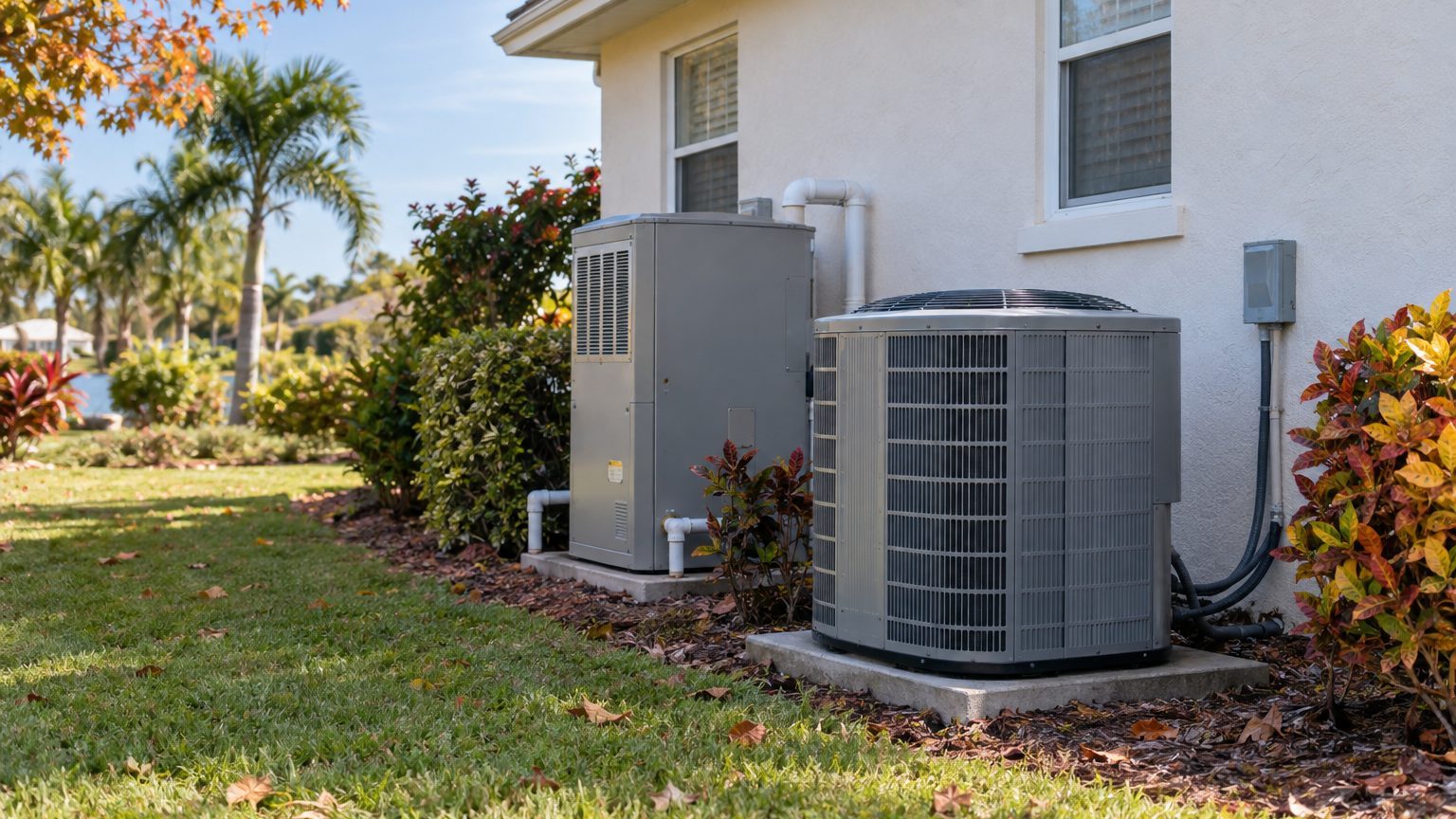
On running cost alone, a 95% AFUE natural gas furnace beats a heat pump in Hawaii by $3.97 per million Btu of heat delivered, using EIA average prices.