Protecting Roses Through a South Carolina Winter
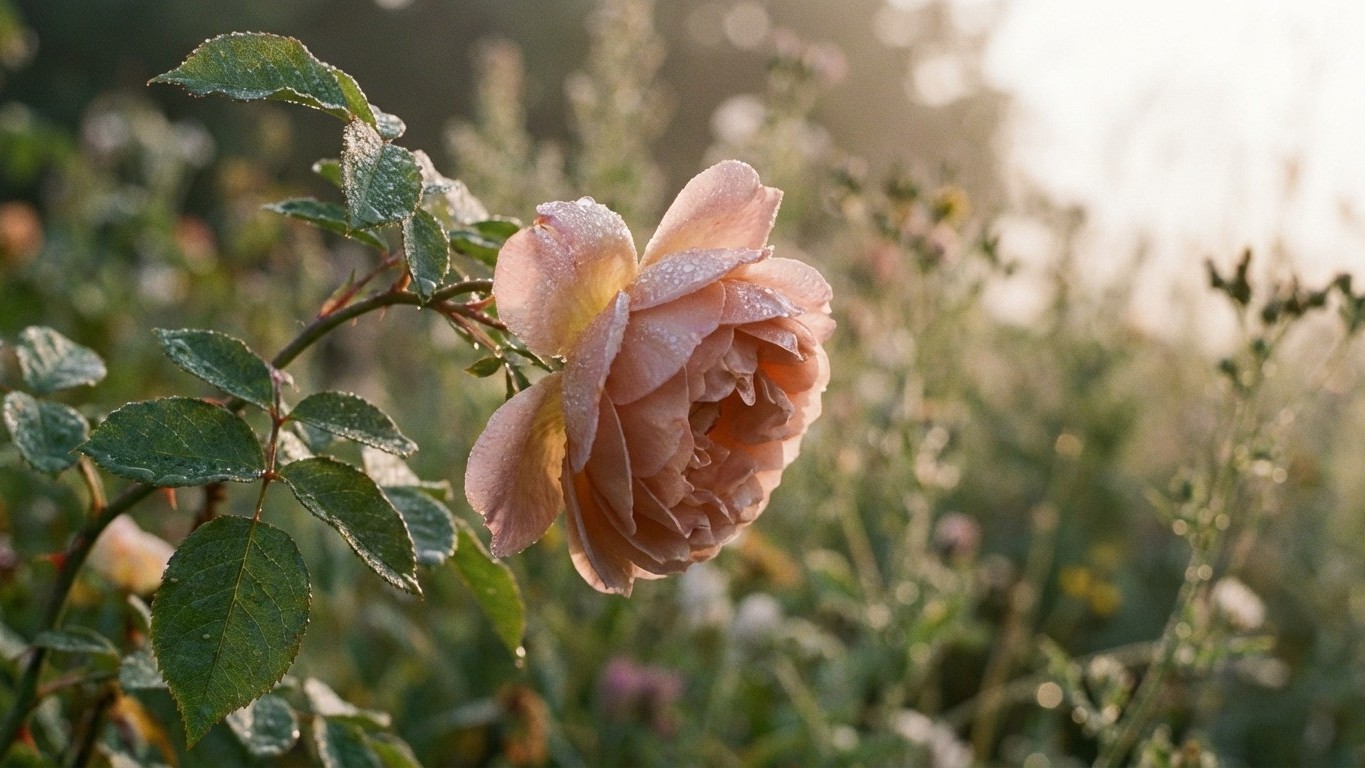
Roses along the South Carolina coast need no winter protection. In the Upstate and the northwestern foothills, a mound of clean soil over the base of…
Home & garden, state by state
Home and garden guidance for South Carolina: planting dates for its climate zones, the codes that apply locally, and the rebates residents can actually claim.
Everything we have worked out for South Carolina: what to plant and when, which varieties finish in time, the pests that actually turn up here, and the jobs that pay off month by month. We also cover the rest of the property, from lawns and soil to home care and energy, because a garden rarely stops at the vegetable bed.
The numbers first, because everything else follows from them. Measured at the weather station in Charleston, the last spring freeze runs February 28 to March 17 and the first fall freeze runs November 20 to December 5, USDA zones 7a-9a, 6,323 growing degree days in the year.
Garlic is the awkward one: only 4.3 weeks below 40 °F, where it needs six to split into cloves. Chill the cloves before planting, or grow a softneck type.
Elsewhere on the property in South Carolina: the pests that turn up here.
Figures from NOAA's 1991-2020 climate normals. A state is not one climate: elevation, a large lake or the coast can move these dates by two weeks either way, so check your own county with the extension service before you spend money.
The planting guide for each month in South Carolina:
Roses along the South Carolina coast need no winter protection. In the Upstate and the northwestern foothills, a mound of clean soil over the base of…
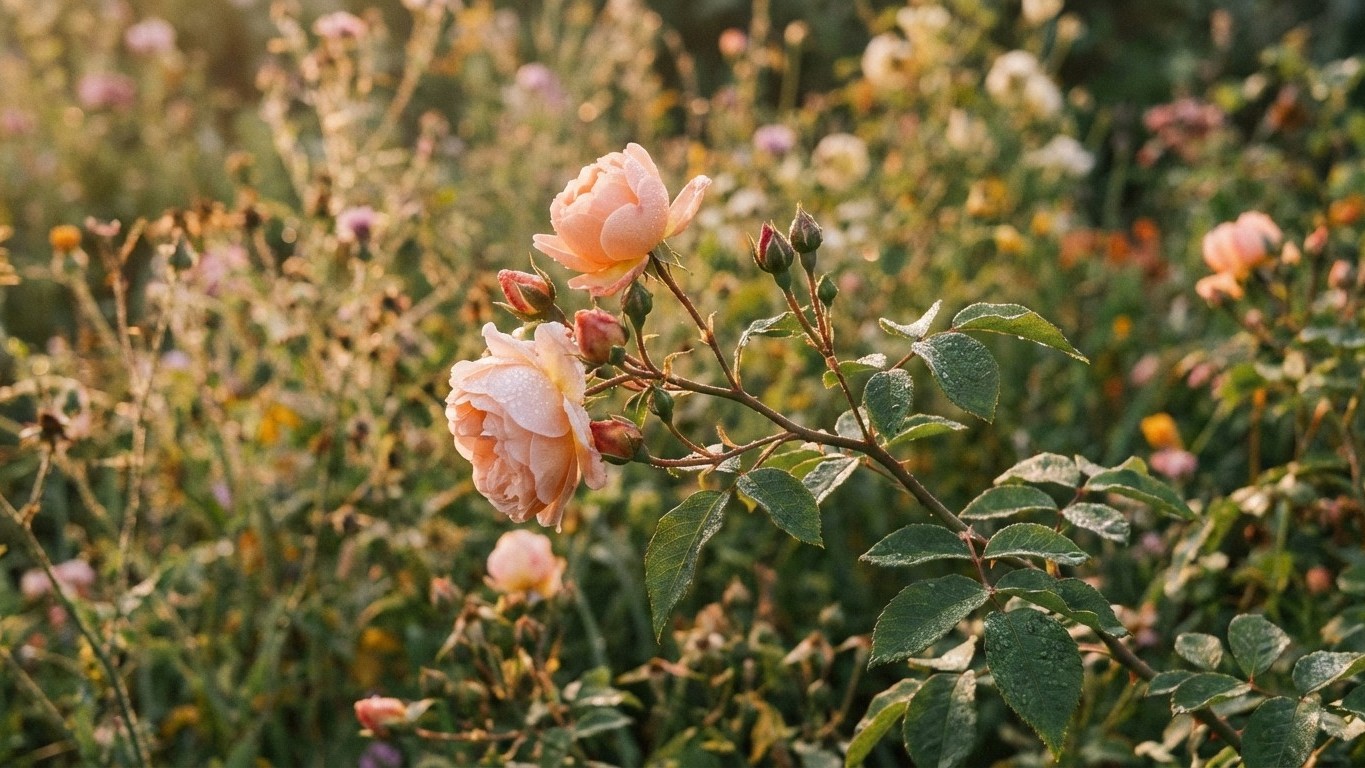
Roses that hold up in South Carolina are mostly the tough shrub and climber types: Knock Out, rugosas such as Hansa and Therese Bugnet, and the climber…
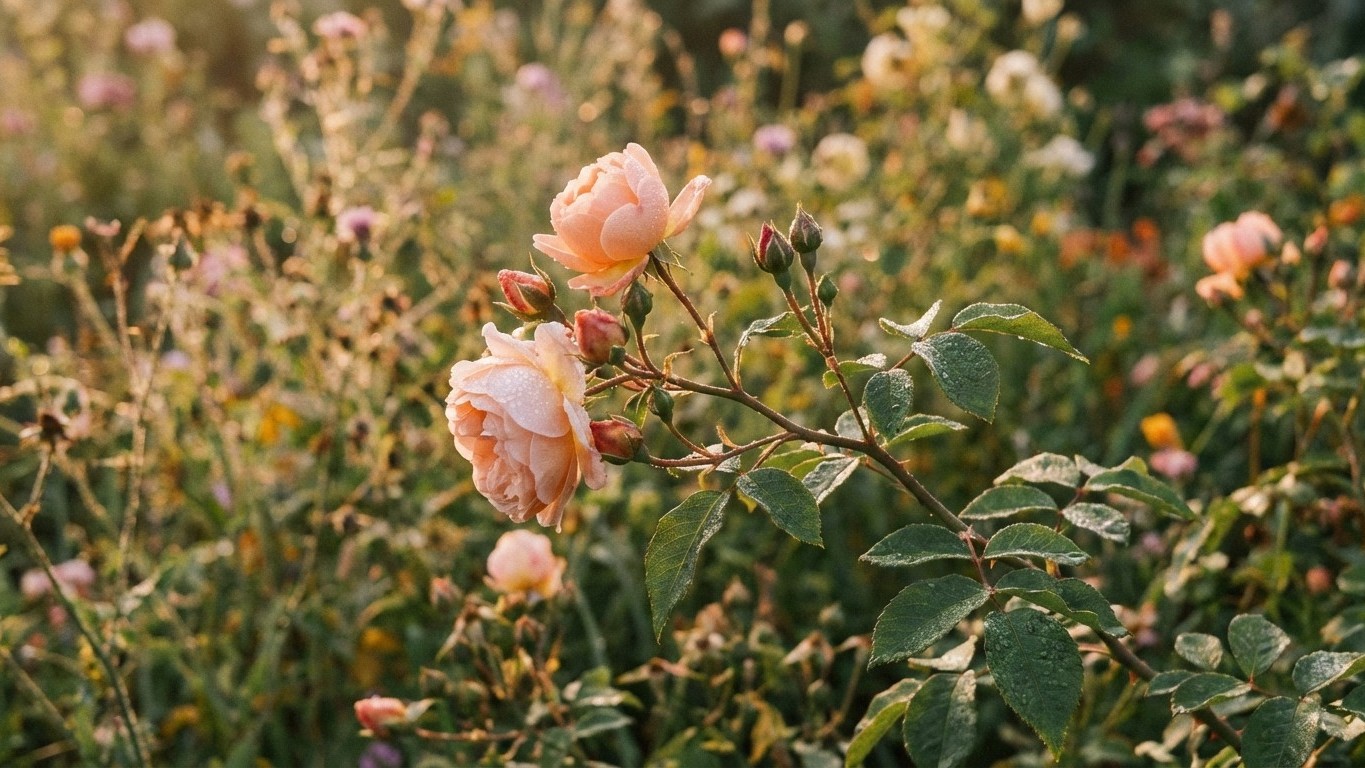
Near Charleston, prune repeat-blooming roses between roughly February 20 and March 15.
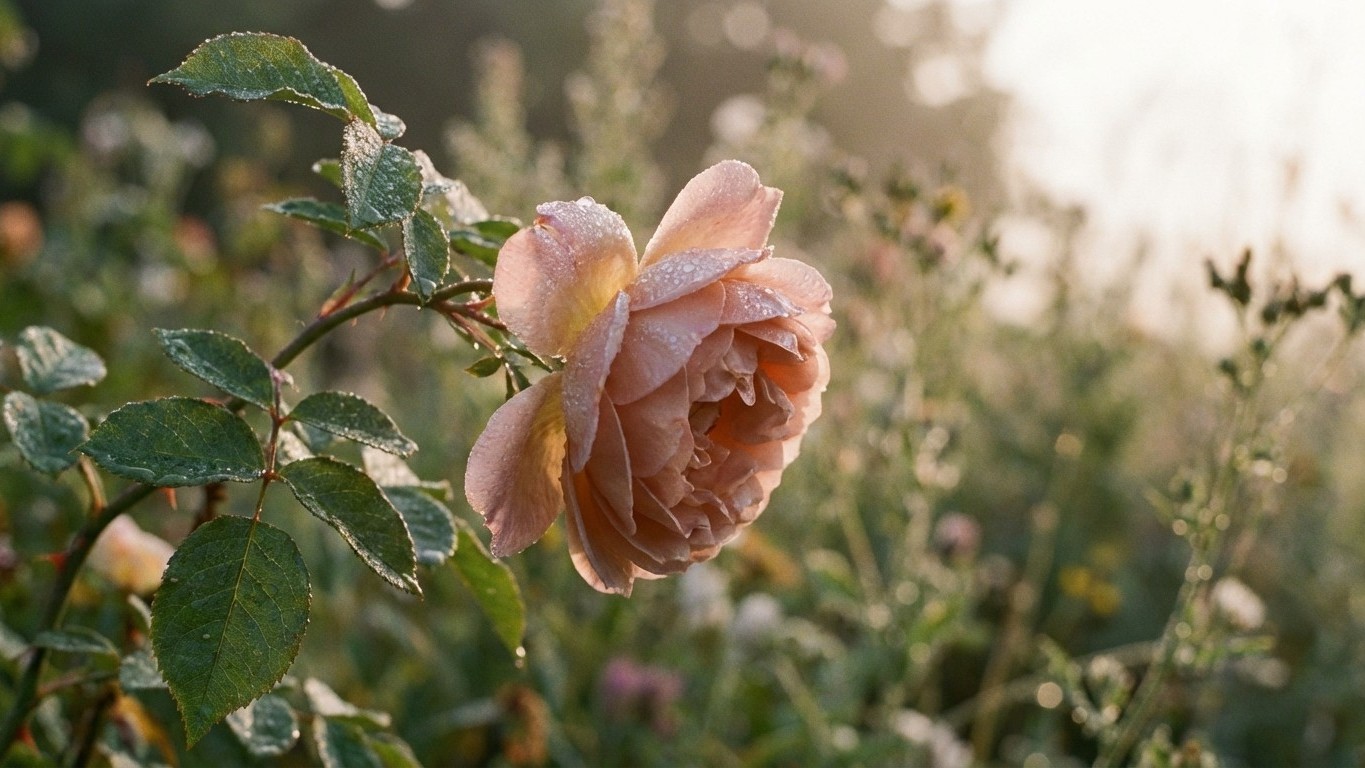
Black spot is the disease South Carolina rose growers fight most, because warm, wet summers keep leaves damp for days at a stretch.
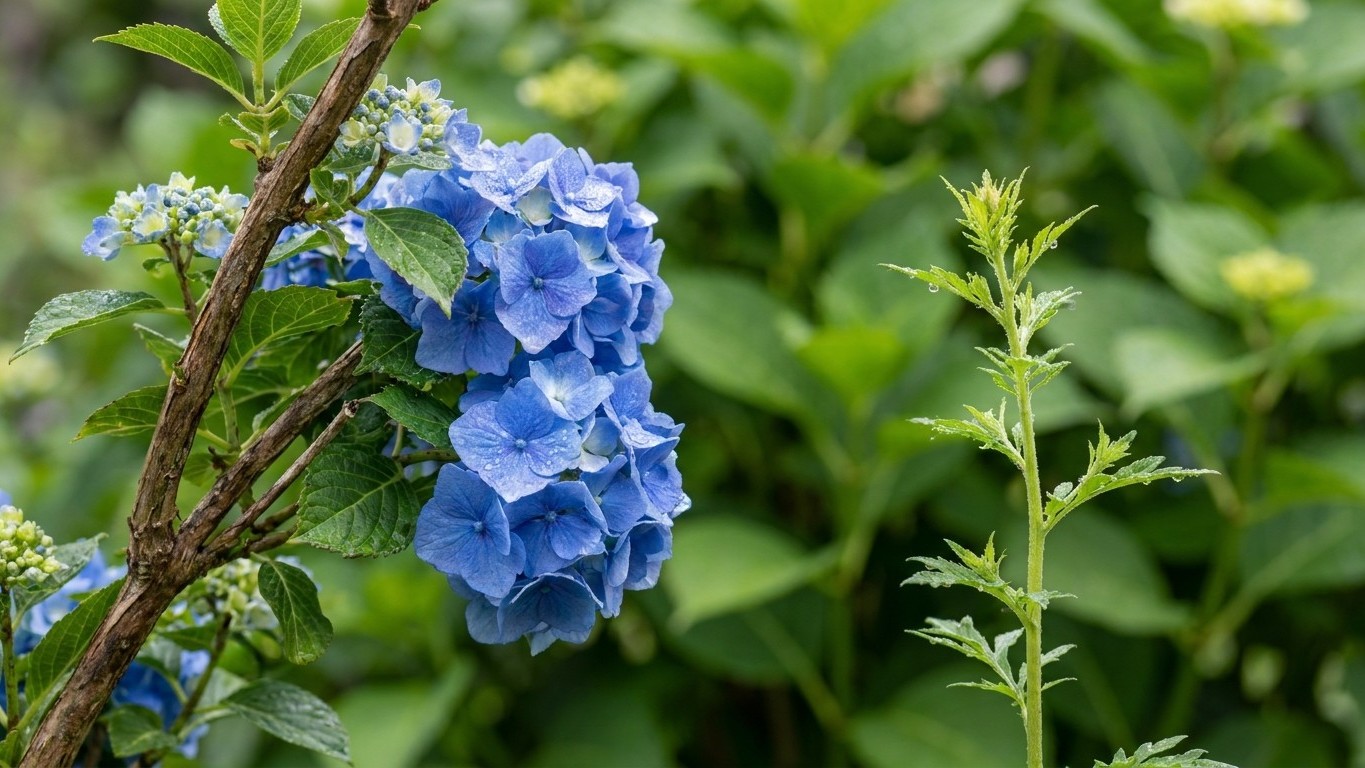
Most hydrangeas in South Carolina get through winter with little help. The USDA Plant Hardiness Zone Map puts the state at 7a to 9a, which is mild enough…
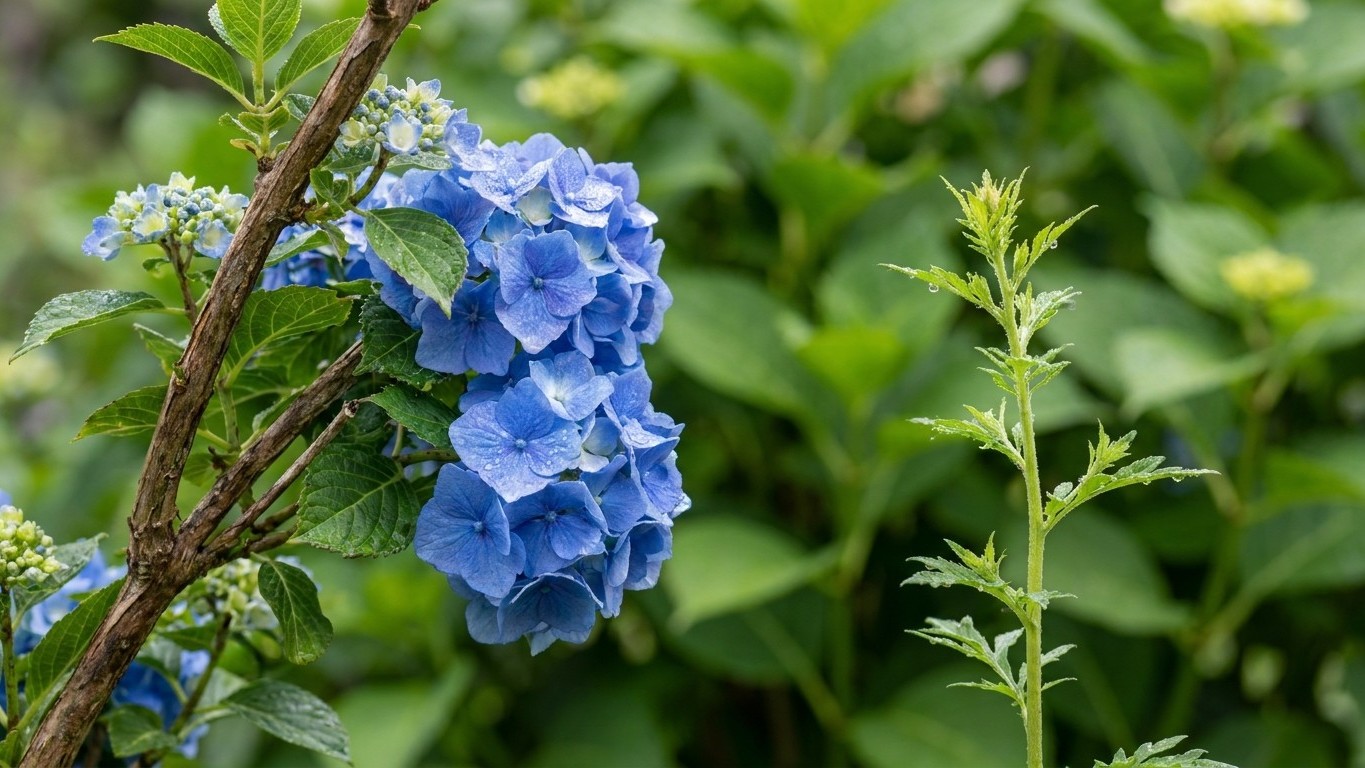
Almost every hydrangea sold in the Southeast lives through a South Carolina winter.
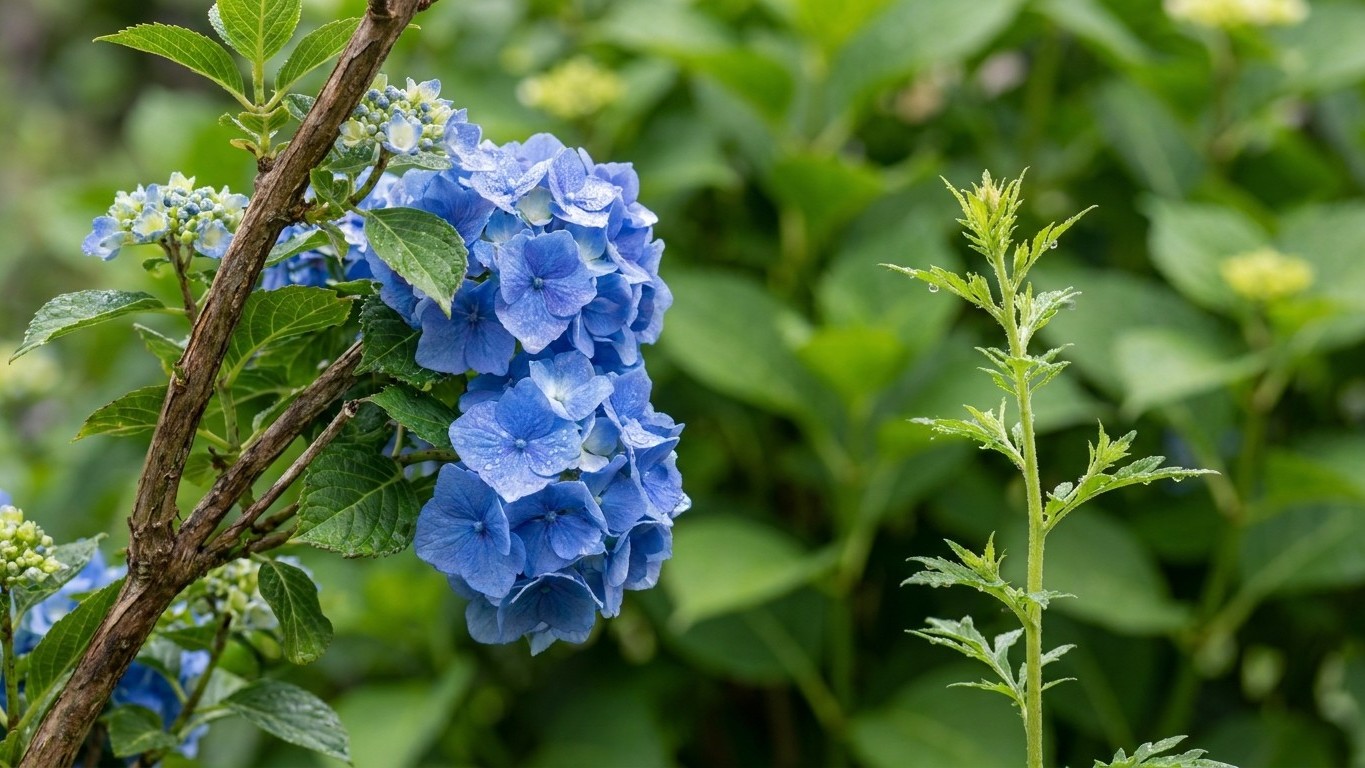
Pink hydrangeas in South Carolina usually mean the plant can’t take up enough aluminum from the soil.
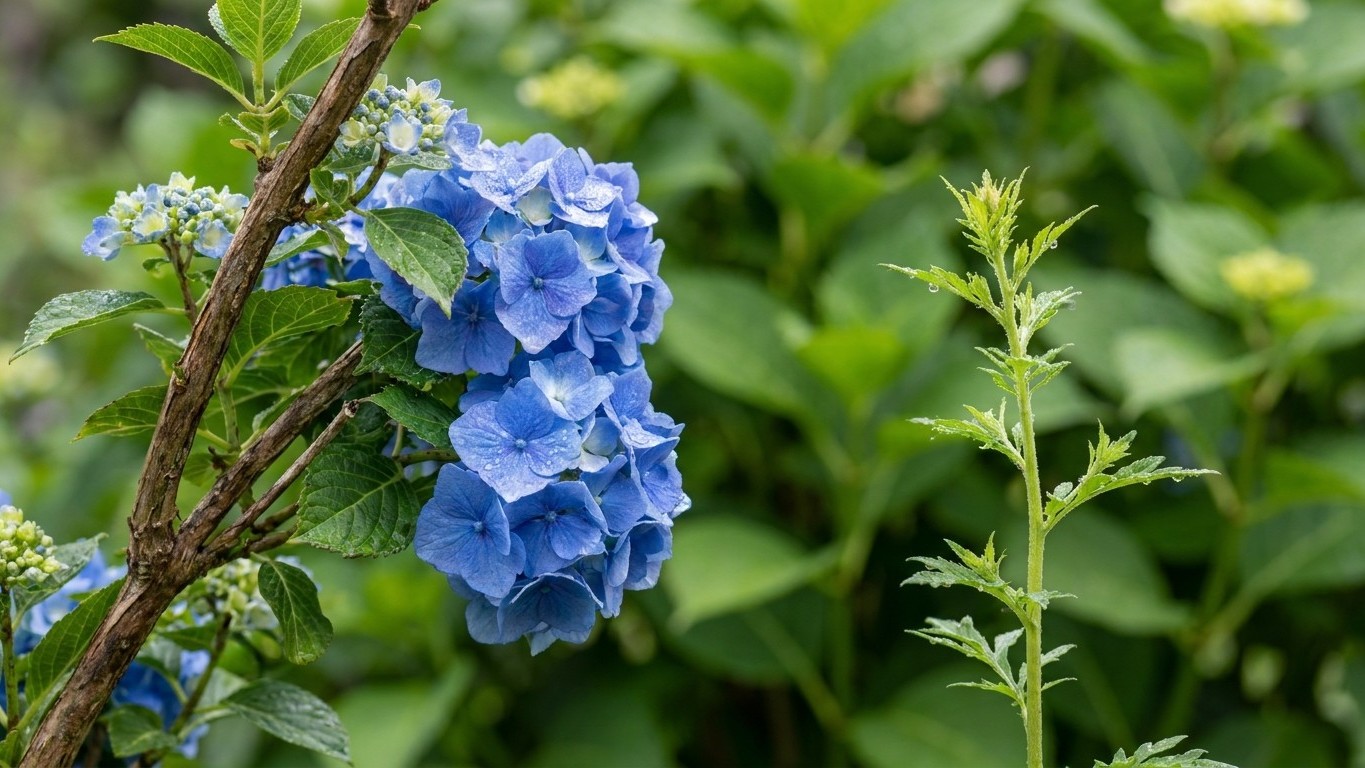
Prune bigleaf and oakleaf hydrangeas right after their flowers fade, which in South Carolina means June or July.
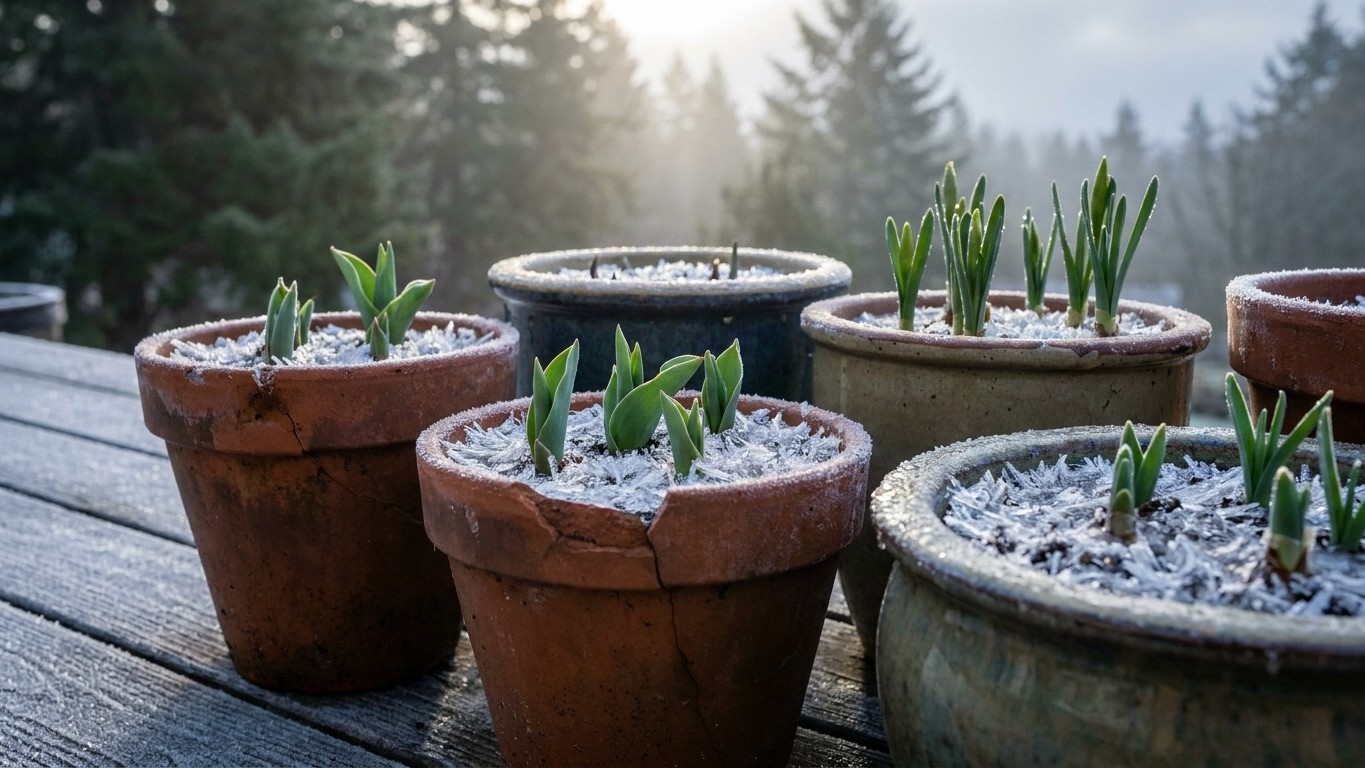
Wait for a frost that blackens the foliage, then lift dahlias, cannas and gladiolus within about a week or two.
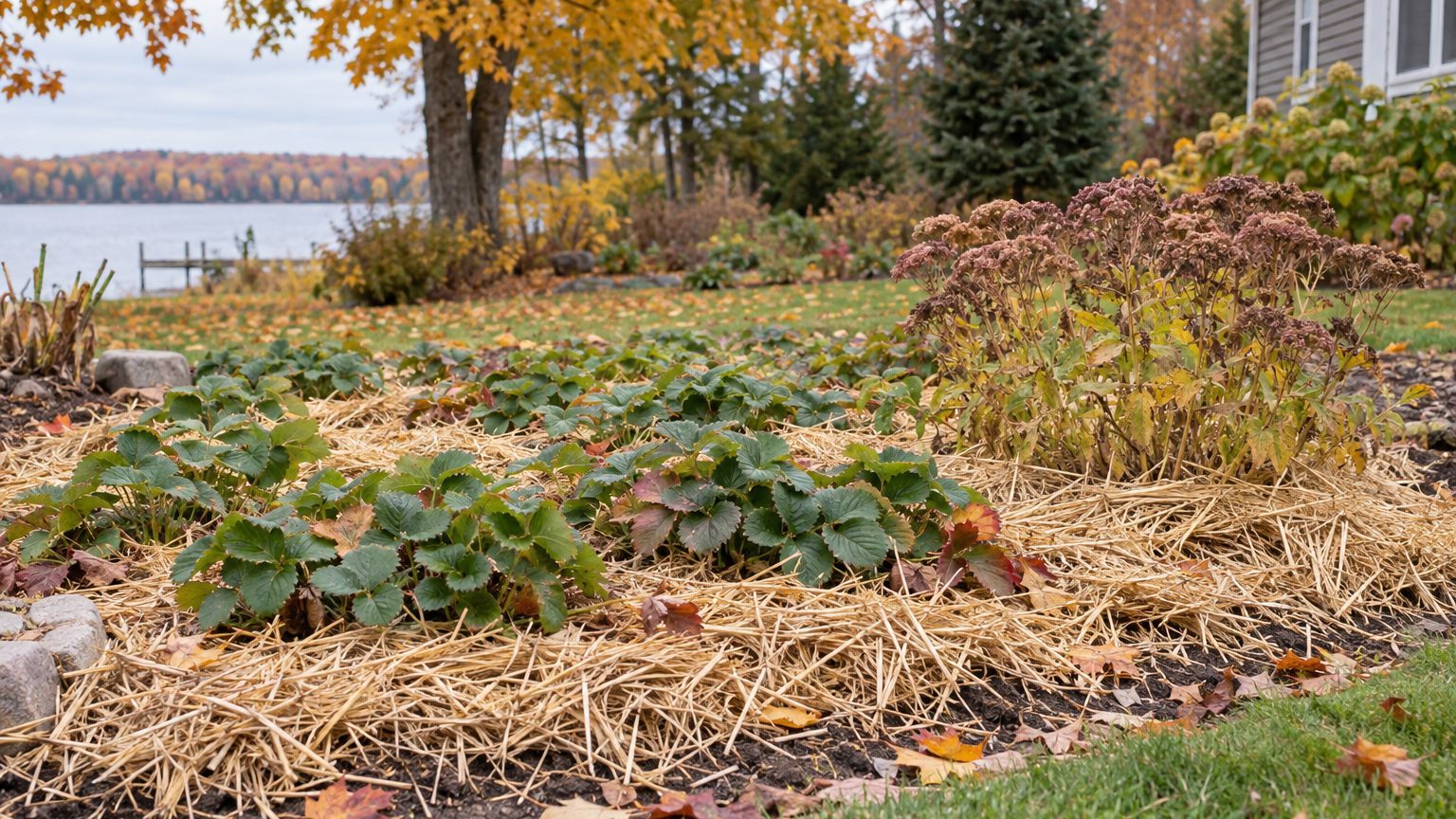
Winter mulch goes down after the first hard freeze, not before. Around Charleston, the first 32°F freeze typically arrives between November 20 and…