When to Start Seeds Indoors in Oklahoma: A Crop-by-Crop Calendar
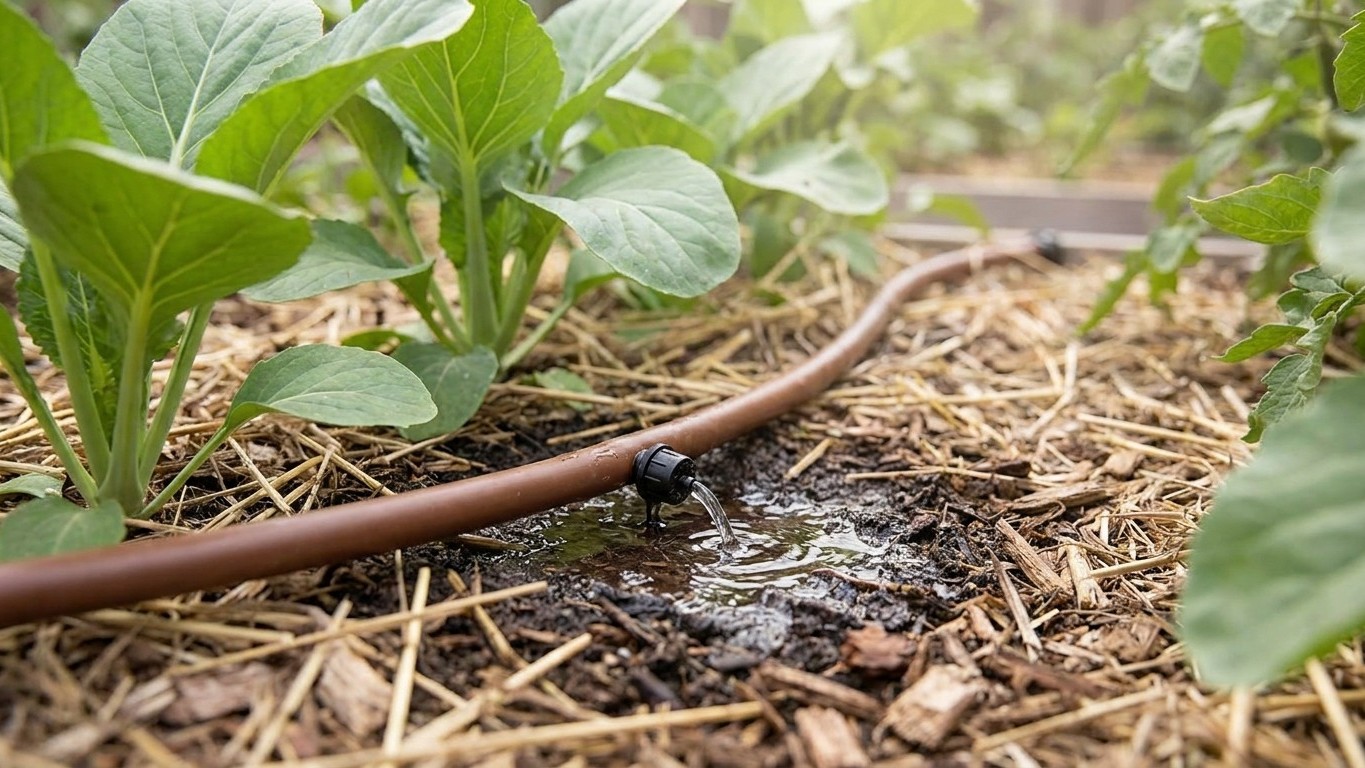
Onions and leeks are the first seeds in Oklahoma trays, sown indoors from December 13 to January 2.
Home & garden, state by state
For homeowners and renters in Oklahoma: the planting calendar, the maintenance schedule and the local programs worth knowing about.
Everything we have worked out for Oklahoma: what to plant and when, which varieties finish in time, the pests that actually turn up here, and the jobs that pay off month by month. We also cover the rest of the property, from lawns and soil to home care and energy, because a garden rarely stops at the vegetable bed.
The numbers first, because everything else follows from them. Measured at the weather station in Oklahoma City, the last spring freeze runs March 28 to April 10 and the first fall freeze runs October 29 to November 8, USDA zones 6a-8a, 5,375 growing degree days in the year.
Garlic does well: 13 weeks below 40 °F, comfortably past the six it needs to form a proper head.
Elsewhere on the property in Oklahoma: the pests that turn up here.
Figures from NOAA's 1991-2020 climate normals. A state is not one climate: elevation, a large lake or the coast can move these dates by two weeks either way, so check your own county with the extension service before you spend money.
The planting guide for each month in Oklahoma:
Onions and leeks are the first seeds in Oklahoma trays, sown indoors from December 13 to January 2.
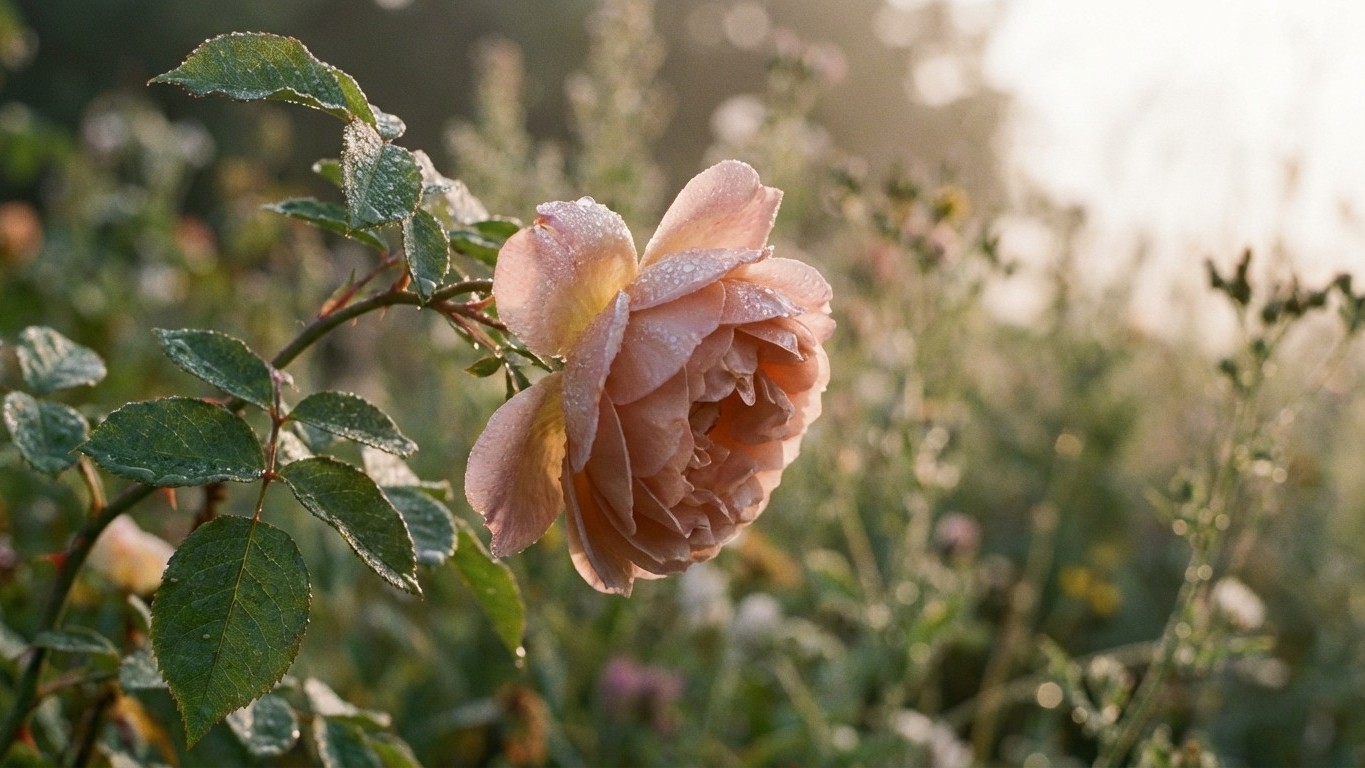
Grafted roses in the colder parts of Oklahoma need help getting through winter. Gardens in the warmest pockets usually don’t.
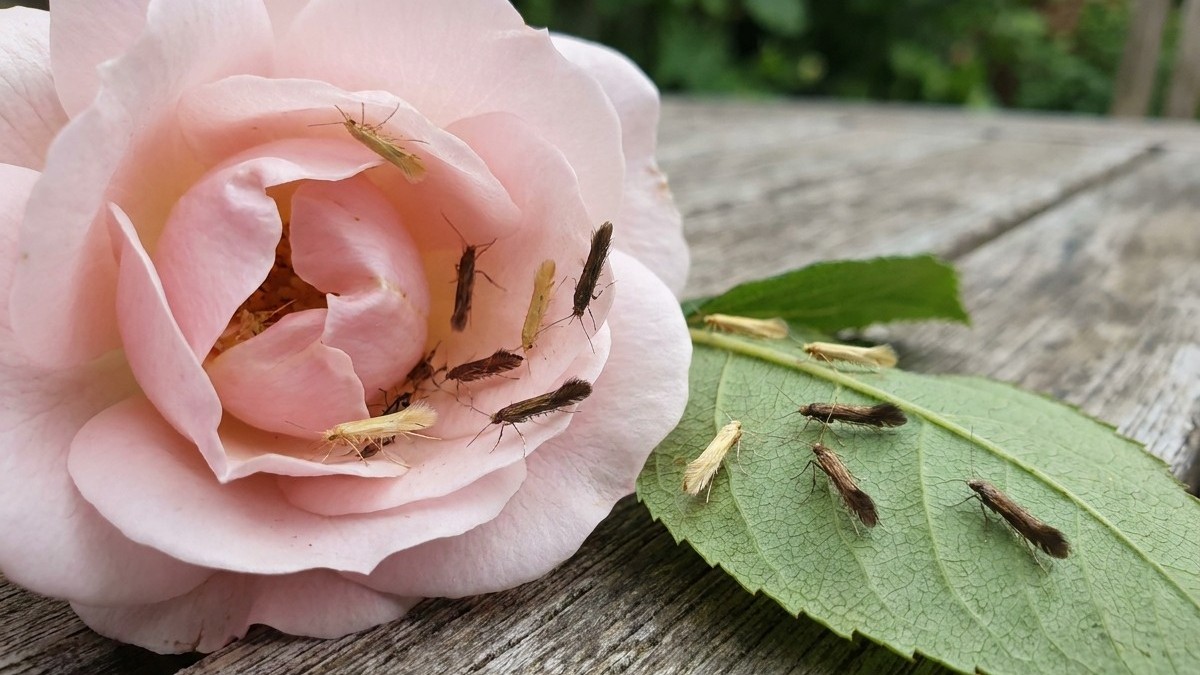
The roses that hold up across Oklahoma are own-root shrubs and tough old types: Knock Out and its relatives, rugosas such as Hansa and Therese Bugnet…
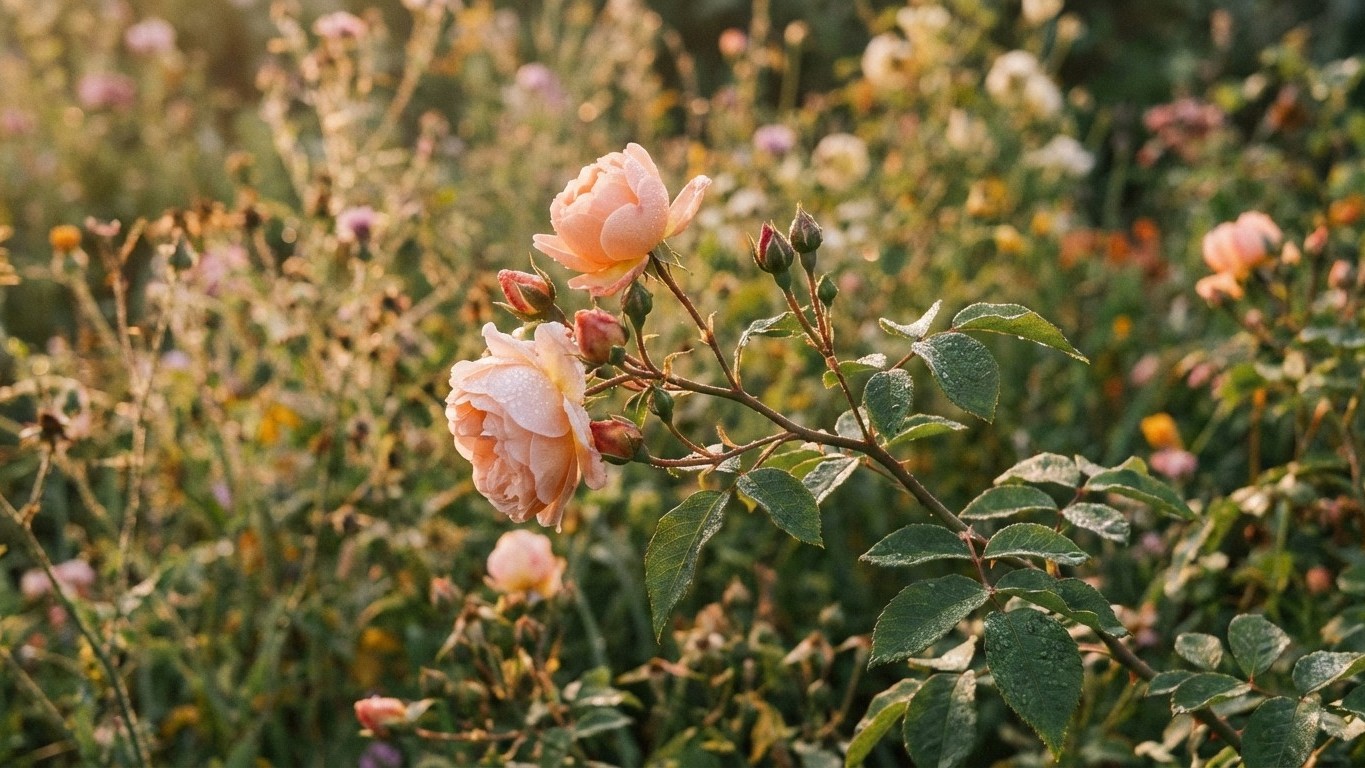
Most roses in Oklahoma get their main pruning from mid-March to early April, once the buds on the canes start to swell and the hardest freezes are behind…
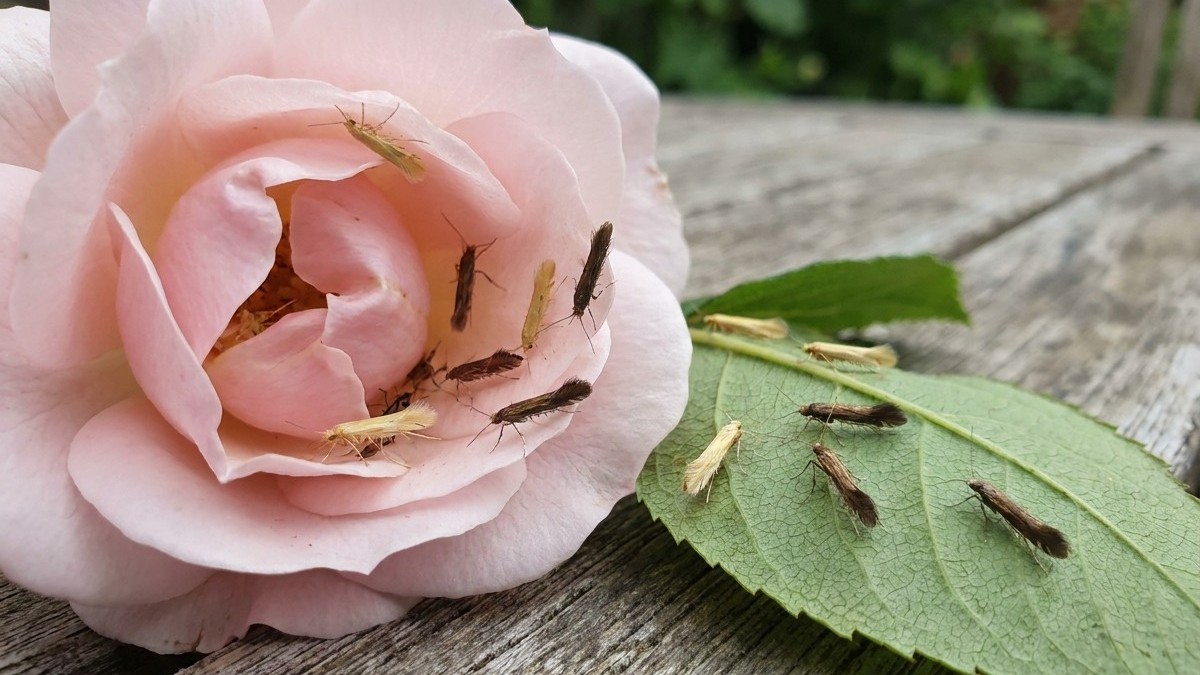
Three fungal diseases cause most rose trouble in Oklahoma: black spot, powdery mildew and downy mildew.
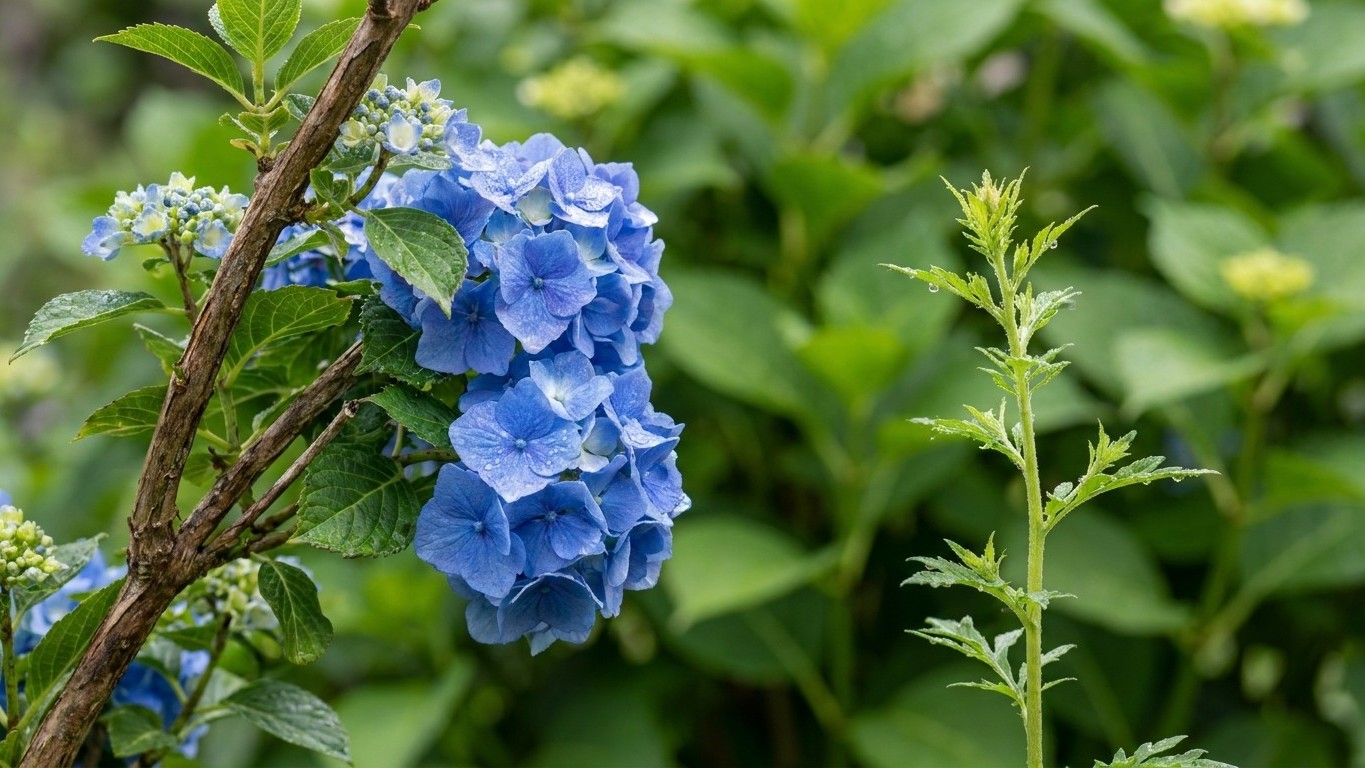
Oklahoma winters rarely kill a hydrangea’s roots. They ruin flower buds, either with a hard freeze on old-wood stems or with a late freeze that hits…
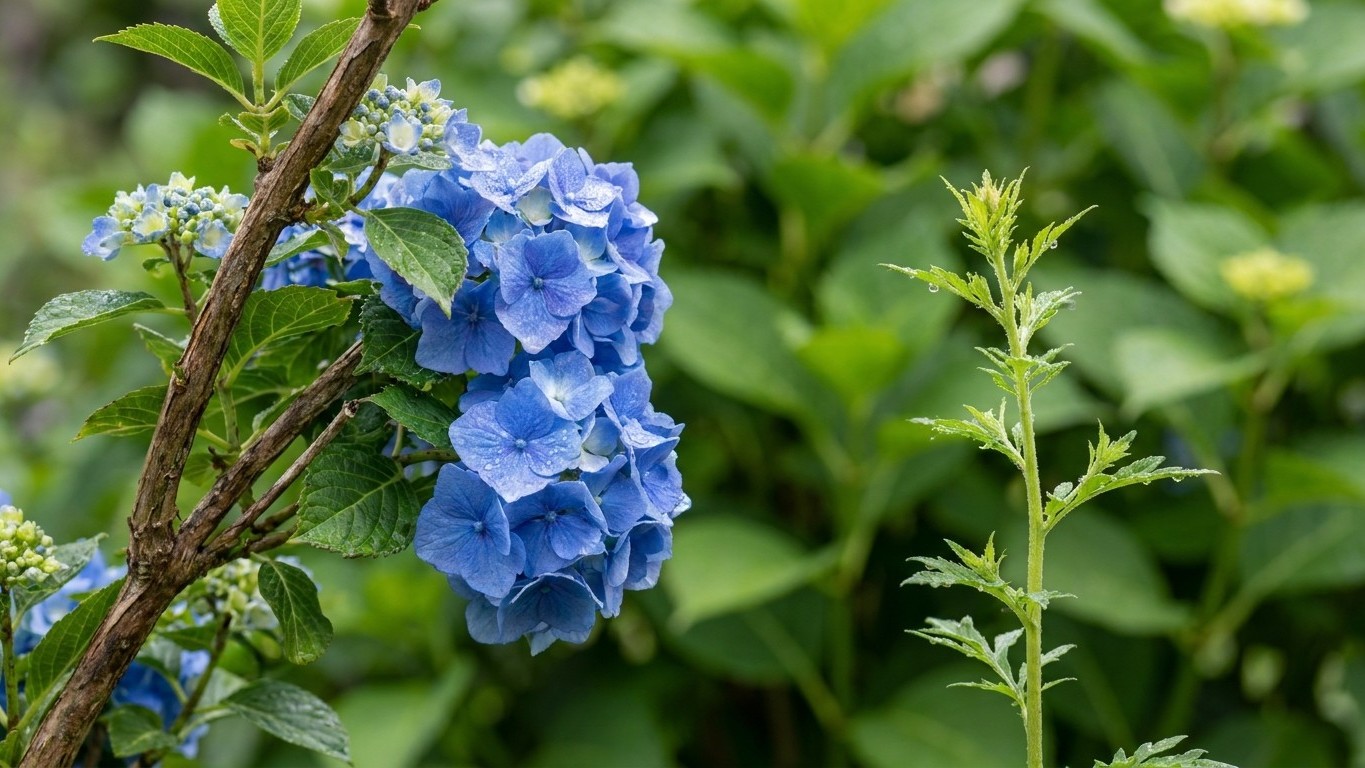
Almost every hydrangea sold for Oklahoma yards survives the winter. The roots are hardy to at least USDA zone 6, and the state runs from zone 6a to 8a.
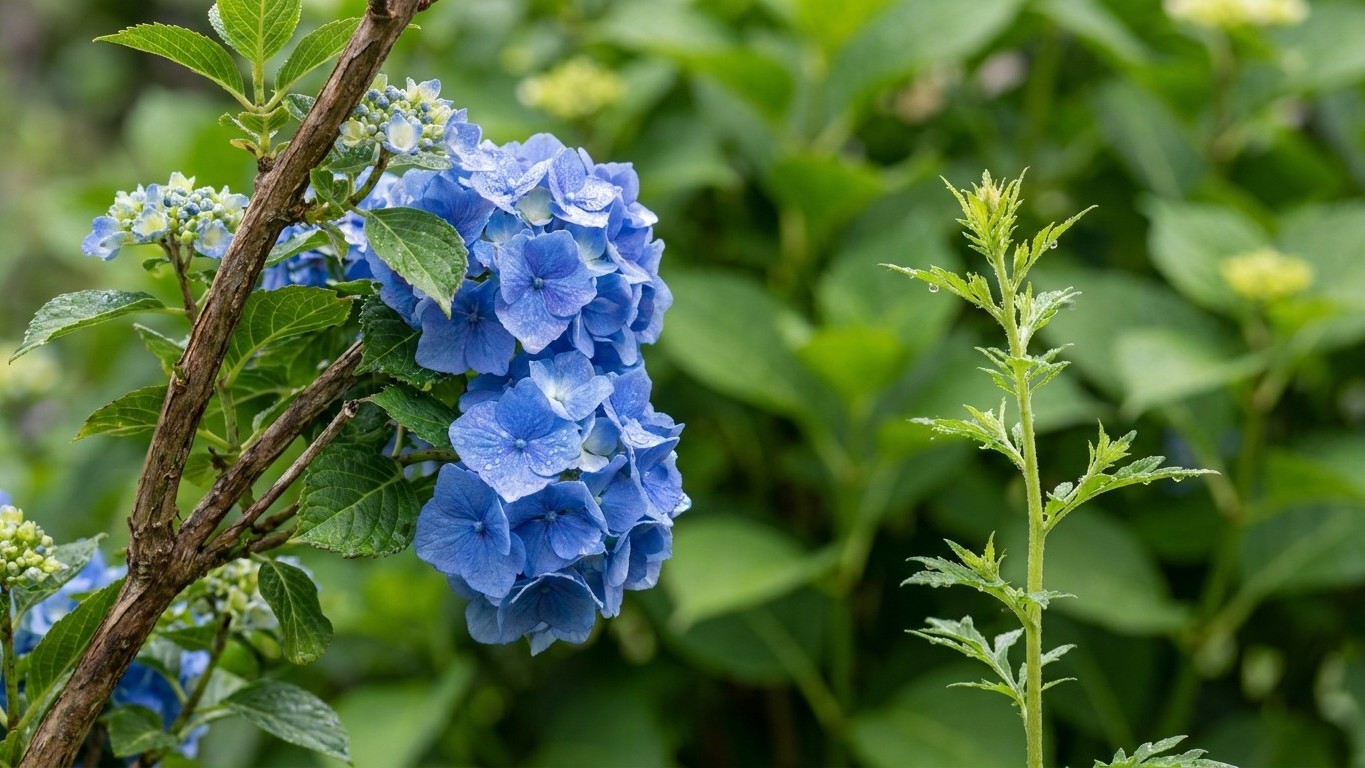
Hydrangeas come out pink in much of Oklahoma because the soil is not acidic enough.
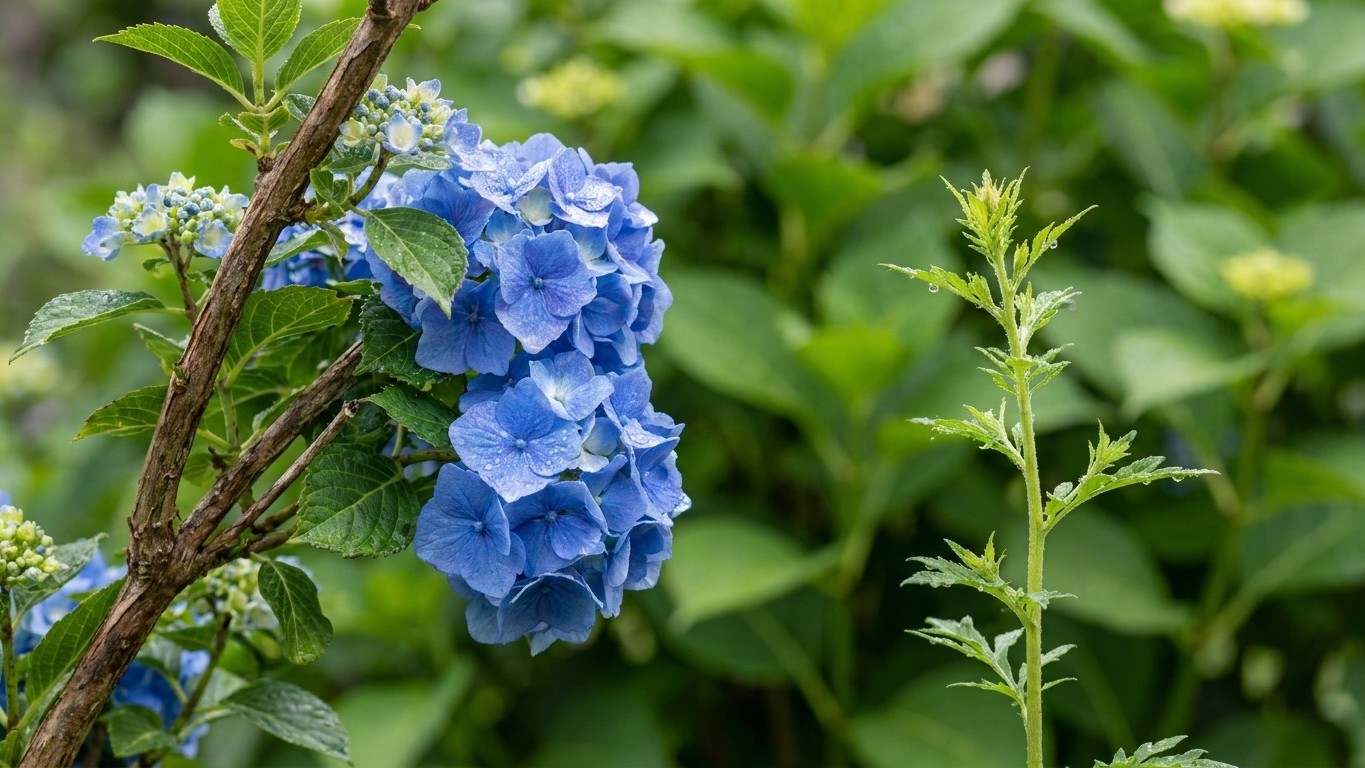
Hydrangeas that bloom on old wood (bigleaf, mountain and oakleaf) get pruned in summer, right after the flowers fade.
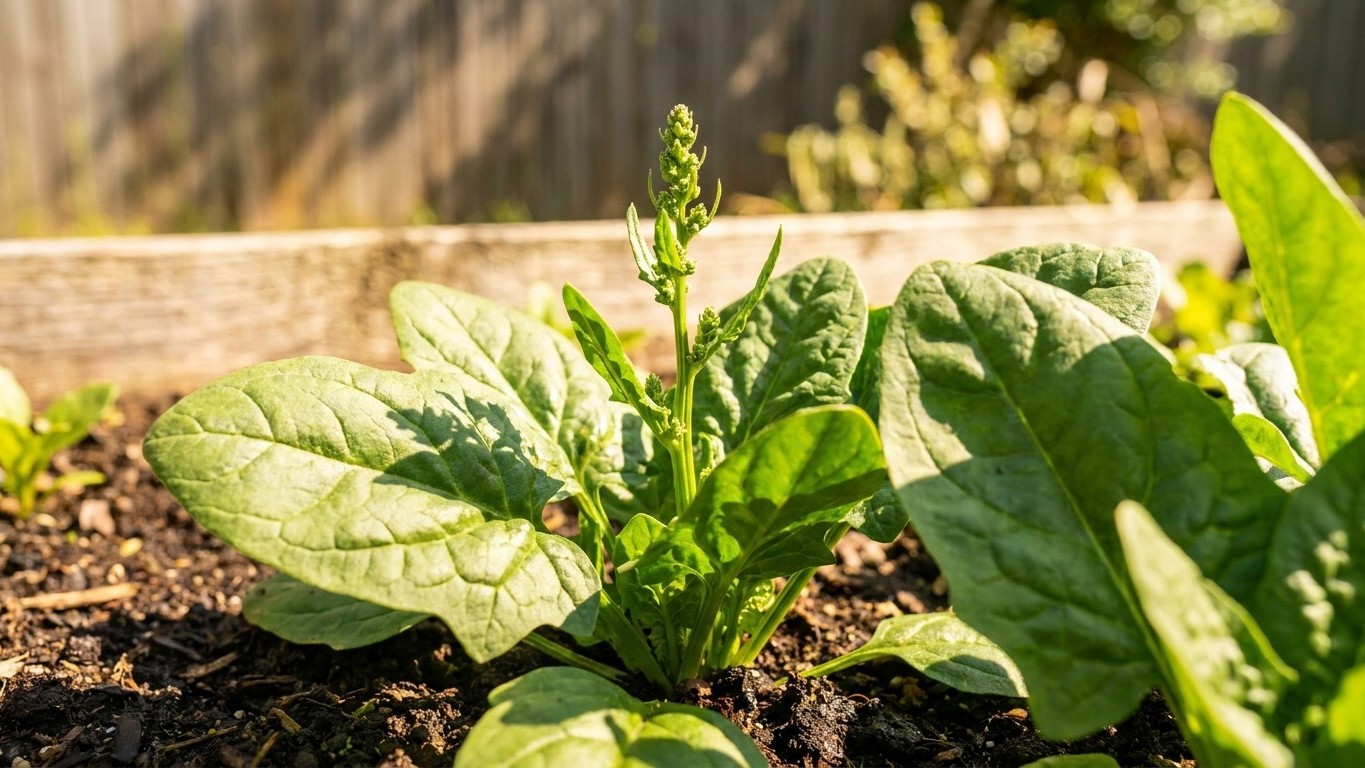
Spinach in Oklahoma gets eaten by chewing insects, small sap-sucking insects, leaf-mining larvae, slugs and snails, and animals big enough to clip a row…