When Sweet Corn Is Ready in Indiana, and How Fast It Fades
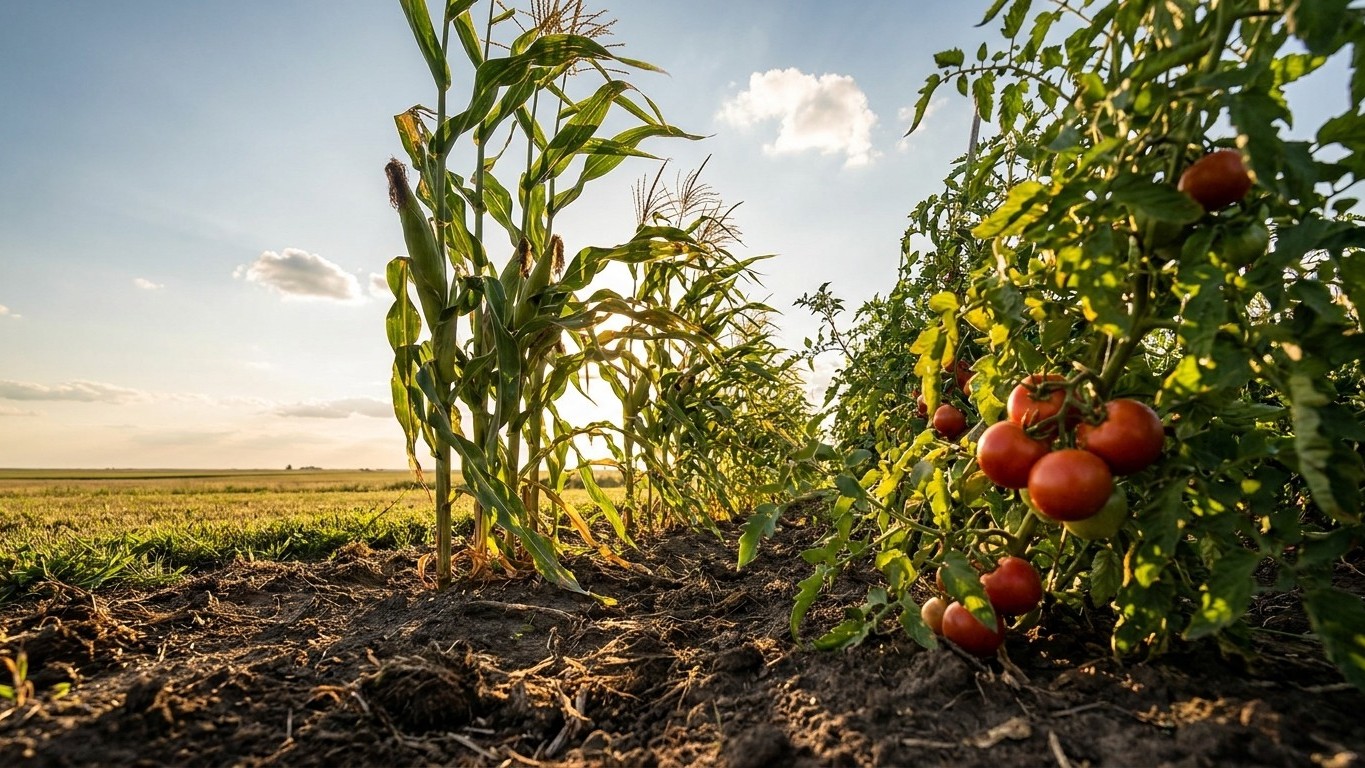
Sweet corn in Indiana is ready 60 to 90 days after planting, and planting has to wait for soil above 60 F, which arrives well after the last frost.
Home & garden, state by state
What home and garden advice looks like when it is written for Indiana — midwest seasons, midwest rules, and the numbers that go with them.
Everything we have worked out for Indiana: what to plant and when, which varieties finish in time, the pests that actually turn up here, and the jobs that pay off month by month. We also cover the rest of the property, from lawns and soil to home care and energy, because a garden rarely stops at the vegetable bed.
The numbers first, because everything else follows from them. Measured at the weather station in Indianapolis, the last spring freeze runs April 9 to April 21 and the first fall freeze runs October 21 to October 30, USDA zones 5b-7a, 3,822 growing degree days in the year.
Garlic does well: 21.8 weeks below 40 °F, comfortably past the six it needs to form a proper head.
Elsewhere on the property in Indiana: the pests that turn up here.
Figures from NOAA's 1991-2020 climate normals. A state is not one climate: elevation, a large lake or the coast can move these dates by two weeks either way, so check your own county with the extension service before you spend money.
Sweet corn in Indiana is ready 60 to 90 days after planting, and planting has to wait for soil above 60 F, which arrives well after the last frost.
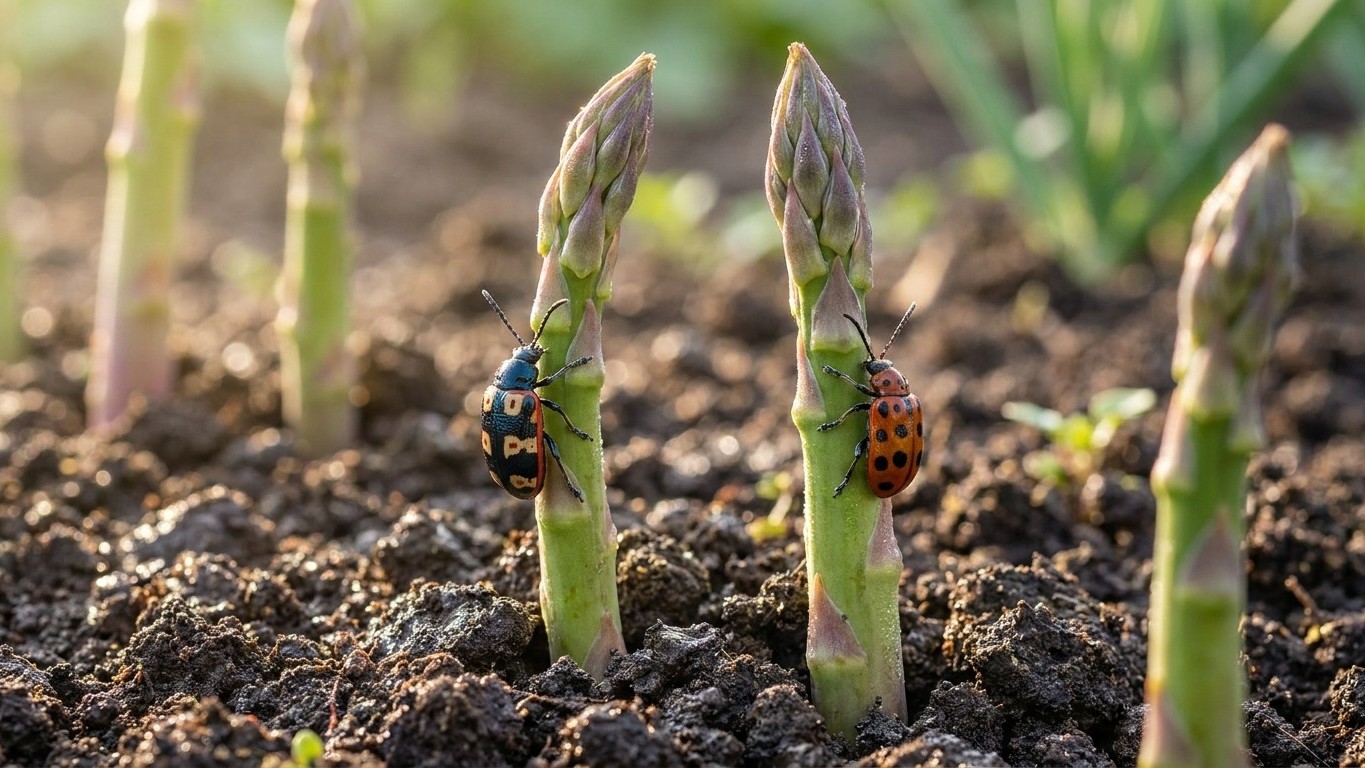
Stop cutting when most of the spears coming up are thinner than a pencil. That is the whole rule, and it is an object you check by eye, not a date on the…
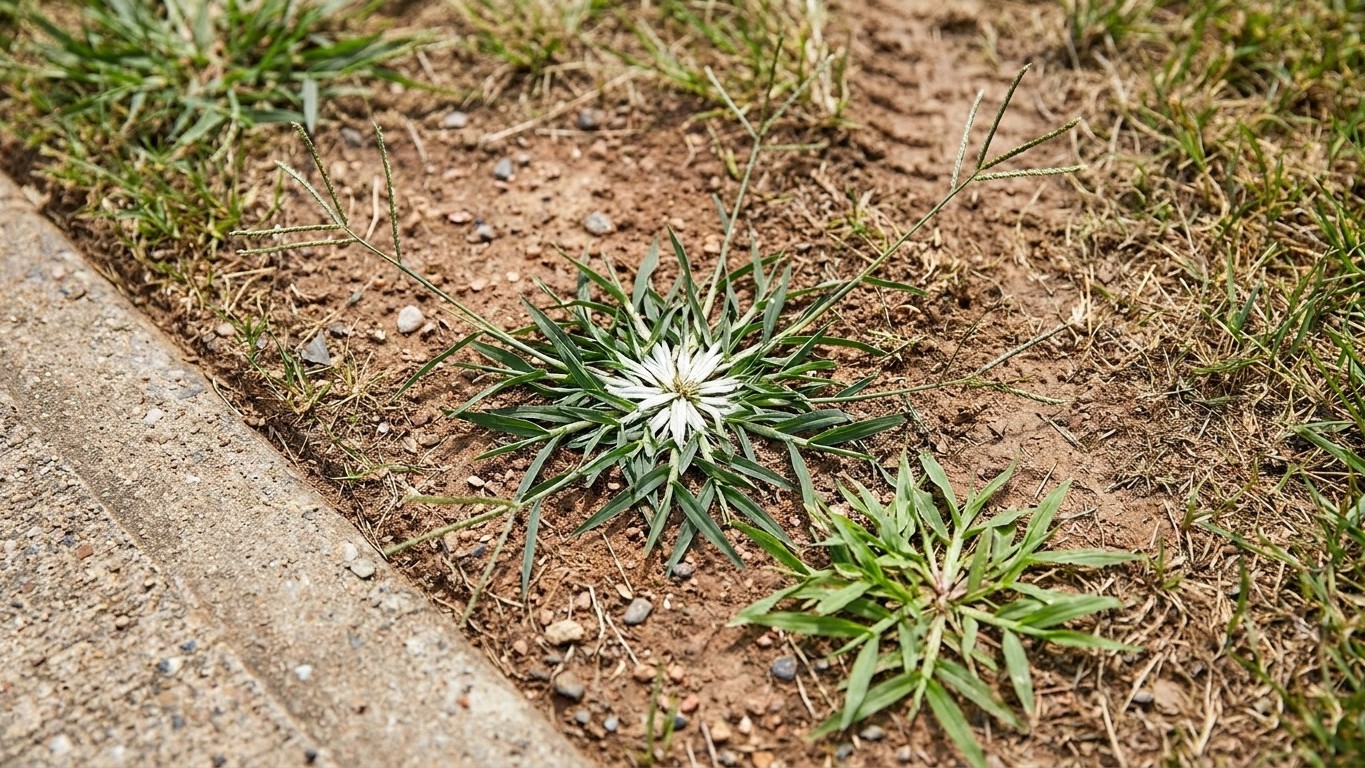
Three inches is the safest single setting for an Indiana lawn. It works for tall fescue, Kentucky bluegrass and fine fescues alike.
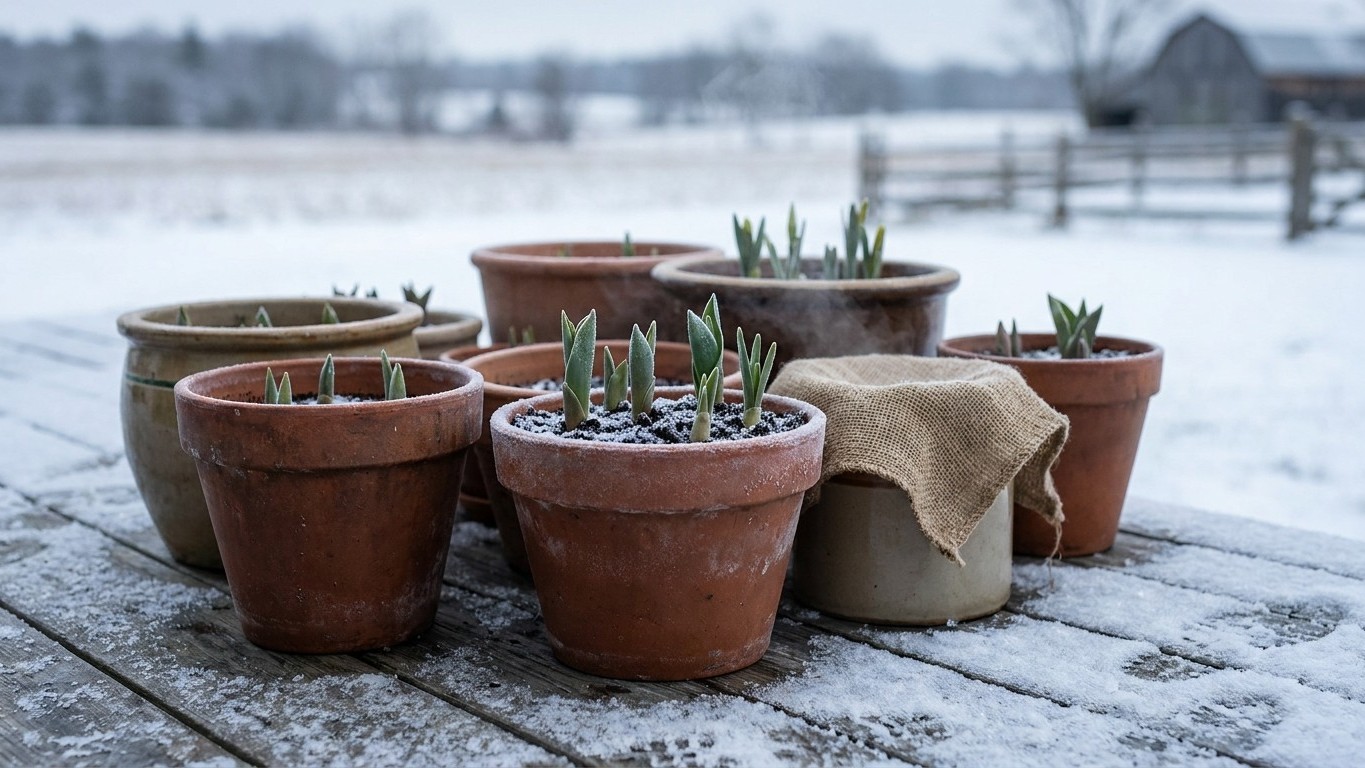
In Indianapolis, dig dahlias, cannas and gladiolus after the first hard frost blackens the foliage.
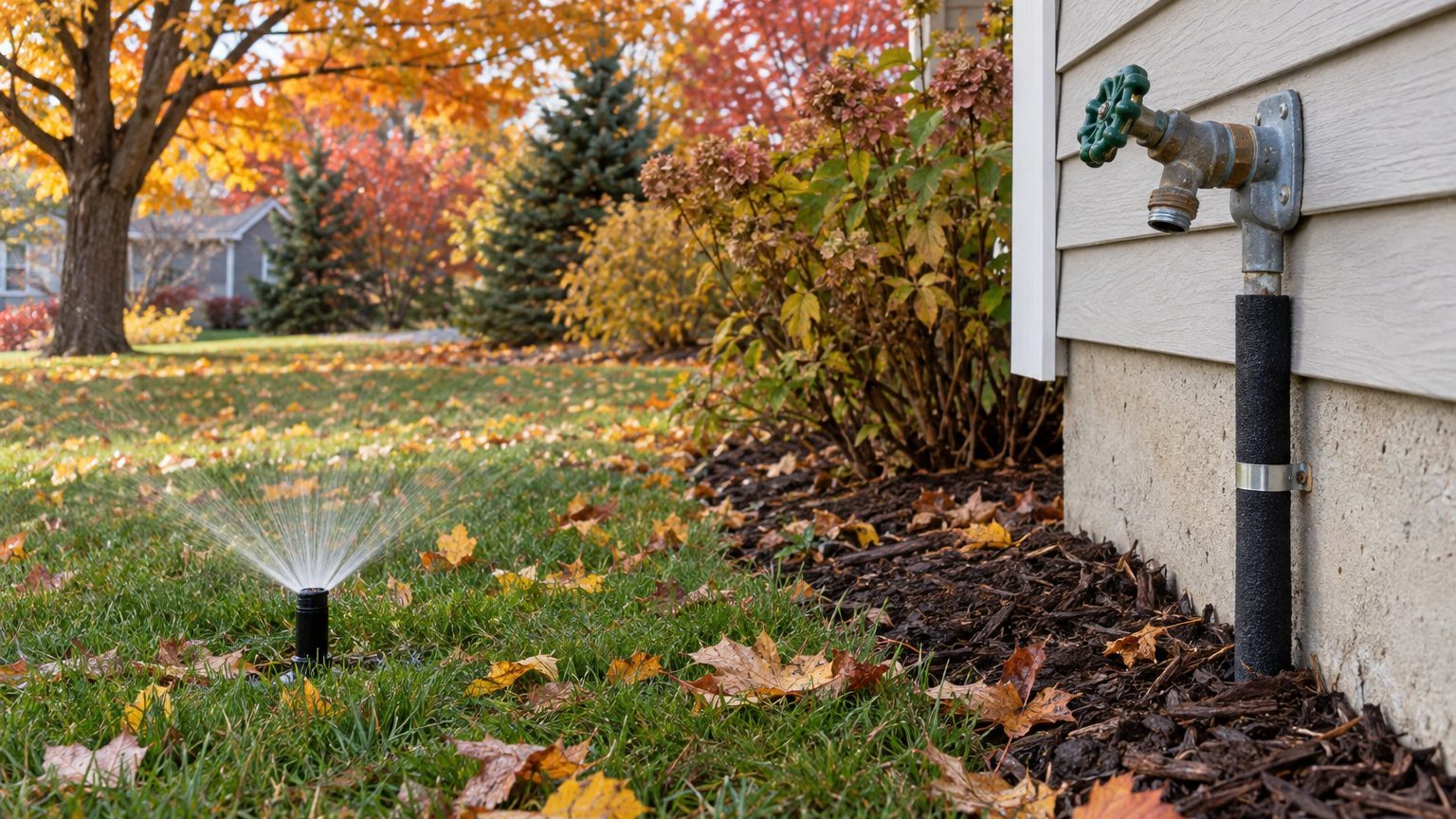
In Indiana, sprinklers and outdoor faucets need to be shut down before the first hard freeze.
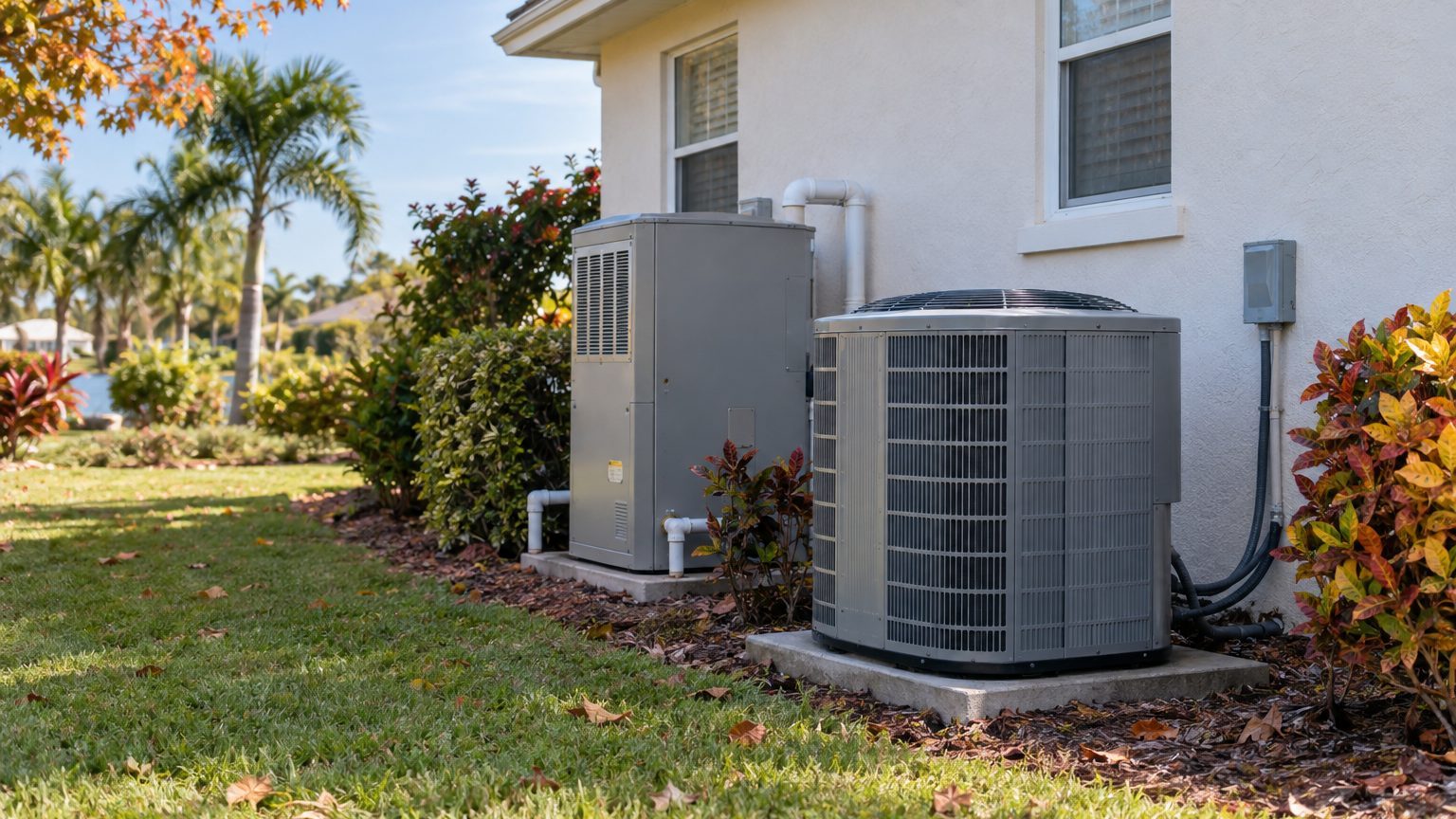
On the numbers available for Indiana, a natural gas furnace costs less to run than a heat pump, and electric baseboard costs the most.
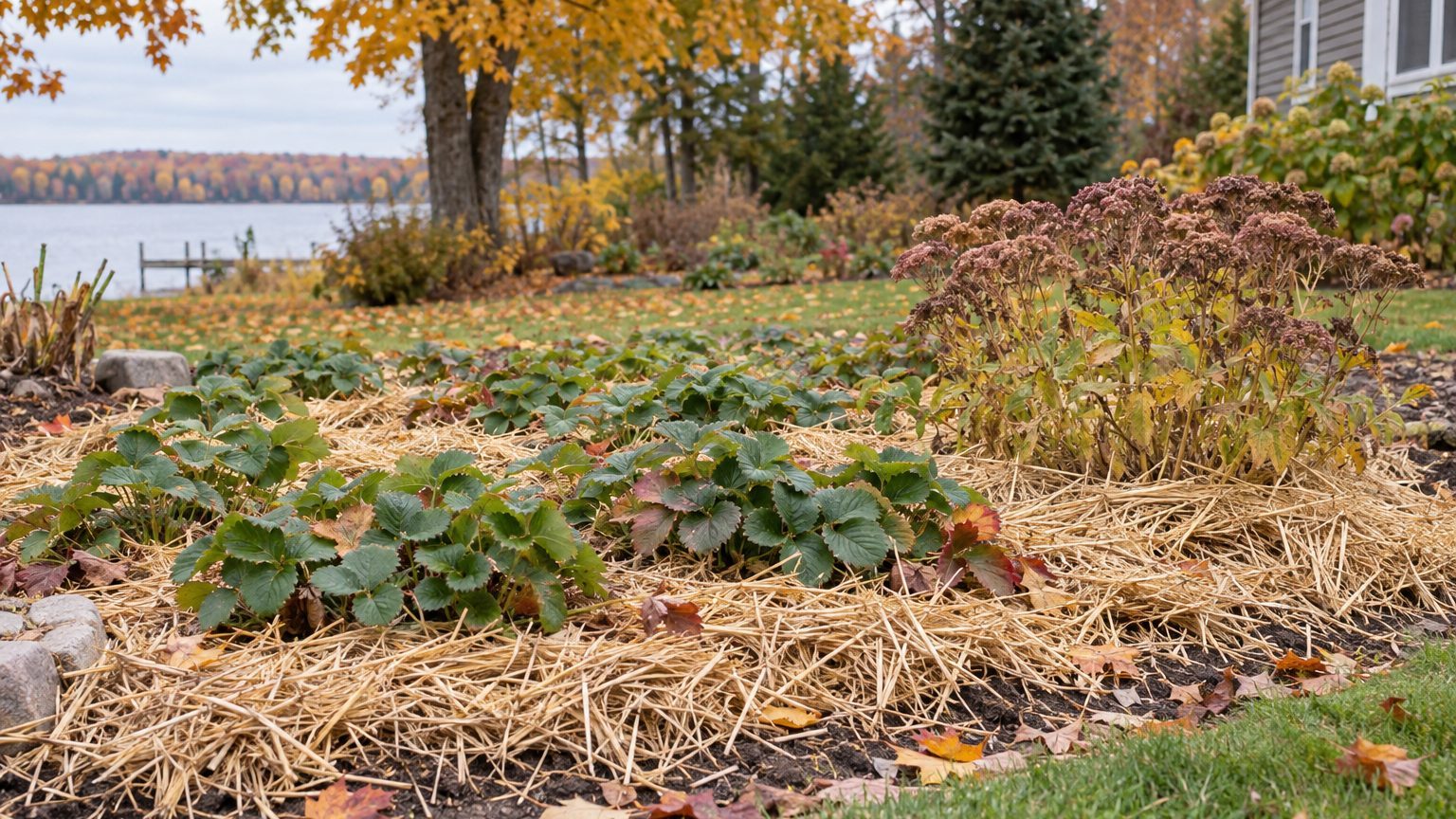
Wait for the ground to start freezing. In central Indiana, winter mulch goes on after the first fall frost, which NOAA’s 1991-2020 normals put at October…
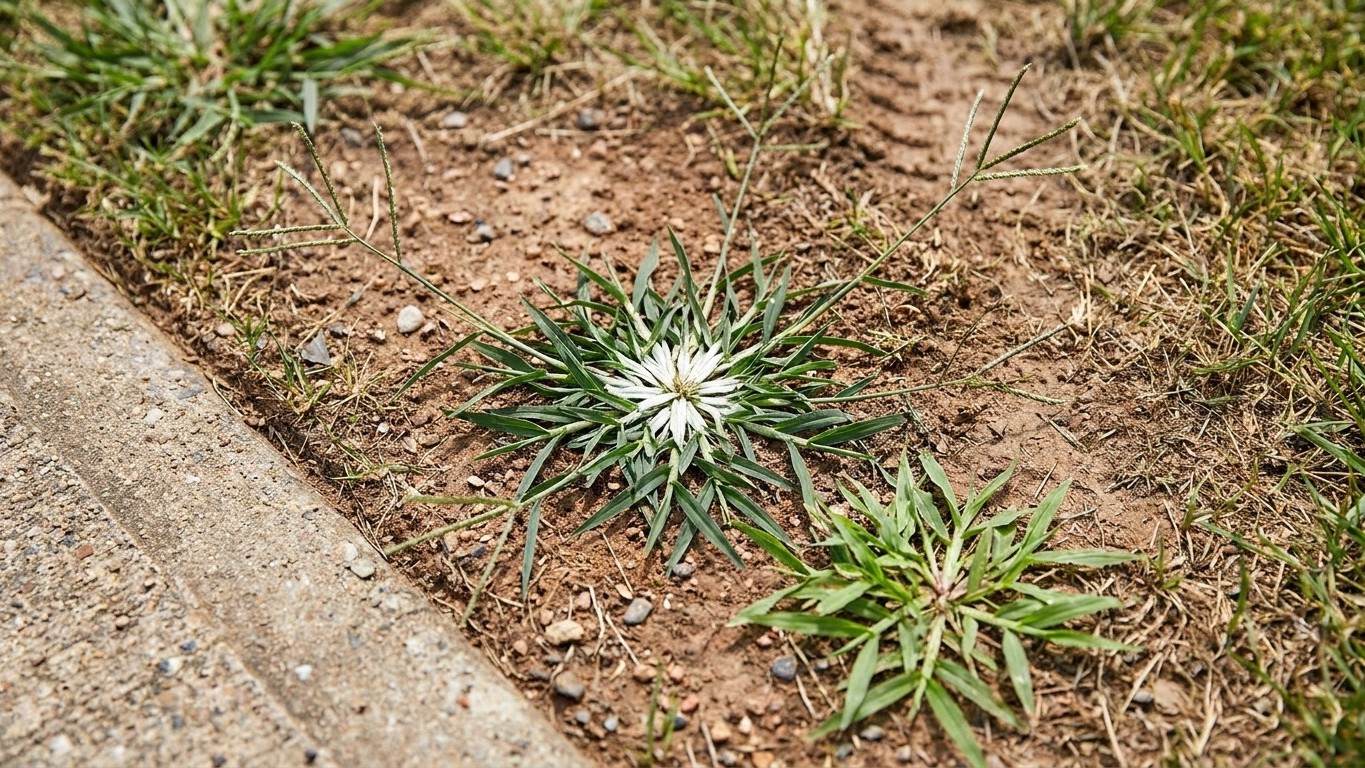
Early fall is the answer. Sow cool-season grass seed in Indiana when the soil two inches down sits between 50 and 65 °F, and early enough that seedlings…
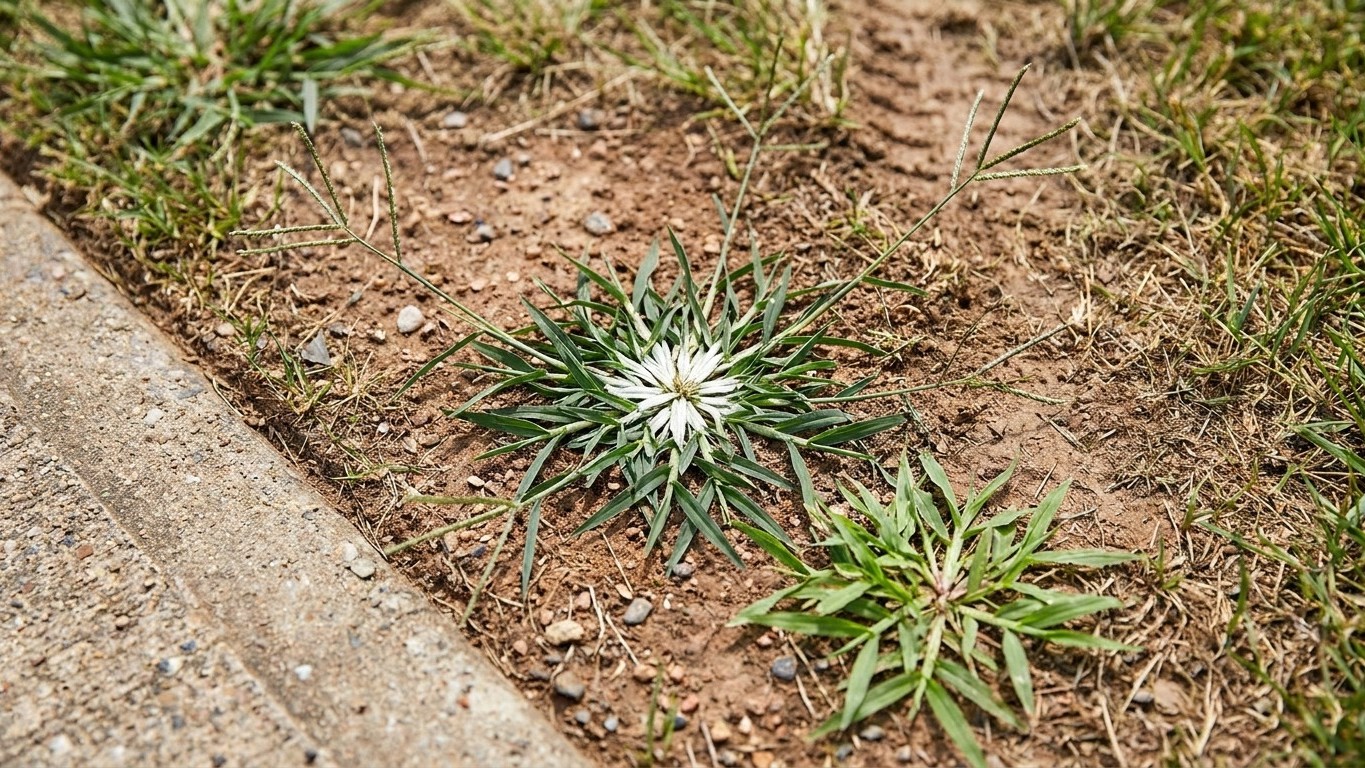
Most Indiana lawns don’t need dethatching at all. If a spade-cut wedge shows more than 0.75 inch of thatch, early fall is the best time to deal with it…
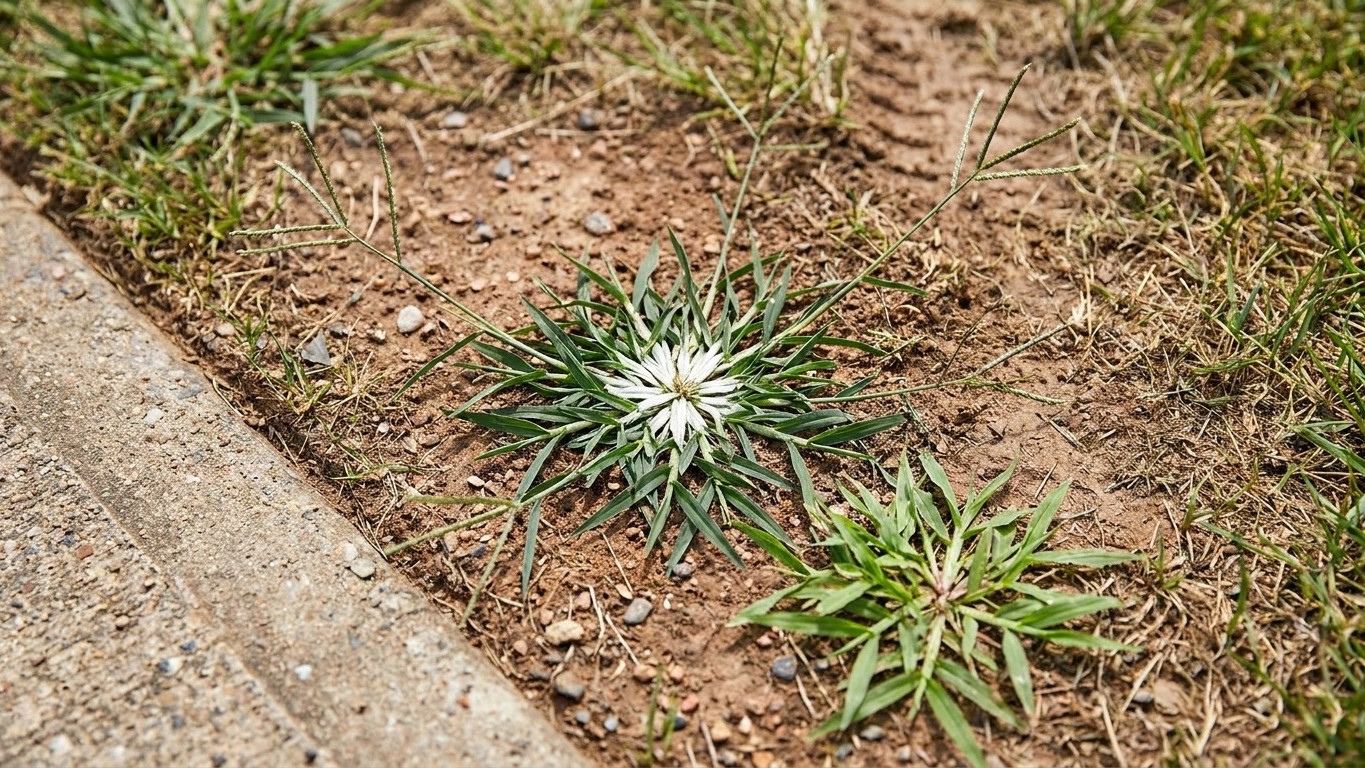
For most Indiana lawns, the answer is fall. Indiana grows cool-season turf, and cool-season grass is best aerated while it is still actively growing…