What Eats Spinach in Virginia, and When
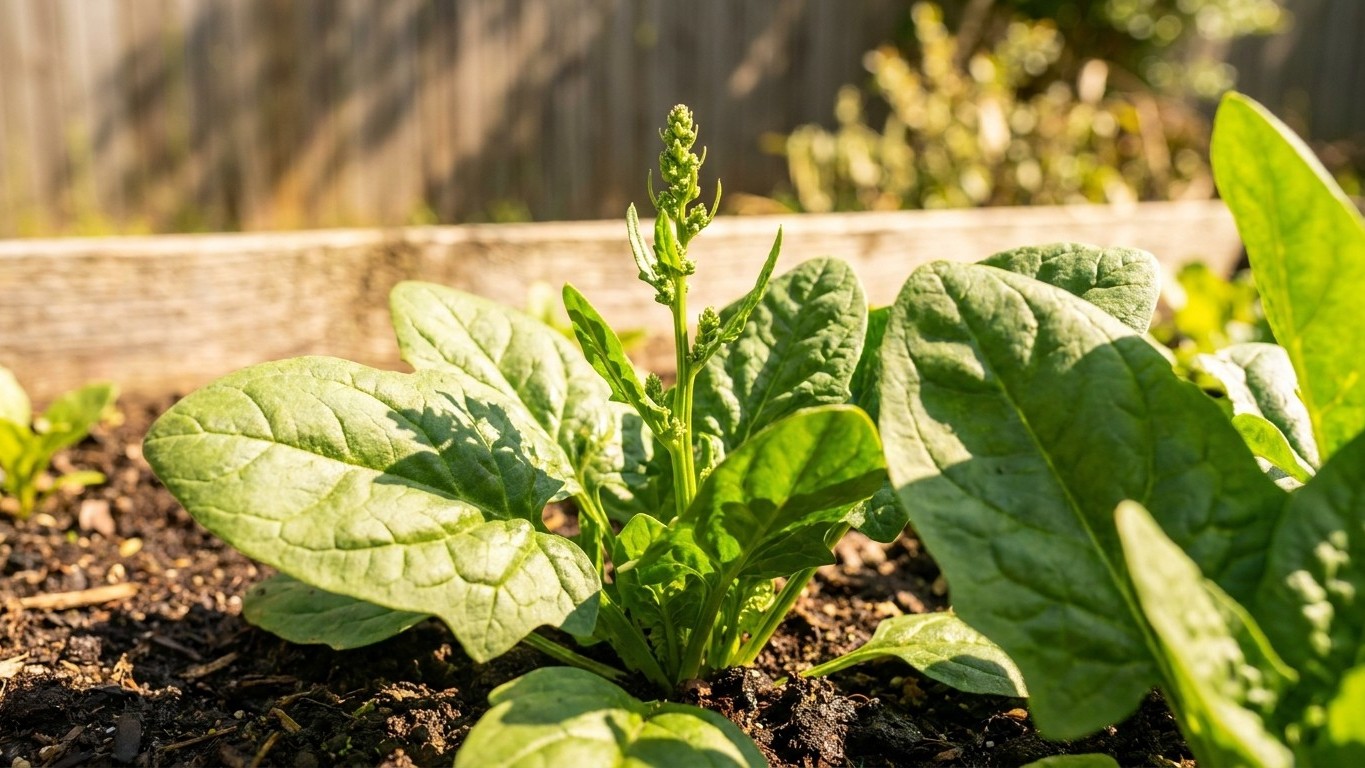
Nothing in a Virginia garden eats into spinach as thoroughly as the calendar.
Home & garden, state by state
Home and garden guidance for Virginia: planting dates for its climate zones, the codes that apply locally, and the rebates residents can actually claim.
Everything we have worked out for Virginia: what to plant and when, which varieties finish in time, the pests that actually turn up here, and the jobs that pay off month by month. We also cover the rest of the property, from lawns and soil to home care and energy, because a garden rarely stops at the vegetable bed.
The numbers first, because everything else follows from them. Measured at the weather station in Virginia Beach, the last spring freeze runs March 20 to April 3 and the first fall freeze runs November 10 to November 24, USDA zones 5a-8b, 4,864 growing degree days in the year.
Garlic does well: 17.4 weeks below 40 °F, comfortably past the six it needs to form a proper head.
Elsewhere on the property in Virginia: the pests that turn up here.
Figures from NOAA's 1991-2020 climate normals. A state is not one climate: elevation, a large lake or the coast can move these dates by two weeks either way, so check your own county with the extension service before you spend money.
Nothing in a Virginia garden eats into spinach as thoroughly as the calendar.
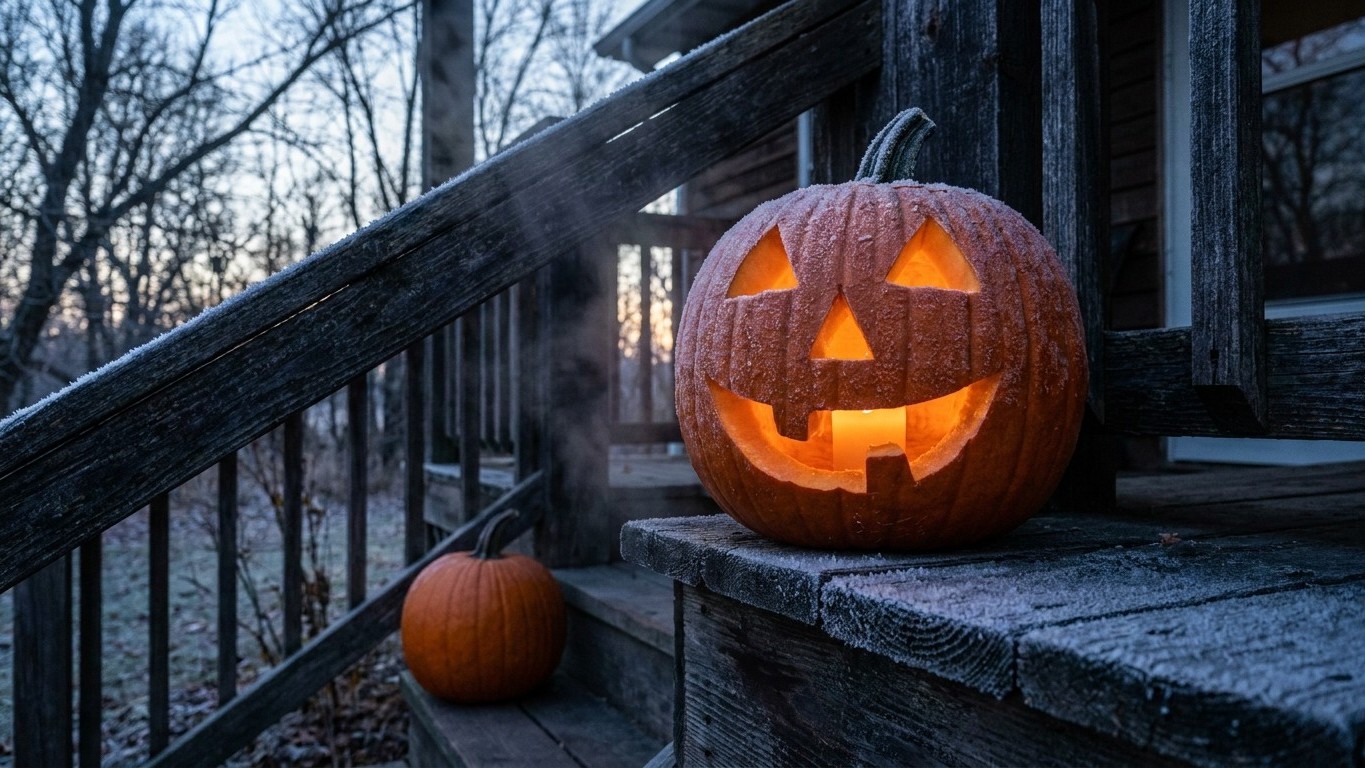
What eats a pumpkin crop in Virginia is usually the calendar, well before any insect.
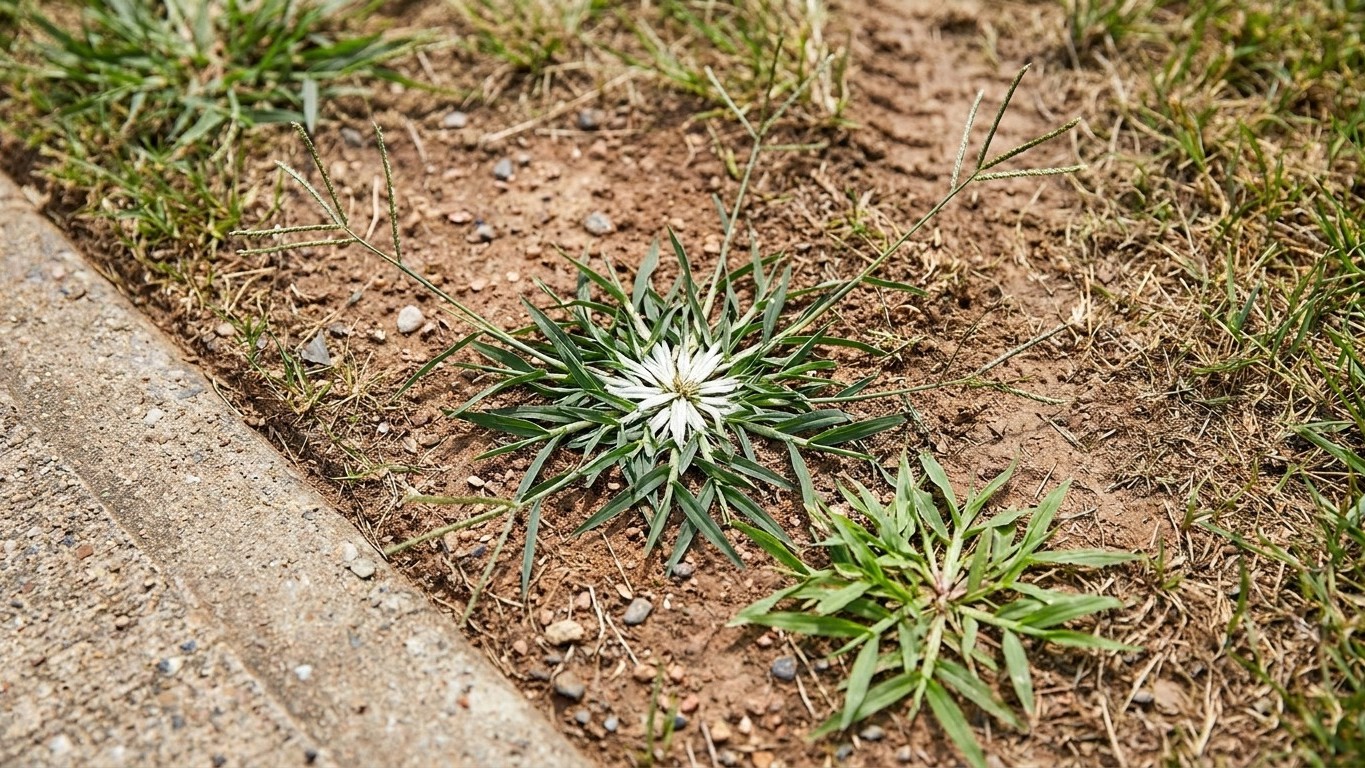
For most Virginia lawns, early fall is the best time to sow grass seed, provided the grass is a cool-season type: tall fescue, Kentucky bluegrass or…
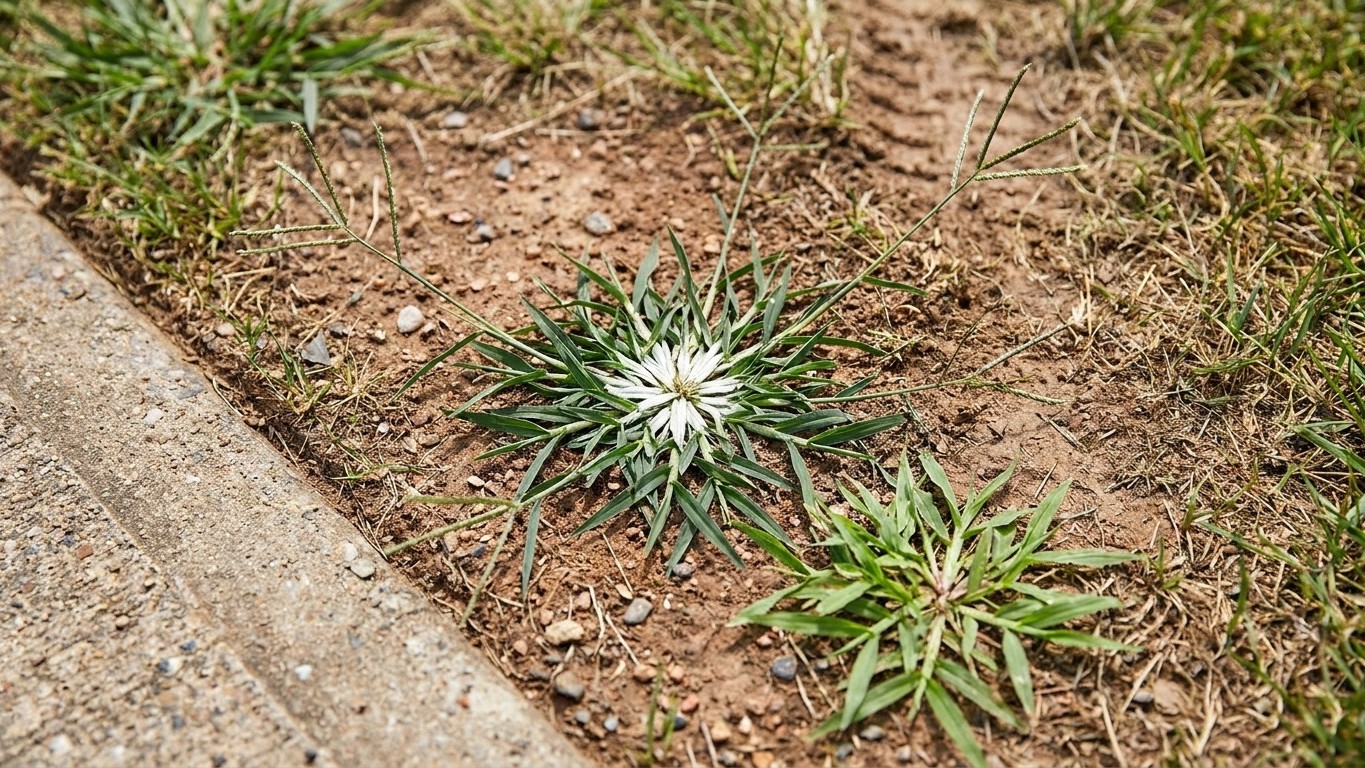
Most Virginia lawns do not need dethatching. Cut a wedge of turf with a spade and measure the brown, spongy layer: under 0.5 inch is healthy, and action…
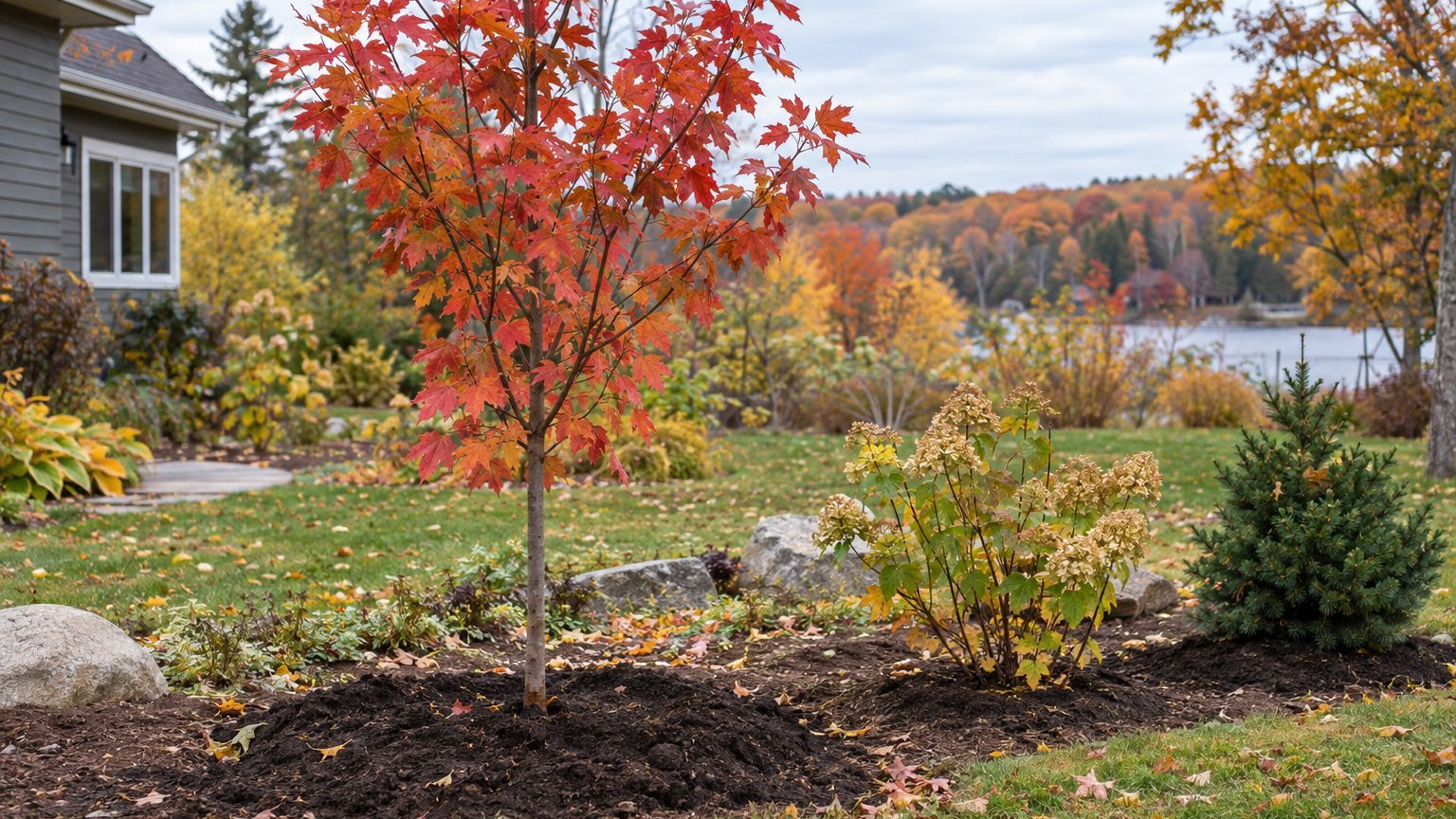
The safe deadline for planting trees and shrubs in fall in Virginia is September 29 to October 13, counted as six weeks before the first fall frost.
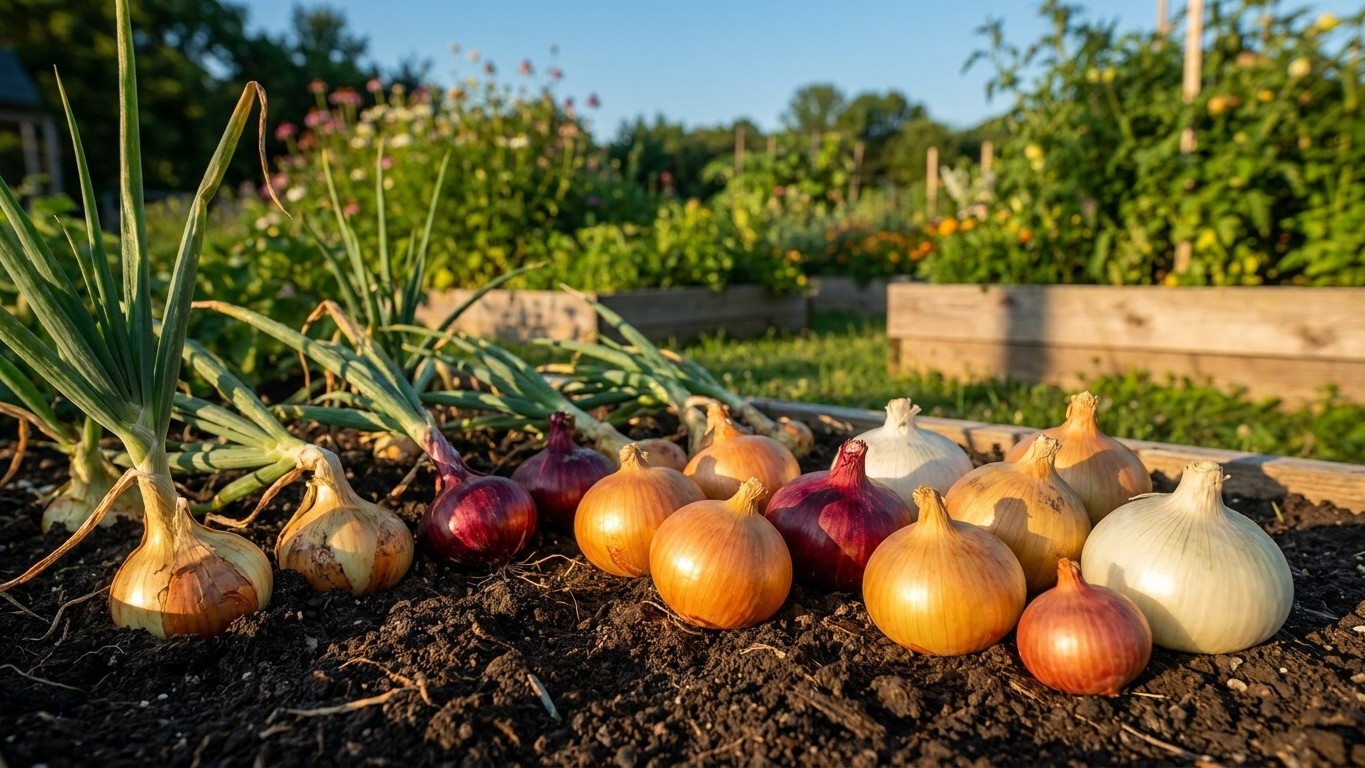
Three things do most of the eating in a Virginia onion bed: thrips rasping the leaves, maggots tunneling the roots and bulbs in cool spring soil, and rot…
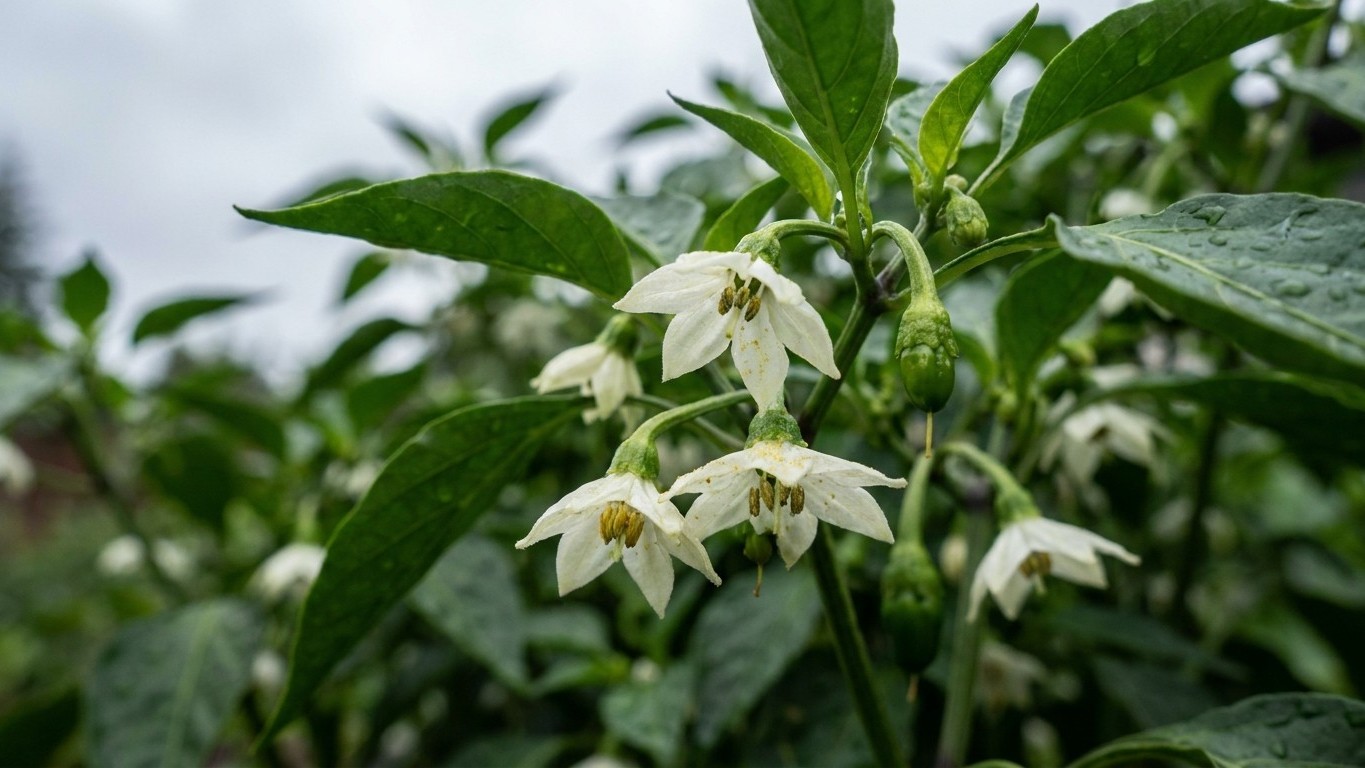
Virginia Cooperative Extension documents a long list of garden pests for Virginia, but only a handful feed on potato: Colorado potato beetle, flea…
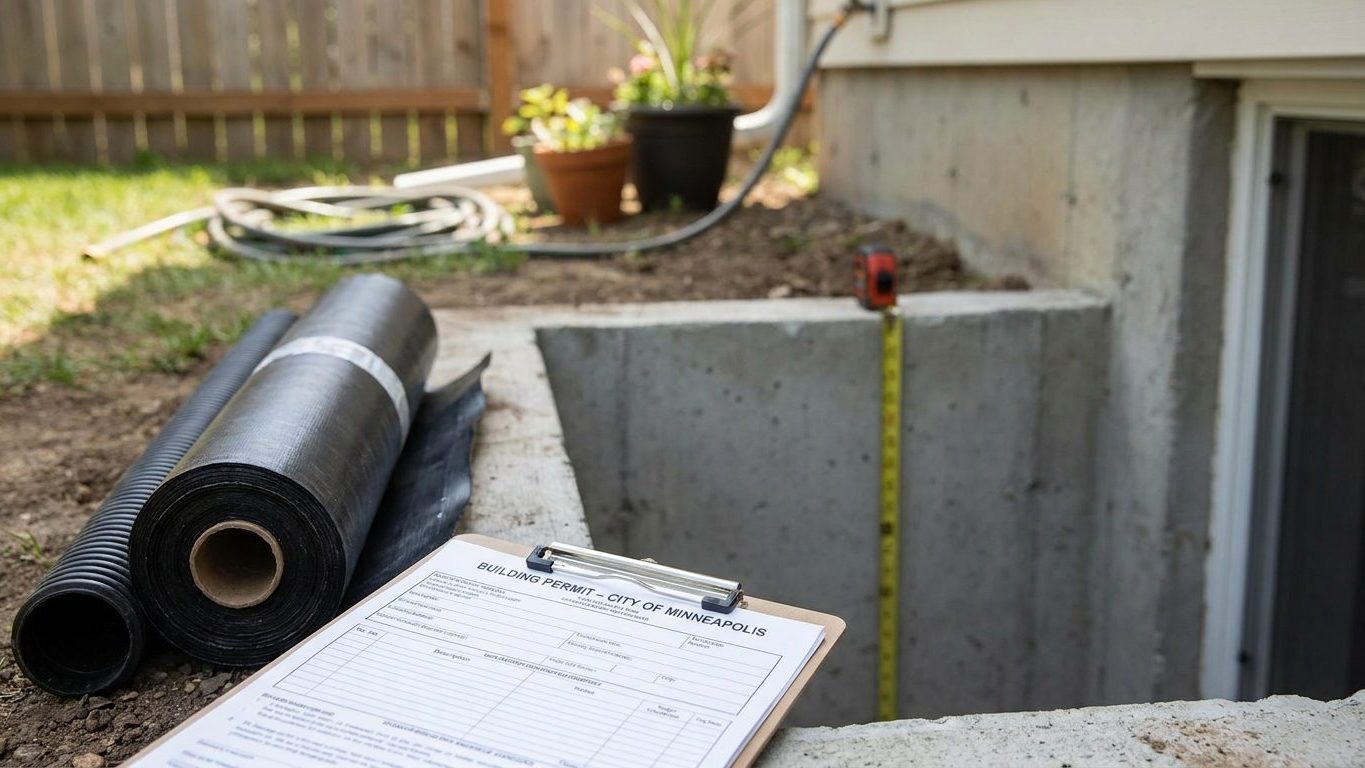
Explains Virginia’s basement permit process, ceiling height rules, egress window requirements, and how summer rainfall and soil affect waterproofing and insulation choices.
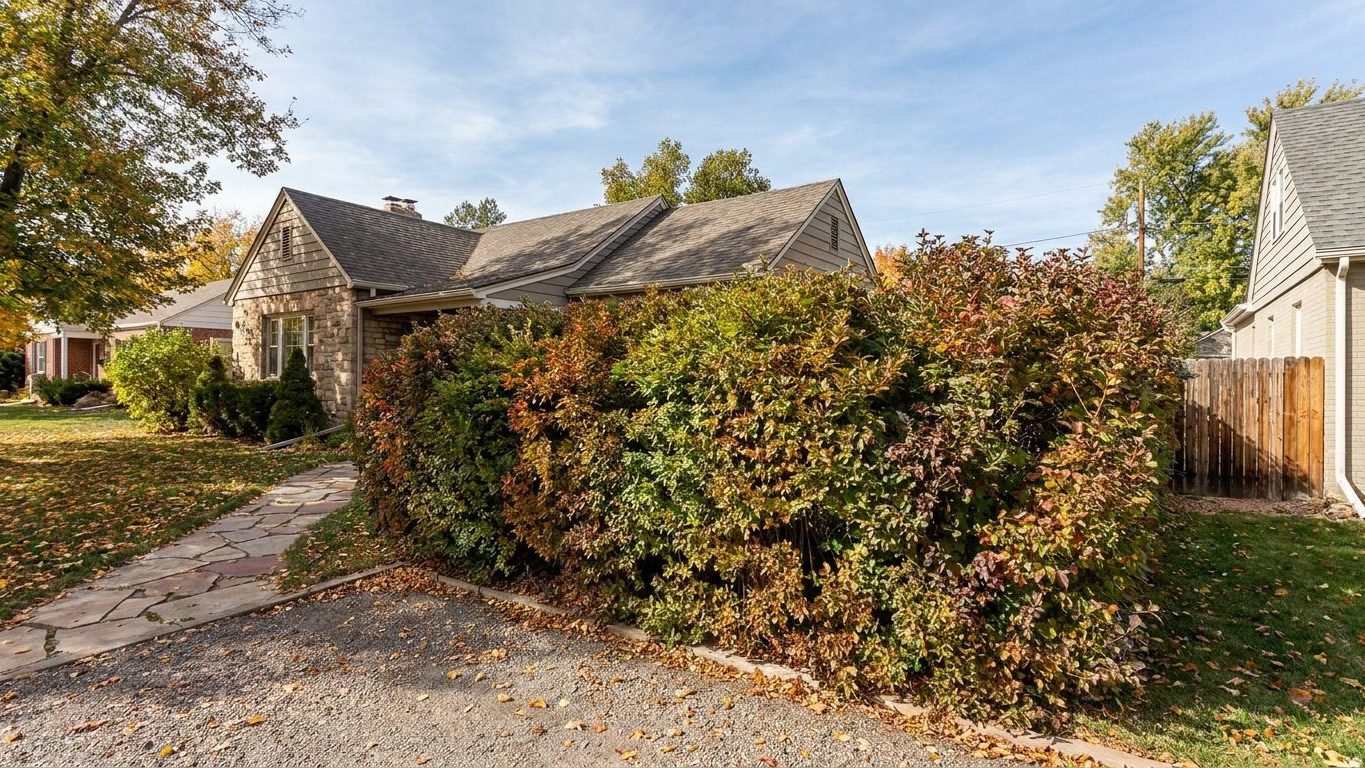
Virginia does not set a hedge height limit anywhere in state law. The number that decides whether your hedge is legal comes from your city or county…
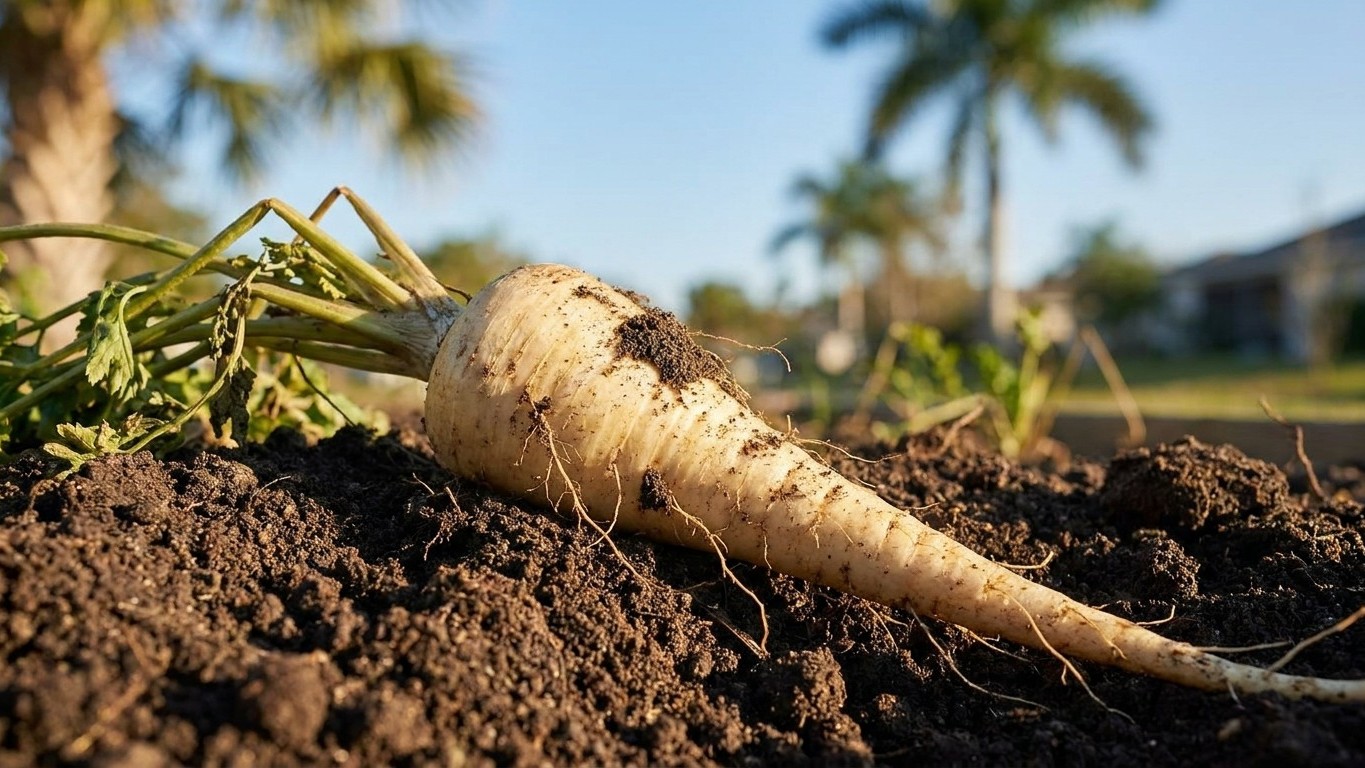
Five insects account for nearly all parsnip damage in Virginia gardens: aphids, black cutworm, flea beetles, tarnished plant bug, and thrips paired with…