What Eats Spinach in Washington, and When
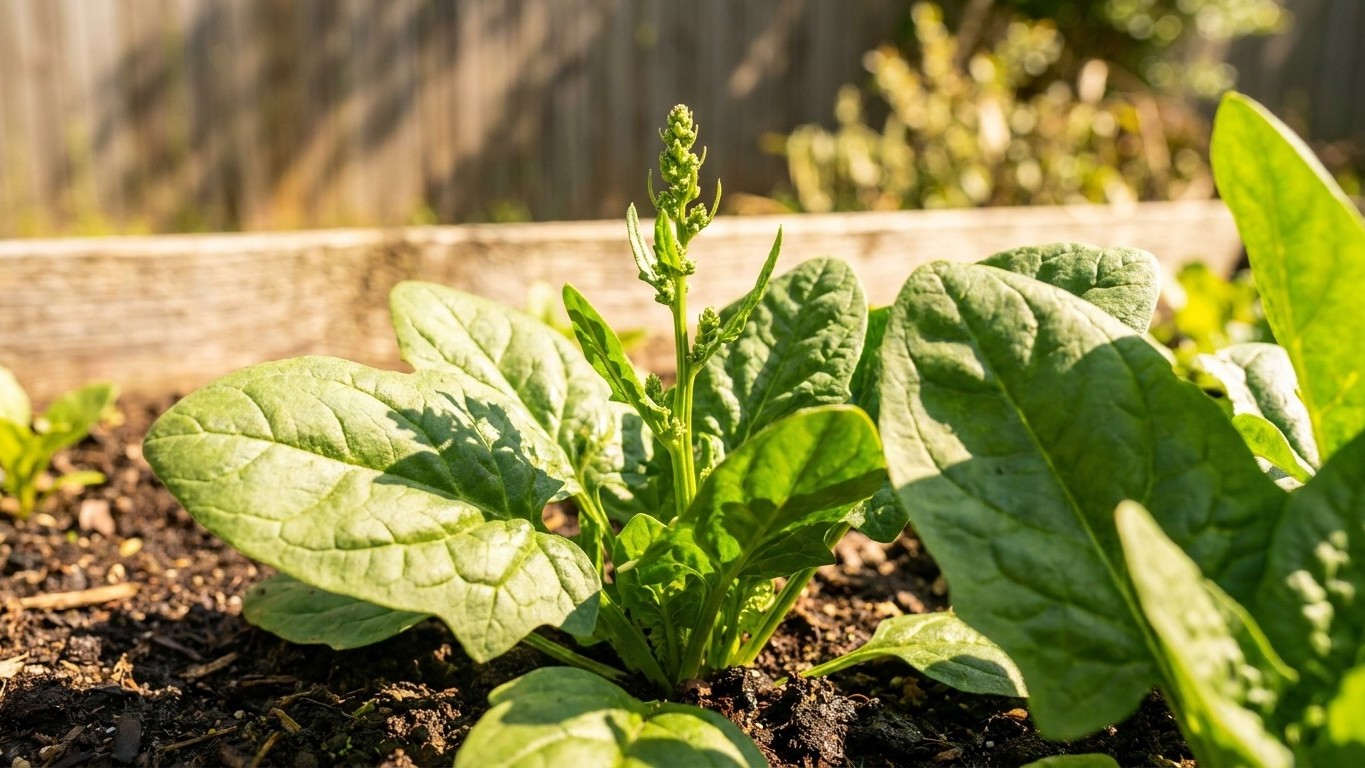
In Washington, what eats spinach isn’t a bug. It’s the calendar. Spinach gets two workable windows, one from late winter into spring and one from late…
Home & garden, state by state
Home and garden guidance specific to Washington: climate, seasons, local rules and rebates.
Everything we have worked out for Washington: what to plant and when, which varieties finish in time, the pests that actually turn up here, and the jobs that pay off month by month. We also cover the rest of the property, from lawns and soil to home care and energy, because a garden rarely stops at the vegetable bed.
The numbers first, because everything else follows from them. Measured at the weather station in Seattle, the last spring freeze runs February 27 to March 18 and the first fall freeze runs November 13 to November 30, USDA zones 4a-9a, 2,353 growing degree days in the year.
That is enough for early varieties, tight for anything late. Garlic does well: 17.4 weeks below 40 °F, comfortably past the six it needs to form a proper head.
Elsewhere on the property in Washington: the pests that turn up here.
Figures from NOAA's 1991-2020 climate normals. A state is not one climate: elevation, a large lake or the coast can move these dates by two weeks either way, so check your own county with the extension service before you spend money.
In Washington, what eats spinach isn’t a bug. It’s the calendar. Spinach gets two workable windows, one from late winter into spring and one from late…
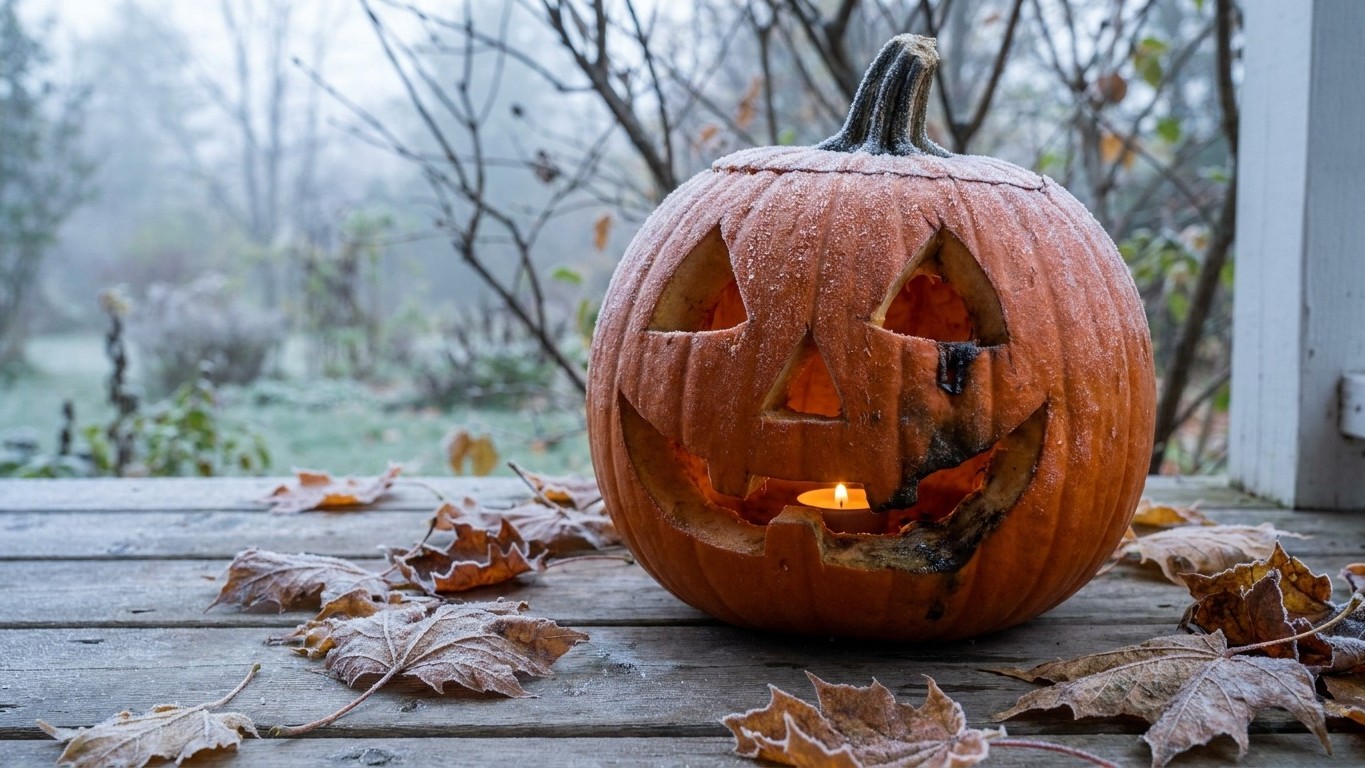
In western Washington, the thing that eats most pumpkin crops is the calendar.
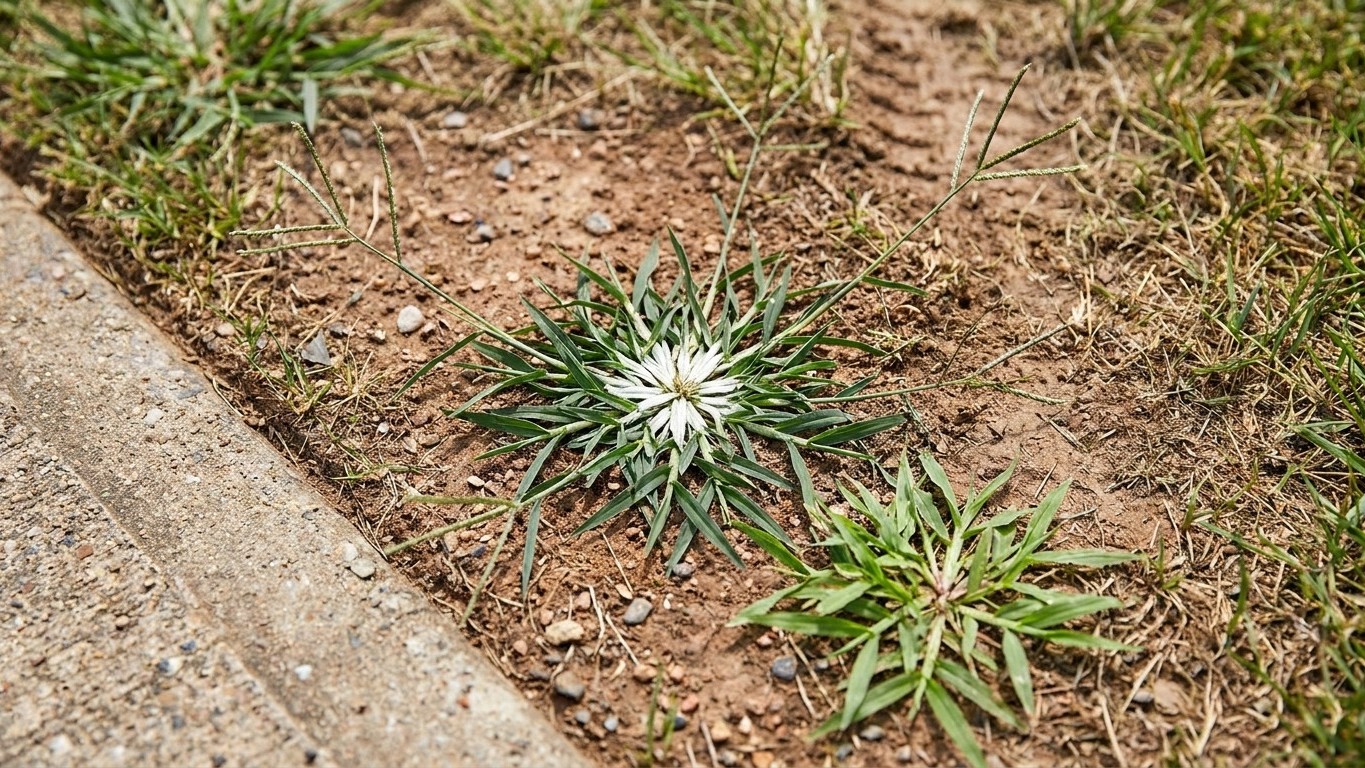
Most Washington lawns never need dethatching. Cut a wedge of turf and measure the brown, spongy layer between the green blades and the soil.
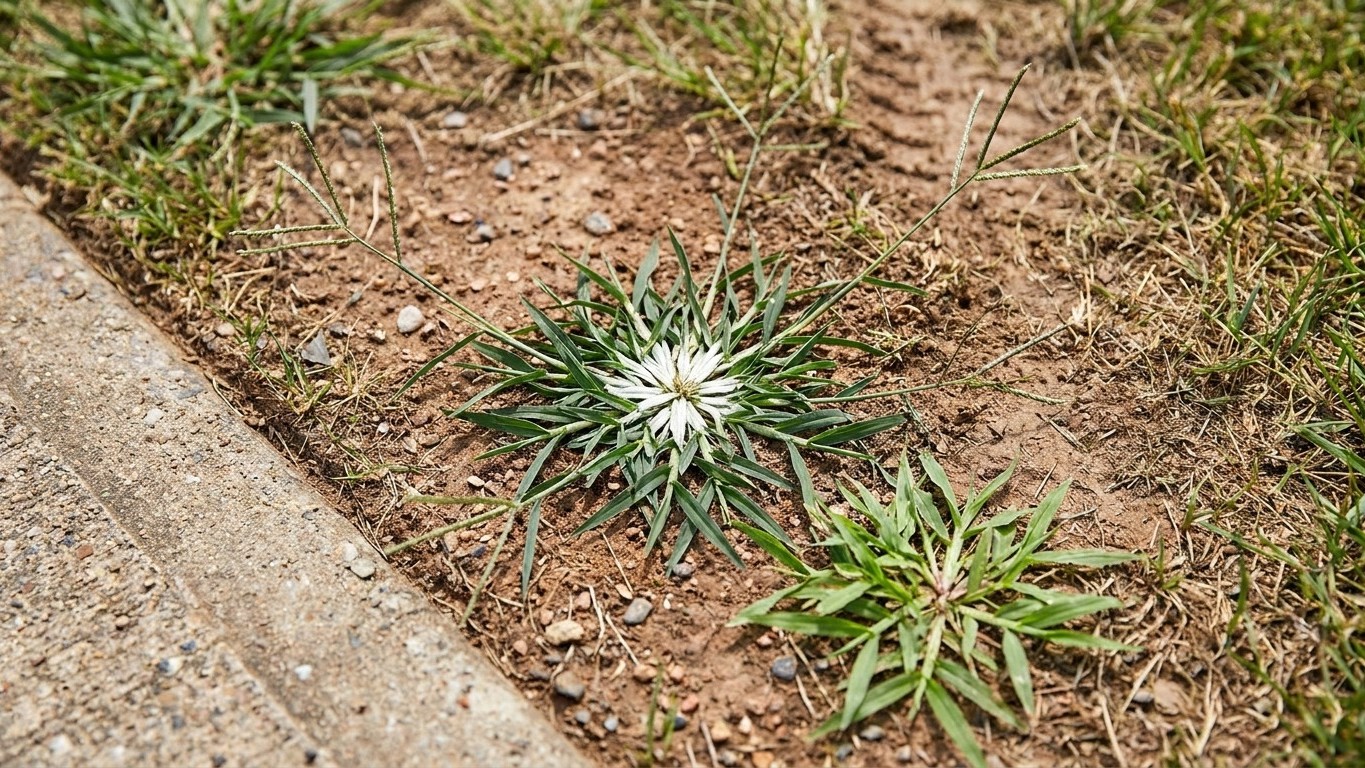
West of the Cascades, sow cool-season grass seed in early fall, with at least 45 days of growing weather left before the first freeze.
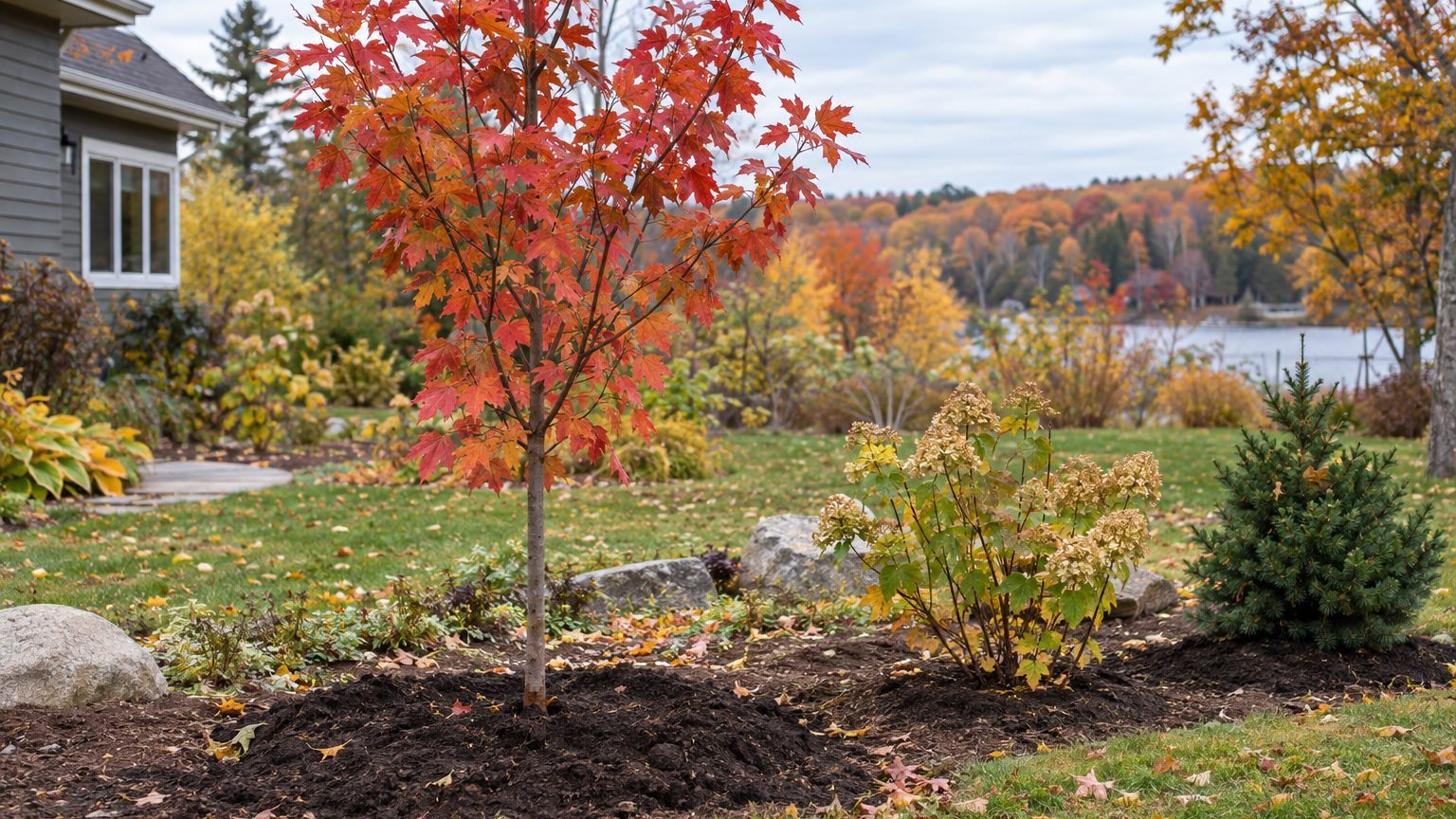
In the Seattle area, the safe target for planting trees and shrubs in fall is October 2 to October 19, which is six weeks before the first fall frost…
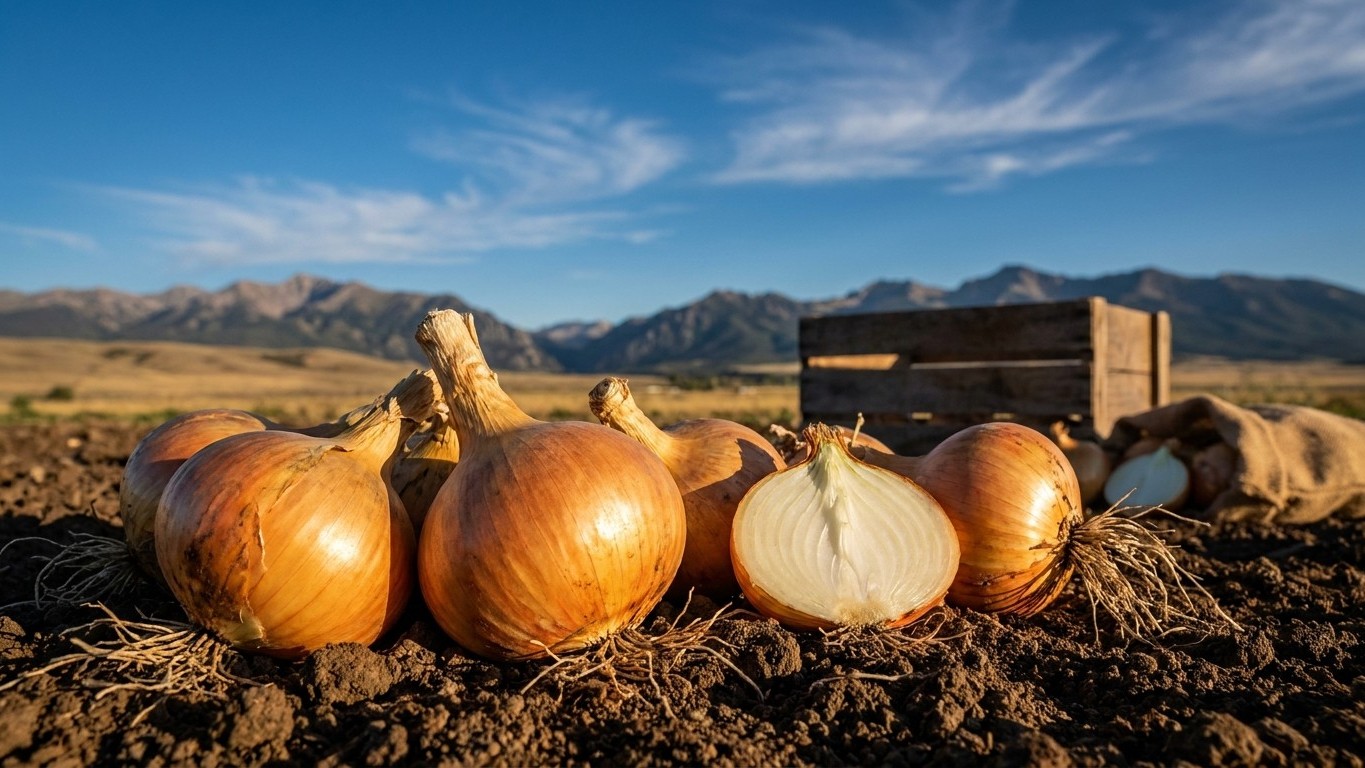
Three things eat onions in Washington: onion maggots working on young plants in cool spring soil, thrips rasping the leaves once summer warms up, and rot…
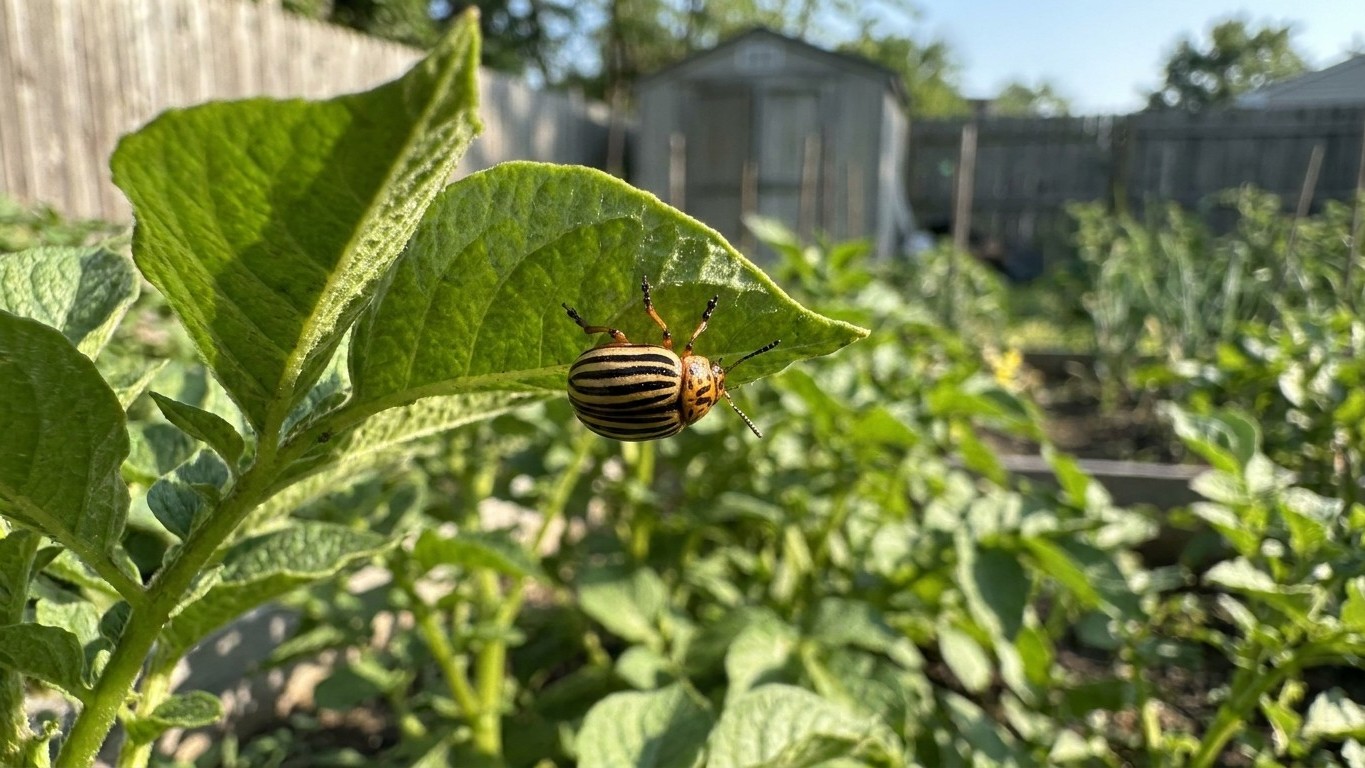
WSU Extension documents fourteen pest entries for Washington gardens, and about half of them go after potato.
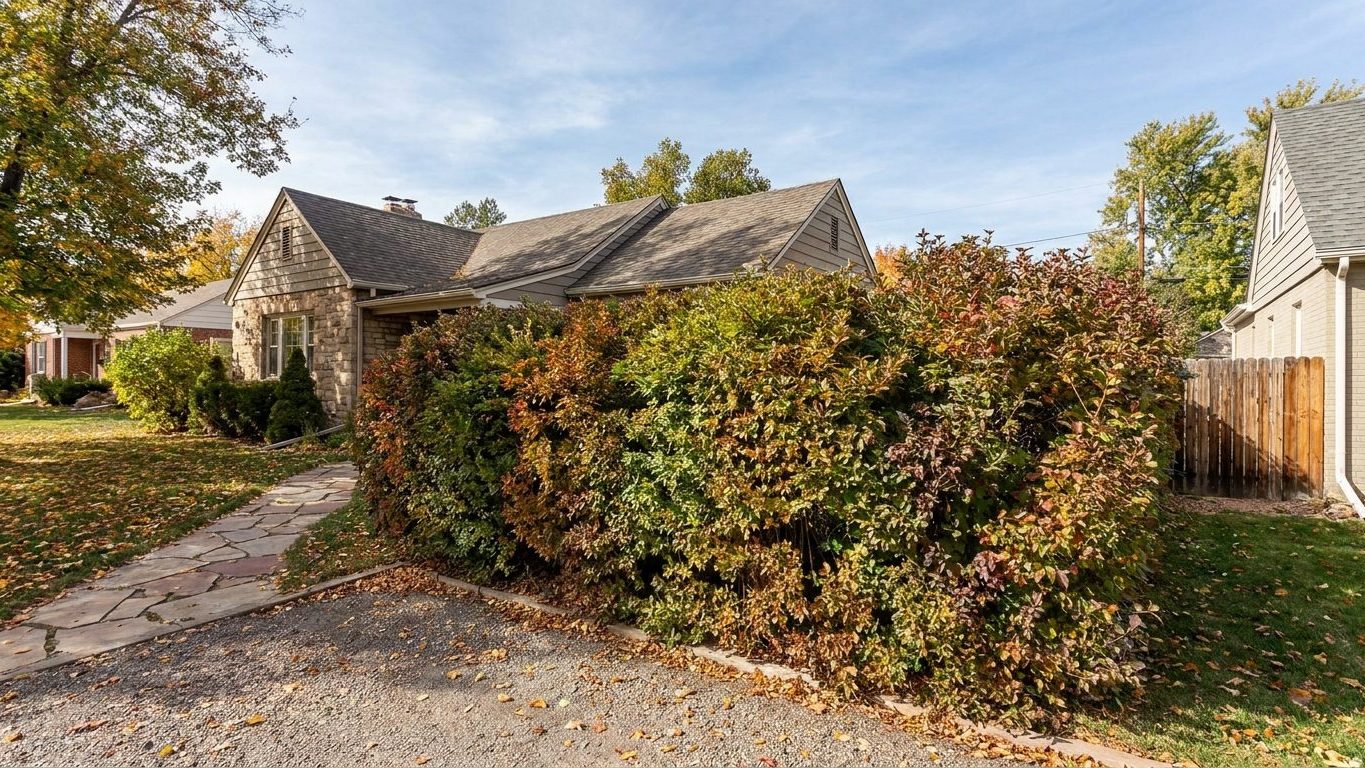
Washington doesn’t set a maximum hedge height anywhere in state law. The Revised Code of Washington has plenty to say about property lines, boundary…
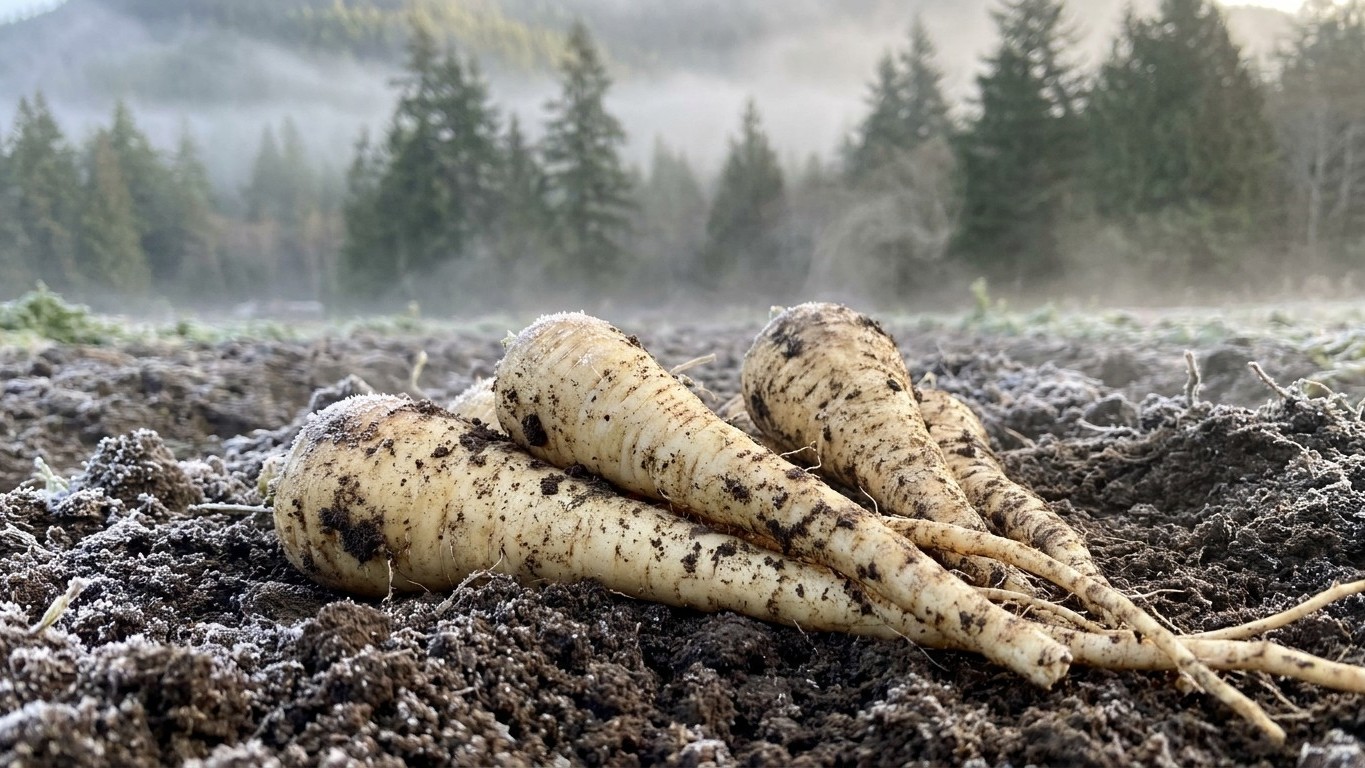
Washington gardeners growing parsnip deal with a shorter pest list than most root crops draw, because parsnip’s slow, deep taproot growth keeps a lot of…
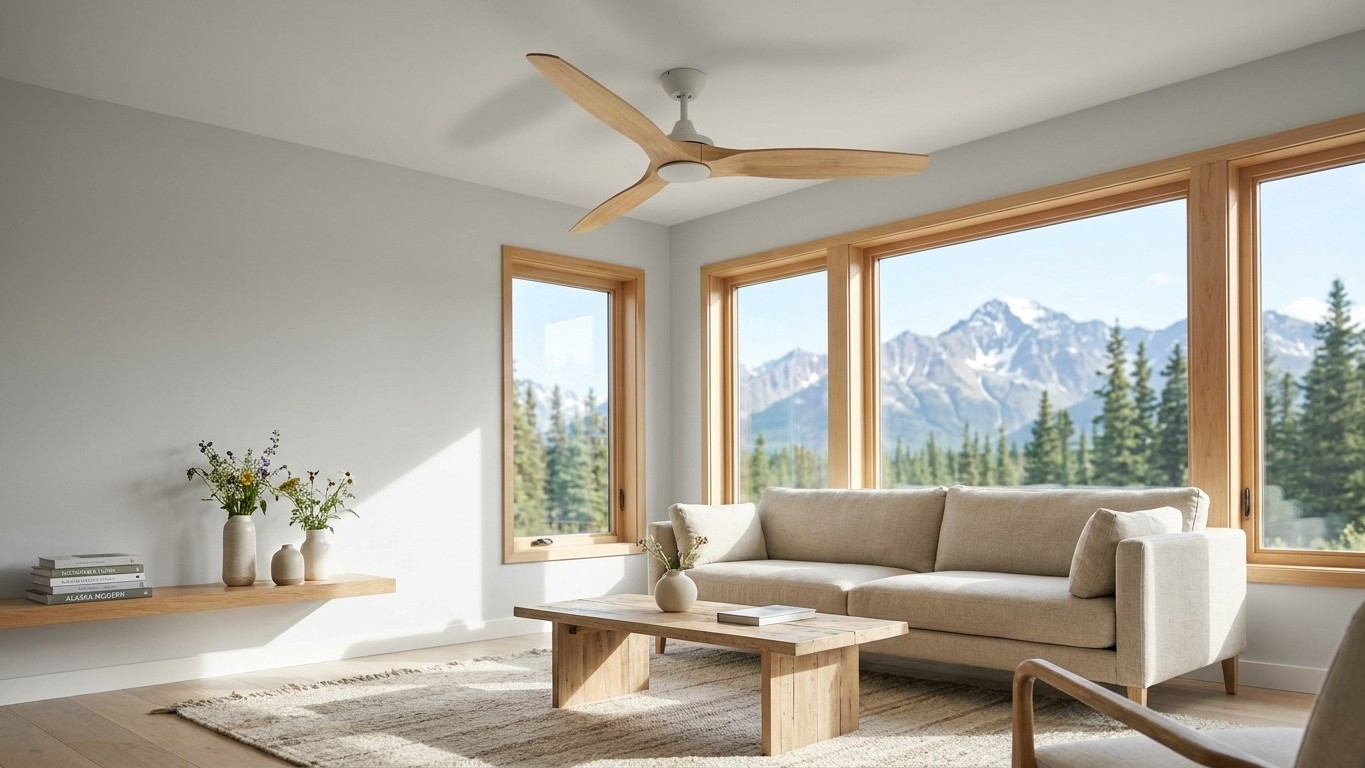
In Washington, just over half of homes run some form of air conditioning: 53% of households have cooling equipment of some kind, 30% rely on a central…