Growing Hydrangeas in Minnesota: Types, Colour and Winter
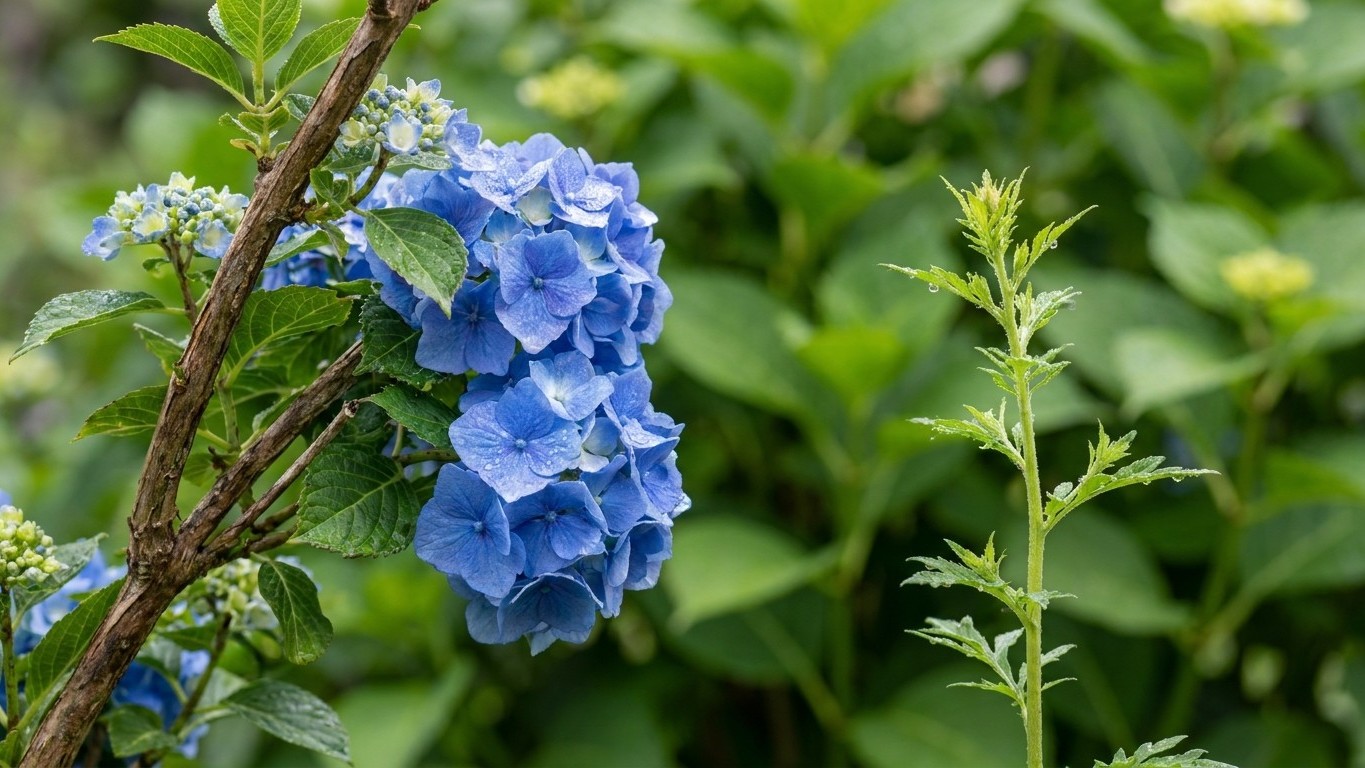
Plant hydrangeas in Minnesota after the last spring freeze, which in the Twin Cities falls between April 17 and April 30, and choose panicle or smooth…
Home & garden, state by state
What home and garden advice looks like when it is written for Minnesota — midwest seasons, midwest rules, and the numbers that go with them.
Everything we have worked out for Minnesota: what to plant and when, which varieties finish in time, the pests that actually turn up here, and the jobs that pay off month by month. We also cover the rest of the property, from lawns and soil to home care and energy, because a garden rarely stops at the vegetable bed.
The numbers first, because everything else follows from them. Measured at the weather station in Minneapolis, the last spring freeze runs April 17 to April 30 and the first fall freeze runs October 11 to October 23, USDA zones 3a-5a, 3,013 growing degree days in the year.
Garlic does well: 30.4 weeks below 40 °F, comfortably past the six it needs to form a proper head.
Elsewhere on the property in Minnesota: the pests that turn up here.
Figures from NOAA's 1991-2020 climate normals. A state is not one climate: elevation, a large lake or the coast can move these dates by two weeks either way, so check your own county with the extension service before you spend money.
Plant hydrangeas in Minnesota after the last spring freeze, which in the Twin Cities falls between April 17 and April 30, and choose panicle or smooth…
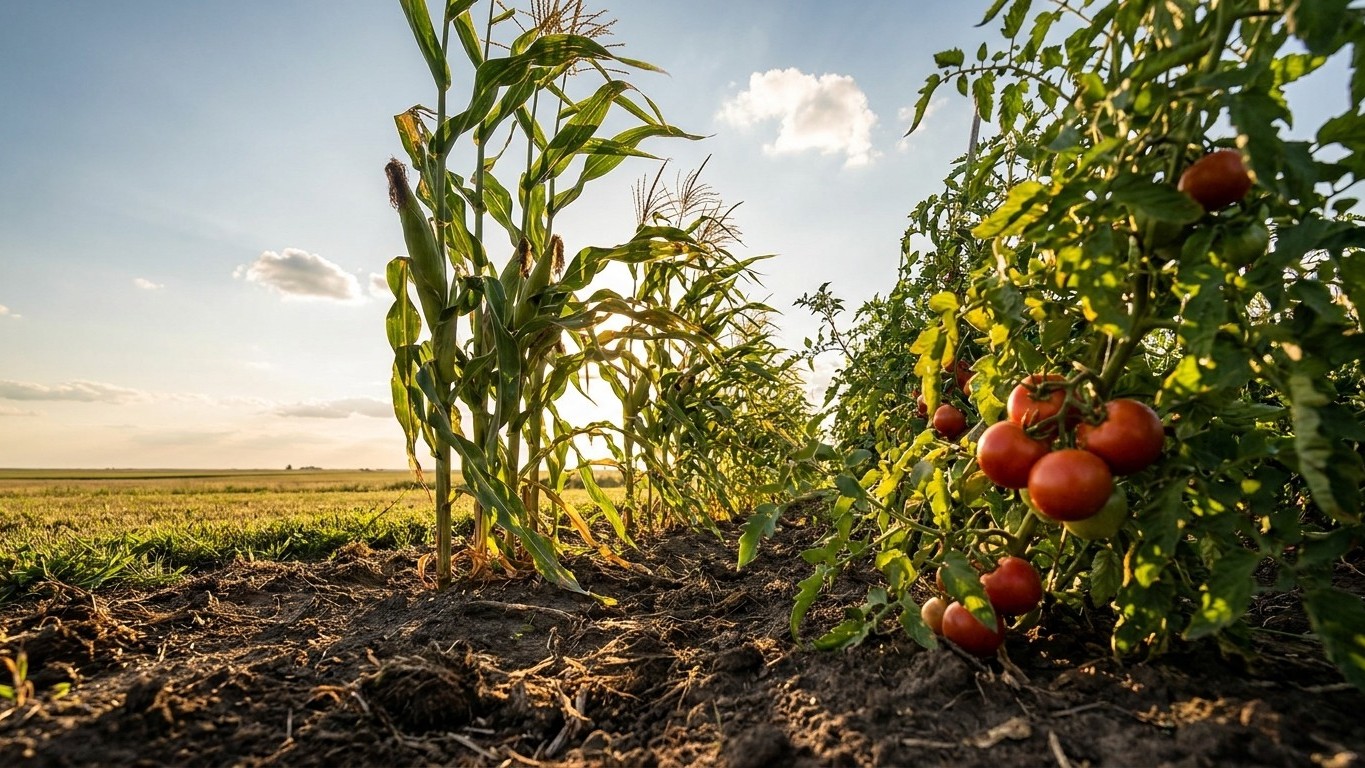
Plan on 60 to 90 days from planting to the first ears, counted from the day the soil is warm enough, not from the last frost.
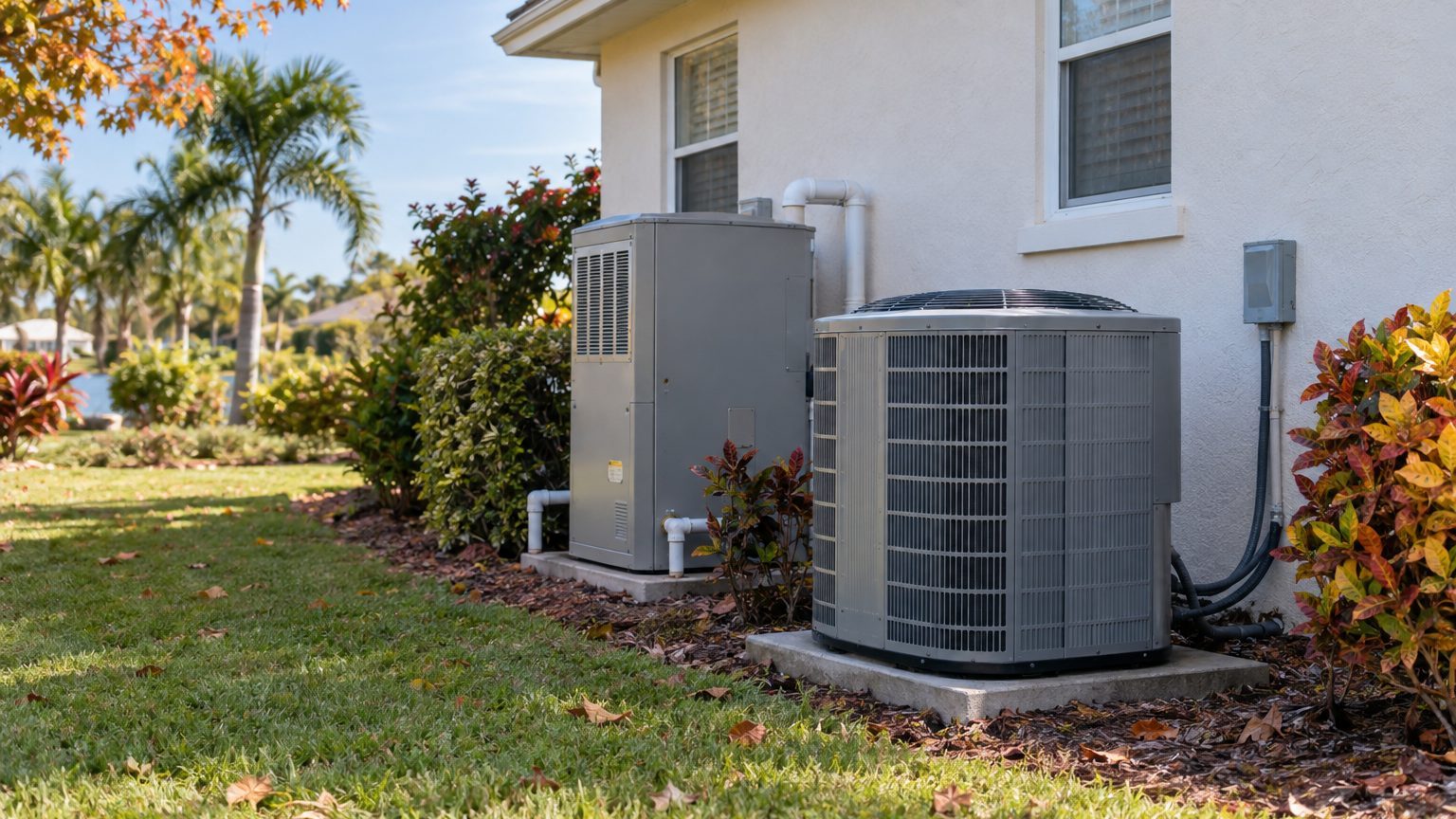
Natural gas heat costs less to run in Minnesota than a heat pump, but cold winters, propane homes and air conditioning can change which system makes sense.
The sources behind this page name no pests and give no calendar for them, so any list of insects with dates would be invented.
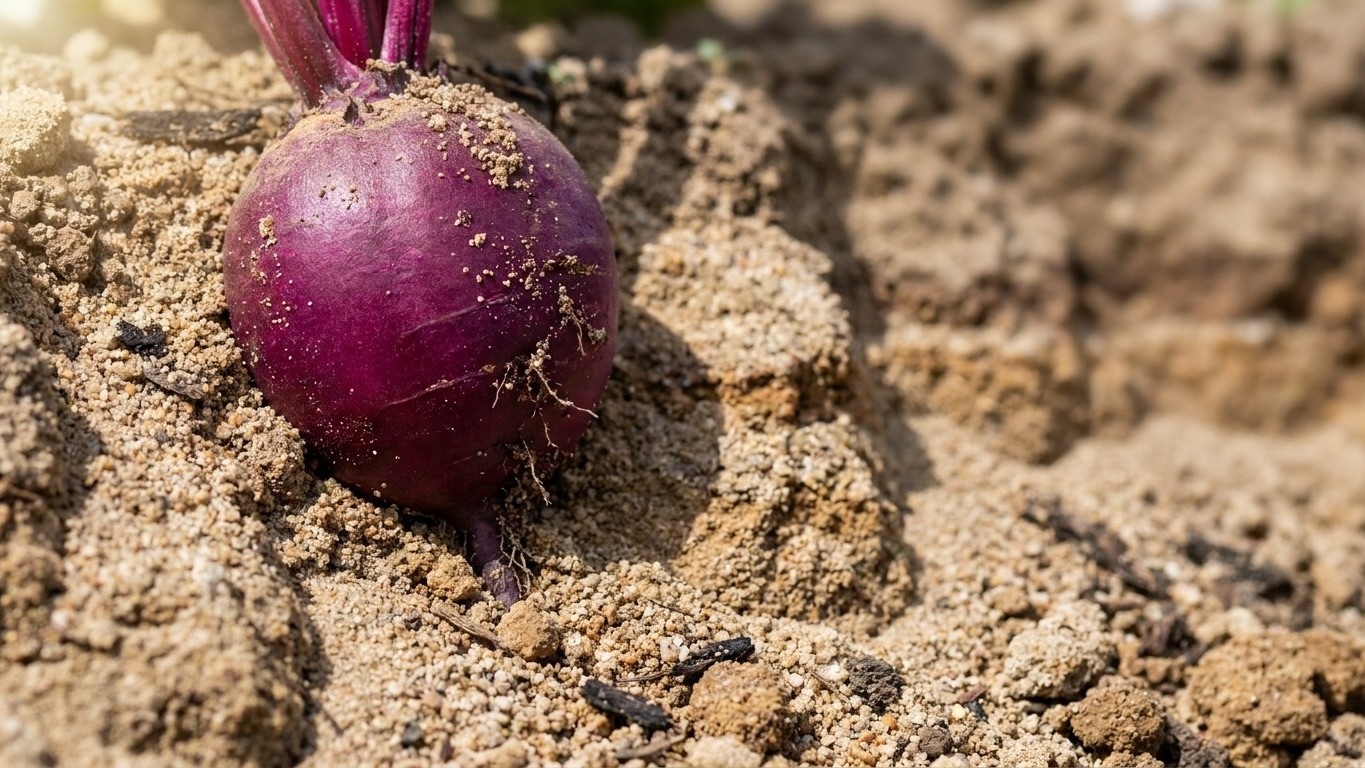
Weather and ground do most of the damage to a Minnesota beet crop, and they strike in a set order.
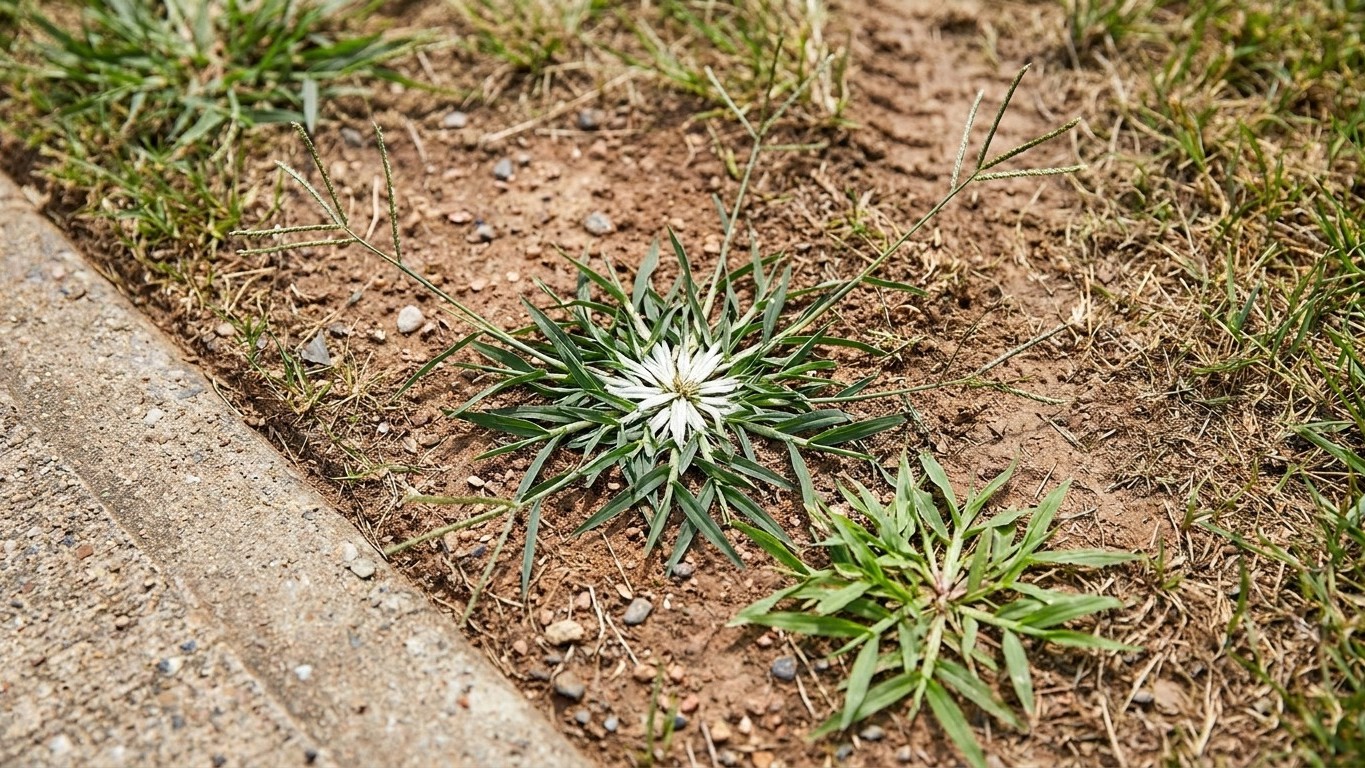
Cool-season Minnesota lawns are aerated in fall while the grass is still growing, using a core aerator on moist soil, with the job finished ahead of the first freeze.
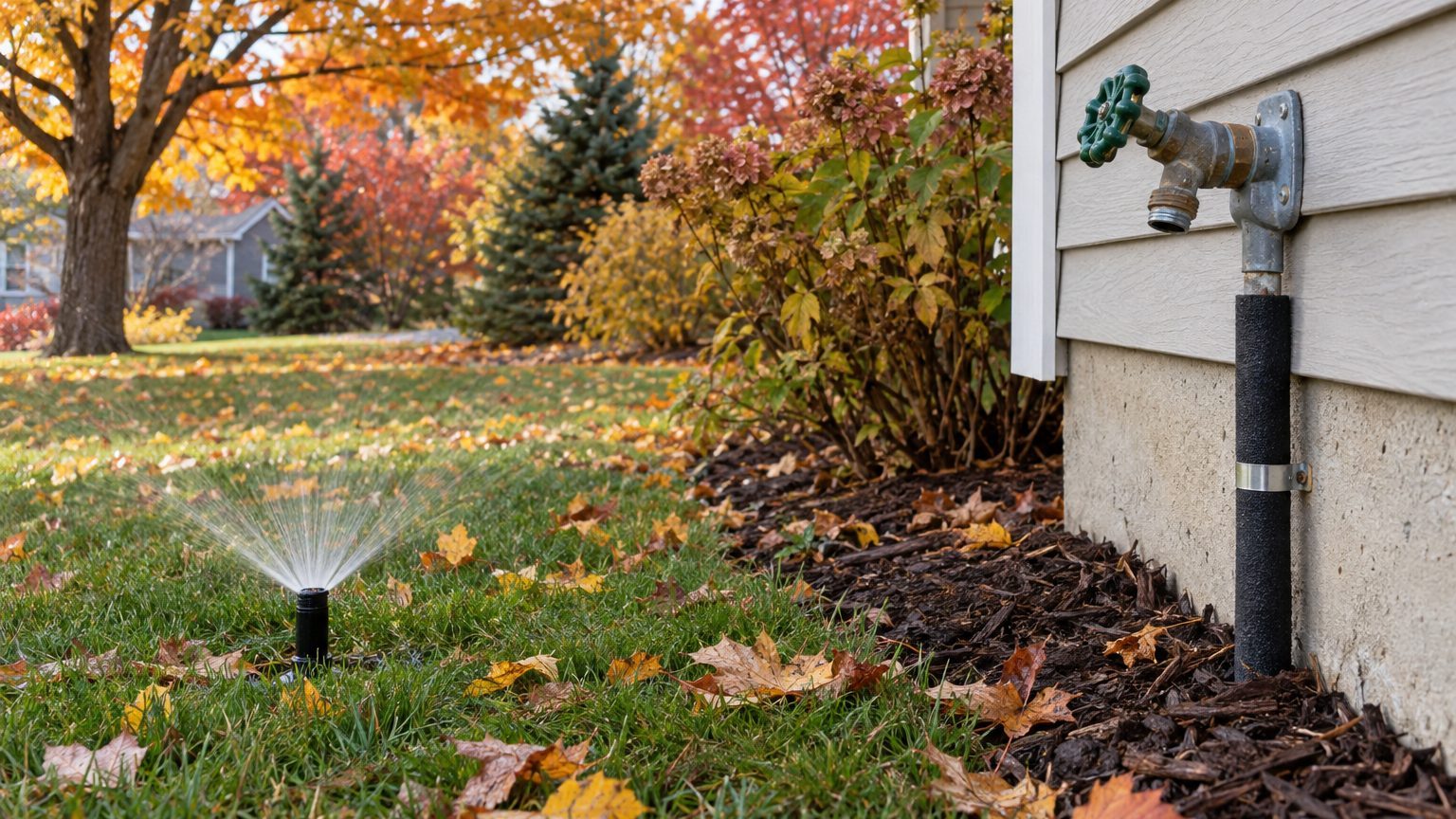
Minnesota’s sprinkler and faucet winterizing window runs from mid-October to late October, tied to NOAA’s average first fall freeze, with northern areas needing earlier action.
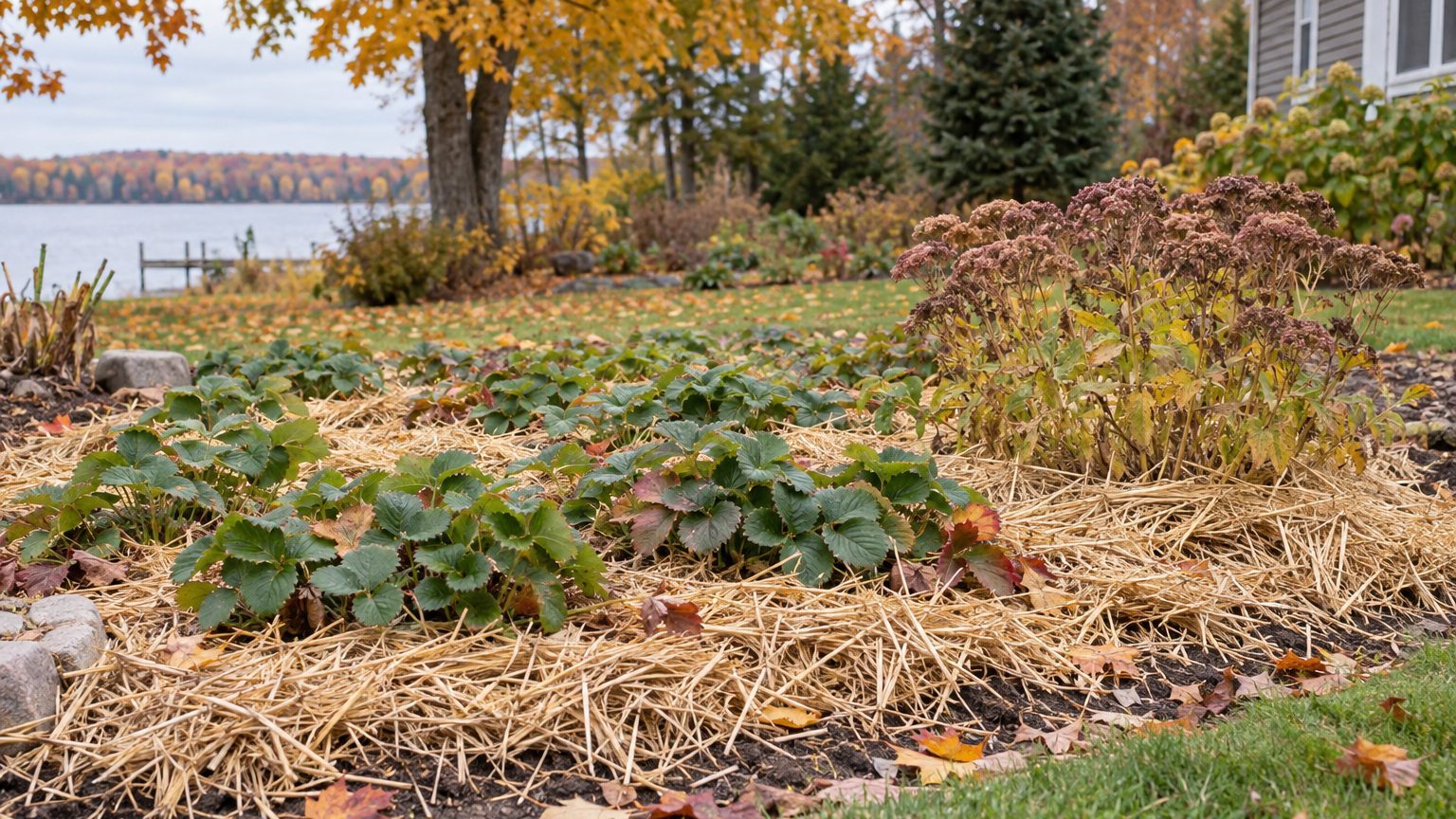
Minneapolis gardeners wait until the soil itself freezes, not the calendar, before laying straw over strawberries and mulch around perennial crowns for winter.
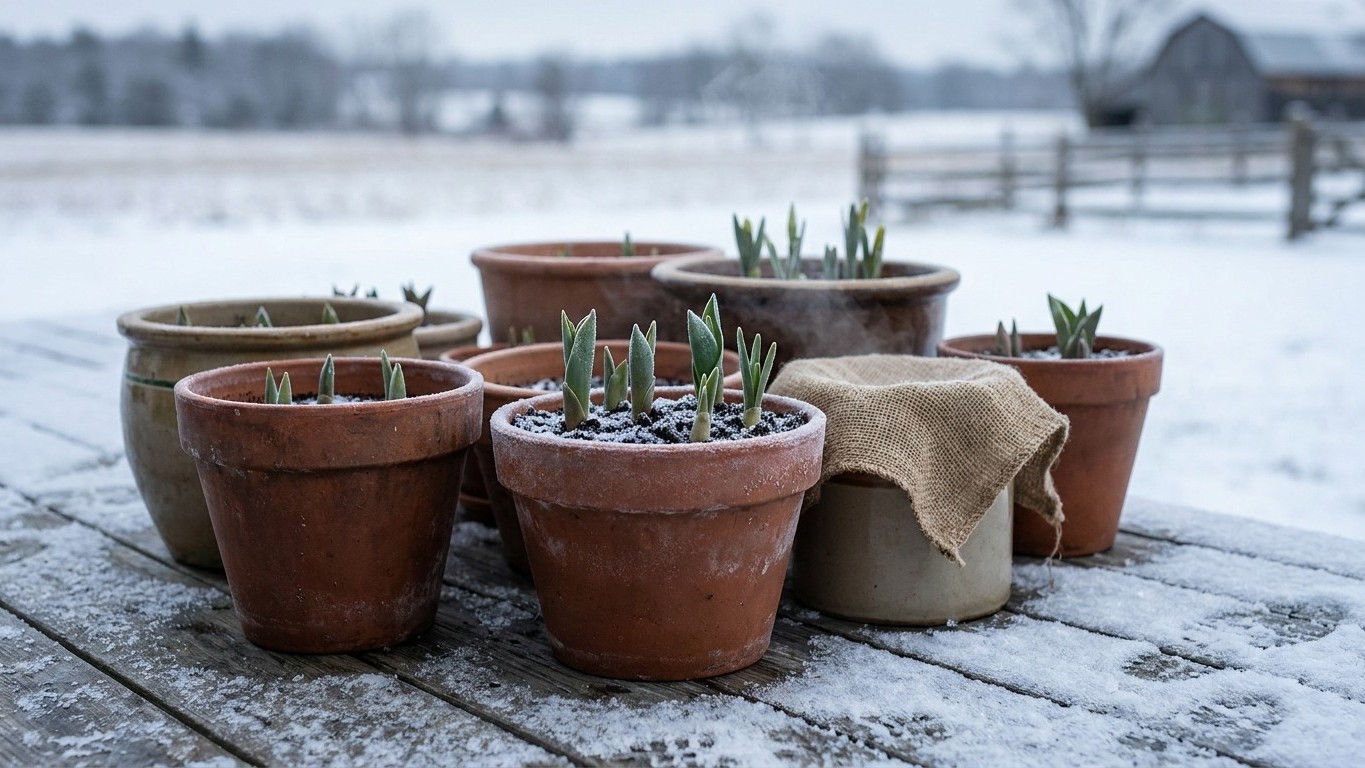
Minnesota’s ground freezes too deep for dahlias, cannas and gladiolus to survive winter outdoors, so gardeners statewide dig them after the first fall frost and store them indoors.
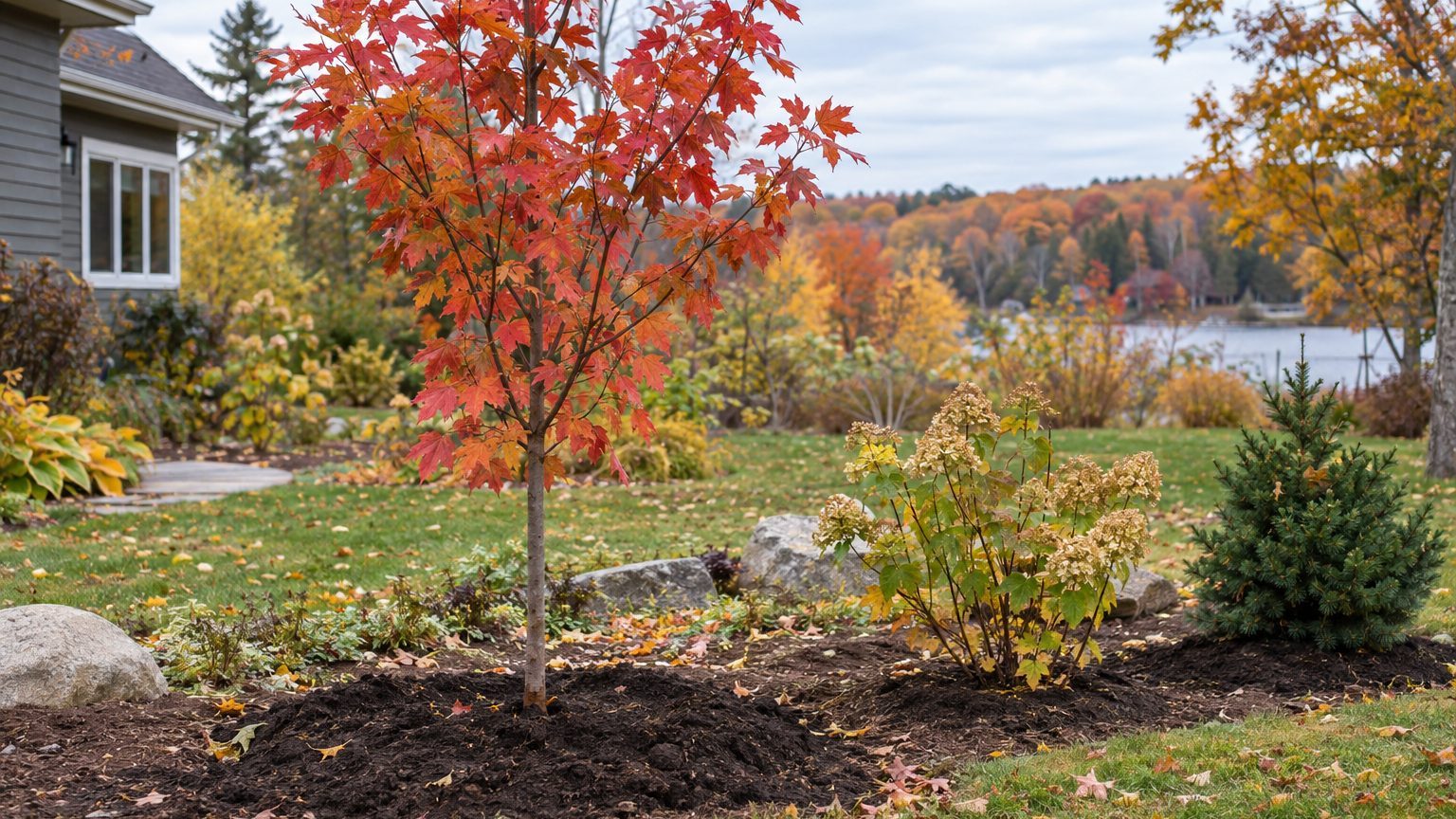
Fall planting works in Minnesota if you get trees and shrubs in the ground with enough time for roots to establish before the soil freezes.