When to Pick Peppers in California, and Why the Fridge Ruins Them
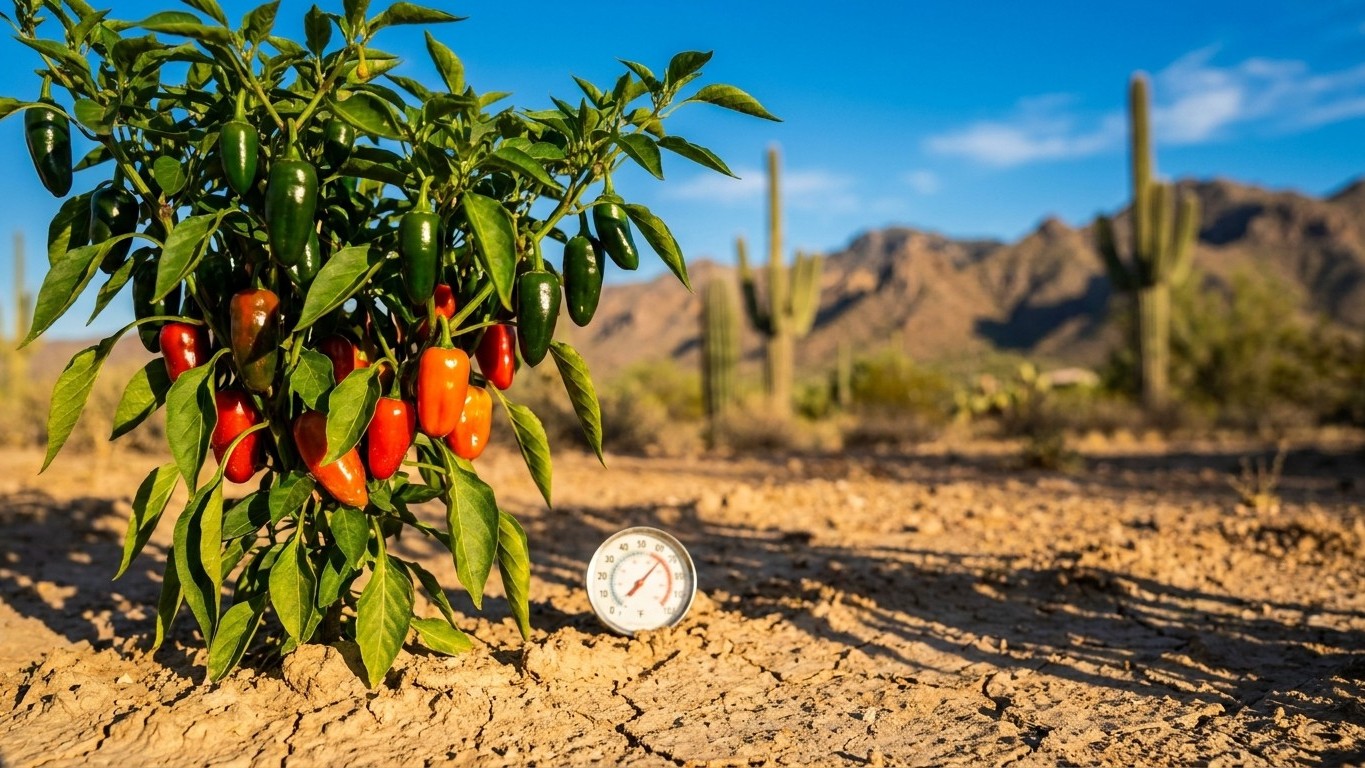
Pick peppers once the fruit has reached full size for its variety and feels firm, usually 70 to 85 days after transplanting.
Home & garden, state by state
Home and garden guidance specific to California: climate, seasons, local rules and rebates.
Everything we have worked out for California: what to plant and when, which varieties finish in time, the pests that actually turn up here, and the jobs that pay off month by month. We also cover the rest of the property, from lawns and soil to home care and energy, because a garden rarely stops at the vegetable bed.
The numbers first, because everything else follows from them. Measured at the weather station in Los Angeles, the last spring freeze falls around no freeze occurs in an average year and the first fall freeze falls around no freeze occurs in an average year, USDA zones 5a-11a, 4,719 growing degree days in the year.
Garlic is the awkward one: only 0 weeks below 40 °F, where it needs six to split into cloves. Chill the cloves before planting, or grow a softneck type.
Elsewhere on the property in California: the pests that turn up here.
Figures from NOAA's 1991-2020 climate normals. A state is not one climate: elevation, a large lake or the coast can move these dates by two weeks either way, so check your own county with the extension service before you spend money.
The planting guide for each month in California:
Pick peppers once the fruit has reached full size for its variety and feels firm, usually 70 to 85 days after transplanting.
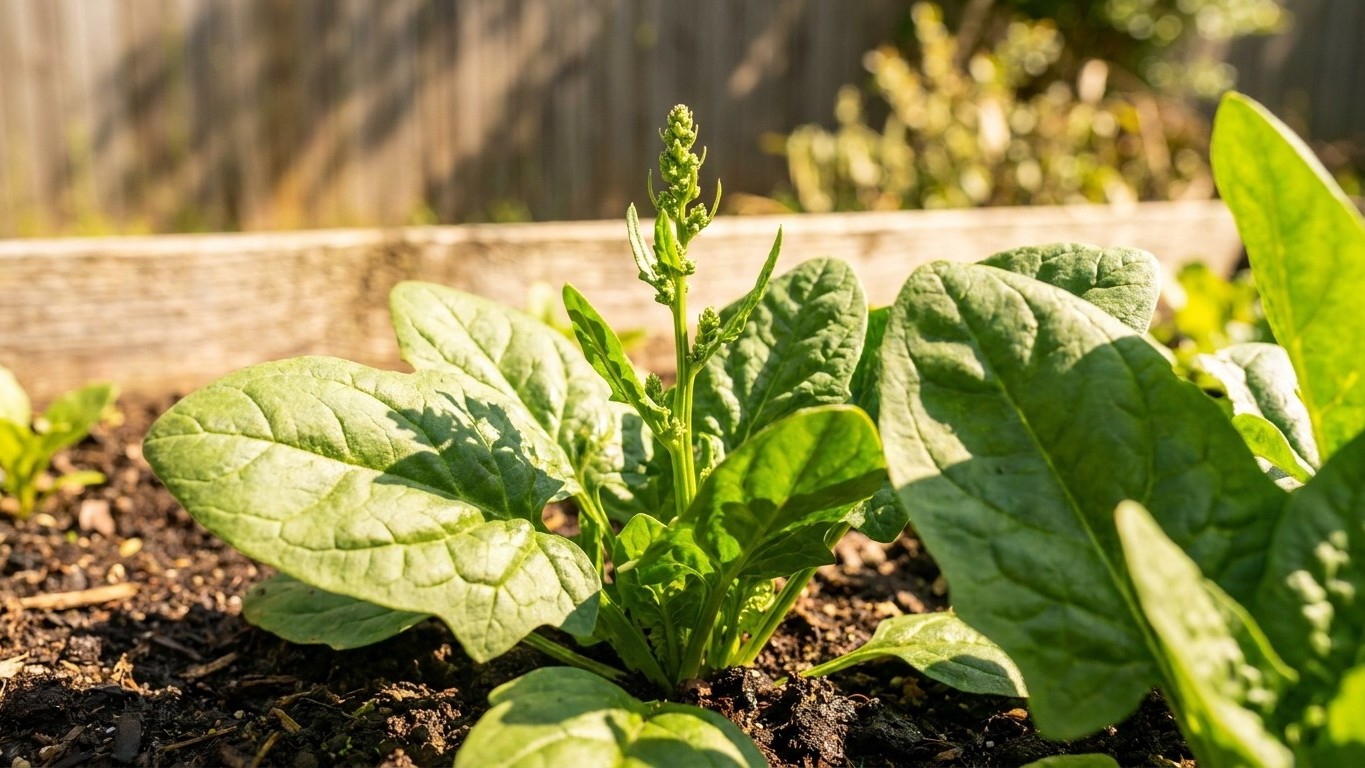
Cut spinach once the outer leaves are big enough to eat, and cut before the plant sends up a flower stalk.
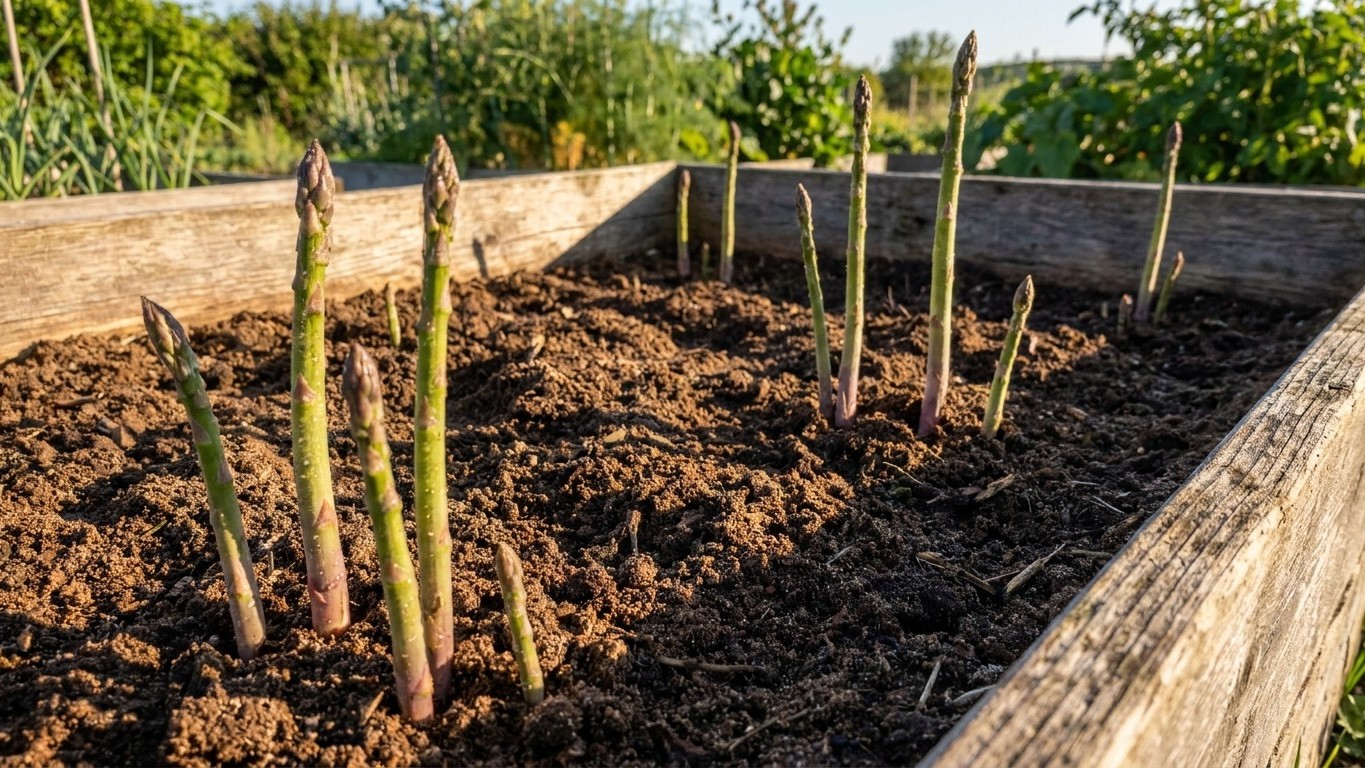
Stop cutting when most of the spears coming up are thinner than a pencil. That is the signal, and no calendar date replaces it.
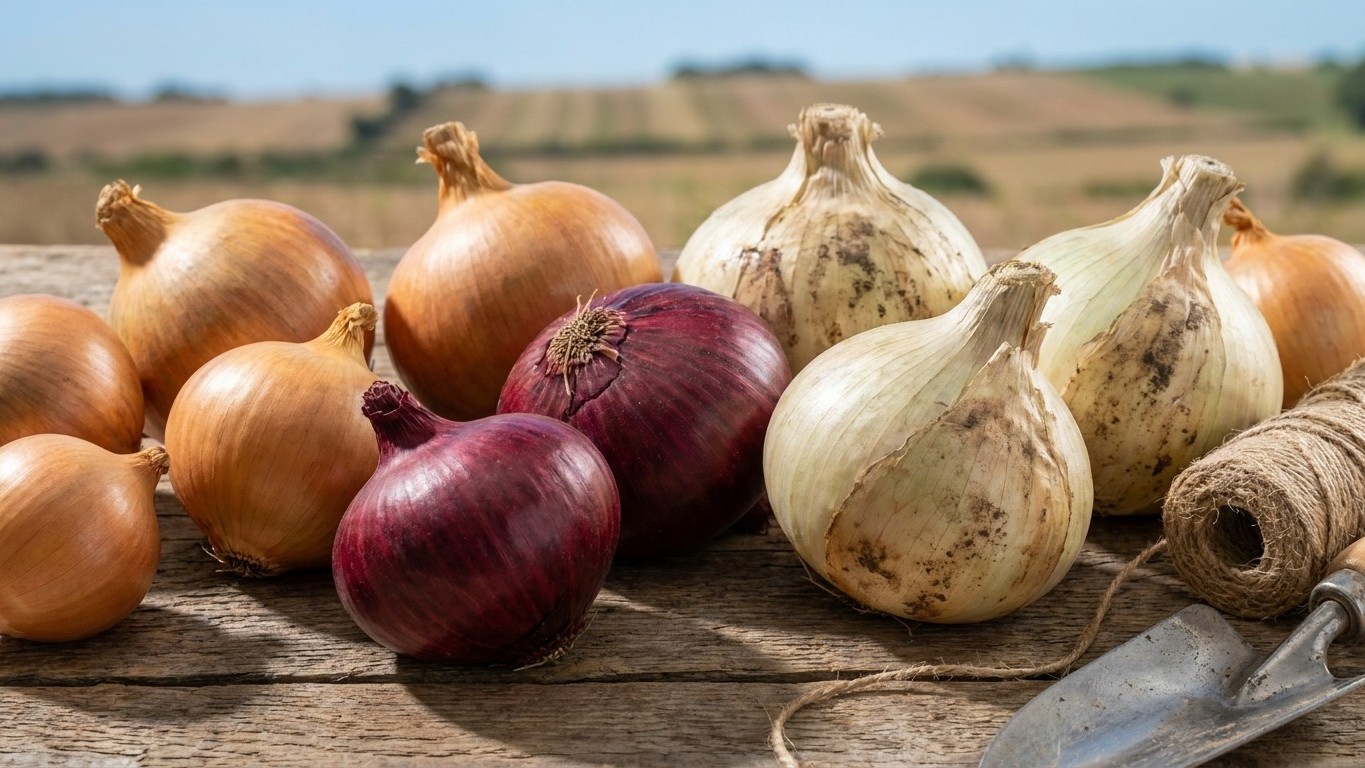
Lift onions once the tops have yellowed and fallen over. Then cure them in a dry, shaded, airy spot until the necks are tight and the skins papery.
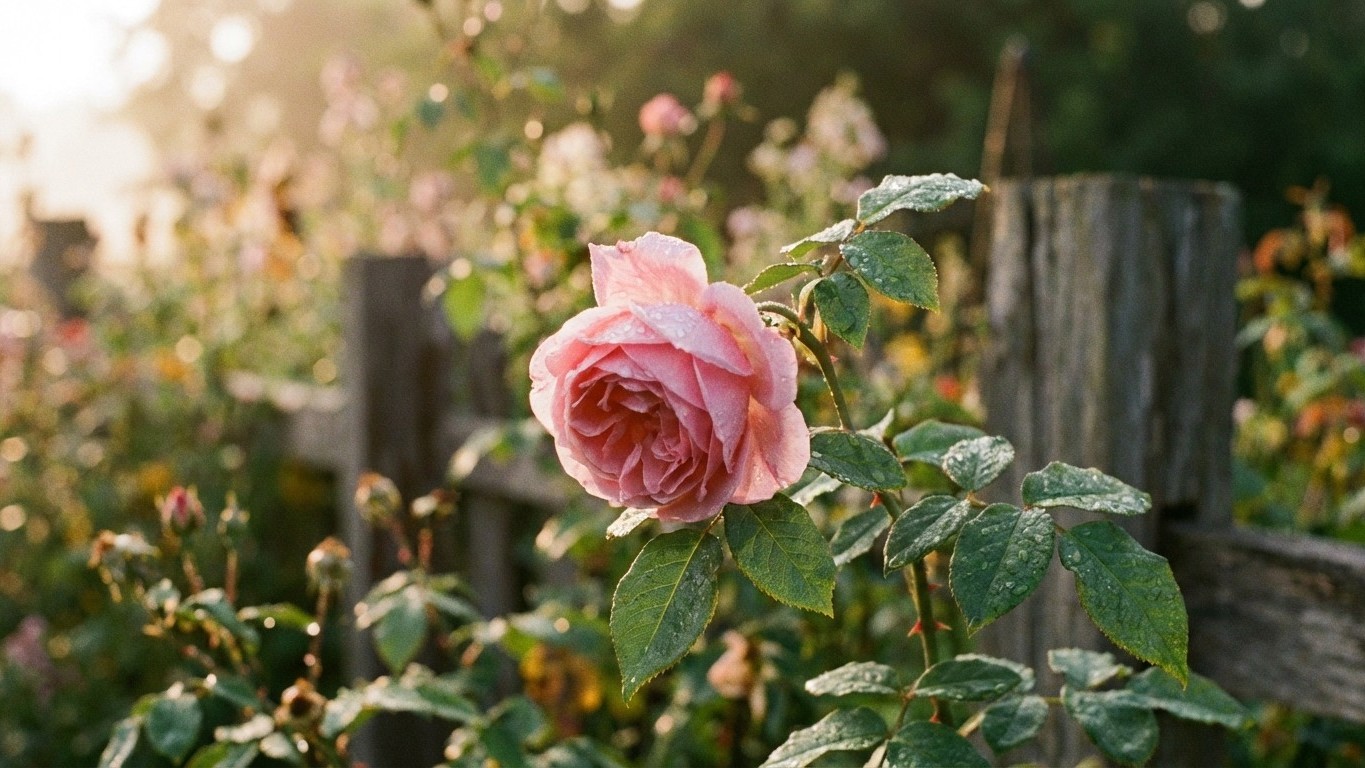
Along the coast and across Southern California, roses need no winter protection at all.
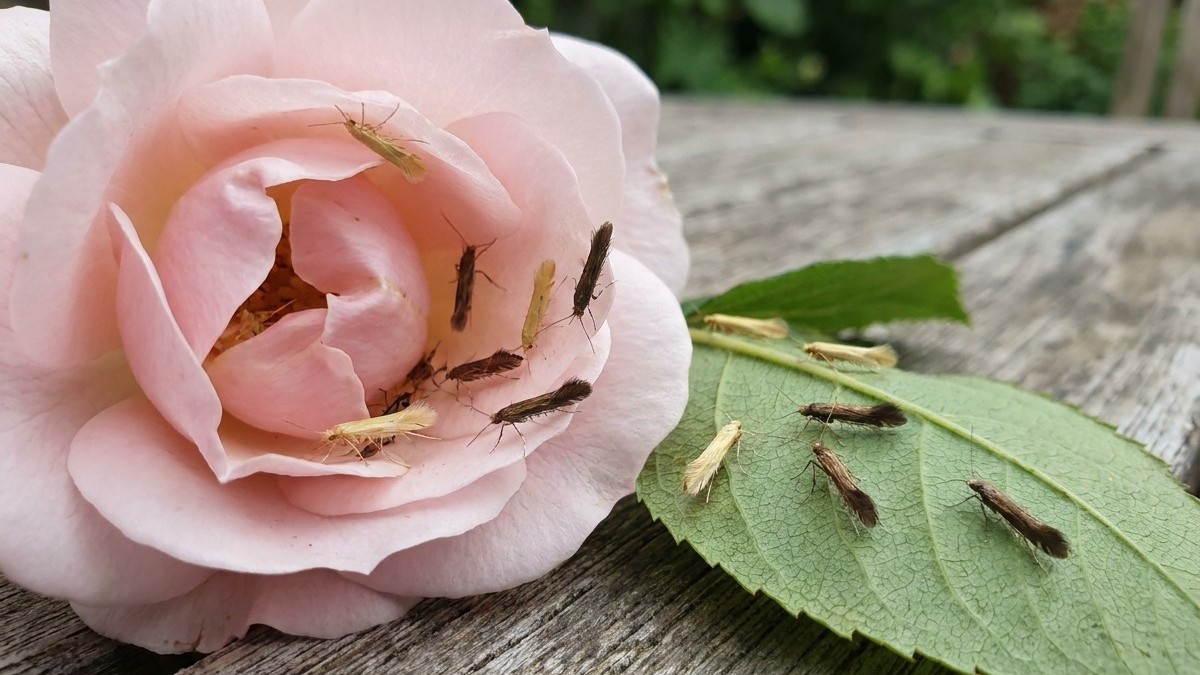
Almost any rose survives a Los Angeles winter, because the reference station there records no freeze in an average year.
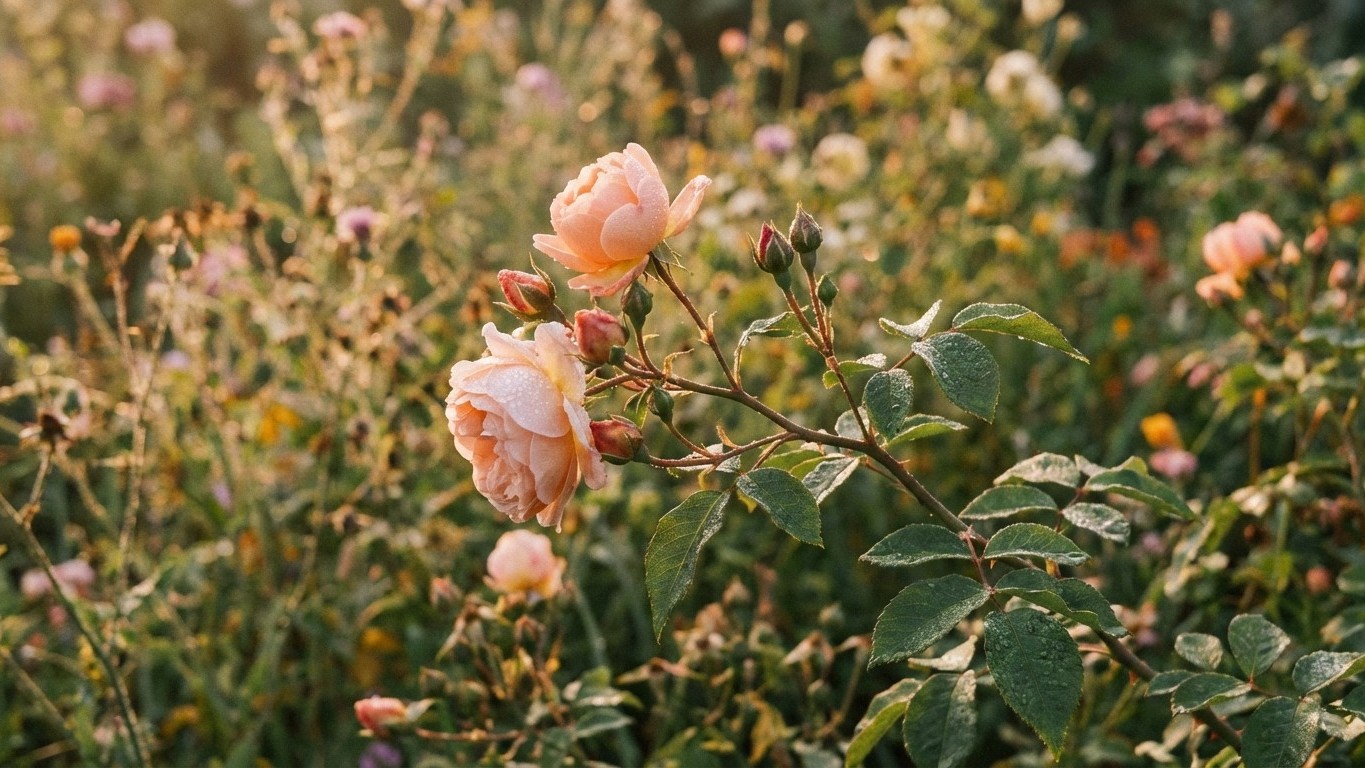
In coastal and Southern California, prune hybrid teas, floribundas and shrub roses from mid-January to mid-February.
Powdery mildew is the rose disease Californians run into most often. Black spot, downy mildew and rust follow wherever fog, spring rain or sprinklers…
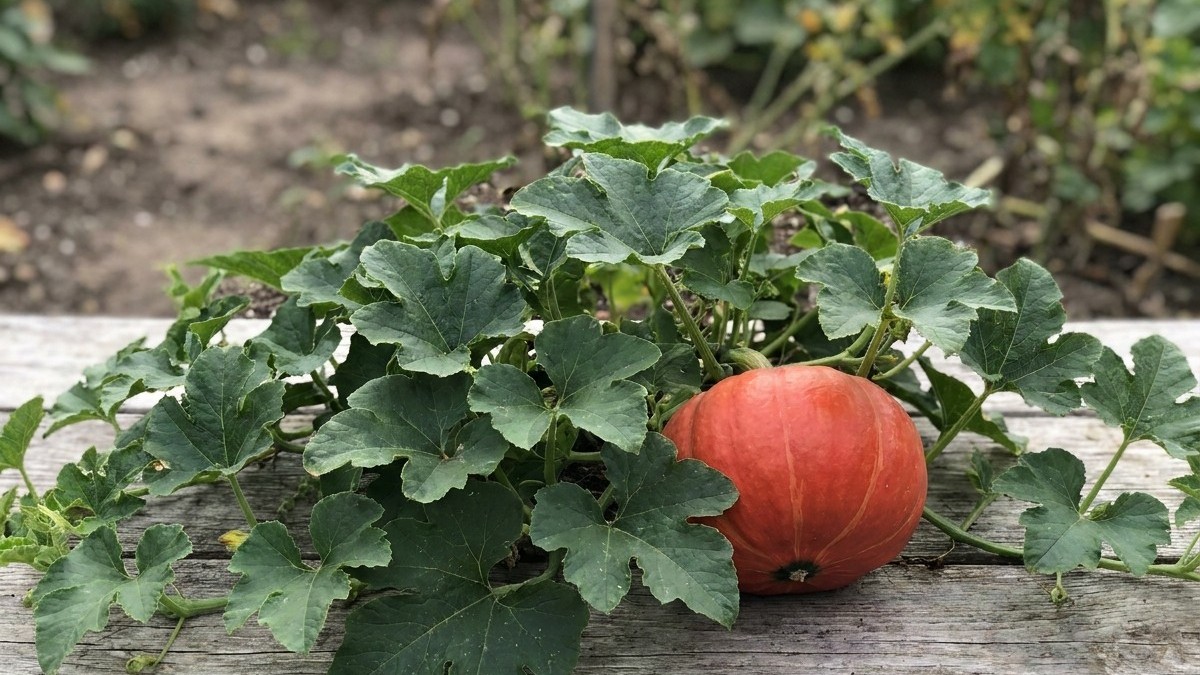
Cut a pumpkin when it has colored fully and the skin has hardened, which falls 45 to 55 days after the flower opened, not after the seed went in.
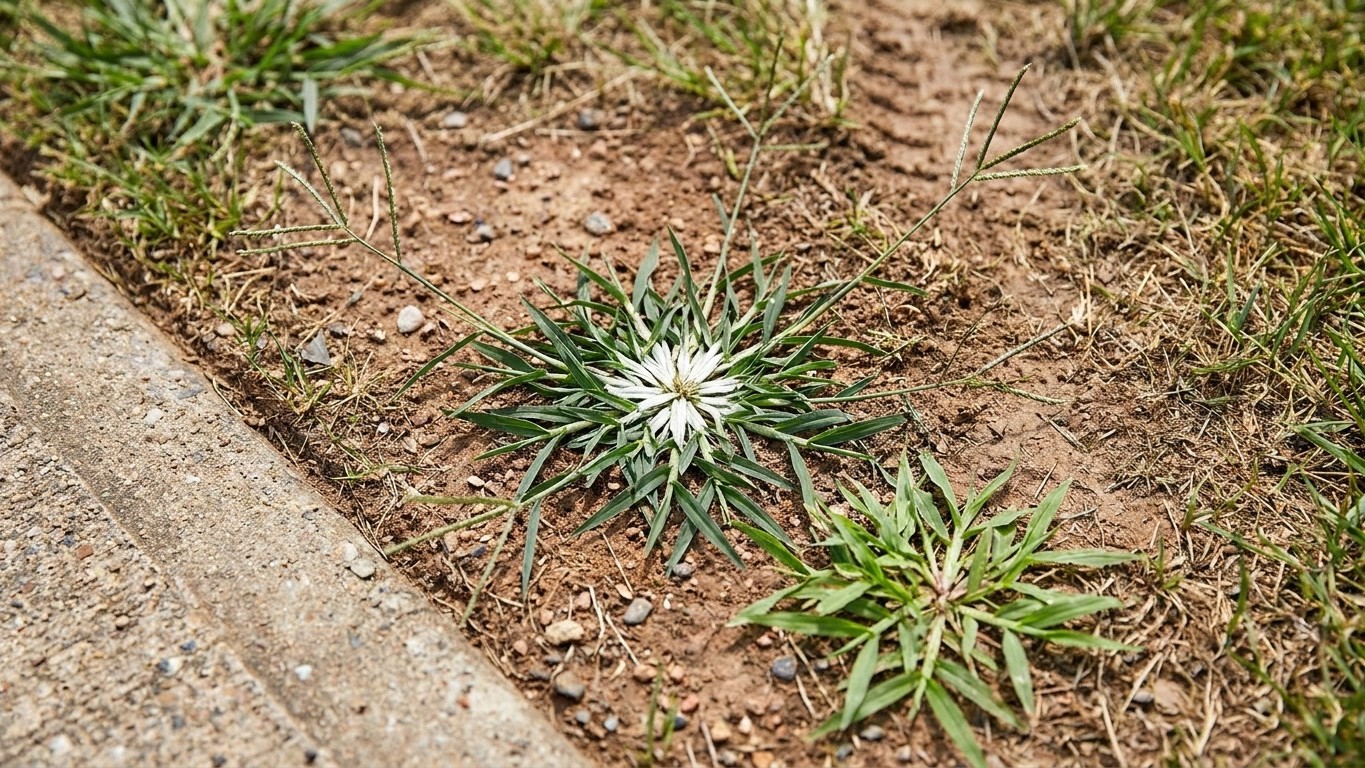
For the warm-season lawns that dominate Los Angeles and much of coastal and Southern California, the time to aerate is summer, while the grass is growing…