What Eats Spinach in Nunavut, and When
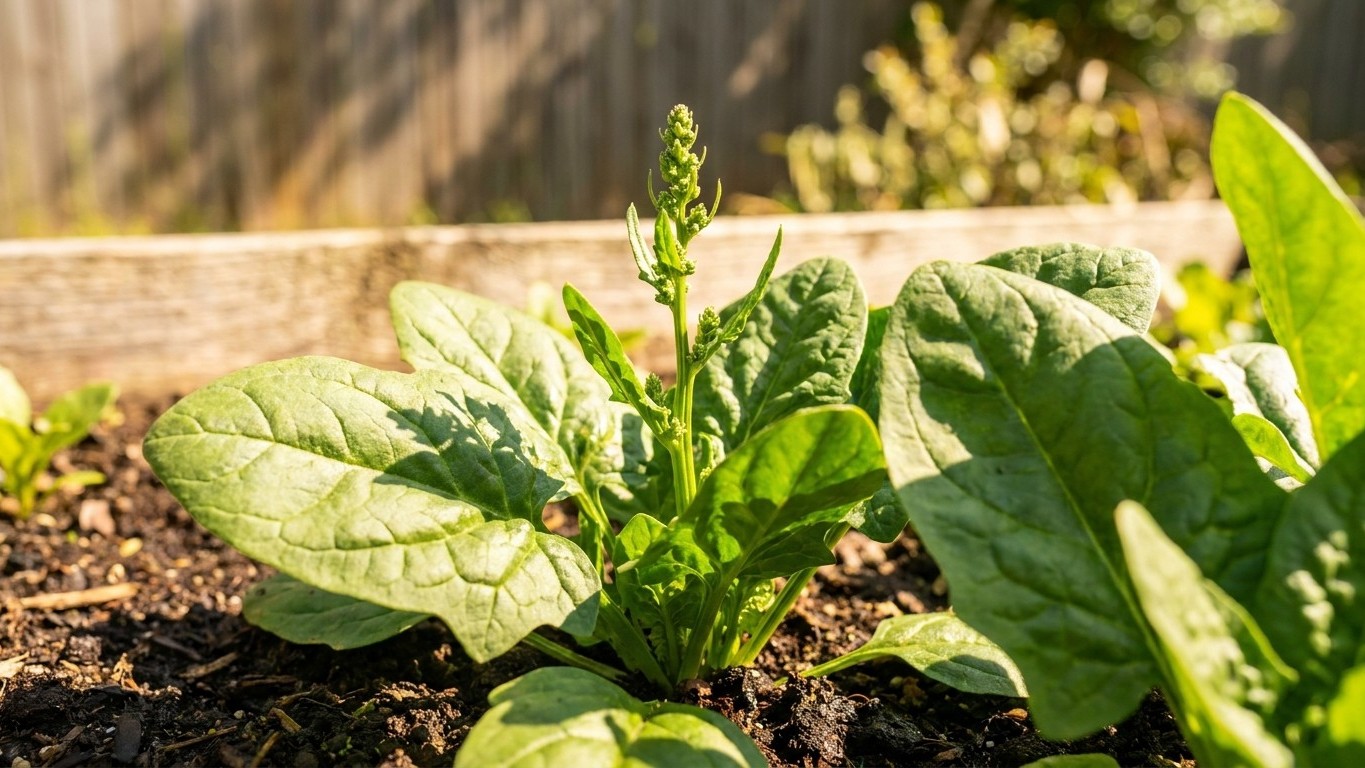
Three things eat into a spinach season in Nunavut: day length, a short frost-free stretch, and, only in sheltered spots, heat.
Home & garden, state by state
Home and garden guidance for Nunavut: hardiness zones, heating seasons, provincial programs and the rules that differ from across the border.
Everything we have worked out for Nunavut: what to plant and when, which varieties finish in time, the pests that actually turn up here, and the jobs that pay off month by month. We also cover the rest of the property, from lawns and soil to home care and energy, because a garden rarely stops at the vegetable bed.
The numbers first, because everything else follows from them. Measured at the weather station in Rankin Inlet, the last spring freeze falls around June 19 and the first fall freeze falls around September 13, 159 growing degree days in the year.
That is little accumulated warmth: tomatoes need a tunnel or a greenhouse here, whatever the frost dates suggest. Garlic does well: 43.5 weeks below 40 °F, comfortably past the six it needs to form a proper head.
Figures from Environment and Climate Change Canada. A state is not one climate: elevation, a large lake or the coast can move these dates by two weeks either way, so check your own county with the extension service before you spend money.
Three things eat into a spinach season in Nunavut: day length, a short frost-free stretch, and, only in sheltered spots, heat.
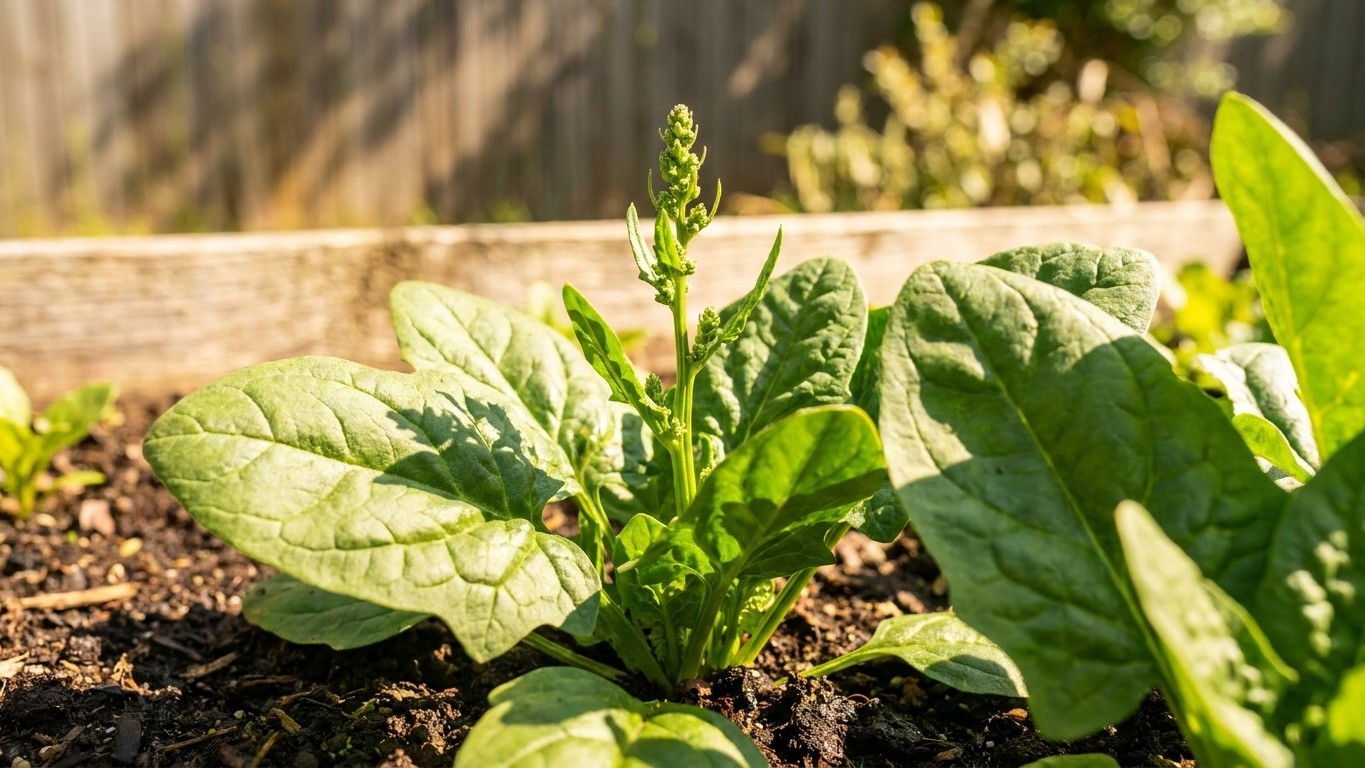
Cut spinach young, while the leaves are tender and before a stalk climbs from the center.
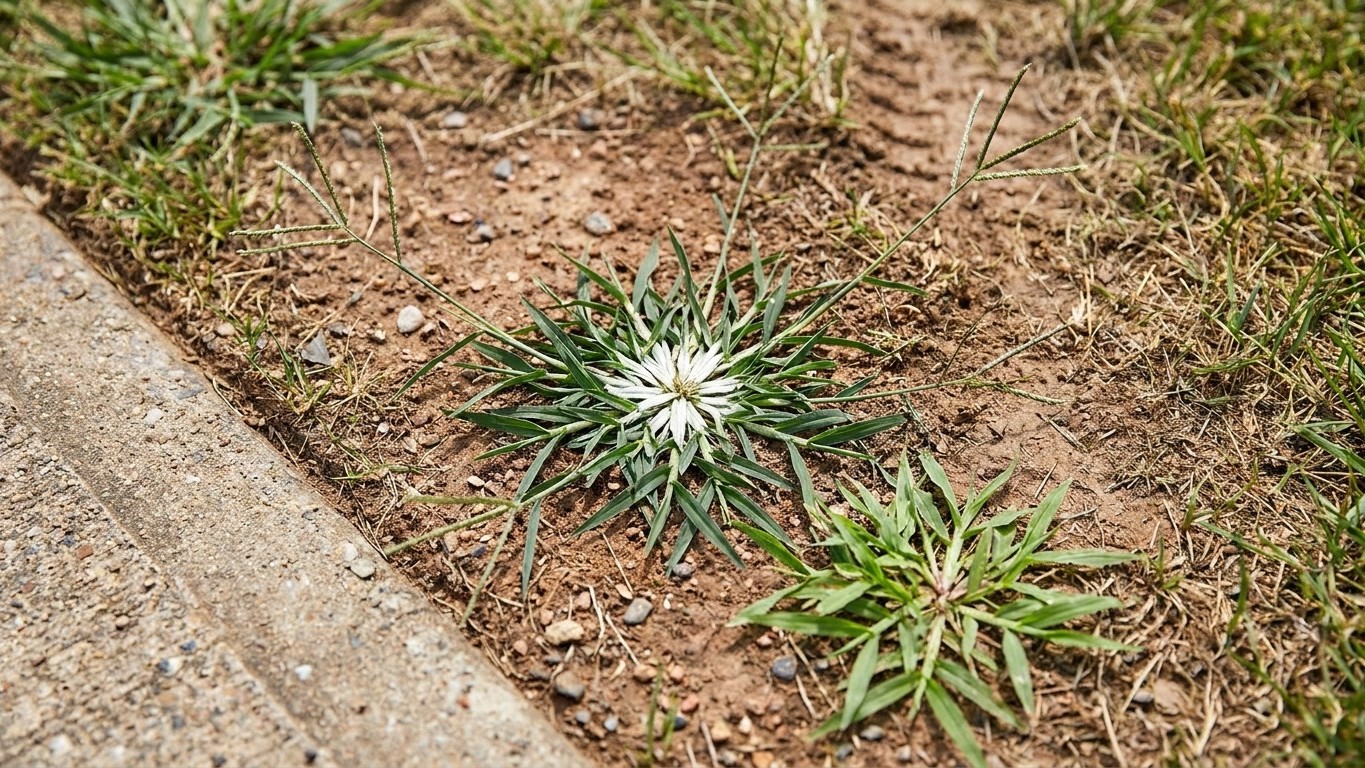
Mow Kentucky bluegrass and fine fescues at 2 to 3 inches, tall fescue at 3 to 3.5 inches, and perennial ryegrass and rough bluegrass at 1.5 to 2.5 inches.
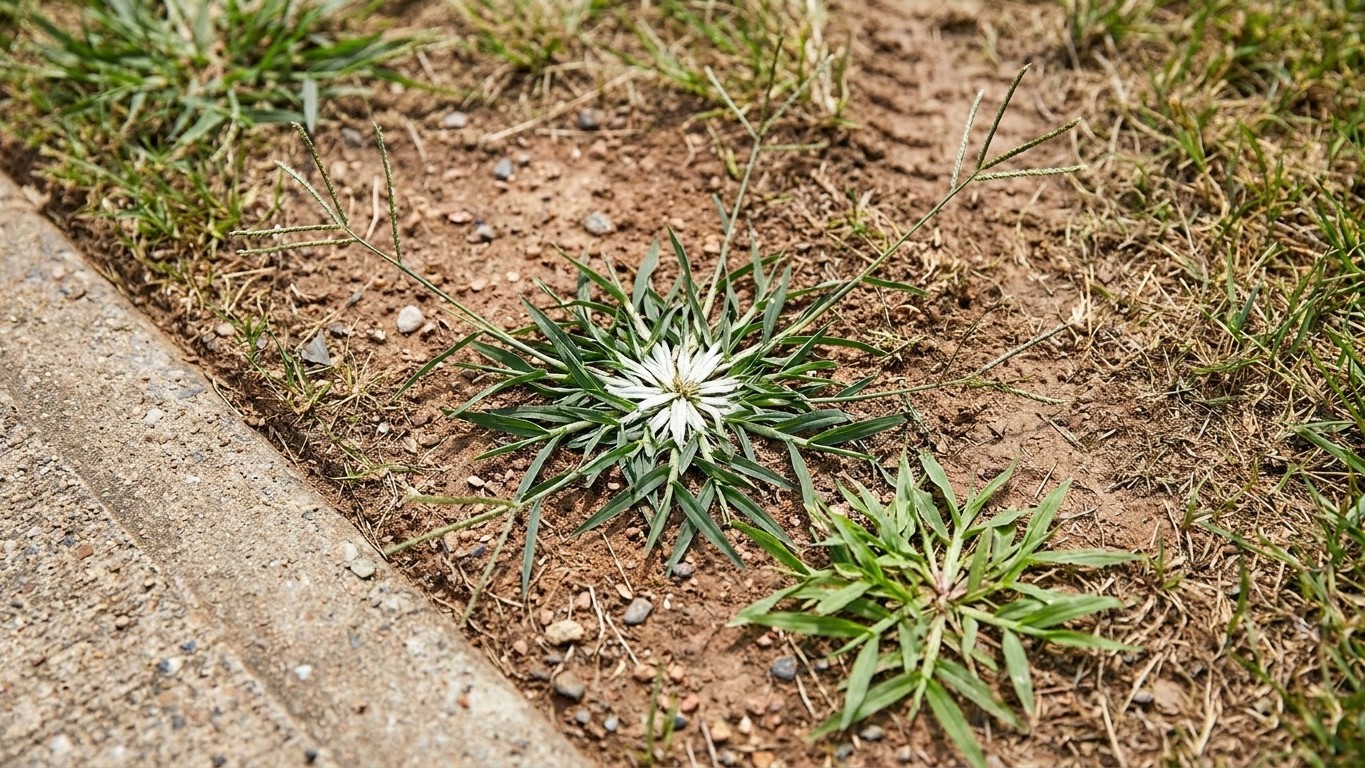
Most Nunavut lawns do not need dethatching at all. If a spade-cut wedge shows more than 0.75 inch of brown, spongy layer, do the work in the weeks after…
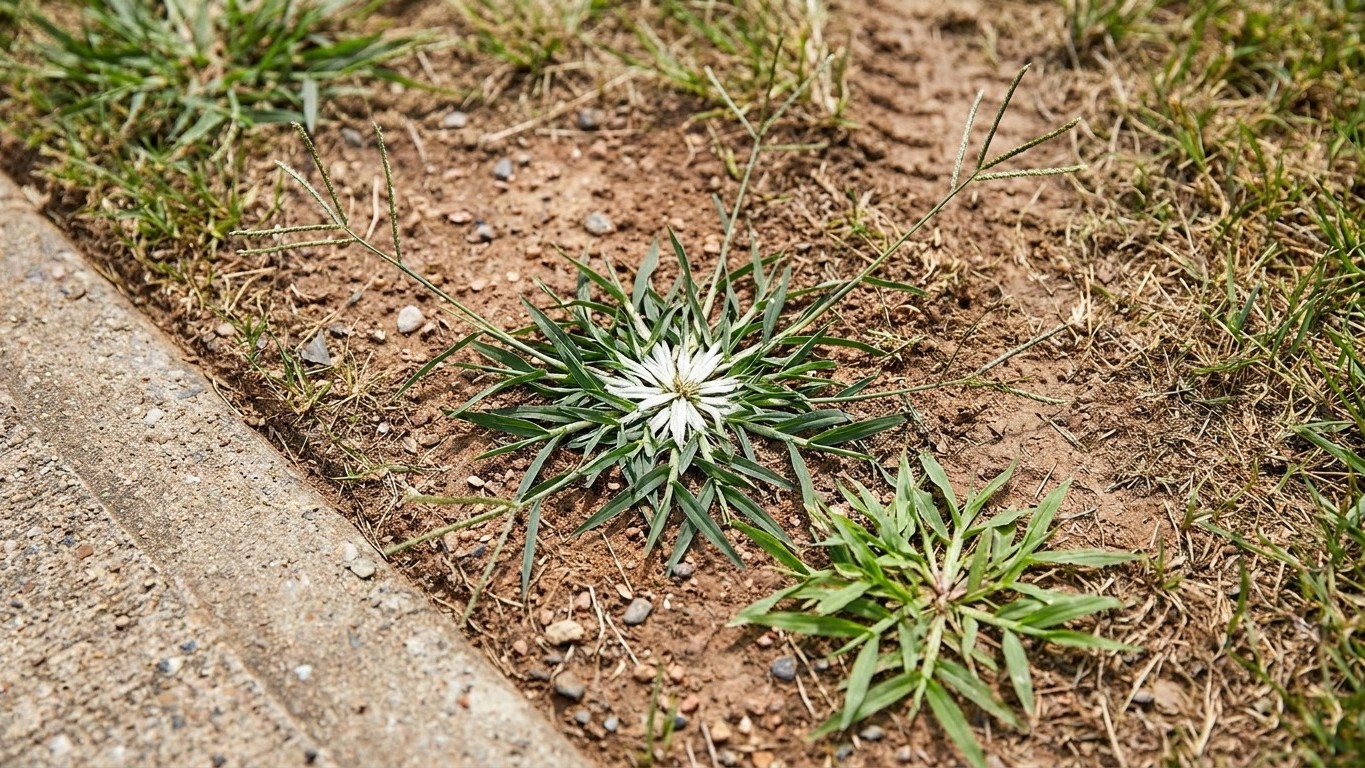
Aerate a Nunavut lawn in late summer, while the grass is still putting on growth and before the first fall frost arrives.
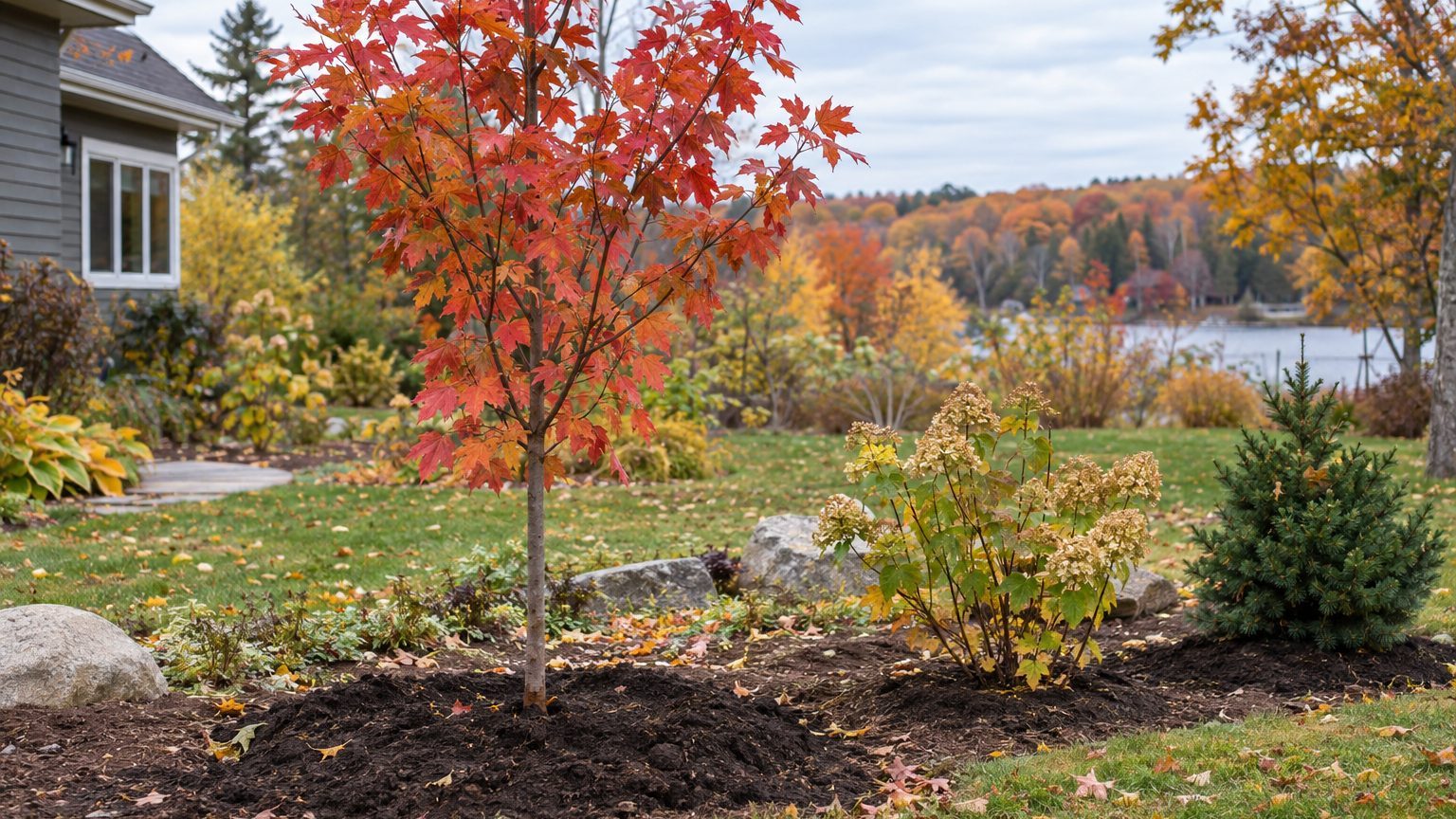
In Nunavut, the safe target for planting trees and shrubs is early August, six weeks before the first fall frost, which averages September 13 at Rankin…
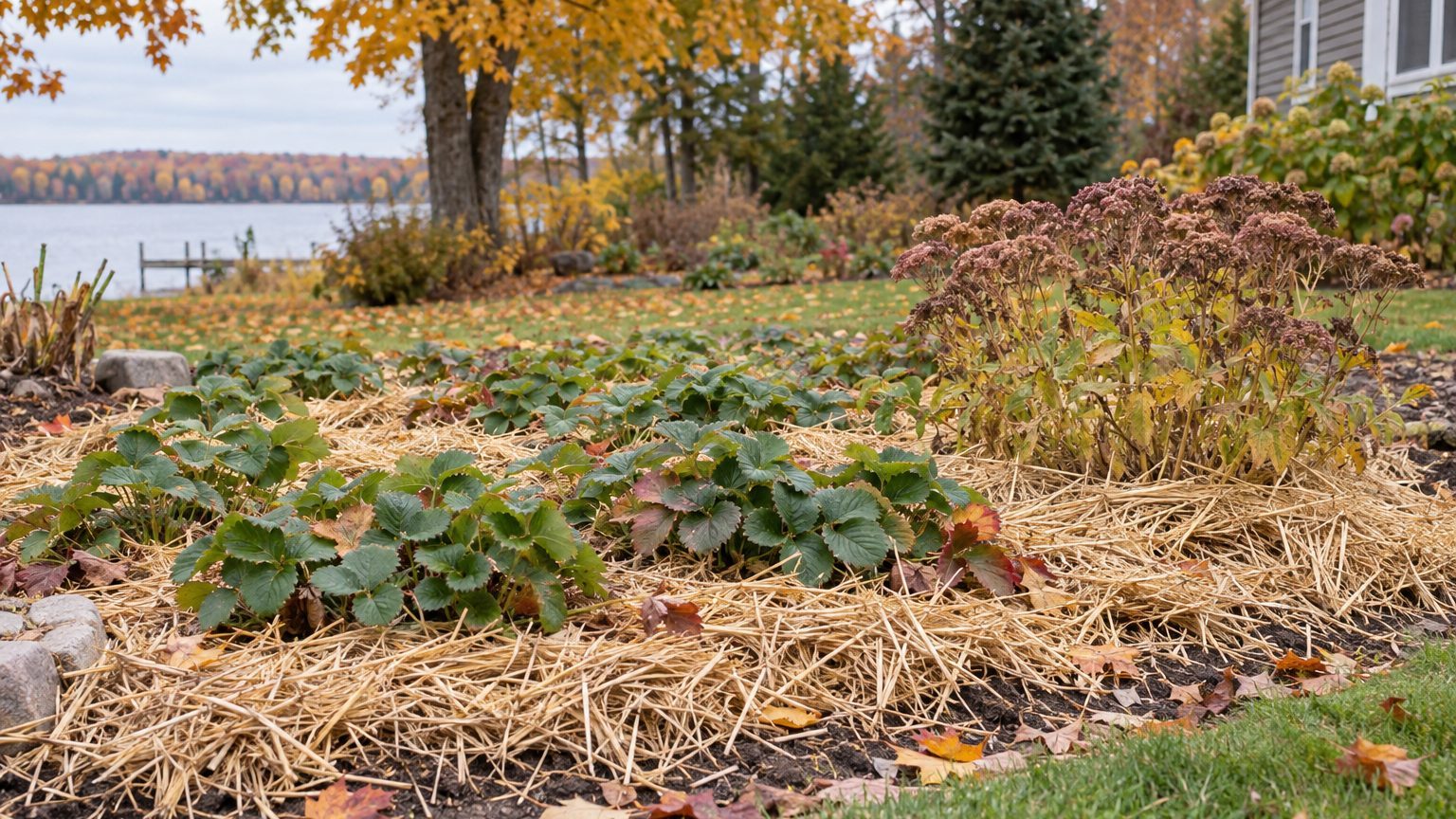
Mulch strawberries and perennials in Nunavut after the soil surface starts to freeze, not when the first frost arrives.
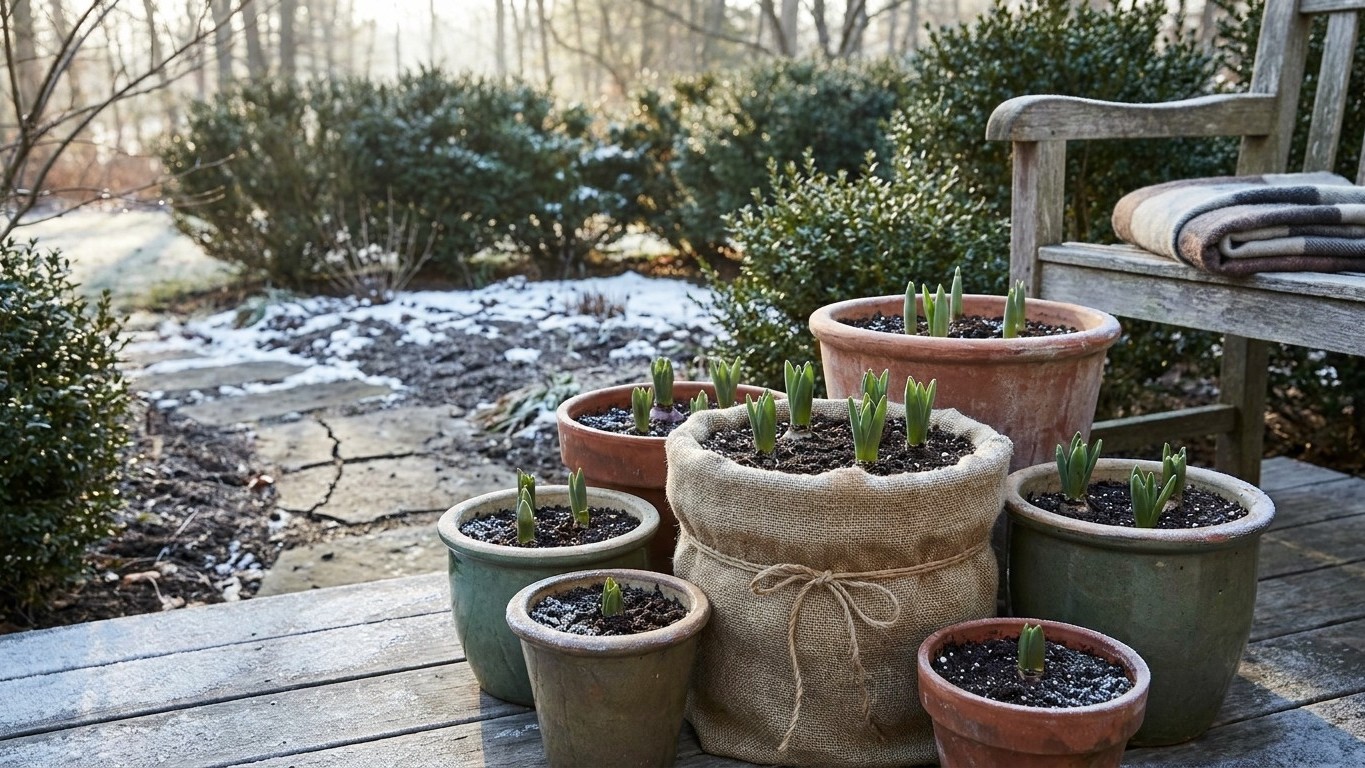
In Nunavut, dahlias, cannas and gladiolus have to come out of the ground every fall. Lift them one to two weeks after a frost blackens the foliage.
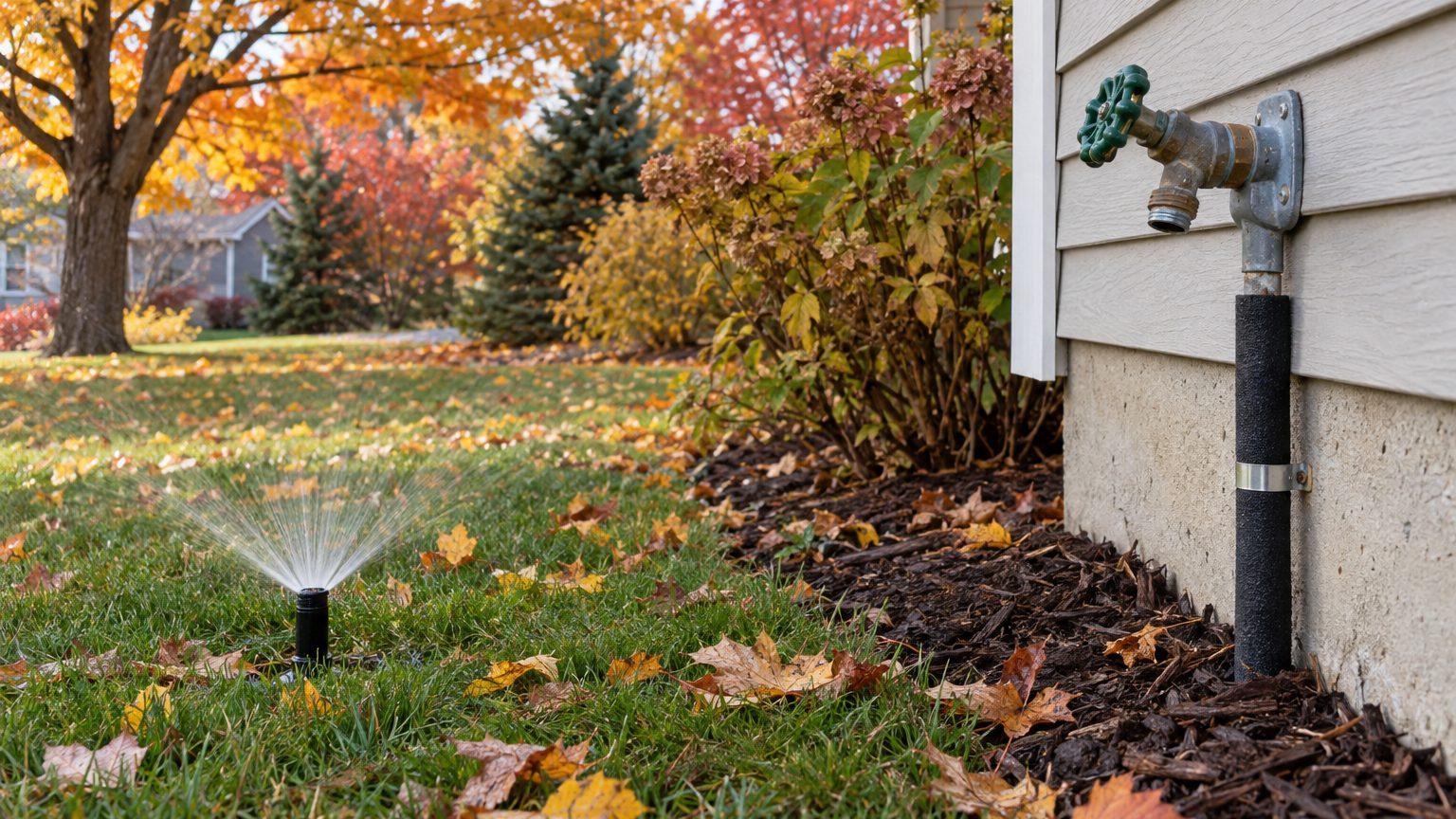
Drain everything outdoors in late summer, and don’t wait for a frost to tell you the time has come.
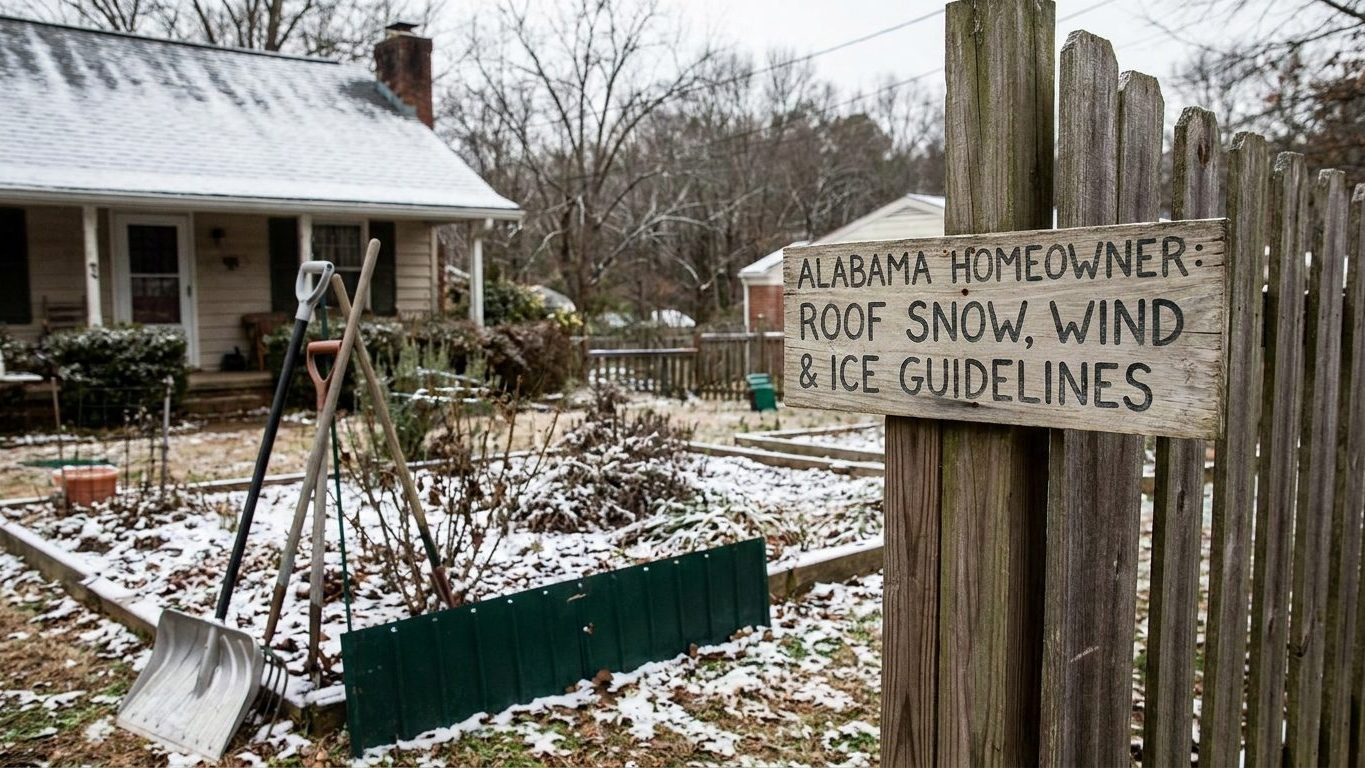
Nunavut’s roof design figures come from Rankin Inlet: 3.0 kPa of ground snow, 0.2 kPa of added rain, and 0.6 kPa of wind pressure for structural strength.