When to Cut Spinach in Nevada, and How Long It Really Keeps
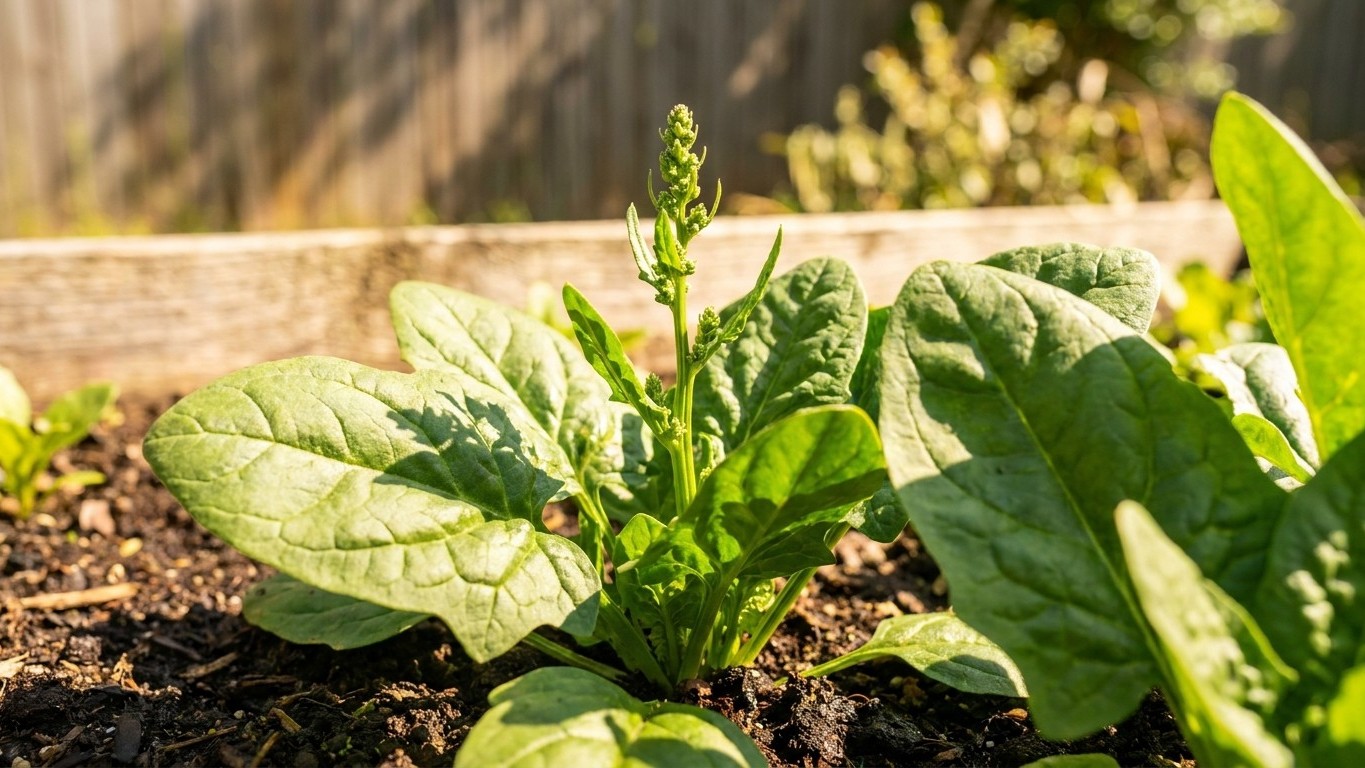
In Nevada, cut spinach during the cool weeks of spring and again in fall once the soil drops below 80 F. Summer is closed.
Home & garden, state by state
Home and garden guidance for Nevada: planting dates for its climate zones, the codes that apply locally, and the rebates residents can actually claim.
Everything we have worked out for Nevada: what to plant and when, which varieties finish in time, the pests that actually turn up here, and the jobs that pay off month by month. We also cover the rest of the property, from lawns and soil to home care and energy, because a garden rarely stops at the vegetable bed.
The numbers first, because everything else follows from them. Measured at the weather station in Las Vegas, the last spring freeze runs January 7 to February 1 and the first fall freeze runs December 8 to December 23, USDA zones 4a-10a, 6,694 growing degree days in the year.
Heat, not frost, is what shortens the season here: above 86 °F tomato pollen goes sterile, so growers run a spring crop and an autumn one rather than a single long season. Garlic does well: 8.7 weeks below 40 °F, comfortably past the six it needs to form a proper head.
Elsewhere on the property in Nevada: the pests that turn up here.
Figures from NOAA's 1991-2020 climate normals. A state is not one climate: elevation, a large lake or the coast can move these dates by two weeks either way, so check your own county with the extension service before you spend money.
In Nevada, cut spinach during the cool weeks of spring and again in fall once the soil drops below 80 F. Summer is closed.
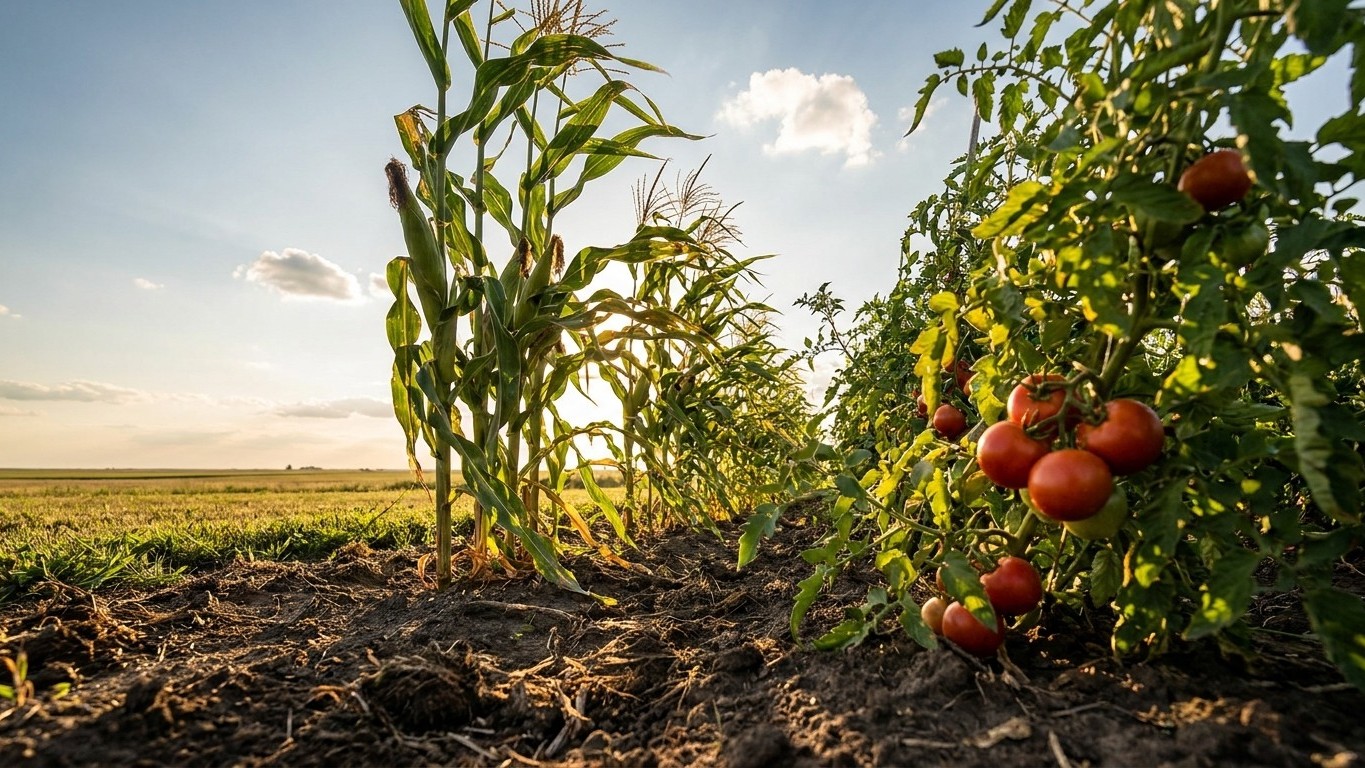
Sweet corn is ready 60 to 90 days after planting, and the planting itself waits for warm soil, not for the last frost.
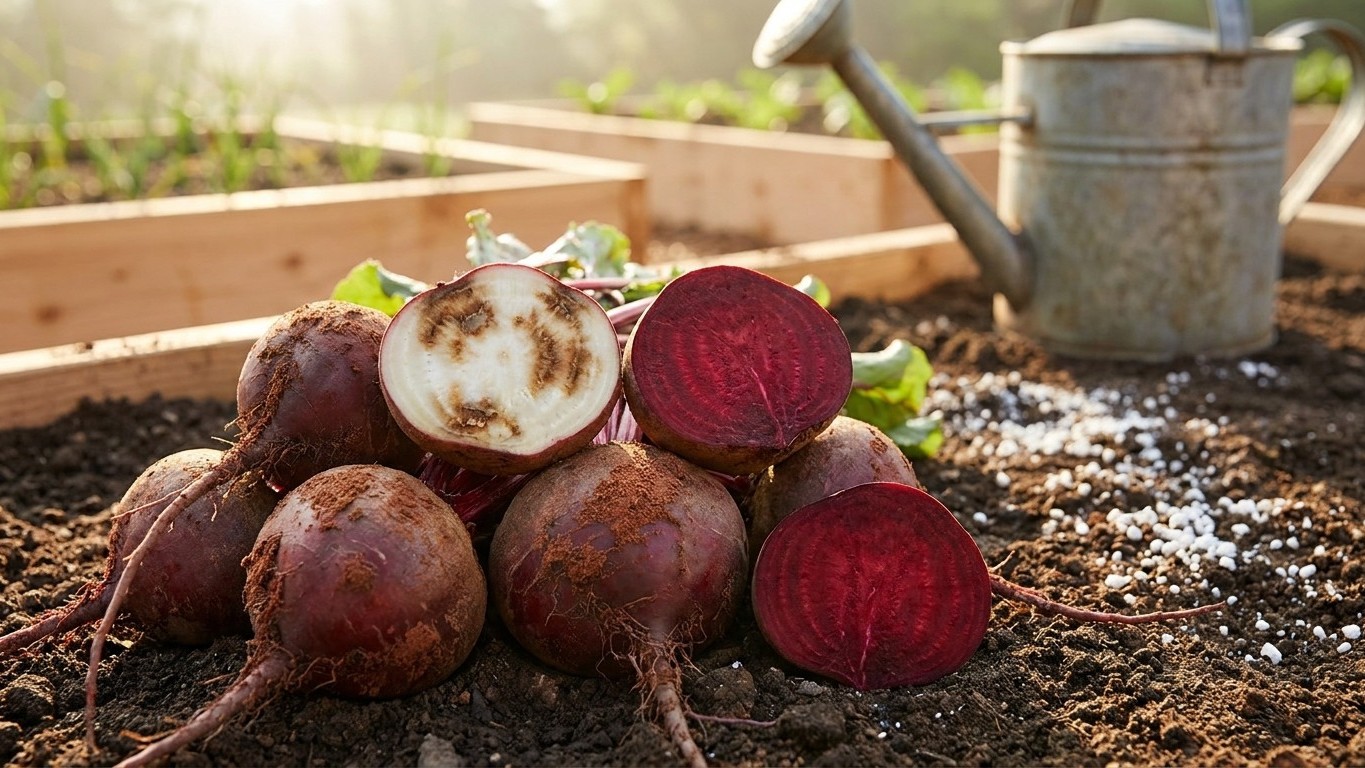
Thirst and heat do most of the damage to a Nevada beet crop, and they hit in different weeks.
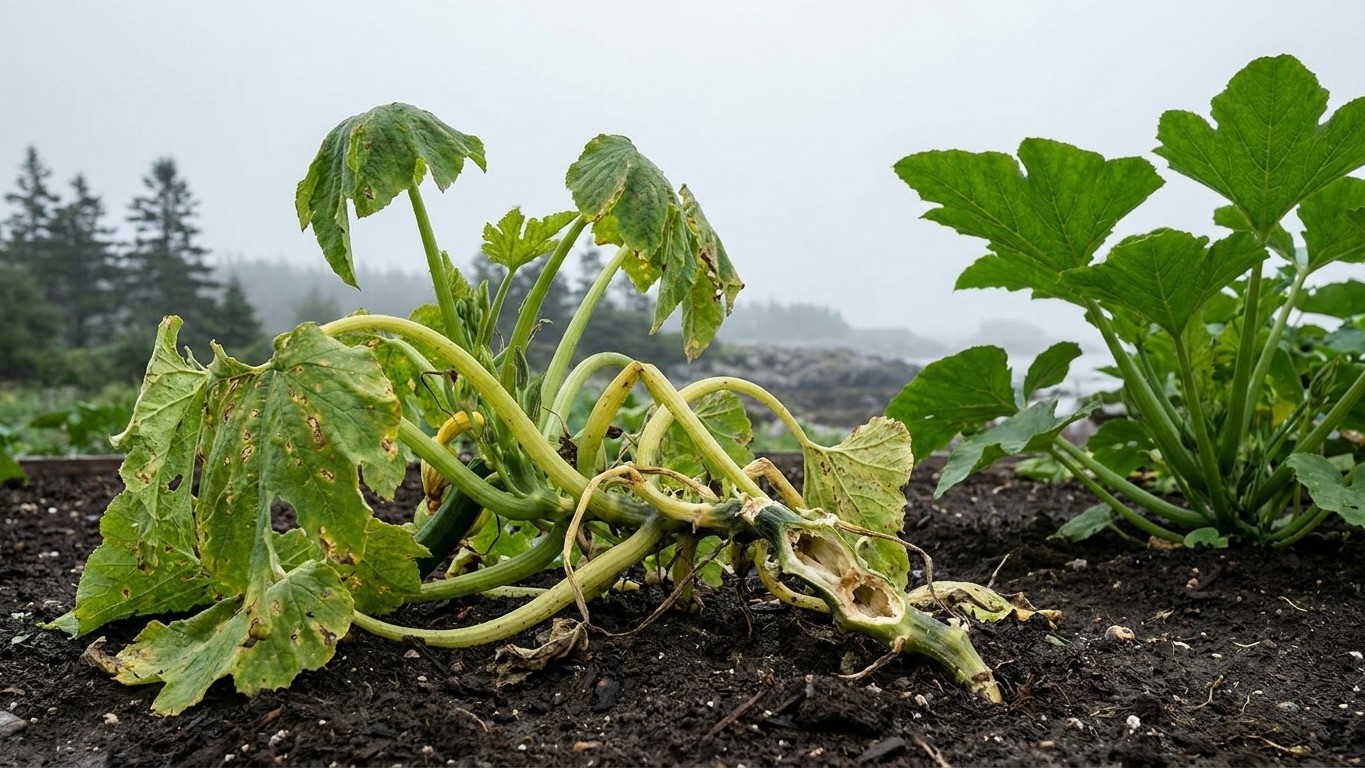
Count backward from your last spring frost. In the Las Vegas valley, that math puts onions and leeks in pots from September 24 to October 26, and…
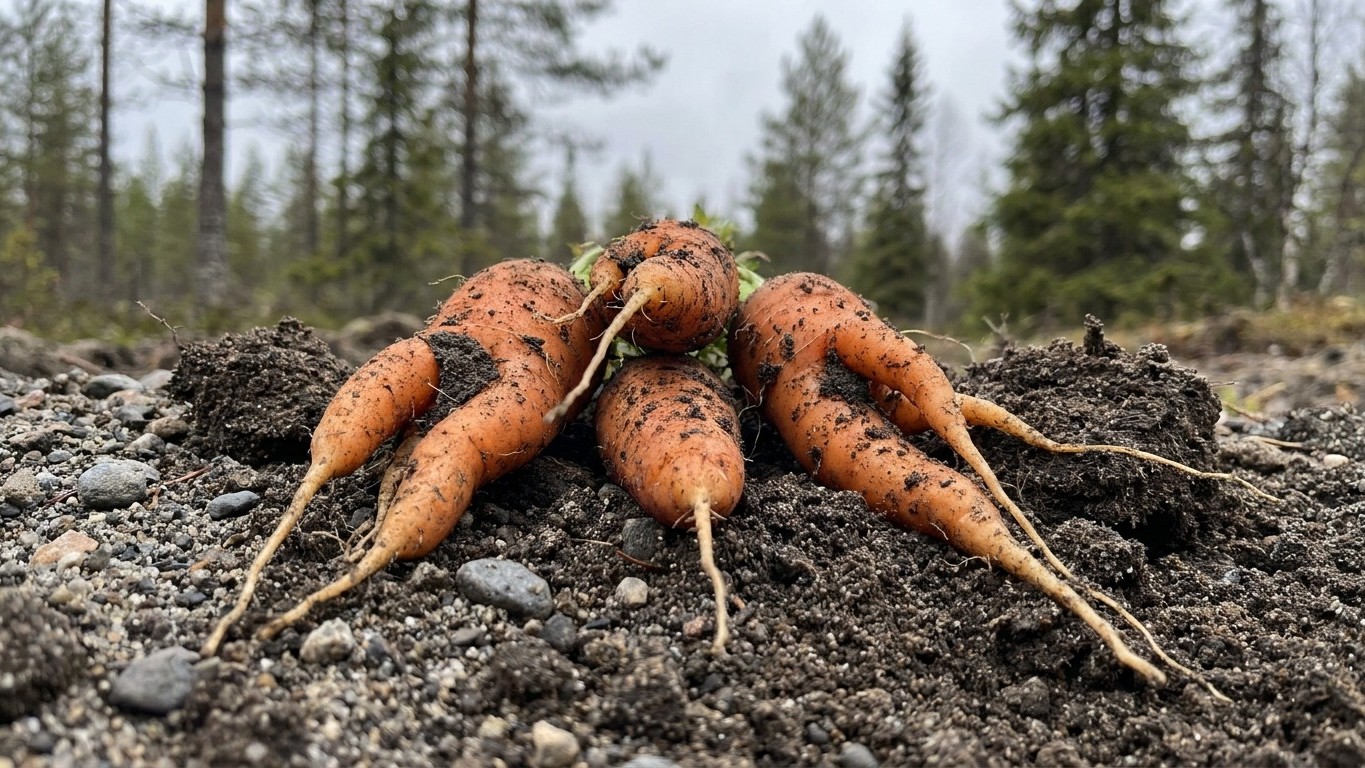
Count 70 to 100 days from the day the seed goes into the ground. Carrots are sown in place, so there is no transplant date to count from.
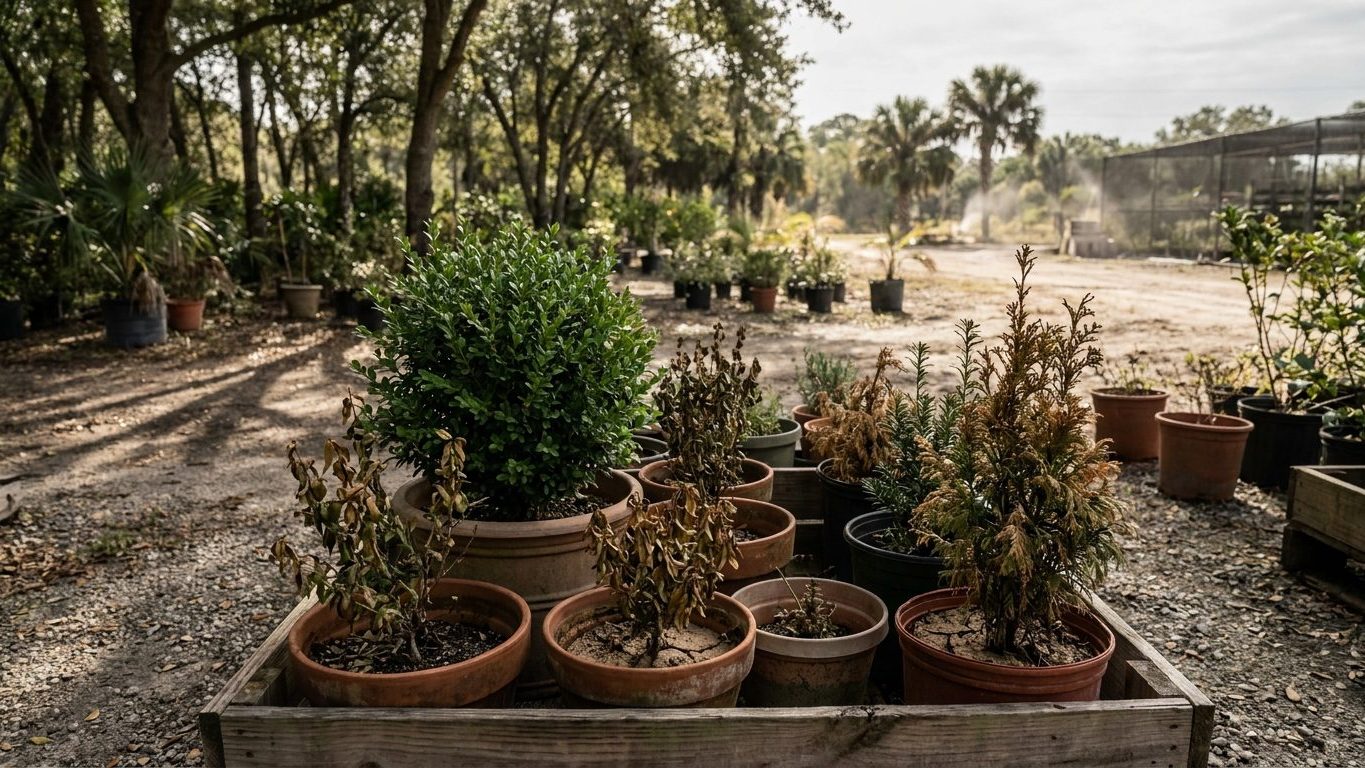
None of the 12 hedge species documented here survives the whole of Nevada. Zero.

Nevada homes cool overwhelmingly with central air conditioning, but the number hides a real split.
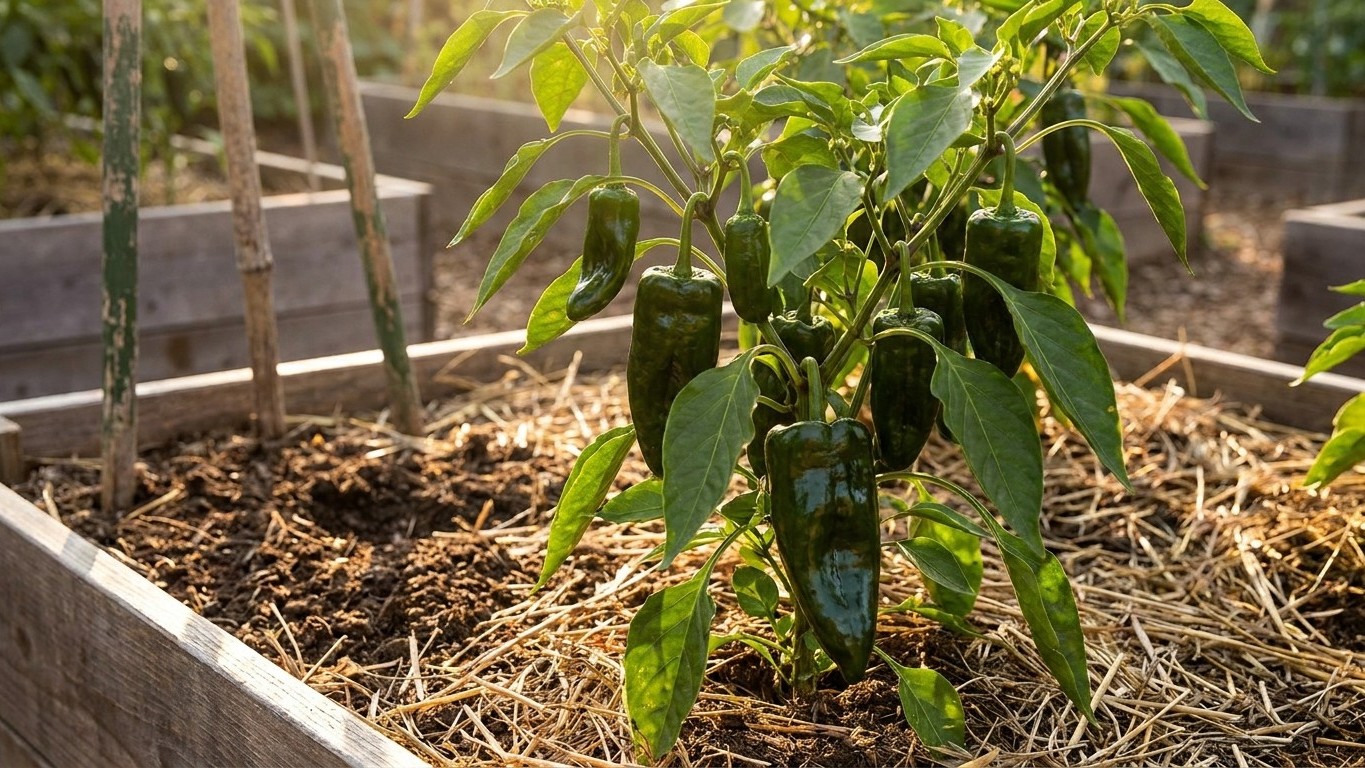
Nevada’s verified pepper data doesn’t name a single insect species as the state’s top threat.
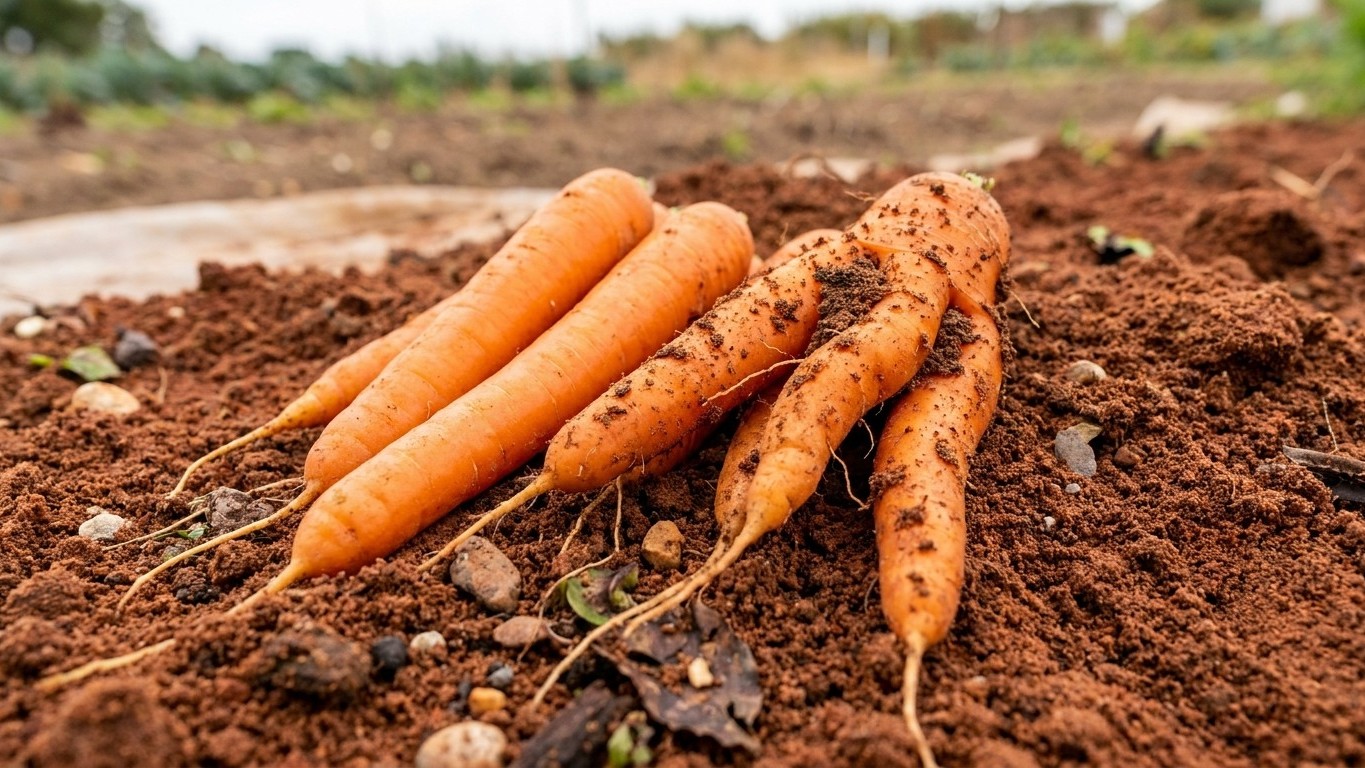
No species-by-species pest inventory for carrots grown in Nevada is part of the sourced facts behind this page.
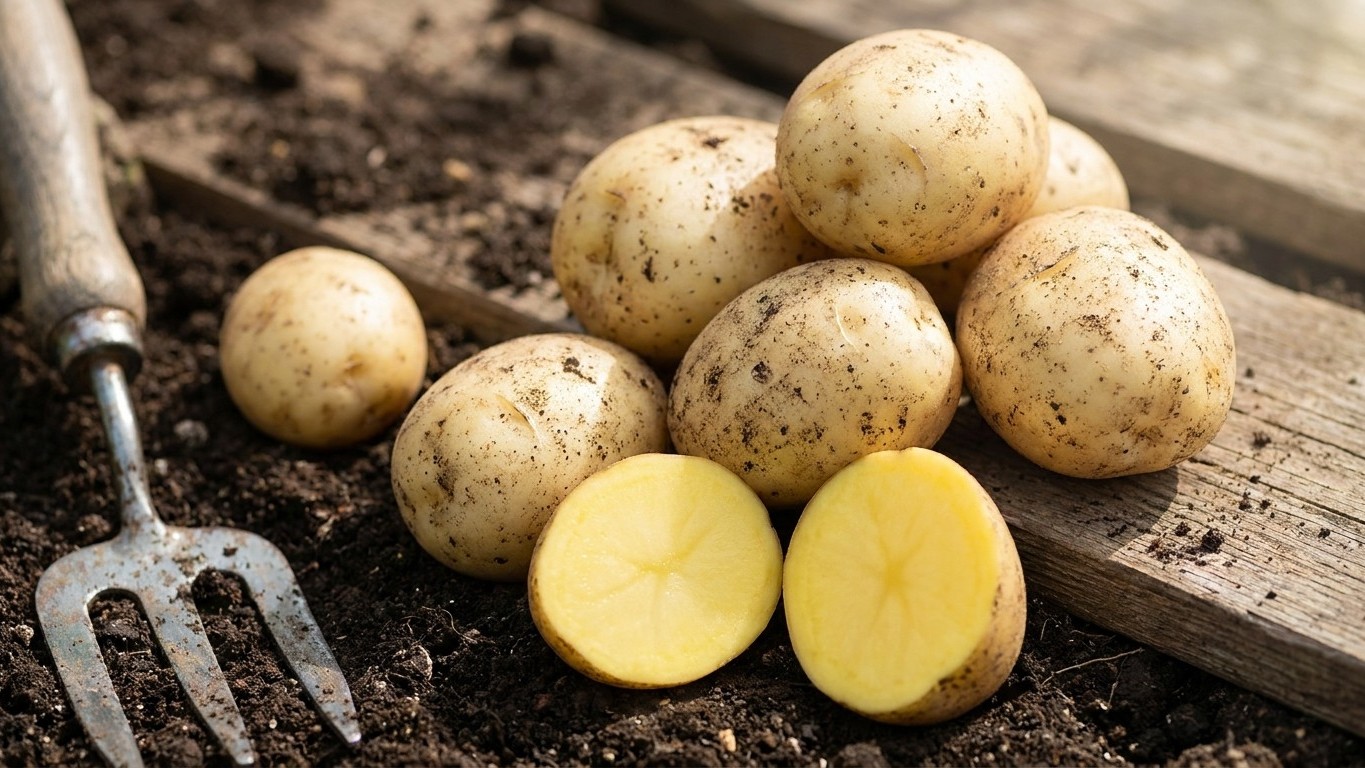
University of Nevada, Reno Extension documents nine garden insects across the state, but only five of them actually feed on potato plants.