Growing Unusual Root Crops in Alabama
In most of Alabama, unusual root crops go in from late March into early April, but the soil sets the real date, not the calendar.
Home & garden, state by state
Growing food and flowers, season by season
In most of Alabama, unusual root crops go in from late March into early April, but the soil sets the real date, not the calendar.
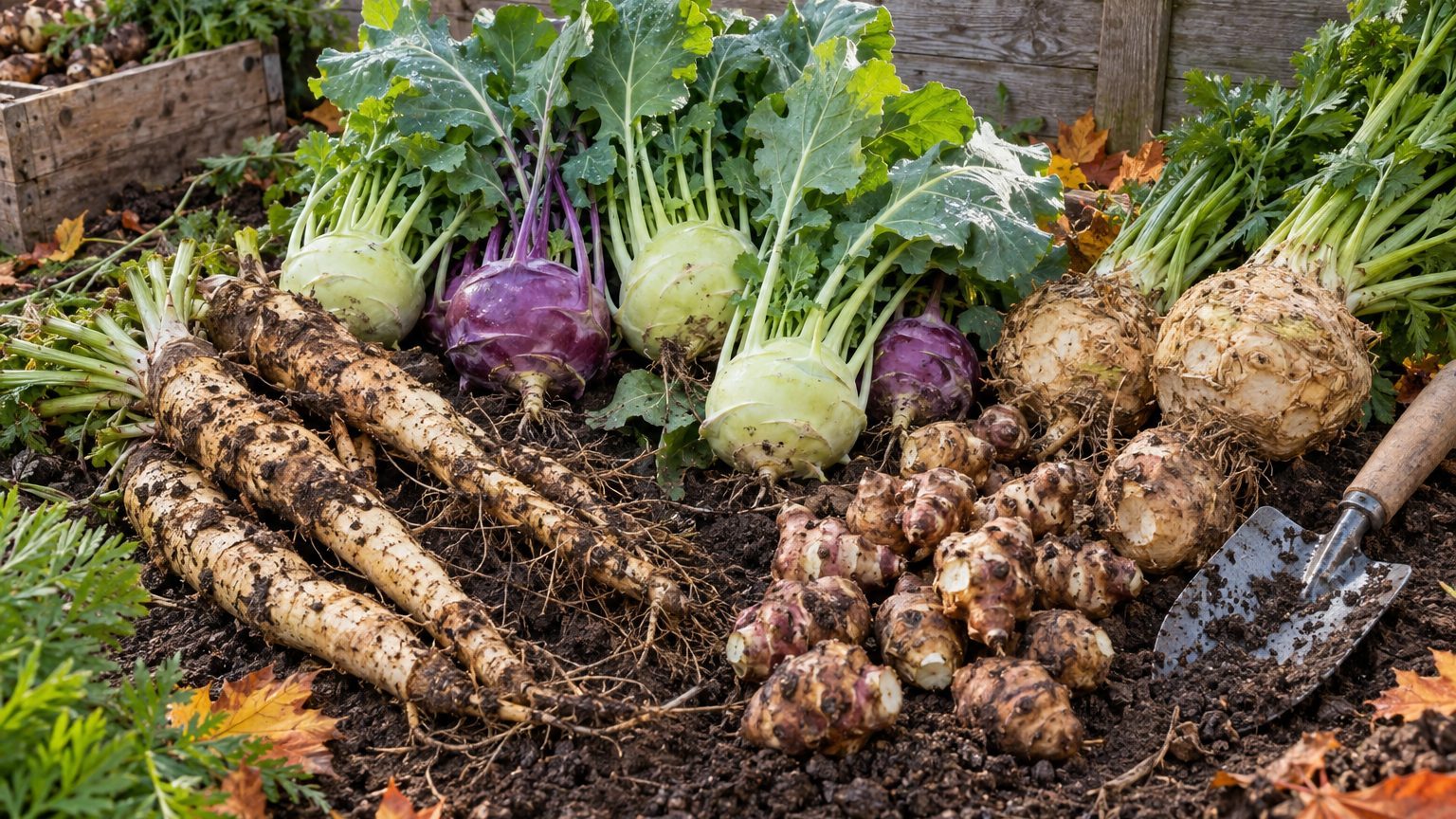
Kohlrabi and horseradish earn their spot in almost any yard. Celeriac does too, as long as you can give it a long growing season and steady water.
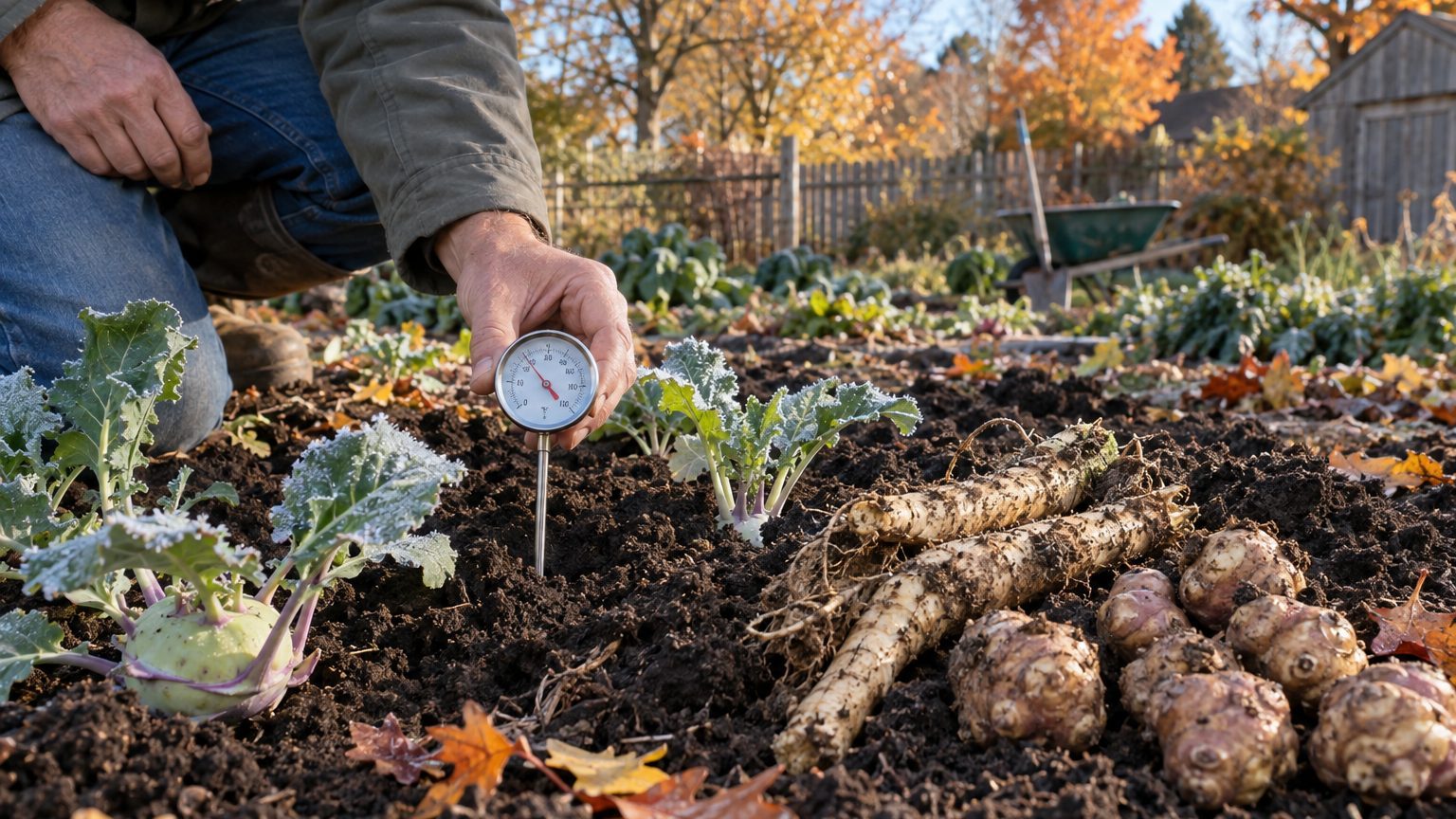
Kohlrabi goes in first, about two to four weeks before your last spring frost.
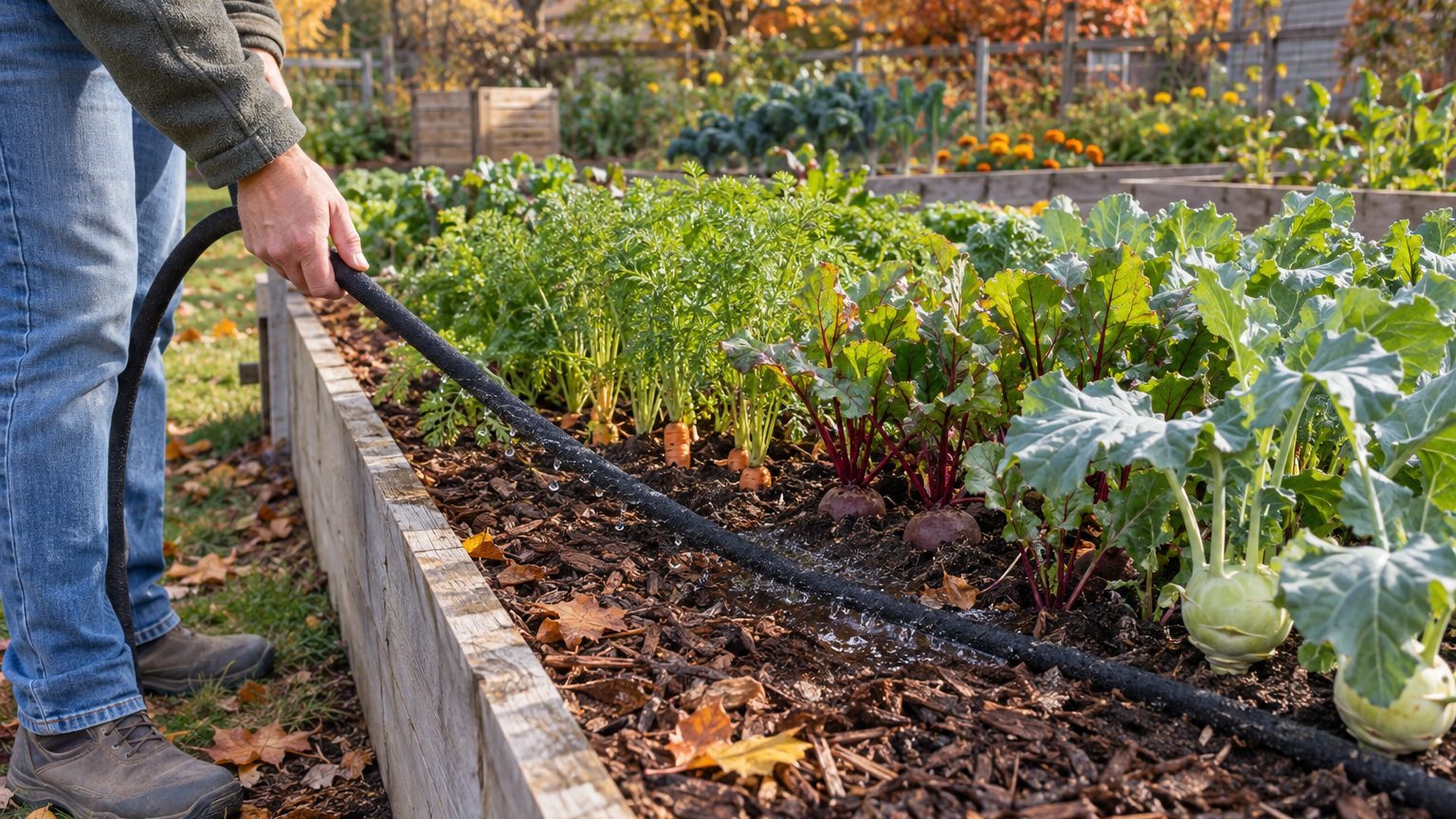
Steady moisture beats generous moisture. For most unusual roots, that means about an inch of water a week (rain included), delivered in a slow, deep…
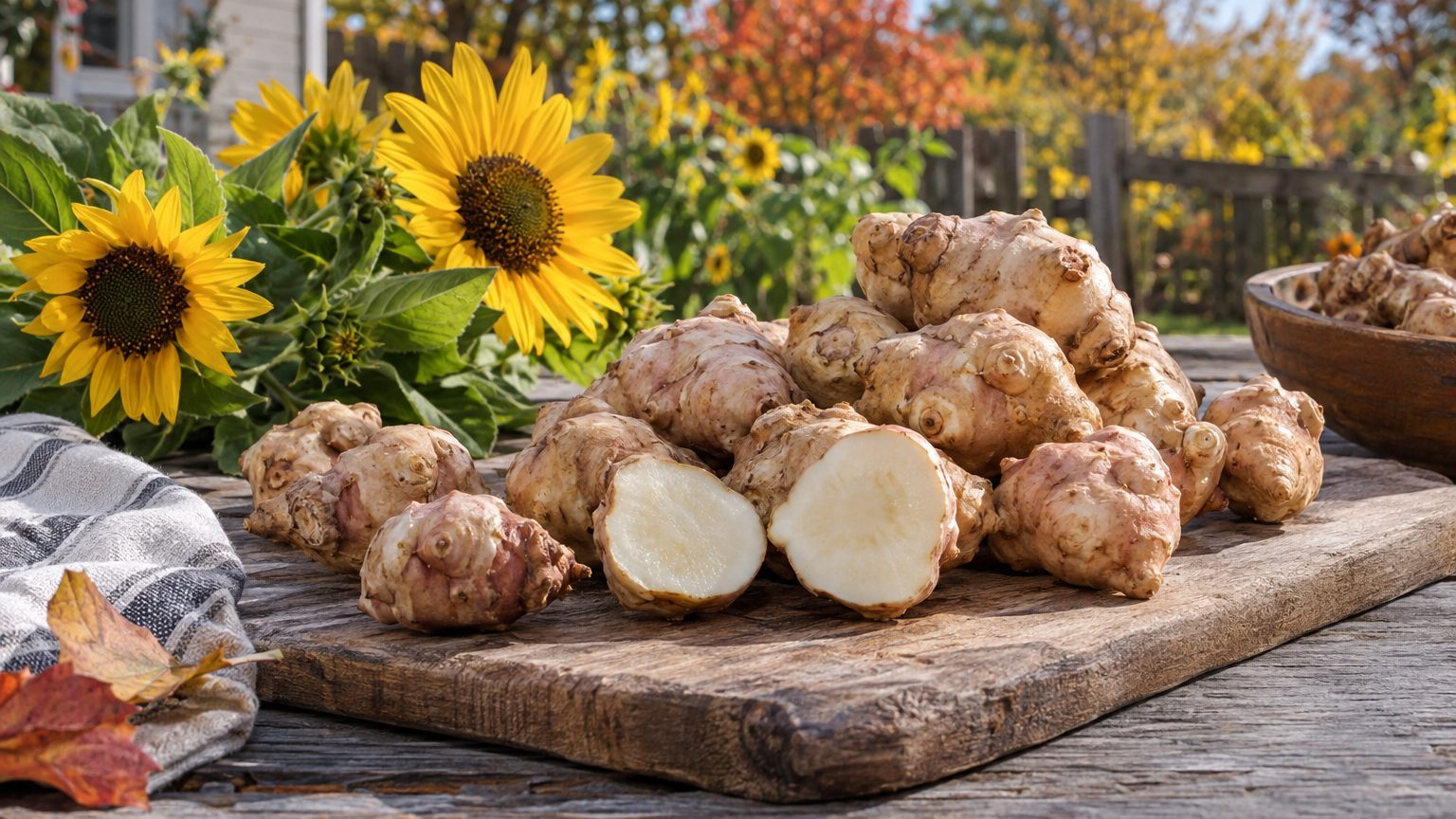
Jerusalem artichokes cause gas and bloating because the tuber stores its energy as inulin, a chain of fructose molecules that human digestive enzymes…
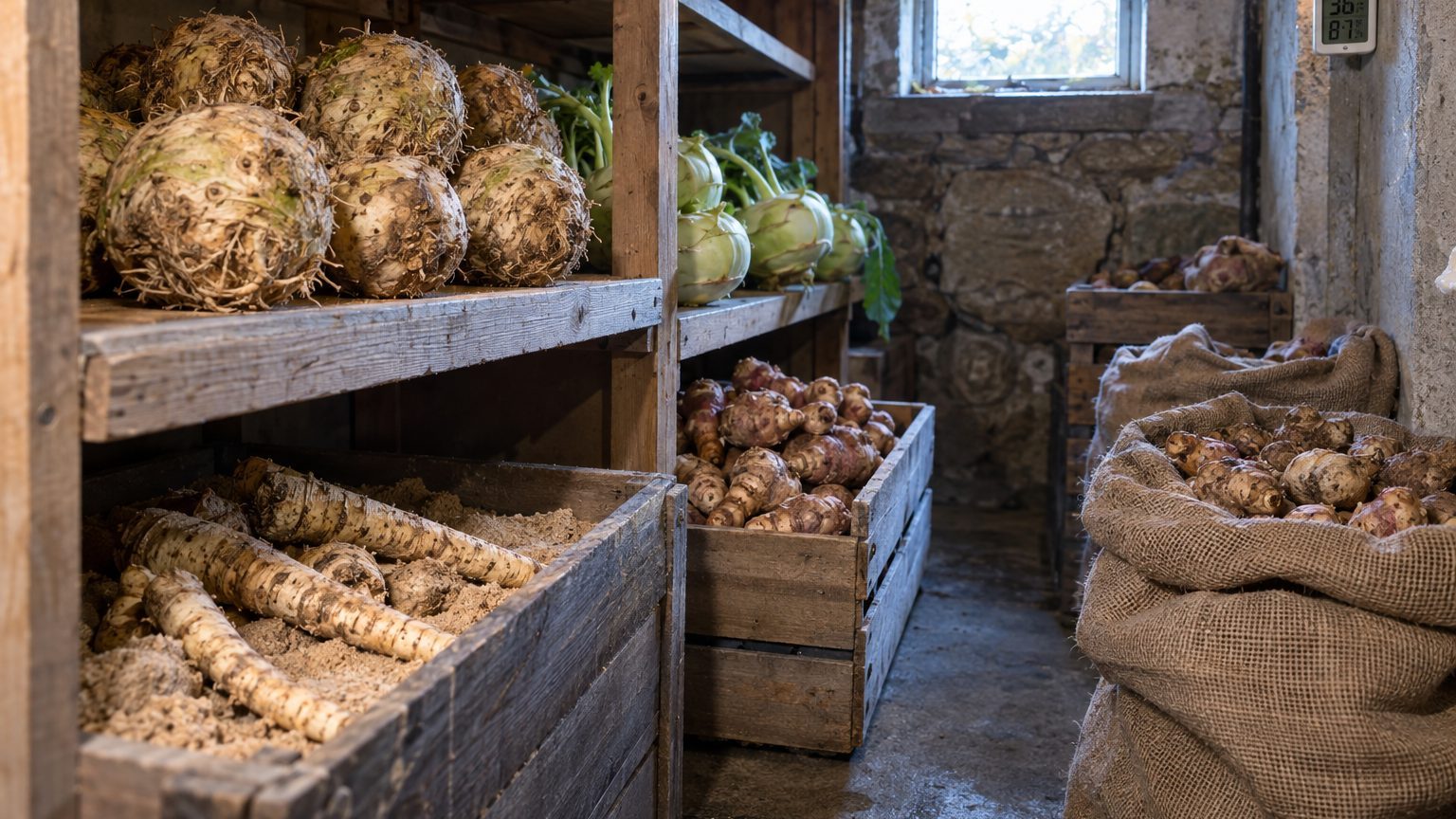
Cold, damp and dark: that is the recipe for storing unusual roots, and it works for most of them.
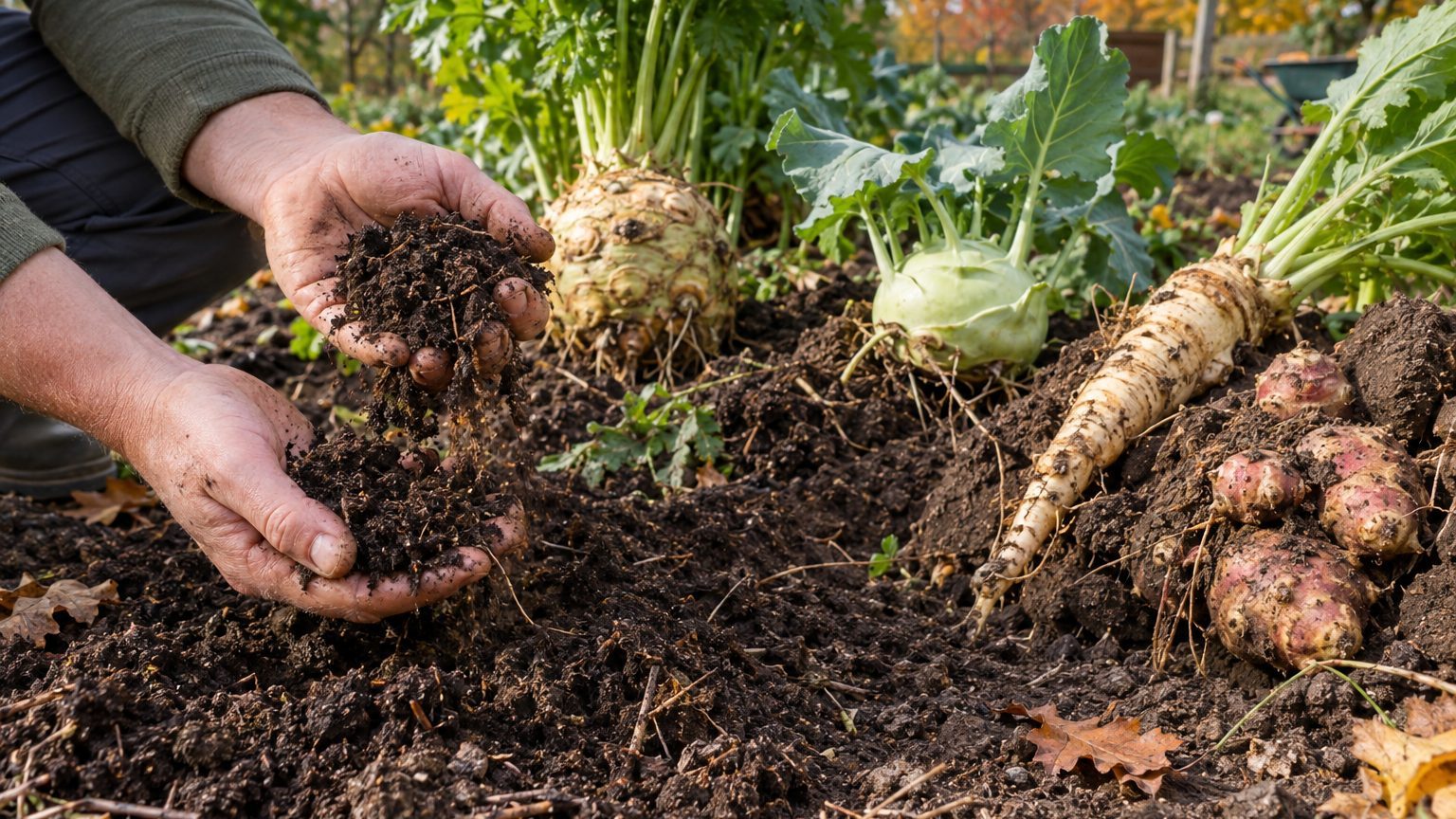
Four crops, three different soil personalities. Celeriac wants rich, moist ground and punishes neglect. Kohlrabi wants fertile soil that isn’t acidic.
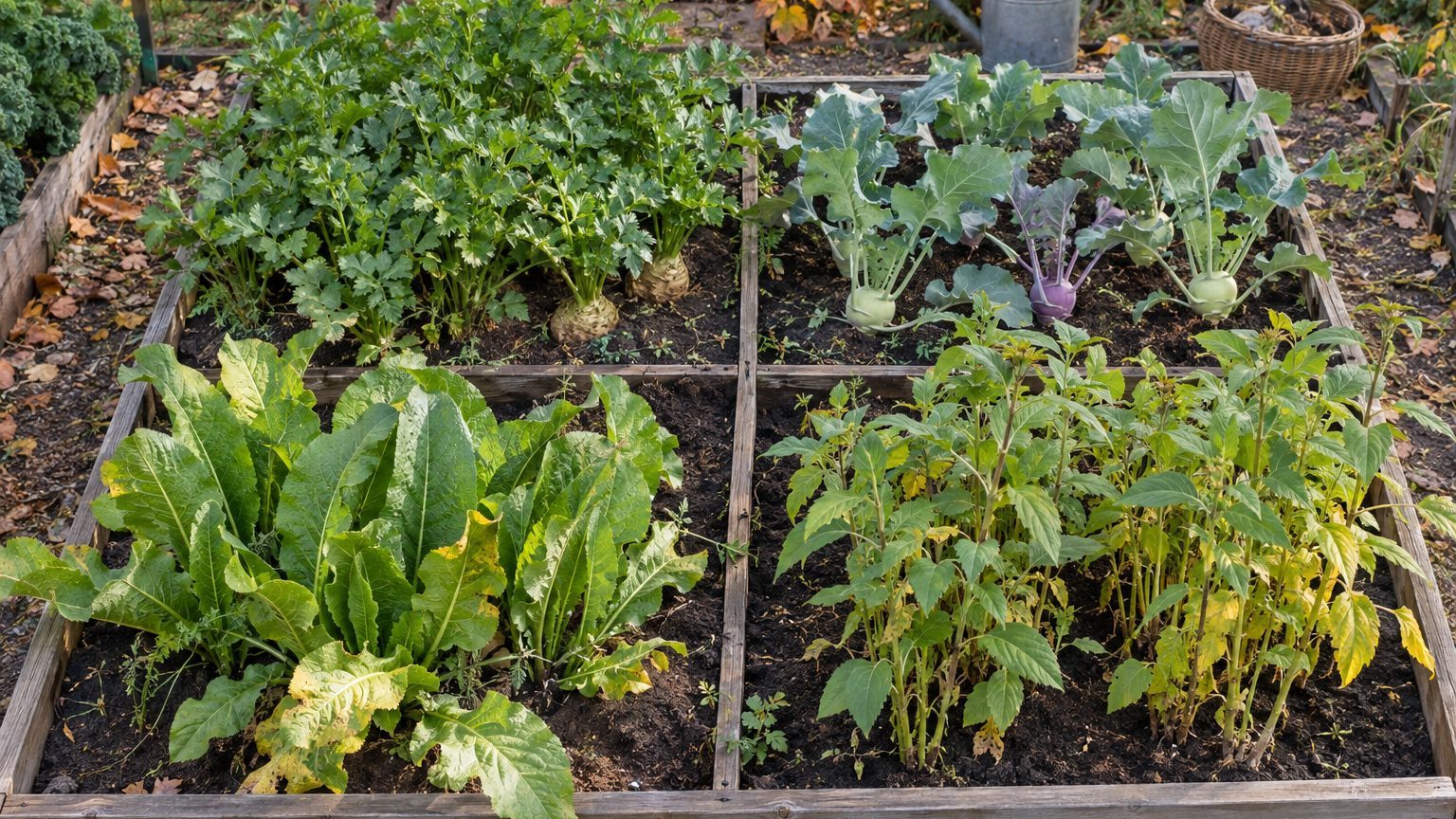
Four crops, four families? Not quite. Celeriac belongs to the carrot family (Apiaceae), kohlrabi and horseradish are both brassicas (Brassicaceae), and…
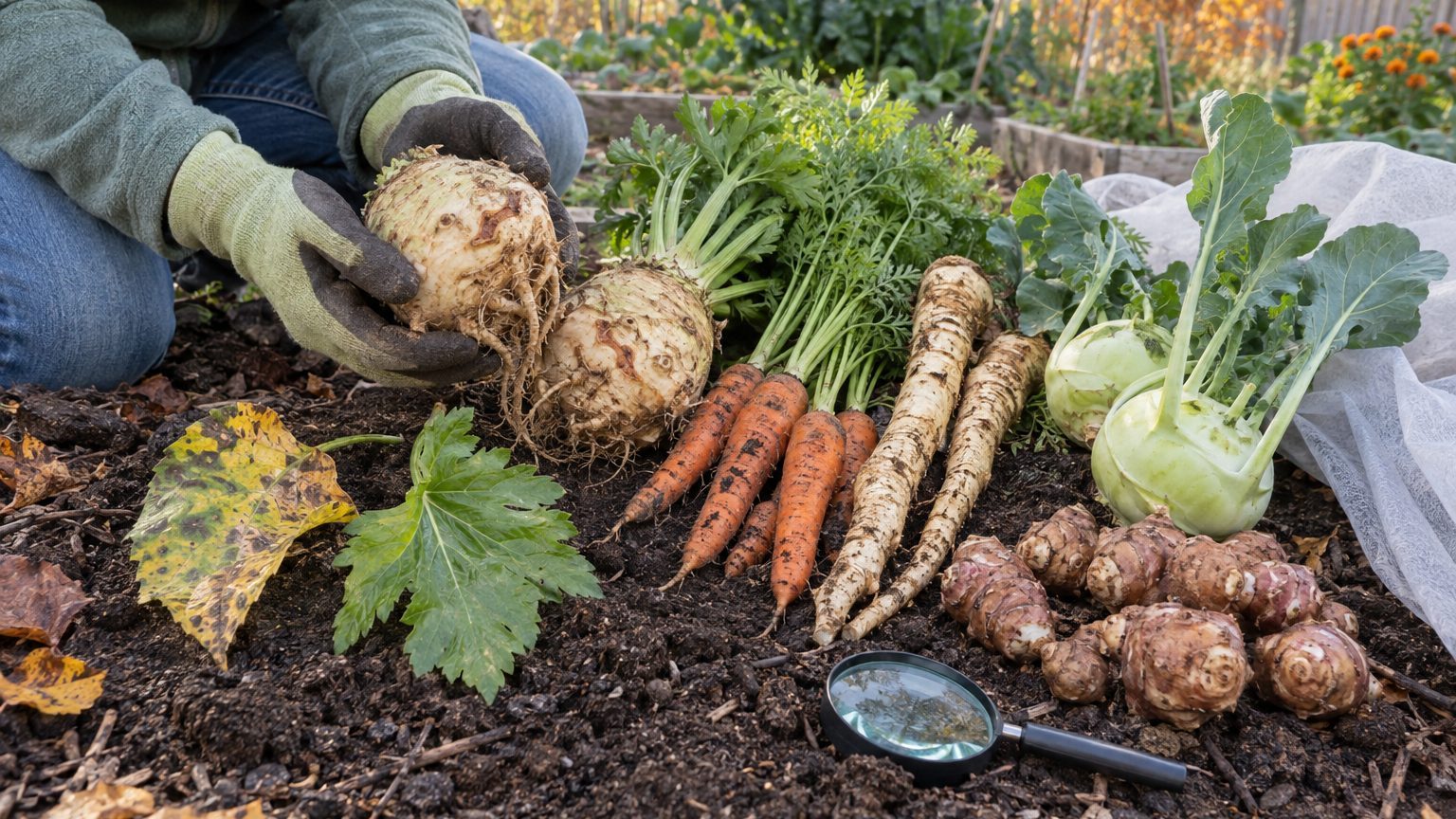
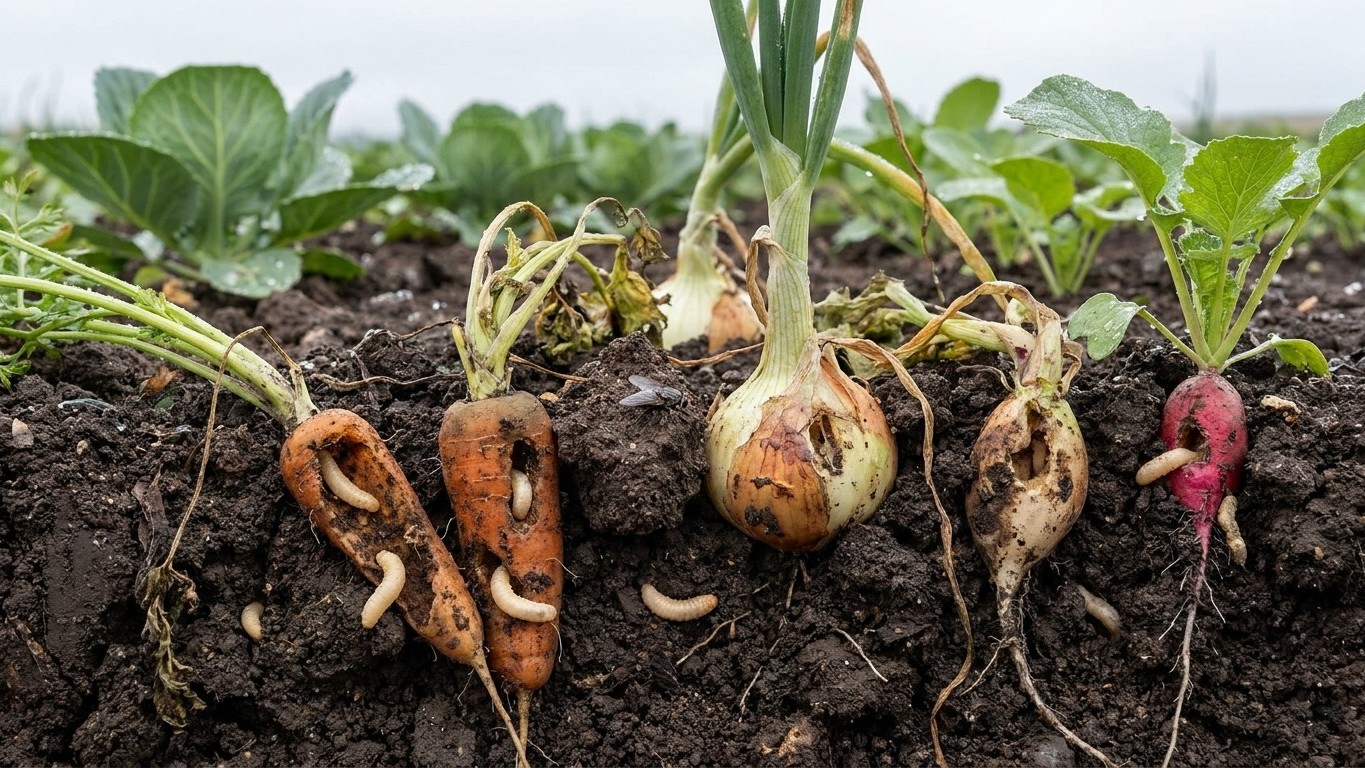
Each of these four crops has its own short list of troublemakers, and the lists overlap less than you’d expect.
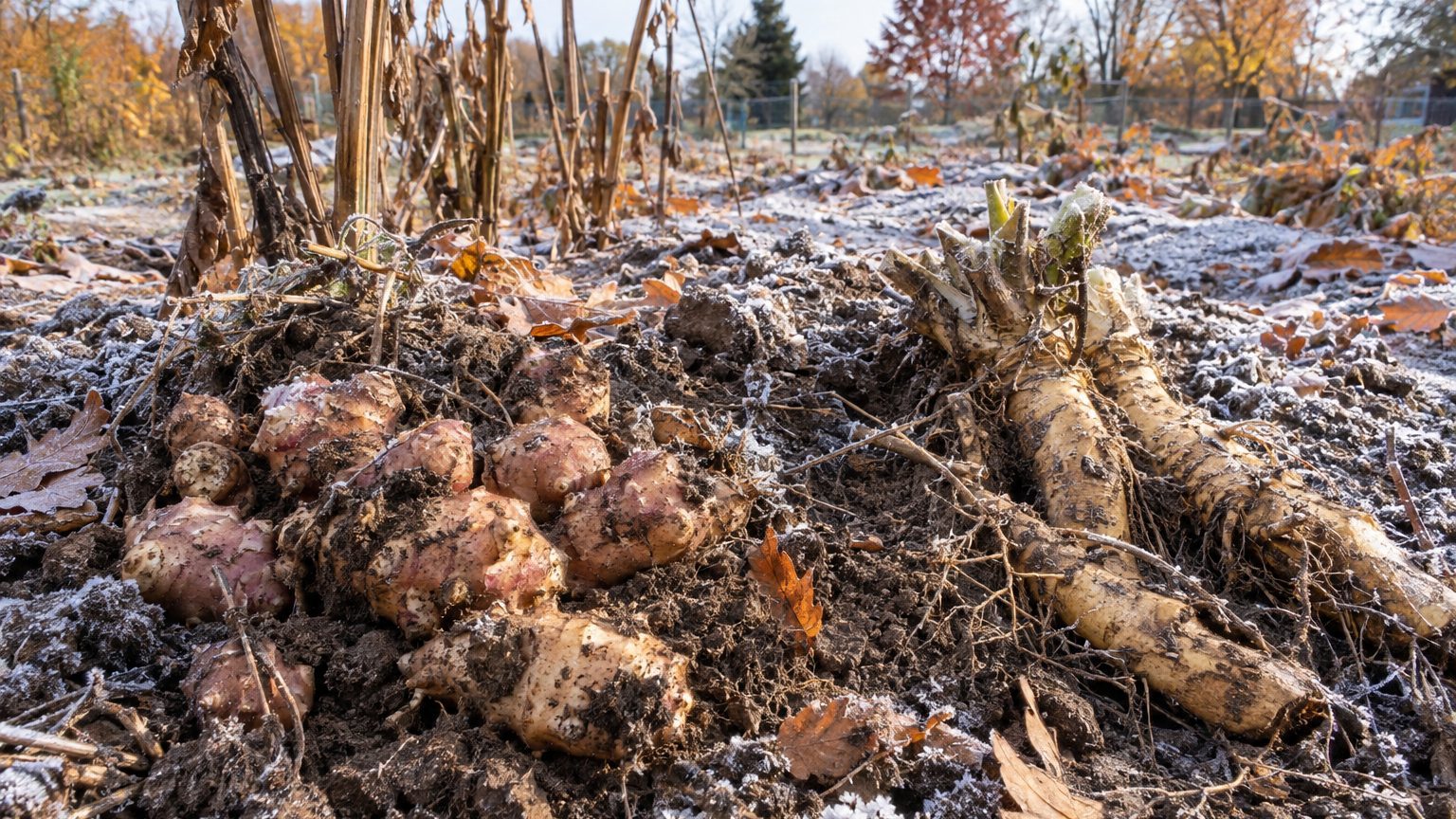
Two of the four stay put without complaint. Jerusalem artichokes and horseradish are hardy perennials that do better, and taste better, when left in the…