When Sweet Corn Is Ready in Newfoundland and Labrador, and How Fast It Fades
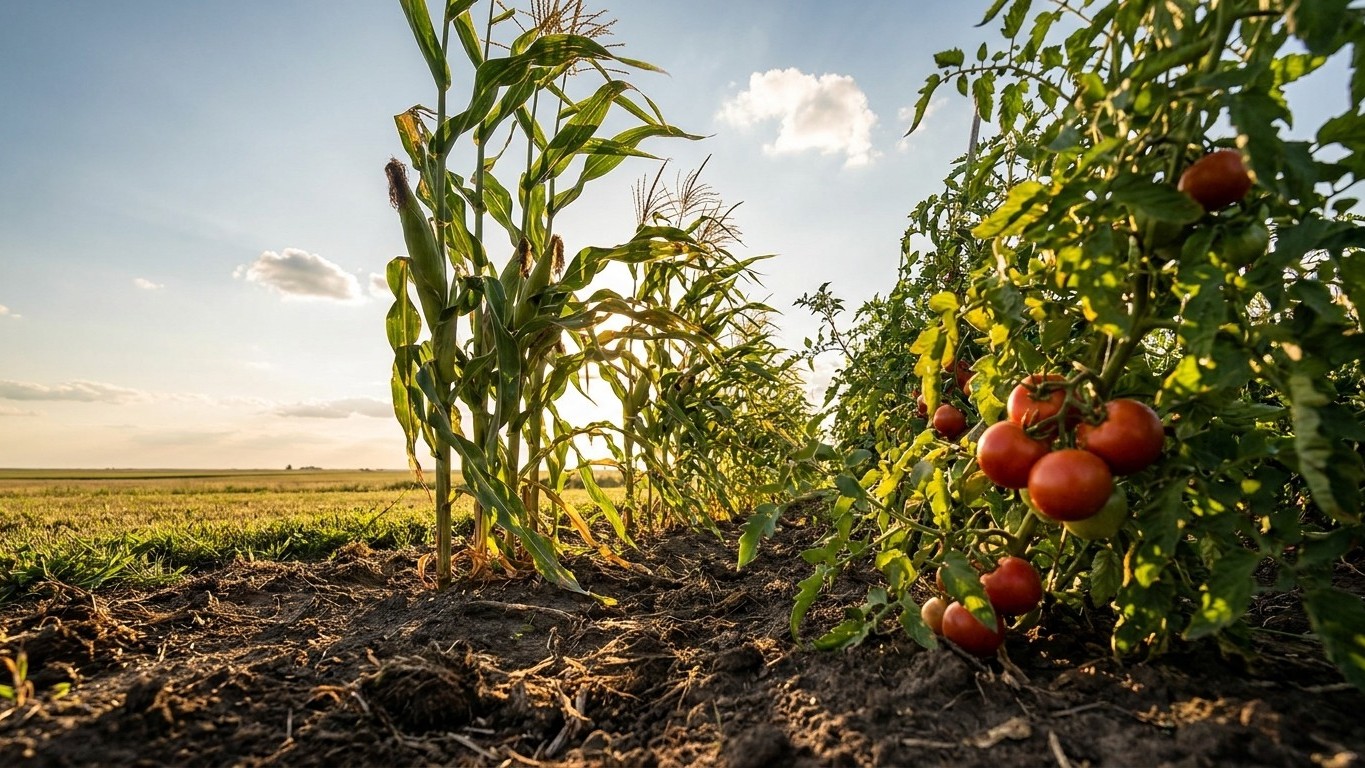
Sweet corn runs on two clocks. The first runs from planting to a ripe ear, and in a cool province with a short season it decides whether you eat corn at…
Home & garden, state by state
Home and garden guidance for Newfoundland and Labrador: hardiness zones, heating seasons, provincial programs and the rules that differ from across the border.
Everything we have worked out for Newfoundland and Labrador: what to plant and when, which varieties finish in time, the pests that actually turn up here, and the jobs that pay off month by month. We also cover the rest of the property, from lawns and soil to home care and energy, because a garden rarely stops at the vegetable bed.
The numbers first, because everything else follows from them. Measured at the weather station in St. John's, the last spring freeze falls around May 30 and the first fall freeze falls around October 17, 1,006 growing degree days in the year.
That is little accumulated warmth: tomatoes need a tunnel or a greenhouse here, whatever the frost dates suggest. Garlic does well: 34.8 weeks below 40 °F, comfortably past the six it needs to form a proper head.
Elsewhere on the property in Newfoundland and Labrador: the pests that turn up here.
Figures from Environment and Climate Change Canada. A state is not one climate: elevation, a large lake or the coast can move these dates by two weeks either way, so check your own county with the extension service before you spend money.
The planting guide for each month in Newfoundland and Labrador:
Sweet corn runs on two clocks. The first runs from planting to a ripe ear, and in a cool province with a short season it decides whether you eat corn at…
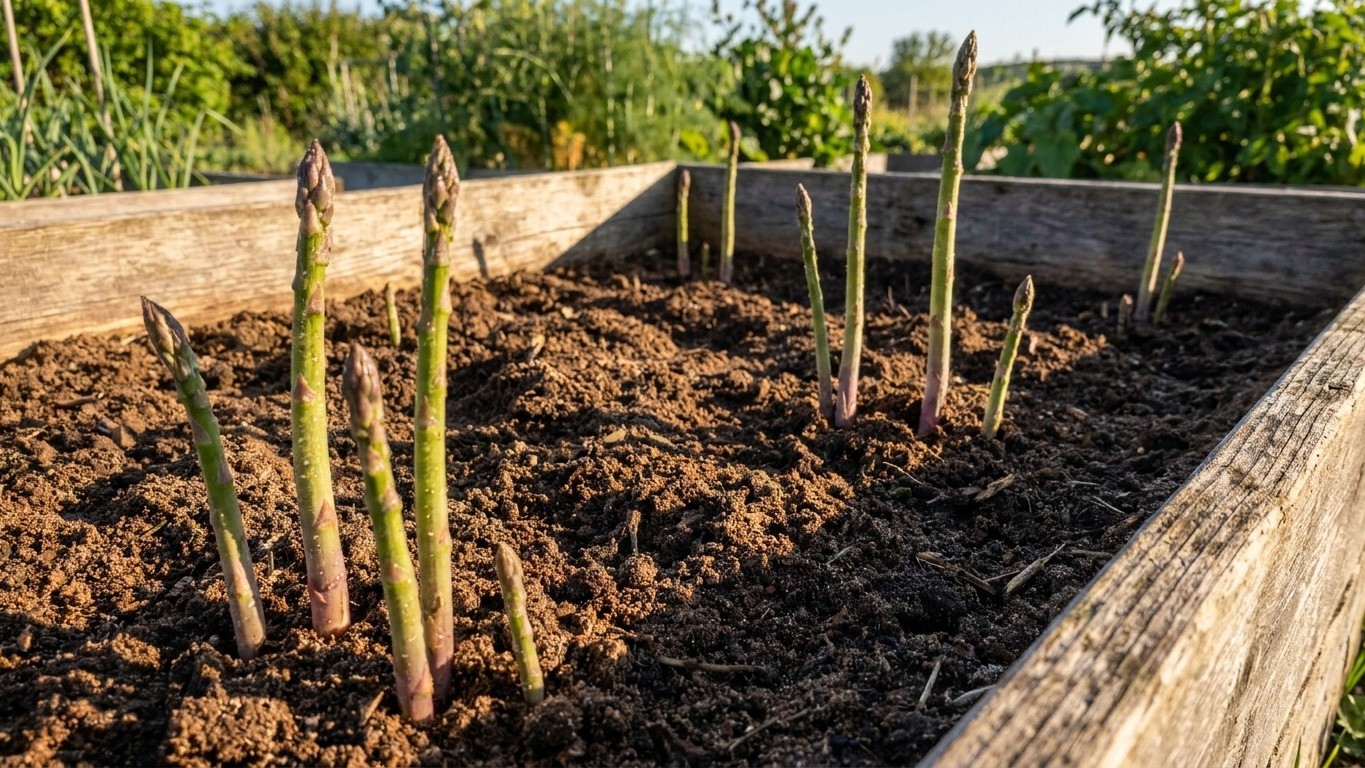
Cut asparagus until most of the new spears come up thinner than a pencil, then stop and let the ferns grow. The bed gets no cutting at all until year 3.
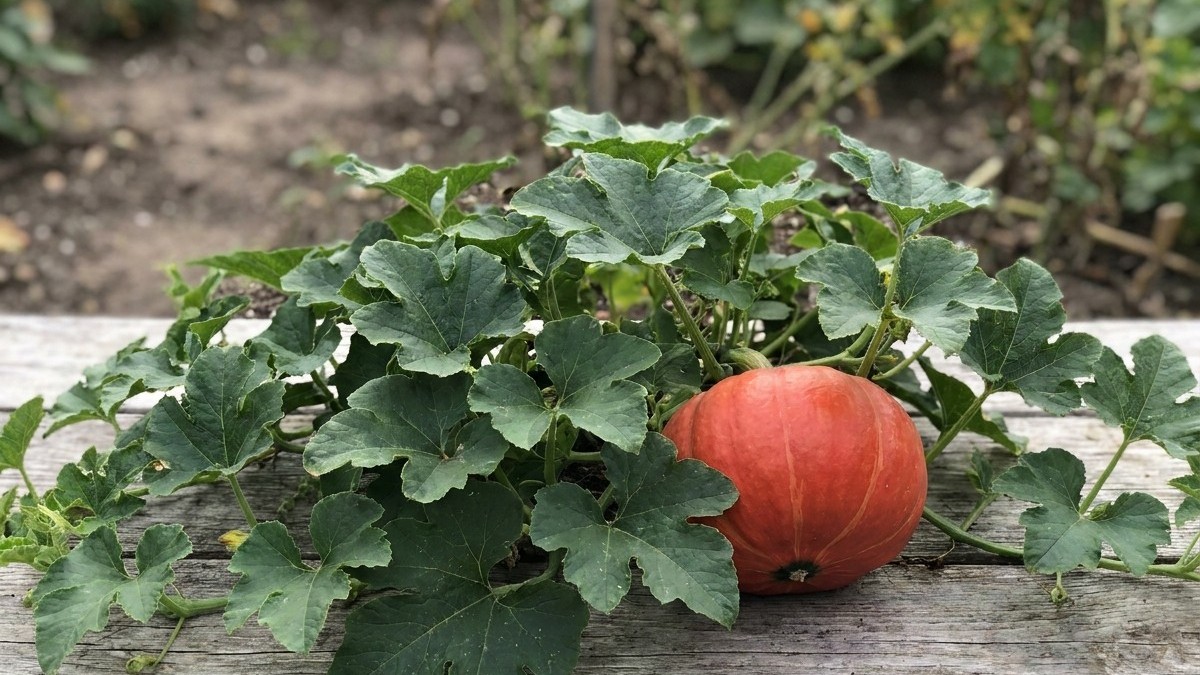
Cut a pumpkin when the rind has hardened, the color is fully set and the stem has gone dry and corky, and always before frost.
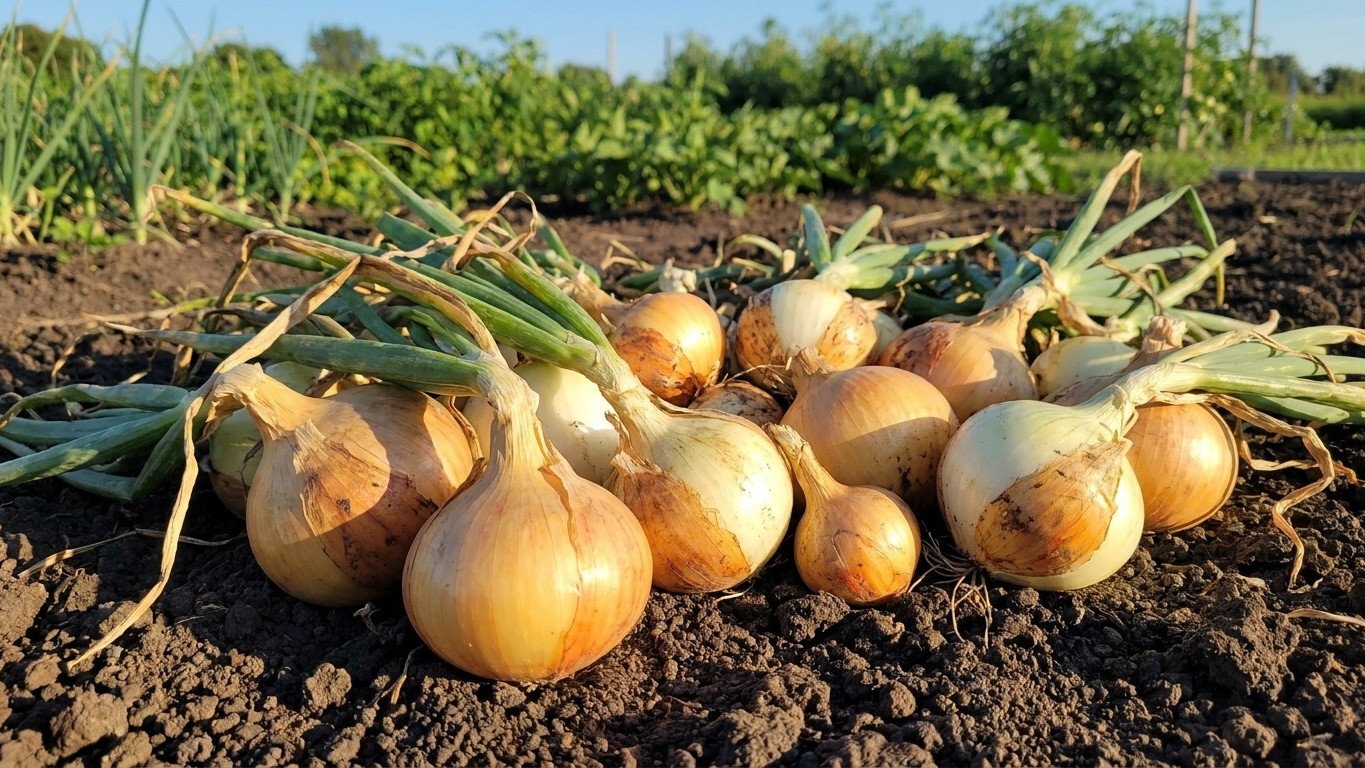
Lift onions in Newfoundland and Labrador once the tops have flopped over and turned yellow, then cure them in a dry, airy spot until the necks are tight…
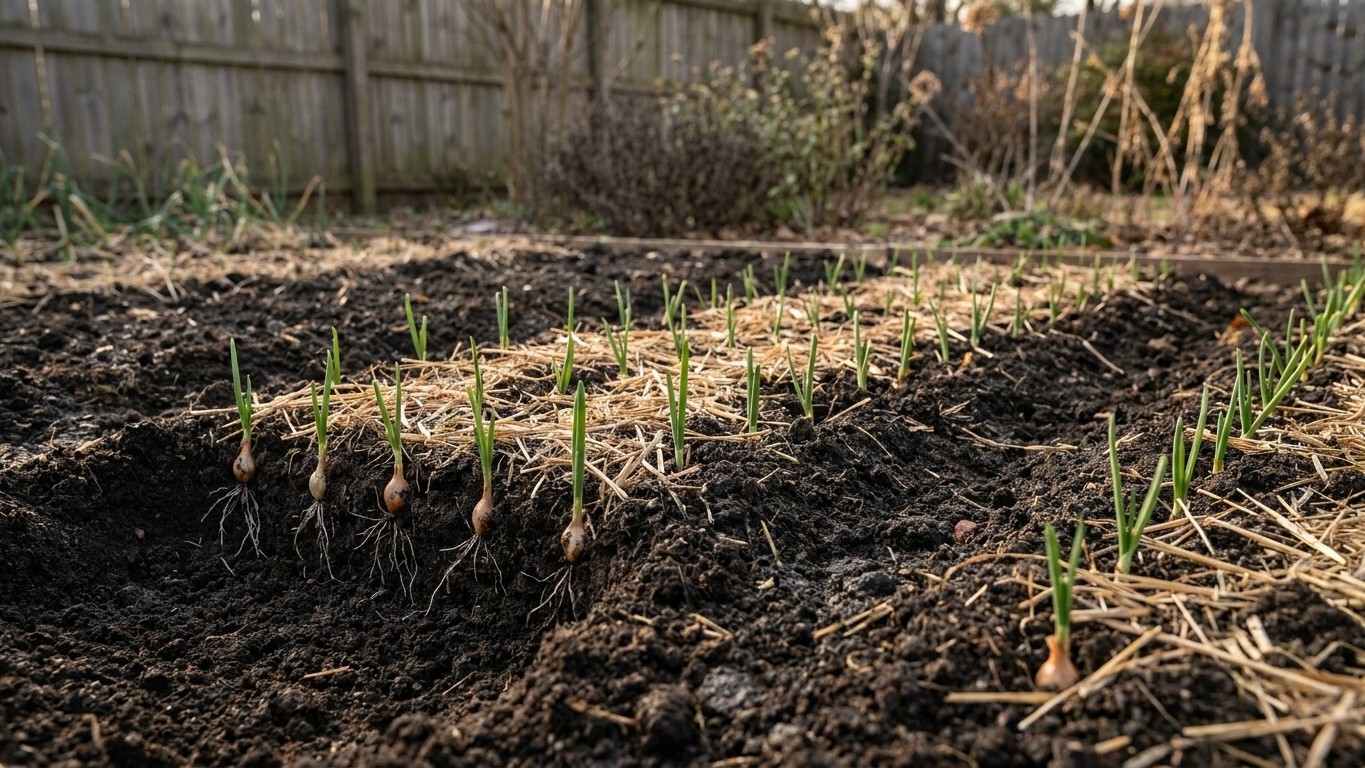
Slugs, root maggots, wireworms, voles and the occasional moose do most of the damage to garlic in Newfoundland and Labrador, and a microscopic worm…
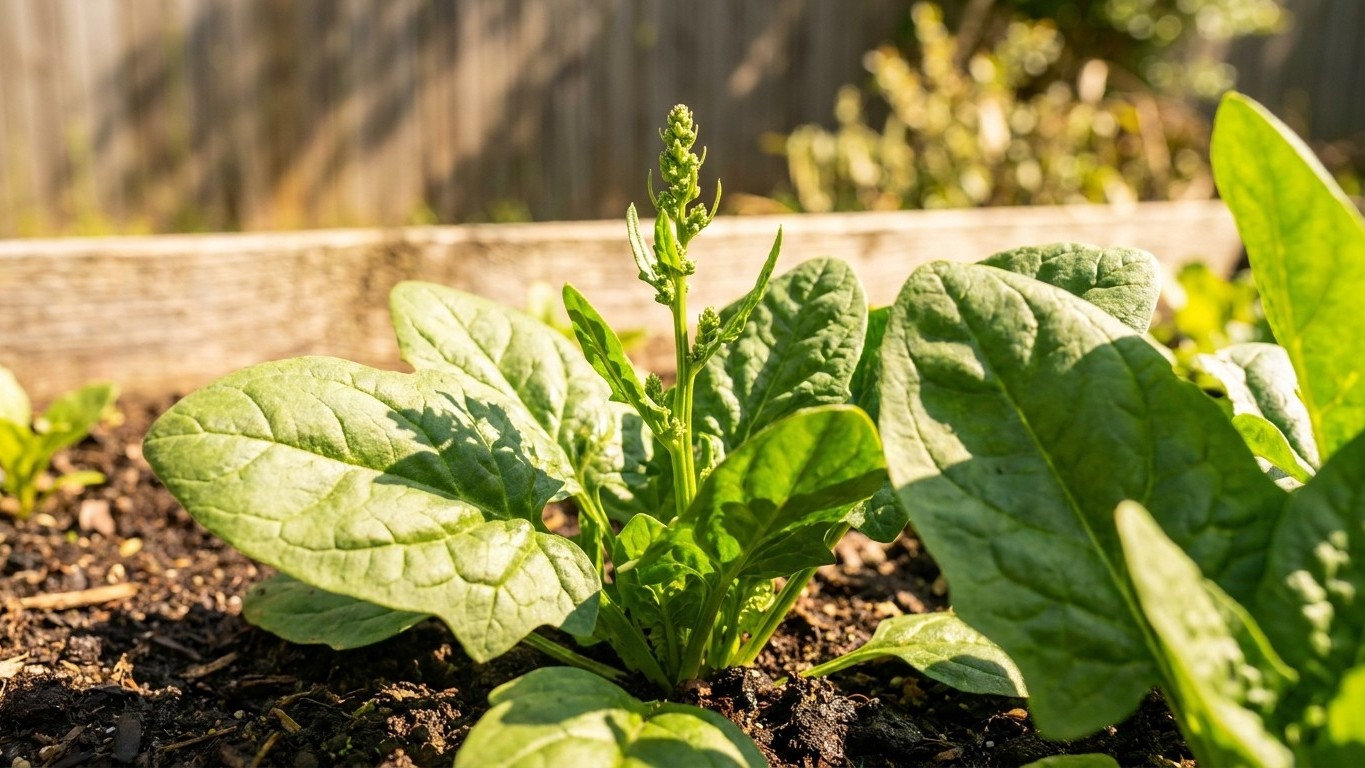
In Newfoundland and Labrador, what ends a spinach crop is mostly the sun, with heat a distant second. The longest day at St.
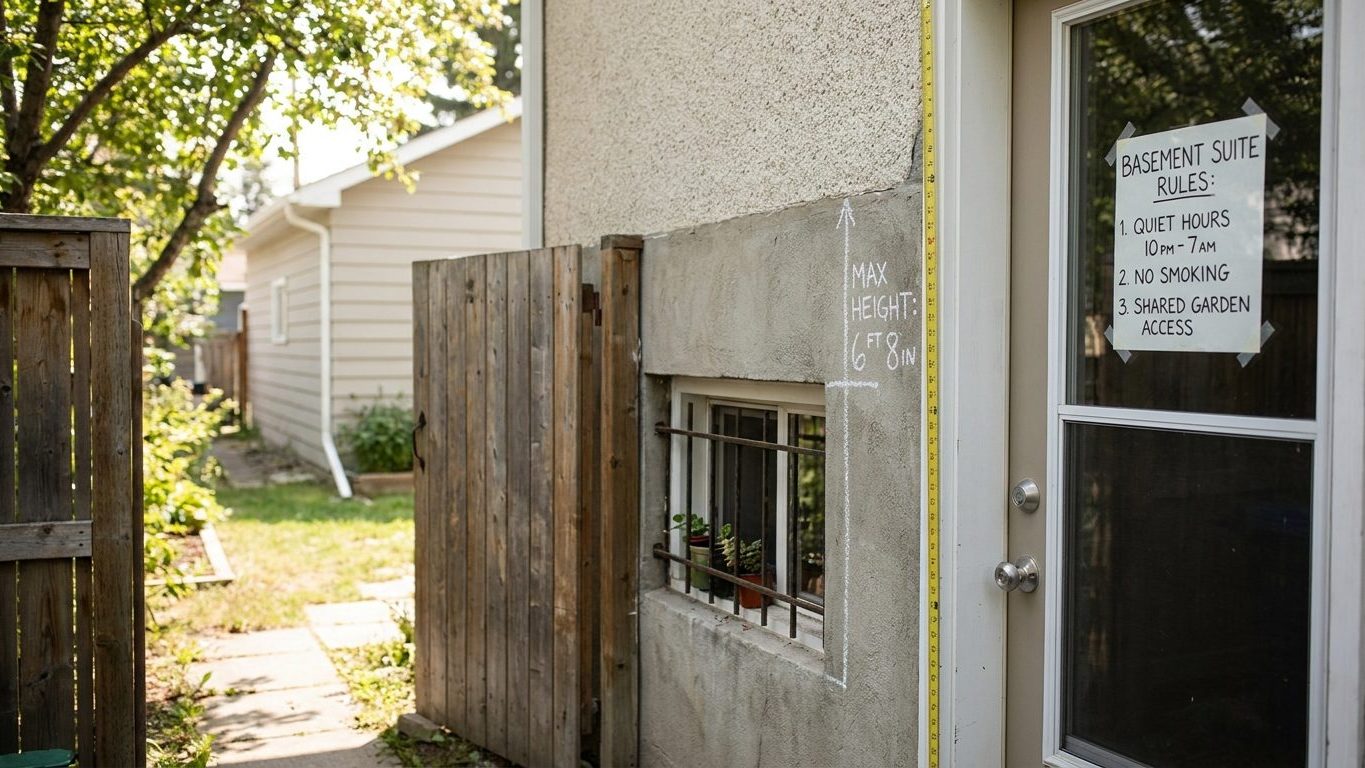
Newfoundland and Labrador has no provincial building code for houses, so ceiling height, egress windows and fire separation for a basement suite depend on the municipality.
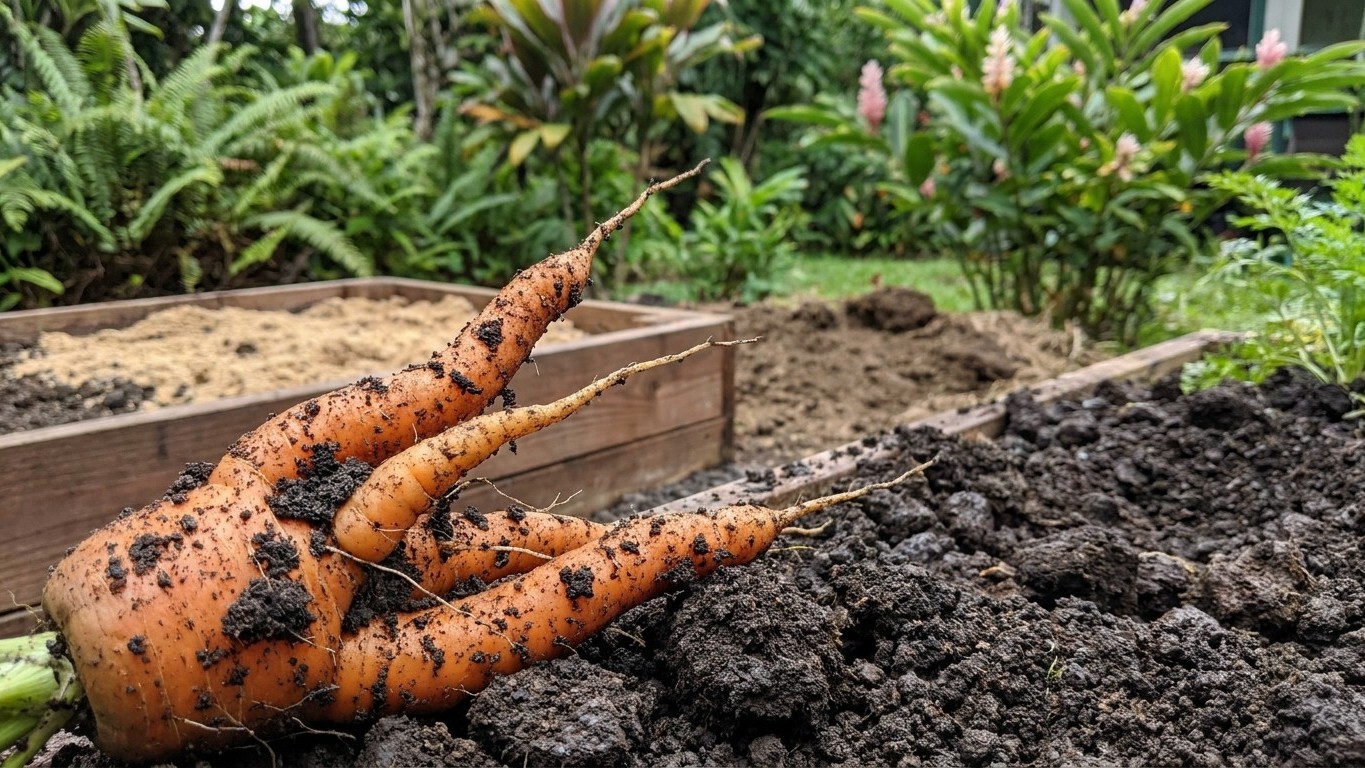
The sourced data behind this page covers soil, water and storage. It does not carry an insect list or a pest calendar, so it names no culprit and gives…
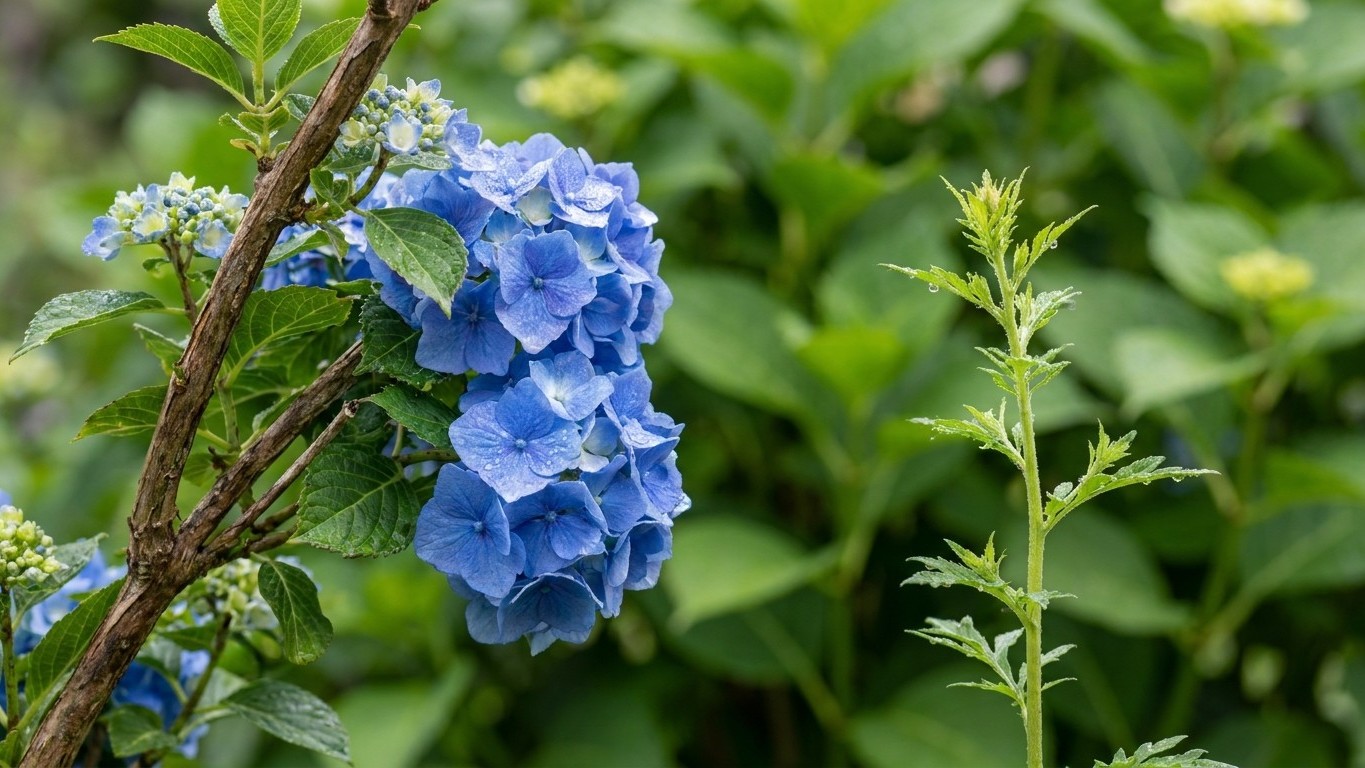
Hydrangeas can thrive in Newfoundland and Labrador, but the type you buy decides the outcome.
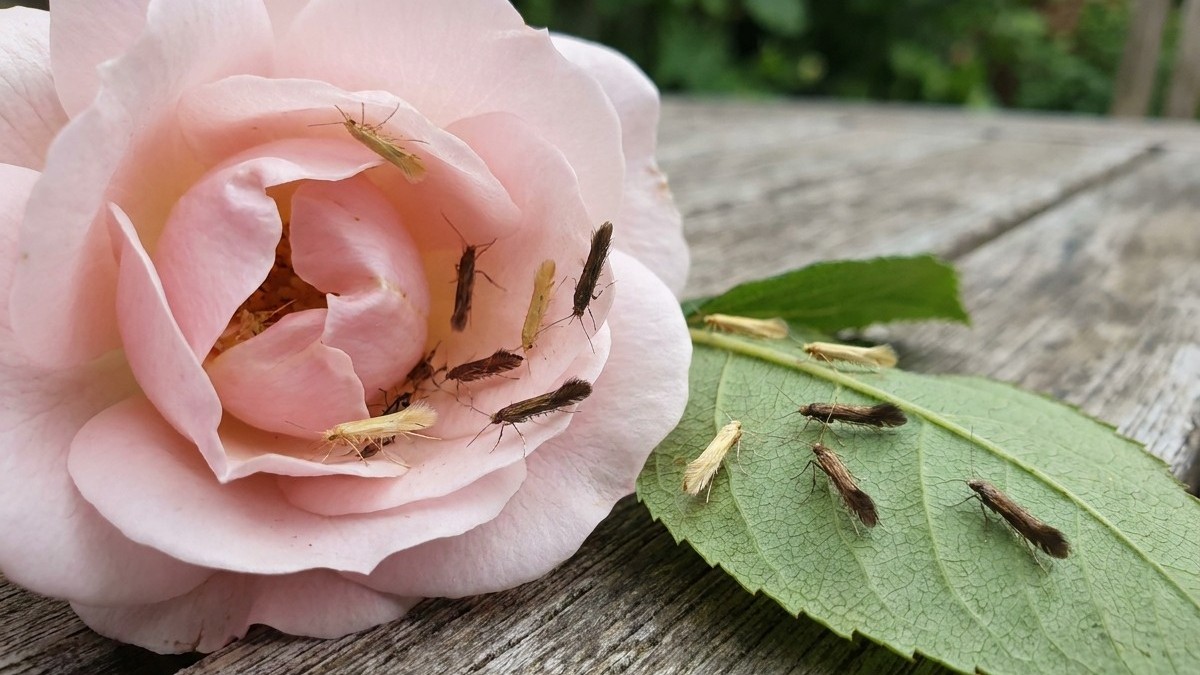
Set potted roses out in early June, a week or so after the May 30 average last frost at the St.