When Sweet Corn Is Ready in Kentucky, and How Fast It Fades
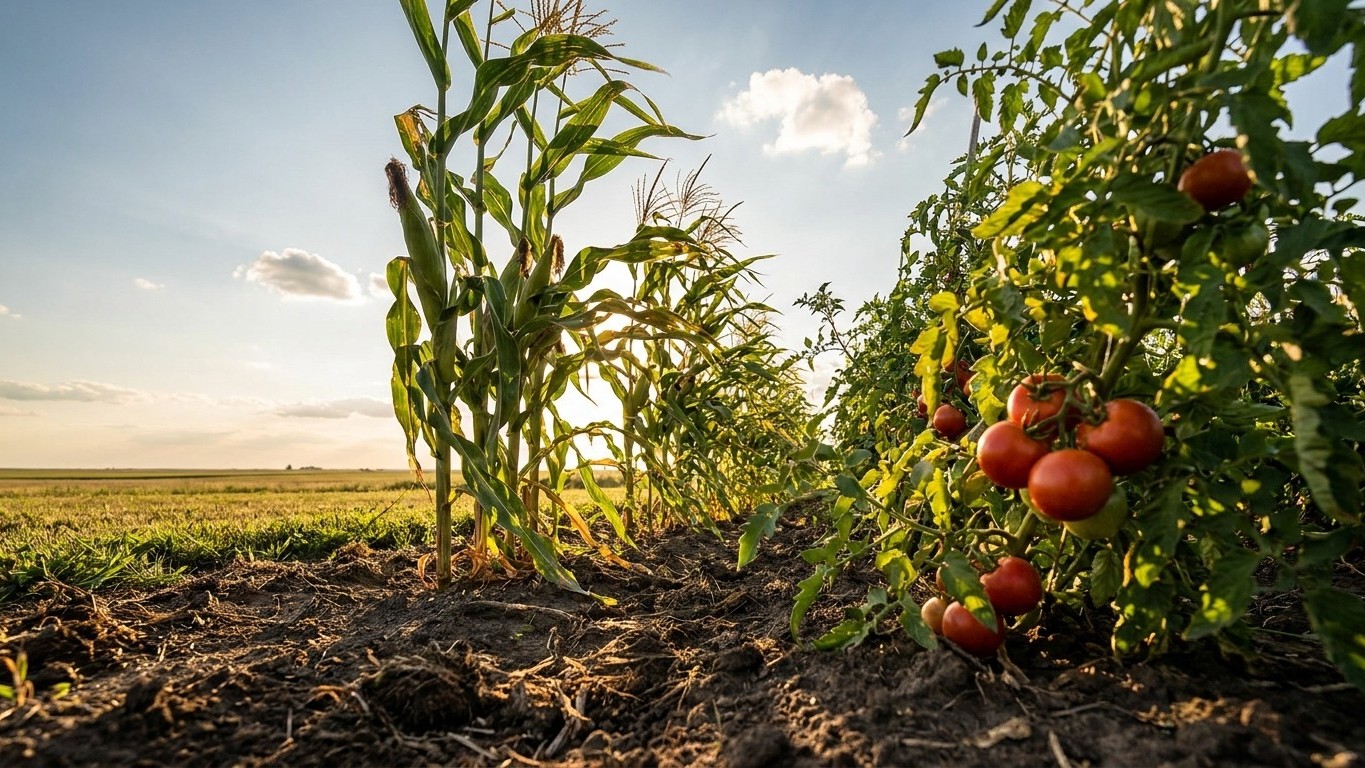
In Kentucky, sweet corn goes into the ground when the soil says so, not the calendar.
Home & garden, state by state
What home and garden advice looks like when it is written for Kentucky — southeast seasons, southeast rules, and the numbers that go with them.
Everything we have worked out for Kentucky: what to plant and when, which varieties finish in time, the pests that actually turn up here, and the jobs that pay off month by month. We also cover the rest of the property, from lawns and soil to home care and energy, because a garden rarely stops at the vegetable bed.
The numbers first, because everything else follows from them. Measured at the weather station in Louisville, the last spring freeze runs March 24 to April 4 and the first fall freeze runs November 2 to November 12, USDA zones 6a-7a, 4,712 growing degree days in the year.
Garlic does well: 21.8 weeks below 40 °F, comfortably past the six it needs to form a proper head.
Elsewhere on the property in Kentucky: the pests that turn up here.
Figures from NOAA's 1991-2020 climate normals. A state is not one climate: elevation, a large lake or the coast can move these dates by two weeks either way, so check your own county with the extension service before you spend money.
In Kentucky, sweet corn goes into the ground when the soil says so, not the calendar.
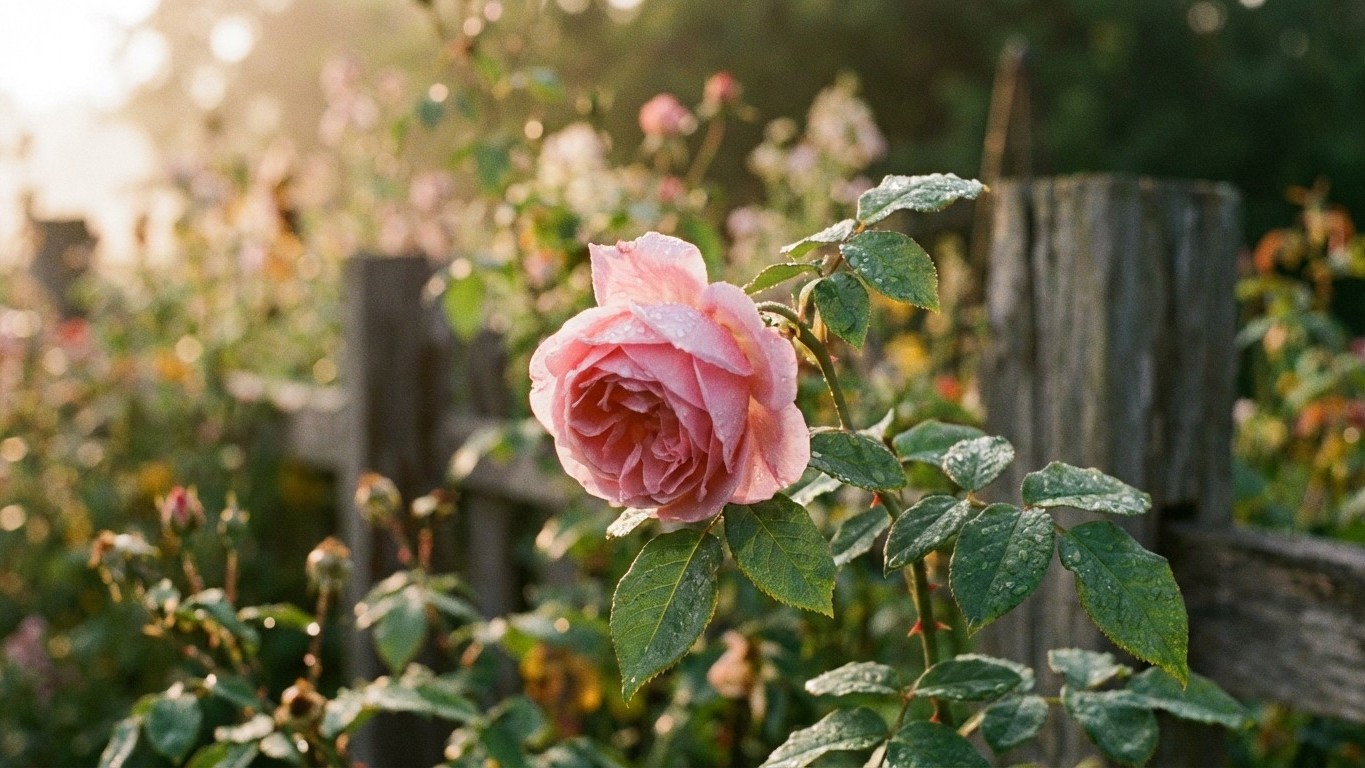
In Kentucky, container roses go in after the last spring frost, which falls between March 24 and April 4 in Louisville.
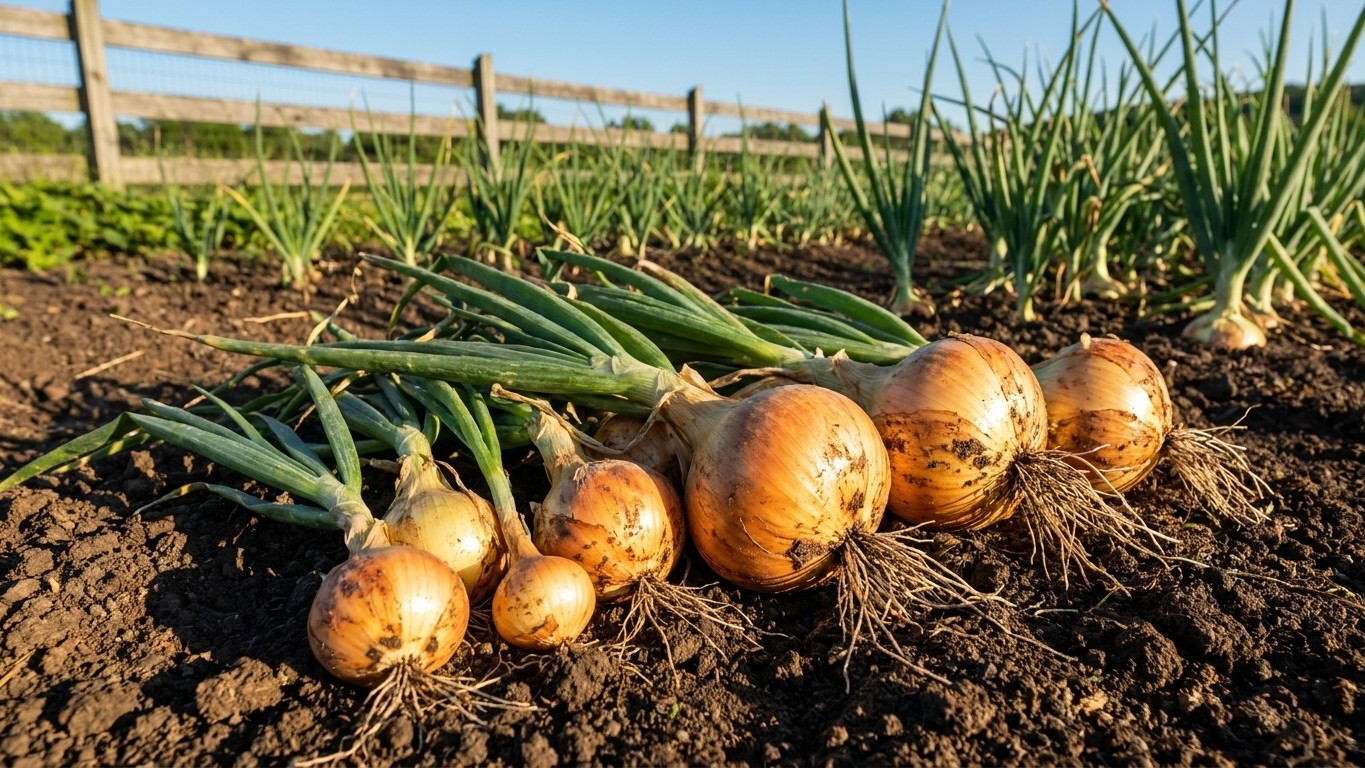
Lift onions when the tops fall over and the necks go soft, then cure them until the necks are tight and the skins turn papery.
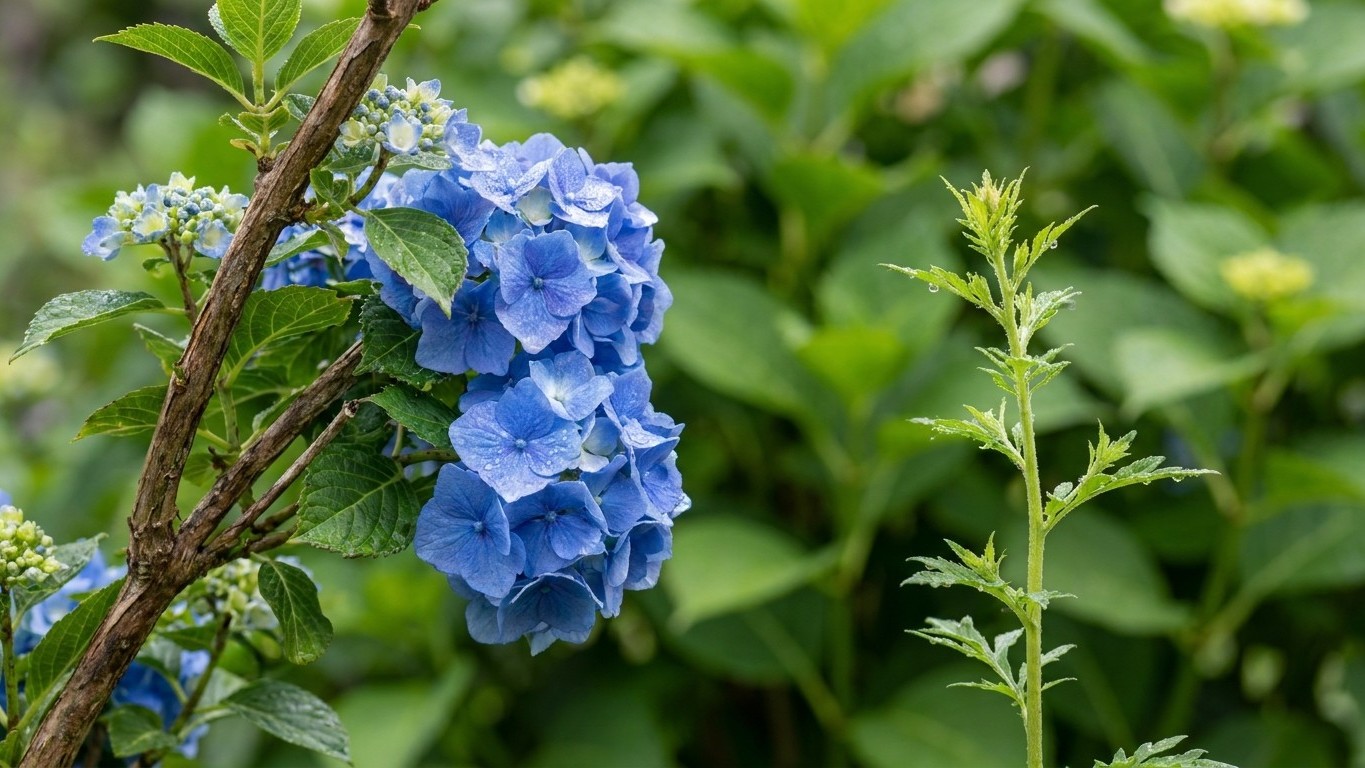
Growing hydrangeas in Kentucky is straightforward if you match the type to the winter and the planting date to the frost calendar.
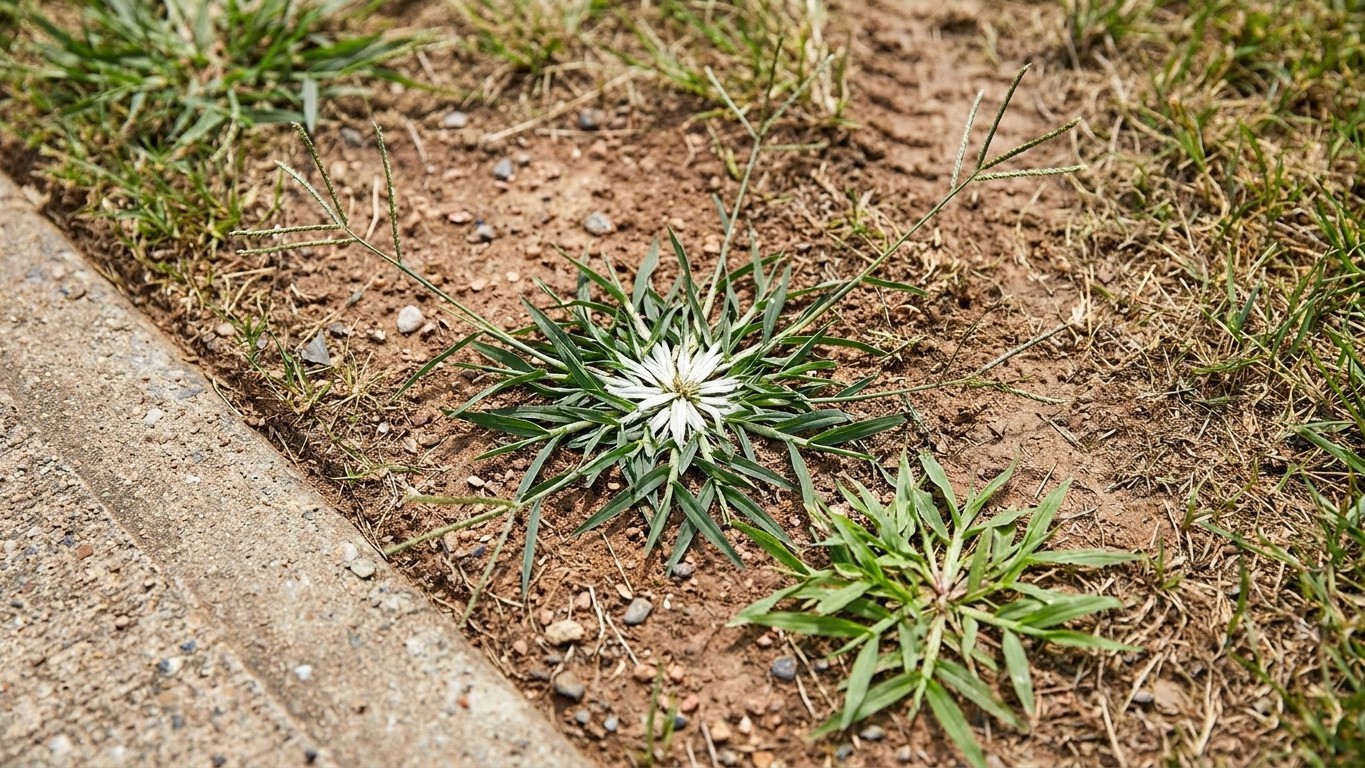
For a cool-season lawn in Kentucky, sow in early fall, with seed in the ground before the middle of September ends.
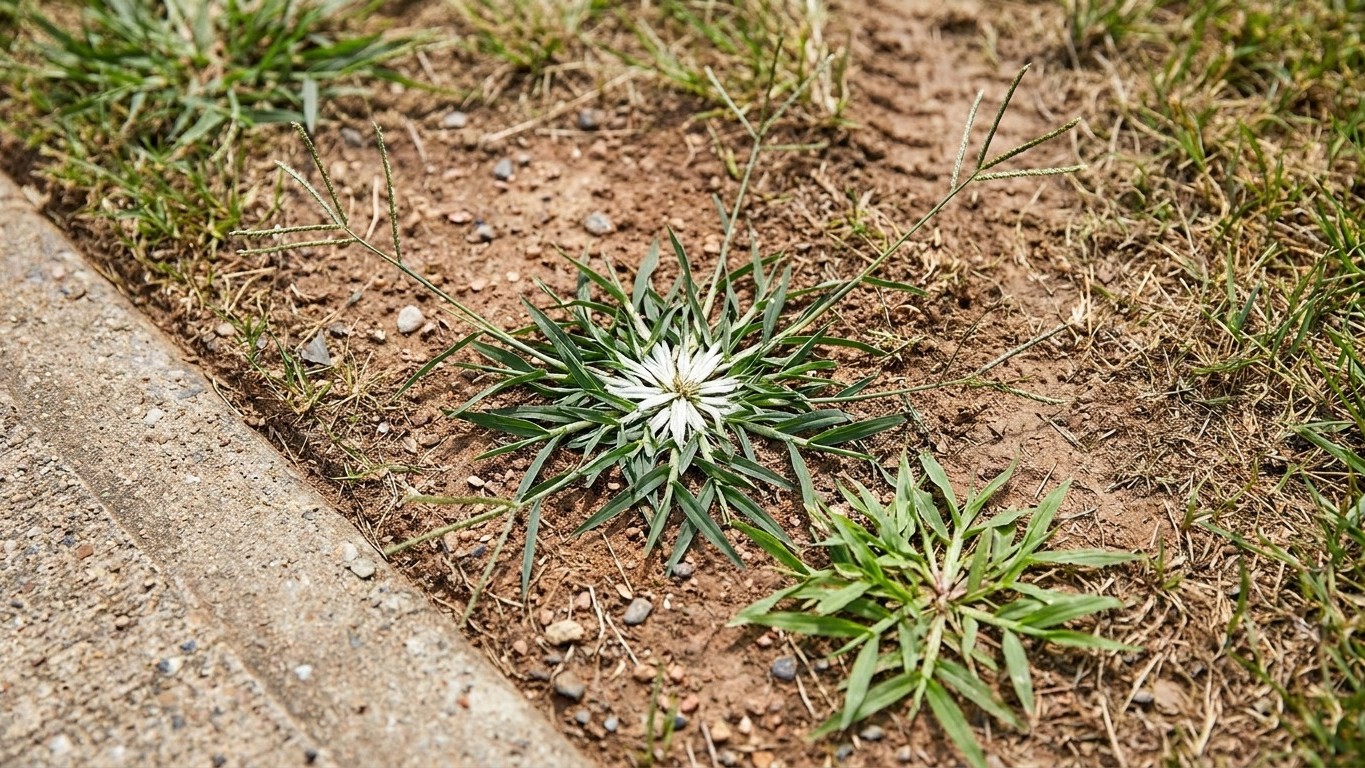
Most Kentucky lawns never need dethatching. Cut a wedge with a spade and measure the brown, spongy layer between the green blades and the soil.
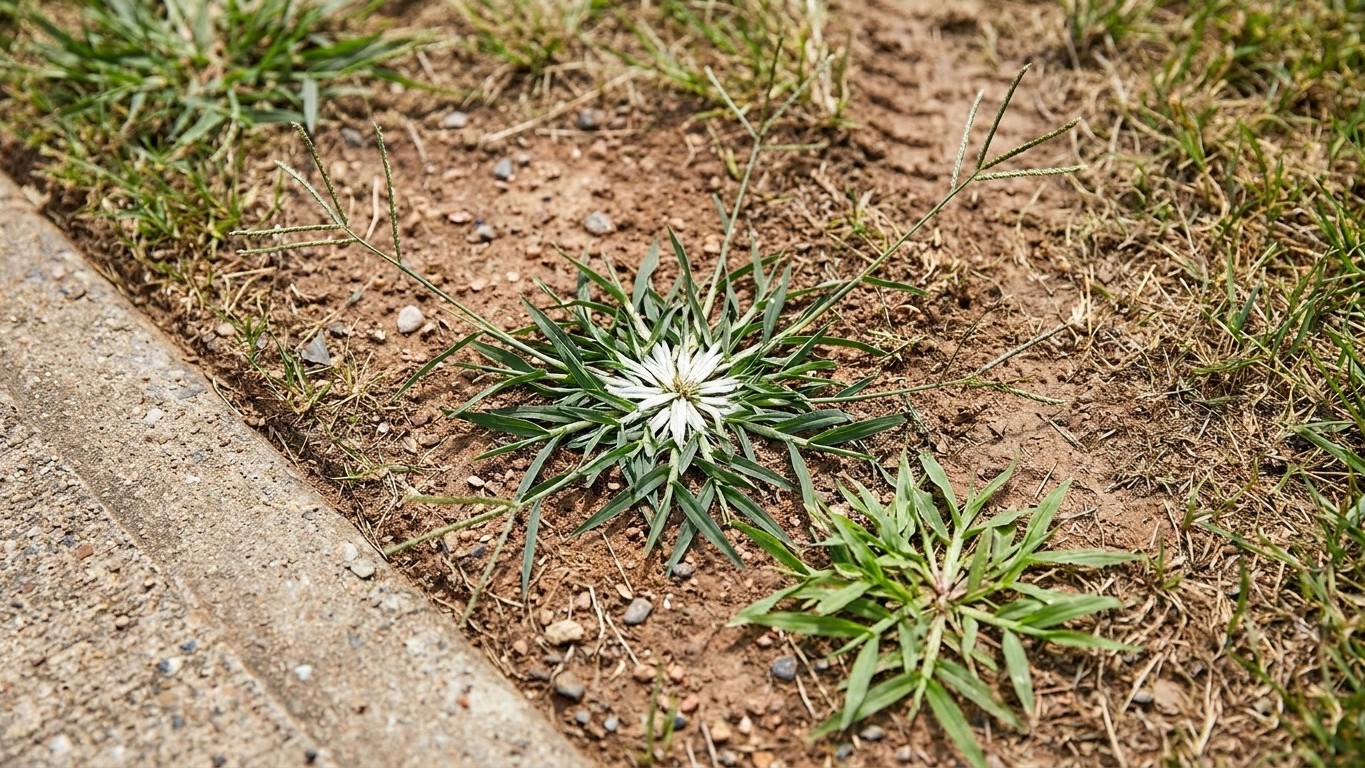
Kentucky lawns get aerated in early fall if the grass is a cool-season type such as tall fescue or Kentucky bluegrass.
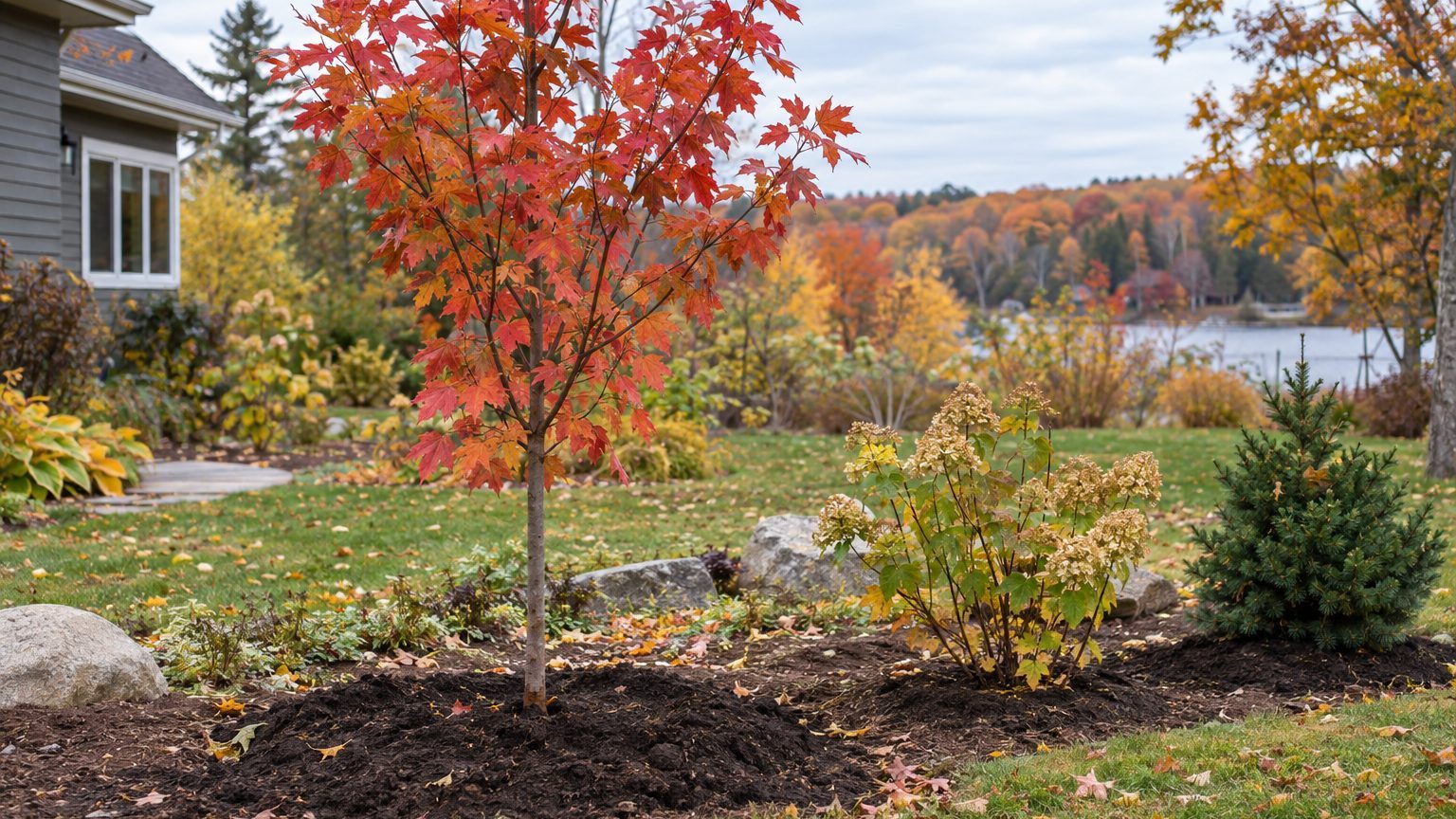
In Kentucky, the safe deadline for fall-planting trees and shrubs runs from September 21 to October 1, which is six weeks before the first fall frost…
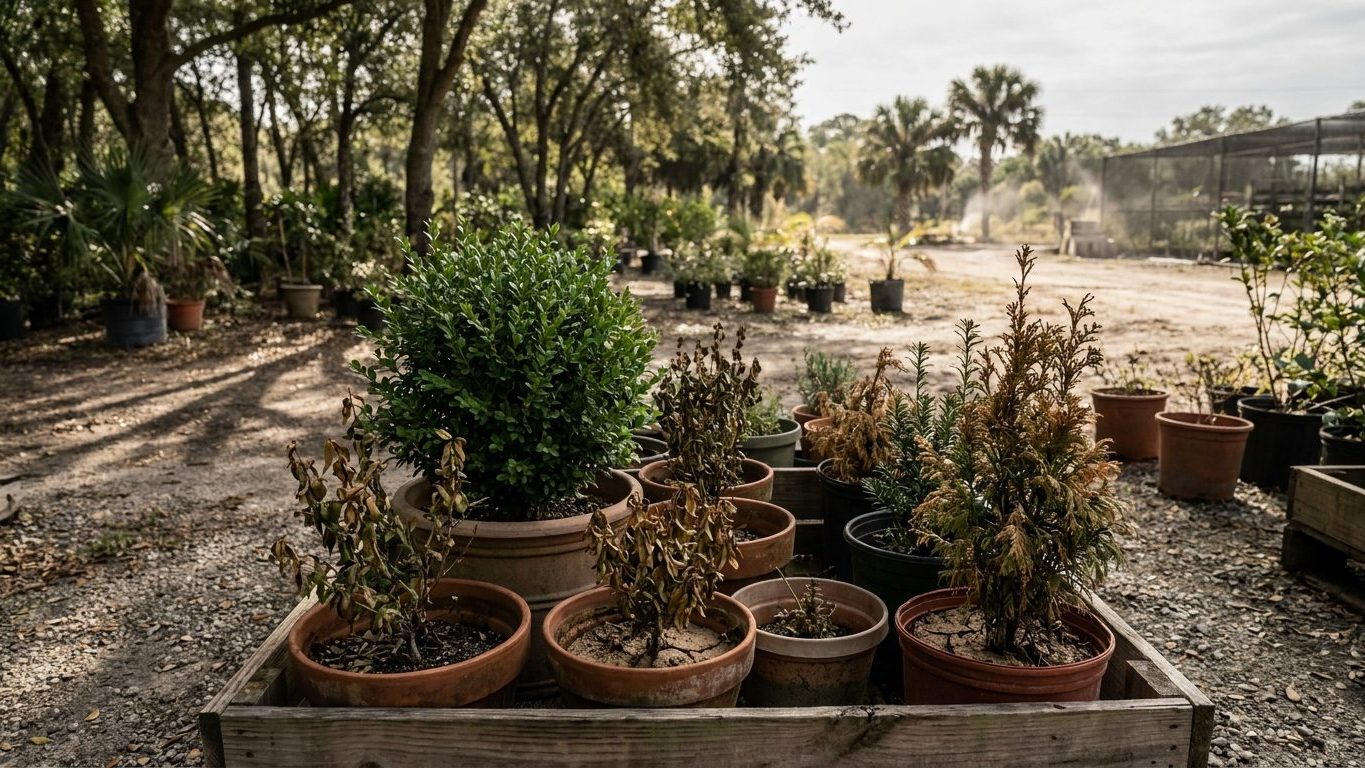
All 12 hedge species documented for Kentucky survive winter across the whole state, which runs from zone 6a to 7a on the USDA map.
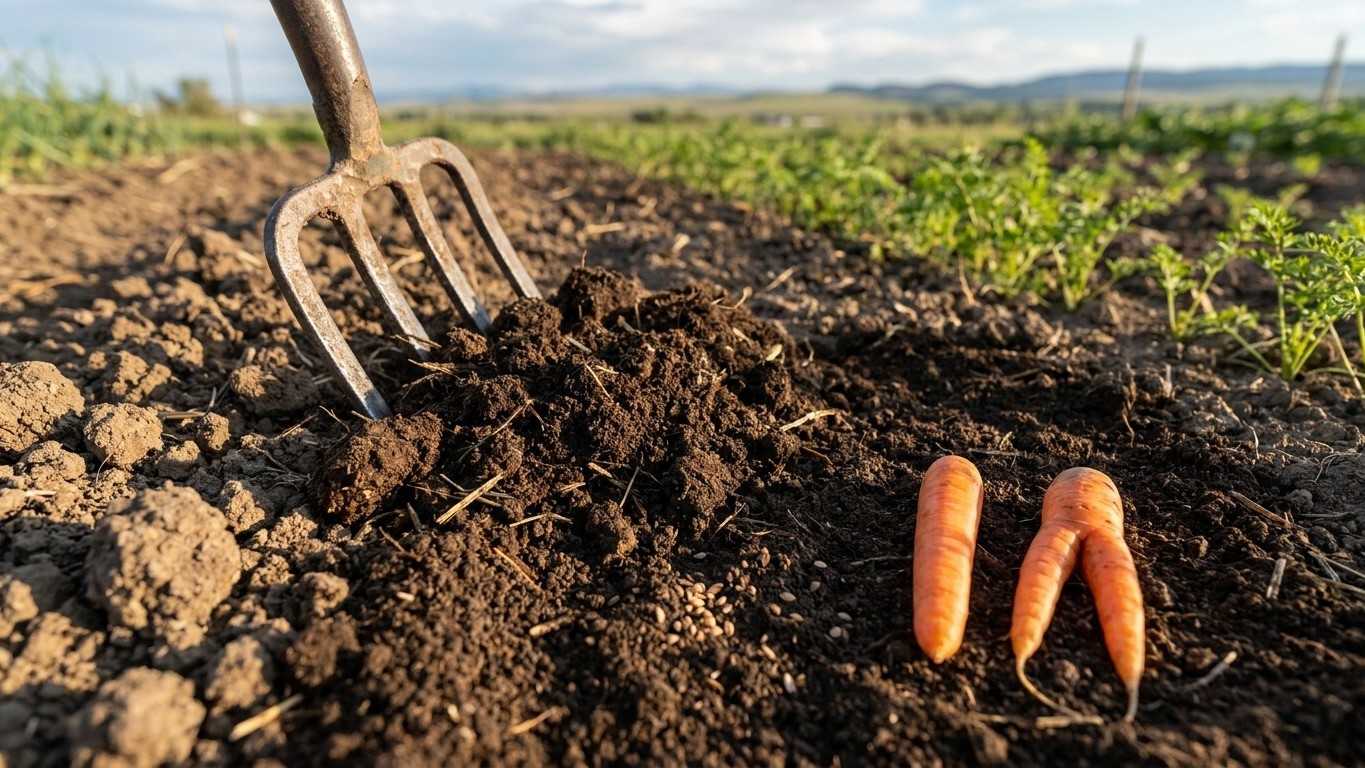
Pull carrots when the tops are full and green and the orange shoulders show at the soil line, which is about 65 to 75 days after planting by Clemson…