When to Cut Spinach in Delaware, and How Long It Really Keeps
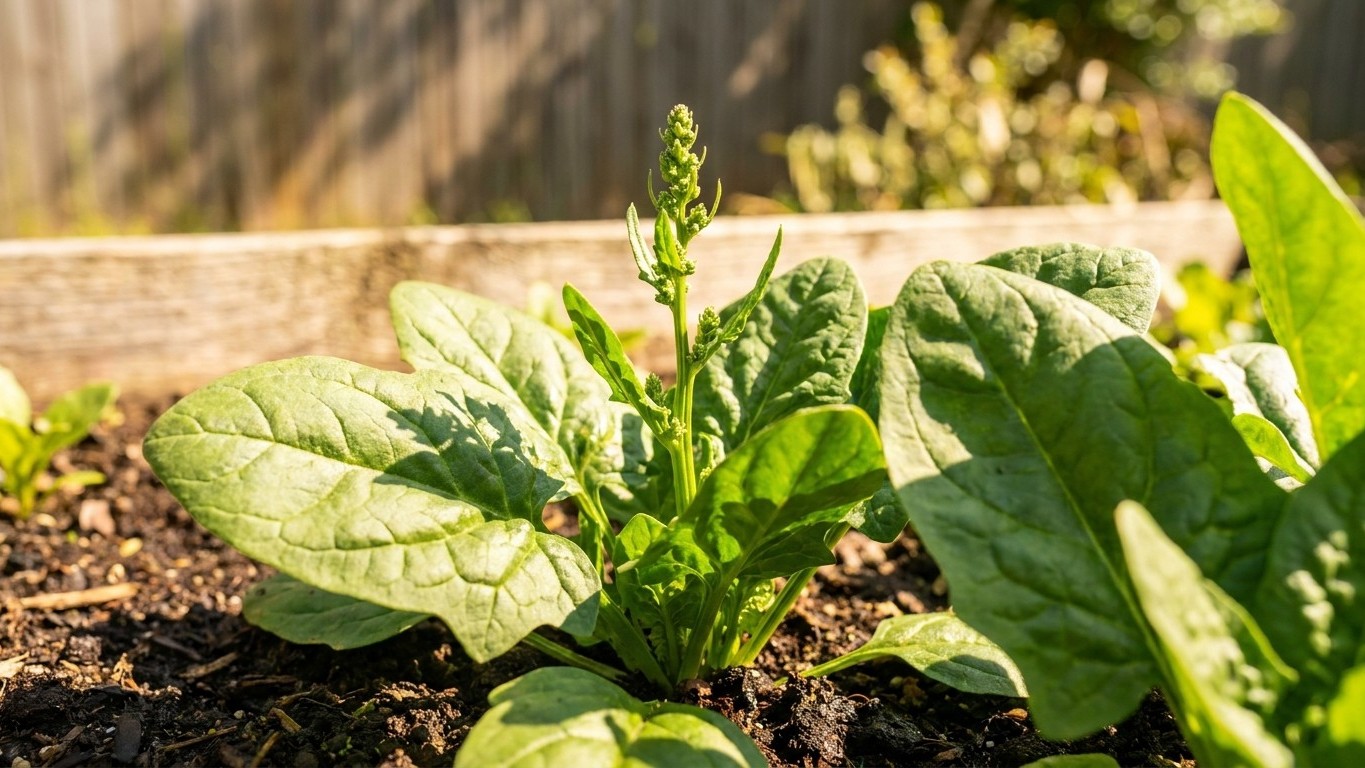
Cut spinach when the plant has made a full rosette of leaves about as long as your hand and the center is still a flat, leafy cluster with no stalk rising.
Home & garden, state by state
What home and garden advice looks like when it is written for Delaware — southeast seasons, southeast rules, and the numbers that go with them.
Everything we have worked out for Delaware: what to plant and when, which varieties finish in time, the pests that actually turn up here, and the jobs that pay off month by month. We also cover the rest of the property, from lawns and soil to home care and energy, because a garden rarely stops at the vegetable bed.
The numbers first, because everything else follows from them. Measured at the weather station in Wilmington, the last spring freeze runs April 3 to April 14 and the first fall freeze runs October 26 to November 7, USDA zones 7a-8a, 3,937 growing degree days in the year.
Garlic does well: 21.8 weeks below 40 °F, comfortably past the six it needs to form a proper head.
Elsewhere on the property in Delaware: the pests that turn up here.
Figures from NOAA's 1991-2020 climate normals. A state is not one climate: elevation, a large lake or the coast can move these dates by two weeks either way, so check your own county with the extension service before you spend money.
The planting guide for each month in Delaware:
Cut spinach when the plant has made a full rosette of leaves about as long as your hand and the center is still a flat, leafy cluster with no stalk rising.
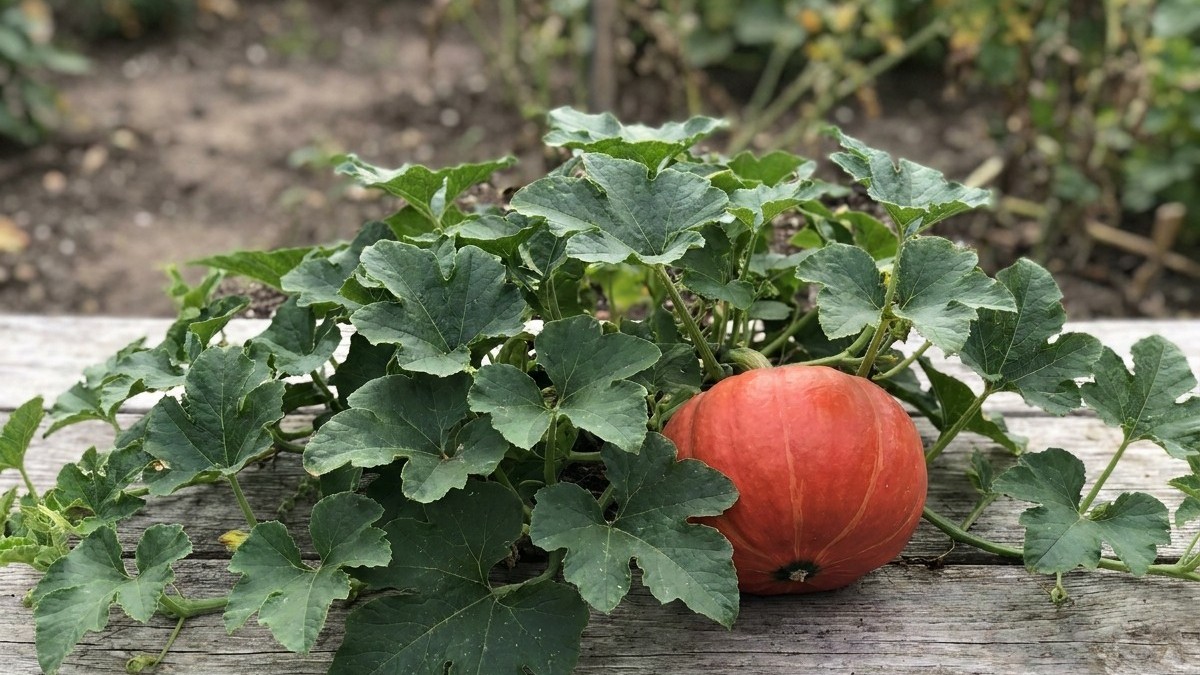
Cut a pumpkin when the rind is hard, the color is deep and even, and the stem has dried and turned woody.
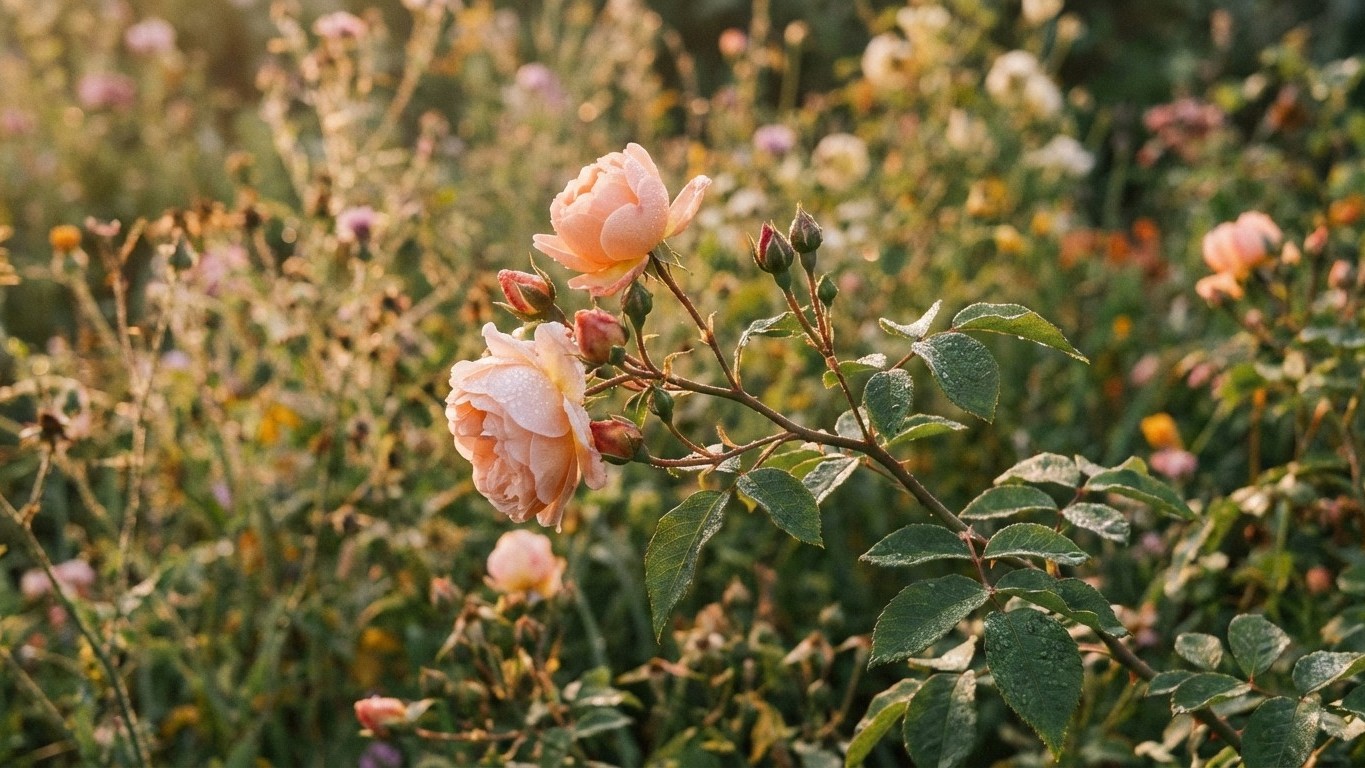
Most roses in Delaware get through winter on their own. The ones that benefit from help are grafted bushes, mainly hybrid teas, floribundas and…
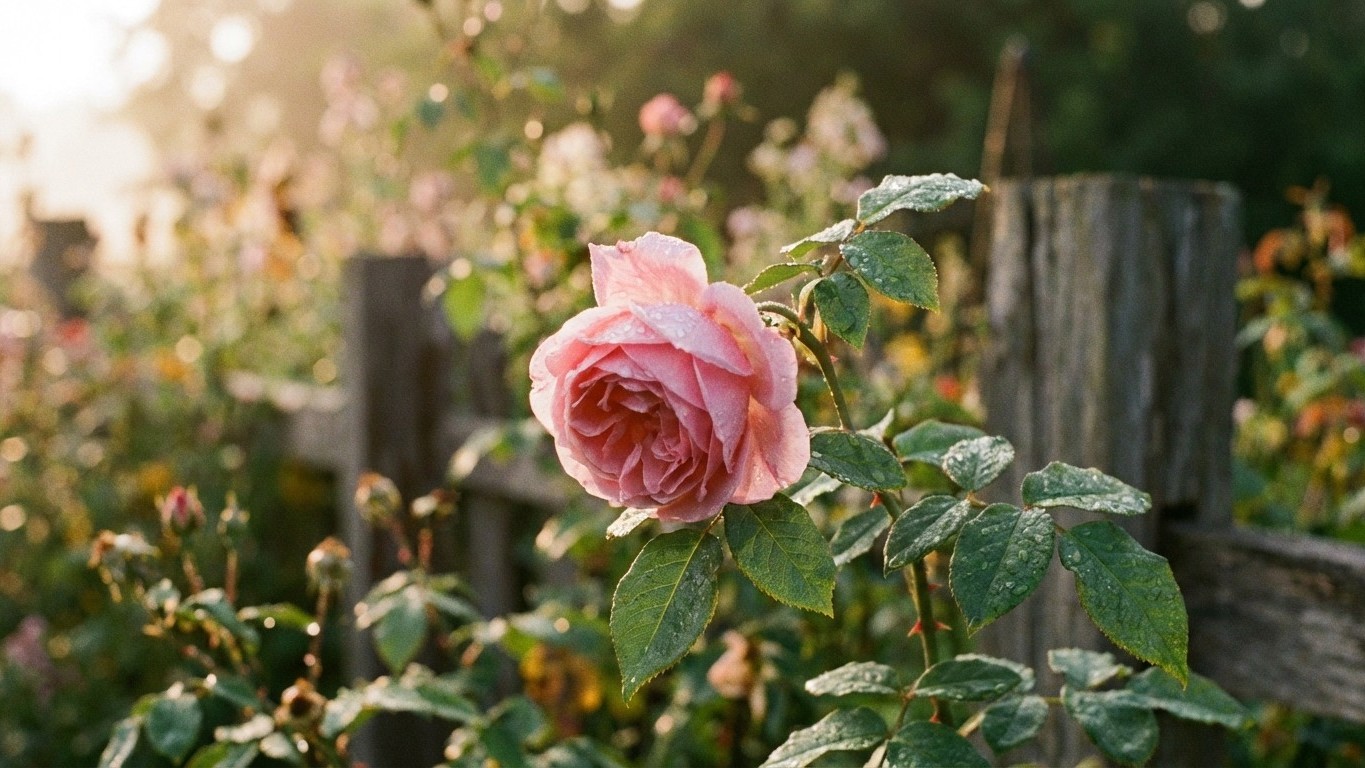
Delaware sits in USDA hardiness zone 7a to 8a. Rugosas, Explorer roses, landscape shrub roses and sturdy climbers come through a winter here without fuss.
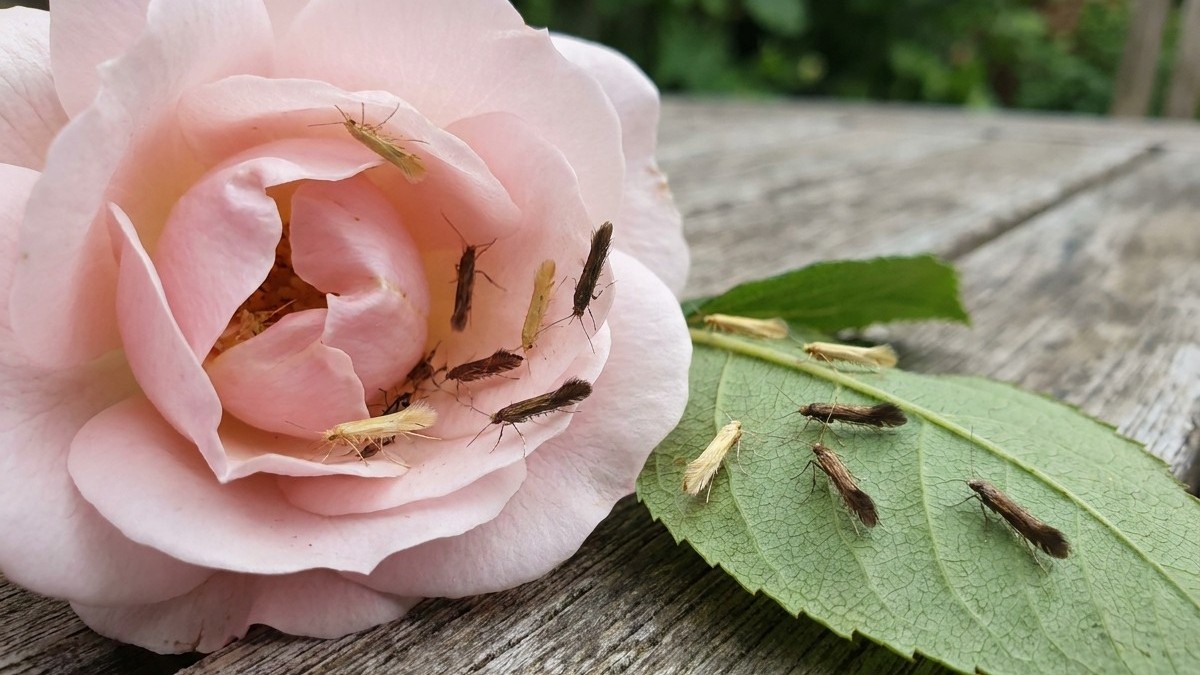
In Delaware, prune hybrid teas, floribundas, shrub roses and repeat-blooming climbers between mid-March and the first week of April, when the buds begin…
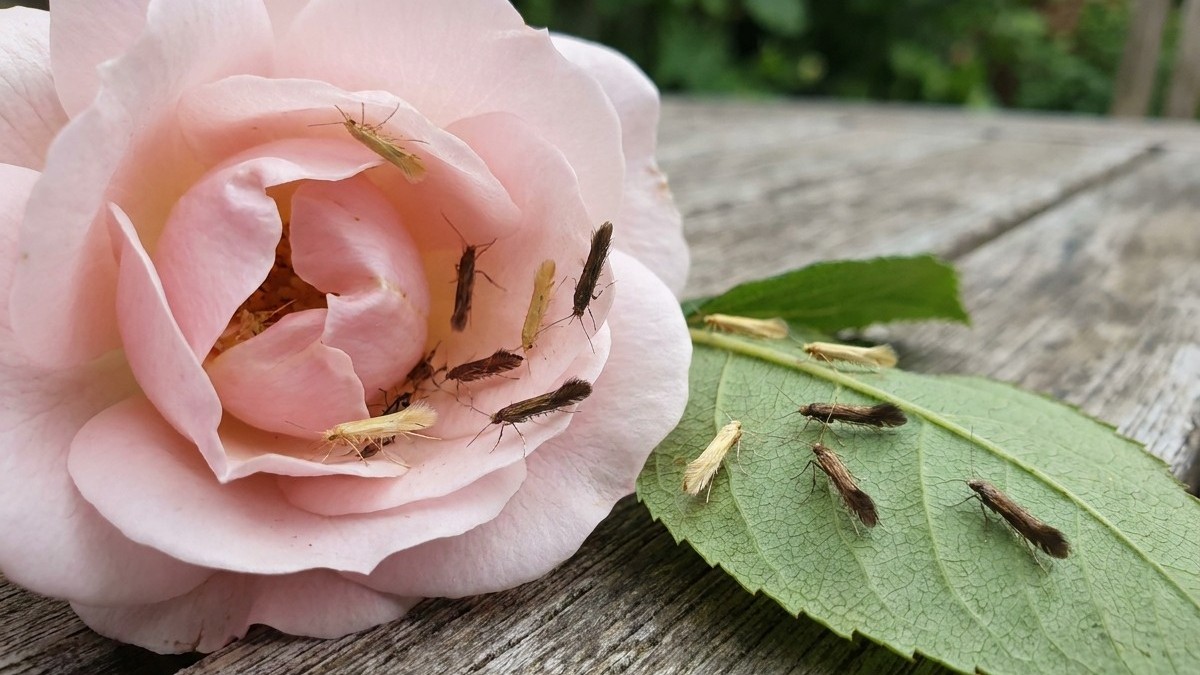
Black spot is the rose disease Delaware gardeners meet most often. Powdery mildew comes second, and downy mildew turns up when spring or fall runs cool…
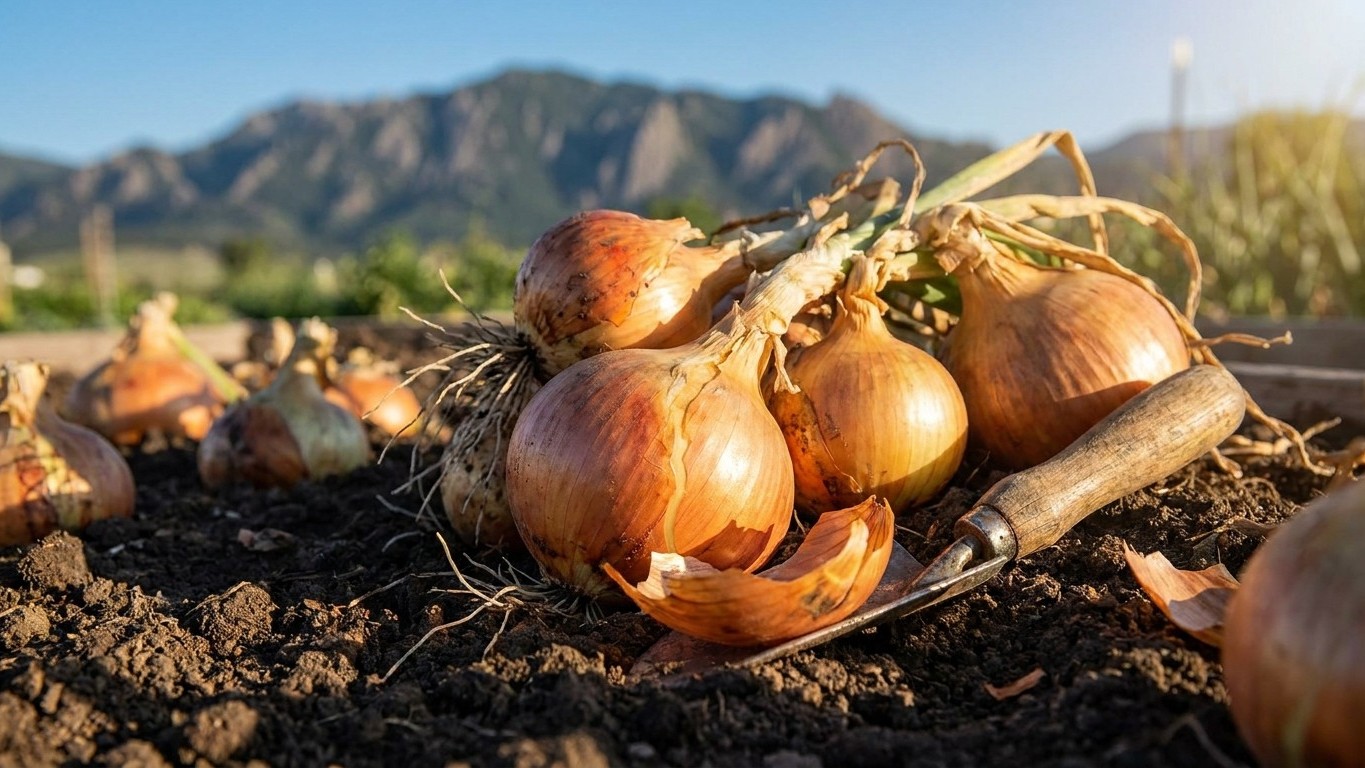
Lift onions in Delaware once most of the tops have flopped over and turned yellow, usually in midsummer.
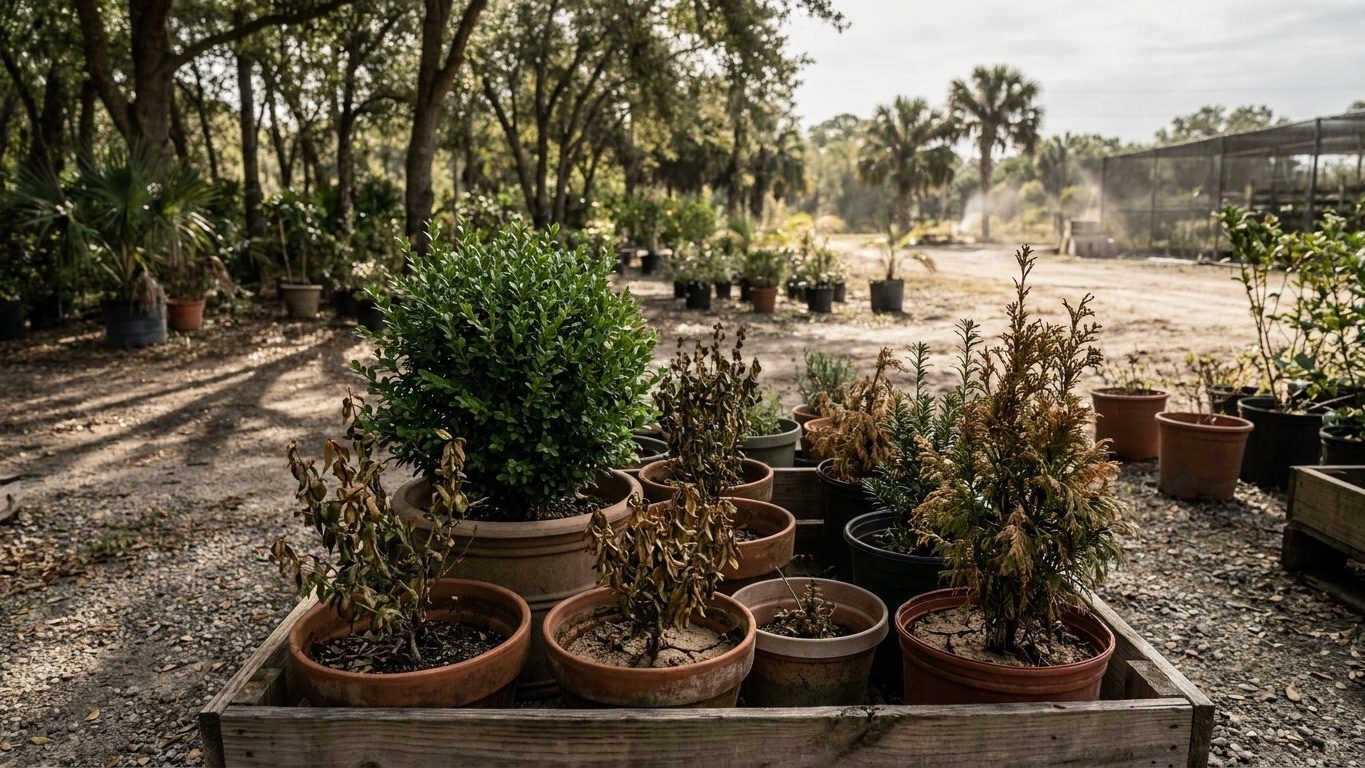
Of twelve widely planted hedge species, eight survive winter anywhere in Delaware’s 7a to 8a range (USDA system).
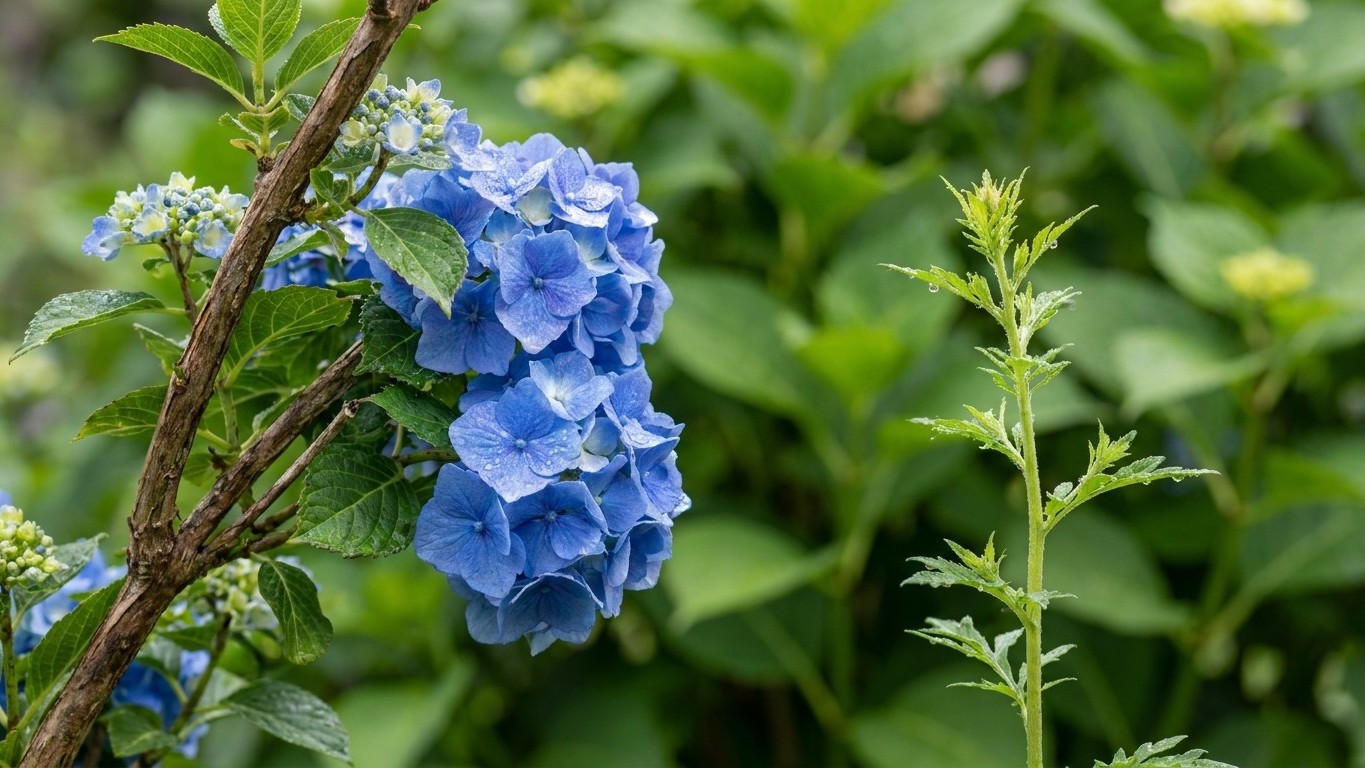
Most hydrangeas in Delaware need a modest winter routine, not a fortress. That means mulch over the crown, a loose cage of leaves or burlap for the…
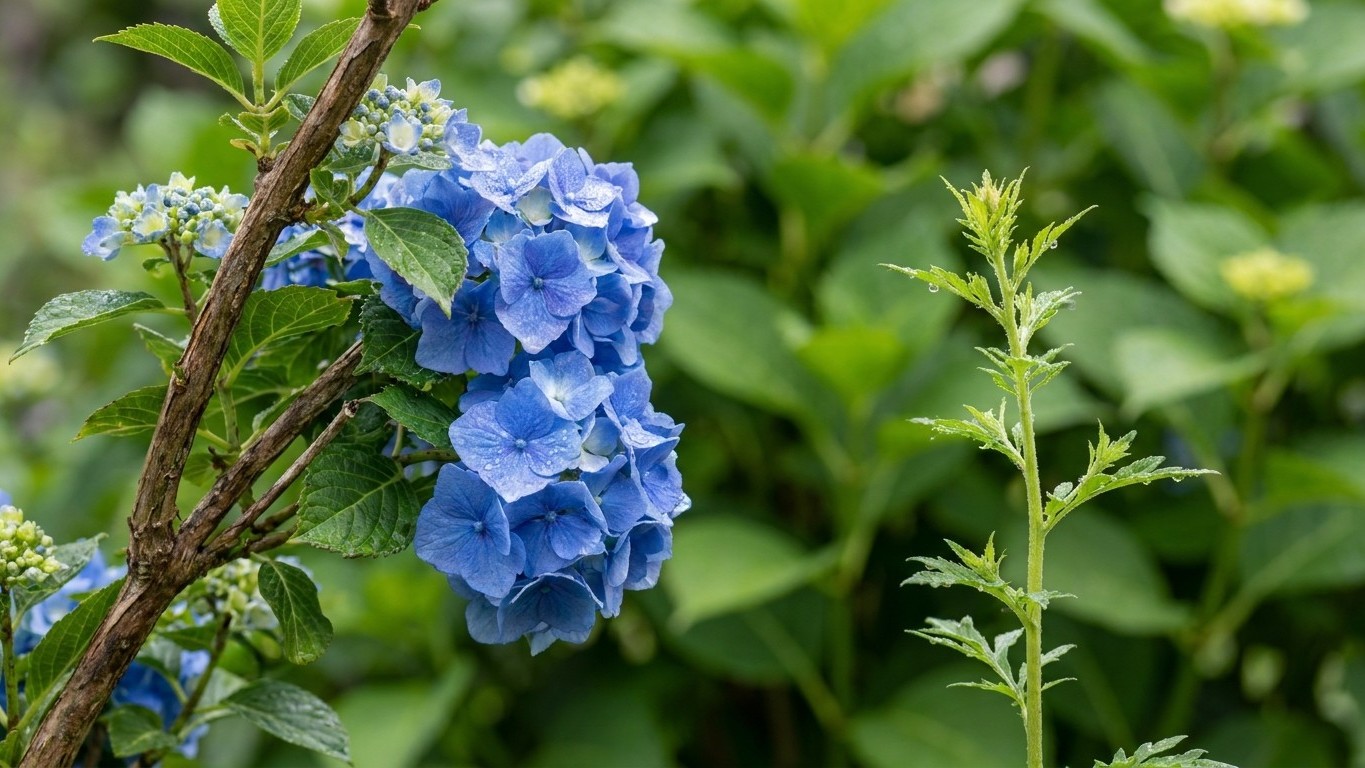
Nearly every hydrangea sold in Delaware will live through the winter. Zone 7a-8a on the USDA Plant Hardiness Zone Map is mild territory for this genus.