When to Cut Spinach in North Carolina, and How Long It Really Keeps
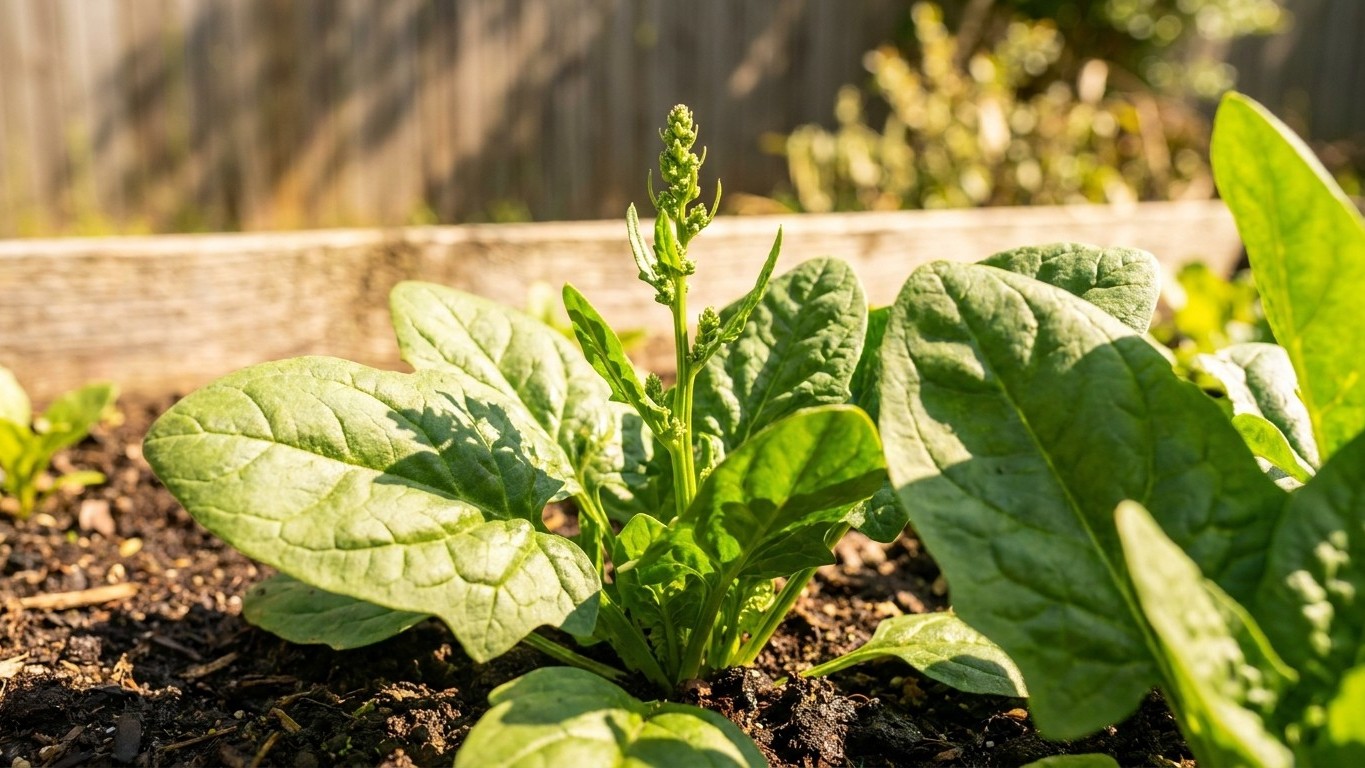
In North Carolina, cut spinach in the cool stretches on either side of summer: the weeks after a March sowing in spring, and the weeks between a…
Home & garden, state by state
Home and garden guidance specific to North Carolina: climate, seasons, local rules and rebates.
Everything we have worked out for North Carolina: what to plant and when, which varieties finish in time, the pests that actually turn up here, and the jobs that pay off month by month. We also cover the rest of the property, from lawns and soil to home care and energy, because a garden rarely stops at the vegetable bed.
The numbers first, because everything else follows from them. Measured at the weather station in Charlotte, the last spring freeze runs March 23 to April 5 and the first fall freeze runs October 30 to November 8, USDA zones 5b-8b, 4,943 growing degree days in the year.
Garlic does well: 21.8 weeks below 40 °F, comfortably past the six it needs to form a proper head.
Elsewhere on the property in North Carolina: the pests that turn up here.
Figures from NOAA's 1991-2020 climate normals. A state is not one climate: elevation, a large lake or the coast can move these dates by two weeks either way, so check your own county with the extension service before you spend money.
In North Carolina, cut spinach in the cool stretches on either side of summer: the weeks after a March sowing in spring, and the weeks between a…
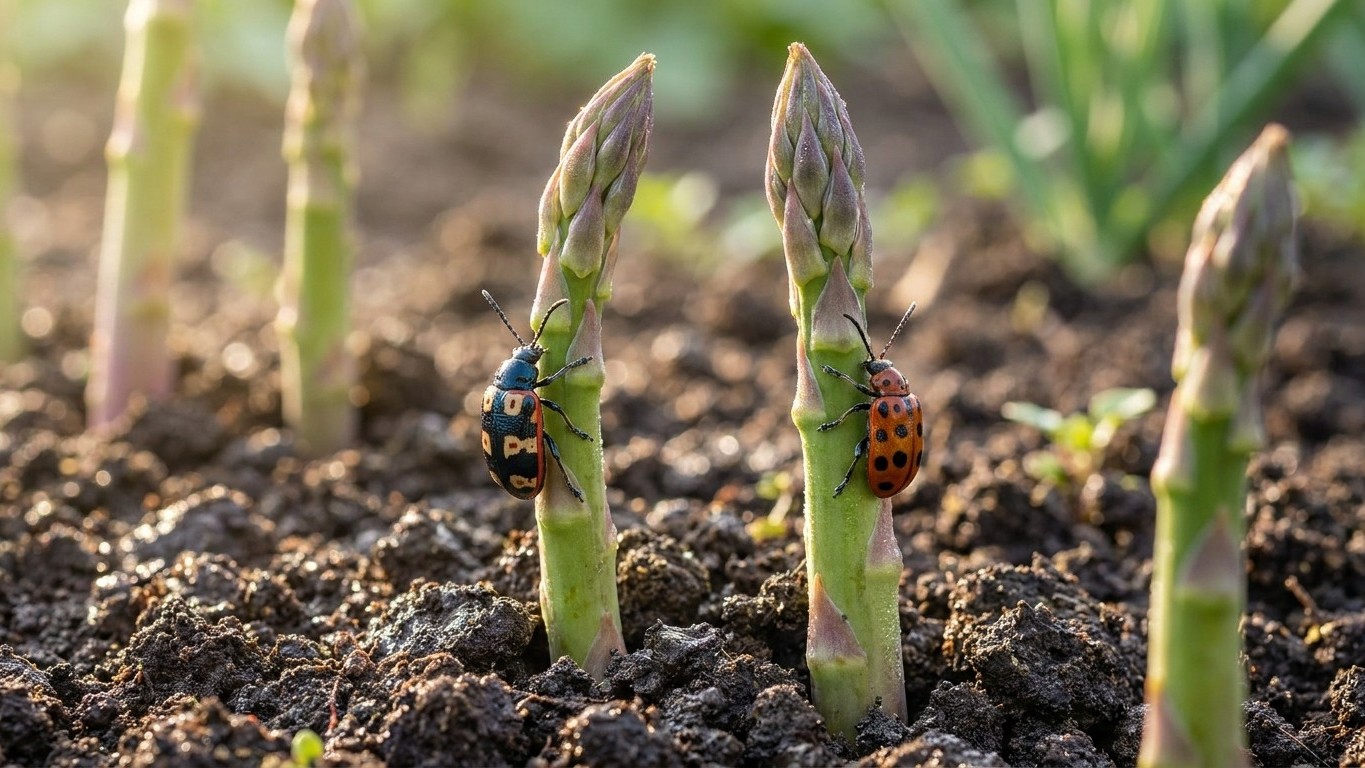
Stop cutting when most of the spears coming up are thinner than a pencil. That is a sign you can hold in your hand, not a date on a calendar.
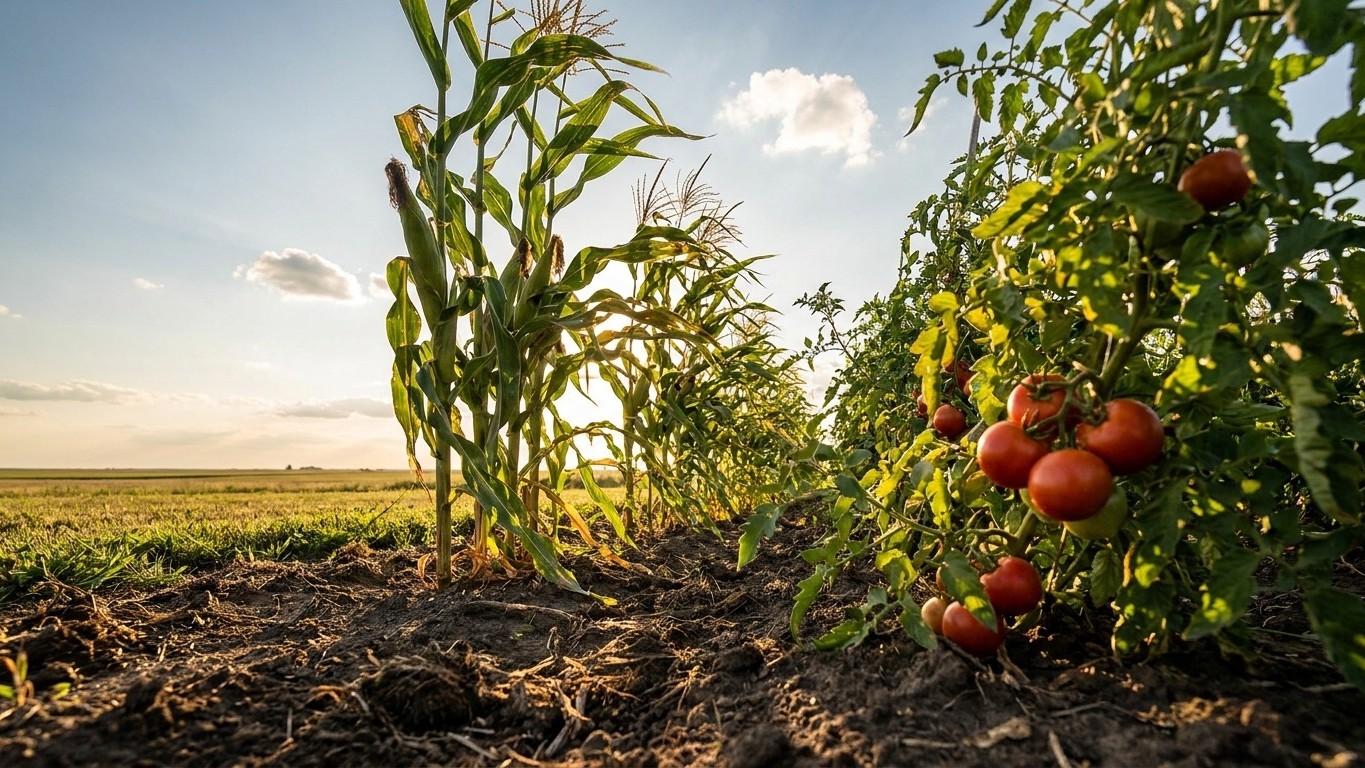
The usual suspects for “what eats corn” are raccoons and earworms, but the sources behind this page cover a different kind of loss: the ones the calendar…

In North Carolina, the most reliable thing to end a pumpkin crop is the calendar.
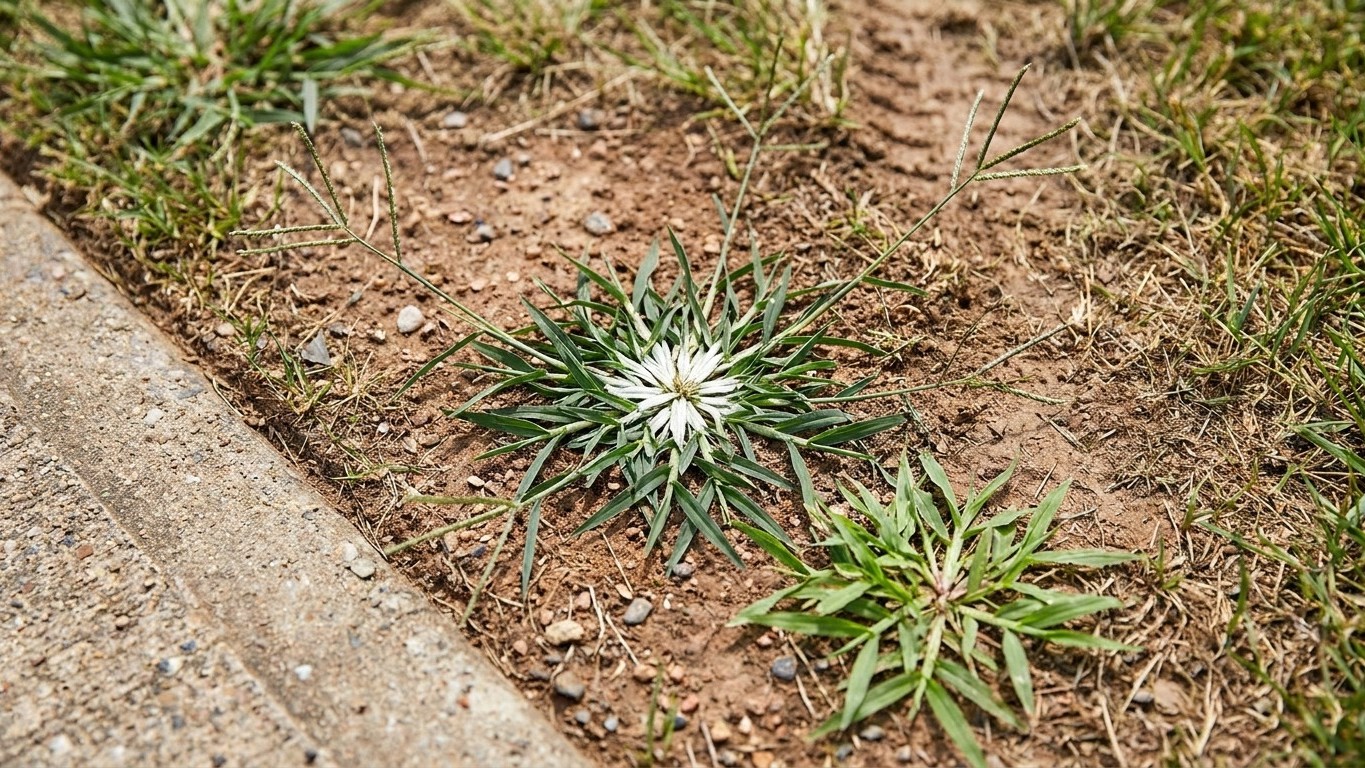
For a cool-season lawn (tall fescue, Kentucky bluegrass, perennial ryegrass), sow in fall, and in the Charlotte area that means roughly mid-September, no…
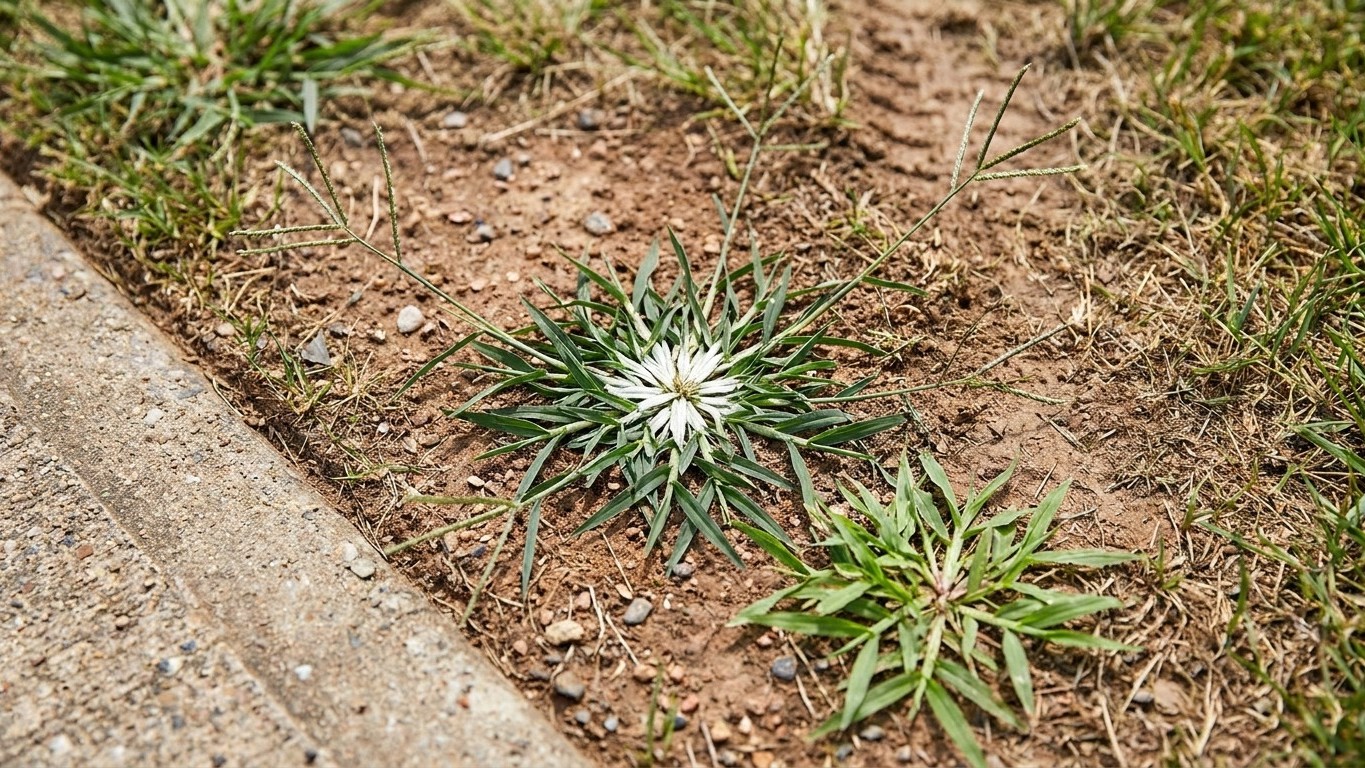
Most North Carolina lawns don’t need dethatching at all. Cut a wedge of turf and measure the brown, spongy layer: under 0.5 inch is healthy, and action…
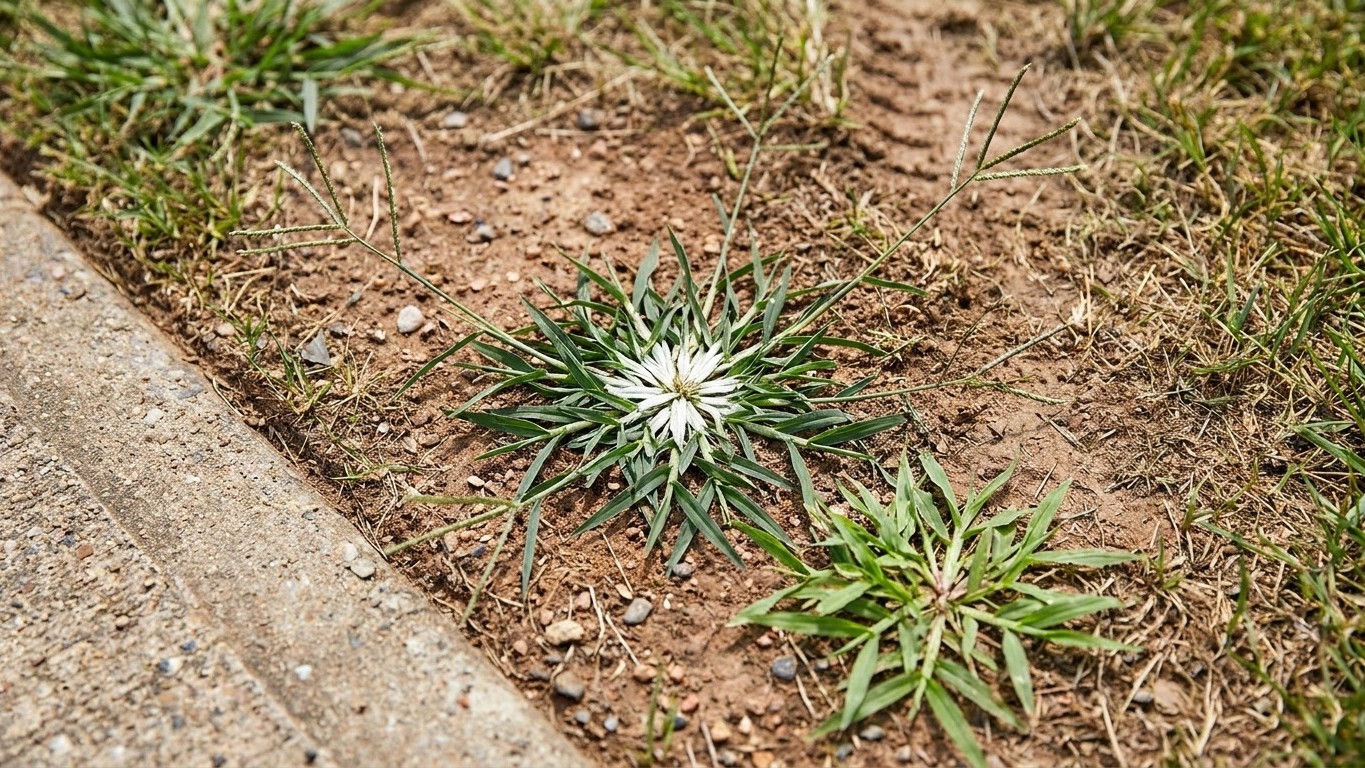
North Carolina sits in the turfgrass transition zone, so the right month depends on what is growing in your yard.
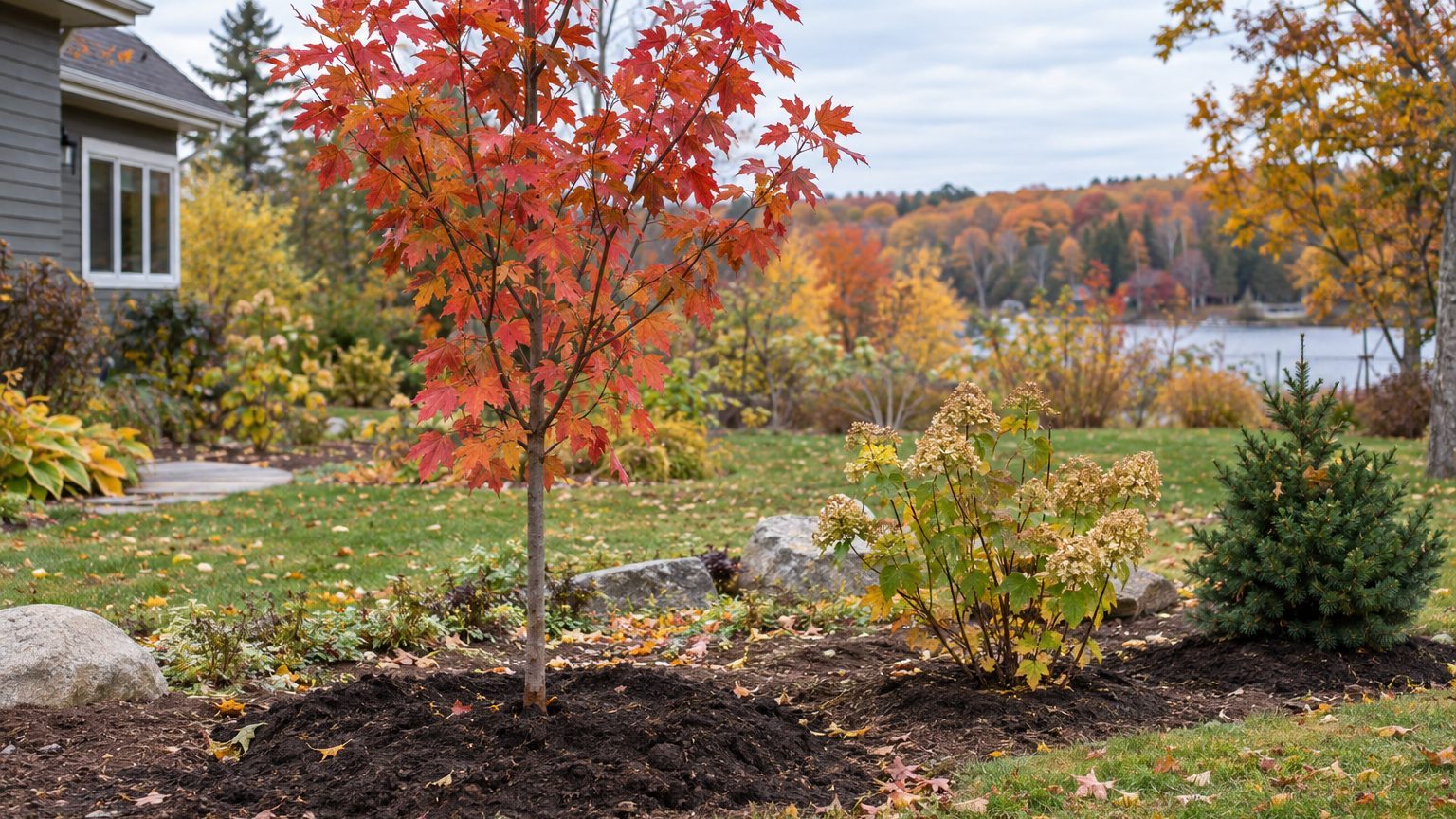
In North Carolina, the safe target for planting trees and shrubs is September 18 to September 27, six weeks before the first fall frost of October 30 to…
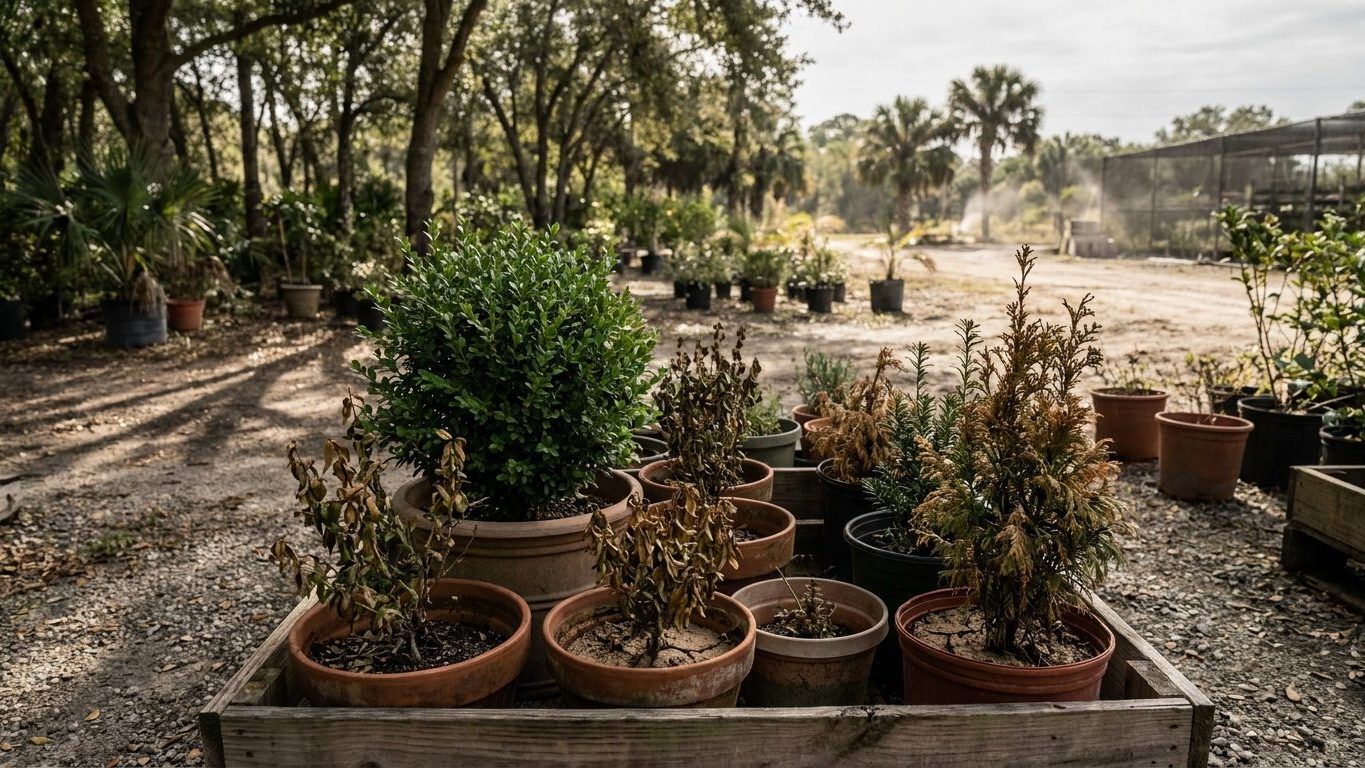
Of the twelve hedge plants covered here, six survive anywhere in North Carolina and six only in part of it. None fails statewide.
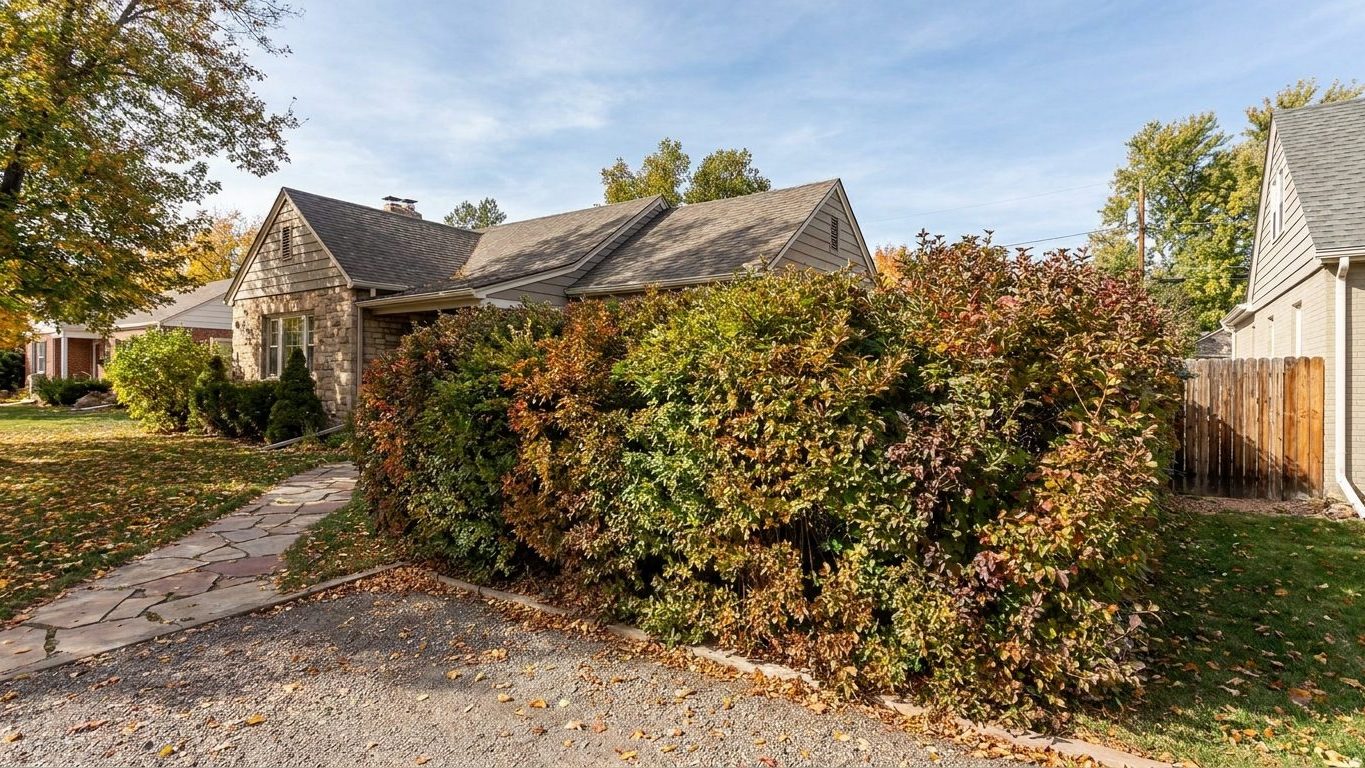
No state law sets a hedge height limit in North Carolina. Height limits come from your town or county’s zoning ordinance, and they differ from one…