When to Cut Spinach in New Hampshire, and How Long It Really Keeps
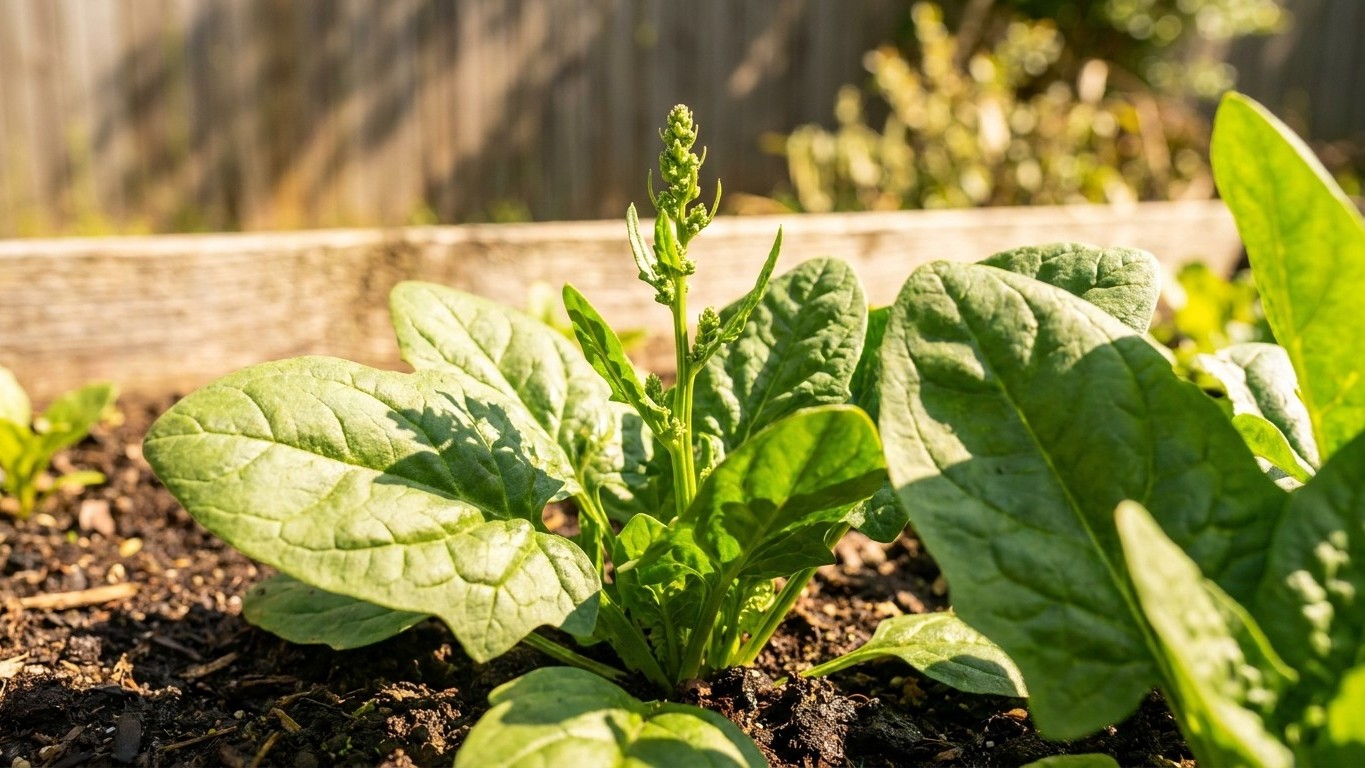
In New Hampshire, cut spinach in spring from the first leaves worth eating until daytime highs settle above 75 F or a flower stalk starts rising from the…
Home & garden, state by state
What home and garden advice looks like when it is written for New Hampshire — northeast seasons, northeast rules, and the numbers that go with them.
Everything we have worked out for New Hampshire: what to plant and when, which varieties finish in time, the pests that actually turn up here, and the jobs that pay off month by month. We also cover the rest of the property, from lawns and soil to home care and energy, because a garden rarely stops at the vegetable bed.
The numbers first, because everything else follows from them. Measured at the weather station in Manchester, the last spring freeze runs April 16 to April 27 and the first fall freeze runs October 13 to October 26, USDA zones 3b-6a, 2,973 growing degree days in the year.
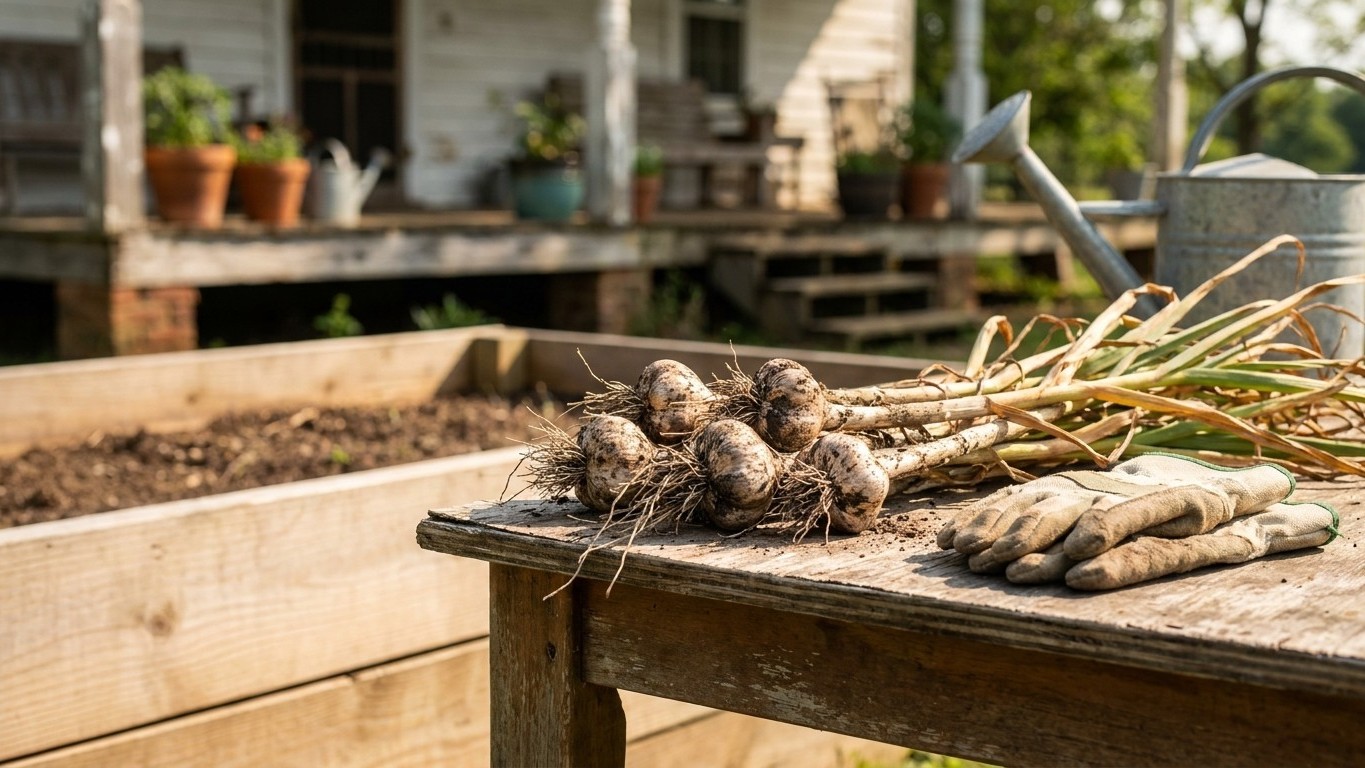
Garlic does well: 26.1 weeks below 40 °F, comfortably past the six it needs to form a proper head.
Elsewhere on the property in New Hampshire: the pests that turn up here.
Figures from NOAA's 1991-2020 climate normals. A state is not one climate: elevation, a large lake or the coast can move these dates by two weeks either way, so check your own county with the extension service before you spend money.
In New Hampshire, cut spinach in spring from the first leaves worth eating until daytime highs settle above 75 F or a flower stalk starts rising from the…
In New Hampshire, what eats a beet crop is mostly water and heat, with storage rot as a late third.
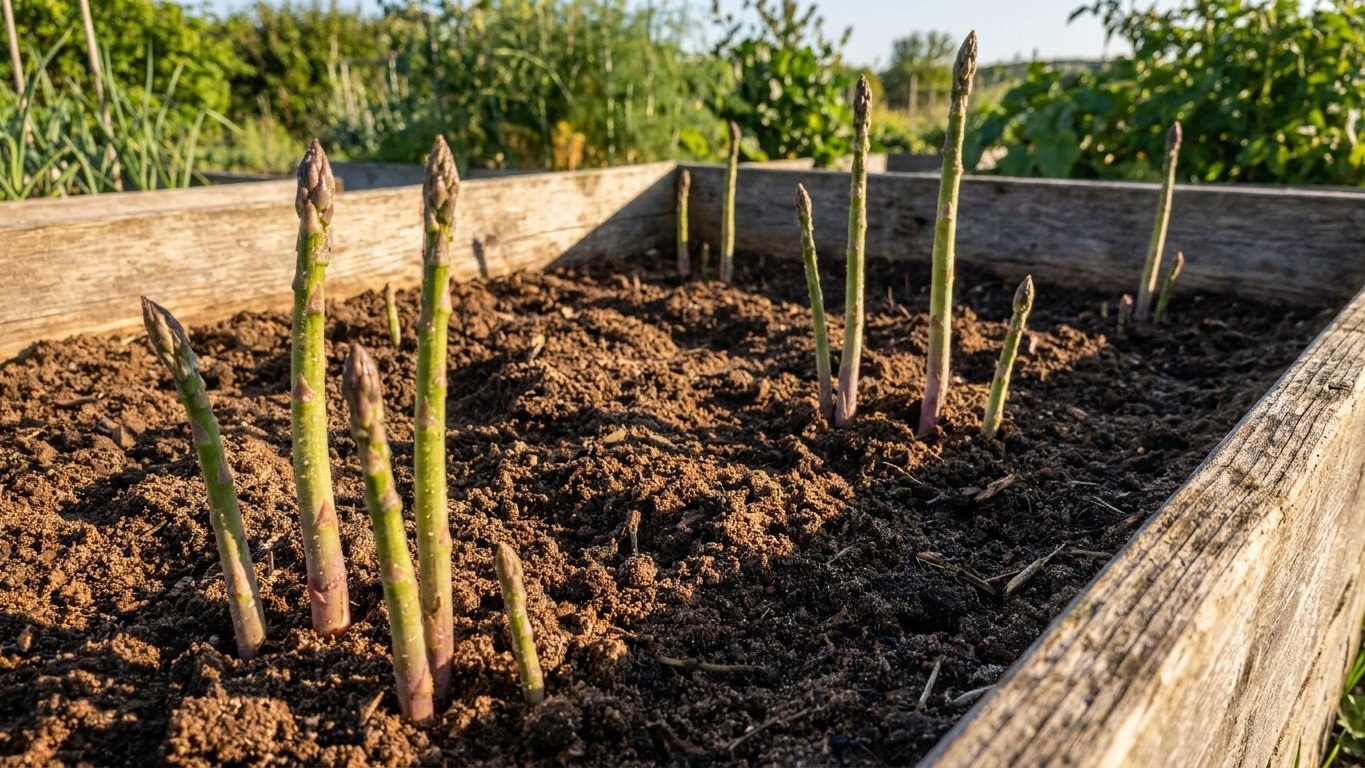
The first thing that eats a New Hampshire asparagus bed is you, and not before the third year.
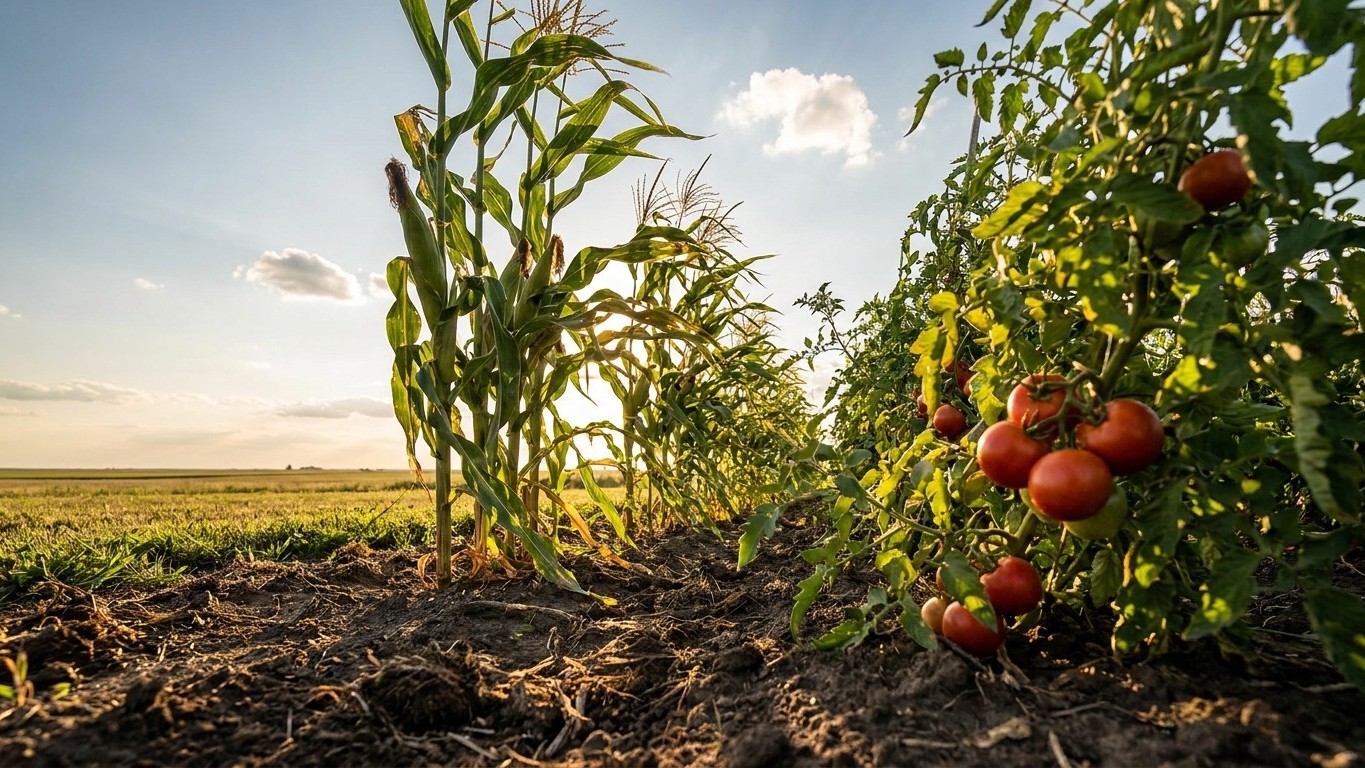
Corn in New Hampshire rarely loses to one big enemy. It loses to three quiet ones: soil that stays cold well after the last frost, a first fall freeze…
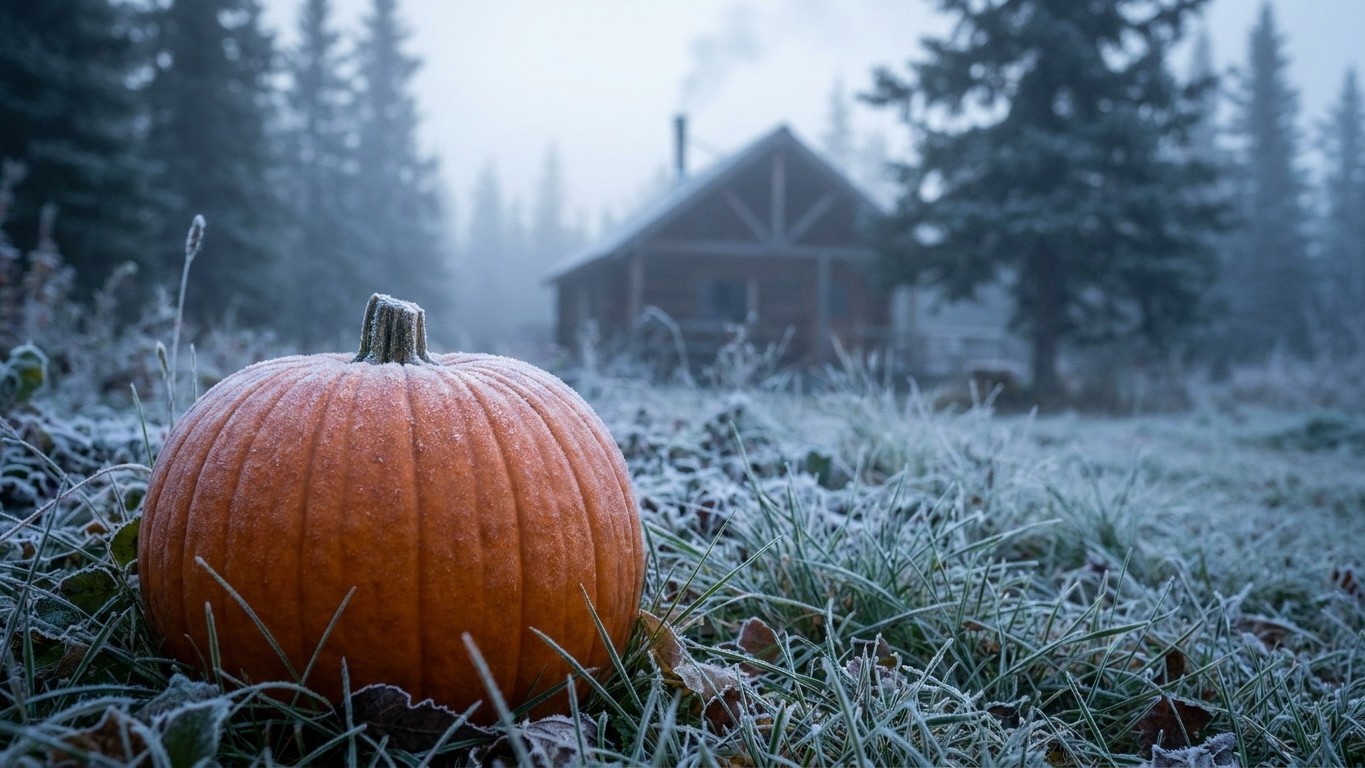
Frost, mostly. Squash bugs and cucumber beetles get the blame, and they do real damage, but in New Hampshire the biggest loss to a pumpkin crop is…
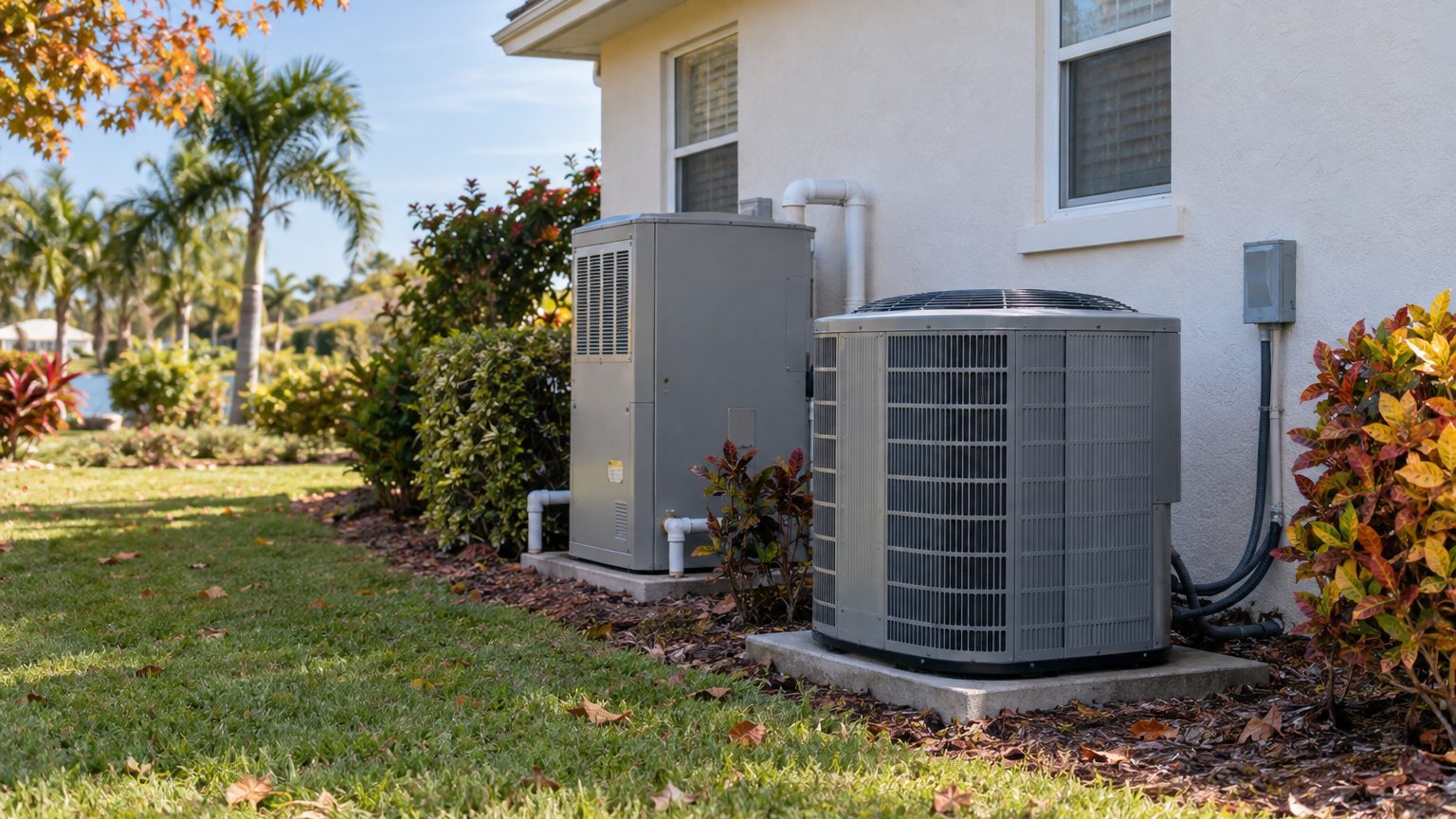
In New Hampshire, a natural gas furnace costs less to run than a heat pump, as long as a gas line already serves the house.
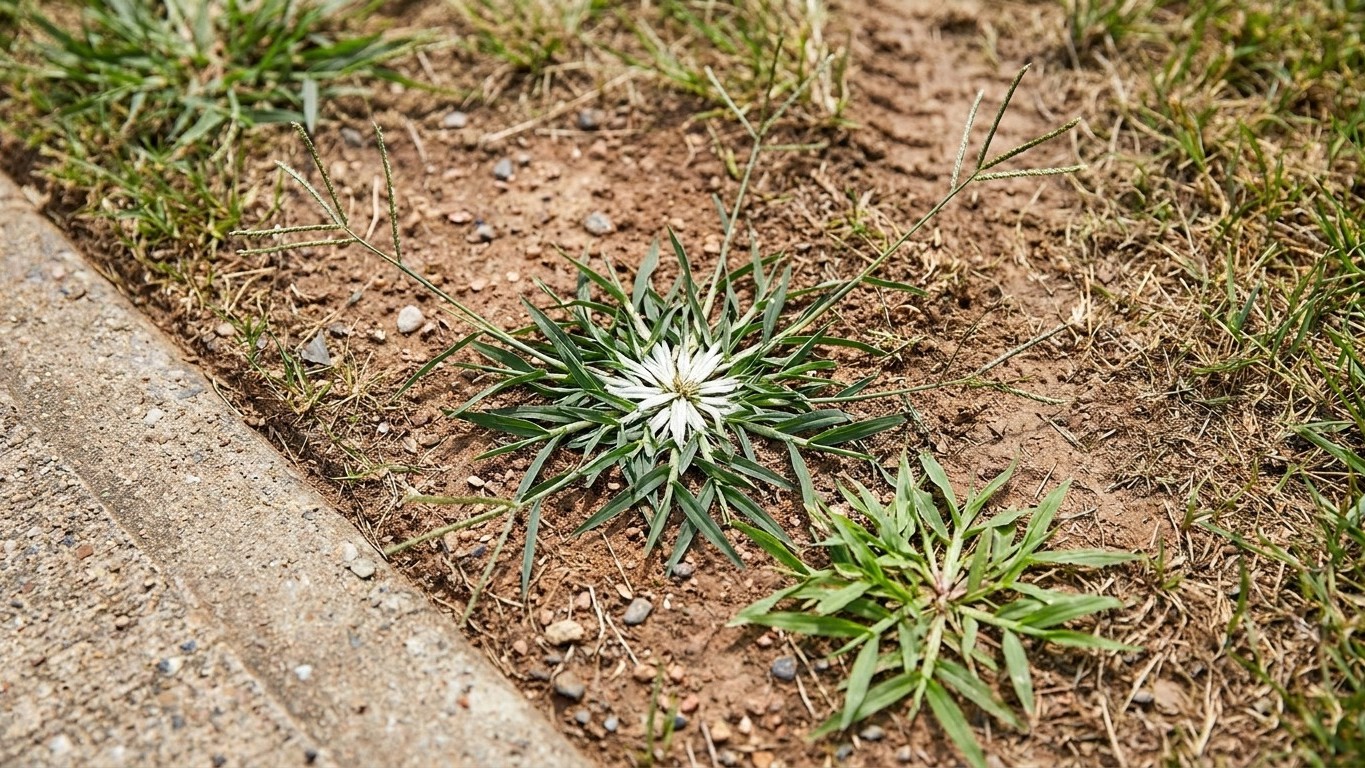
Set the mower between 2 and 3 inches for most New Hampshire lawns, which usually means Kentucky bluegrass or fine fescue.
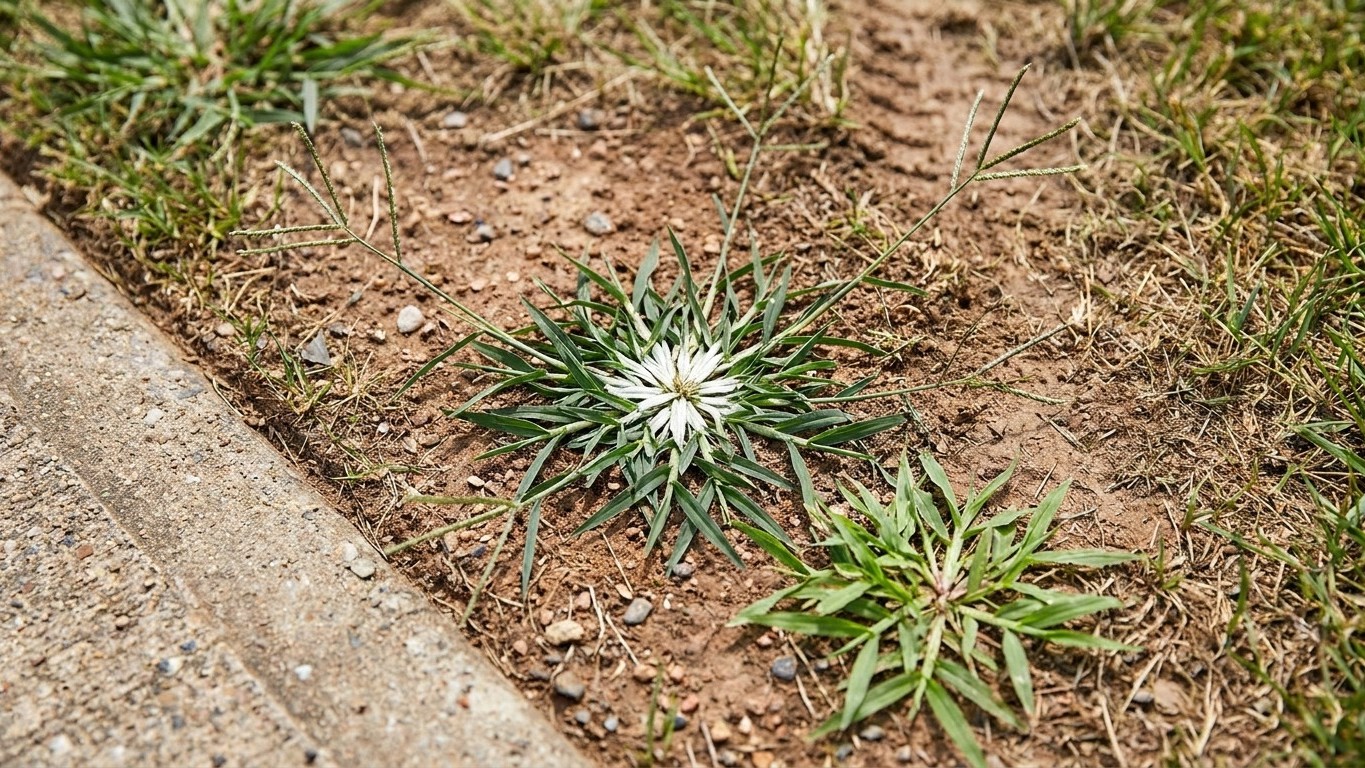
In New Hampshire, the best window to sow grass seed runs from late August through the first half of September, while the soil is still warm and the…
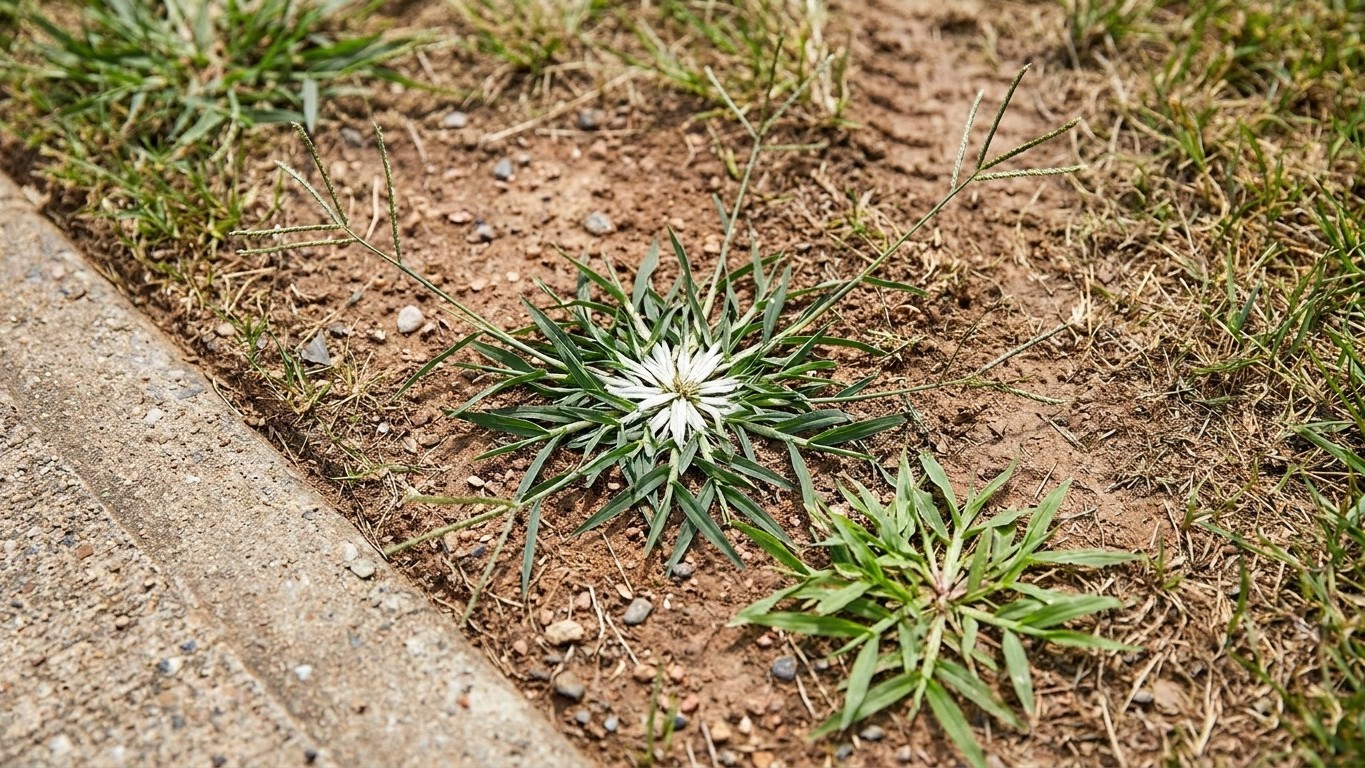
Most New Hampshire lawns do not need dethatching at all. If a spade-cut wedge shows more than 0.75 inch of thatch, the best window is late summer into…
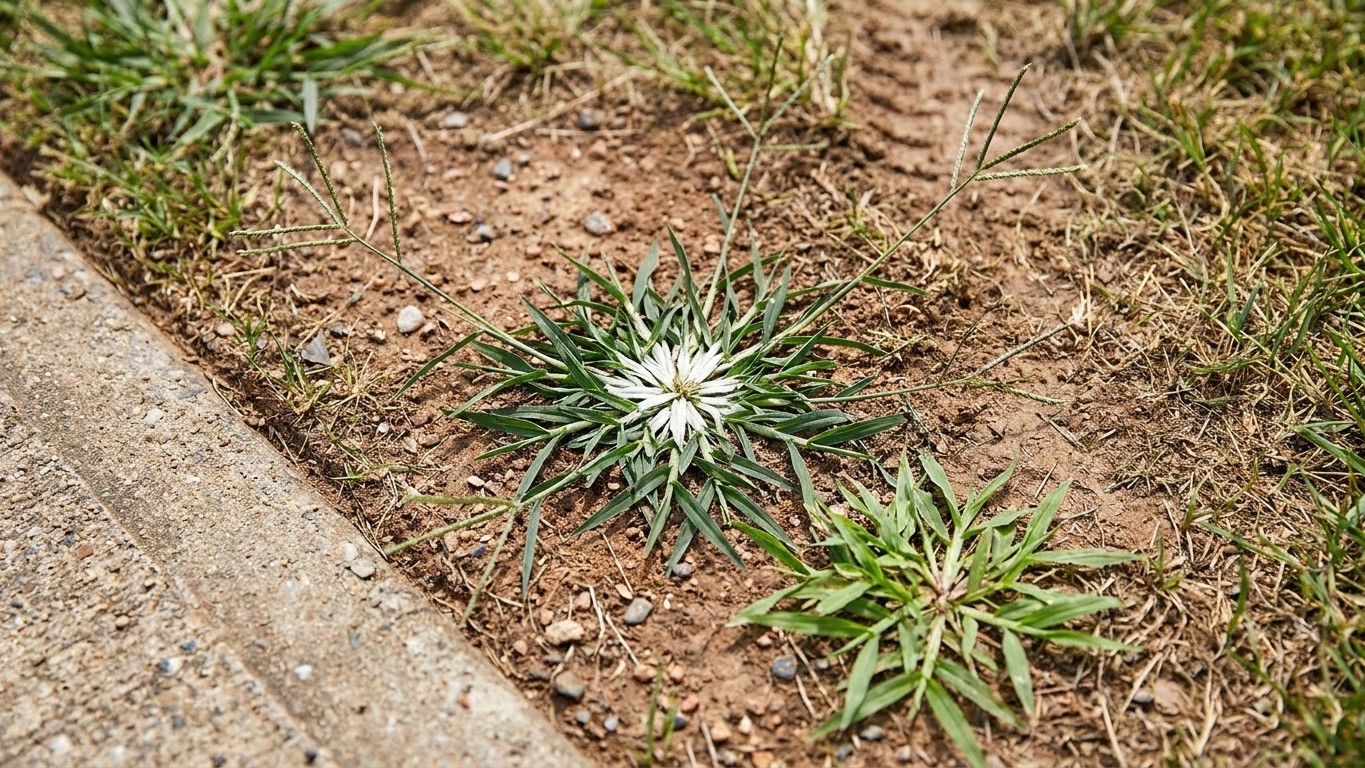
Aerate a New Hampshire lawn in fall, while the grass is still actively growing and before the first freeze.