When to Cut Spinach in Texas, and How Long It Really Keeps
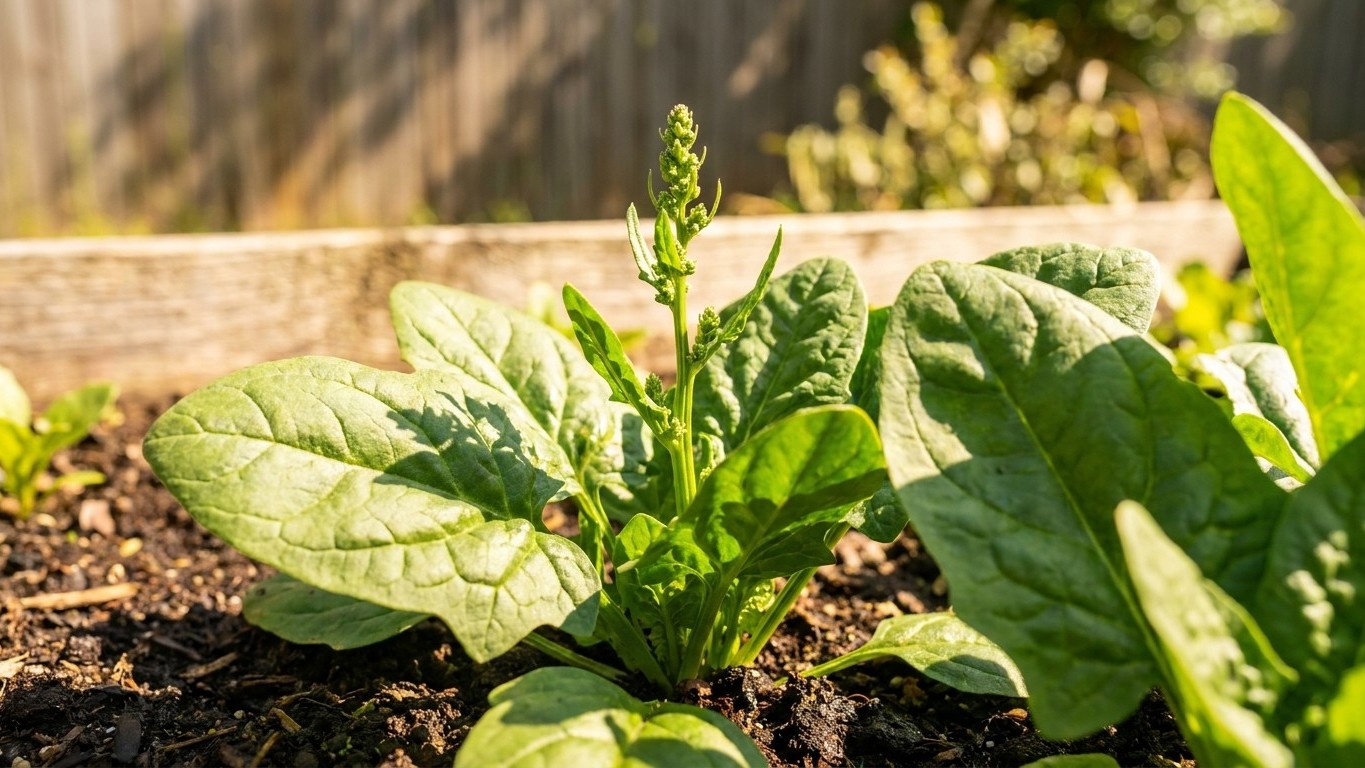
Cut spinach while temperatures stay under 75 F and before a seed stalk starts rising from the center.
Home & garden, state by state
Home and garden guidance specific to Texas: climate, seasons, local rules and rebates.
Everything we have worked out for Texas: what to plant and when, which varieties finish in time, the pests that actually turn up here, and the jobs that pay off month by month. We also cover the rest of the property, from lawns and soil to home care and energy, because a garden rarely stops at the vegetable bed.
The numbers first, because everything else follows from them. Measured at the weather station in Houston, the last spring freeze runs February 4 to March 1 and the first fall freeze runs December 1 to December 19, USDA zones 6a-10a, 7,280 growing degree days in the year.
Heat, not frost, is what shortens the season here: above 86 °F tomato pollen goes sterile, so growers run a spring crop and an autumn one rather than a single long season. Garlic is the awkward one: only 0 weeks below 40 °F, where it needs six to split into cloves. Chill the cloves before planting, or grow a softneck type.
Elsewhere on the property in Texas: the pests that turn up here.
Figures from NOAA's 1991-2020 climate normals. A state is not one climate: elevation, a large lake or the coast can move these dates by two weeks either way, so check your own county with the extension service before you spend money.
Cut spinach while temperatures stay under 75 F and before a seed stalk starts rising from the center.
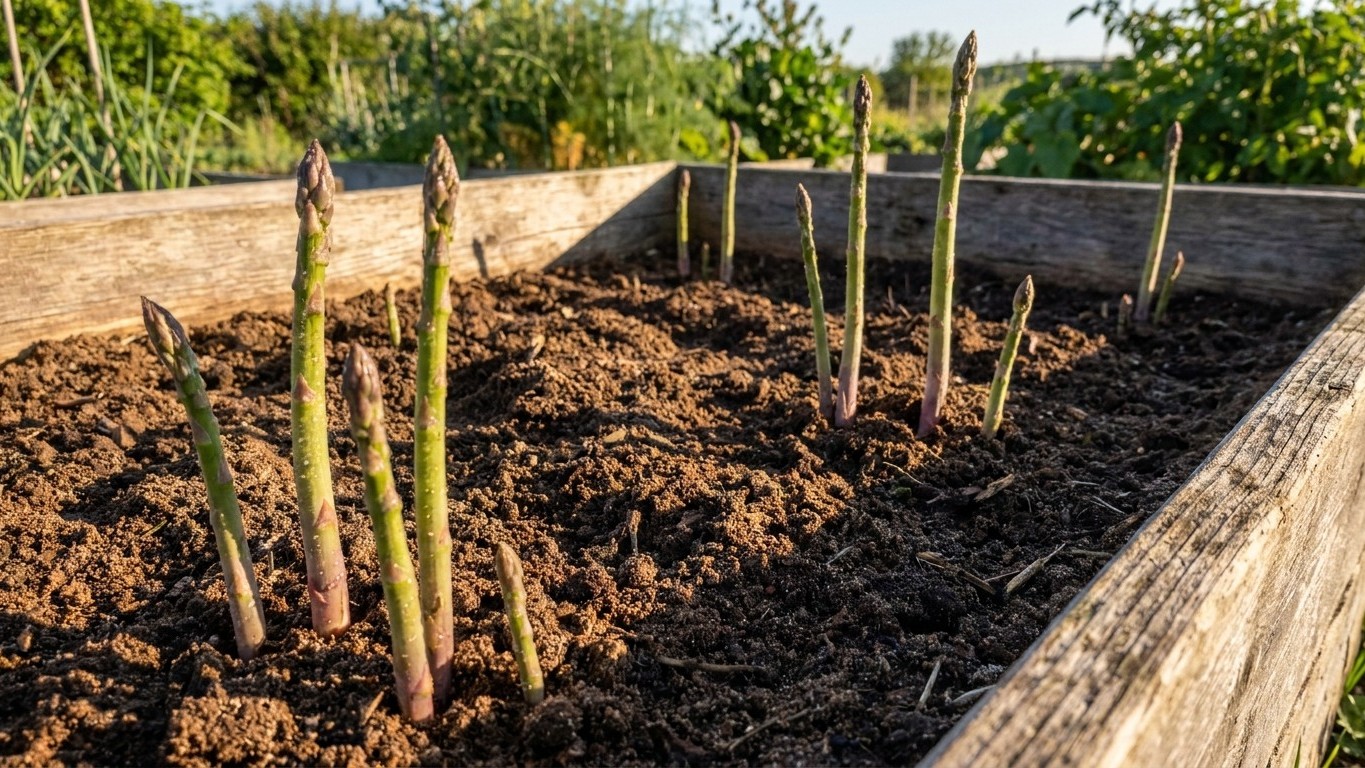
Stop cutting when most of the spears coming up are thinner than a pencil. That is the signal, not a calendar date.
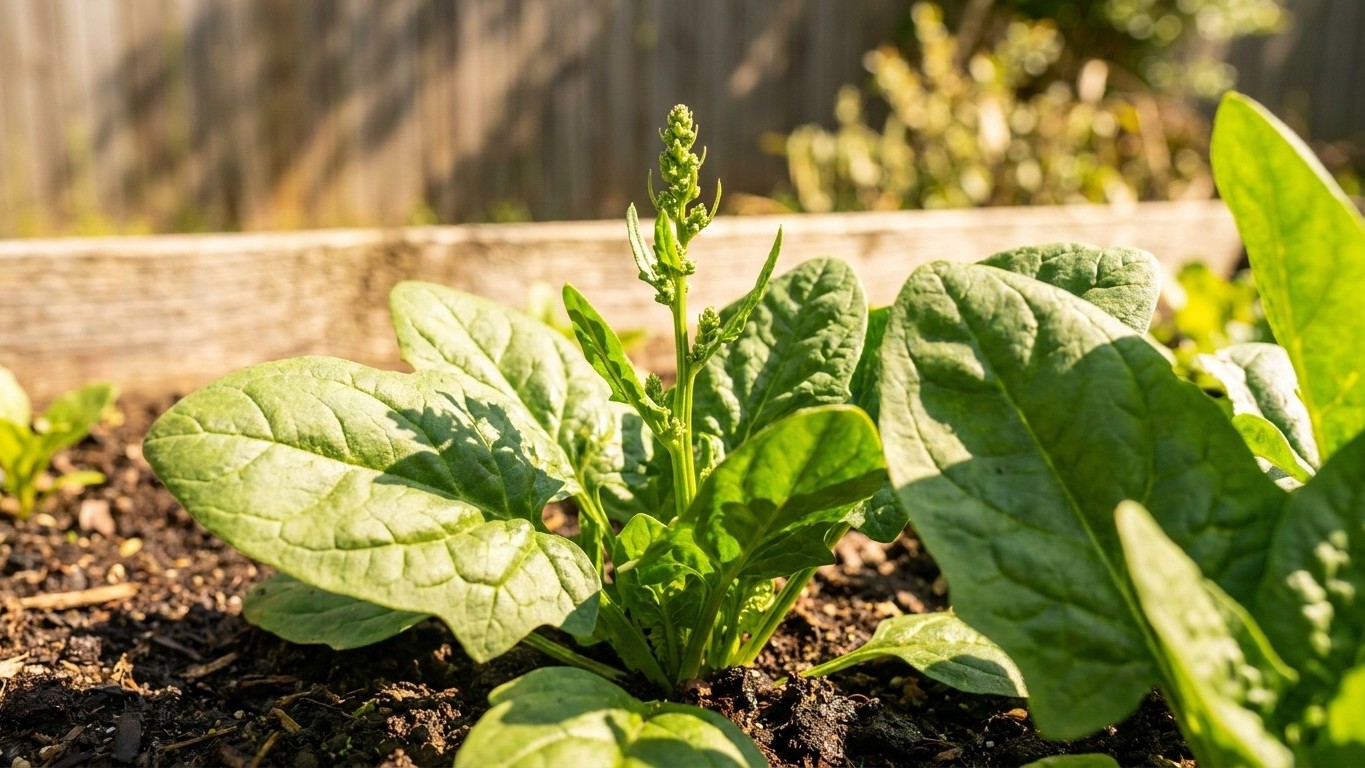
Three things eat a spinach crop in Texas, and none of them has legs: lengthening days, heat above 75 F, and, in autumn, soil too warm for seeds to sprout.
For Houston, the answer runs from late October to early February, depending on the crop. Onions go into pots first, between October 22 and November 23.
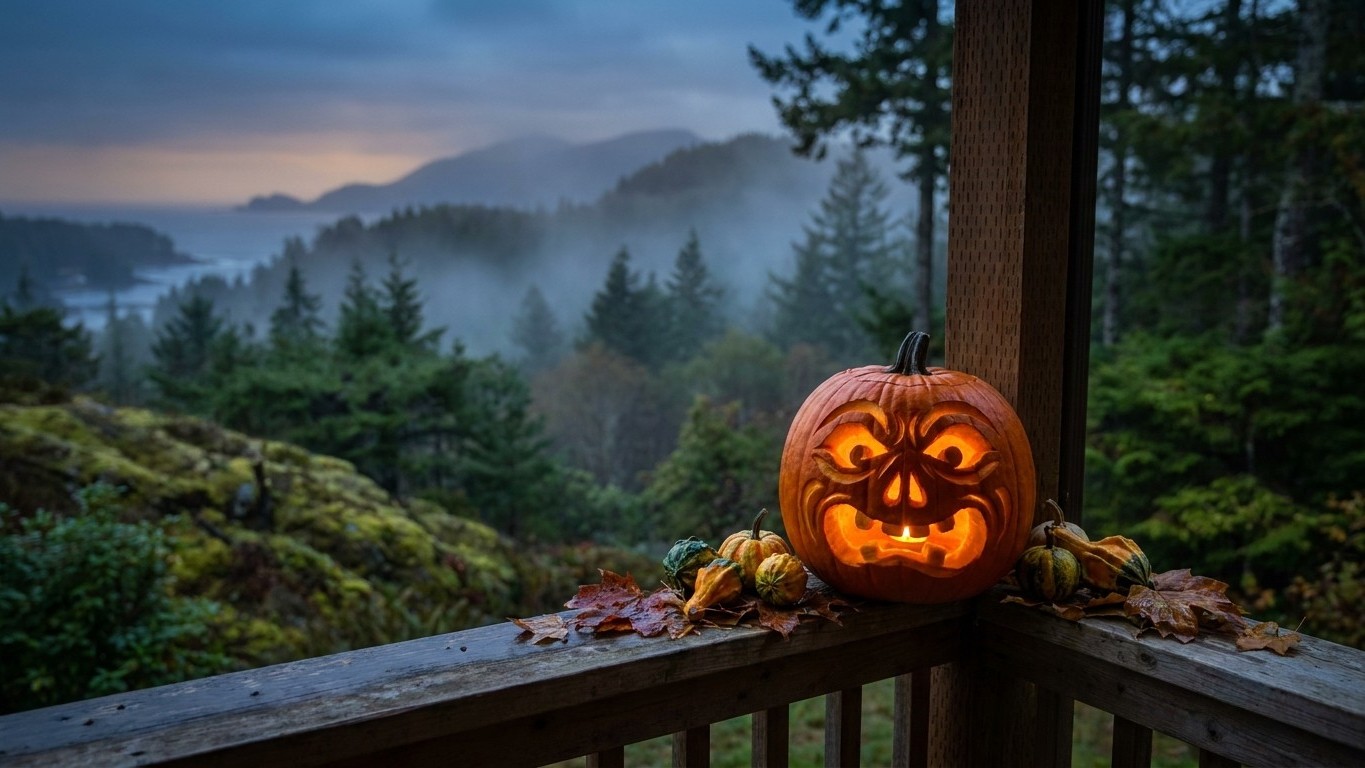
Two insects, squash bugs and cucumber beetles, take most of the blame for lost pumpkins, and each has its own page in this Texas series.
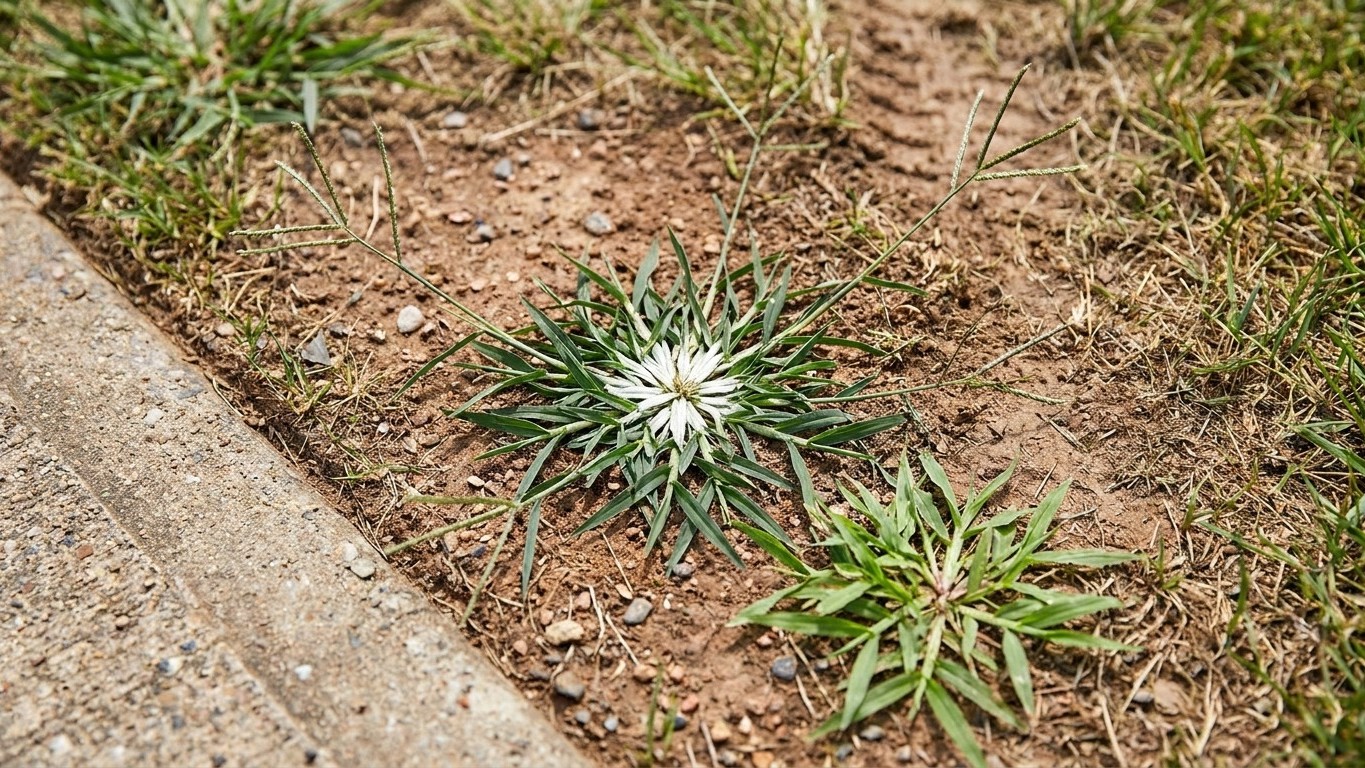
Sow warm-season grass seed in spring, after the last freeze, once soil two inches down holds at 65 °F and is still climbing.
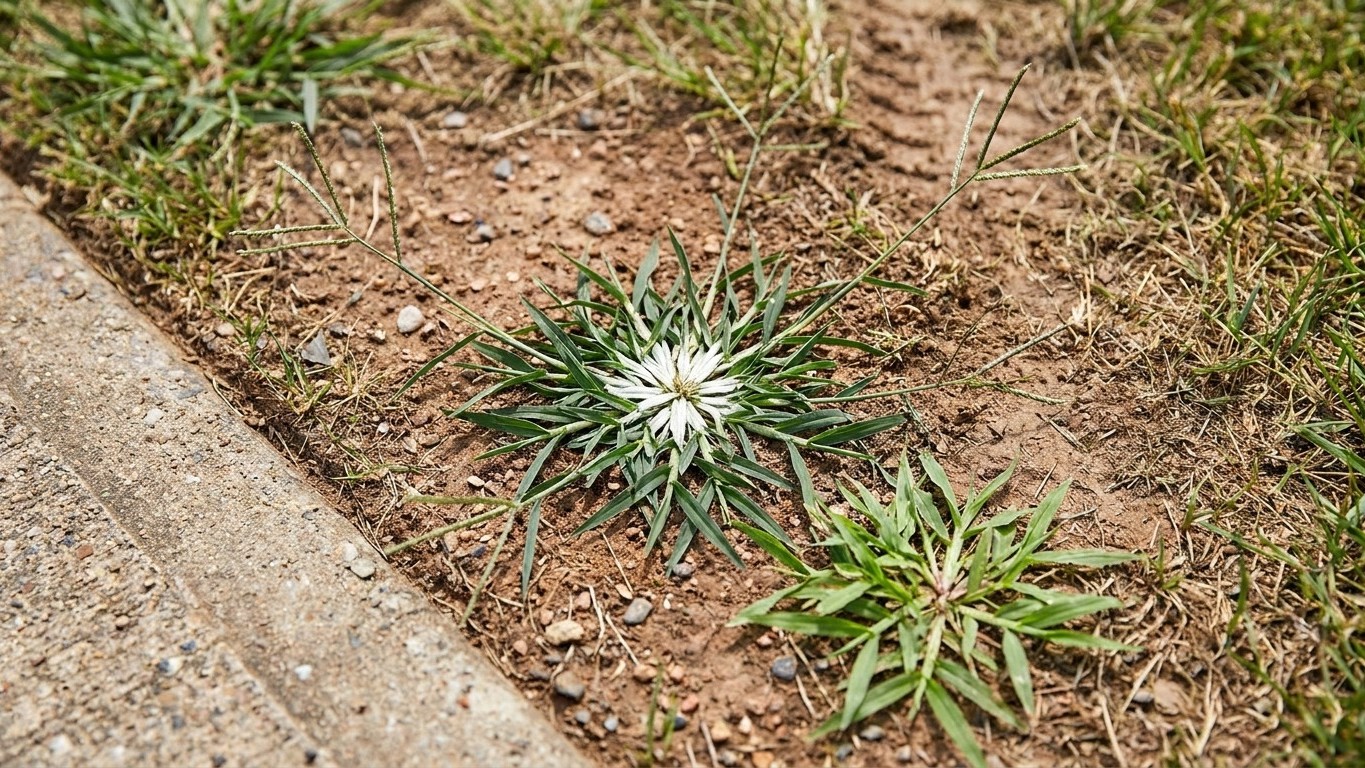
Most Texas lawns never need dethatching. Cut a wedge of turf, and if the brown, spongy layer under the green measures less than 0.5 inch, leave the…
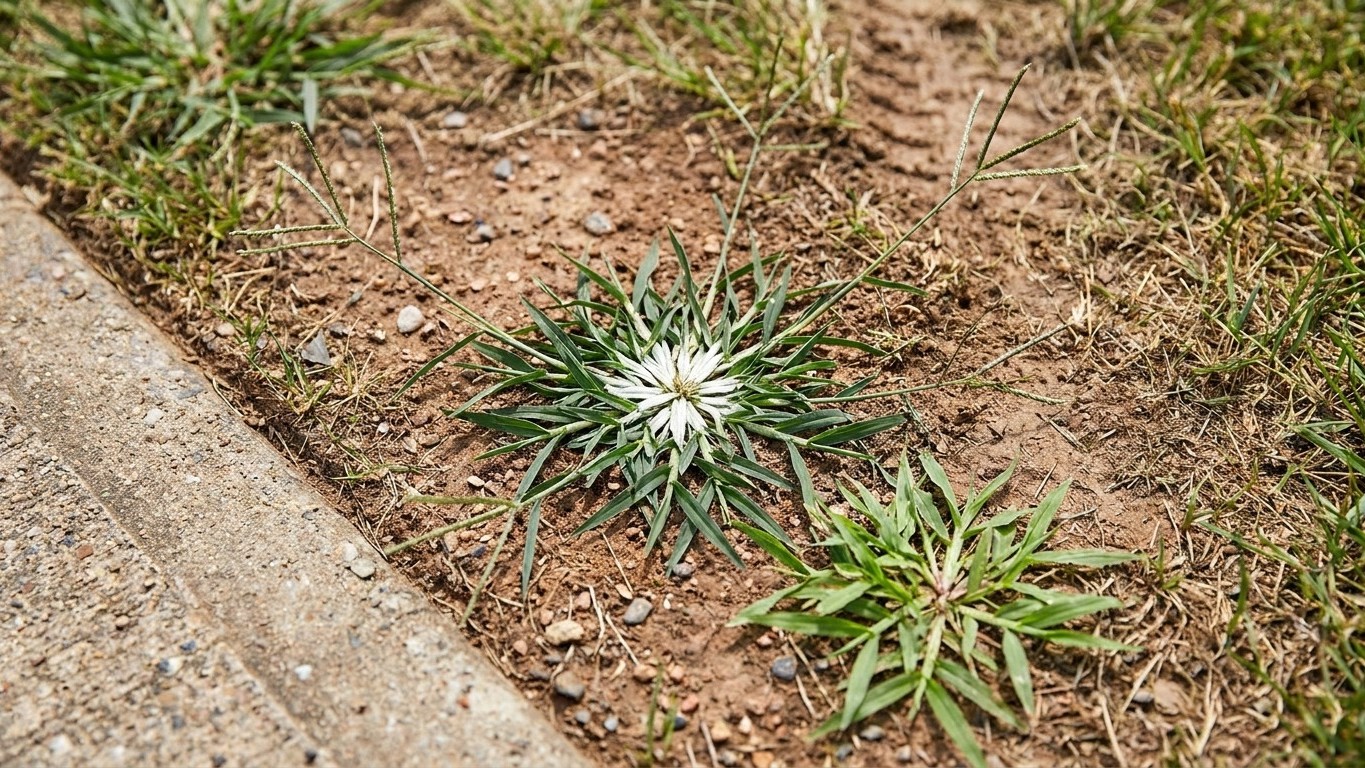
Most Texas lawns are warm-season grasses, so the aeration window is summer, while the grass is actively growing. Fall is not the time.
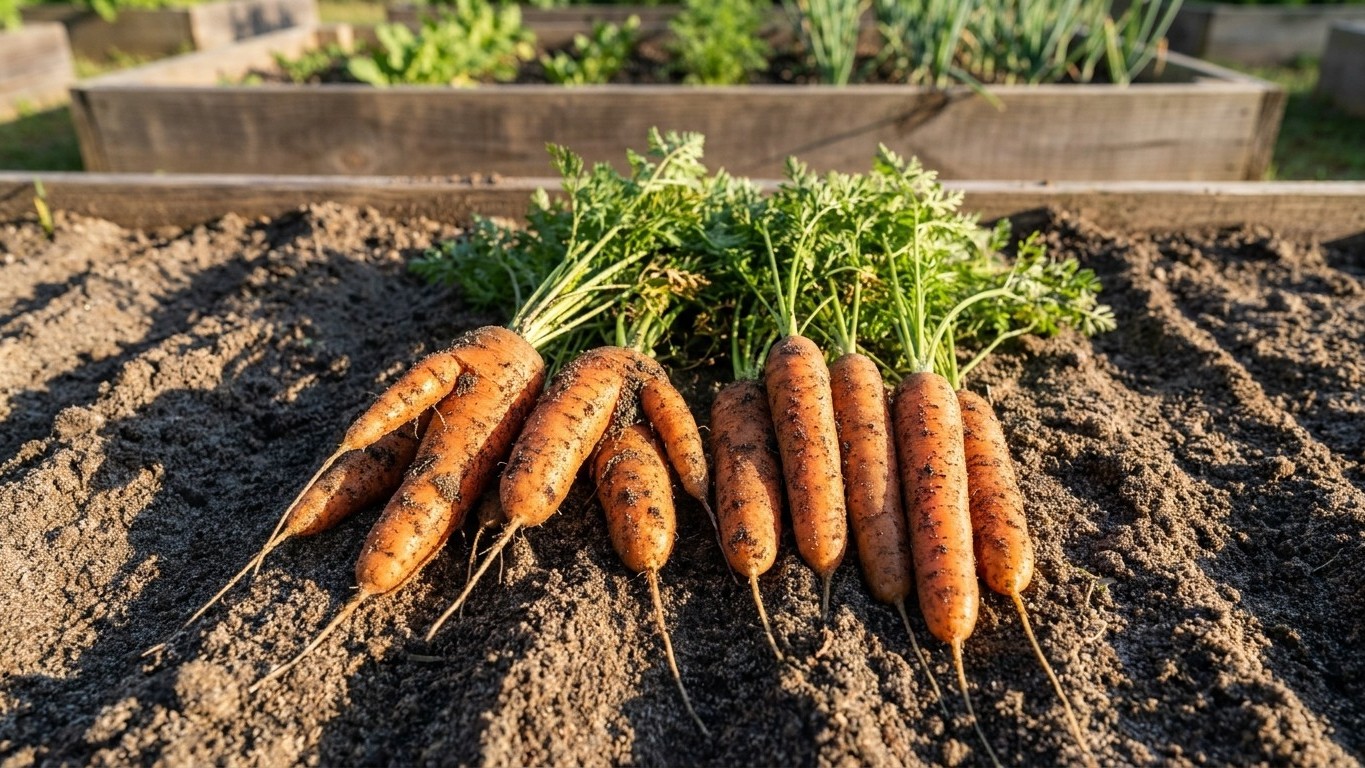
Texas does not have one carrot pest calendar that this page can vouch for. No verified list of insects or animals, and no dates for when they arrive, are…
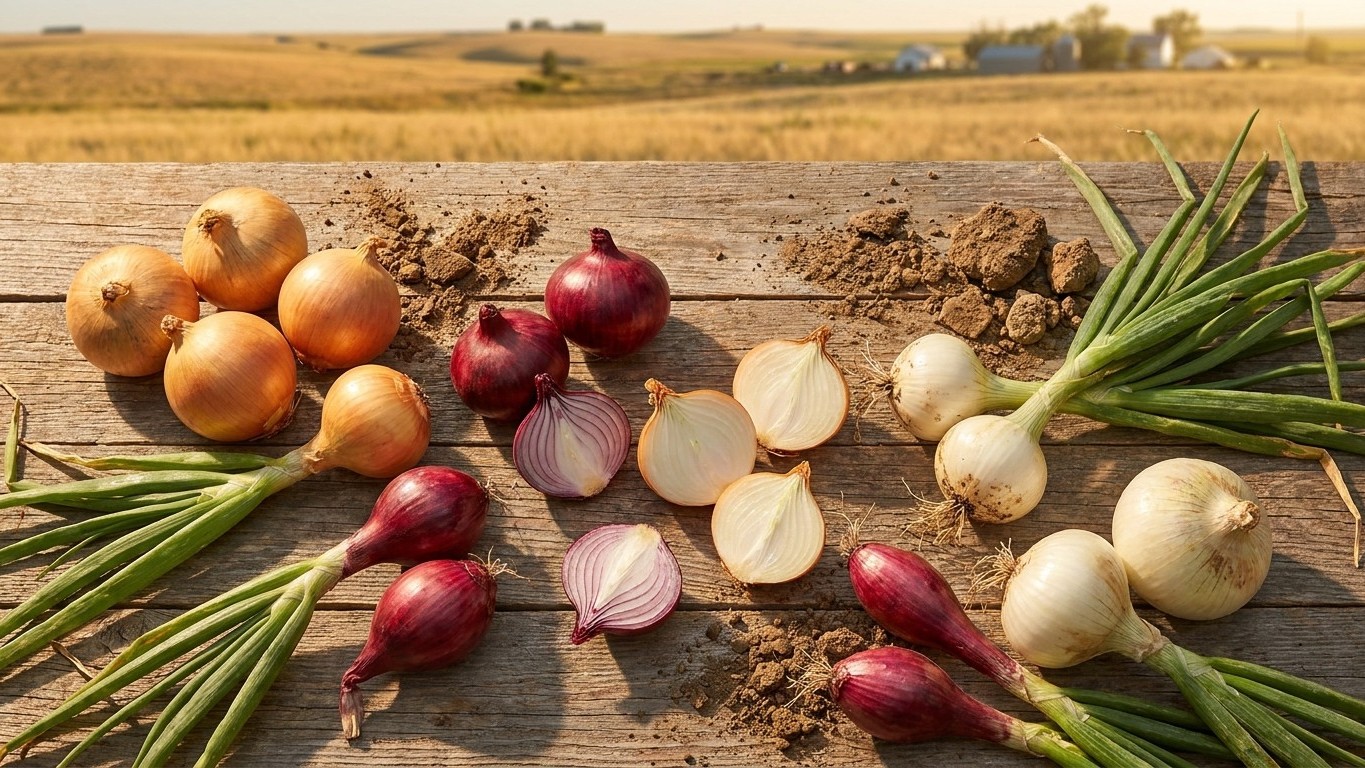
Thrips do most of the damage to onions in Texas, and they do it in spring, just as the plants decide how big a bulb to make.