How High to Mow a Lawn in Florida
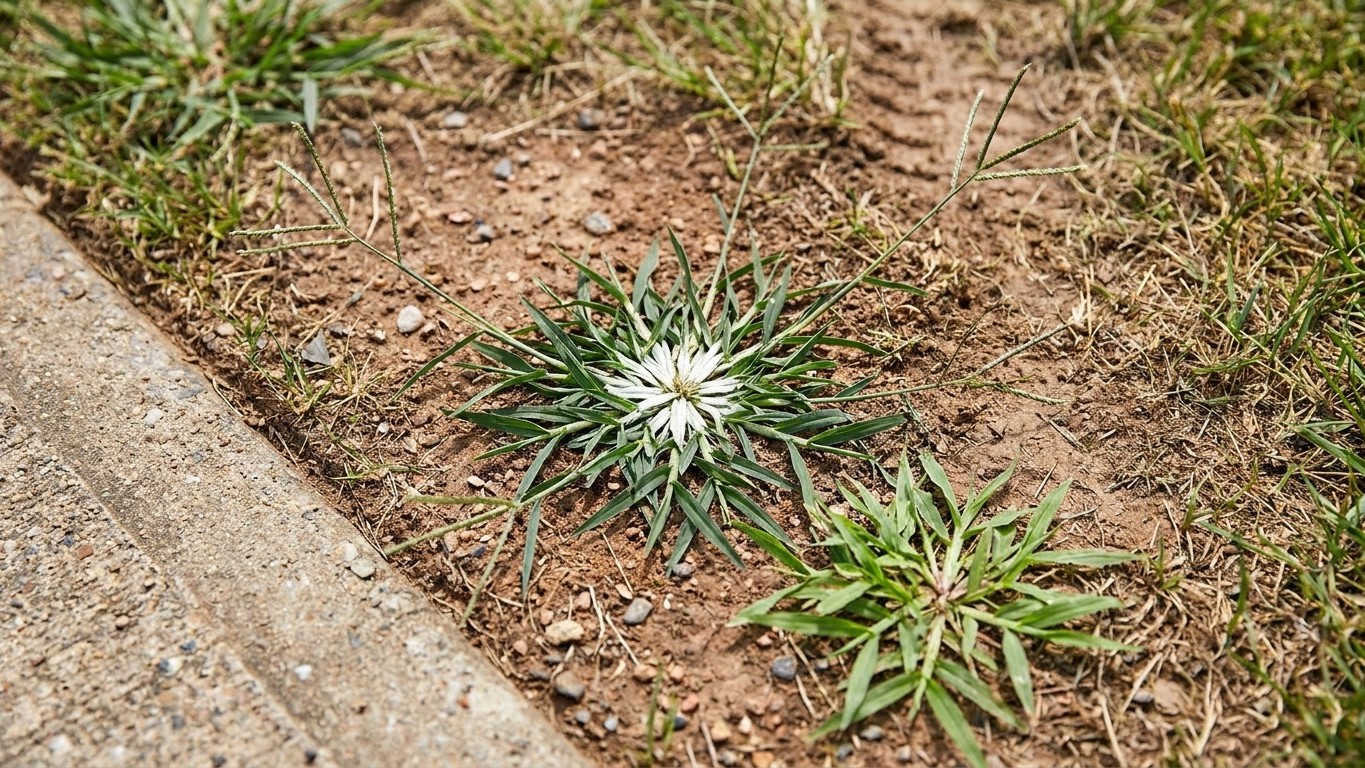
Most Florida lawns fall into two height groups. Bermudagrass, zoysiagrass, seashore paspalum and carpetgrass are cut at 1 to 2 inches, and centipedegrass…
Home & garden, state by state
Home and garden guidance specific to Florida: climate, seasons, local rules and rebates.
Everything we have worked out for Florida: what to plant and when, which varieties finish in time, the pests that actually turn up here, and the jobs that pay off month by month. We also cover the rest of the property, from lawns and soil to home care and energy, because a garden rarely stops at the vegetable bed.
The numbers first, because everything else follows from them. Measured at the weather station in Jacksonville, the last spring freeze runs February 16 to March 7 and the first fall freeze runs November 26 to December 13, USDA zones 8b-11b, 7,000 growing degree days in the year.
Heat, not frost, is what shortens the season here: above 86 °F tomato pollen goes sterile, so growers run a spring crop and an autumn one rather than a single long season. Garlic is the awkward one: only 0 weeks below 40 °F, where it needs six to split into cloves. Chill the cloves before planting, or grow a softneck type.
Elsewhere on the property in Florida: the pests that turn up here.
Figures from NOAA's 1991-2020 climate normals. A state is not one climate: elevation, a large lake or the coast can move these dates by two weeks either way, so check your own county with the extension service before you spend money.
The planting guide for each month in Florida:
Most Florida lawns fall into two height groups. Bermudagrass, zoysiagrass, seashore paspalum and carpetgrass are cut at 1 to 2 inches, and centipedegrass…
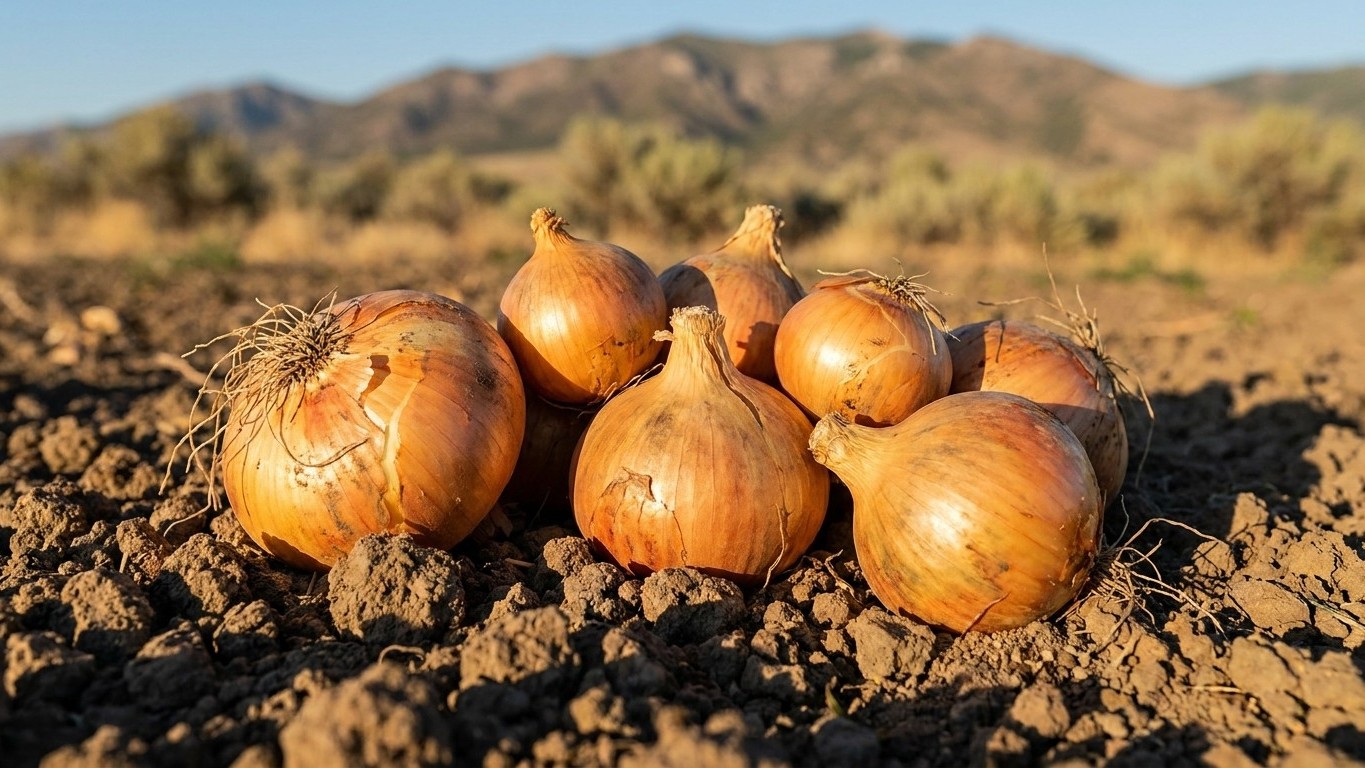
Lift onions when most of the tops have flopped over and started to yellow, then cure them before anything else.
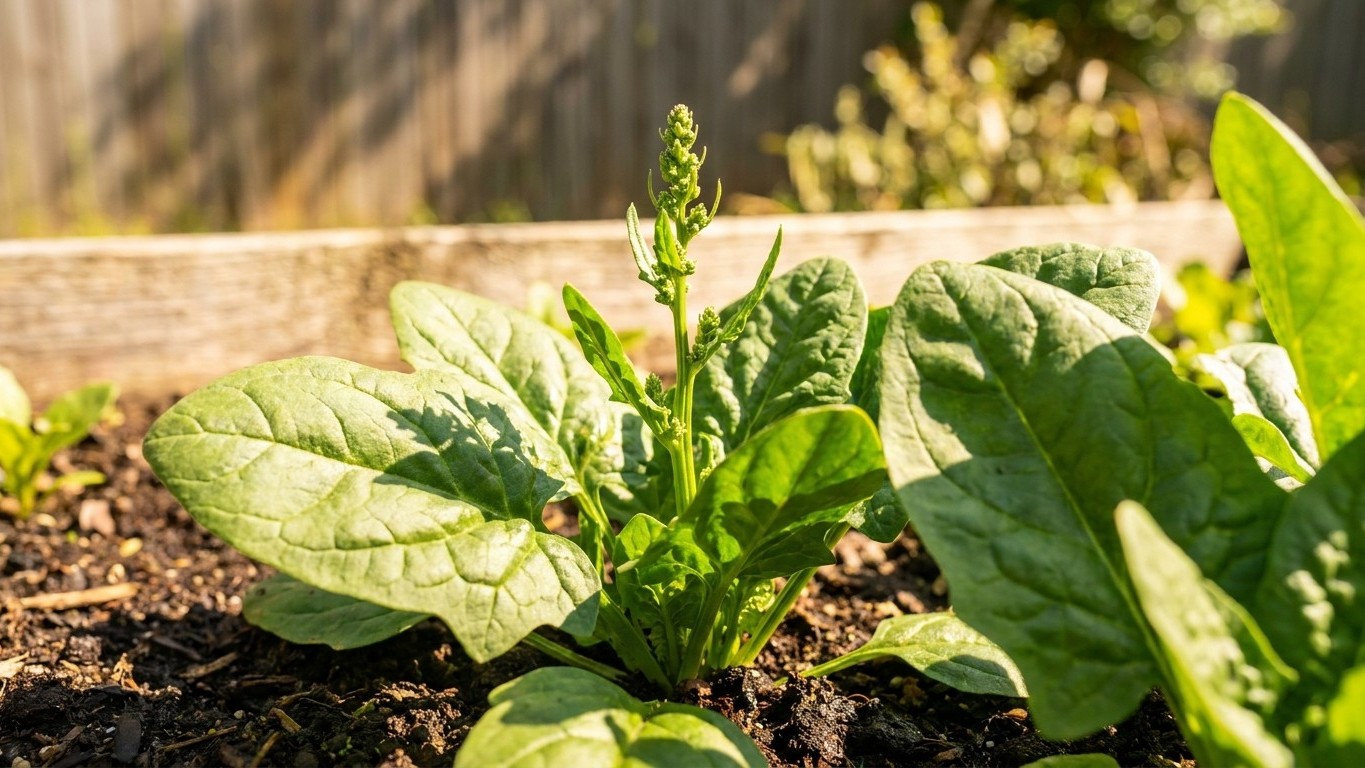
Spinach is ready when the outer leaves reach a usable size and the center of the plant is still flat.
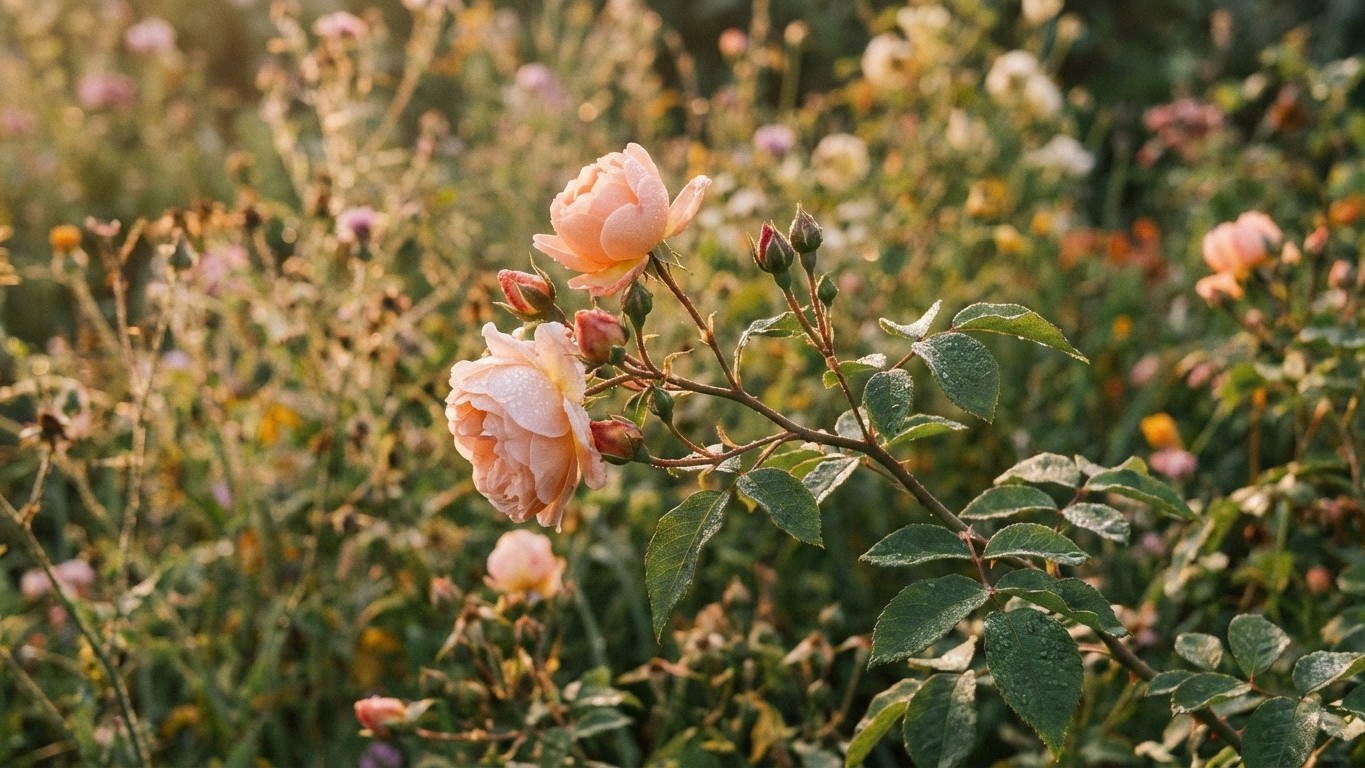
North Florida roses benefit from a light winter mound over the crown, and roses in central and south Florida need none at all.
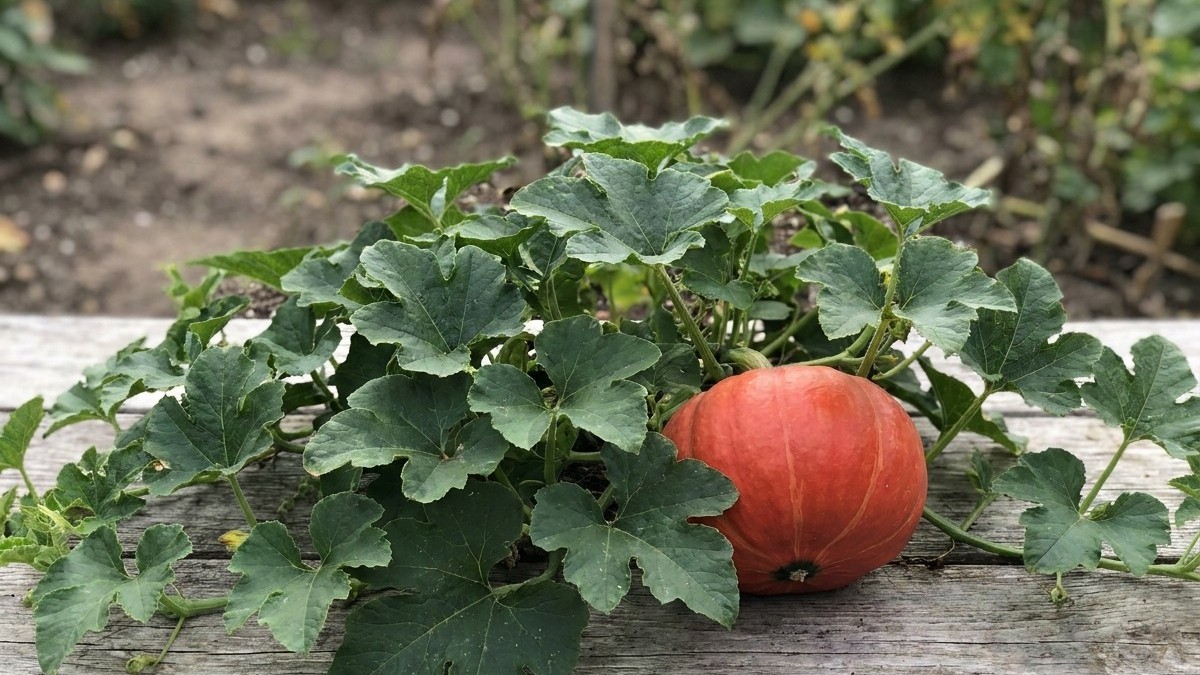
Cut a pumpkin when the rind is hard, the stem has dried to a woody brown, and the color has deepened all over the fruit.
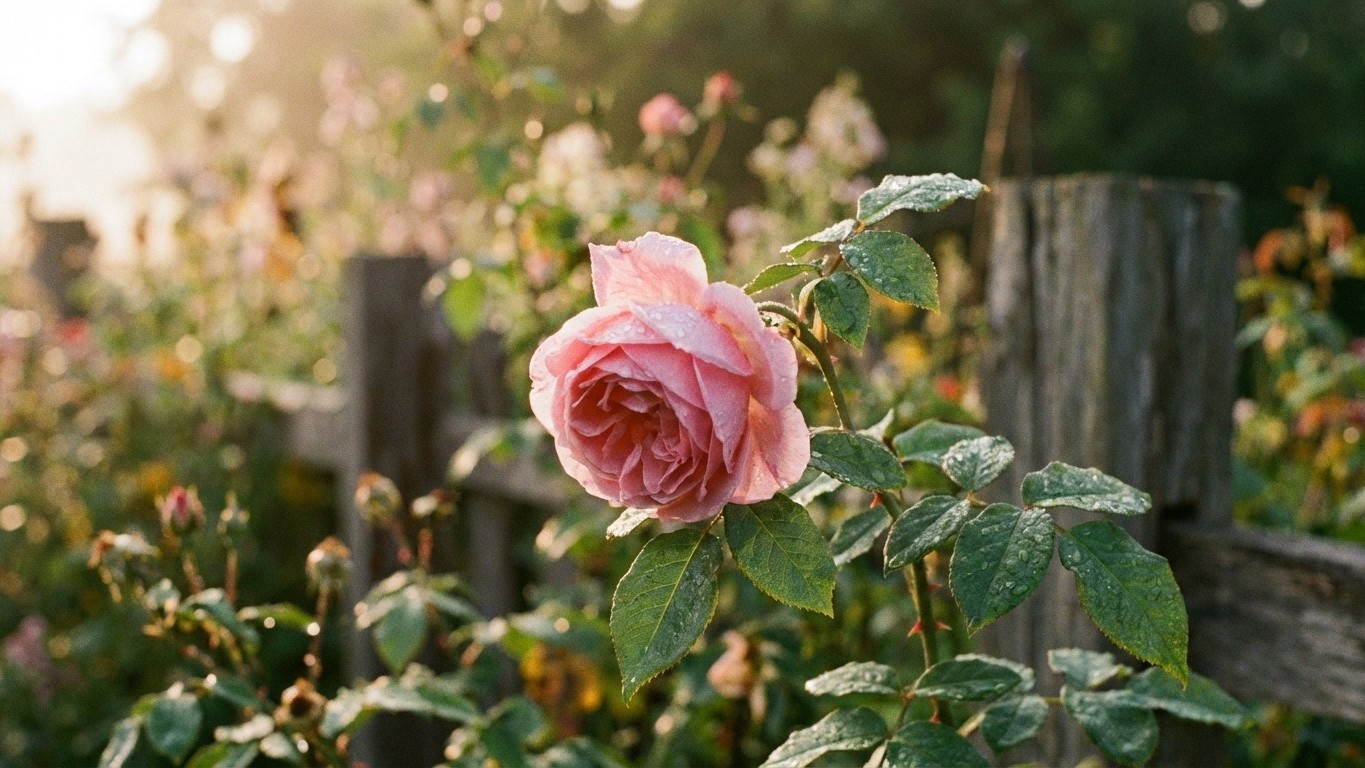
Cold is rarely what kills a rose in Florida. Heat, humidity, and sandy soil do the damage, so the roses that hold up are the ones that handle those…
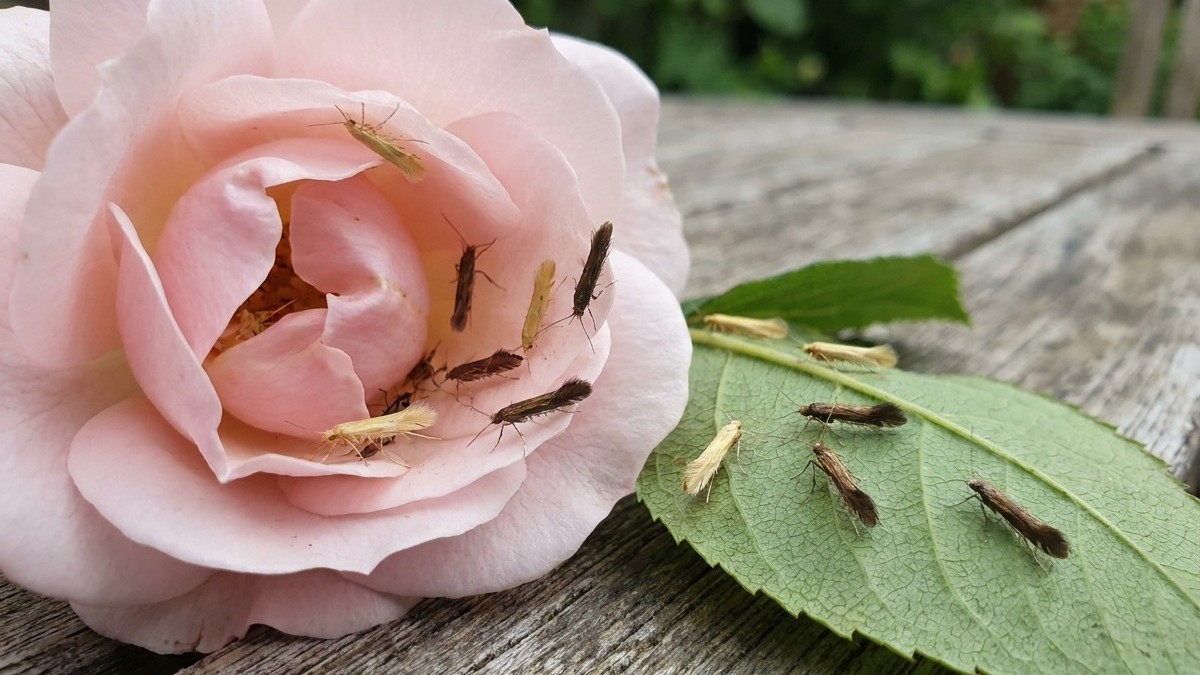
In north Florida, prune hybrid teas, floribundas and shrub roses from late February to mid-March, when buds begin to swell and the last freeze of the…
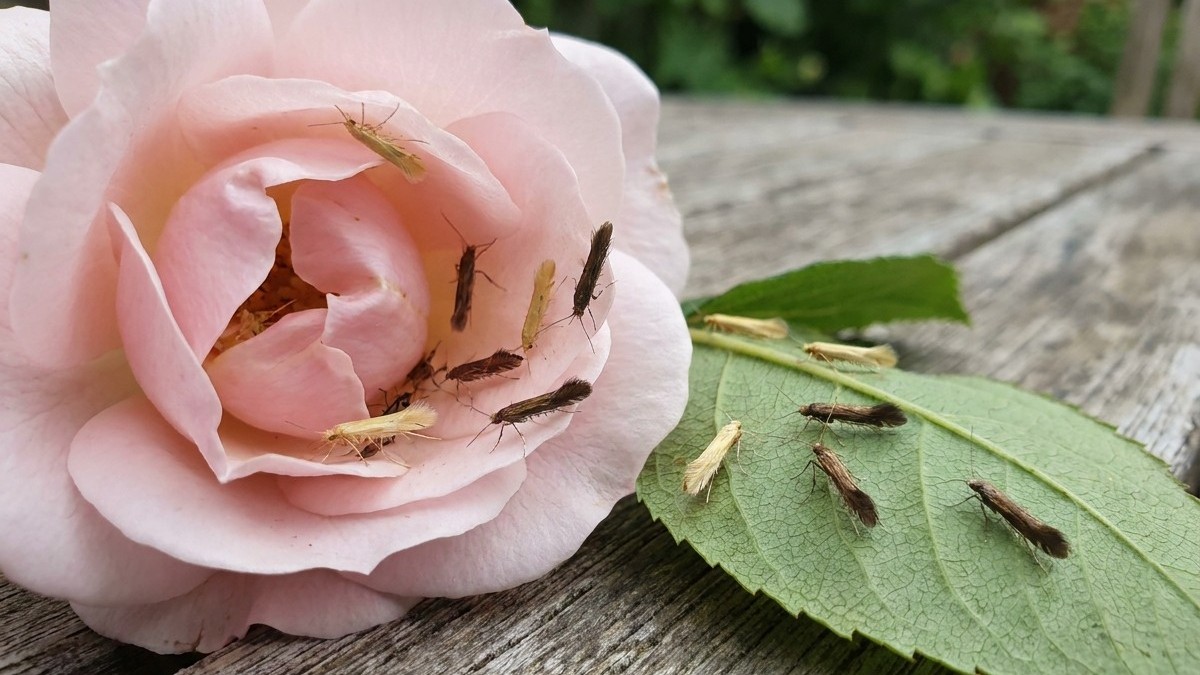
Three fungal leaf diseases cause most rose trouble in Florida: black spot, powdery mildew and downy mildew.
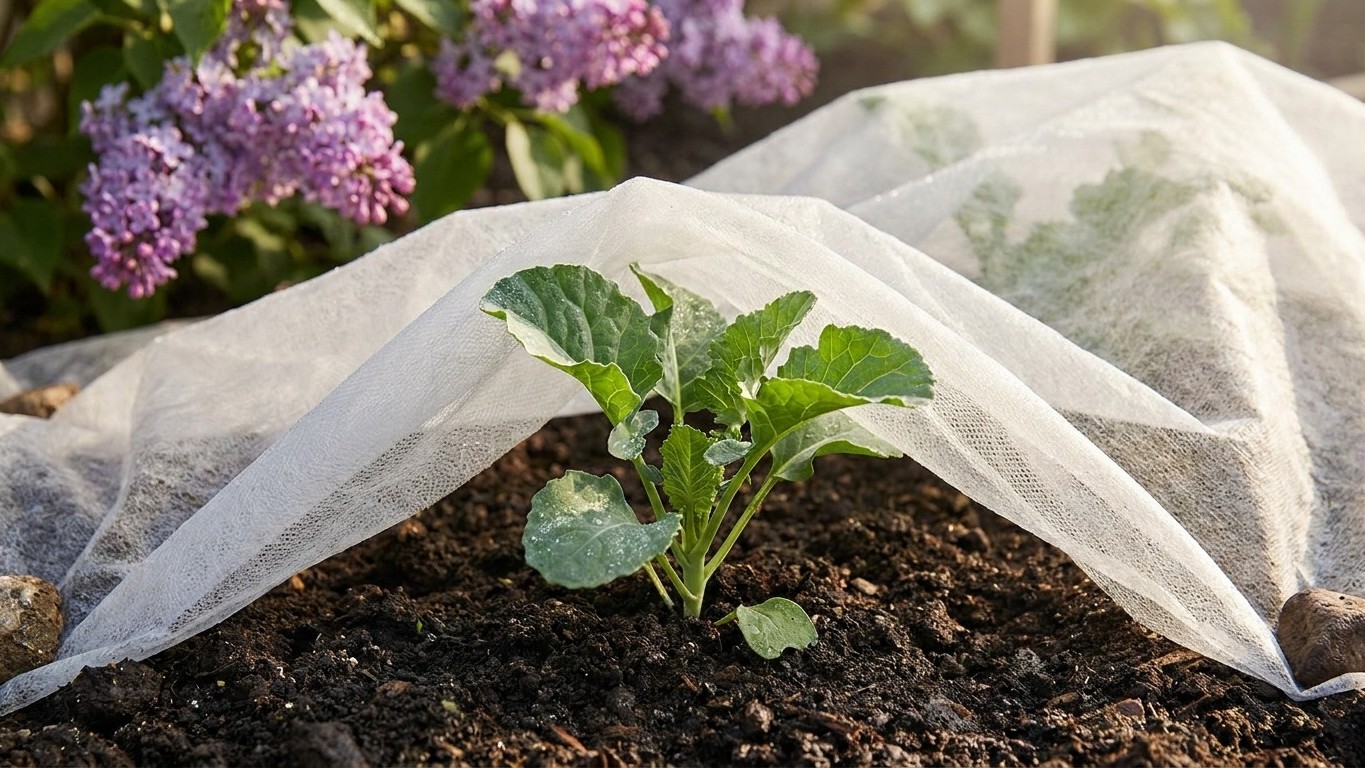
North Florida’s indoor seed-starting calendar counts back from Jacksonville’s last spring frost, with exact sowing windows for tomatoes, peppers, onions, and more crops.
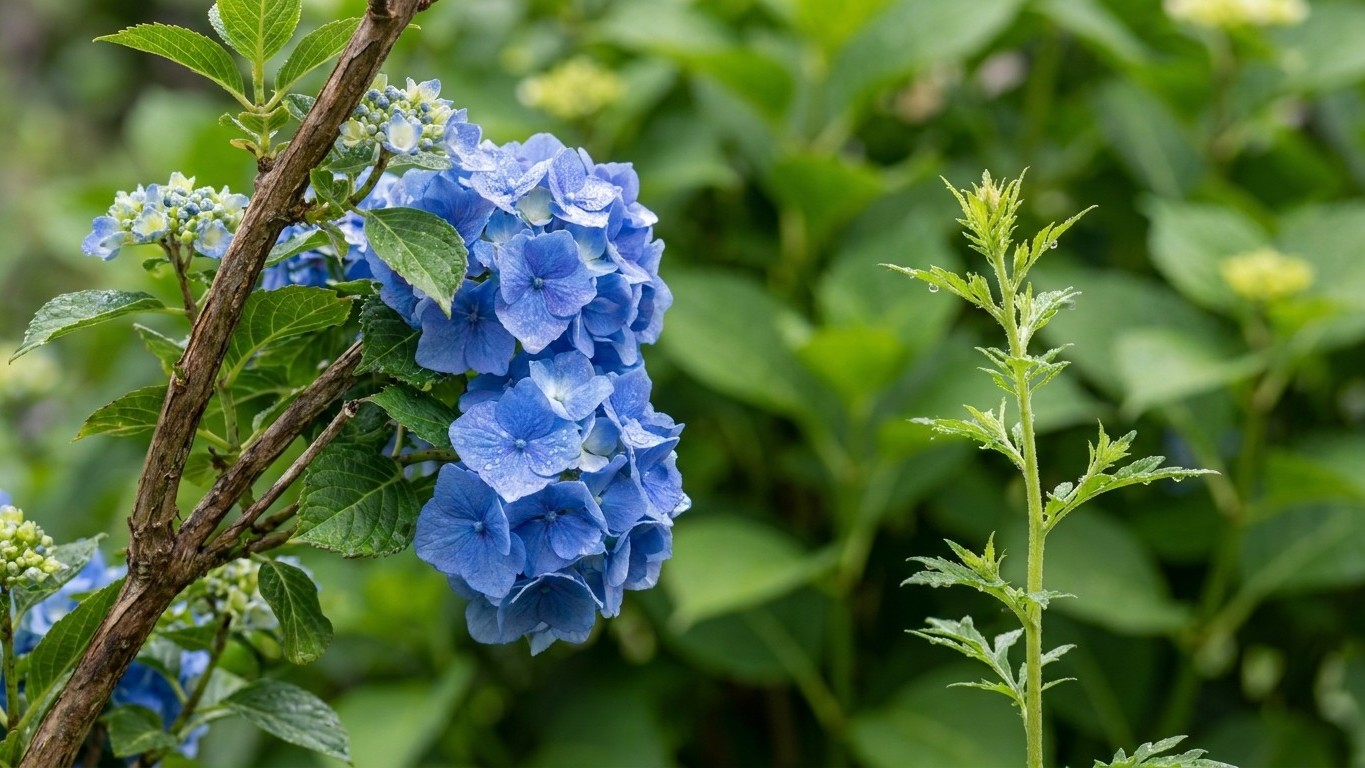
Winter protection for hydrangeas is a north Florida chore, and a short one. A handful of freezing nights can decide whether a bigleaf hydrangea blooms…