When to Cut Spinach in Nebraska, and How Long It Really Keeps
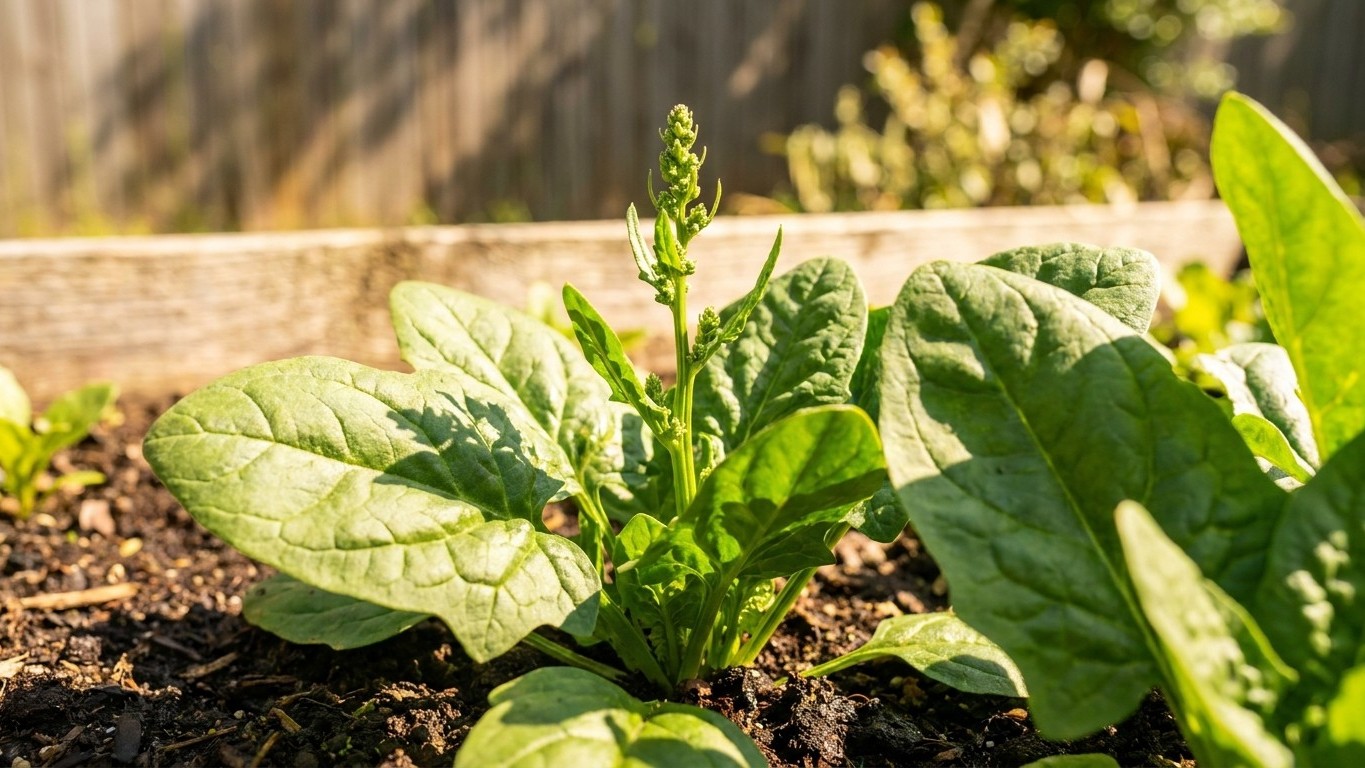
Cut spinach as soon as the leaves are big enough to eat and before the center starts rising into a seed stalk.
Home & garden, state by state
For homeowners and renters in Nebraska: the planting calendar, the maintenance schedule and the local programs worth knowing about.
Everything we have worked out for Nebraska: what to plant and when, which varieties finish in time, the pests that actually turn up here, and the jobs that pay off month by month. We also cover the rest of the property, from lawns and soil to home care and energy, because a garden rarely stops at the vegetable bed.
The numbers first, because everything else follows from them. Measured at the weather station in Omaha, the last spring freeze runs April 12 to April 23 and the first fall freeze runs October 15 to October 26, USDA zones 4a-5b, 3,740 growing degree days in the year.
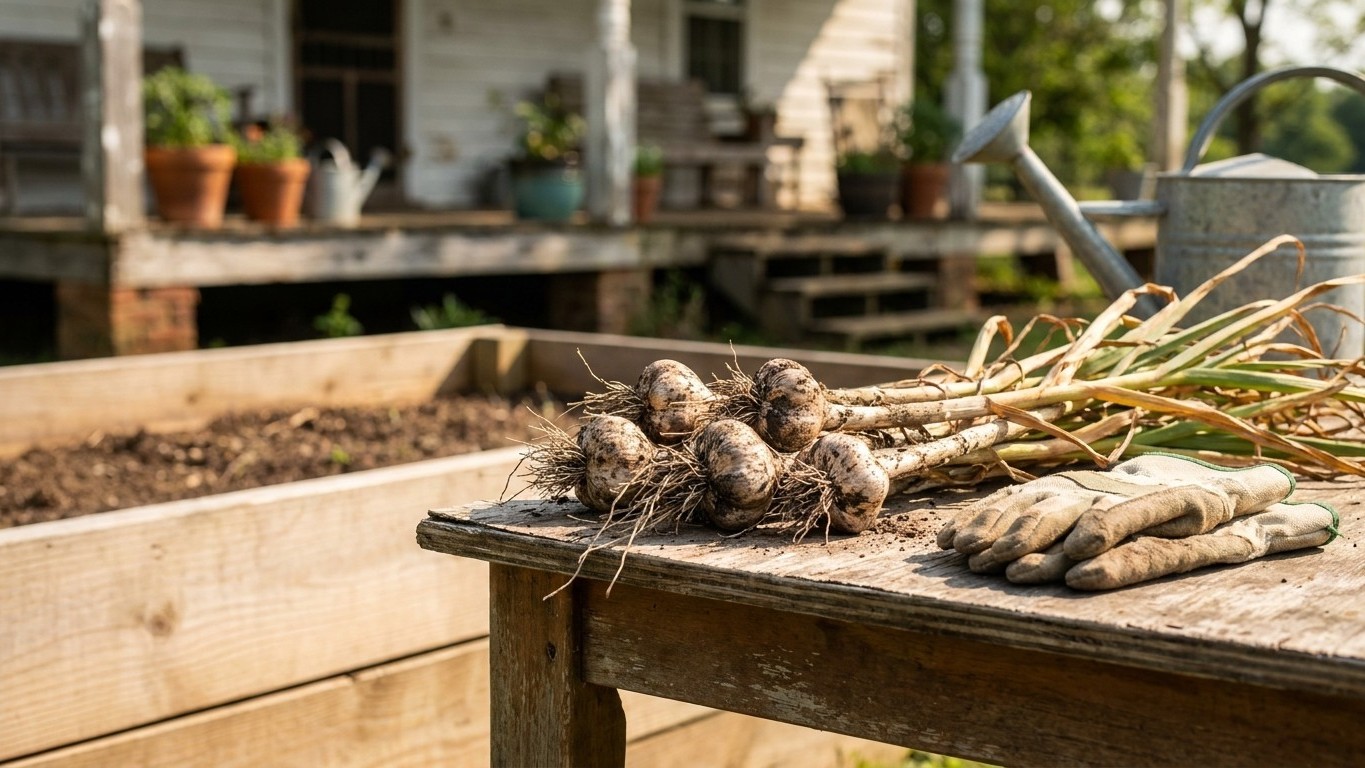
Garlic does well: 26.1 weeks below 40 °F, comfortably past the six it needs to form a proper head.
Elsewhere on the property in Nebraska: the pests that turn up here.
Figures from NOAA's 1991-2020 climate normals. A state is not one climate: elevation, a large lake or the coast can move these dates by two weeks either way, so check your own county with the extension service before you spend money.
Cut spinach as soon as the leaves are big enough to eat and before the center starts rising into a seed stalk.
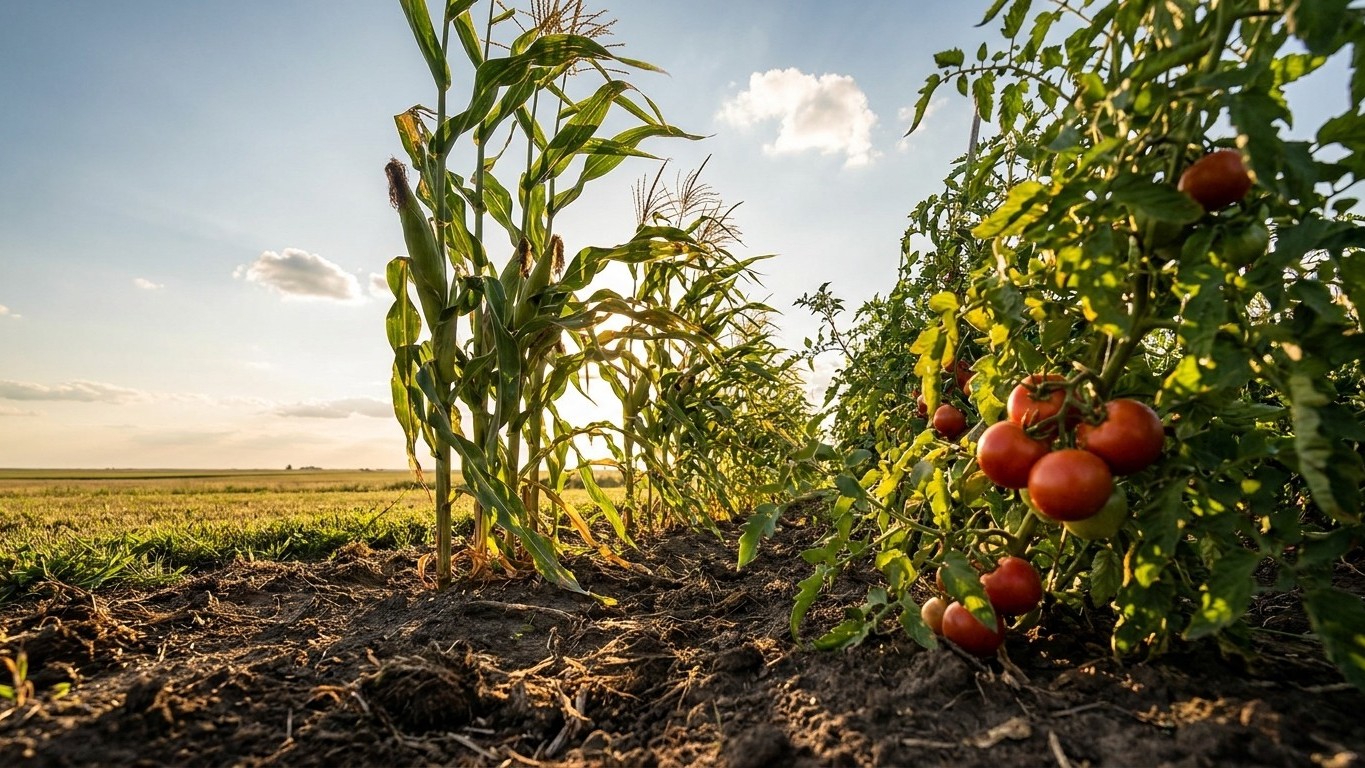
Most Nebraska sweet corn is ready 60 to 90 days after planting, and soil temperature, not the calendar, sets the planting date.
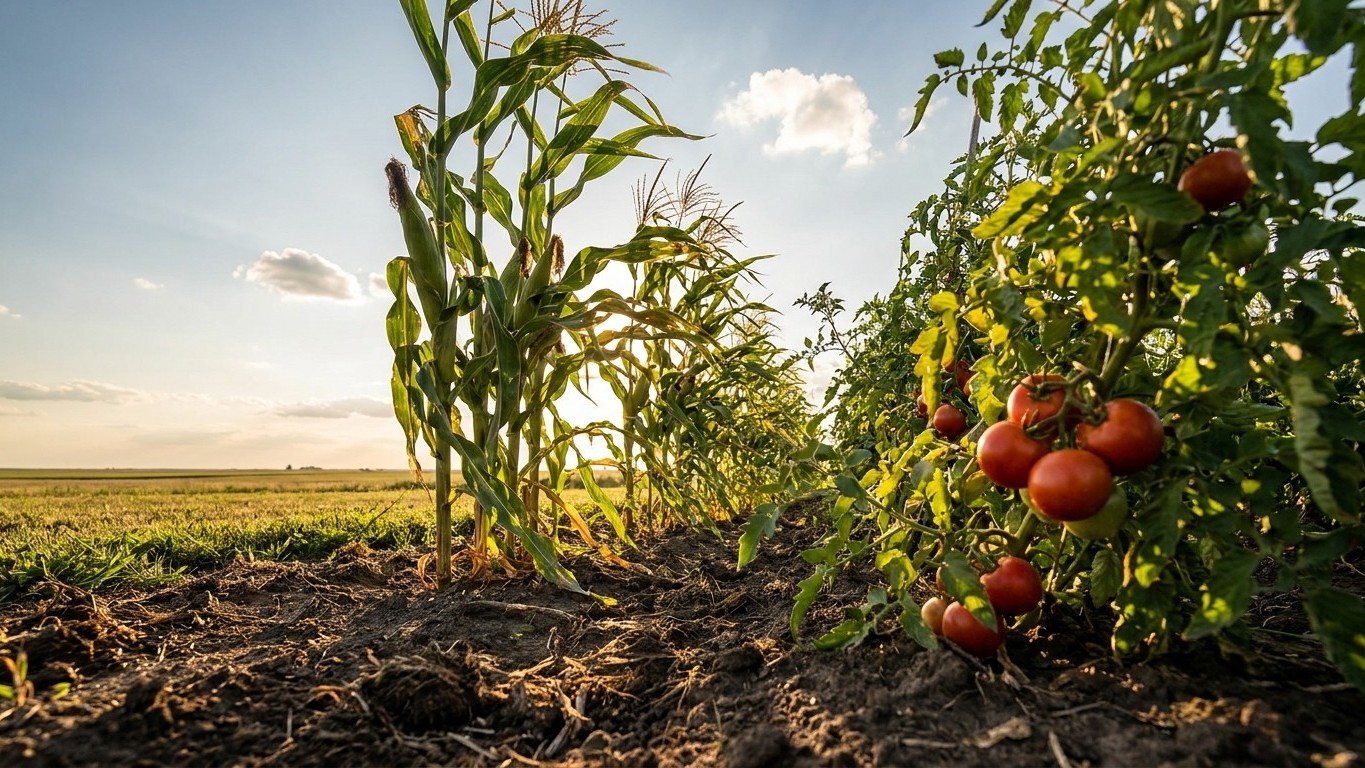
Most Nebraska sweet corn is ready 60 to 90 days after planting, and soil temperature, not the calendar, sets the planting date.
In Nebraska, beets lose out to three things, and each one has its own timing. Thirst in the first six weeks sends plants to flower.
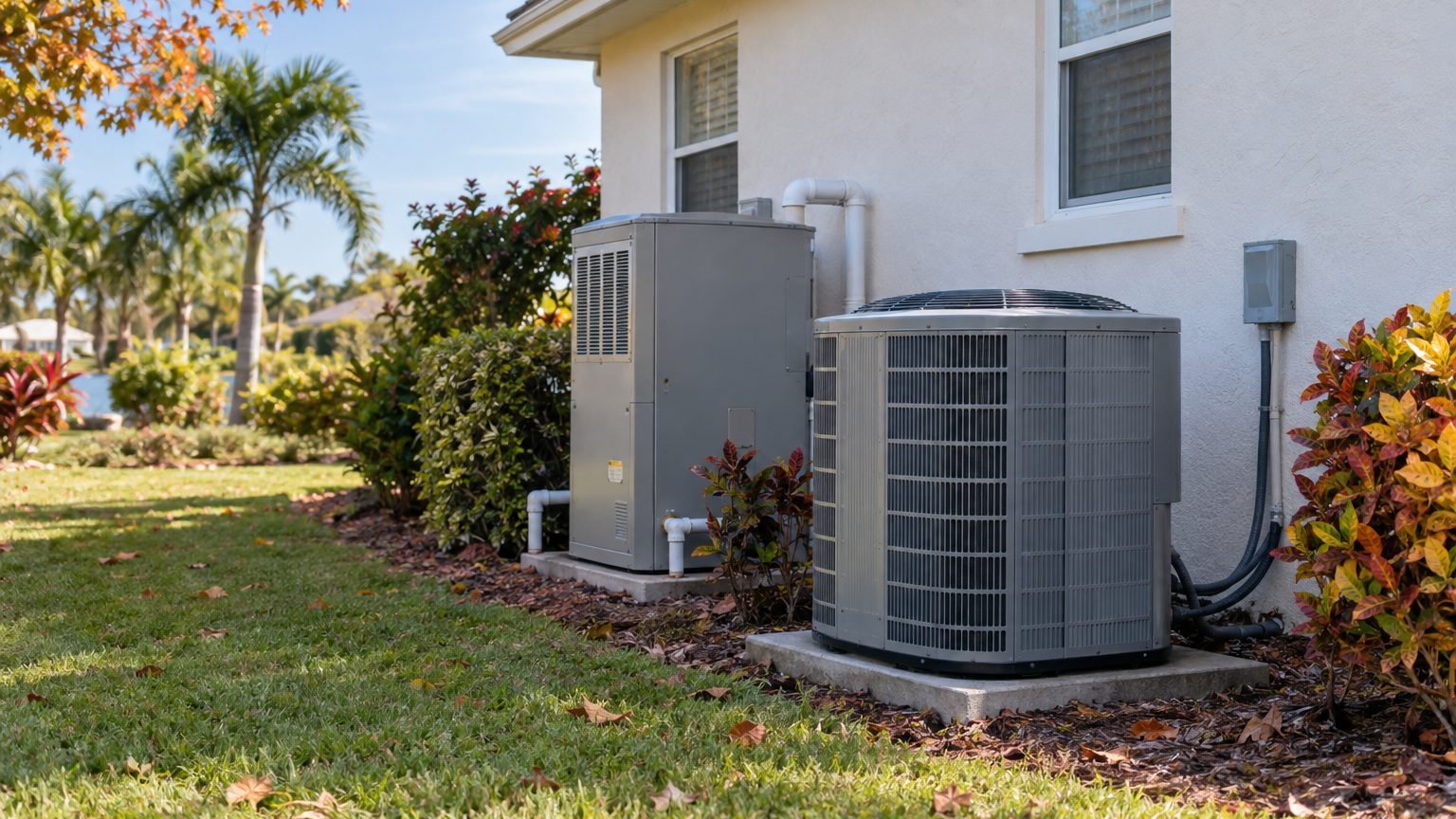
In Nebraska, a 97% AFUE gas furnace costs less to run than a heat pump: $11.33 per million Btu delivered, against $15.93 for a heat pump at the ENERGY…
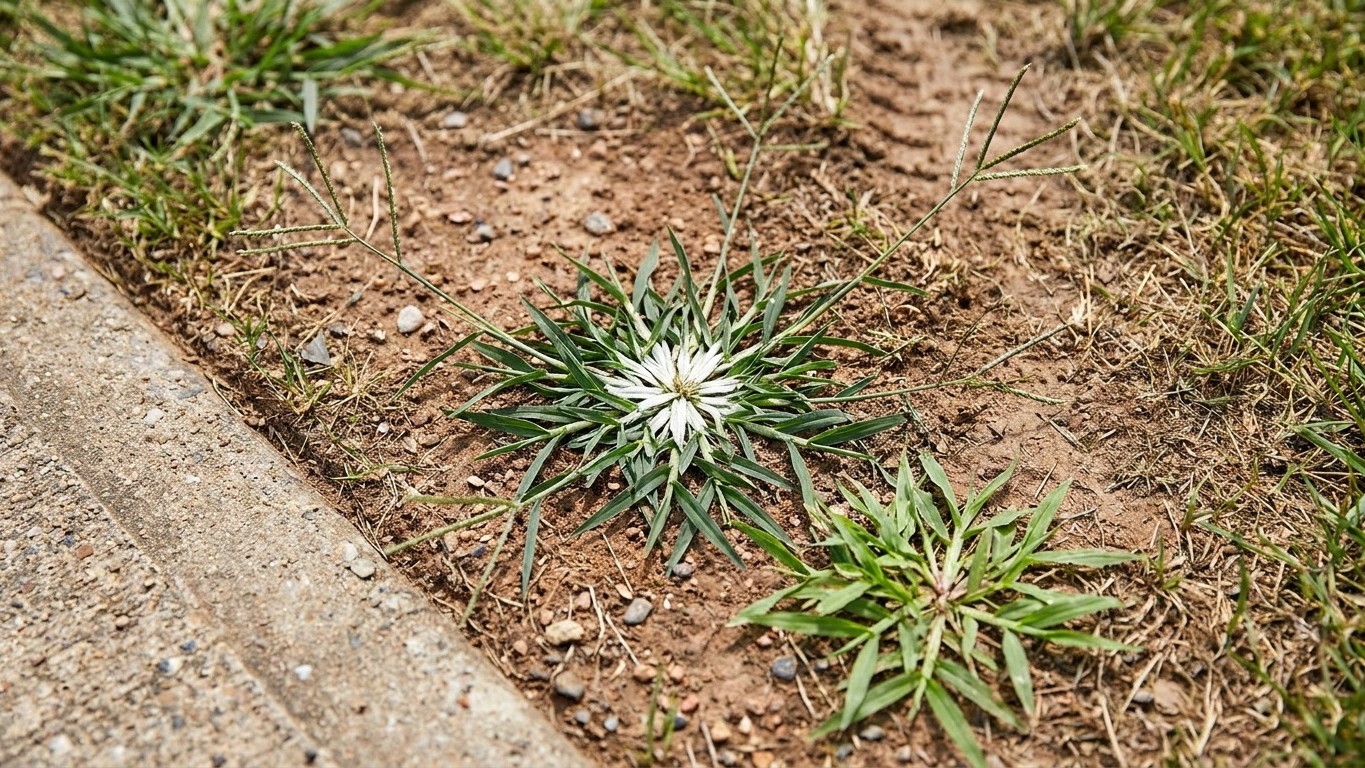
Mow tall fescue at 3 to 3.5 inches, Kentucky bluegrass and fine fescues at 2 to 3 inches, and perennial ryegrass and rough bluegrass at 1.5 to 2.5 inches.
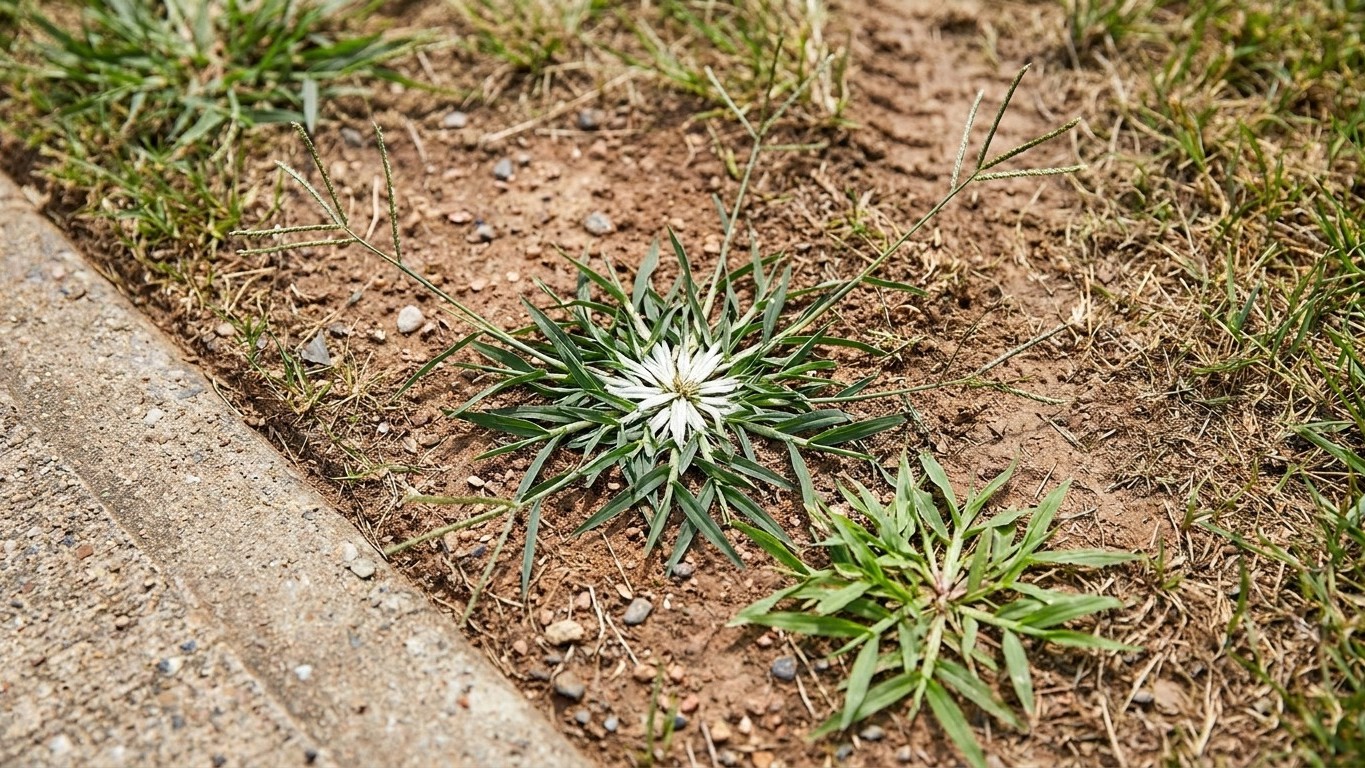
The best time to sow grass seed in Nebraska is late summer, finishing no later than about 45 days before your first fall freeze. Spring is the backup.
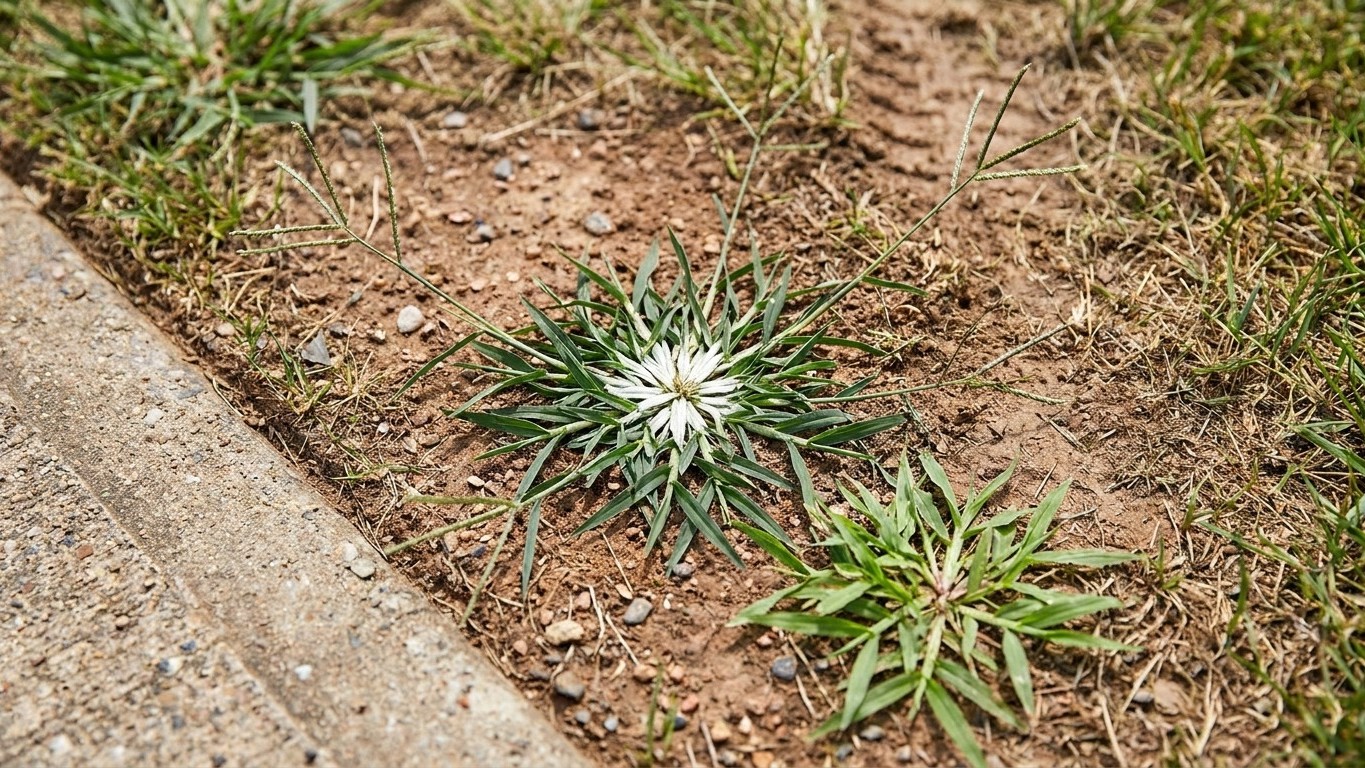
For a cool-season lawn in Nebraska, the best time to aerate is fall, from late August into September, while the grass is still growing and well before…
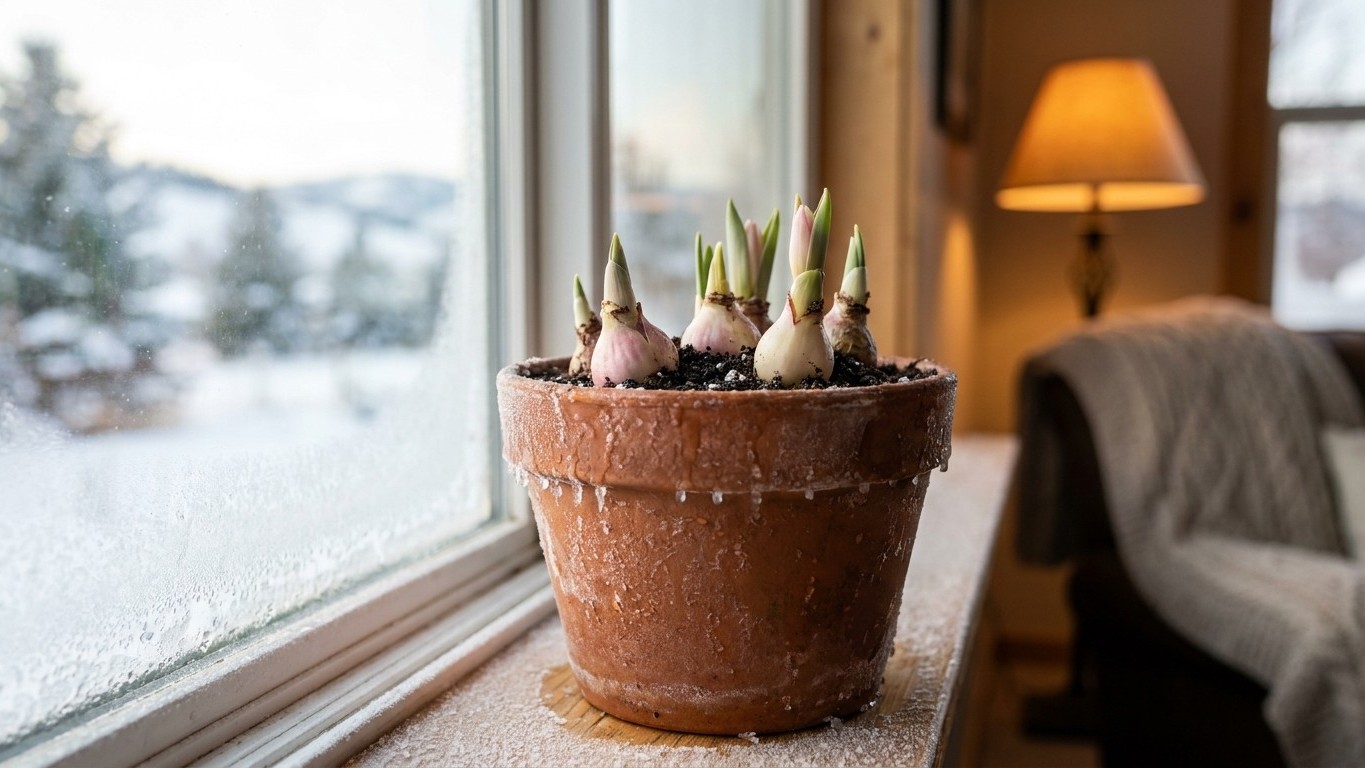
Dig dahlias, cannas and gladiolus in Nebraska after the first hard frost blackens the foliage, within a week or two of it.
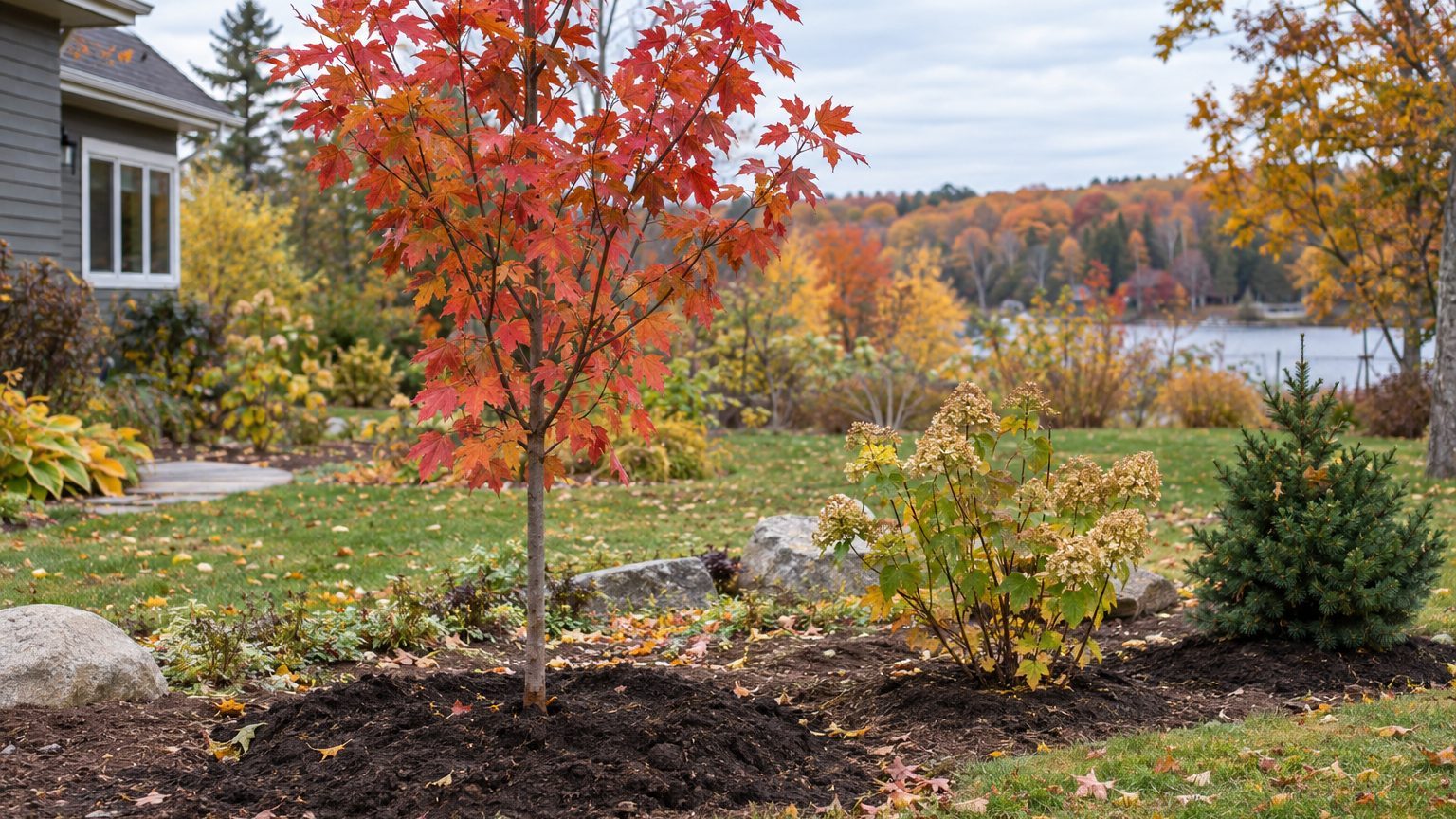
In Nebraska, the safe target for fall planting is September 3 to September 14, which is six weeks before the first fall frost of October 15 to October 26…