When Sweet Corn Is Ready in Yukon, and How Fast It Fades
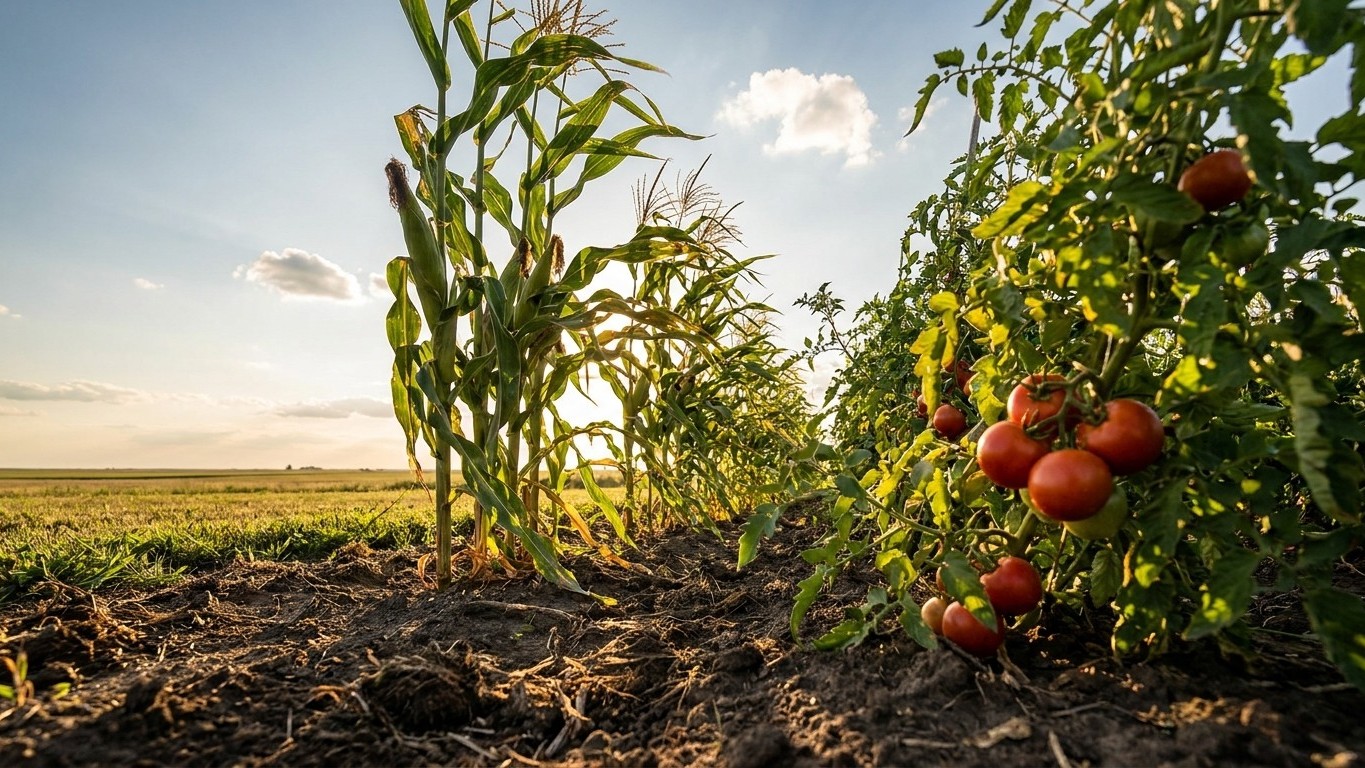
Plan on at least 60 days from planting to ripe ears, and the planting can’t happen until the soil warms.
Home & garden, state by state
Home and garden guidance for Yukon: hardiness zones, heating seasons, provincial programs and the rules that differ from across the border.
Everything we have worked out for Yukon: what to plant and when, which varieties finish in time, the pests that actually turn up here, and the jobs that pay off month by month. We also cover the rest of the property, from lawns and soil to home care and energy, because a garden rarely stops at the vegetable bed.
The numbers first, because everything else follows from them. Measured at the weather station in Whitehorse, the last spring freeze falls around June 5 and the first fall freeze falls around August 25, 600 growing degree days in the year.
That is little accumulated warmth: tomatoes need a tunnel or a greenhouse here, whatever the frost dates suggest. Garlic does well: 39.1 weeks below 40 °F, comfortably past the six it needs to form a proper head.
Elsewhere on the property in Yukon: the pests that turn up here.
Figures from Environment and Climate Change Canada. A state is not one climate: elevation, a large lake or the coast can move these dates by two weeks either way, so check your own county with the extension service before you spend money.
Plan on at least 60 days from planting to ripe ears, and the planting can’t happen until the soil warms.
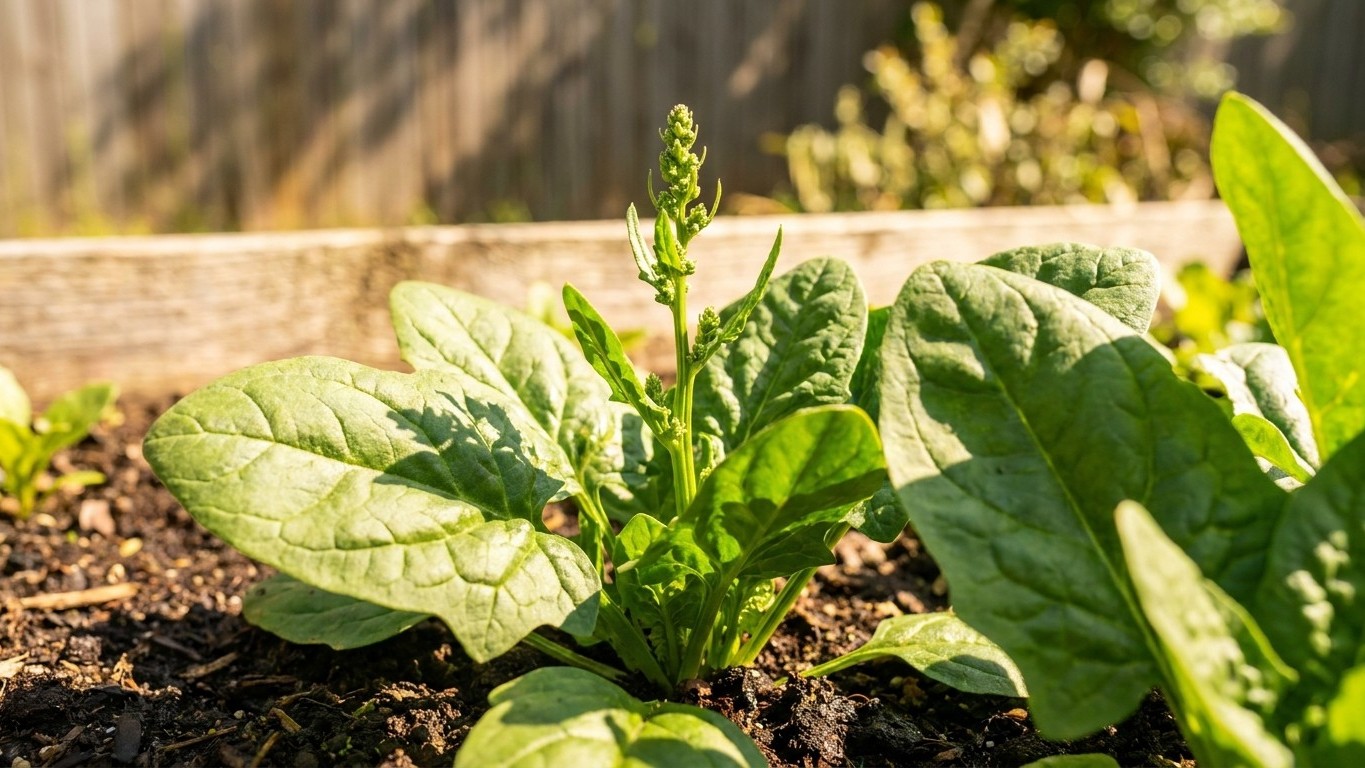
In Yukon, what eats a spinach crop is mostly the calendar. At Whitehorse A, the longest day carries 18 h 45 of daylight, and long days alone push spinach…
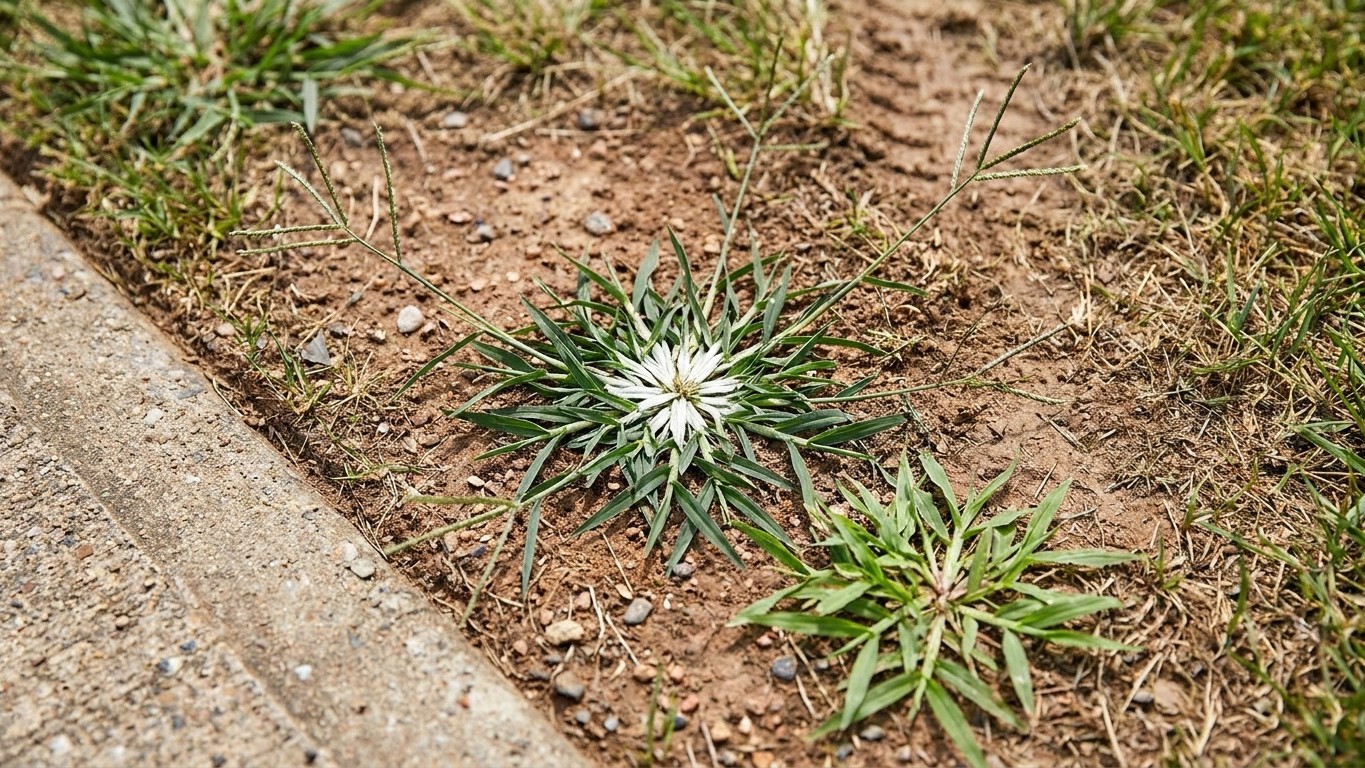
Most Yukon lawns never need dethatching. Cut a wedge of turf and measure the thatch first: under 0.5 inch, leave it alone.
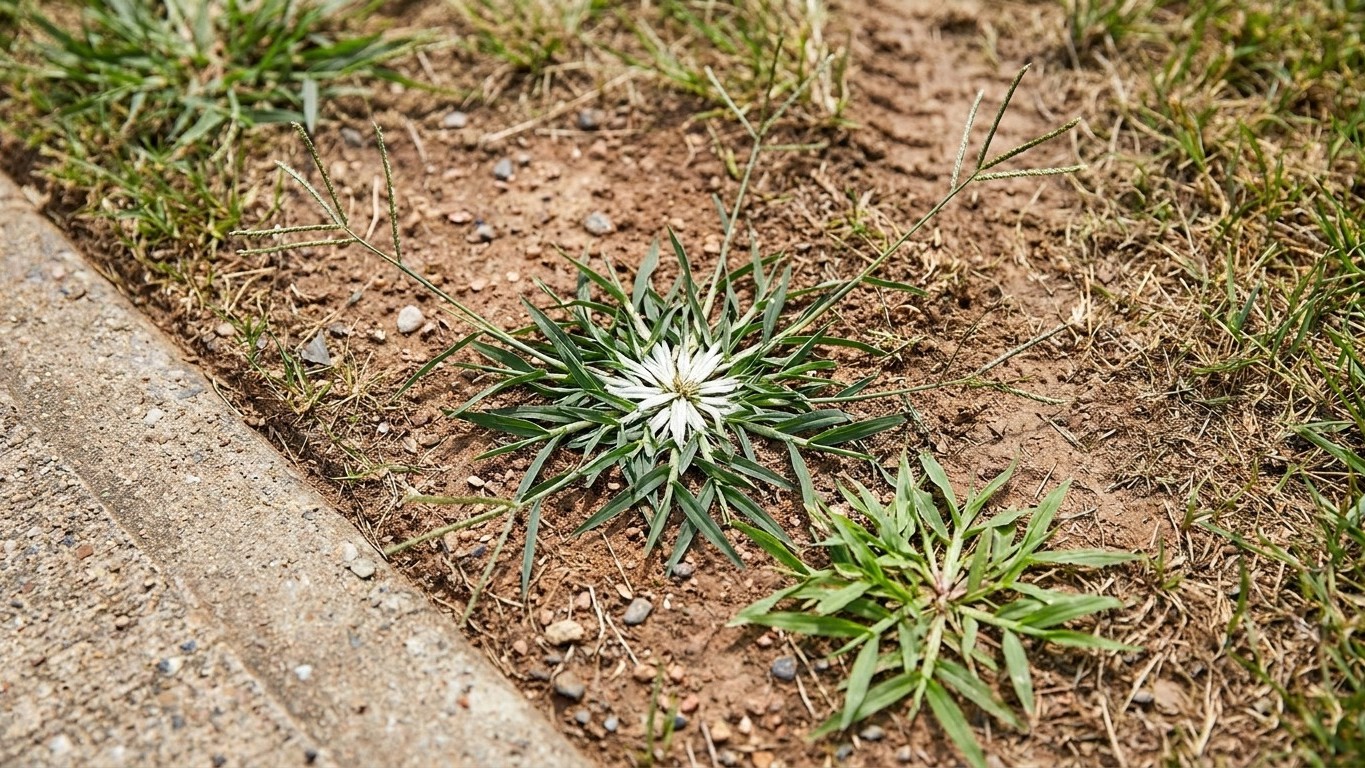
Mow Kentucky bluegrass and fine fescue at 2 to 3 inches, tall fescue at 3 to 3.5 inches, and perennial ryegrass or rough bluegrass at 1.5 to 2.5 inches.
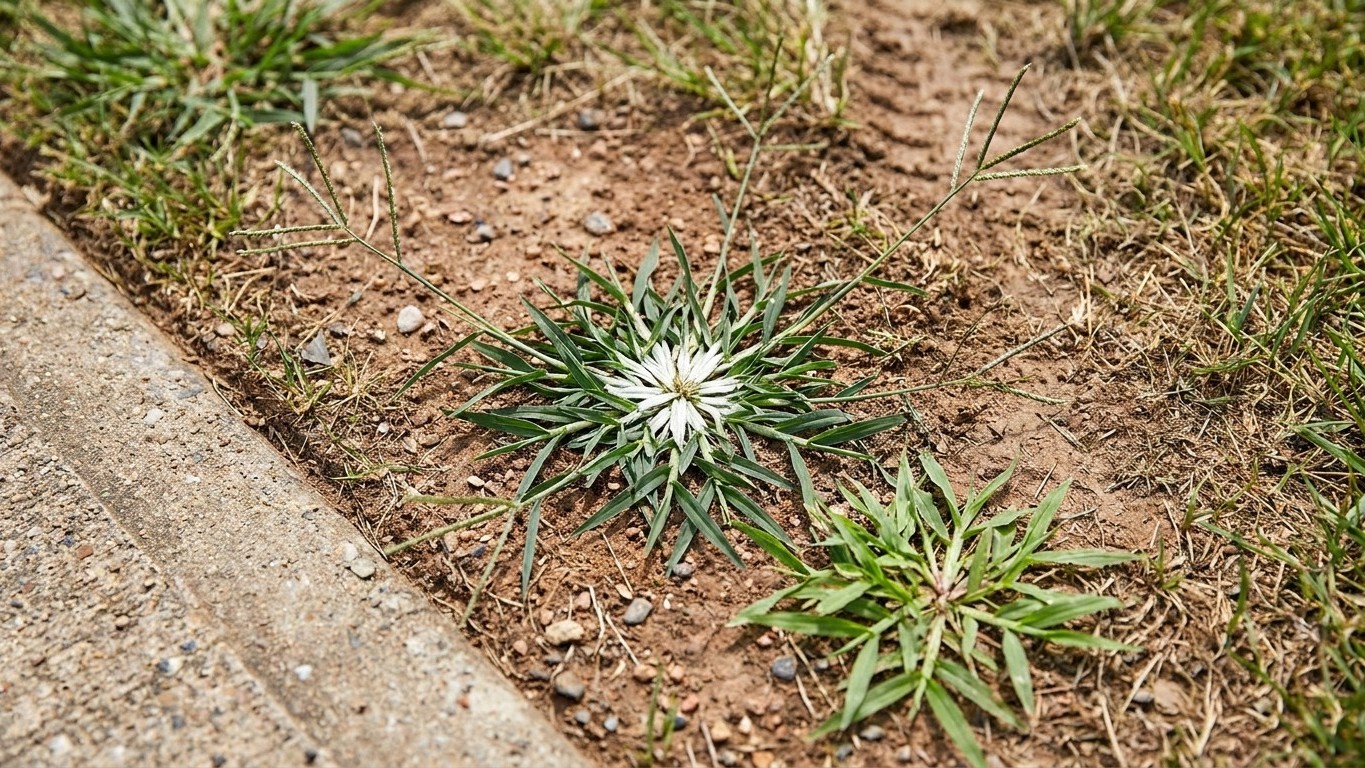
In Yukon, sow cool-season grass seed from early June to early July, once the soil two inches down has warmed to 50 to 65 °F.
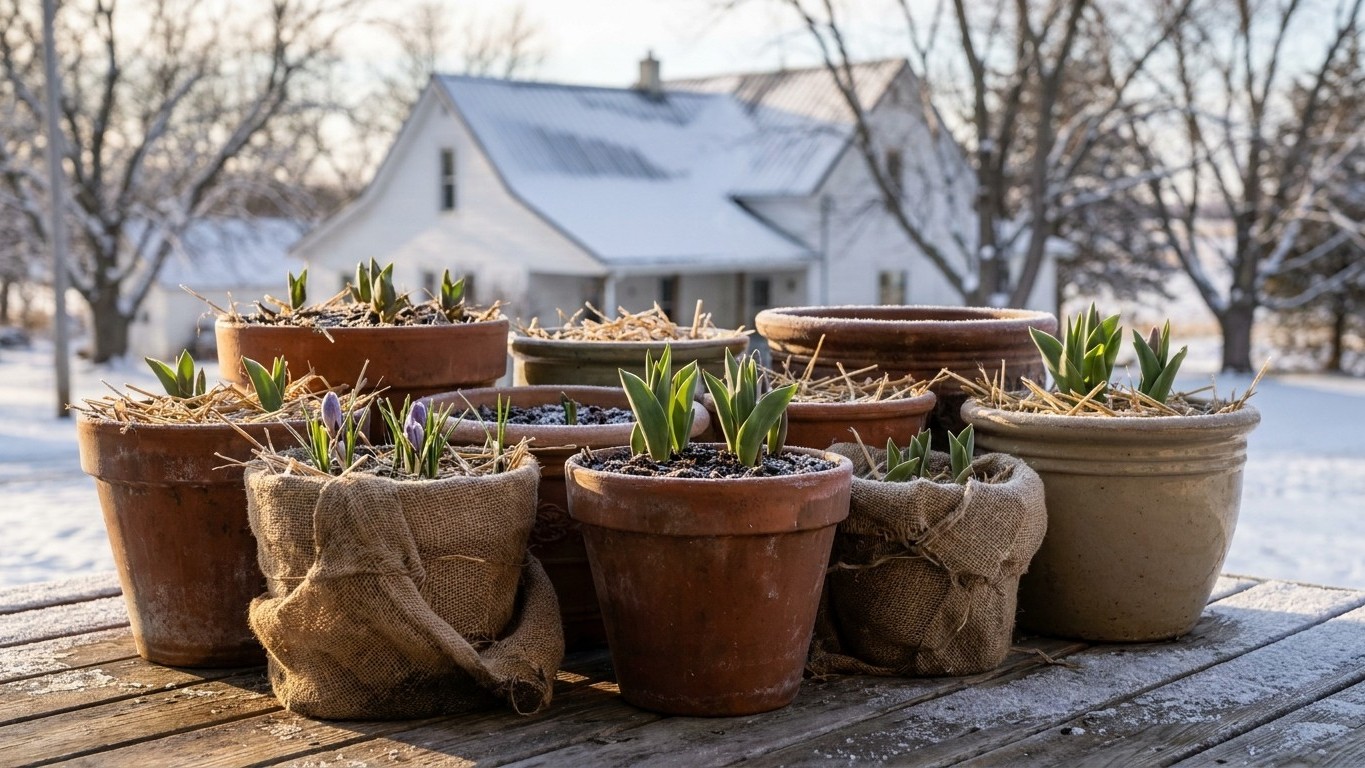
In Yukon, dahlias, cannas and gladiolus come out of the ground after the first frost blackens the foliage.
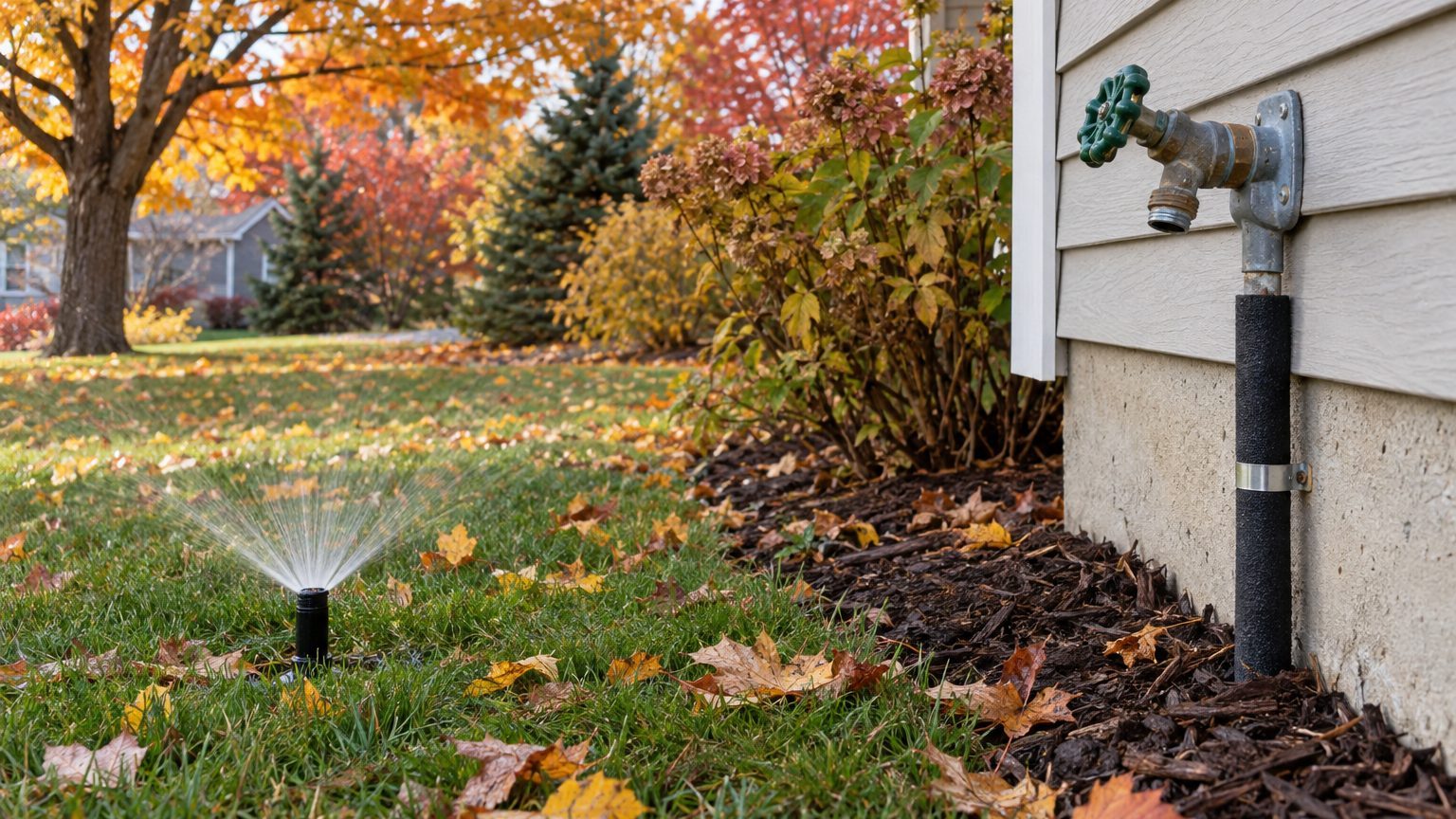
The calendar matters less than the thermometer. In Yukon, sprinkler lines and outdoor taps need draining before the air and soil settle into real cold…
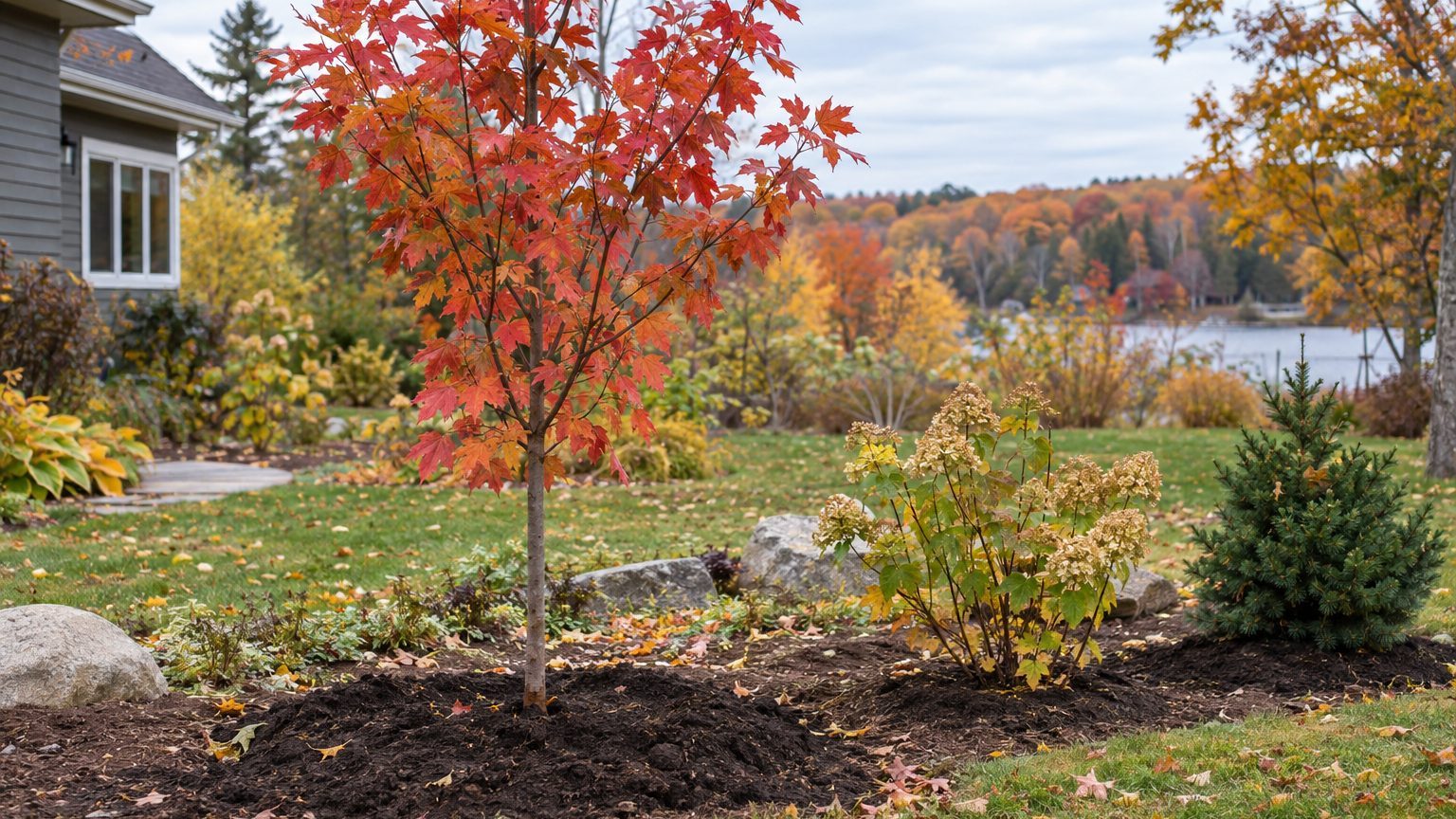
In Yukon, the safe target for fall planting is six weeks before the first fall frost, which at Whitehorse works out to mid-July.
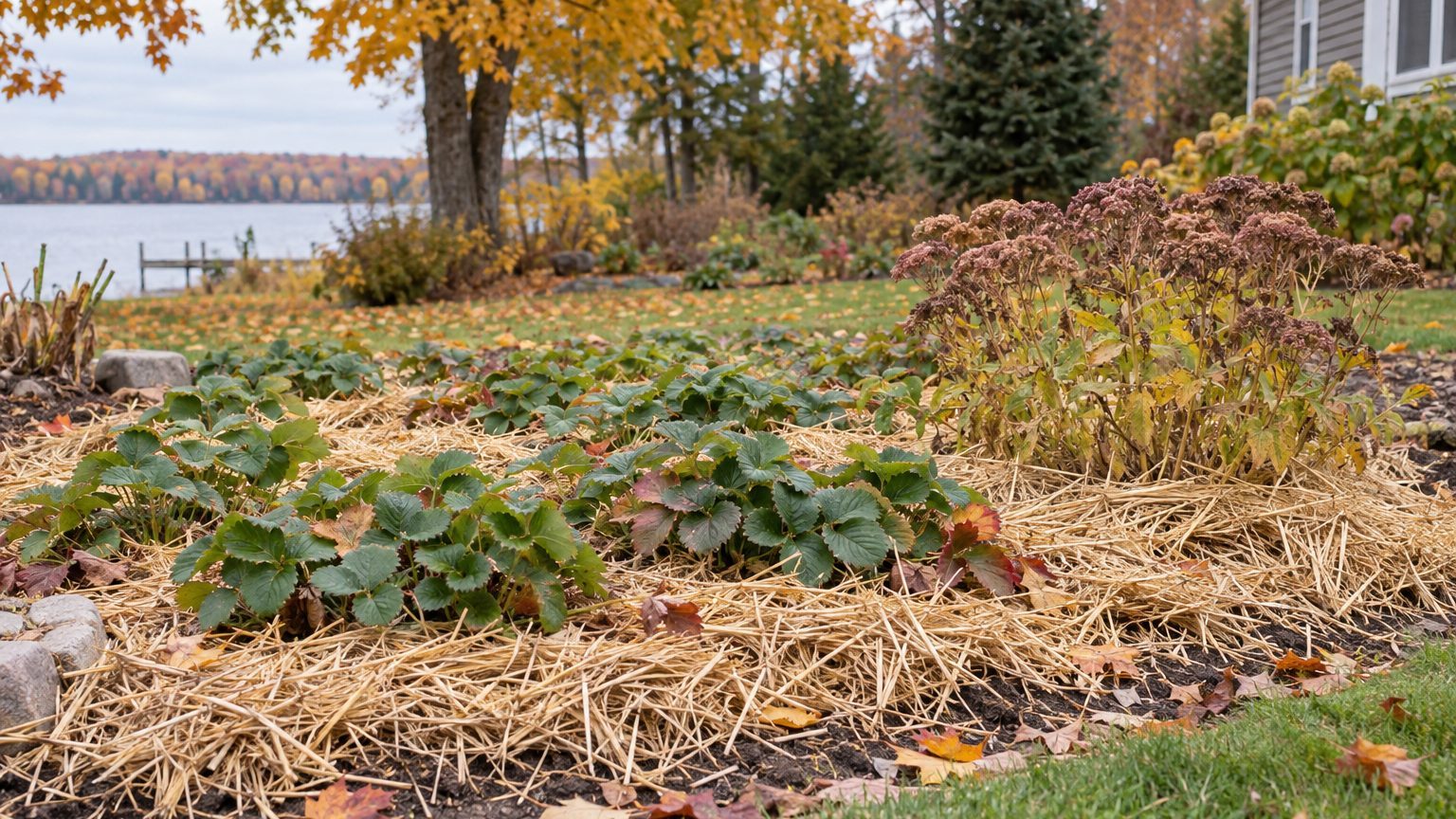
Wait for the ground. Winter mulch in Yukon goes on after the soil starts to freeze, not when the first frost shows up.
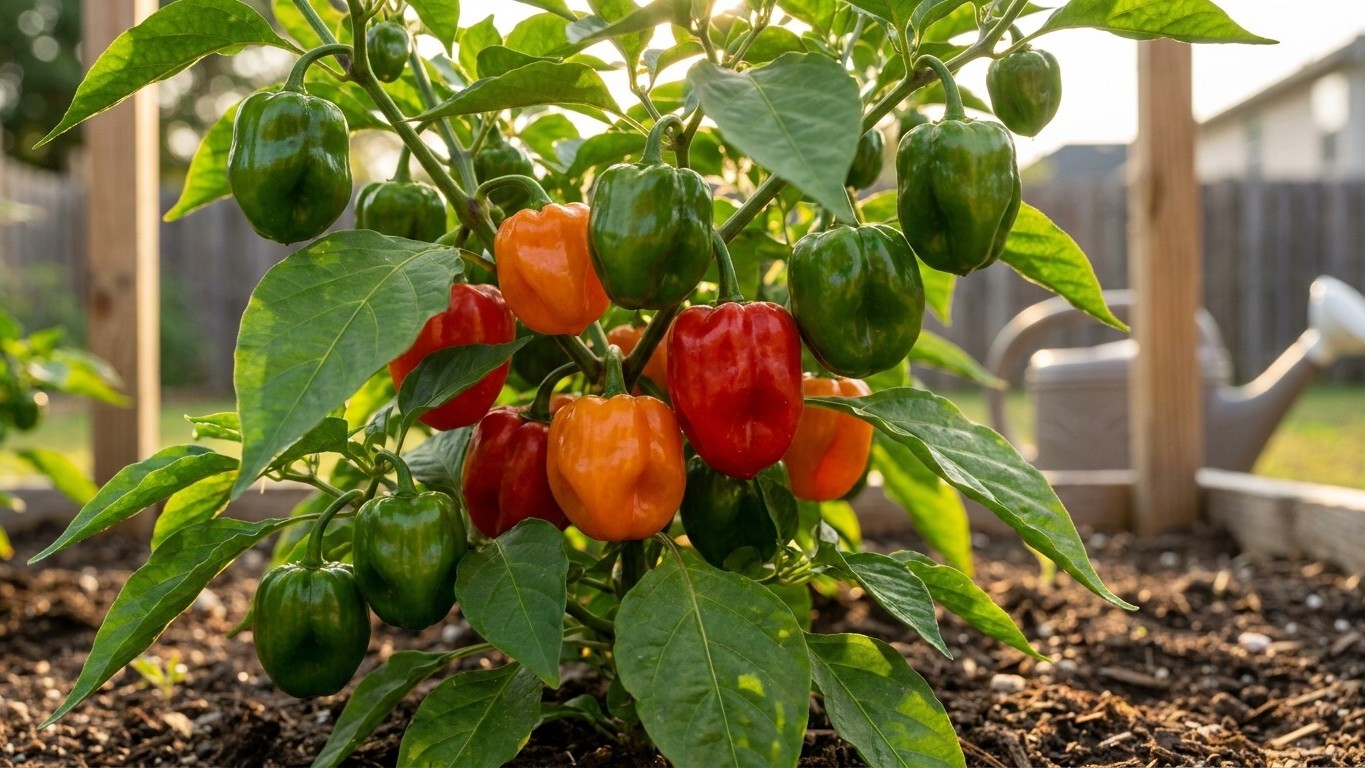
Start pepper seed indoors 8 to 10 weeks before the day you plan to set plants outside.