Keeping Old Cast-Iron Radiators, or Replacing Them
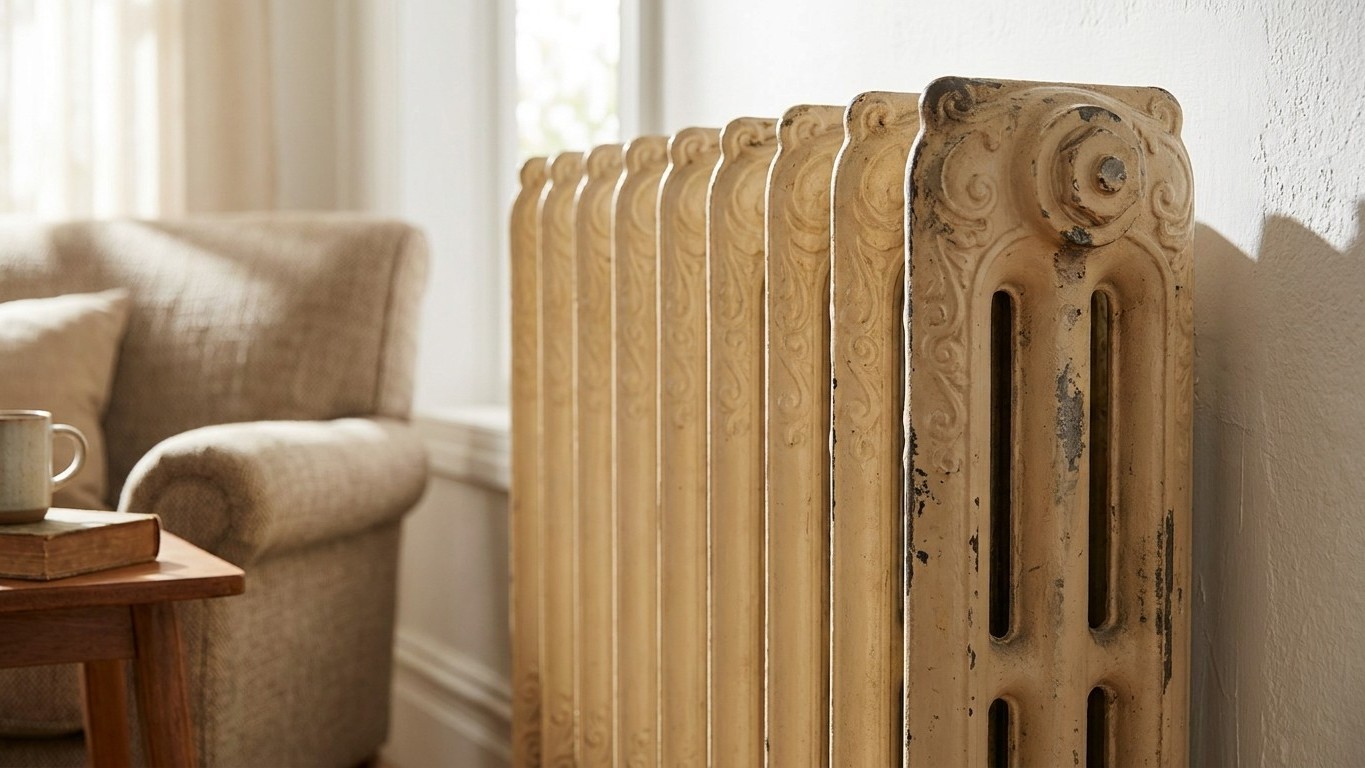
Most old cast-iron radiators don’t need to go anywhere. The metal outlasts furnaces, roofs, and usually the people who install them.
Home & garden, state by state
Most old cast-iron radiators don’t need to go anywhere. The metal outlasts furnaces, roofs, and usually the people who install them.
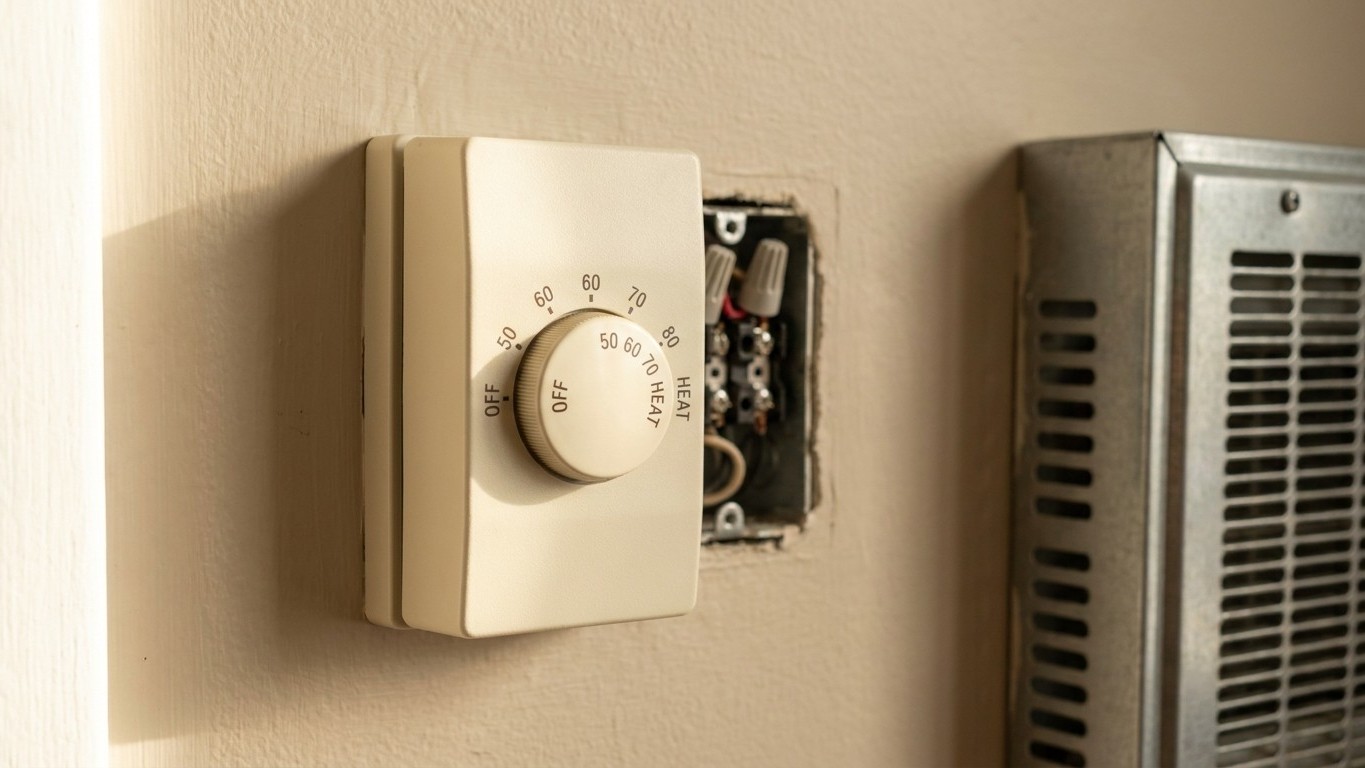
A line-voltage thermostat carries the full electrical current of the heater it controls, because on an electric baseboard there is no furnace or boiler…
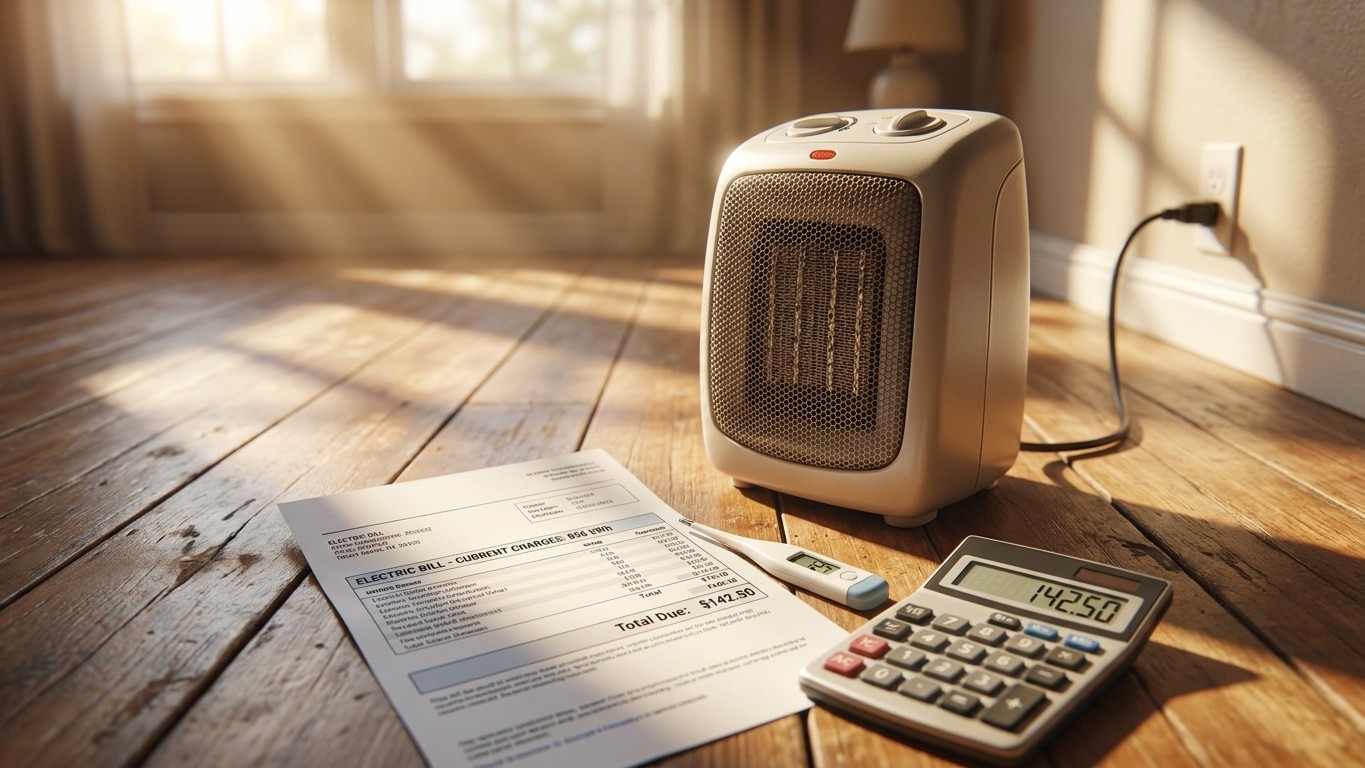
A 1,500-watt space heater running four hours a day costs whatever your electricity rate says it costs, multiplied by 6 kilowatt-hours.
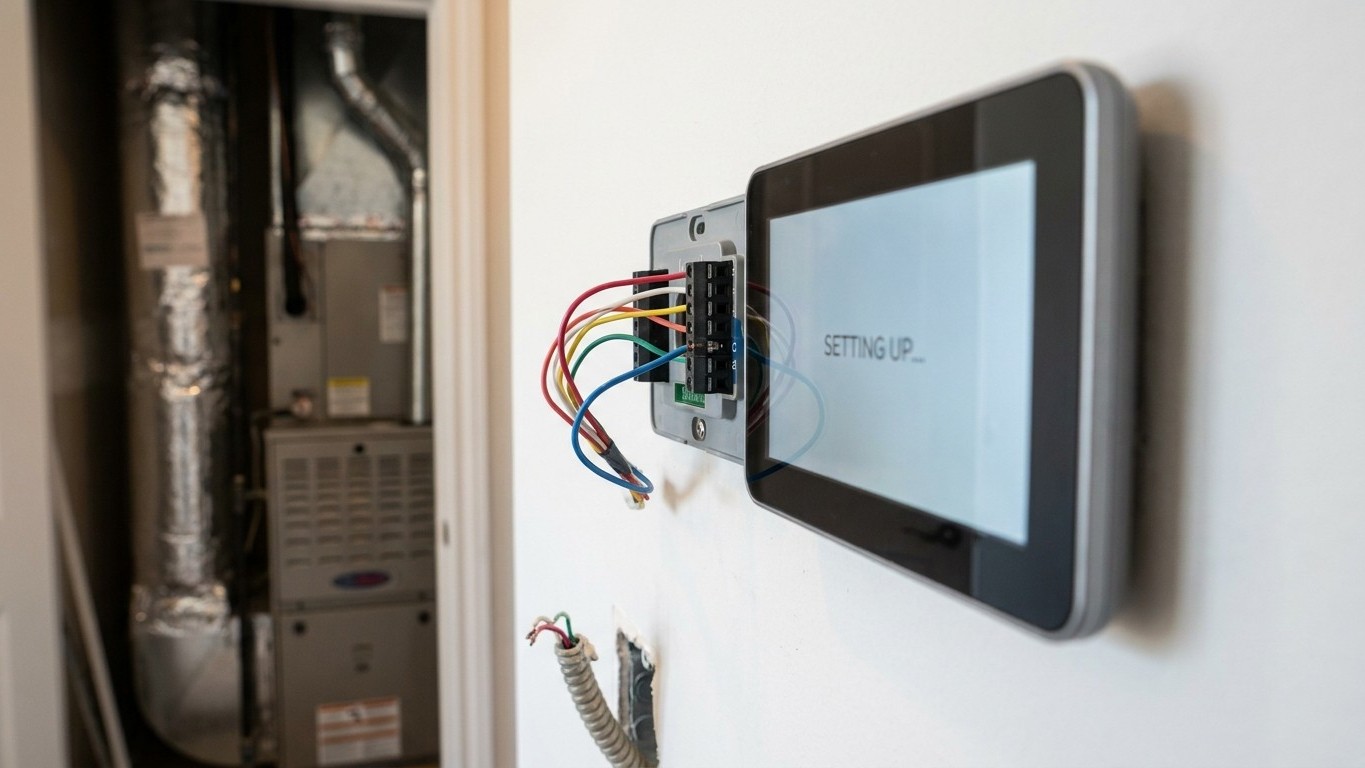
A common wire, also called a C-wire, is a low-voltage conductor that gives a thermostat constant power so its screen, Wi-Fi radio and processor can run…
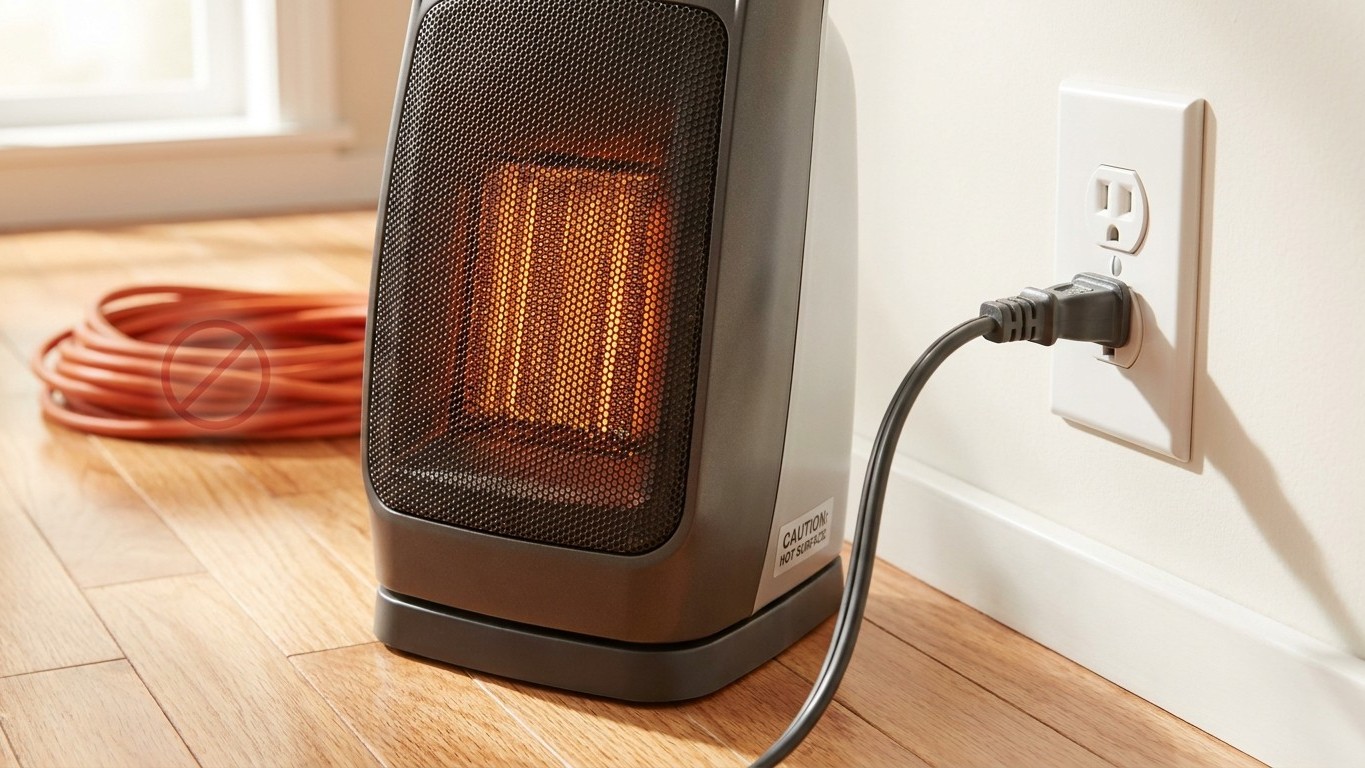
No. A space heater should run straight from a wall outlet, plugged in directly, with nothing in between.
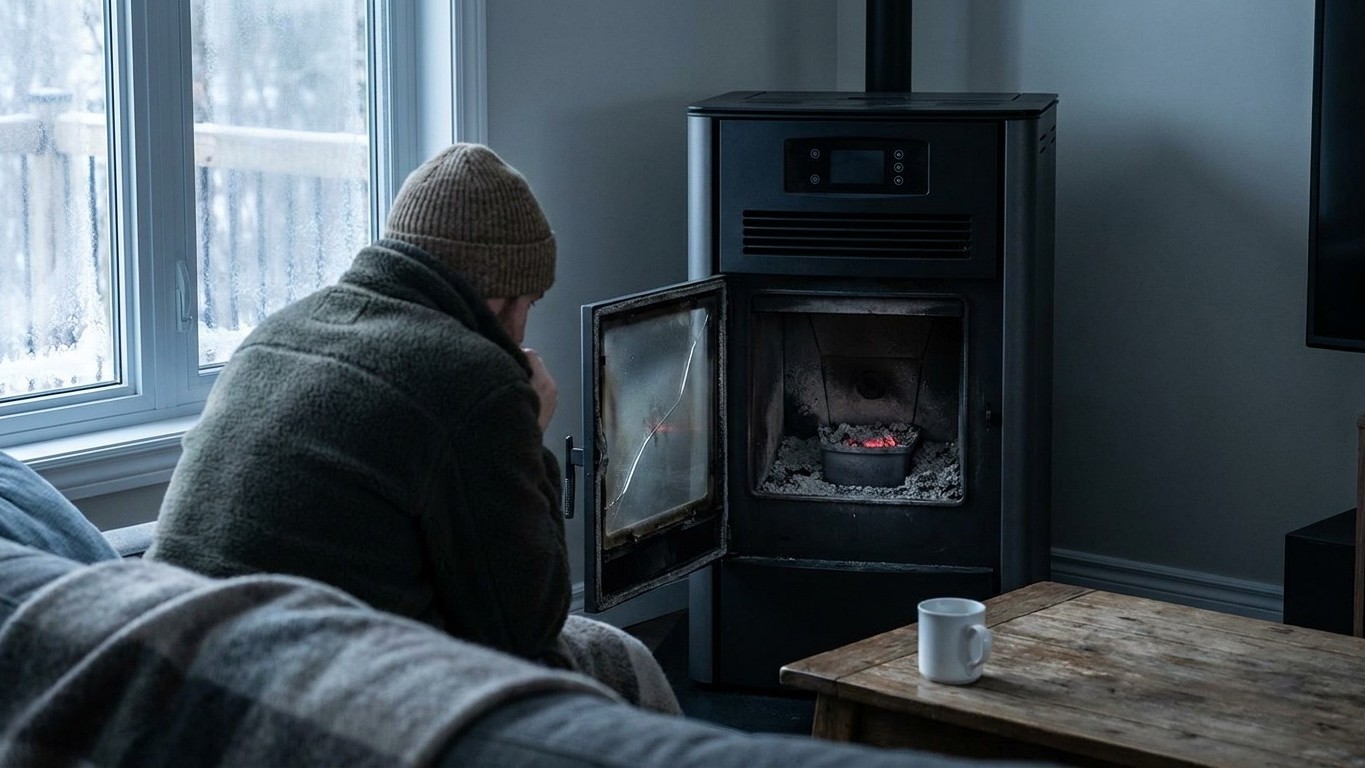
A pellet stove goes cold within minutes of a power outage, and there’s no workaround built into the appliance itself.

A programmable thermostat runs the schedule you typed in, nothing more. A smart thermostat also reacts to things you never told it: an empty house, a…
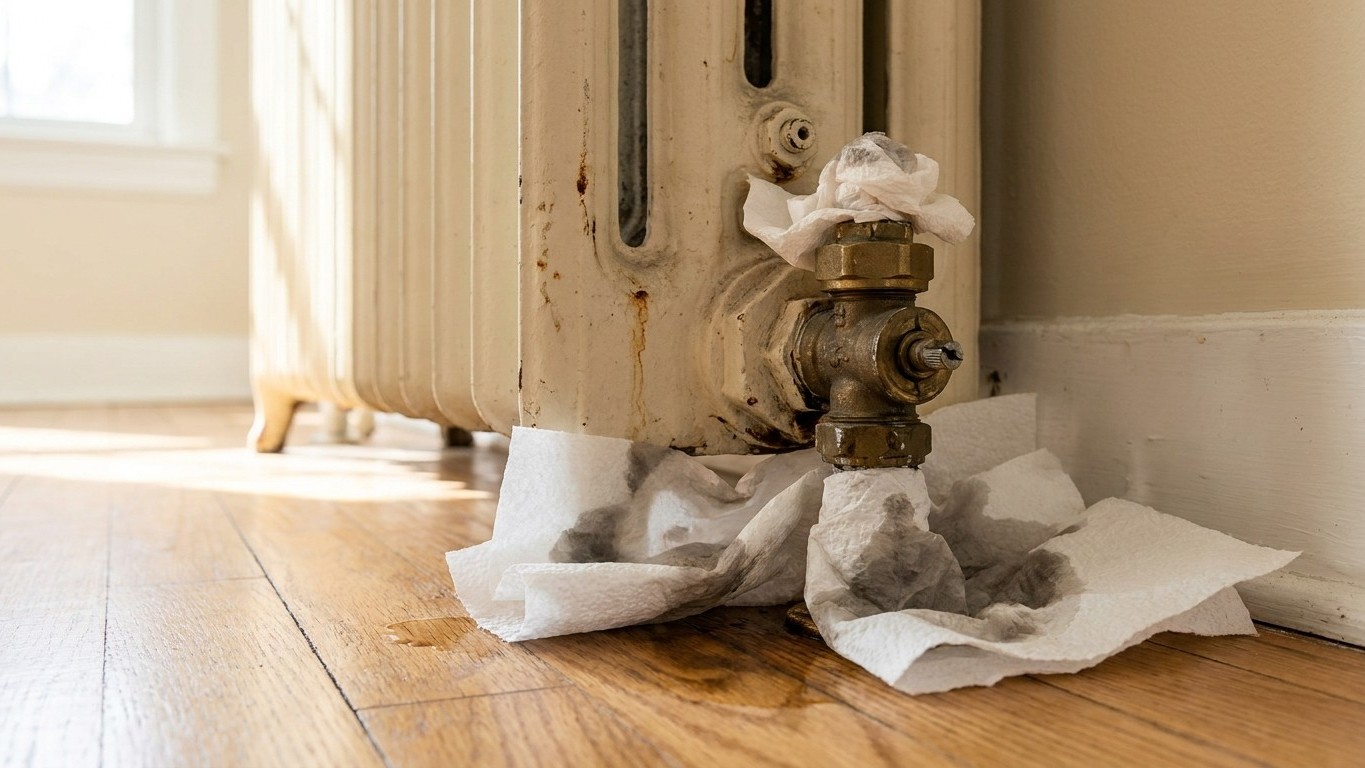
Water pooling under a radiator almost always comes from one of four spots: the pipe union where the valve meets the radiator, the valve spindle itself, a…
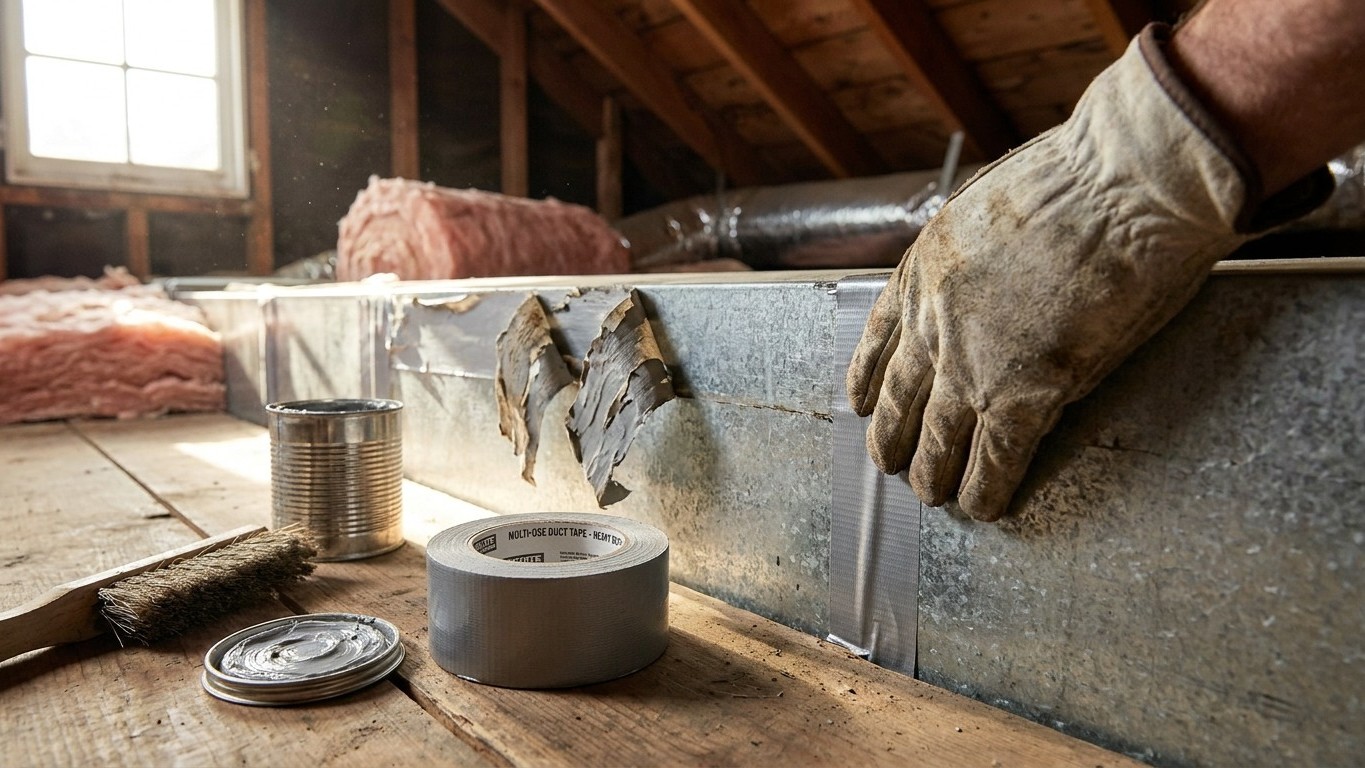
Sealing your own ducts works best with a brush-applied mastic or a foil tape carrying a tested rating mark, applied to the joints closest to your furnace…
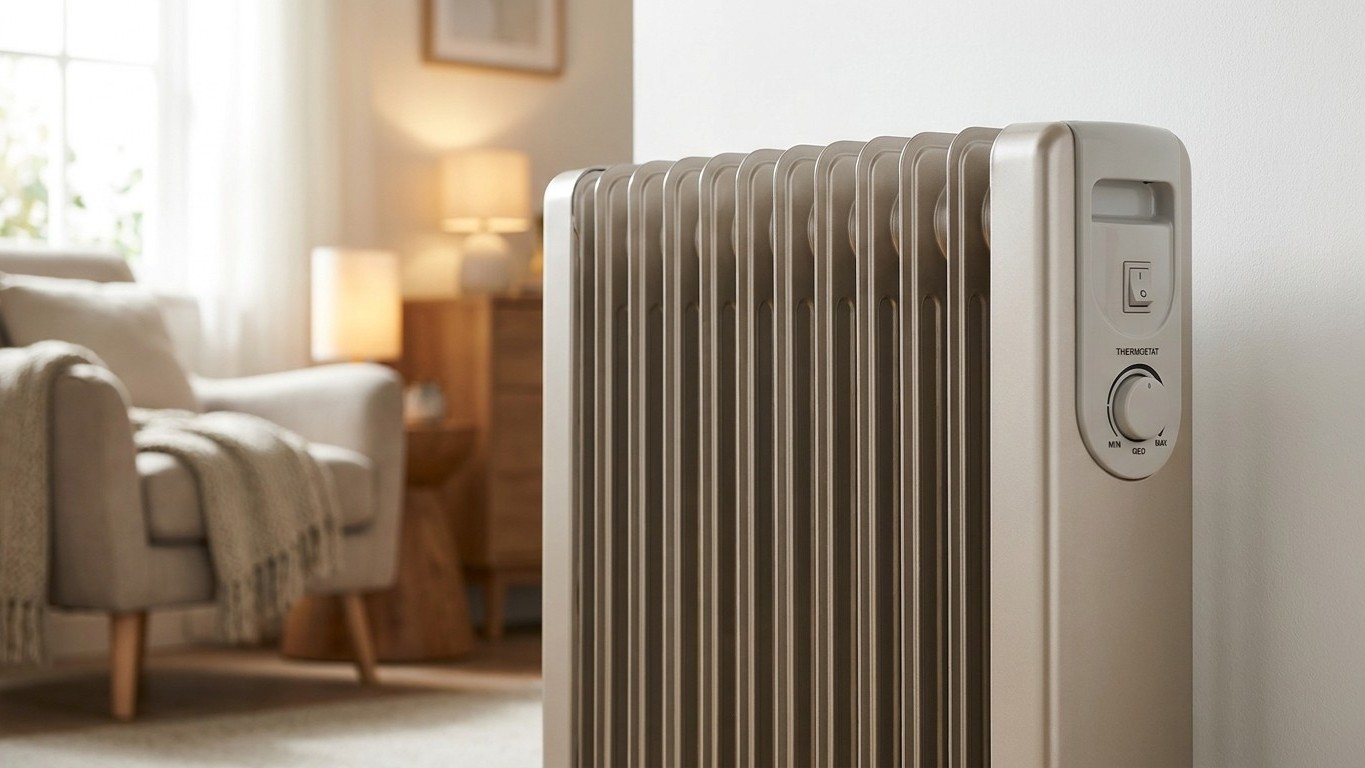
The oil in an oil-filled radiator heater sits sealed inside the metal fins for the life of the appliance.