When to Pull Beets in Nevada, and Why Colder Is Not Better
Pull beets when the roots reach the size you want to eat, typically 60 to 80 days after the seed goes into the ground, and before a hard freeze locks up…
Home & garden, state by state
Pull beets when the roots reach the size you want to eat, typically 60 to 80 days after the seed goes into the ground, and before a hard freeze locks up…
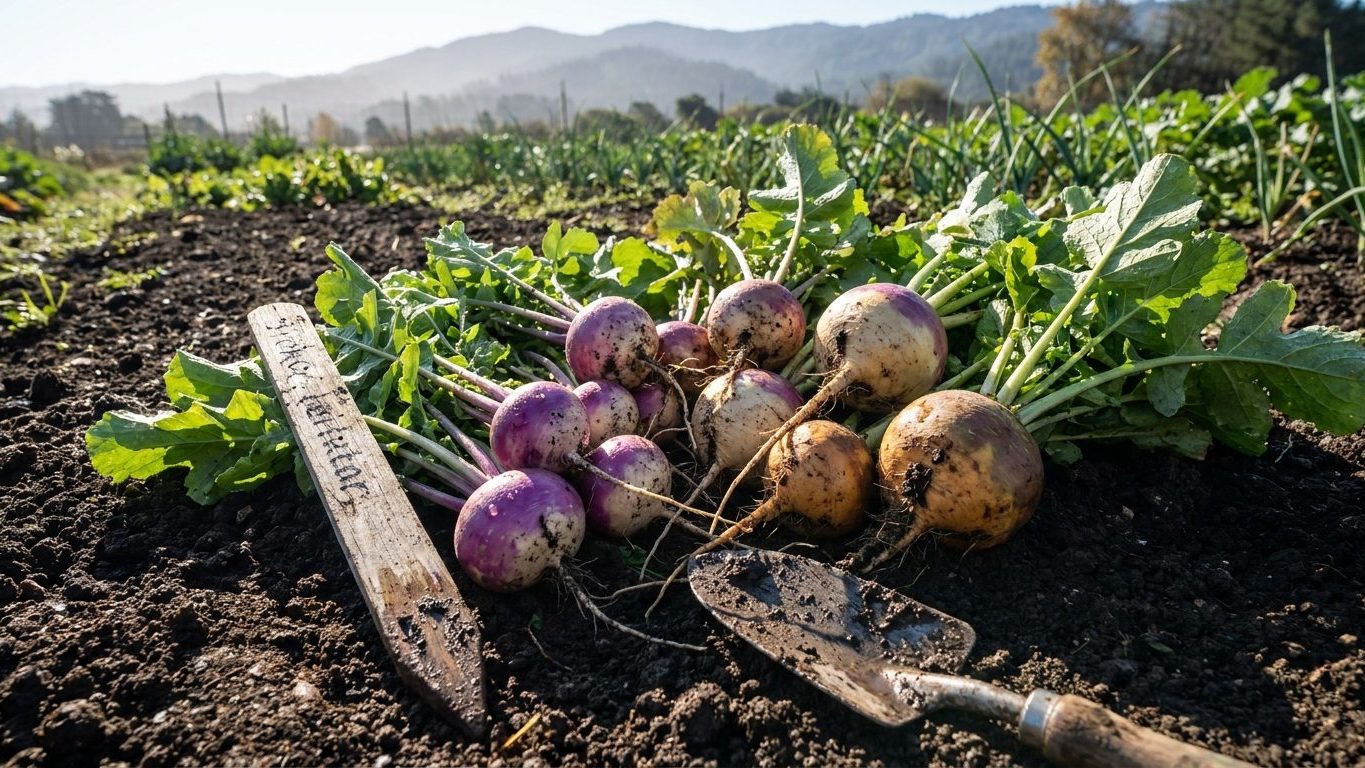
In Pennsylvania, quick small-rooted turnips suit spring and late summer, and rutabaga does best as a fall crop sown early enough to get its full season.
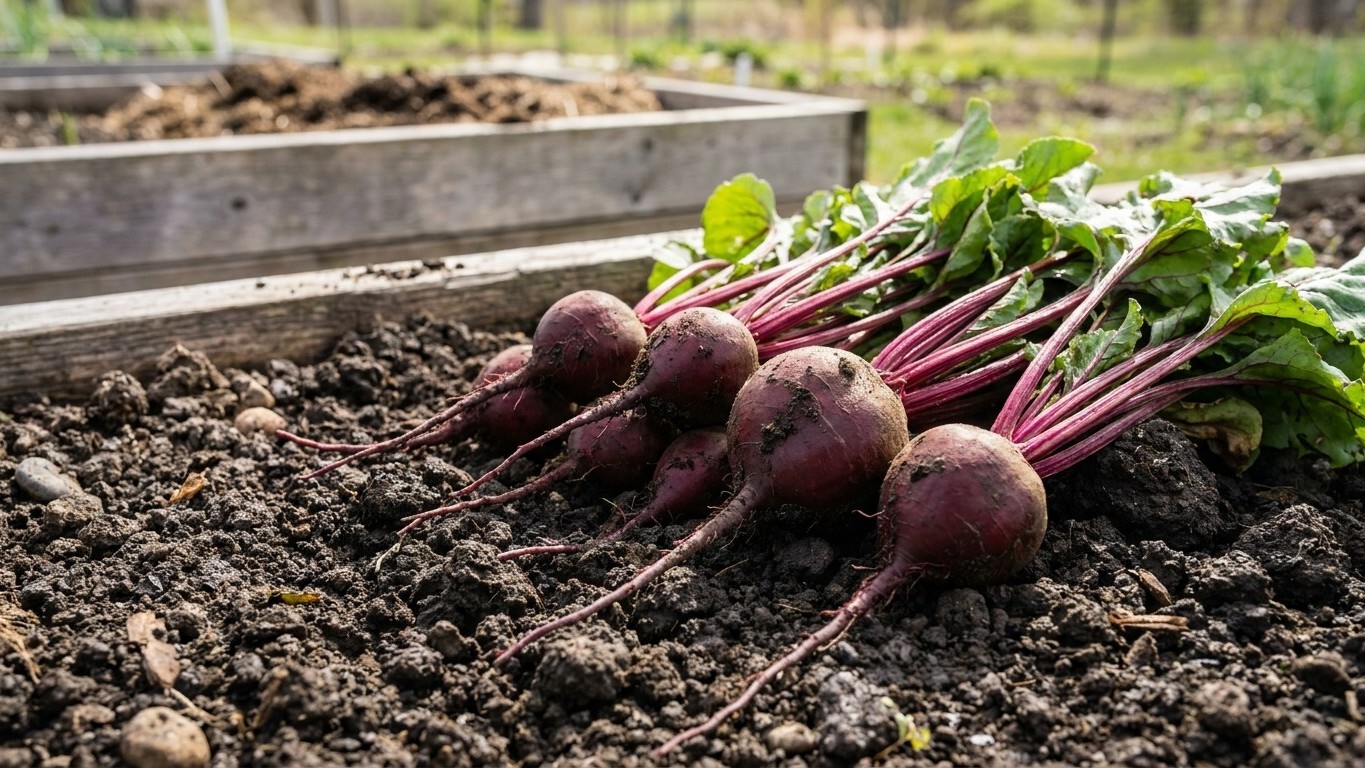
Pull beets when the shoulders reach the size you want to eat, about 60 to 80 days after seeding.
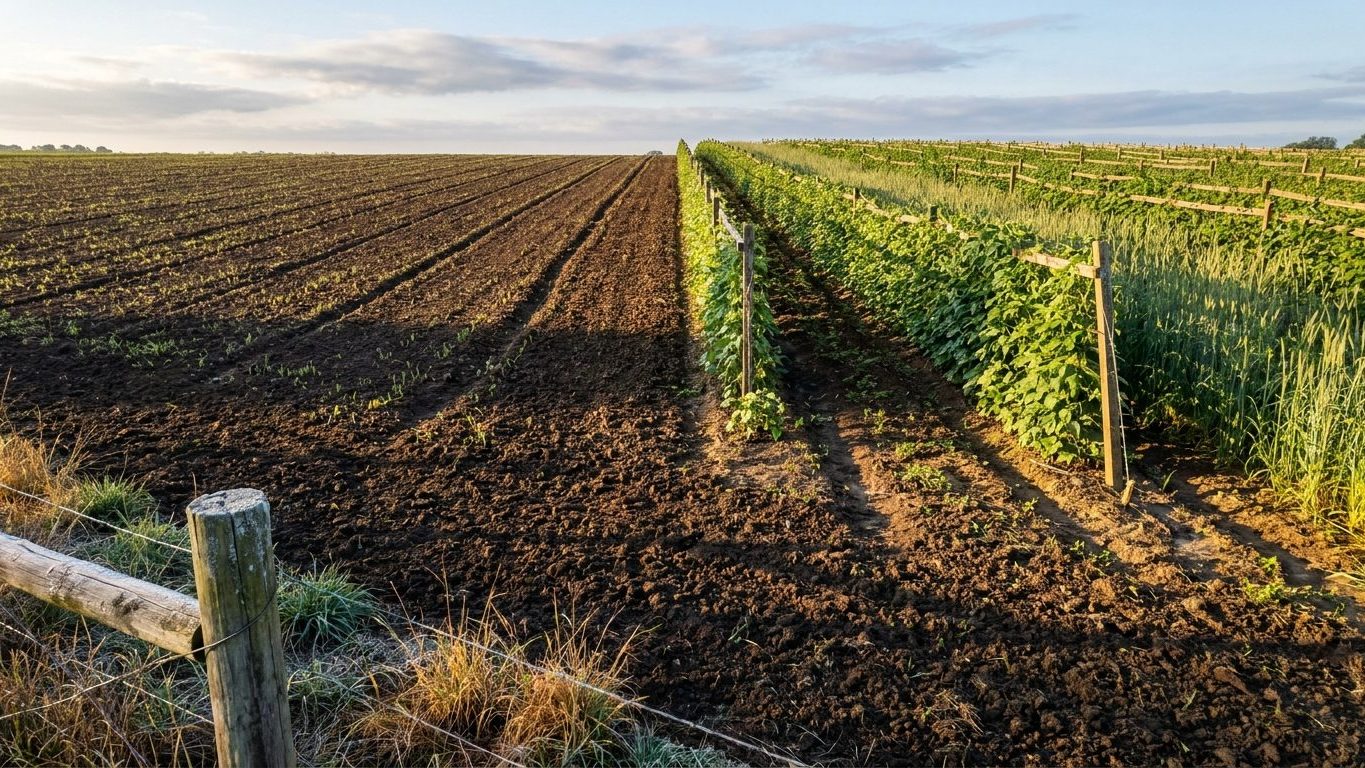
Kansas gardeners and farmers work with two distinct cover-crop windows tied to frost risk: warm-season species go in after the last spring frost clears…
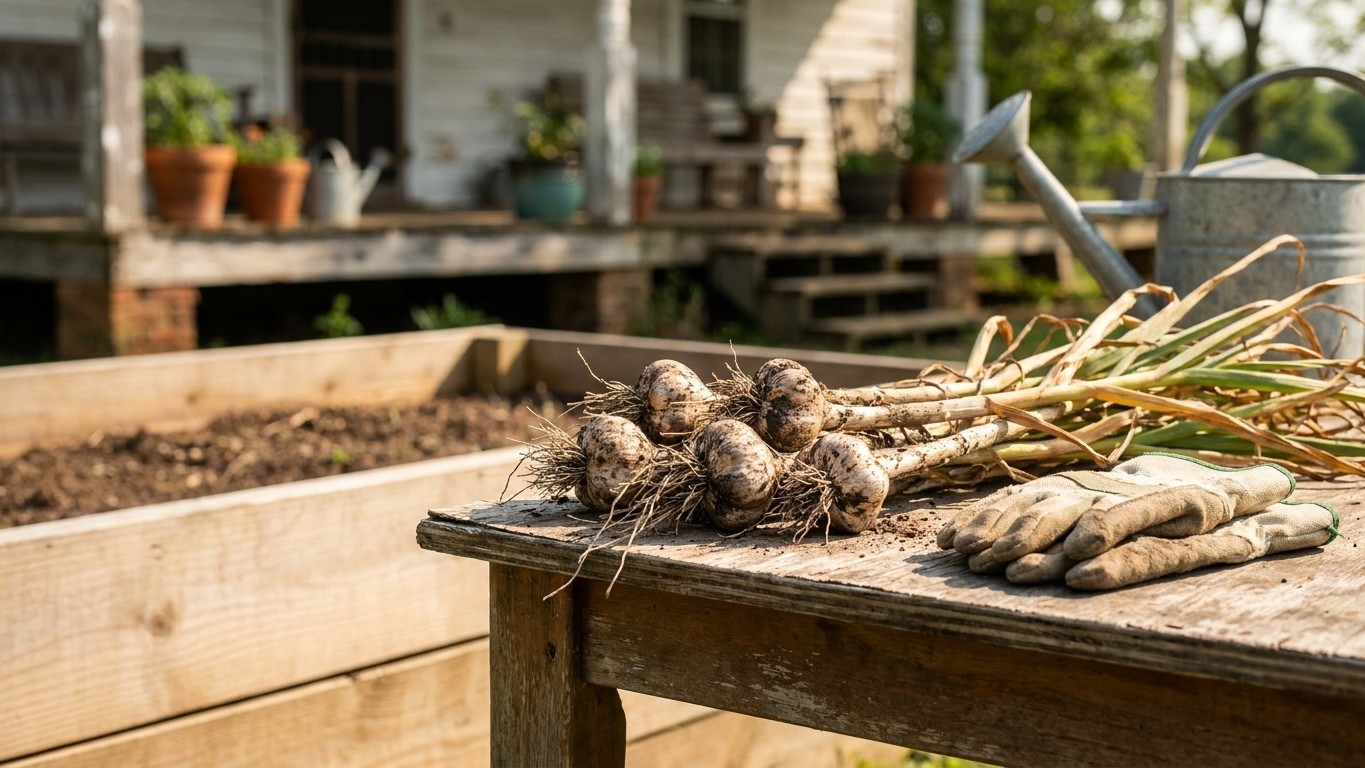
Pull beets once the roots reach a usable size and before the soil freezes hard.
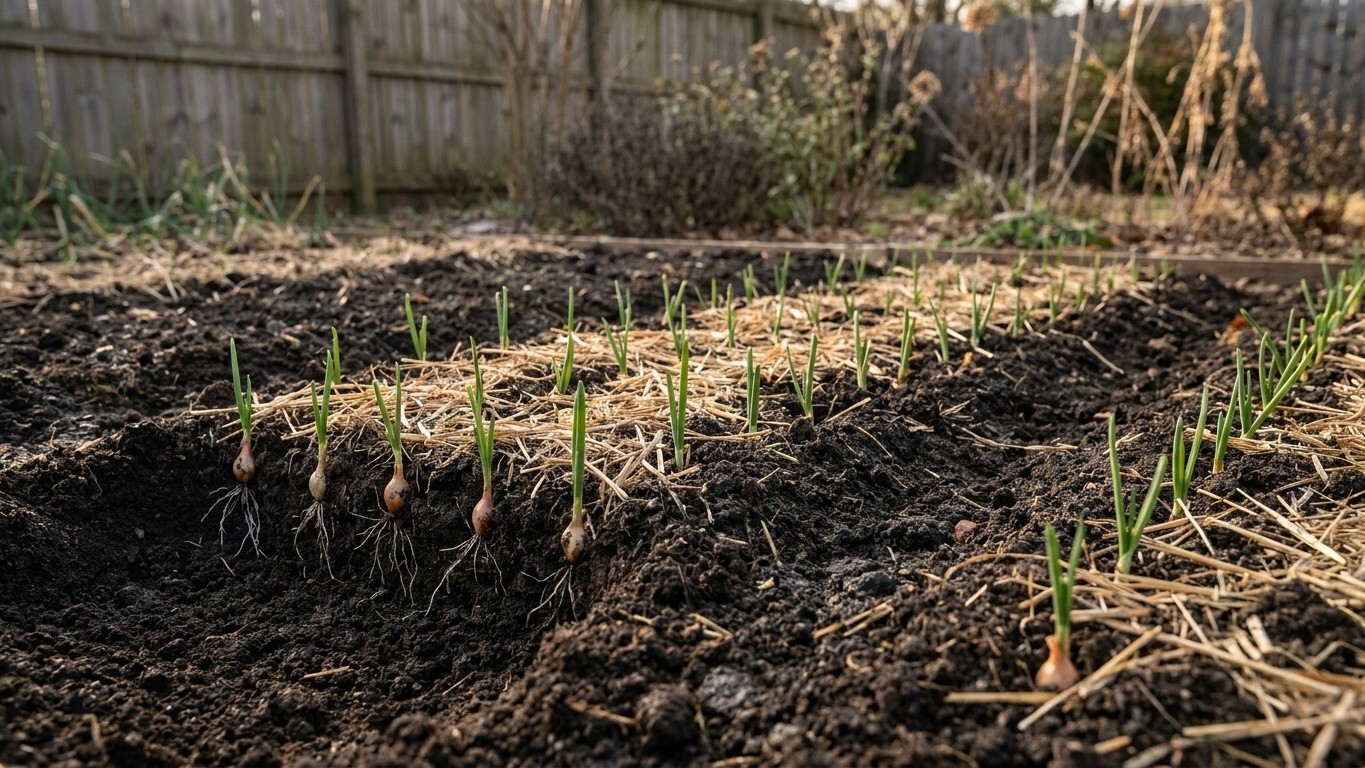
Garlic in Texas gets hit from three directions: insects that feed on the leaves, pests that work in the soil and the bulb, and problems that look like…
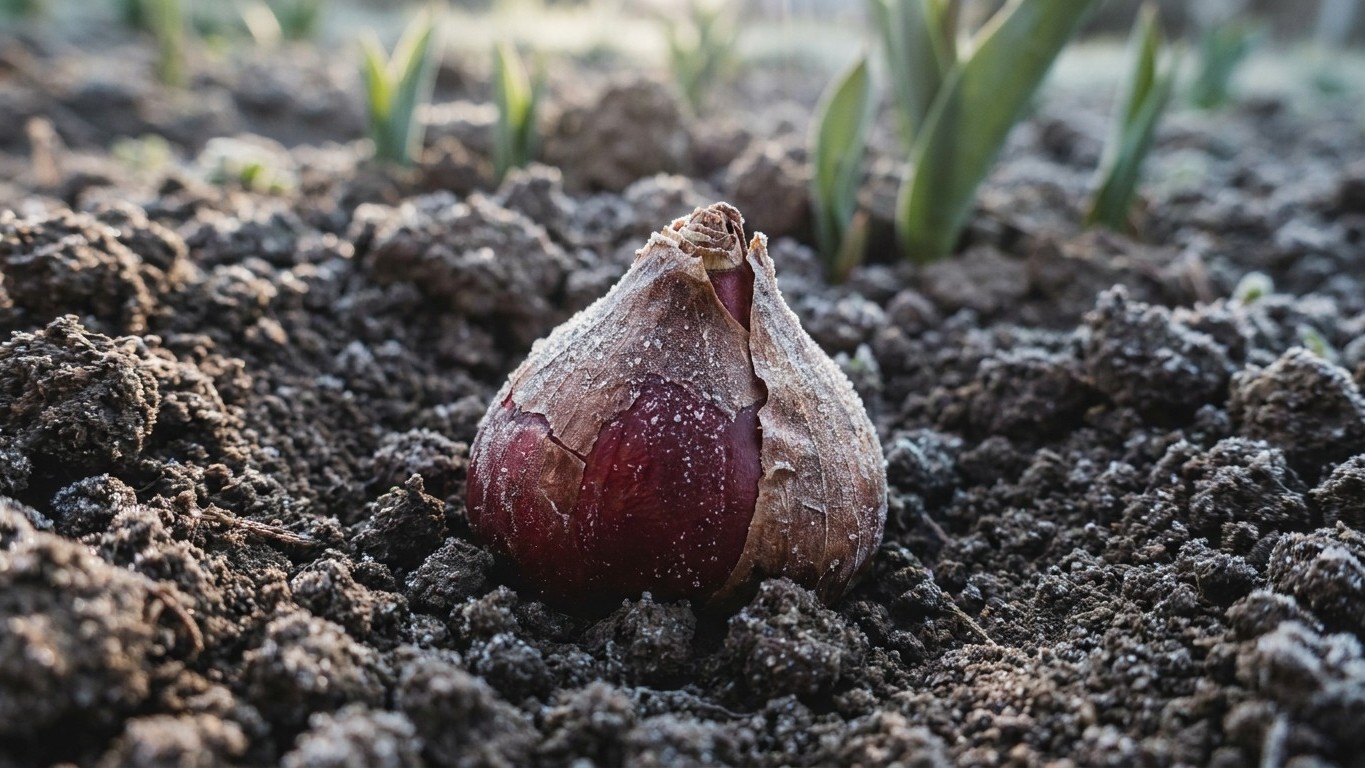
The best sweet potatoes for Saskatchewan are early-maturing, orange-fleshed types with compact vines, grown from slips and set into warmed soil under…
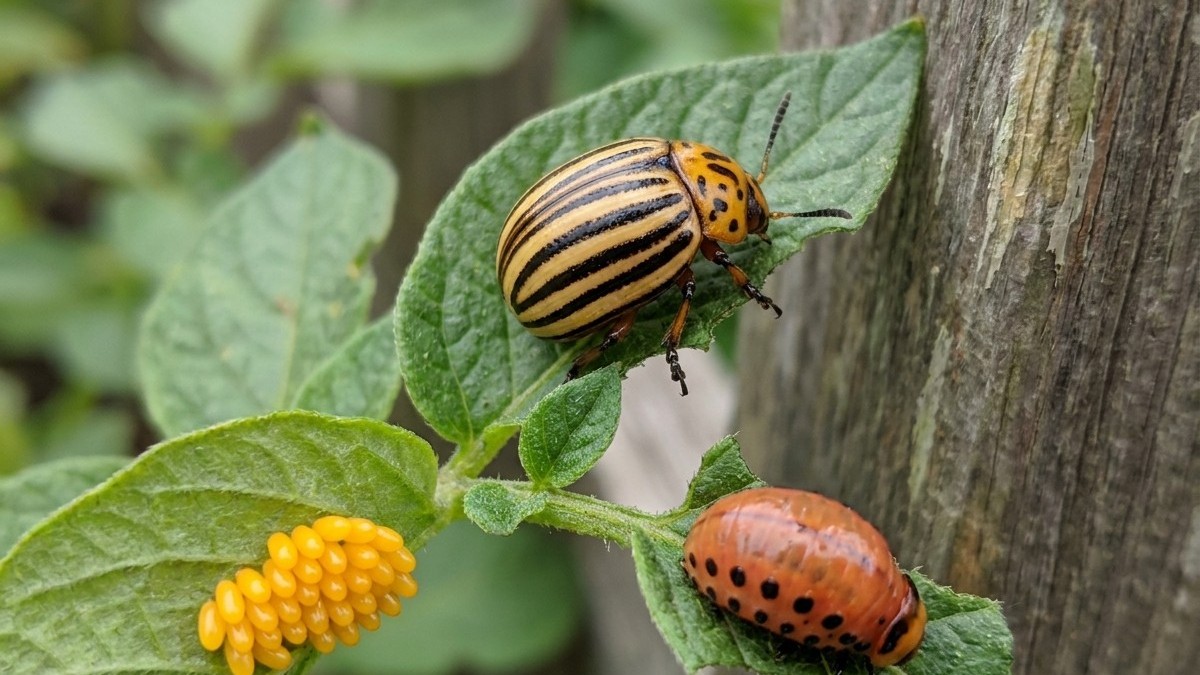
Garlic in Tennessee has trouble from three groups of pests: those that feed in the soil on cloves and roots, those that chew or rasp the leaves in…
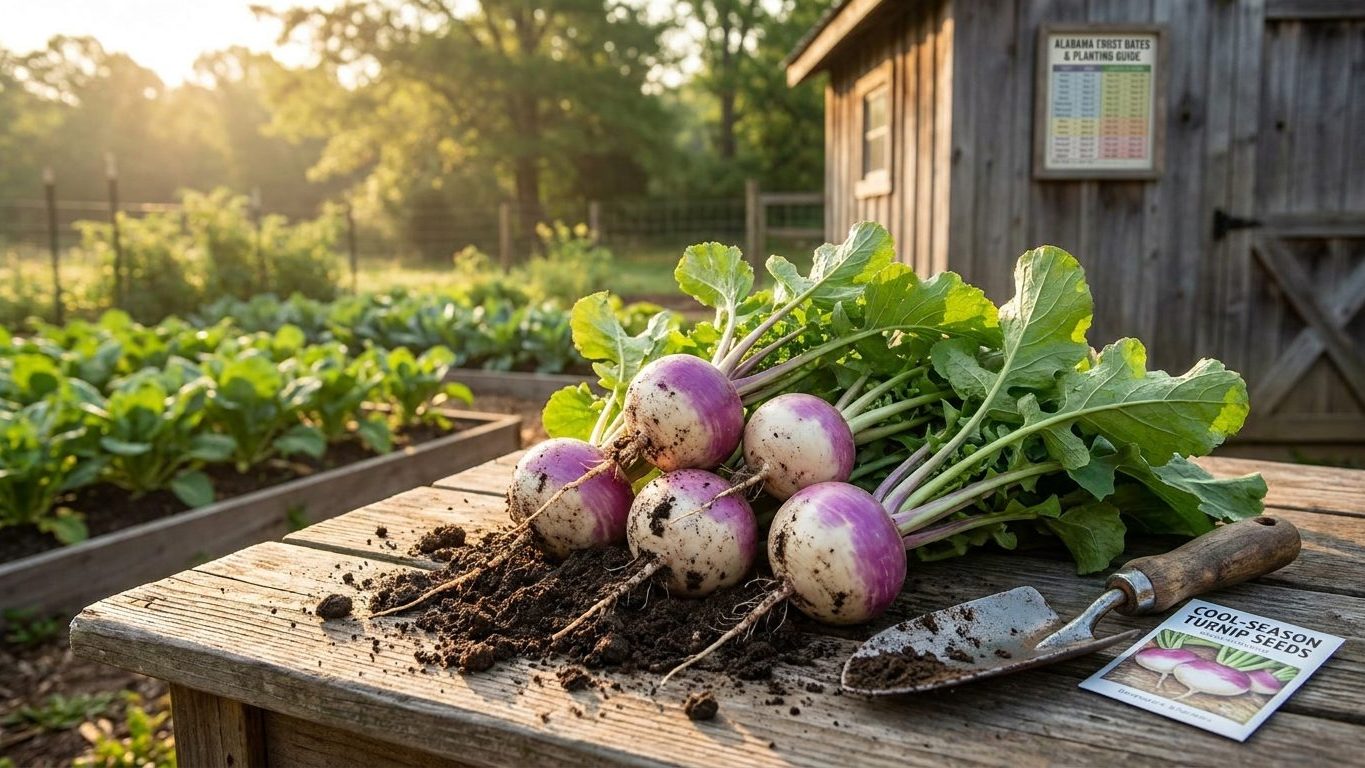
Sow turnips west of the Cascades from March into April for a spring crop, then again from late July through August for the better fall crop.
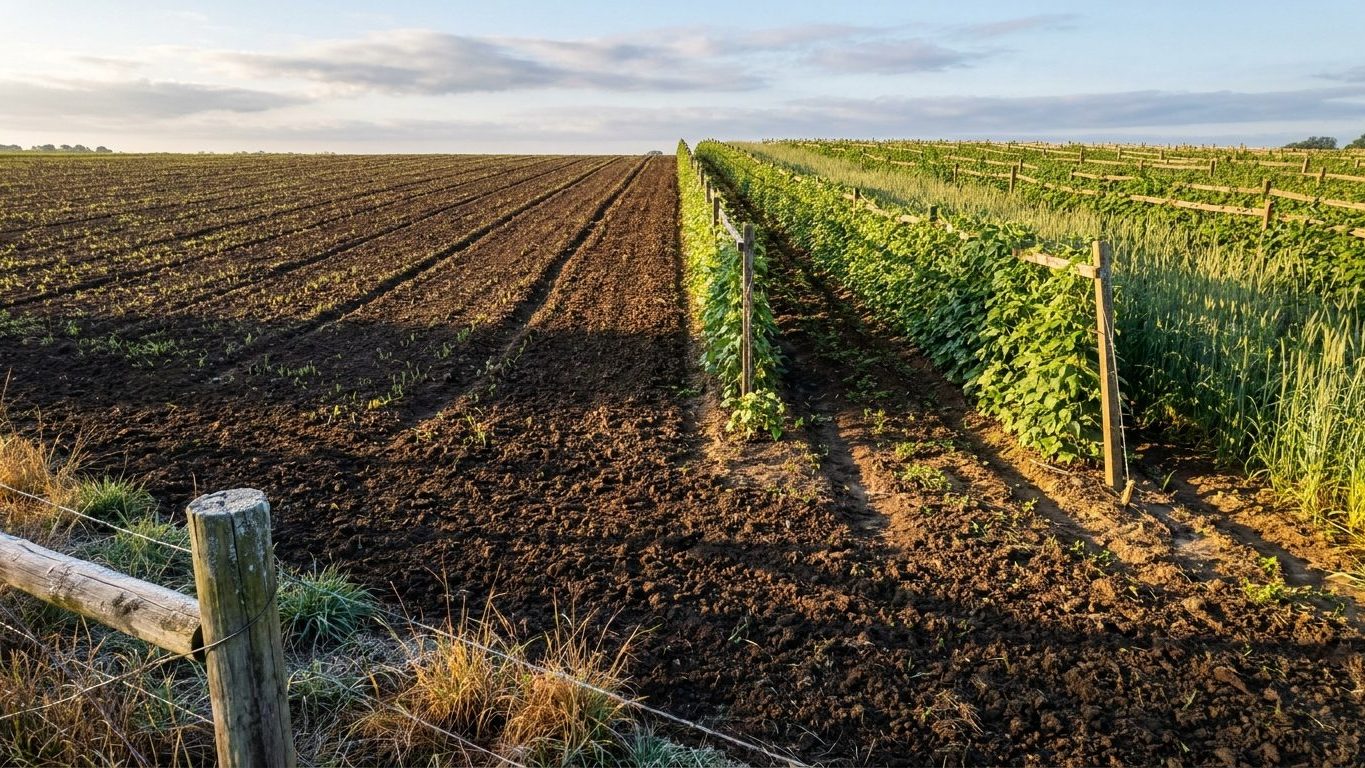
Sow fall cover crops in Iowa from late August into October, and sow spring ones once the soil is workable in April.