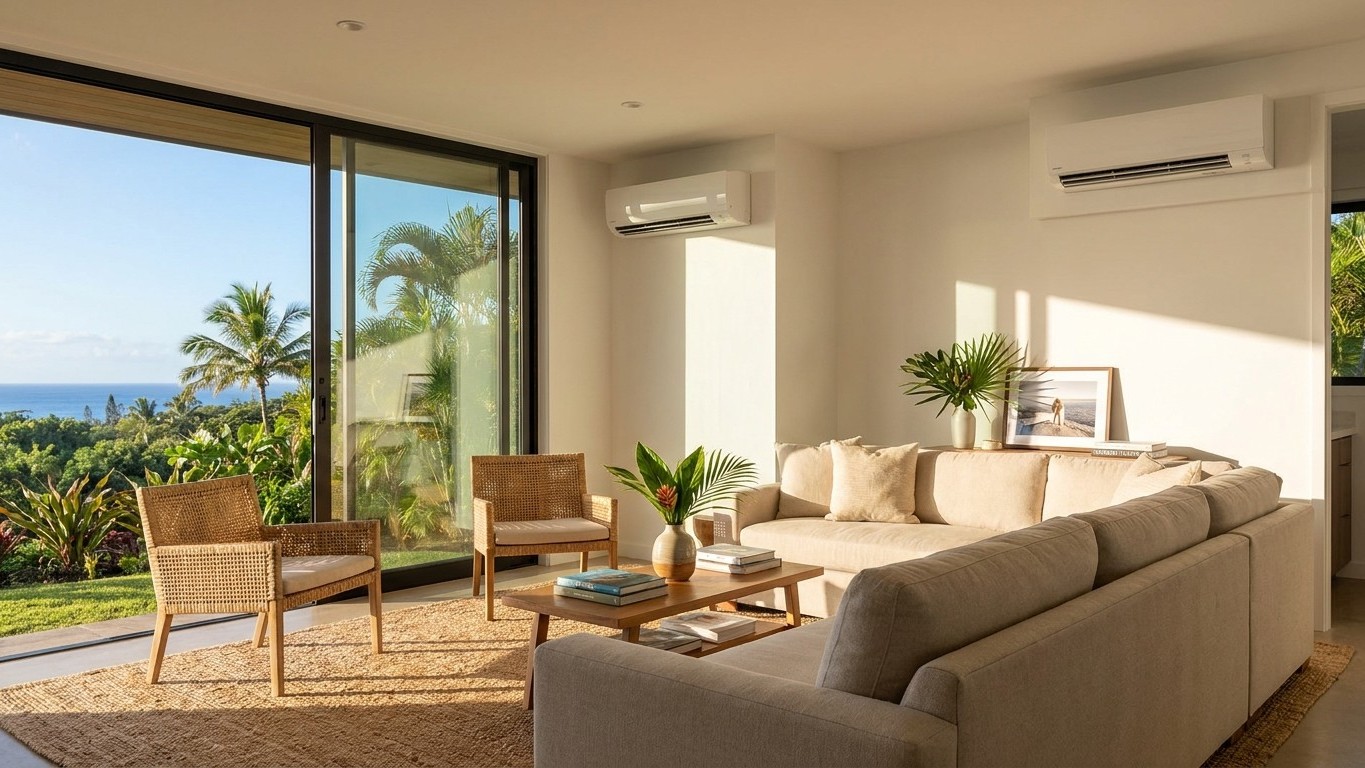
Does Insulation Keep a Home in West Virginia Cool?
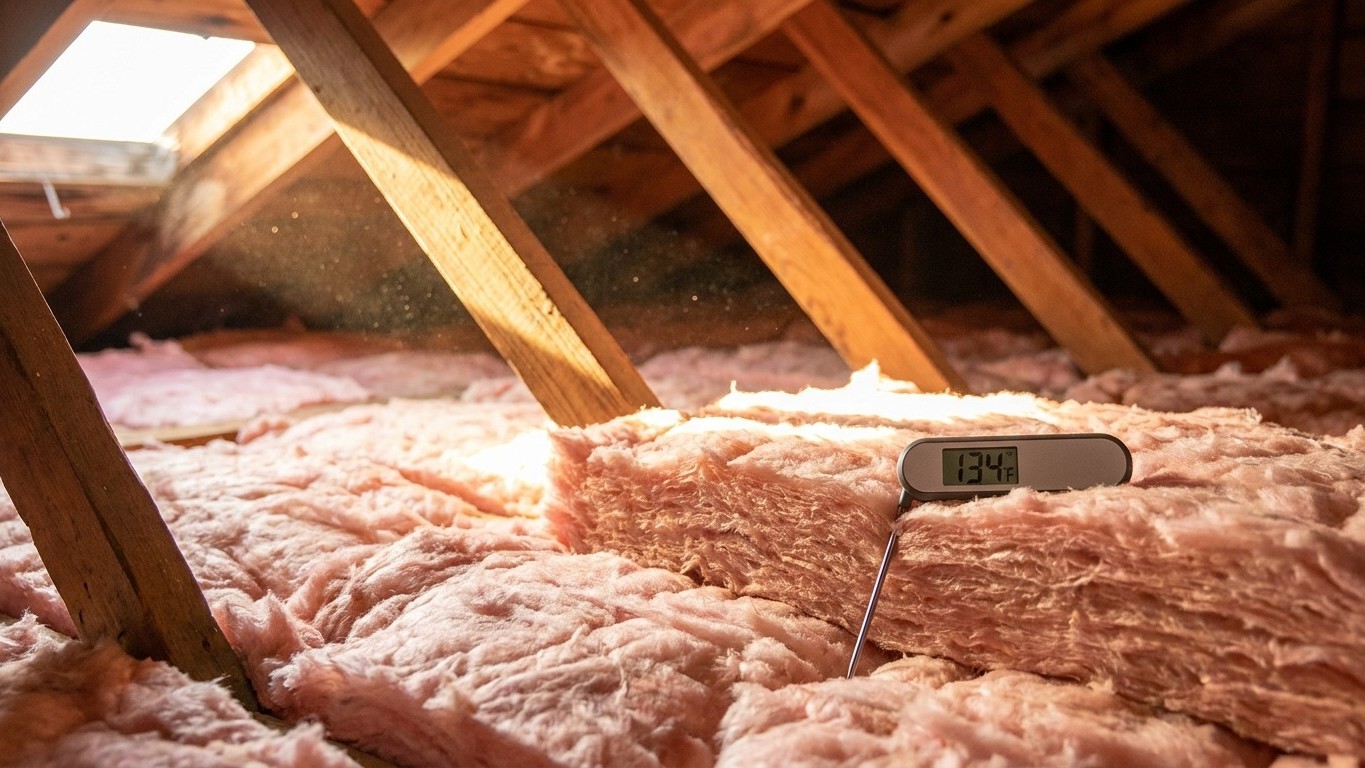
Yes, insulation makes a real difference against summer heat in West Virginia, though this is not a state that bakes all season the way the Deep South does.
Home & garden, state by state
Everything we have worked out for West Virginia: what to plant and when, which varieties finish in time, the pests that actually turn up here, and the jobs that pay off month by month. We also cover the rest of the property, from lawns and soil to home care and energy, because a garden rarely stops at the vegetable bed.
The numbers first, because everything else follows from them. Measured at the weather station in Charleston, the last spring freeze runs April 9 to April 23 and the first fall freeze runs October 18 to November 1, USDA zones 5a-7a, 4,159 growing degree days in the year.
Garlic does well: 21.8 weeks below 40 °F, comfortably past the six it needs to form a proper head.
Elsewhere on the property in West Virginia: the pests that turn up here.
Figures from NOAA's 1991-2020 climate normals. A state is not one climate: elevation, a large lake or the coast can move these dates by two weeks either way, so check your own county with the extension service before you spend money.
Yes, insulation makes a real difference against summer heat in West Virginia, though this is not a state that bakes all season the way the Deep South does.
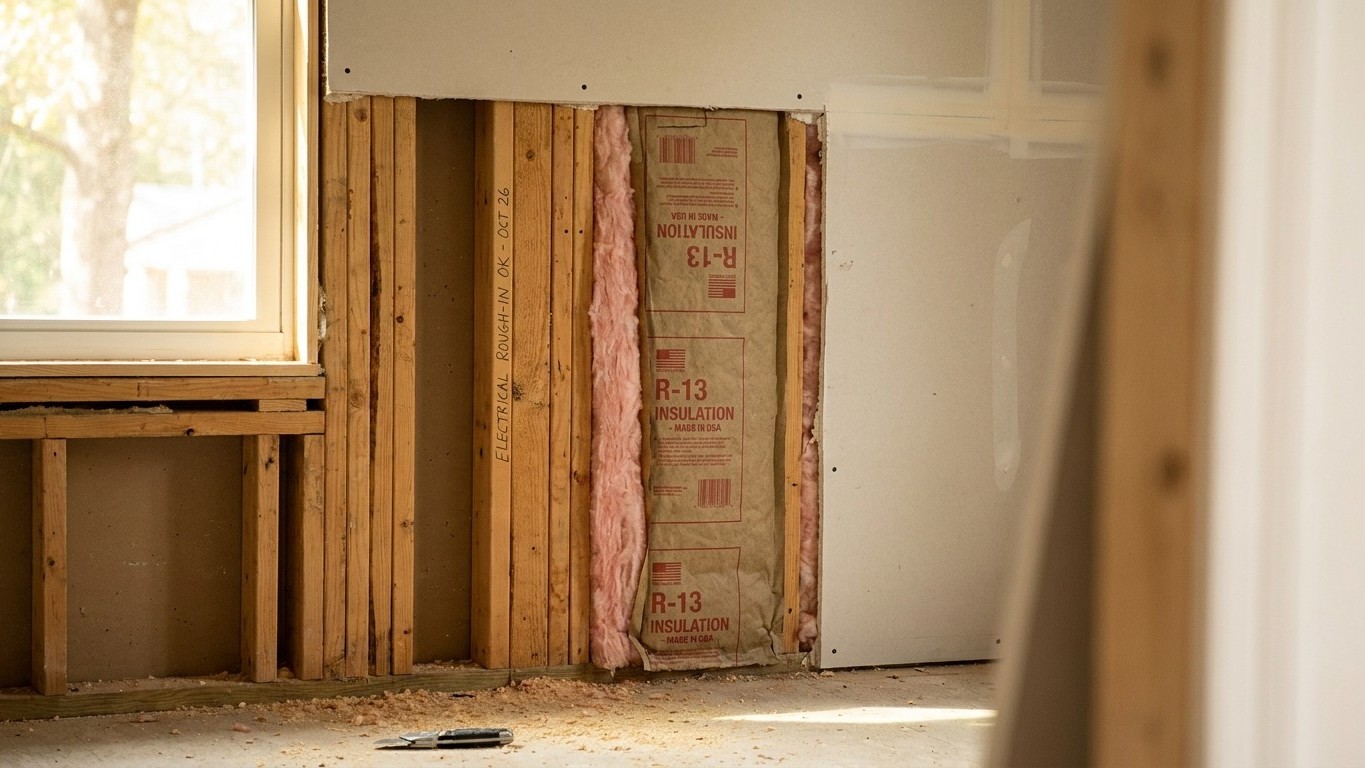
Yes, in most cases: West Virginia’s 55 counties sit entirely in IECC Climate Zones 4A and 5A, and the 2021 International Residential Code requires an…
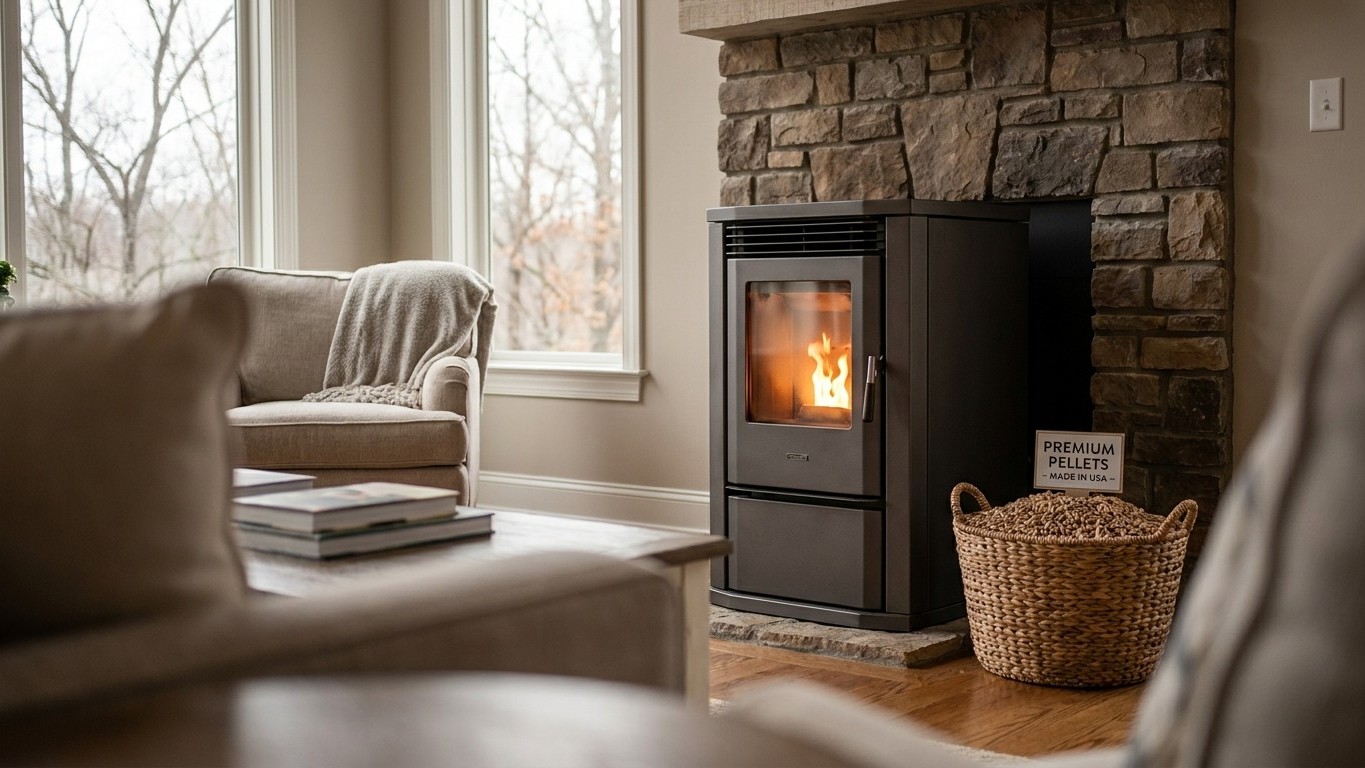
Charleston, West Virginia averages about 4,353 heating degree days a year, and that single number tells most of the story: a pellet stove here isn’t a…
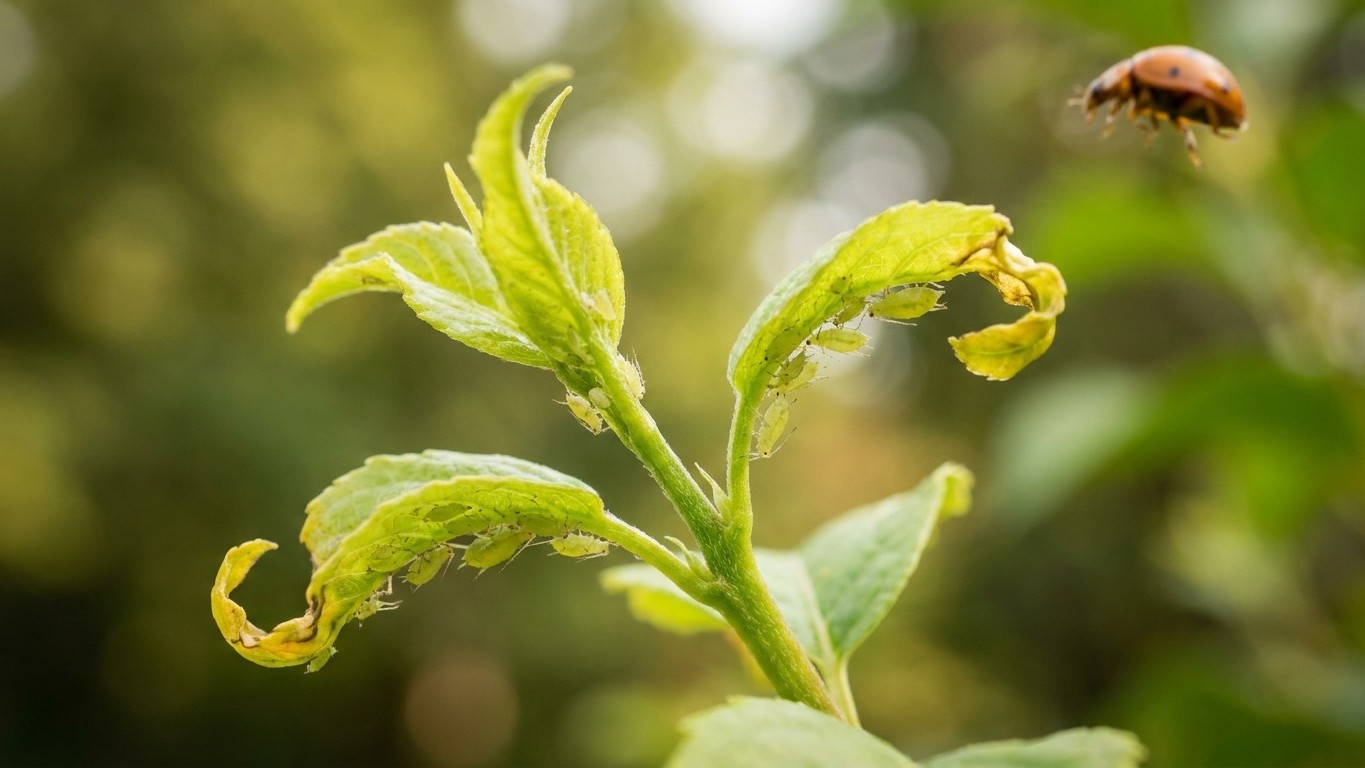
Aphids build up in West Virginia gardens anytime from April through August, but WVU Extension’s pest calendar singles out June as the month they hit…
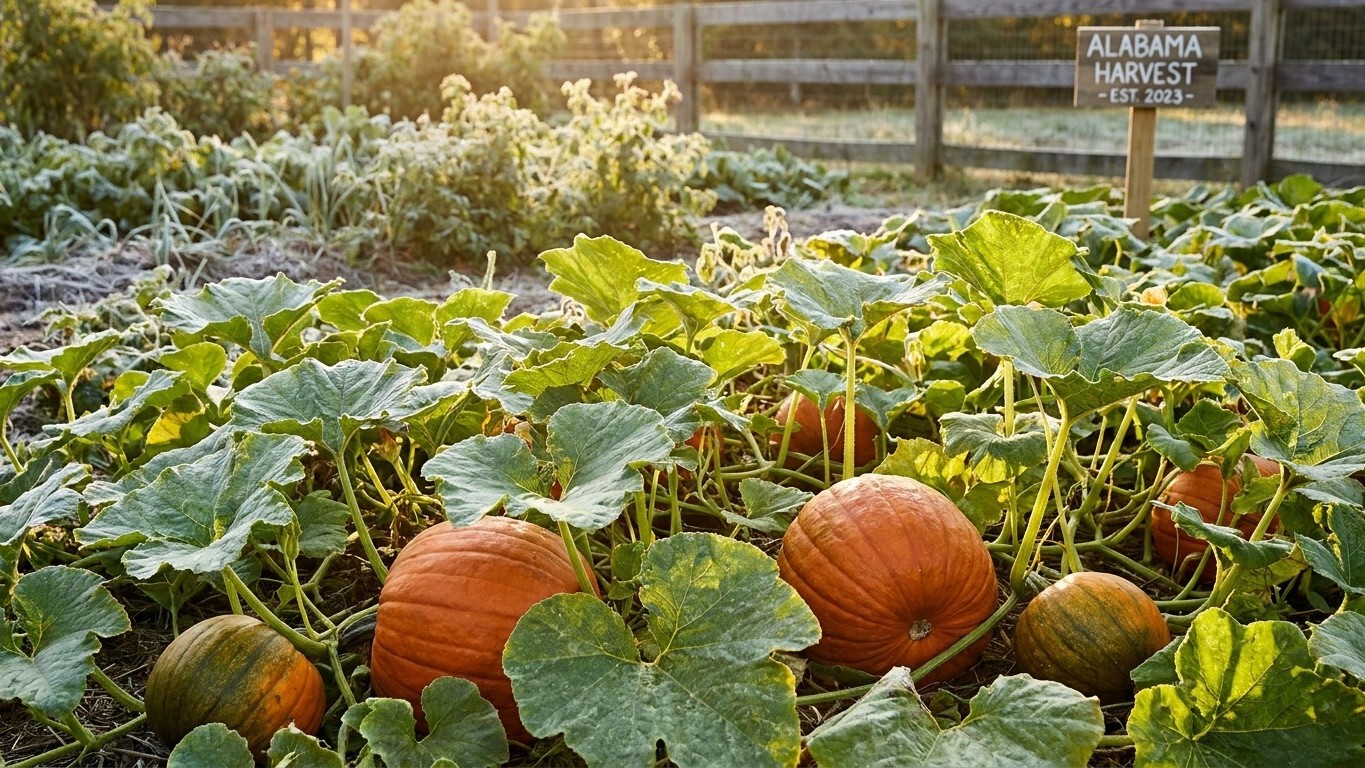
Most pumpkins planted on a normal spring schedule in West Virginia’s lower valleys will ripen before the first freeze.
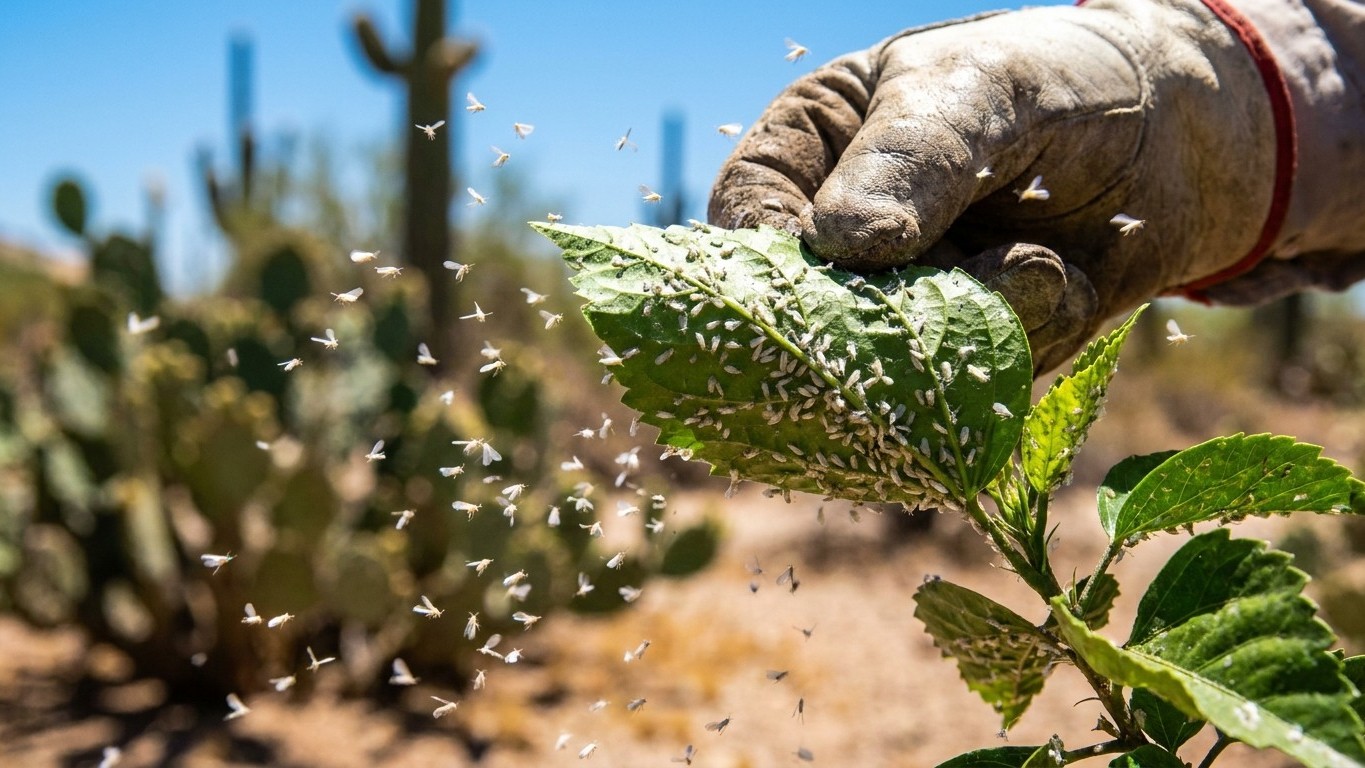
Whiteflies show up in West Virginia gardens from late spring through summer, tracking the same warm stretch that brings aphids and cabbage worms.
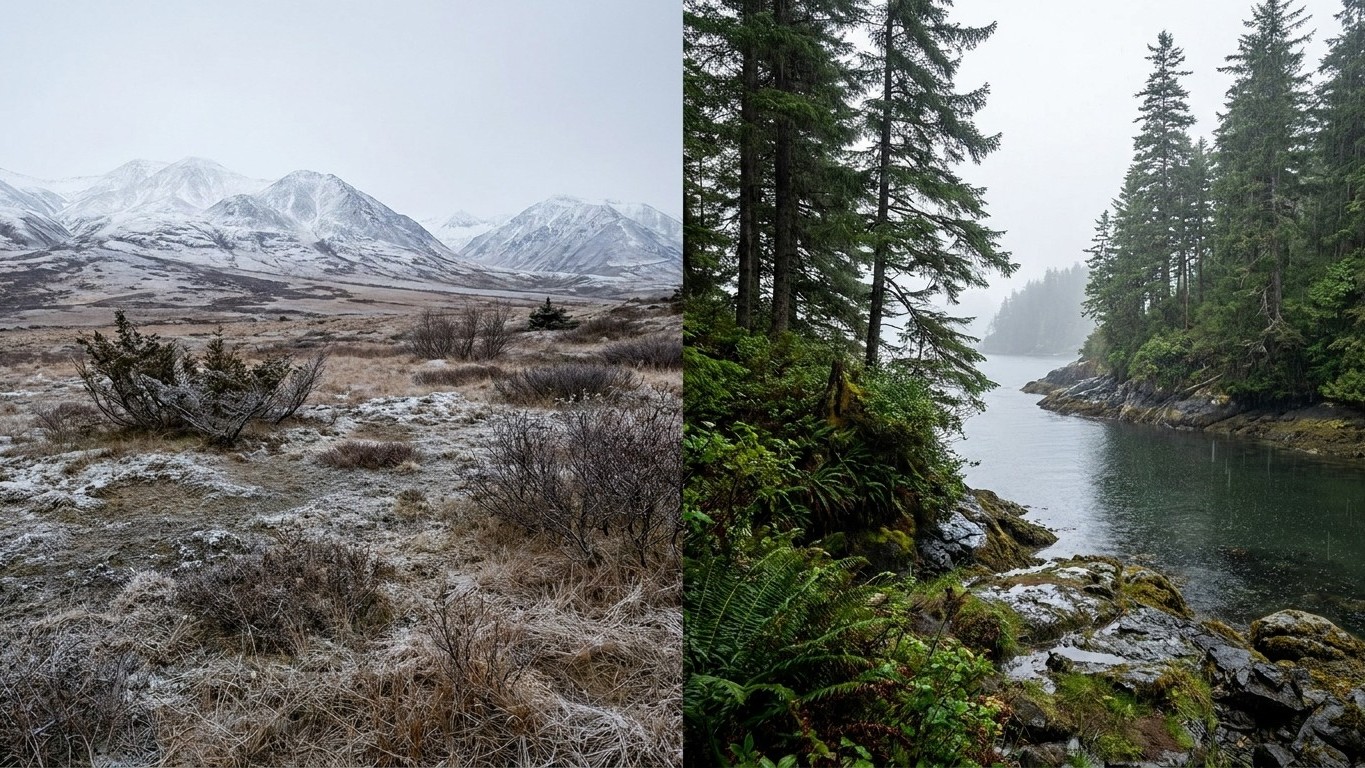
West Virginia’s growing conditions span USDA zones 5a through 7a, and of the 65 trees, shrubs, fruiting plants and perennials this site documents, 60…
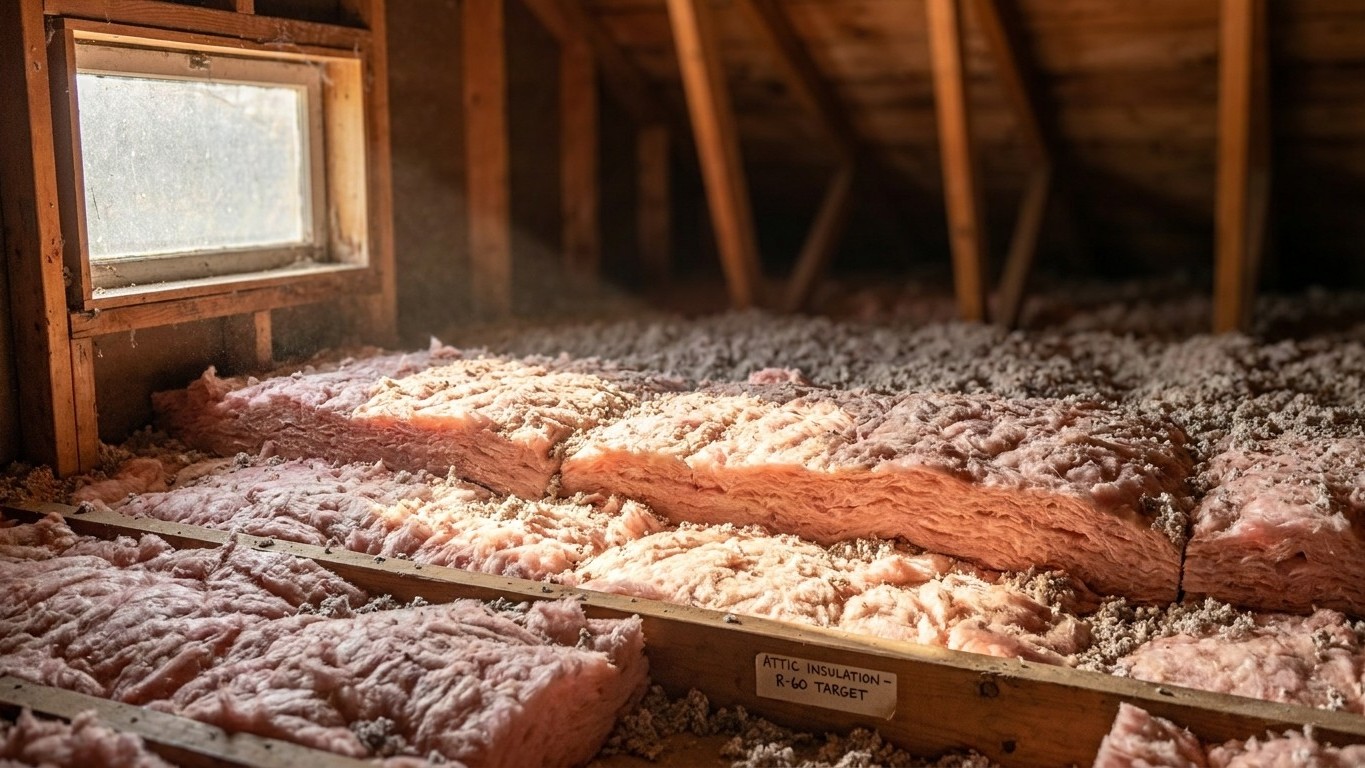
West Virginia doesn’t have one insulation answer. The state sits across two IECC climate zones, so the right R-value depends on which of the state’s 55…
September is West Virginia’s quietest month, with heating and cooling demand together adding up to about 189 degree days.
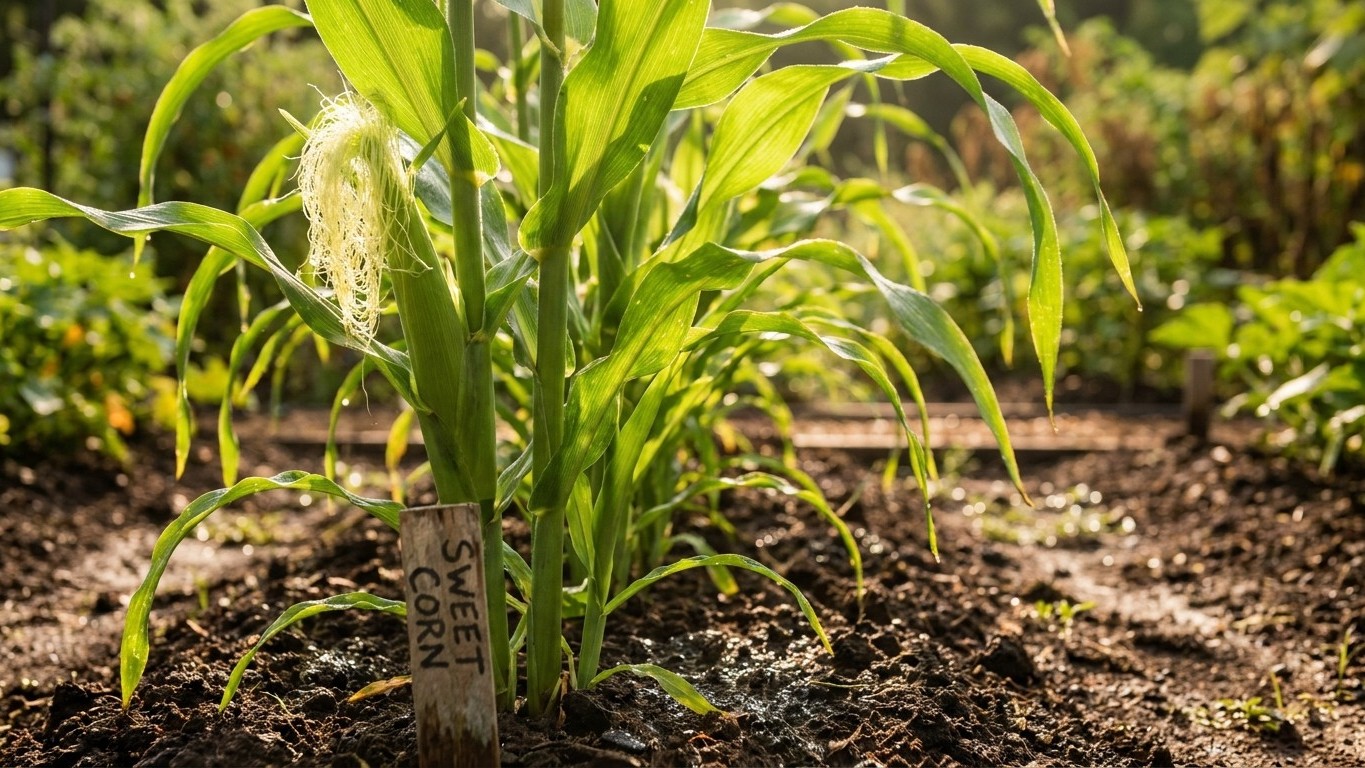
Yes, sweet corn ripens in most of West Virginia, but only if you plant by soil temperature rather than by the frost calendar most gardeners rely on.