
Summer squash in Mississippi rewards the gardener who checks plants every day or two, not the one watching a calendar. The plant itself tells you when to cut: glossy skin, a fingernail that pierces it without resistance, size still on the small side. Miss that window by even a few days and the fruit turns tough, seedy, and the vine slows down. Here’s how the timing, the storage, and the inevitable glut actually play out here.
When summer squash are ready in Mississippi
Forget the seed packet’s “harvest date” as gospel. The real signal is the skin: still tender enough to dent with a thumbnail, still glossy rather than dulled and thick. Size matters too, smaller fruit means a better texture and a plant that keeps producing, because a squash left to swell and mature tells the vine to slow down or stop setting new fruit. Pick small and often, and the harvest frequency essentially becomes the yield.
The calendar window still matters for planning. In Jackson, the reference station for this part of the state, the last spring frost typically falls between March 6 and March 22, based on NOAA’s 1991-2020 climate normals. Squash seed doesn’t germinate well in cold soil, so most gardeners wait until after that frost risk clears before direct-seeding or transplanting. Clemson Cooperative Extension notes that summer squash reaches harvest stage about 55 days after planting, which puts the first pickings from an early planting somewhere in the back half of April into May for many Mississippi gardens, and that’s before accounting for a warm early spring pushing things faster.
From there, harvest continues through the long, hot Mississippi summer until the first fall frost shuts the vines down. That frost arrives between November 7 and November 22 at the Jackson reference station, again per NOAA’s 1991-2020 normals. That’s a wide window, and it’s worth remembering these numbers come from one airport weather station. Suburban and rural gardens in the same region often see the last spring frost land later and the first fall frost arrive earlier, sometimes by a week or two, more if the garden sits at higher elevation or in a low frost pocket. Check your own county’s frost history before betting a whole succession-planting schedule on the Jackson dates.
Because Mississippi’s frost-free season runs long, and because squash plants keep flowering as long as heat and moisture hold up, a lot of gardeners here get two full flushes out of a single bed with a second planting in mid-summer, timed to mature before the fall frost window closes.
Keeping them, and for how long
Here’s the part that surprises new gardeners: summer squash doesn’t really store. Clemson Cooperative Extension’s Home & Garden Information Center is direct about it, recommending that harvested summer squash go into a plastic bag in the refrigerator for up to 1 week. That’s the whole storage plan. Compare that to winter squash, a hard-skinned relative that can hold for months in a cool, dry spot, and the difference in strategy becomes obvious. Summer squash is a use-it-or-lose-it crop.
That one-week figure is a maximum under good conditions, not a guarantee. A squash picked slightly overripe, bruised in the harvest basket, or left out on the counter for a day before bagging will often go soft and spotty well before the week is up. The extension recommendation assumes clean, dry, properly refrigerated fruit going into the bag promptly after cutting. Skip any one of those steps and the real shelf life shrinks.
Why the glut happens anyway
Mississippi’s growing conditions make this crop especially prone to overwhelming a household. With 71.1 days a year averaging 90 degrees Fahrenheit or hotter at the Jackson reference station, and roughly 14.1 inches of rain typically falling across June, July, and August, squash vines here often have exactly what they want: heat and enough moisture to keep pushing new fruit. A single healthy plant can produce more zucchini or yellow squash in a week than a one-week refrigerator window can absorb for most families. That mismatch between fast production and short storage life is the entire reason “what to do with a glut” is a real, recurring question rather than a rare problem.
The practical answer isn’t a root cellar, it’s the freezer, or preserving methods like pickling, since summer squash simply isn’t built for long cold storage the way its winter cousins are.
Where in the house that actually is
Given a one-week ceiling, the only realistic storage spot in a Mississippi home is the kitchen refrigerator, specifically the crisper drawer, with the squash sealed in a plastic bag as Clemson recommends. A garage or outbuilding is a non-starter here for anything beyond a few hours: with more than 70 days a year hitting 90 degrees or above, an unconditioned space in Mississippi runs far too warm for produce that’s already living on borrowed time. Even in the cooler months, a garage swings too much with the weather to be reliable.
The tricky part inside the fridge itself is temperature variation. Domestic refrigerators run colder near the back wall and near vents, sometimes cold enough to chill or partially freeze tender-skinned vegetables, which turns the flesh mushy and pitted once it warms back up. Summer squash doesn’t tolerate that kind of cold stress well. The crisper drawer, away from direct airflow, is generally the better spot than a shelf near the back panel.
Since none of the source figures here specify an exact “safe” fridge temperature for summer squash, the practical move is simpler: check the storage spot with an actual fridge thermometer rather than trusting the dial. If squash stored on a particular shelf is coming out soft or watery within a couple of days instead of lasting close to the full week, that shelf is running colder or warmer than it should, and moving the bag to the crisper drawer, or clearing airflow-blocking items around it, is worth trying before writing off the whole week-long estimate as unrealistic.
Humidity matters as much as temperature. The plastic bag Clemson recommends isn’t optional decoration, it holds in the moisture that keeps squash skin from shriveling, while still letting a little air exchange happen if the bag isn’t sealed airtight.
What goes wrong here
Three failure points show up repeatedly in Mississippi vegetable gardens growing summer squash. The first is the glut itself, already covered: a long hot season plus frequent summer rain equals more squash than a one-week fridge window can handle, and the fix is picking small and often, then freezing or pickling the surplus rather than letting it pile up on the counter.
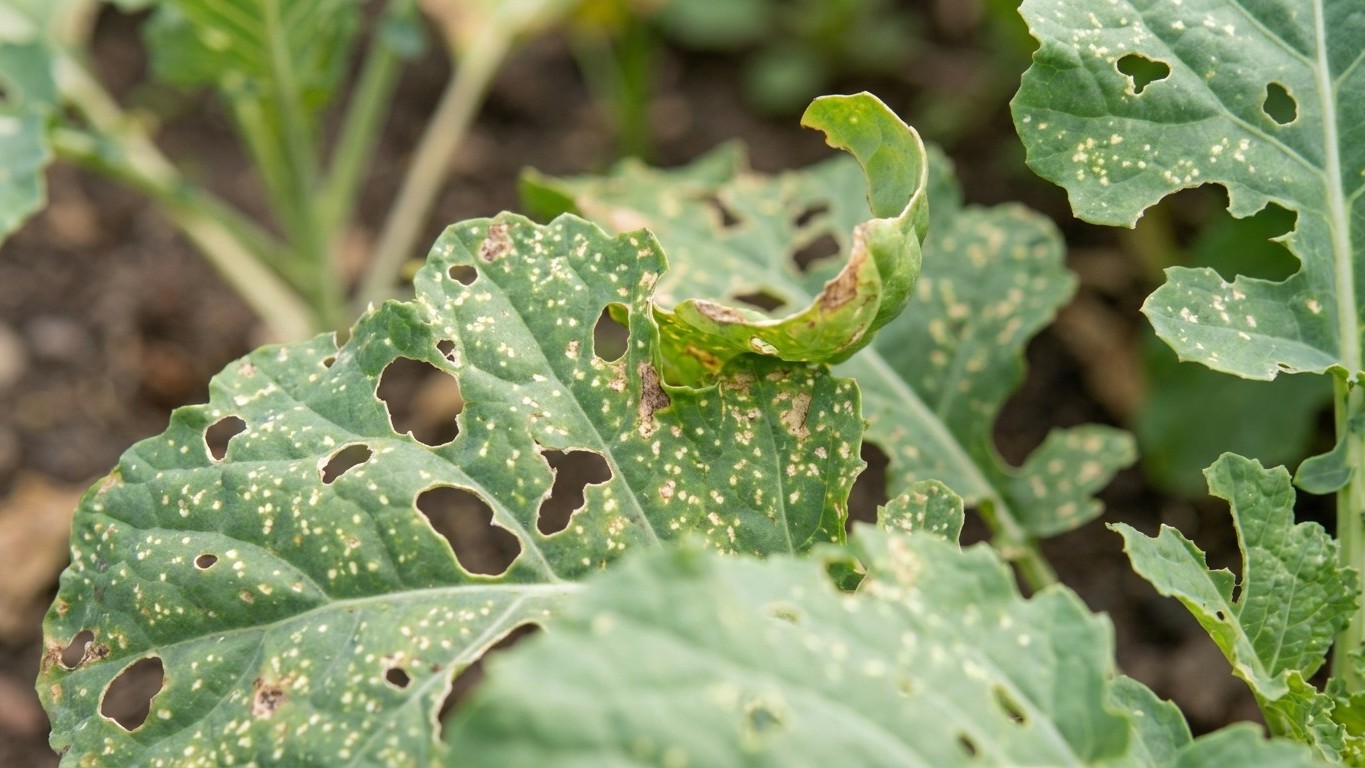
The second is pest pressure cutting the harvest window short before storage even becomes an issue. Mississippi State University Extension Publication 2347, Insect Pests of the Home Vegetable Garden, documents squash vine borers, pickleworms and melonworms, and harlequin bugs as pests affecting home vegetable gardens in this state. Squash vine borers in particular can kill a healthy-looking plant within days once the larvae tunnel into the stem base, which is why a vine that wilts suddenly in mid-summer despite regular watering deserves a check at the base of the stalk rather than an assumption of drought stress.
The third failure is rot from moisture mismanagement, not in the garden but in the storage bag. Summer rainfall in the 14-inch range across June through August means squash is often harvested with a damp skin, whether from rain, dew, or irrigation. Bagging a wet squash straight from the vine traps that moisture against the skin, which speeds up the soft spots and mold that cut the already-short storage window down to two or three days instead of the fuller week Clemson describes. Wiping fruit dry before it goes into the refrigerator bag is a small step that costs nothing and buys back real shelf life.