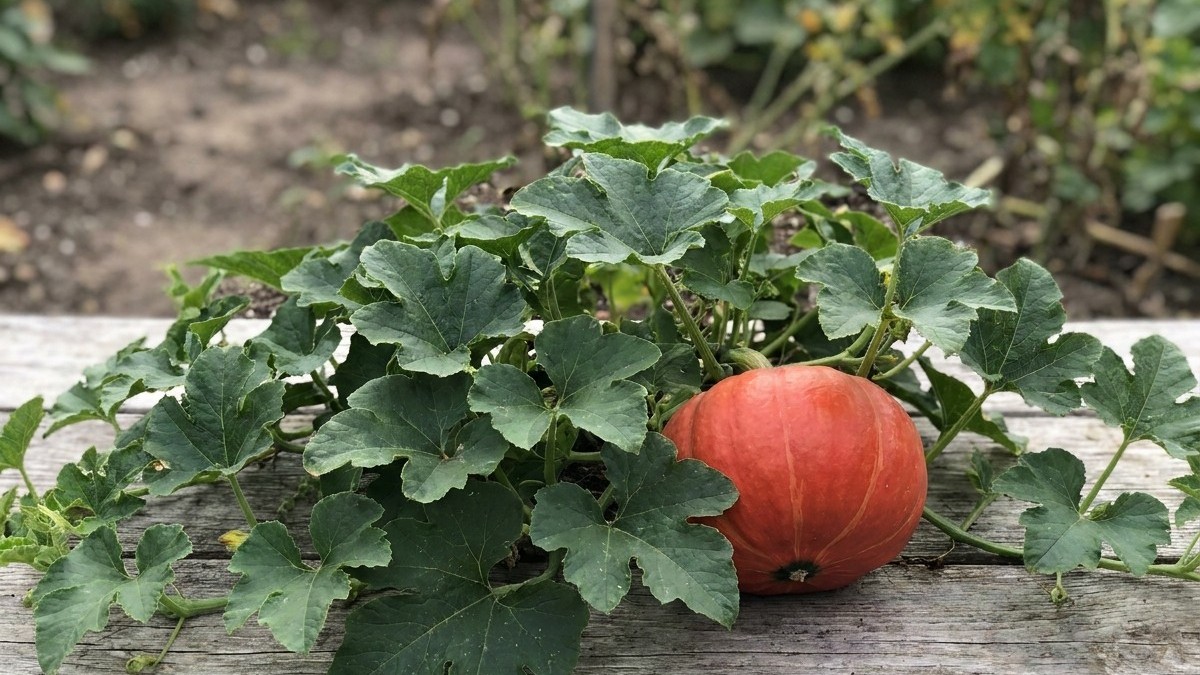

Cut pumpkins before the first frost, with the stem attached, once each fruit has had 45 to 55 days since its flower opened. That count, not the day you sowed, decides whether a pumpkin is ripe. November frost looks like plenty of runway in Pennsylvania. It stops looking that way once you work backward. A whole pumpkin keeps three to six months in a cool, dark place at 45 to 50 F.
The short answer
NOAA NCEI’s U.S. Climate Normals put the first fall 32 F freeze in Philadelphia between November 5 and November 16, using the 30 to 70 percent probability band. Philadelphia is the mildest corner of the state. Treat that window as the most generous one Pennsylvania offers, not the typical one.
Working backward from frost
Utah State University Extension says pumpkins take 45 to 55 days to mature after flowering. Subtract the long end, 55 days, from the early edge of the frost window, November 5, and you land on September 11. Subtract the short end, 45 days, from the late edge, November 16, and you land on October 2.
So the latest a flower can open and still give a ripe pumpkin falls somewhere in a window of September 11 to October 2. The early end is the safe bet. It assumes frost comes at the first edge of the window and the fruit needs its full 55 days. The October end needs a late frost and a fast fruit, and you can’t count on both. Flowers that open after the window will make fruit, but it will stay green.
After flowering, not from seeding
This is where most calendars go wrong. The 45 to 55 days start when the blossom opens, not when the seed goes in the ground and not when a transplant goes out. A vine sown in late spring has no ripening clock running yet. A gardener who counts from sowing will think the pumpkins have weeks to spare when they have only a few days. Tag the first flowers that open in late summer with a date, and count from there.
The window shifts for gardeners farther from Philadelphia. The northern tier and the Alleghenies run two to four weeks later than Philadelphia in spring. I have no published fall frost figure for those areas, so check your own local records before trusting the September dates above. If a fruit is still green as frost nears, Will Pumpkins Ripen Before Frost in Pennsylvania? covers what to do. When you do cut, leave the stem attached and get the fruit in before the freeze.
When to sow here
Sowing time is set by the soil, not the air. Utah State University Extension says pumpkins go in when the soil reaches 65 F. Philadelphia’s last spring 32 F freeze falls between March 29 and April 6, and soil at 65 F is a different event that arrives well after it. Here is the arithmetic in order.
- Start with the last frost. In Philadelphia it falls between March 29 and April 6. That date says the air has stopped freezing. It says nothing about the soil being warm enough for seed.
- Add the lag. Soil trails the air by weeks. The exact gap isn’t published in the sources used here and it varies from yard to yard, so the frost date is the earliest anyone should even think about sowing, never the sowing date itself.
- Shift for where you live. Push the frost dates back two to four weeks in the northern tier and the Alleghenies. March 29 plus two weeks is April 12, and April 6 plus four weeks is May 4. The last frost there lands roughly between those dates, and 65 F soil follows weeks behind it.
- Check the soil itself. A soil thermometer settles the question in a minute. If it reads under 65 F, wait.
- Subtract row cover time. Row covers buy about two weeks. Last frost, plus weeks of soil lag, minus two weeks of cover gives your earliest sensible sowing date. The covers warm the soil, but they don’t move the fall frost, so the late-season deadline stays where it was.
- Check the other end. Sowing is only the starting gun. The deadline that matters is the flower window from the first section, September 11 to October 2 in Philadelphia. A vine that sprouts late and flowers late will miss it. The full growing calendar is in Growing Pumpkins in Pennsylvania.
The sources here give no figure for how many days pass between sowing and the first flower, so I won’t invent one. Your own tagged blossoms give you that number for your own yard, and they’re more reliable than any seed packet average.
What goes wrong here
A Pennsylvania season is long enough for pumpkins, but only just. When it goes wrong, it tends to go wrong in one of four ways.
- A late flower never colors. A blossom that opens after the deadline gives a green fruit, because the 45 to 55 days run out after frost. Write the opening date of each early flower on a tag. Anything that opens after the window is decoration at best. If you’re chronically late, sow earlier next year with row covers, which buy about two weeks.
- Frost catches a fruit still on the vine. A freeze can arrive inside the November 5 to 16 window or just before it, since that band is a probability and not a promise. Watch the forecast from late October. Cut with the stem attached before the freeze, and keep the fruit where it will not freeze, which is the only storage guidance Utah State University Extension gives.
- The vine dies back before the skin hardens. A dying vine can mean the plant has been chewed on for weeks. Squash bugs and cucumber beetles are the usual suspects, and What Eats Pumpkin in Pennsylvania, and When explains the timing. If the vine collapses early, harvest the fruit with its stem attached and don’t leave it lying out hoping it improves.
- The pumpkin is stored beside the apple crate. Ripening fruit gives off a gas that ages a pumpkin faster. University of Illinois Extension says to keep whole pumpkins away from ripening apples, potatoes and tomatoes. The porch next to the fruit bin is the worst spot you could choose, even if it looks cool and shady.
The first three failures come down to the same error, which is starting the count at the wrong end of the season. Getting the flower date right avoids most of them.
Common questions
Do the 45 to 55 days start when I plant the seed?
No. They start when the flower opens. Utah State University Extension counts maturity from flowering, so a pumpkin sown in May still has to wait for its blossom before the clock starts.
How long does a whole pumpkin keep after cutting?
University of Illinois Extension puts it at three to six months in a cool, dark place between 45 and 50 F. That’s for a whole pumpkin with its stem on, kept clear of any freezing temperatures.
Can I store pumpkins with apples or tomatoes?
It’s better not to. The same extension source says to keep them away from ripening fruit and vegetables such as apples, potatoes and tomatoes. The gas those crops give off ages the pumpkin faster.
How long does a carved pumpkin last?
The sources used for this page don’t say. The 45 to 50 F storage range and the three-to-six-month figure apply to whole pumpkins only, so don’t stretch them to a carved one.