
Across frost-free coastal and southern California, the best Asian greens are the cool-season types: bok choy, tatsoi, mizuna, komatsuna and choy sum. They grow through winter and stall when summer heat arrives. Heat-lovers such as water spinach and amaranth fill the hot months. Northern California, the Central Valley and the Sierra freeze, so their choices shift.
The short answer for California
Choose by type, and let heat, not cold, make the call. The reference station for this page is Los Angeles. Its NOAA 1991-2020 normals show no freeze in an average year, with zero days at or below 32°F in 30 years of daily records and a frost-free season listed as 365 days. The mean daily minimum of the coldest month is 49.1°F. Nothing on this list is threatened by winter there. What ends a crop is warm weather and long days, which push most Asian greens to bolt.
That flips the usual advice. Guides written for colder states anchor everything to a last spring frost date. For coastal and southern California there is no such date to give, so the calendar runs on heat. The sowing window is long and sits in the cool half of the year. For month-by-month timing, see When to Sow Asian Greens in California.
The table below sorts the main types for frost-free California.
| Type | Examples | Best season (frost-free areas) | Main risk |
|---|---|---|---|
| Fast baby greens | Tatsoi, mizuna, komatsuna, baby bok choy | Fall through early spring | Bolting as days warm |
| Heading and stalk types | Napa cabbage, full-size bok choy, choy sum, gai lan | Fall through winter | Needs steady cool weather to finish |
| Spicy mustards | Red and green mustard greens | Fall through spring | Turns hot-flavored and bolts quickly in warm spells |
| Heat-lovers | Water spinach, amaranth greens (yin choy) | Warm months | Thirsty, so water restrictions matter |
For a first bed, I would start with komatsuna and bok choy. Komatsuna tolerates both a cool snap and a warm spell better than most. Baby bok choy gives a harvest quickly and forgives uneven watering better than napa does. Add one packet of a heat-lover for summer, and you have a garden that never sits empty. The broader picture of what grows well here is in Growing Asian Greens in California.
What will not work here
Waiting for frost is the first thing that fails. A gardener in Los Angeles who holds off until “the danger of frost has passed” is waiting on an event that, by the NOAA record, has not happened once in 30 years. In a frost-free climate, the guide’s start date is meaningless, and the cool-season window can slip by unnoticed.
Spring sowing of cool-season crops is the second failure, and the most common one. Napa cabbage sown in late winter or spring in southern California tends to meet warming weather before it can form a head. It bolts instead. Bok choy does much the same. A frost-free climate keeps pushing the temptation to sow “whenever,” when the better move is to sow in fall and let the cool months do the work.
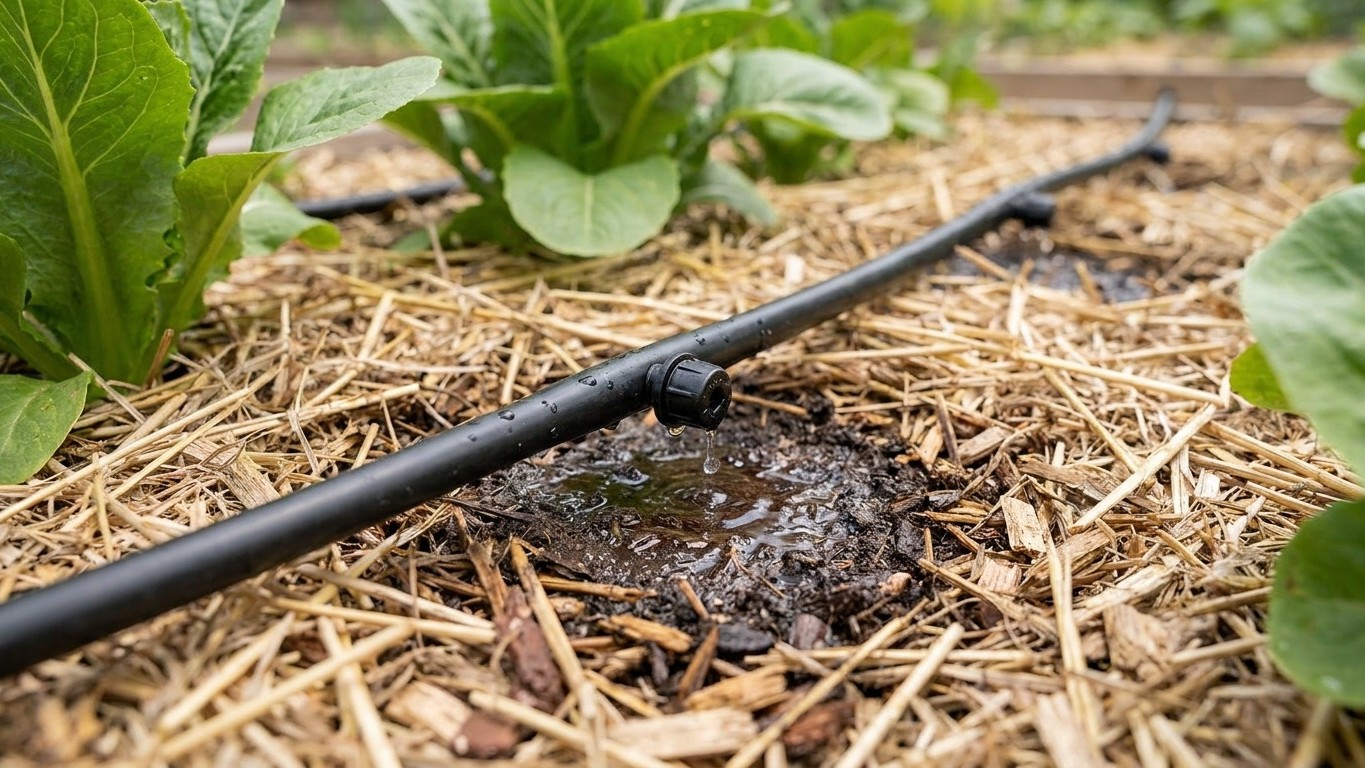
A weekly watering habit also struggles. Asian greens are shallow-rooted and mostly water. In a dry summer, a deep soak once a week leaves the top few inches of soil dry for days, and the crop turns tough, bitter and bolts. Water spinach is the opposite problem. It thrives in heat, but it wants constant moisture, which sits awkwardly with drought and water restrictions. Check local rules before committing a bed to it, and mulch heavily if you proceed.
Frost-free also means nothing resets the pests. With no hard freeze to knock them back, aphids, flea beetles and caterpillars can persist into winter in coastal and southern gardens. Row cover, early sowing and a quick weekly look under leaves matter more than any variety choice.
The picture changes in the north and at altitude. The Sierra, parts of the northern interior and the Central Valley do freeze, so tender summer crops like water spinach die at the first hard freeze there, and a spring sowing has to wait for the ground to warm. This page does not have a verified frost date for those areas, and it will not borrow one from Los Angeles. In those regions, a short growing season at elevation defeats the slowest types, such as large napa heads and full-size gai lan. Fast baby greens are the safer bet.
What changes across California
California is not one garden. The USDA Plant Hardiness Zone Map (2023, built on 1991-2020 normals) places the state anywhere from 5a to 11a. That is six full zones apart. The map rests on one variable, the average annual extreme minimum temperature, so it tells you how cold a place gets, not how hot or how dry. There is no single answer for the state, and anyone offering one is quietly describing a single region.
The Los Angeles reference point sits at the mild end, where cold never decides anything. At the other end, a reader in the high Sierra gardens in a climate where a freeze can arrive early in fall and linger late in spring. Between them lie the Central Valley, the Bay Area, the northern coast and the foothills, each with its own pattern. A fog-cooled coastal garden can grow bok choy comfortably in months when an inland valley garden is already too hot for it.
A reader in the north or at altitude should shift in three ways:
- Favor fast types (tatsoi, mizuna, baby bok choy) that finish before the first freeze.
- Delay spring sowing until the soil has warmed, and use row cover to protect tender seedlings.
- Save heat-lovers like water spinach for a protected spot, or skip them.
This page does not tell any reader which zone they are in. Look up your location on the USDA Plant Hardiness Zone Map and read your own zone there. Remember that hardiness covers only the cold end of the story, and the heat end matters just as much for these crops.
Where to check this for your own county
A state page can only describe the average of a very large place. For something you can act on, go to University of California Agriculture and Natural Resources, the state’s extension service. Its county offices and Master Gardener volunteers work with local conditions every day, in coastal fog, valley heat and mountain cold alike.
Two things are worth finding there. The first is a local planting calendar for your county, which will give sowing windows that reflect real local weather instead of a statewide compromise. The second is any list of varieties trialled in your county. A variety that has been grown through a local summer, and survived it, is worth more than a catalog promise. If your county office has no Asian greens listing, ask about cool-season leafy greens or Brassica crops generally. The advice often transfers.
The plain rule is that a county recommendation beats a state one. This page is the state one. It tells you what type to try and what to avoid, and it cannot tell you the week to sow in your own backyard. This page also does not hold county-level calendars, so it cannot supply them. Where the county office and this page disagree, trust the county office.
Checking this against your own garden
Your own observation outranks every date on this page. A backyard has its own microclimate: a wall that holds heat, a corner that stays shaded, a low spot where cool air pools. Three signals tell you more about yours than any chart.
Soil warmth, by feel. Push your hand into the top few inches of the bed in the morning. Cold, damp soil means seeds will sit and sulk. Soil that feels warm like a sunlit stone means cool-season greens will race to bolt, and a heat-lover is ready to go. Compare two spots, one against a south-facing wall and one in open ground. The difference is your microclimate.
The first true leaves. The first pair that appears after the seed leaves tells you how fast things are moving. If seedlings reach that stage quickly, your bed is warm and the crop has a short runway. If they stall, the spot is cooler than you think, and a slower type may suit it.
The first flower stalk. Let one plant of a bolting-prone green, such as a mustard or bok choy, go to flower. The day it sends up a stalk marks the point where your garden turns too warm or too long-lit for that type. Gardeners who grow squash can watch for the first male flowers on it as a companion signal that the warm season has arrived.
Write these dates down for one season. By the second year you will have a calendar that fits your garden better than any state page could.
Common questions
Can I grow Asian greens all winter in coastal Southern California?
Yes. At the Los Angeles reference station, NOAA records show no freeze in an average year, and the coldest month has a mean daily minimum of 49.1°F. Winter is the main growing season for cool-season types there.
Which Asian green handles summer heat best?
Water spinach and amaranth greens (yin choy) are the usual choices for warm months. Water spinach needs steady moisture, so check local watering rules first. Cool-season types like bok choy and napa generally bolt in sustained heat.
Is there one frost date for all of California?
No. Coastal and southern California is frost-free, while Northern California, the Central Valley and the Sierra do freeze. The USDA map spans zones 5a to 11a across the state, and this page does not have a verified frost date for the freezing regions.
What should a first-time grower plant first?
Start with a fast, forgiving green such as komatsuna or baby bok choy, sown at the cool end of the season. Both give a harvest quickly, which lets you learn your garden’s timing before committing to slower crops like napa cabbage.