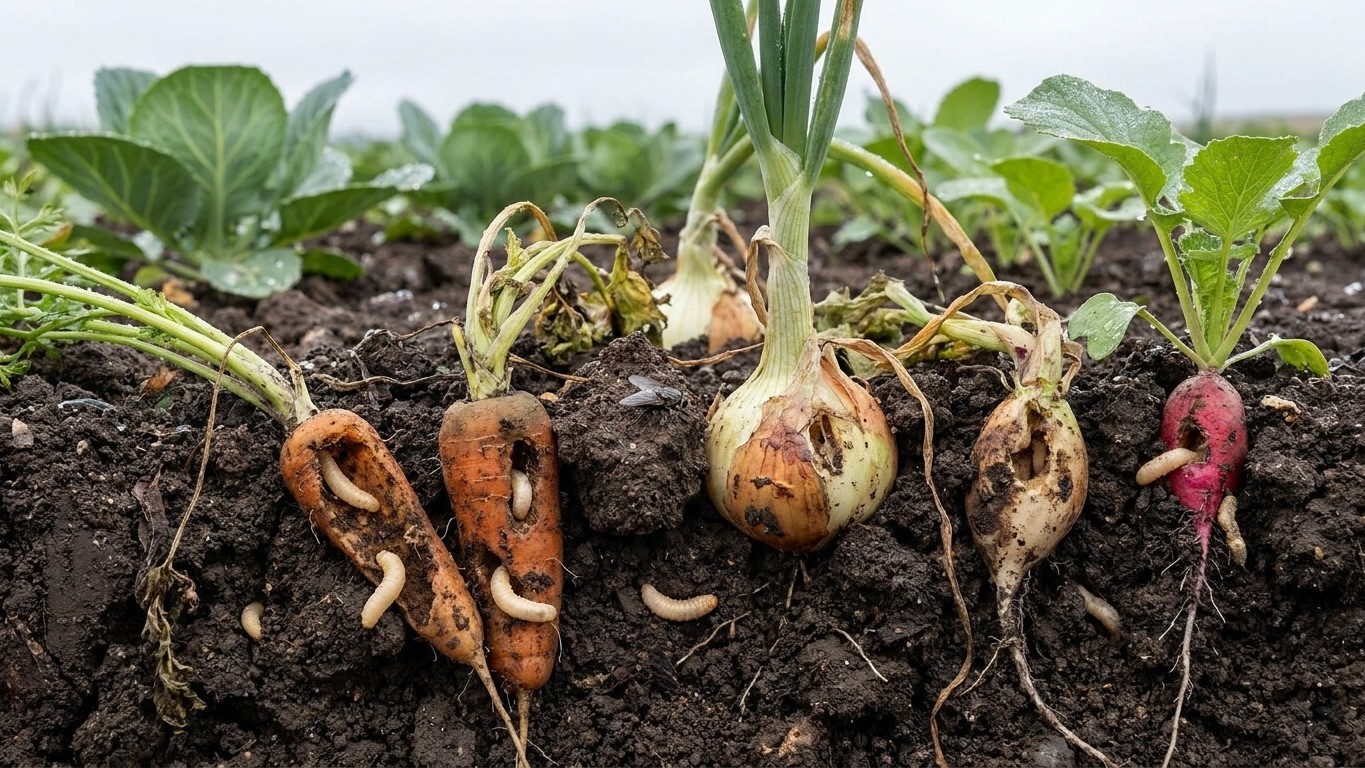

Hardy, cool-season roots are the best unusual roots to grow in Wyoming. Parsnips, salsify, rutabagas, horseradish and Jerusalem artichokes handle cold nights and finish before a hard freeze. Heat-loving roots like sweet potatoes are a gamble. The reason sits in the frost dates, and they leave less room than most gardeners expect.
The short answer for Wyoming
Start with roots that tolerate frost at both ends of the season, and treat anything that wants a long, warm summer as an experiment. Parsnips, salsify, rutabagas, horseradish and Jerusalem artichokes suit this climate. Celeriac is possible with transplants and some protection. Sweet potatoes, yacon and oca are long shots.
The numbers explain the sorting. NOAA’s 1991-2020 Climate Normals put the last spring frost at May 7 to May 18 and the first fall frost at September 24 to October 5. Those are not promises. They mark the stretch when the probability of a 32°F freeze sits between 30 and 70 percent, so a freeze after May 18 is still a real possibility in some years. The data come from the Cheyenne station, and the same source notes roughly 130 frost-free days at 6,000 feet, with frost possible in any month at higher elevations.
Roughly 130 days is the generous figure. A parsnip sown in May and a carrot-sized salsify root both need most of it, and cold-tolerant roots have an edge because they can go in before the tender garden does and stay in after it is gone. Frost also helps. Parsnips and rutabagas turn sweeter after cold weather, so a late September freeze that ends the tomatoes is a point in their favor.
| Type | Examples | Fit for Wyoming | Reason |
|---|---|---|---|
| Hardy, can overwinter | Parsnip, salsify, horseradish, Jerusalem artichoke | Best bet | Handle freezing nights, and a cold fall improves flavor |
| Cool-season, quicker | Rutabaga, turnip, daikon-type radish | Good | Tolerate light frost and finish inside the frost-free window |
| Long-season, transplanted | Celeriac | Possible with protection | Uses nearly the whole season |
| Warm-season | Sweet potato, yacon, oca, jicama | Poor | Need long warmth, and the first fall freeze arrives early |
For a wider look at how these crops behave in the state, see Growing Unusual Root Crops in Wyoming.
What will not work here
Warm-season roots on a short clock
Sweet potatoes are the classic failure. Wyoming’s frost-free season is about 130 days at 6,000 feet, and that counts every day without a freeze, including cool ones. Sweet potatoes want sustained warm soil and warm nights, and high-elevation nights stay cool even in July. Slips set out after the May 7 to May 18 frost window have a thin margin before the September 24 to October 5 window arrives.
Yacon and oca fail in a different way. Both bulk up late in the year, right when a Wyoming freeze is likely to kill the tops. A gardener at higher elevation, where frost can show up in any month, may never see a harvest worth digging.
Slow germination and weekly watering
Parsnip and salsify seed are slow to come up, and a dry, windy spring is hard on them. A bed watered once a week crusts and dries between soakings, and the seed that sprouted during a wet spell dies in the next dry one. These roots need a surface that stays evenly damp until the seedlings are up, which means light watering every day or two for a few weeks. A deep soak every Sunday does not do it. Parsnip seed also loses viability quickly, so last year’s packet is a poor bet.
Trusting a single date
The other mistake is treating May 18 as the all-clear. Because that date sits inside a probability band, some springs bring a freeze after it. Tender transplants such as celeriac need a cover on hand through late May, and in cold pockets or at altitude, longer. An unprotected bed set out on the first warm weekend is the most common way a Wyoming garden loses a month.
Winter is the last trap. Cheyenne’s coldest month averages a daily minimum of 18.1°F, and that is an average, not the worst night. Roots left in the ground through winter do better under a thick mulch than bare, especially where wind scours snow off the beds. Jerusalem artichokes and horseradish shrug this off, but a bare bed of parsnips is a risk.
What changes across Wyoming
There is no single answer for the state. The USDA Plant Hardiness Zone Map (2023, built on 1991-2020 normals) runs from zone 3a to 6a across Wyoming, a spread of several full zones inside one set of borders. That system rests on one variable, the average annual extreme minimum temperature. It tells you how cold the worst nights get, not how long the growing season lasts.
That distinction matters for roots. Horseradish and Jerusalem artichokes are hardy enough that even the cold end of that range is not the problem. The limit up north and at altitude is time. Two gardens in the same zone can differ by weeks in frost-free days, and the Cheyenne numbers on this page, including the 18.1°F coldest-month figure, describe one reference city, not the whole state.
A reader in the north or at elevation should shift in three ways:
- Lean harder on the quick and hardy: rutabagas, turnips, radishes, horseradish.
- Sow as soon as the ground can be worked, and cover beds with row cover or a low tunnel at both ends of the season.
- Skip the long-season experiments unless you have a protected, warm spot.
Gardeners in the warmer, lower parts of the state have more room. Celeriac becomes realistic, and a small trial of something tender is not foolish. Look up your own location on the USDA Plant Hardiness Zone Map rather than assuming. This page cannot tell you where you fall, and the map can.
Where to check this for your own county
Start with University of Wyoming Extension, the state’s land-grant extension service. Look for two things: a planting calendar written for your part of the state, and any list of varieties trialled locally. A variety that did well in a county trial has been tested against your wind, your elevation and your short season, which no general recommendation can claim.
Extension calendars are often organized crop by crop, so search for parsnip, rutabaga or horseradish by name, not for “root vegetables” in general. If the county office has a frost-date table for your town, use it over the Cheyenne-based dates here. This page does not carry a Wyoming extension calendar for unusual roots, and it will not borrow one from another state, since a calendar written for a different climate would mislead.
A county recommendation beats a state one, and this page is the state one. It sorts crops by type and tells you what the broad numbers allow. It cannot tell you whether your valley holds cold air in May. For sowing windows built on the same frost dates, see When to Plant Unusual Roots in Wyoming, then adjust against what your county office says.
Checking this against your own garden
Your own observations outrank every date here. Three are worth tracking, and none needs equipment.
Soil warmth by feel. Push your hand a few inches into the bed in the morning. If it feels raw and cold, hold off on slow seed like parsnips and anything tender. Beds that warm up first are your early sowing spots, and the ones that stay cold are better for late crops.
First true leaves. Seedlings first show a pair of seed leaves, then the real leaves that look like the mature plant. Note how many days your first radish or turnip sowing takes to get there. Fast progress means a mild spot, and a slow crawl in May tells you to count on the short end of the season.
The first frost’s pattern. After the first fall freeze, walk the garden at dawn. The plants blackened first mark your cold pocket. Those that survive mark the warmer corner, which is where celeriac or any risky trial belongs next year.
Write the dates down for a season or two. A notebook entry of when the soil felt warm and when the first leaves opened will sharpen any calendar, including this one.
Common questions
Can I grow sweet potatoes in Wyoming?
You can try, but results are unreliable. With roughly 130 frost-free days at 6,000 feet and frost possible in any month at higher elevations, the warm window is short. Treat them as an experiment in a protected spot.
Are parsnips a good first unusual root?
Yes, if you keep the seedbed evenly moist while they germinate. They tolerate cold, and fall frost improves their flavor. Use fresh seed each year and mulch heavily if you leave them in the ground over winter.
Which frost dates should I plan around?
This page uses May 7 to May 18 for the last spring frost and September 24 to October 5 for the first fall frost. These come from the Cheyenne station and mark a 30-70% probability band for a 32°F freeze. Your county’s own dates may differ.
Do I really need season extension?
For anything beyond the hardiest roots, yes. Row cover, low tunnels or simple frost cloth buy time at both ends of the season. At higher elevation, where frost can come in any month, they are a basic requirement.