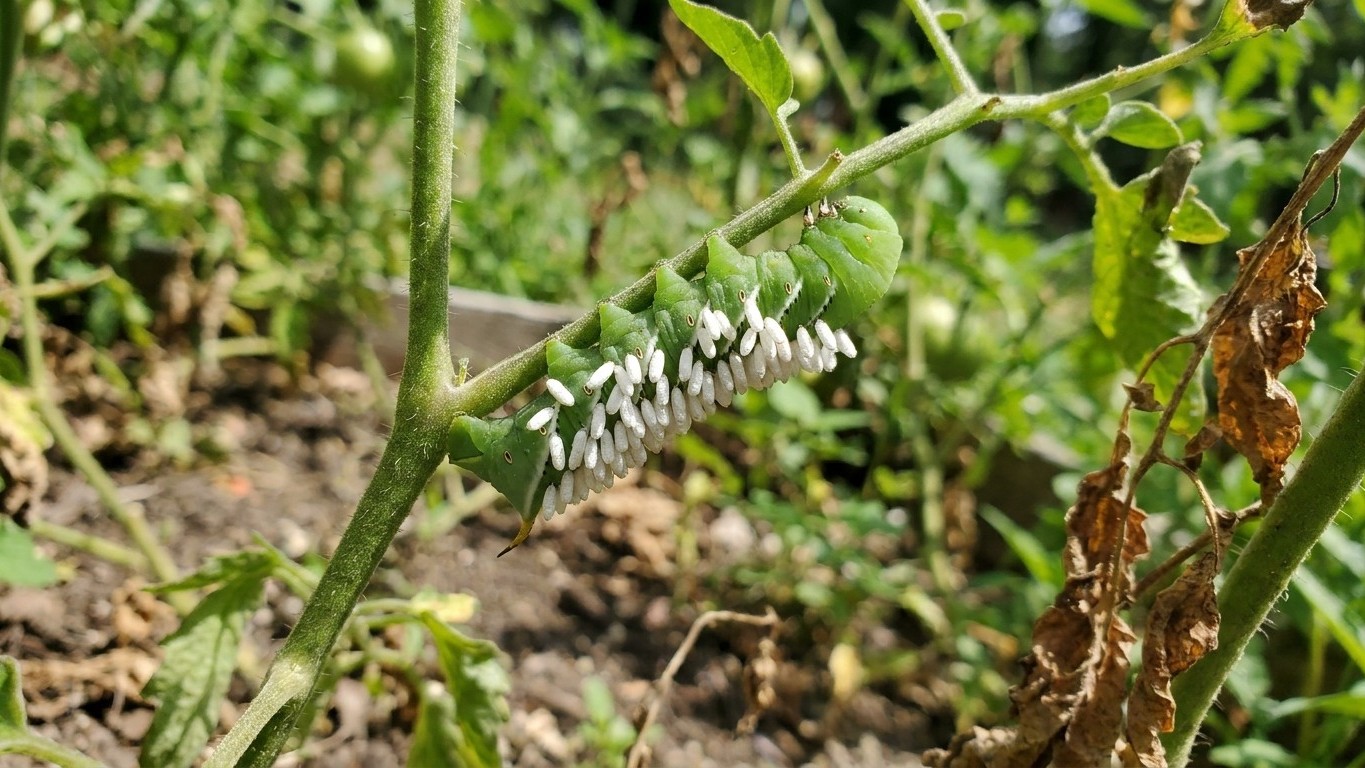

In Colorado, potato foliage and tubers draw attention from several distinct feeders across the growing season, not one single culprit. Flea beetles and cutworms show up early, near emergence. Grasshoppers, spider mites, and the tomato/potato psyllid build through the warmer months. Slugs and spotted cucumber beetle add pressure depending on moisture and neighboring crops. Which one you’re dealing with, and when, depends on your local frost window and what’s planted nearby.
Which pests attack potato in Colorado

Colorado State University Extension documents a specific set of vegetable garden pests for this territory, and only a portion of that list actually targets potato plants. The documented species are corn earworm, cutworms and seedcorn maggots, flea beetles (Phyllotreta and Epitrix spp.), grasshoppers (Melanoplus spp.), harlequin bug, slugs, spider mites (Tetranychus urticae), spotted cucumber beetle, squash bug (Anasa tristis), and tomato/potato psyllid.
Not every name on that list belongs on a potato page. Corn earworm targets corn ears and tomato fruit; it has no reason to bother potato foliage or tubers, so it’s off this list. Harlequin bug feeds almost exclusively on cabbage-family plants, cabbage, kale, broccoli, and skips potato entirely. Squash bug is a cucurbit specialist, found on squash and pumpkin vines, not on potato rows. Naming any of these three on a potato page would send a gardener chasing the wrong insect.
That leaves seven species actually worth watching on potato in this territory:
- Cutworms and seedcorn maggots, which attack young transplants and seed pieces below or right at the soil line
- Flea beetles (Phyllotreta and Epitrix spp.), tiny jumping beetles that riddle leaves with small holes
- Grasshoppers (Melanoplus spp.), generalist feeders that strip foliage when populations spike
- Slugs, which rasp leaf tissue and sometimes tubers in damp, shaded soil
- Spider mites (Tetranychus urticae), which stipple and bronze leaves under hot, dry conditions
- Spotted cucumber beetle, an occasional foliage feeder that moves in from nearby cucurbits or corn
- Tomato/potato psyllid, a small sap-feeding insect tied directly to potato and tomato crops
This is a short list because Colorado State University Extension documents a limited set of pests at the state level, not because gardens here go untouched. The gap between a state-level list and what’s actually in a given county’s soil is the single most important thing to keep in mind before treating anything. A backyard plot in one part of the state can carry pressure from species barely present a county away.
When each one shows up, and what it does first
Colorado’s growing season for potatoes generally starts in reference to the last spring frost window, which for the Denver-area station runs May 1 to May 11 (NOAA NCEI 1991-2020 Climate Normals). That window shifts hard depending on elevation: mountain towns run far shorter seasons and can see frost into July, and the western slope follows its own pattern entirely. Whatever the local date, pest activity tracks planting and emergence, not the calendar month.
Cutworms and seedcorn maggots are the first threat, working at or just below the soil surface while seed pieces sprout and young shoots push through. The first sign is usually a stem severed cleanly near ground level, or a seed piece that never sprouts at all. Flea beetles arrive close behind, as soon as tender young leaves are up, leaving a scatter of small round holes that gardeners often describe as looking like the leaf was hit with buckshot.
As plants fill out and the weather warms, grasshoppers become more visible, especially in years when populations build up in surrounding grass or fallow ground before moving into garden rows. Their feeding is coarse and ragged, chewed leaf margins rather than the fine holes flea beetles leave. Spider mites tend to follow hot, dry stretches, showing up first as tiny pale speckling on the underside of leaves before the foliage takes on a dusty, bronzed look.
Tomato/potato psyllid feeding is quieter at first. The insects themselves are easy to miss, and early symptoms show as subtle upward curling or yellowing of new leaves before anything dramatic appears. Slugs stay tied to moisture: after irrigation or a rainy stretch, look for ragged holes in lower leaves and, in damp years, feeding on tubers near the soil surface. Spotted cucumber beetle shows up opportunistically, feeding on foliage when it drifts over from nearby cucurbits or corn, and its presence often tracks what else is growing in the same garden.
Telling the damage apart from everything else
Not every ragged leaf or yellow patch on a potato plant is an insect at work. Colorado’s dry air, intense sun, and swings between irrigation and drought produce symptoms that mimic pest feeding closely enough to fool an experienced gardener.
Water stress often shows up as leaf edges curling upward and a dull, grayish cast to the foliage, which can look similar to early psyllid damage. The difference is in the pattern: water stress affects the whole plant evenly, while psyllid feeding tends to concentrate on new growth first. Nutrient deficiency, particularly nitrogen, produces uniform yellowing that starts on older, lower leaves and moves upward, a pattern distinct from the localized speckling of spider mites or the punched holes of flea beetles.
| Symptom | Possible cause | What distinguishes it |
|---|---|---|
| Small round holes across leaves | Flea beetles | Holes are uniform and numerous, concentrated on young leaves |
| Ragged, torn leaf edges | Grasshoppers or hail damage | Hail damage is one-time and matches a storm date; grasshopper feeding is ongoing and paired with visible insects nearby |
| Pale speckling, bronzed leaves | Spider mites or drought stress | Mite damage is patchy leaf to leaf; drought stress affects the whole plant evenly |
| Stem severed at soil line | Cutworms | Clean cut close to the ground, plant otherwise intact |
| Upward leaf curl, new growth yellowing | Tomato/potato psyllid | Concentrated on newest leaves rather than the whole plant |
The one habit that prevents most misdiagnosis is checking the plant at more than one time of day, since mite and psyllid damage looks different in full sun than in early morning shade. When a symptom doesn’t clearly match one of these patterns, the local extension office, not a general description online, is the reliable next step for identification.
What actually works here, and what is a waste of time
Colorado’s growing season is short enough that timing matters more than any single treatment. Physical barriers put in place before pests arrive outperform anything applied after damage is already visible. Floating row cover set over rows right after planting keeps flea beetles and early cutworm activity off young shoots during the most vulnerable stretch, then comes off once plants are established enough to tolerate light feeding.
Handpicking works surprisingly well for slugs and for grasshoppers in small gardens, especially in the early morning when both are sluggish and visible. For slugs specifically, reducing evening irrigation and clearing mulch or debris where they hide during the day cuts populations more effectively than any spray applied after the damage shows. Crop rotation matters for cutworms and seedcorn maggots, since both overwinter in soil and build up where potatoes or related crops are planted in the same spot year after year.
What tends to waste time and money is spraying broadly for spider mites, since many general treatments knock back the mites’ natural predators faster than the mites themselves, and populations often rebound worse than before. Treating for grasshoppers inside a single garden also rarely pays off when the real population is building in surrounding rangeland or vacant lots; the pressure just moves back in.
This site names no products, active ingredients, or application rates, because what’s legally labeled for use on potato changes by state and by year. Colorado State University Extension is the authority on what’s currently approved and how to apply it correctly, and that’s the resource to check before treating anything beyond a physical barrier or hand removal.
Where to check this for your own county
A state-level pest list tells you what’s been documented somewhere in Colorado, not what’s active in a specific backyard. Pest pressure shifts by elevation, by soil moisture, and by what’s growing in neighboring properties, so the same list can mean very different things in Denver than in a mountain valley or on the western slope.
Colorado State University Extension maintains county offices that track local conditions more closely than any state-wide page can. Contacting the county office before the growing season starts, rather than after damage appears, gives them time to flag anything unusual building in the area. Many county offices also offer plant and pest identification services, either in person or by photo submission, which settles the kind of ambiguous cases covered in the diagnosis section above.
If seed potatoes are part of the plan, that same county office can confirm where to source certified seed locally. Certified seed is not a minor detail: uncertified seed pieces carry a real risk of virus that can undermine an entire planting regardless of how well pest pressure is managed afterward. That single choice, certified seed over saved or uncertified stock, often matters more to a season’s outcome than any pest treatment applied later.
The next step for anyone dealing with an active problem is straightforward: bring a sample or a clear photo to the county extension office rather than guessing from a general description, since local staff know what’s actually moving through gardens in that specific area this season.
Common questions
What is the very first pest to show up on potato plants in Colorado?
Cutworms and seedcorn maggots are typically the earliest threat, working at or below the soil line while seed pieces sprout and seedlings emerge, ahead of flea beetles which follow shortly after leaves appear.
Do grasshoppers actually damage potato plants, or just field crops?
Grasshoppers (Melanoplus spp.) are generalist feeders and will strip potato foliage along with nearly anything else green when populations build up in surrounding land and move into gardens.
Is the tomato/potato psyllid the same thing as a regular aphid?
No. The tomato/potato psyllid is a distinct sap-feeding insect documented specifically for this territory by Colorado State University Extension, and early damage shows as upward leaf curl and yellowing on new growth rather than the sticky residue typical of aphid feeding.
Why isn’t squash bug or harlequin bug included on this potato pest list?
Both are documented pests in Colorado, but squash bug targets cucurbit crops like squash and pumpkin, and harlequin bug feeds on cabbage-family plants. Neither has a documented reason to attack potato, so including them here would misdirect a gardener’s diagnosis.