What Eats Pumpkin in New Jersey, and When
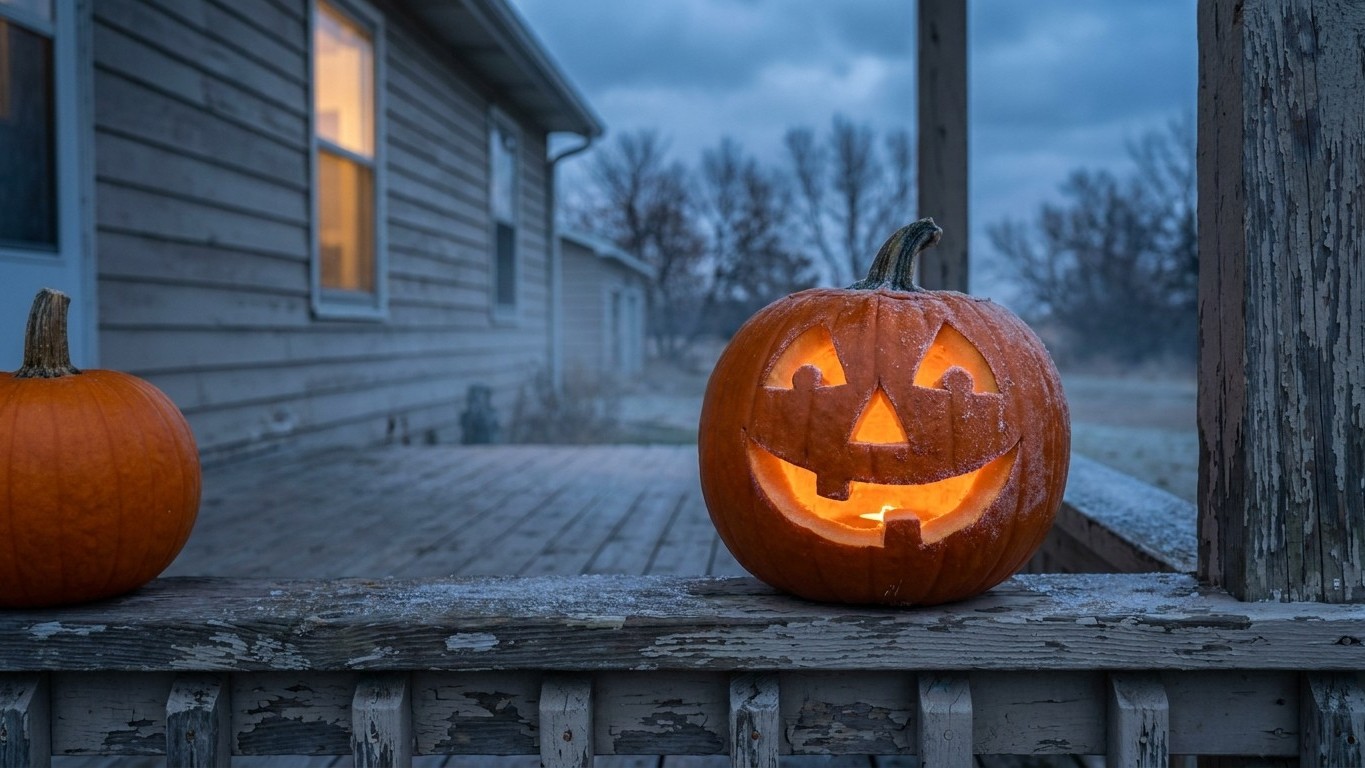
In New Jersey, pumpkins get eaten twice. Squash bugs, cucumber beetles and, later, deer, groundhogs and rodents chew on them through the growing season.
Home & garden, state by state
In New Jersey, pumpkins get eaten twice. Squash bugs, cucumber beetles and, later, deer, groundhogs and rodents chew on them through the growing season.
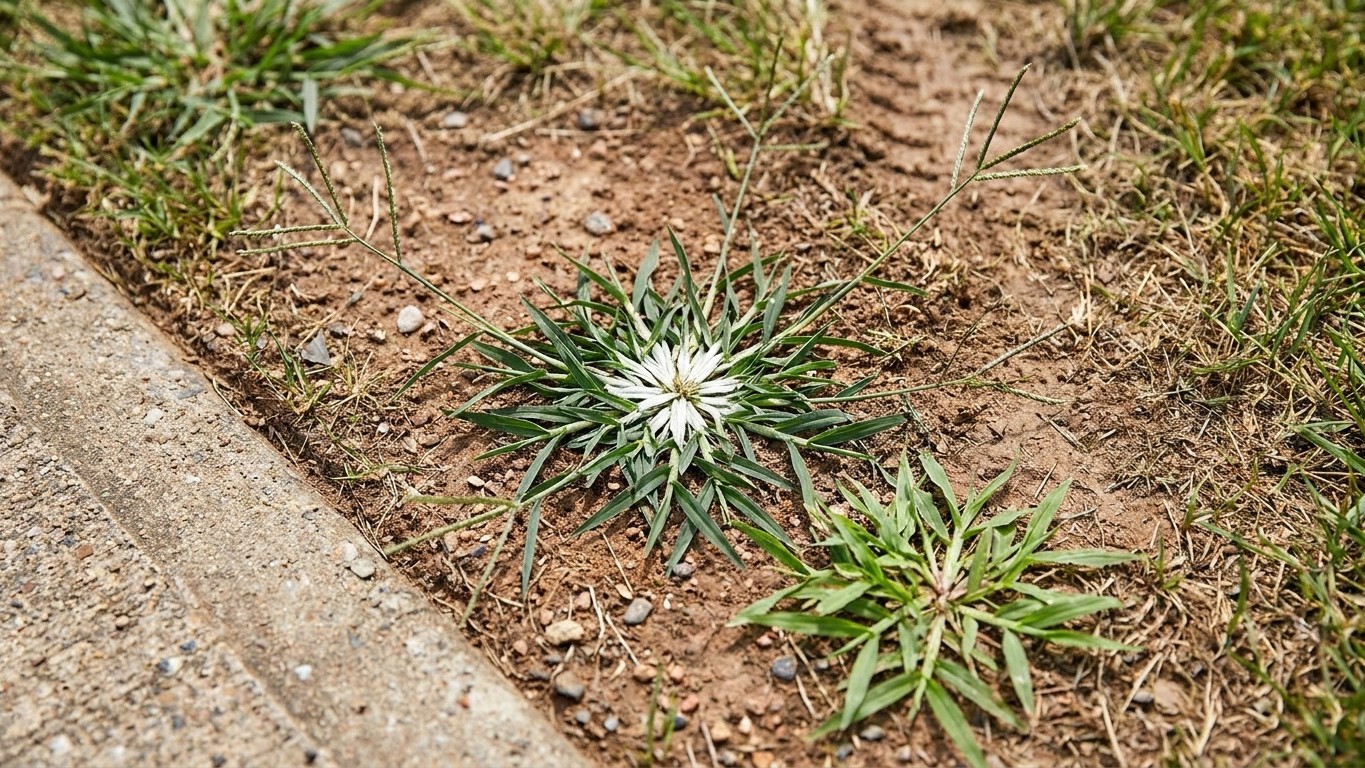
Most Yukon lawns never need dethatching. Cut a wedge of turf and measure the thatch first: under 0.5 inch, leave it alone.
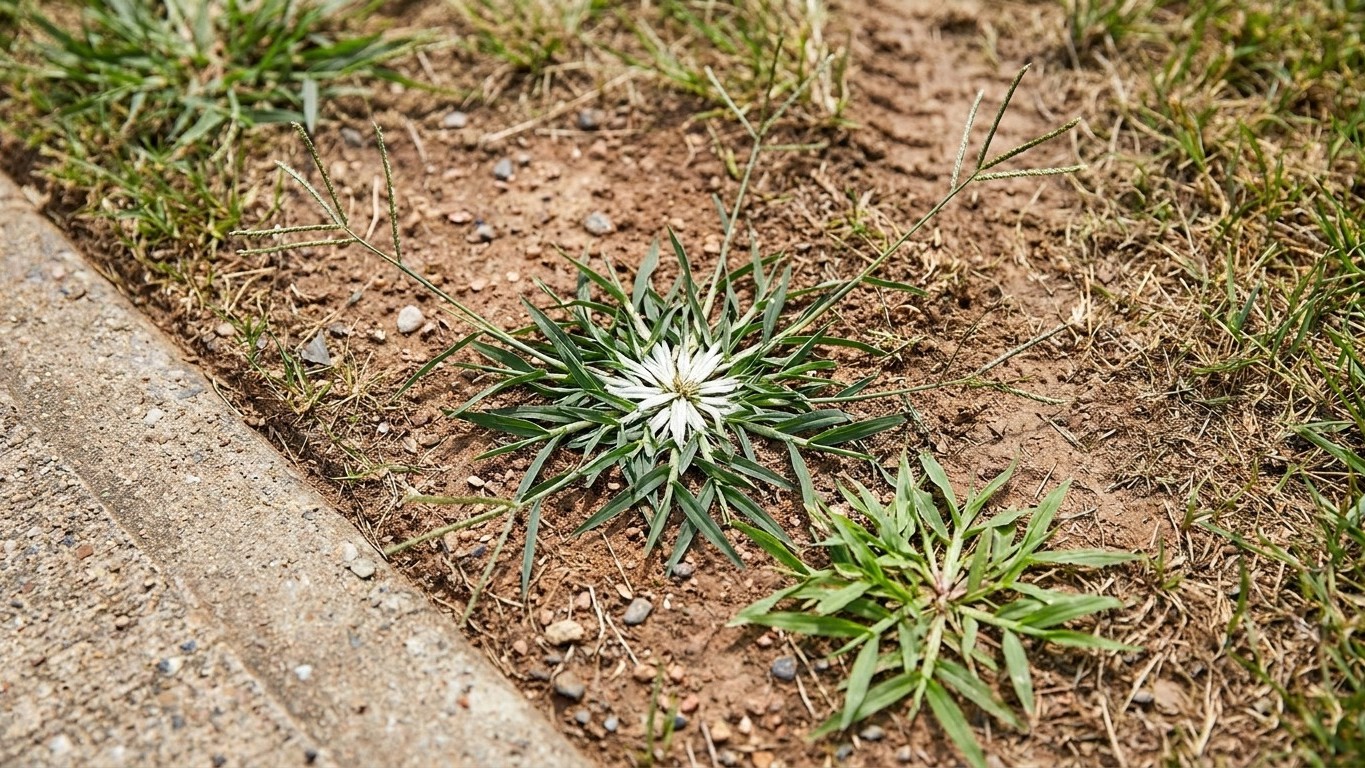
Mow Kentucky bluegrass and fine fescue at 2 to 3 inches, tall fescue at 3 to 3.5 inches, and perennial ryegrass or rough bluegrass at 1.5 to 2.5 inches.
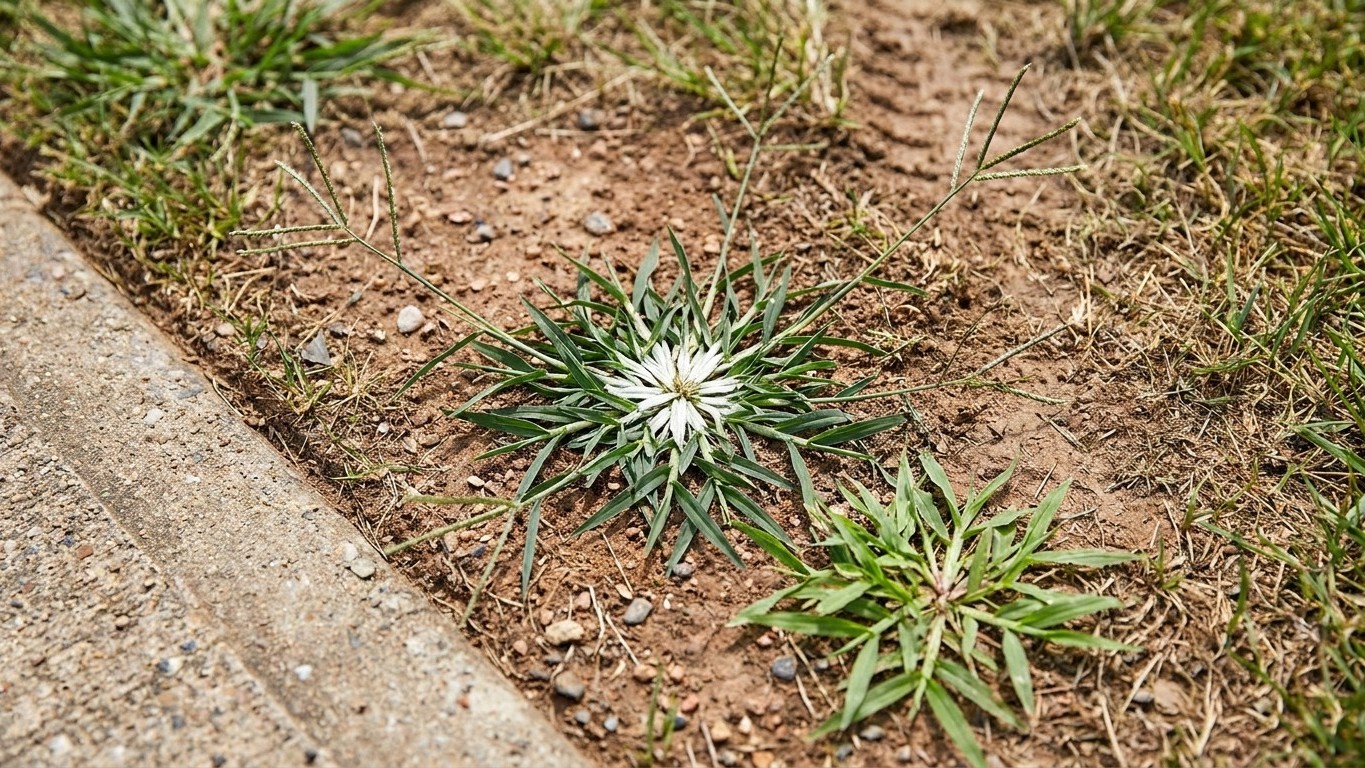
In Yukon, sow cool-season grass seed from early June to early July, once the soil two inches down has warmed to 50 to 65 °F.
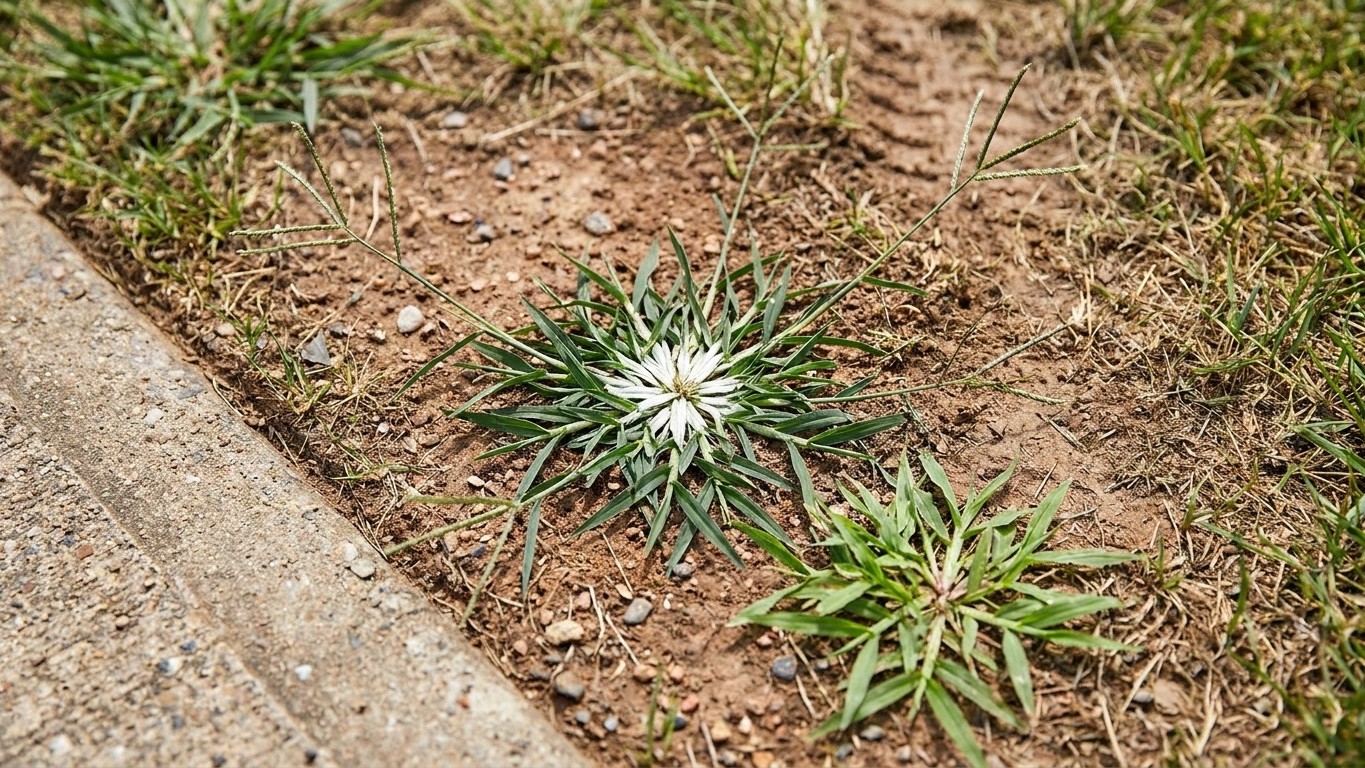
Most Wyoming lawns are cool-season grasses, and they want to be mowed between 1.5 and 3.5 inches depending on the species.
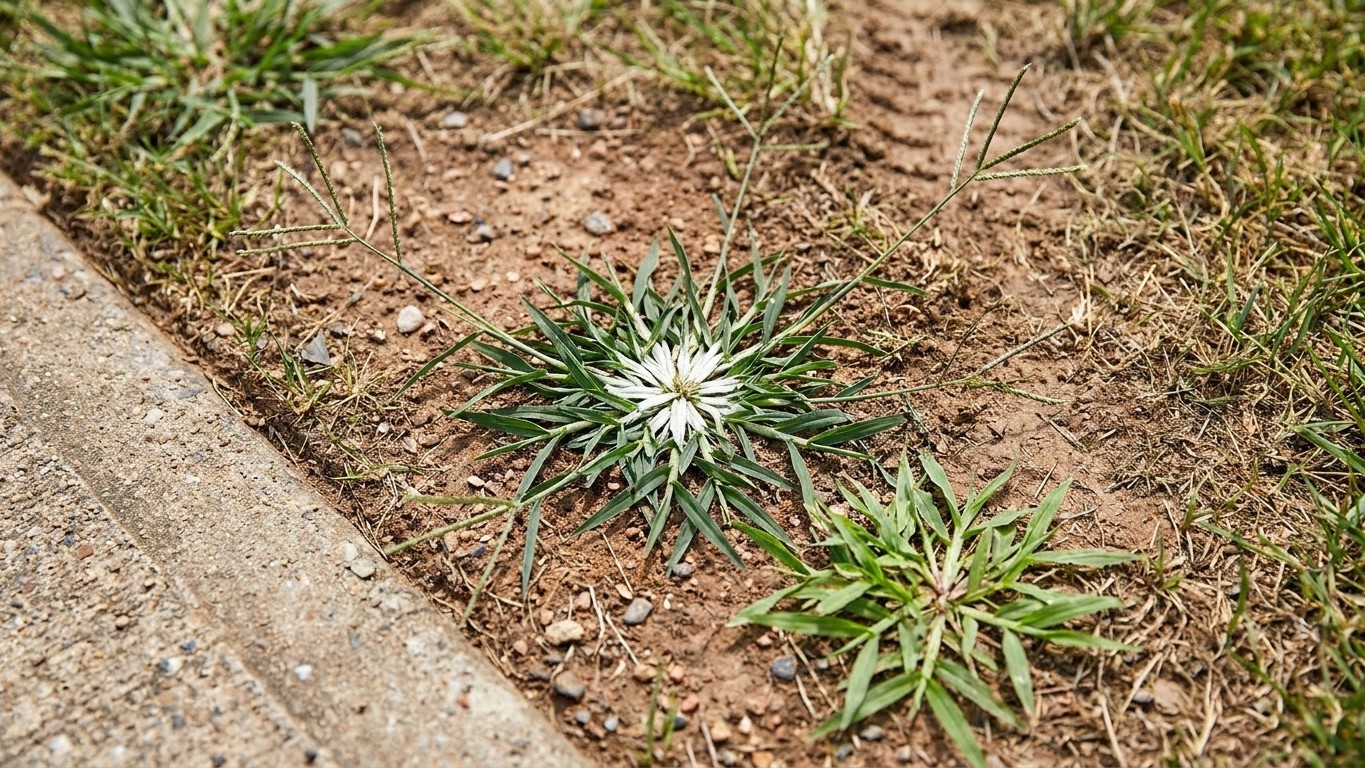
Late summer, counted backward from your first fall freeze. Cool-season grass seed needs about 45 days of growing weather before that freeze.
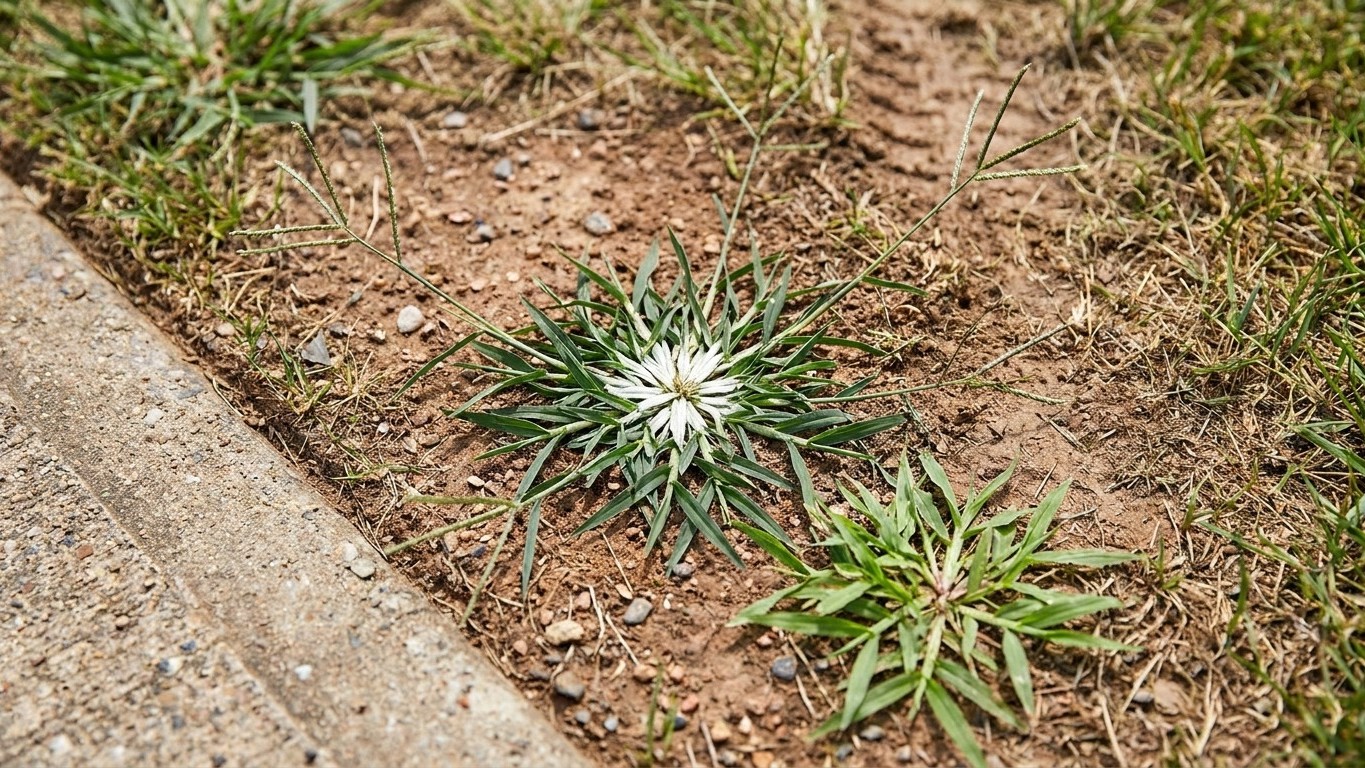
Most Wyoming lawns never need dethatching. Cut a wedge of turf and measure the brown layer first, and act only if it is thicker than 0.75 inch.
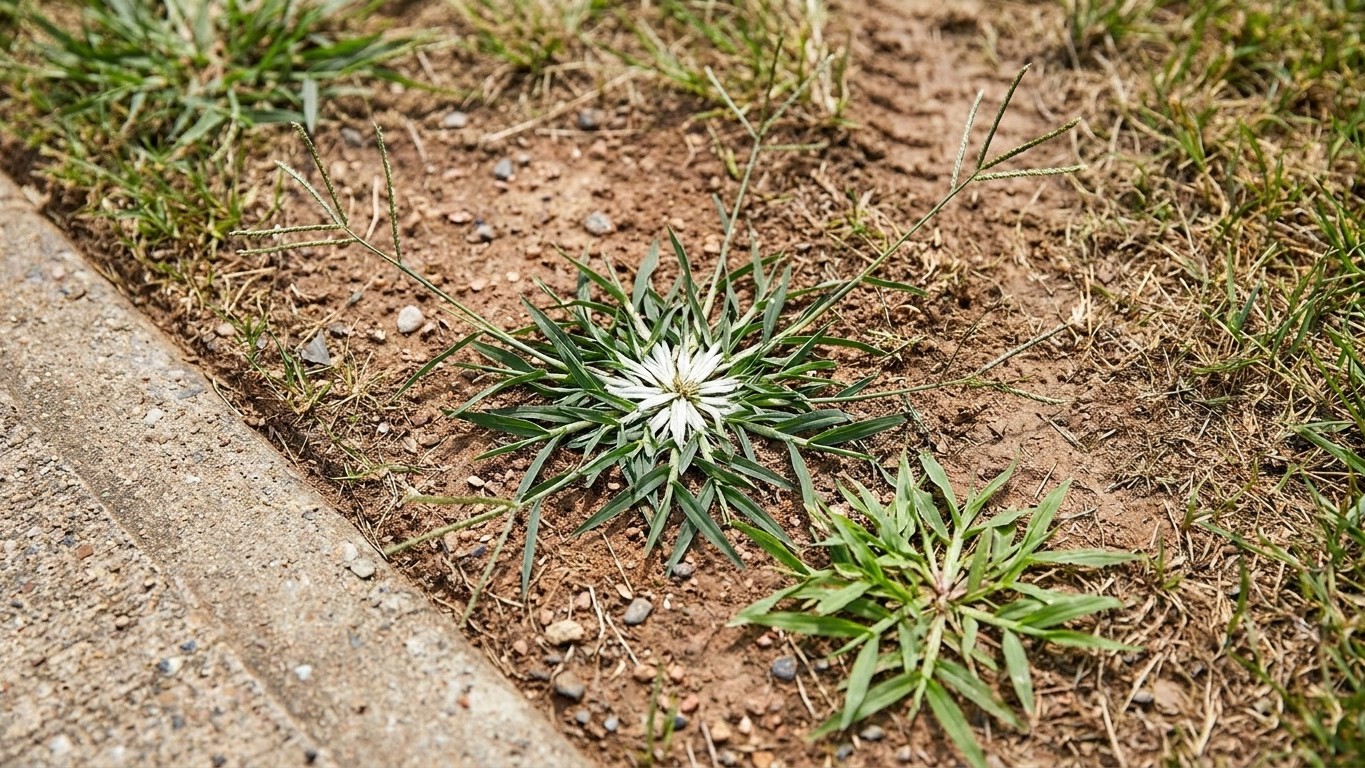
Most Wisconsin lawns are cool-season grass, and most of them do best at 2 to 3 inches. Tall fescue wants 3 to 3.5 inches.
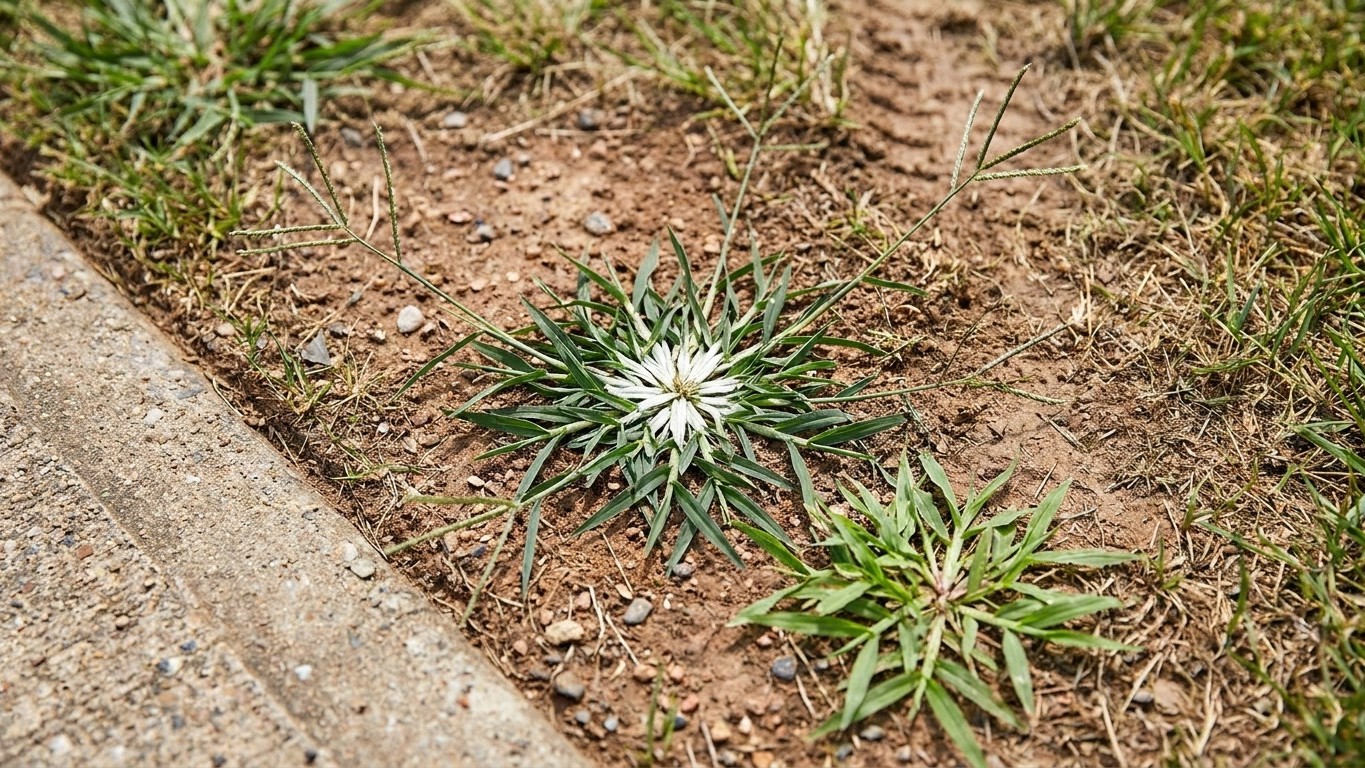
Sow cool-season grass seed in late summer, and finish about 45 days before your first fall freeze.
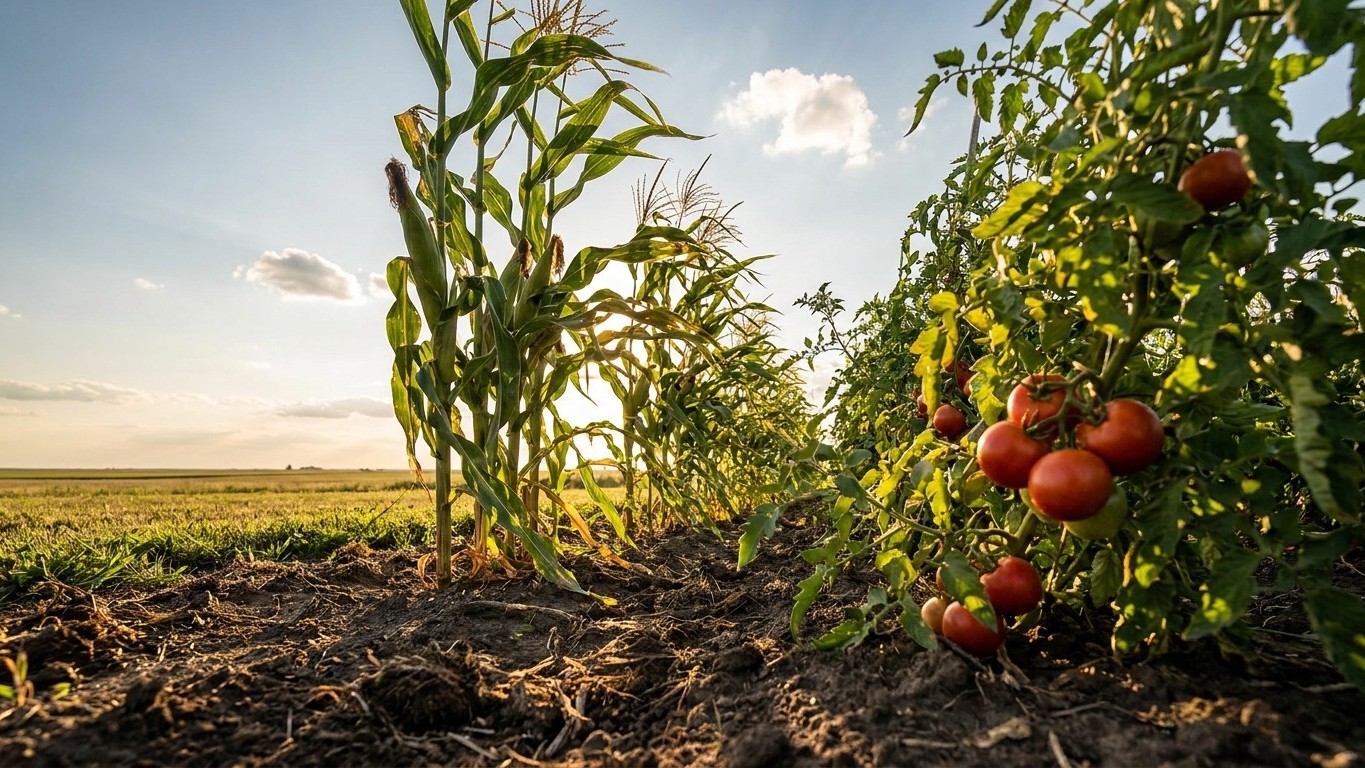
Corn in New Hampshire rarely loses to one big enemy. It loses to three quiet ones: soil that stays cold well after the last frost, a first fall freeze…