Protecting Roses Through an Ohio Winter
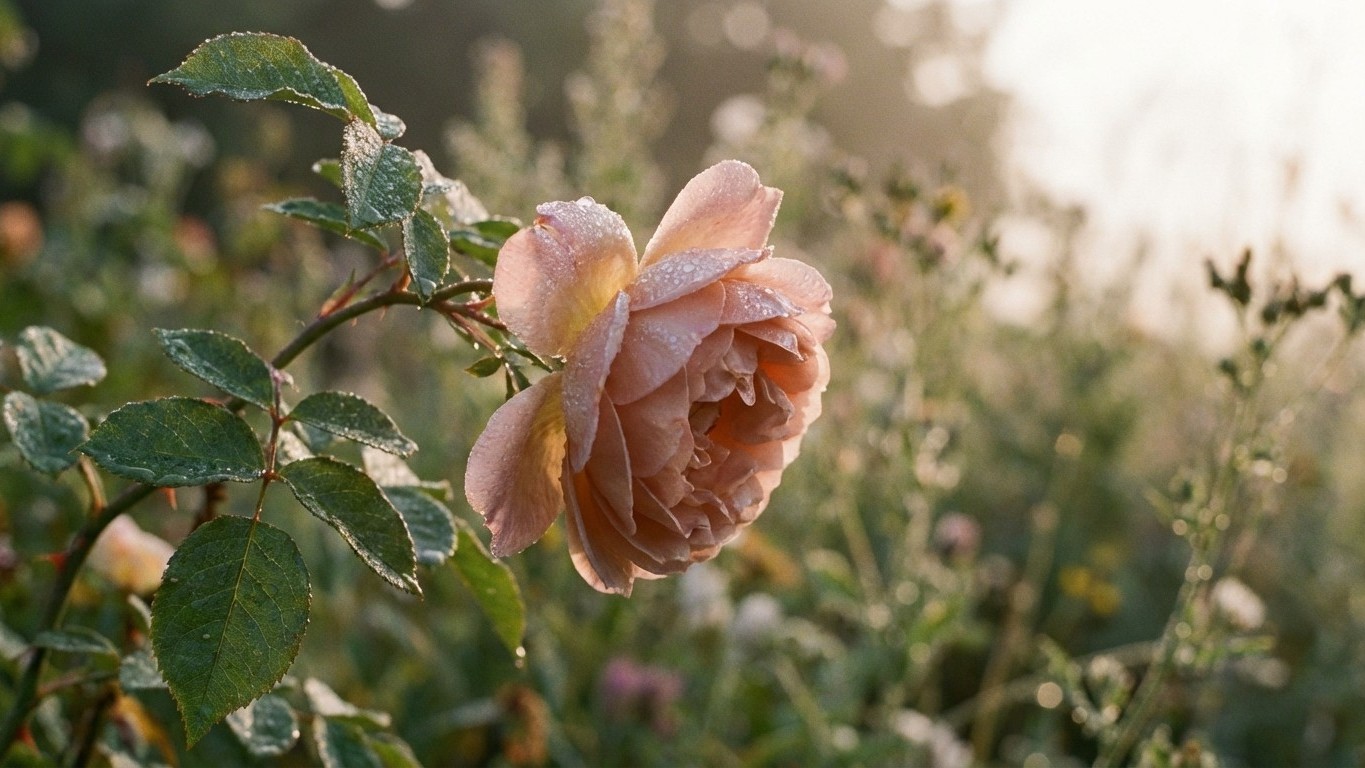
Yes, for most roses, and the job is simple. After the plant goes dormant, bury its base under 10 to 12 inches of bagged soil and leave the canes alone.
Home & garden, state by state
Yes, for most roses, and the job is simple. After the plant goes dormant, bury its base under 10 to 12 inches of bagged soil and leave the canes alone.
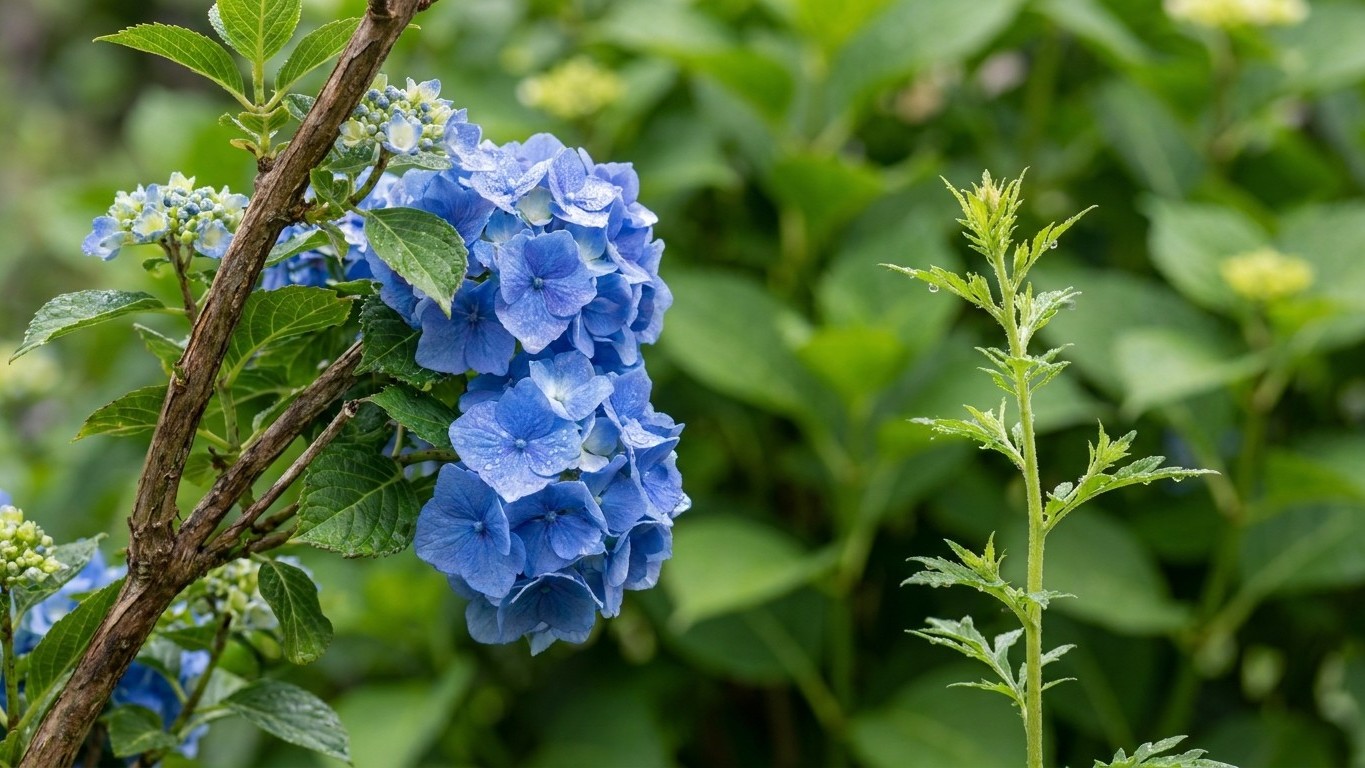
Hydrangeas come up pink across much of Ontario because the soil is neutral to alkaline, and in that chemistry the plant cannot take up aluminum.
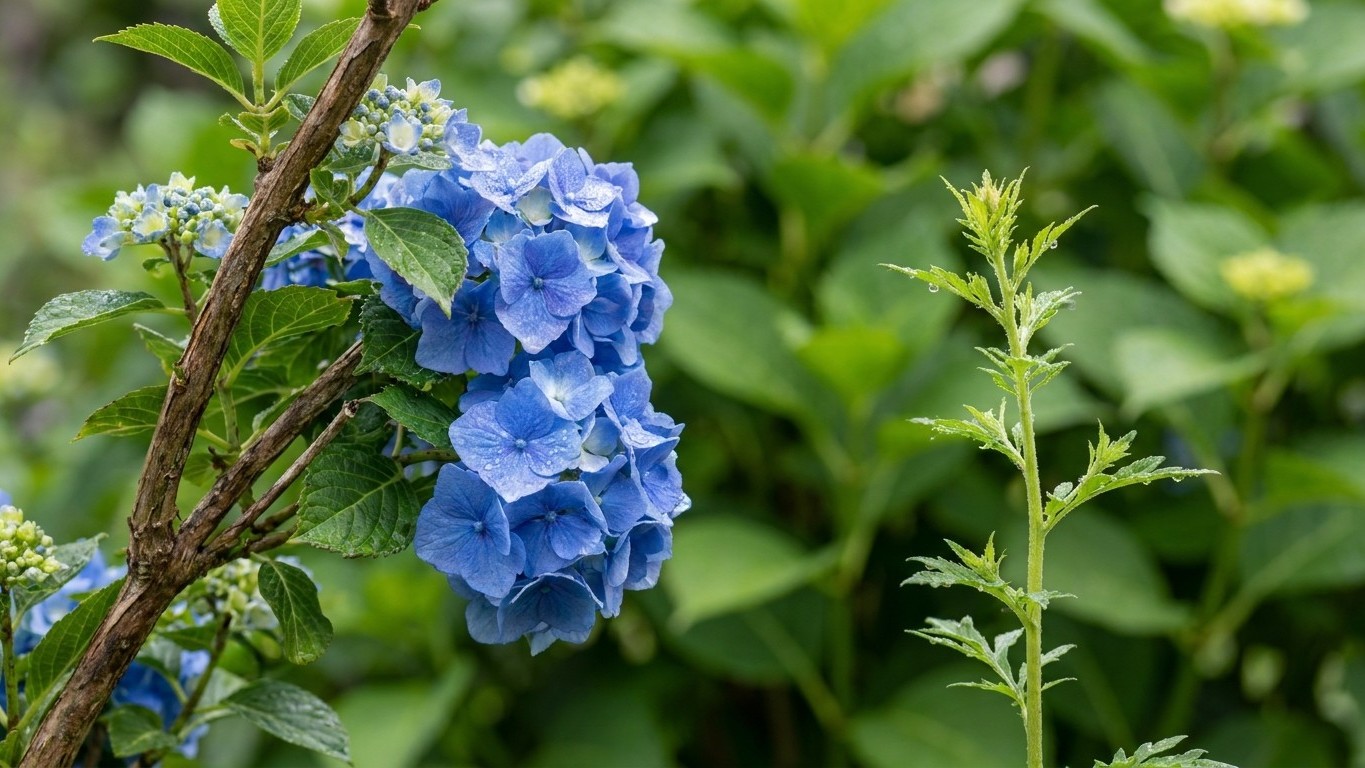
Prune hydrangeas that bloom on new wood in late winter or early spring, and prune those that bloom on old wood right after the flowers fade in summer.
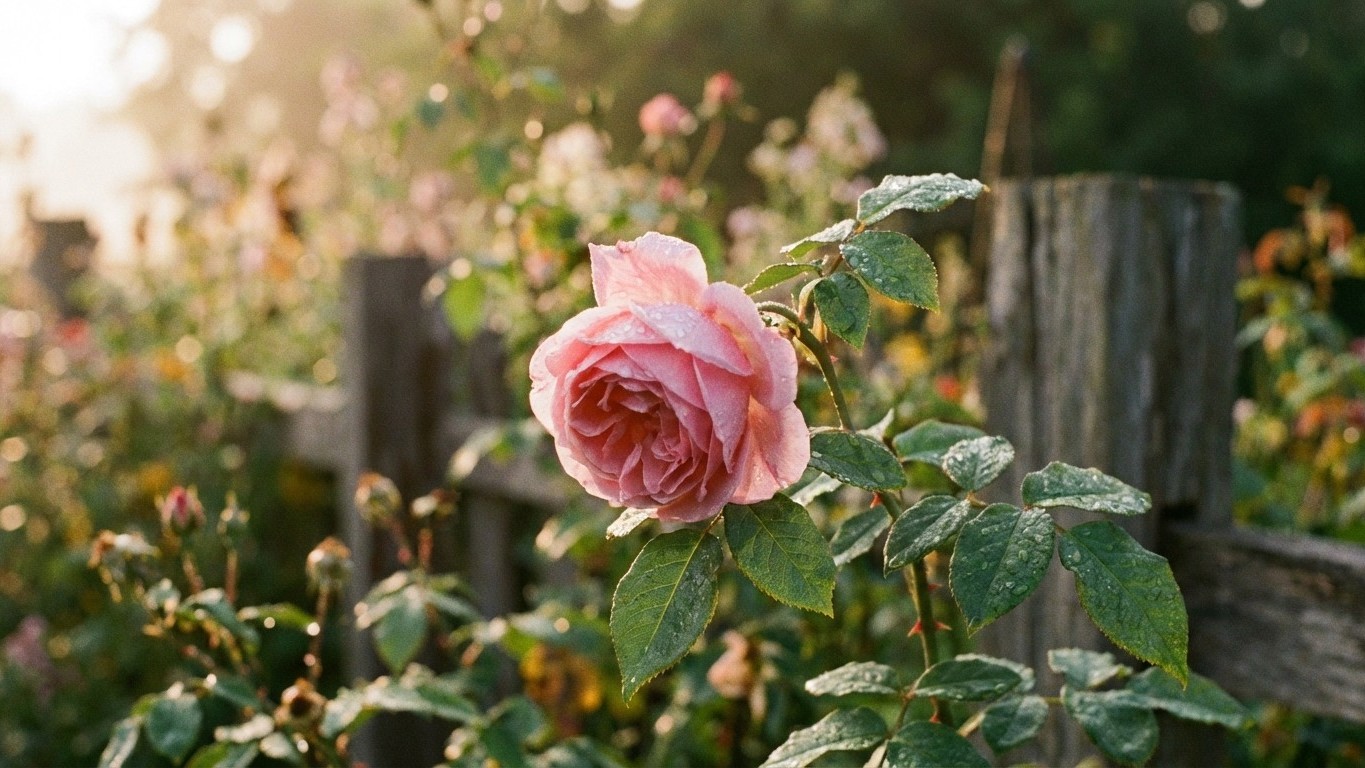
Ohio gardeners can count on rugosa roses, Explorer series climbers, and tough landscape shrubs like Knock Out to come through winter with little help.
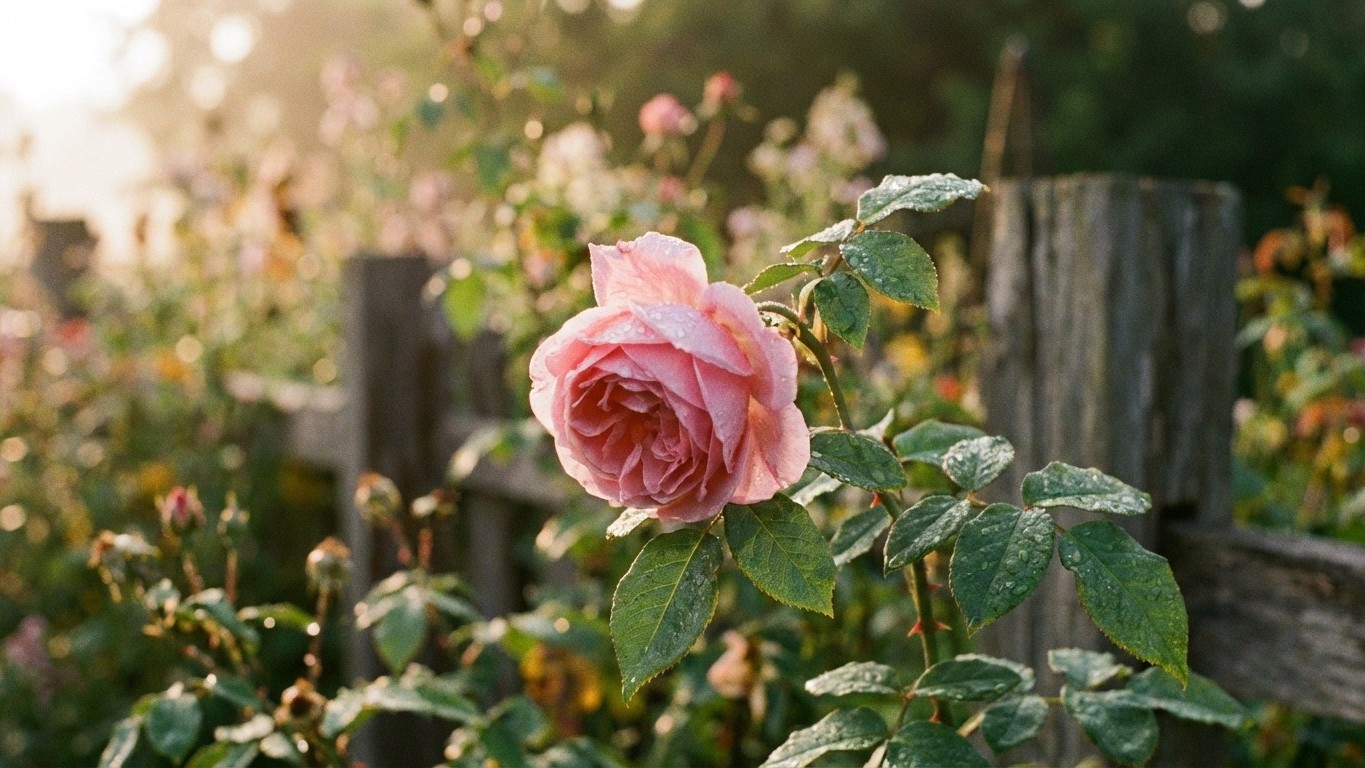
Most roses in Ohio get their main pruning from late March to mid-April, when the buds swell and before the leaves open.
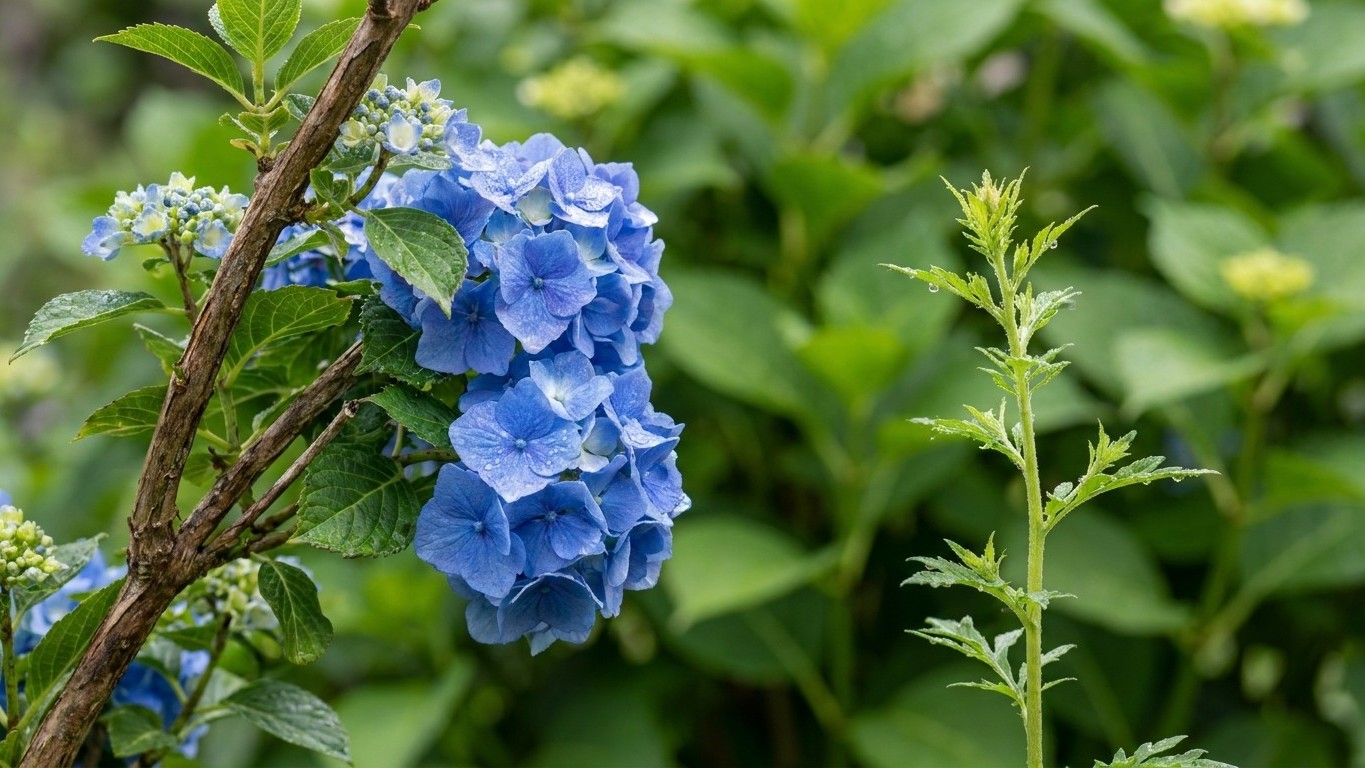
Oklahoma winters rarely kill a hydrangea’s roots. They ruin flower buds, either with a hard freeze on old-wood stems or with a late freeze that hits…
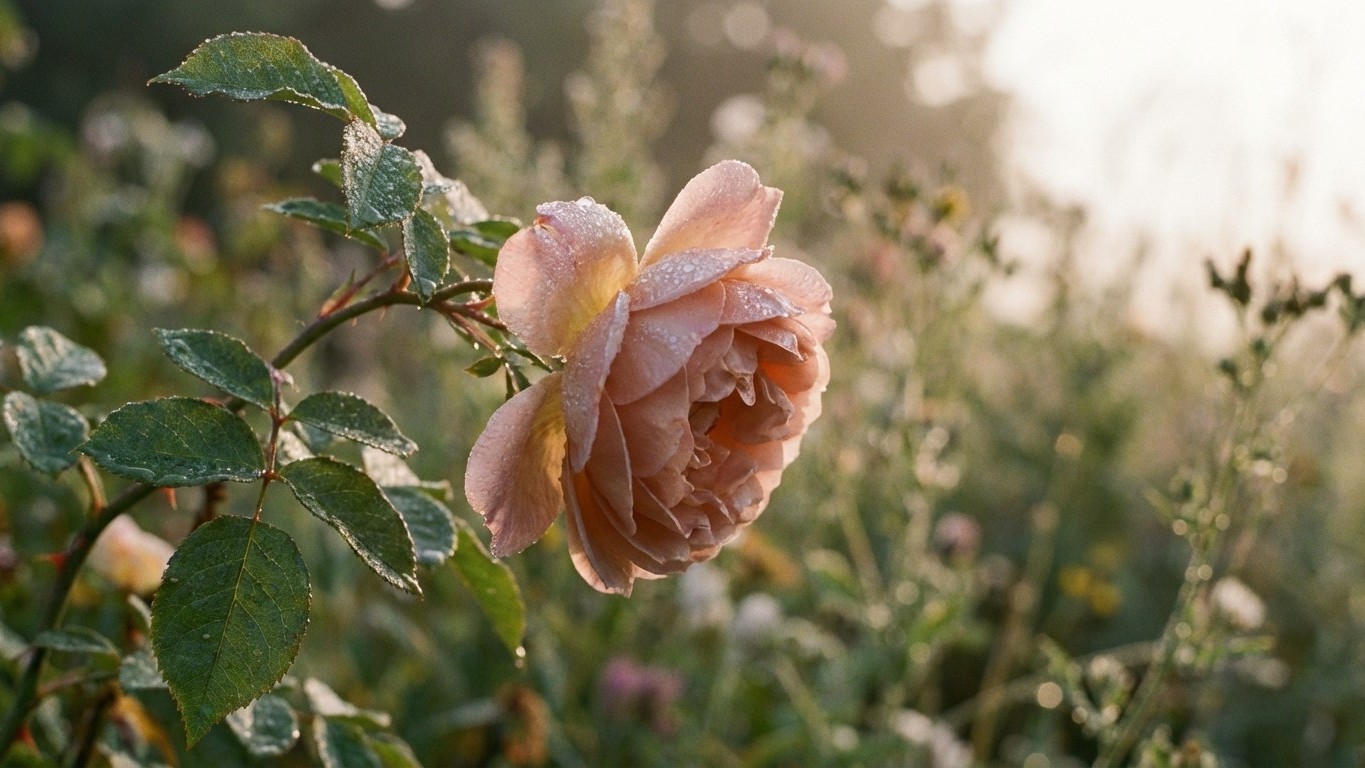
Three fungal diseases cause most of the trouble on Ohio roses: black spot, powdery mildew and downy mildew.
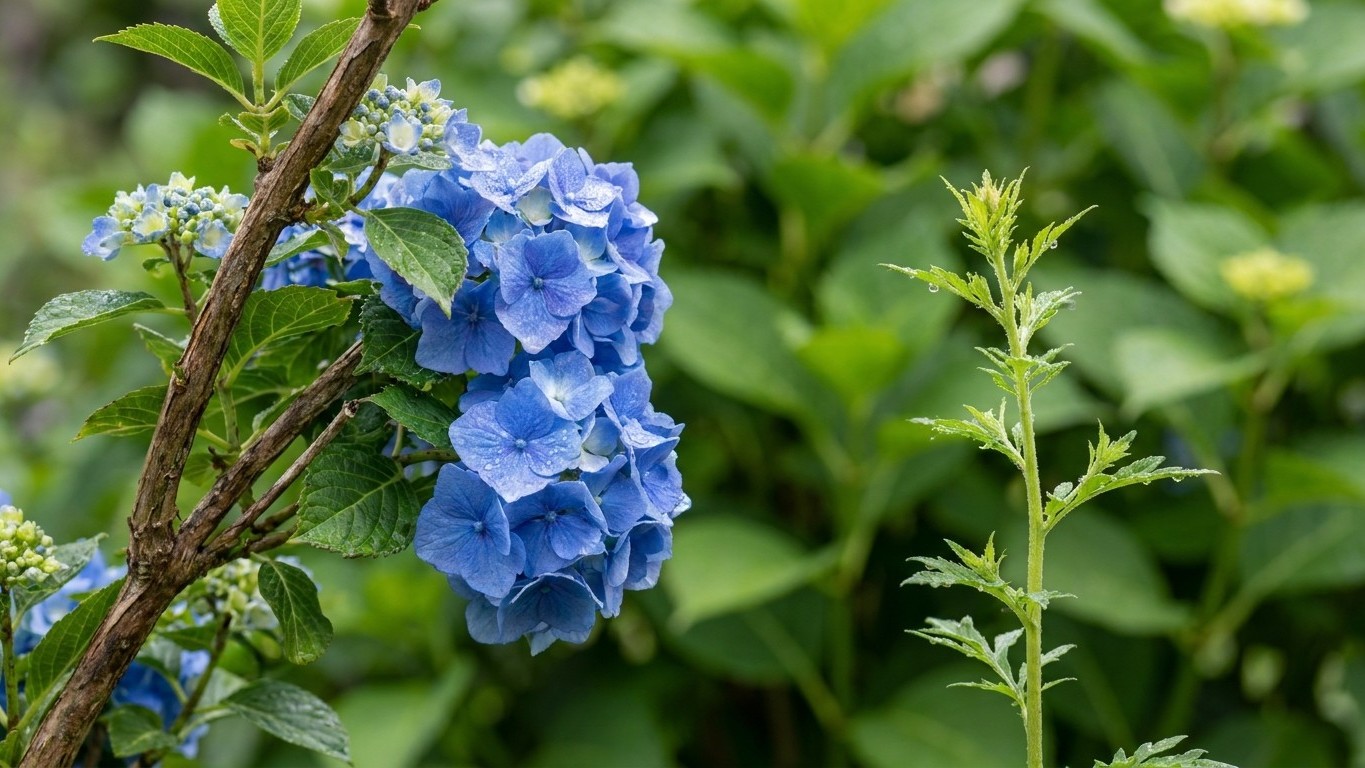
Almost every hydrangea sold for Oklahoma yards survives the winter. The roots are hardy to at least USDA zone 6, and the state runs from zone 6a to 8a.
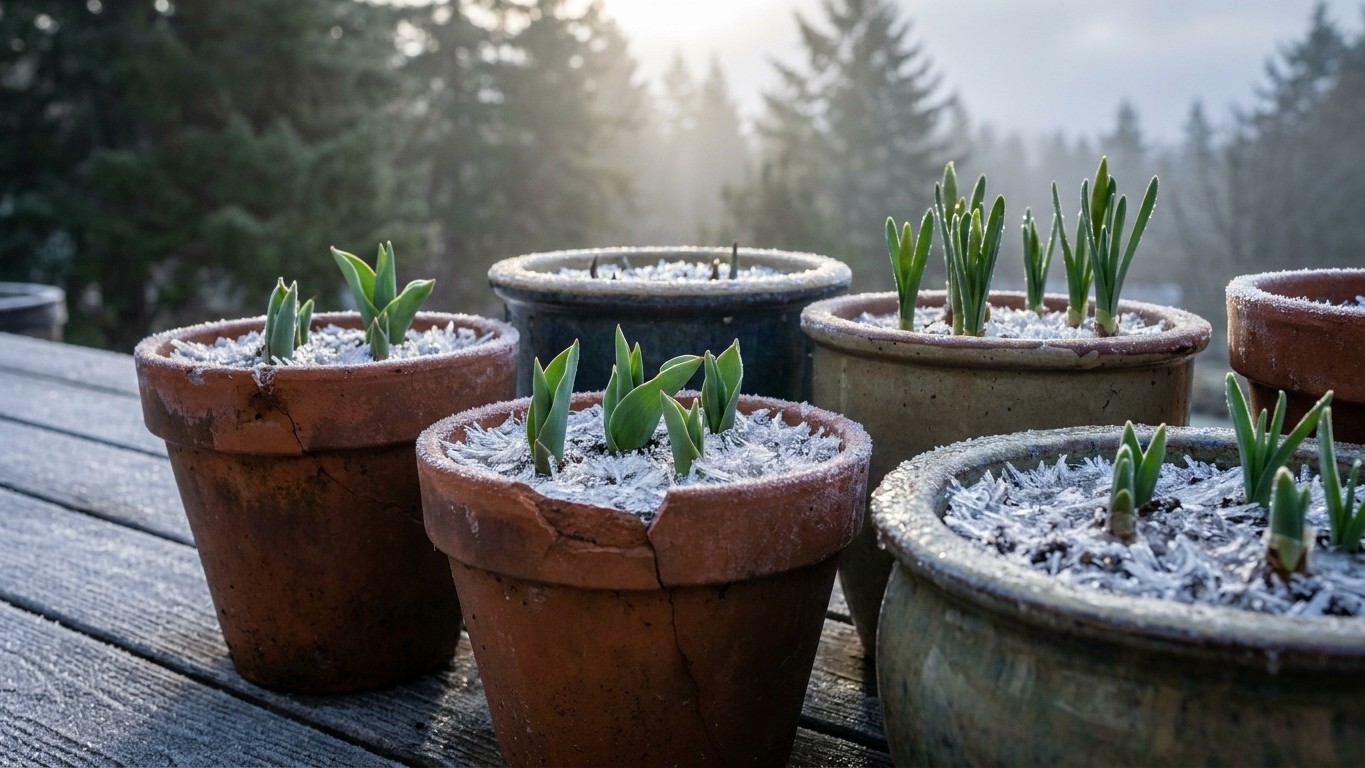
Whether these three plants have to come out of the ground depends on how hard the soil freezes where you garden.
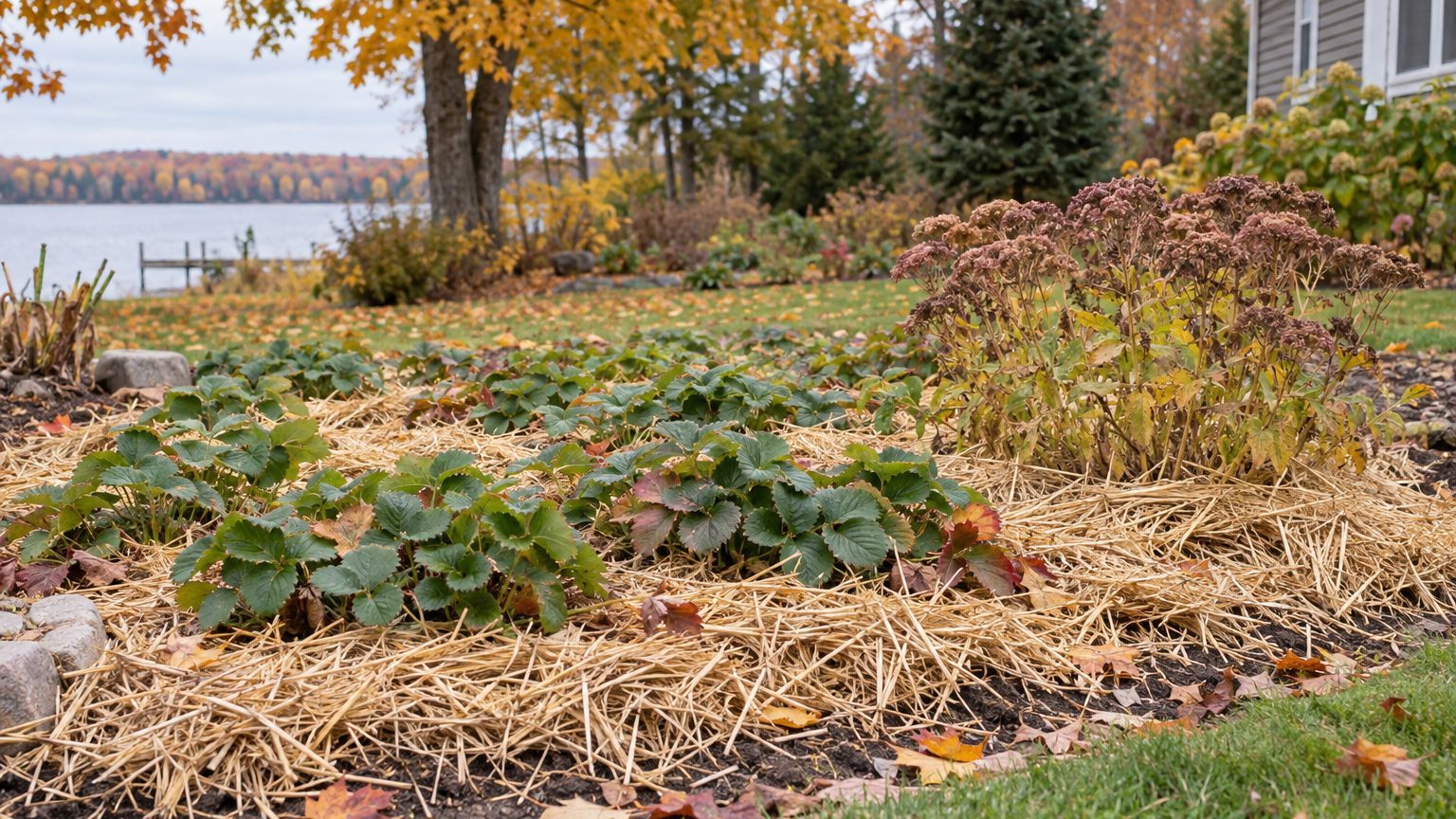
Winter mulch in Texas goes down after the first hard freeze, and in much of the state that freeze comes late or barely at all.