Skip to content

The Homestead Post

Home & garden, state by state

  • Home
  • Garden
    • Flowers
    • Lawn
    • Soil & Compost
    • Trees & Shrubs
    • Vegetables
  • Home Care
    • Electrical
    • Foundations
    • HVAC
    • Plumbing
    • Roofing
  • Energy
    • Heating & Cooling
    • Insulation
    • Rebates & Credits
    • Solar
  • Pests
    • Ants
    • Mosquitoes
    • Rodents
    • Termites
    • Ticks
  • Decor
    • Bedrooms
    • Kitchens
    • Living Rooms
    • Outdoor Spaces
  • DIY
    • Repairs
    • Tools
    • Weekend Projects
  • State Guides
    • Northeast
      • Connecticut
      • Maine
      • Massachusetts
      • New Hampshire
      • New Jersey
      • New York
      • Pennsylvania
      • Rhode Island
      • Vermont
    • Southeast
      • Alabama
      • Arkansas
      • Delaware
      • Florida
      • Georgia
      • Kentucky
      • Louisiana
      • Maryland
      • Mississippi
      • North Carolina
      • South Carolina
      • Tennessee
      • Virginia
      • West Virginia
    • Midwest
      • Illinois
      • Indiana
      • Iowa
      • Kansas
      • Michigan
      • Minnesota
      • Missouri
      • Nebraska
      • North Dakota
      • Ohio
      • South Dakota
      • Wisconsin
    • Southwest
      • Arizona
      • New Mexico
      • Oklahoma
      • Texas
    • West
      • Alaska
      • California
      • Colorado
      • Hawaii
      • Idaho
      • Montana
      • Nevada
      • Utah
      • Wyoming
    • Pacific Northwest
      • Oregon
      • Washington
    • Canada
      • Alberta
      • British Columbia
      • Manitoba
      • New Brunswick
      • Newfoundland and Labrador
      • Northwest Territories
      • Nova Scotia
      • Nunavut
      • Ontario
      • Prince Edward Island
      • Quebec
      • Saskatchewan
      • Yukon

How High to Mow a Lawn in New Hampshire
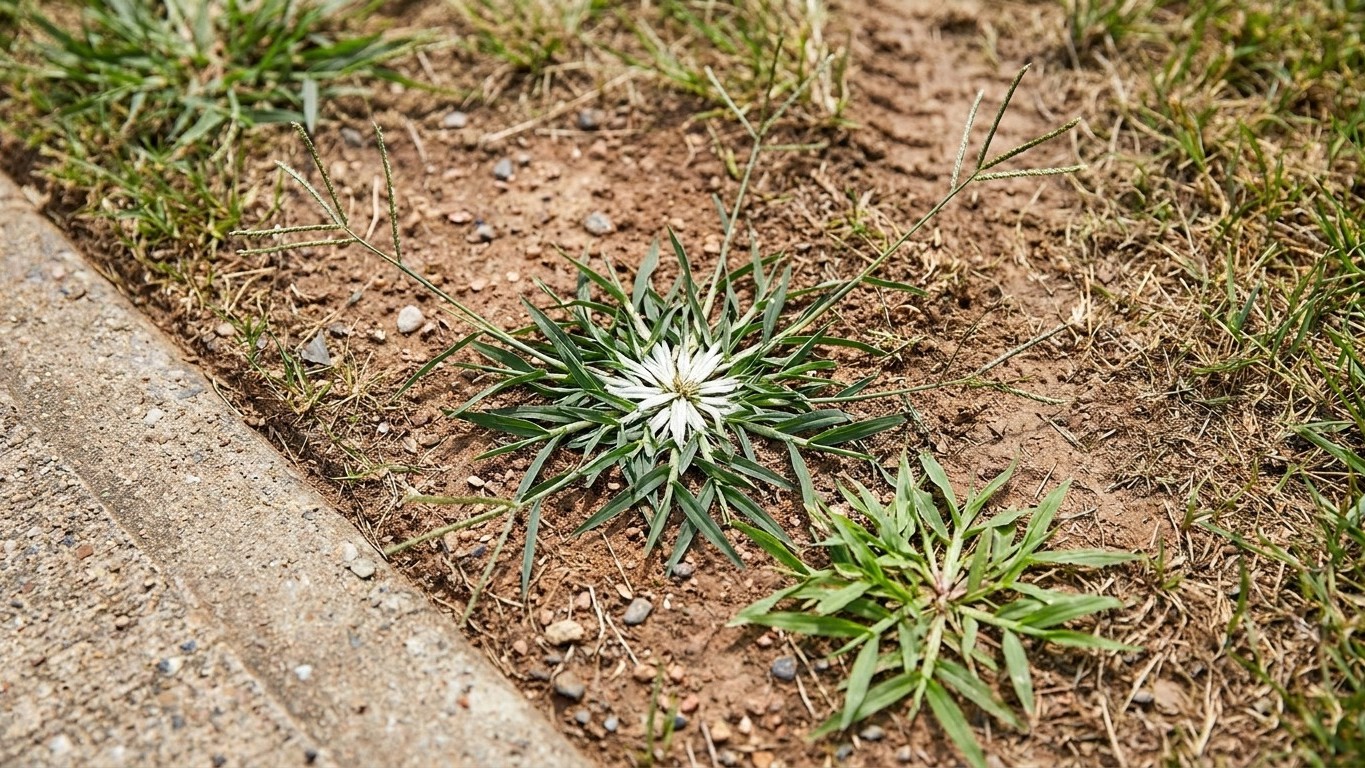
Weeds sprouting along a concrete edge in a lawn area during warm season.

Set the mower between 2 and 3 inches for most New Hampshire lawns, which usually means Kentucky bluegrass or fine fescue.
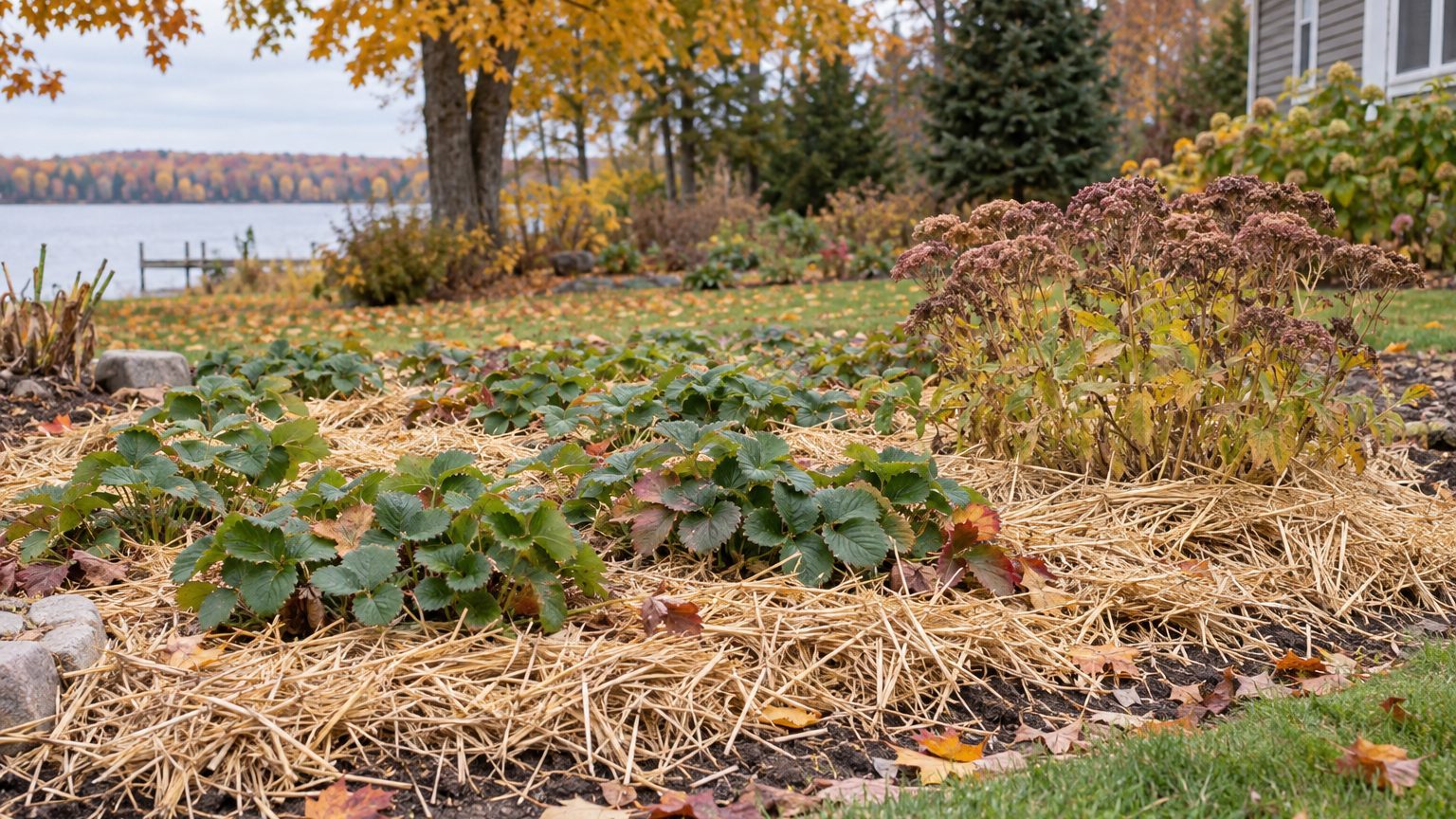
When to Mulch Strawberries and Perennials for Winter in Utah

When to Mulch Strawberries and Perennials for Winter in Minnesota

In Utah, winter mulch for strawberries and perennials goes down late, after the soil has started to freeze, not when the first frost hits the tomatoes.
When to Lift Onions in Louisiana, and How to Cure Them

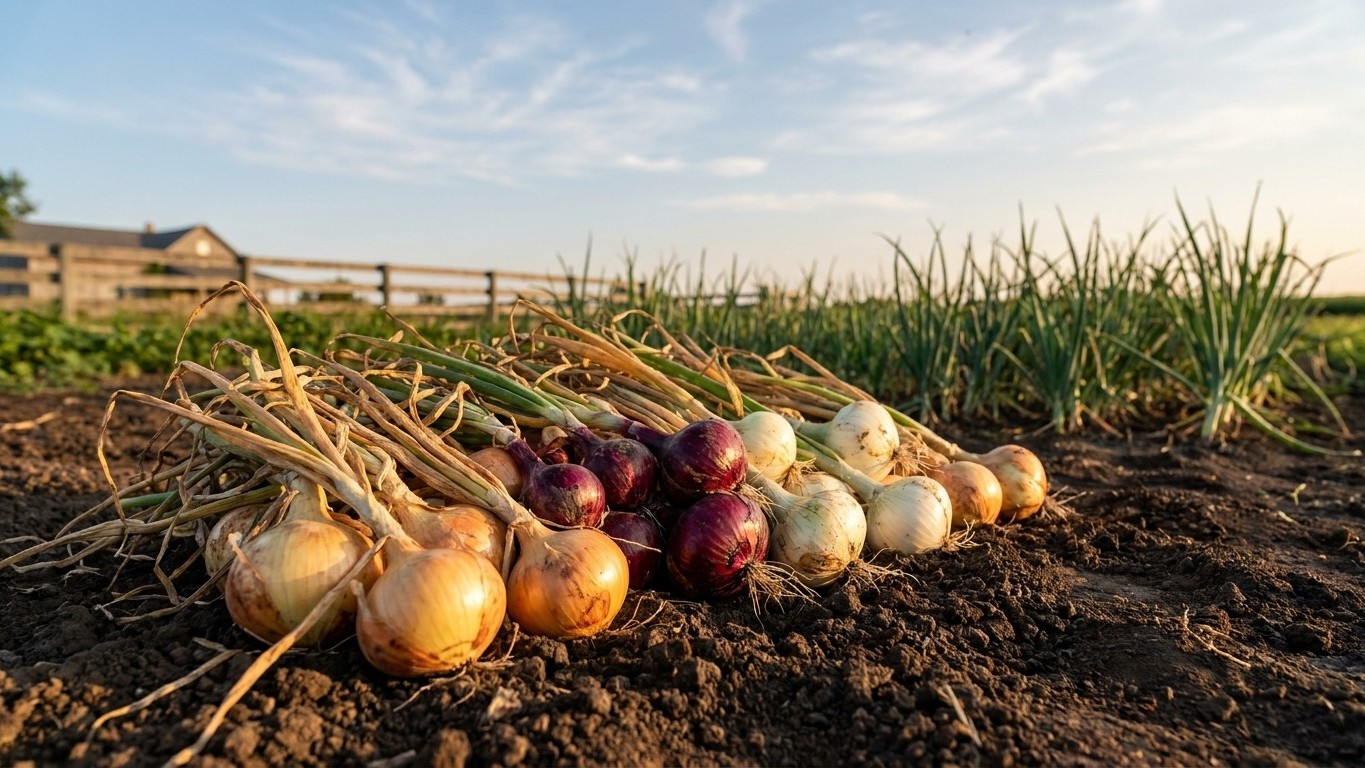
Freshly harvested onions in various colors with dry stems arranged on dark garden soil with onion plants growing in the background.

Lift Louisiana onions once the tops fall over and the necks go soft, then cure them in dry, shaded, moving air until the necks are tight and the skins…
What Eats Asparagus in Minnesota, and When

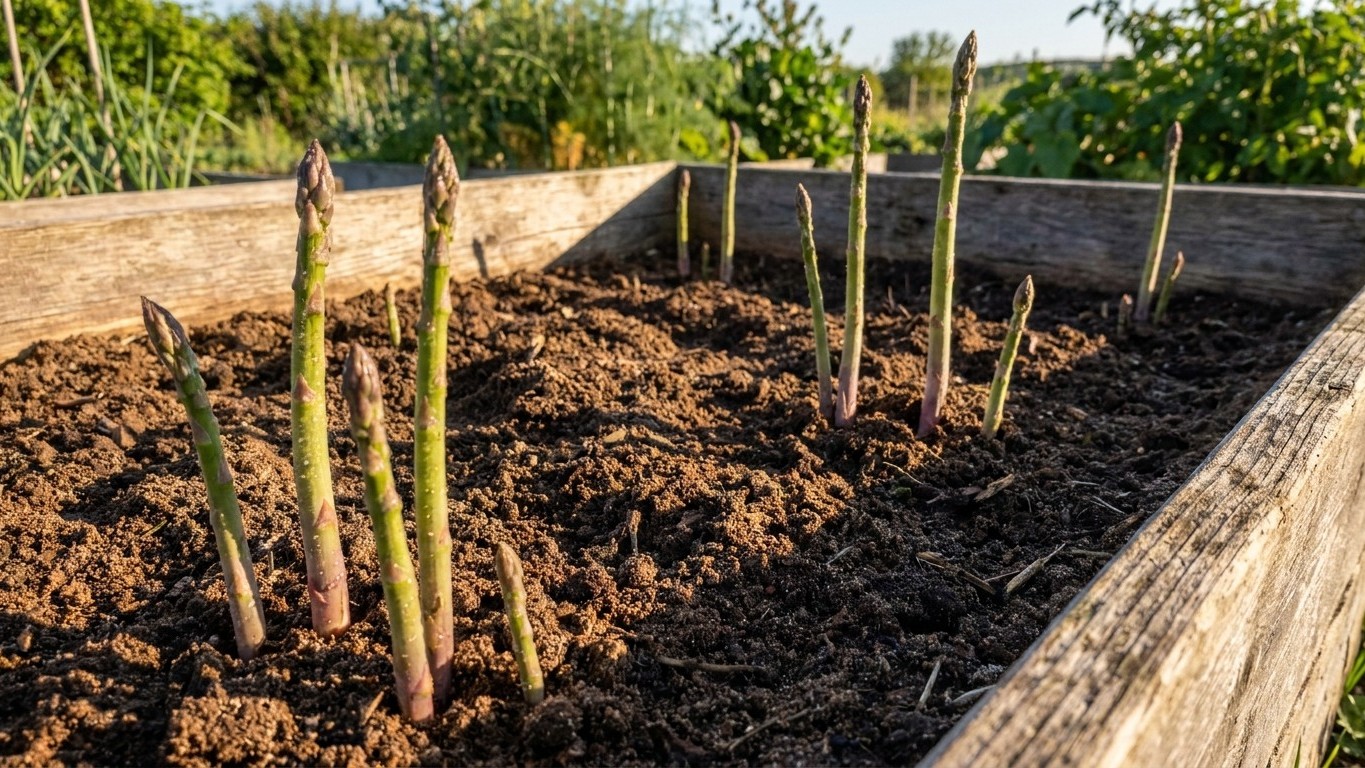
Young asparagus spears pushing through rich dark soil in a wooden raised garden bed on a sunny spring day.

The sources behind this page name no pests and give no calendar for them, so any list of insects with dates would be invented.
What Eats Summer Squash in Nunavut, and When

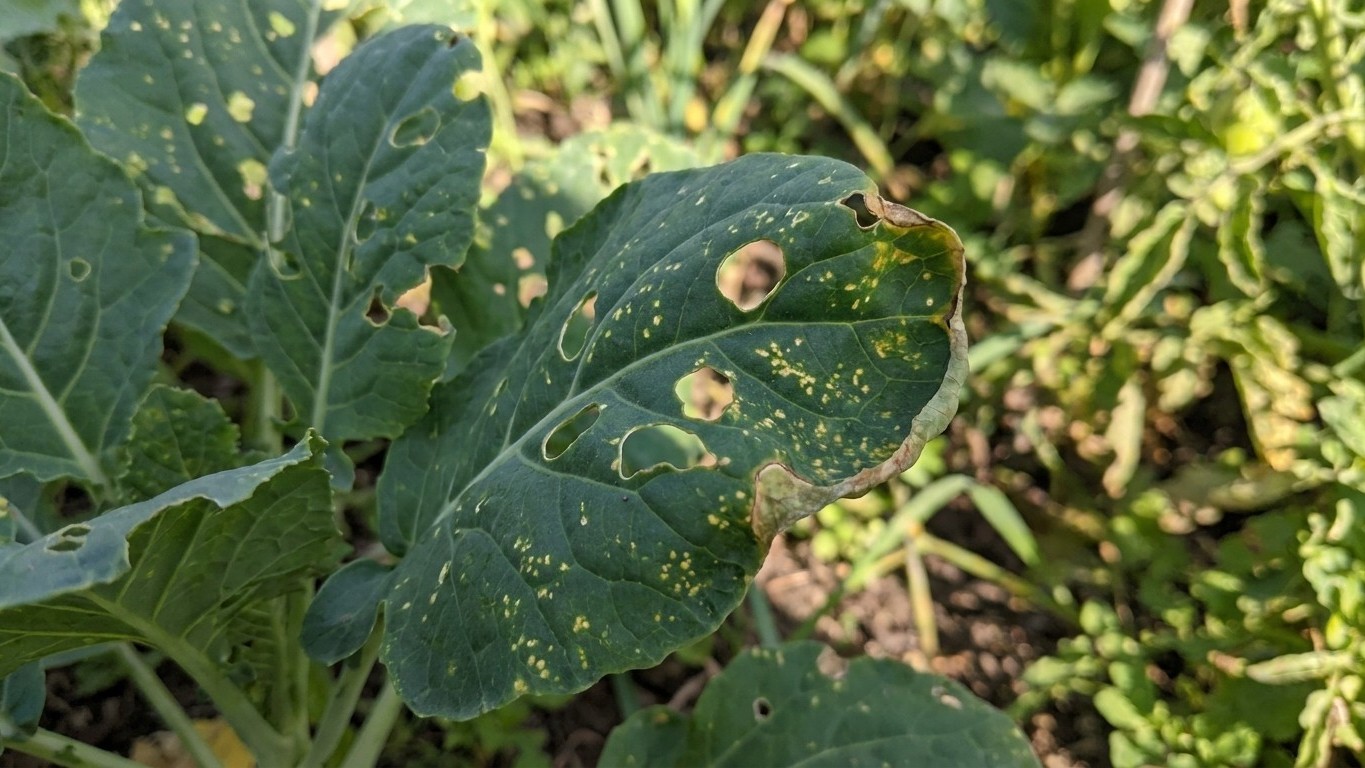
Close-up of diseased squash or melon foliage with yellow spots and brown lesions characteristic of fungal or bacterial leaf damage.

This page has no verified list of squash pests for Nunavut, so it names no insect as present.
When to Plant Grass Seed in New Hampshire

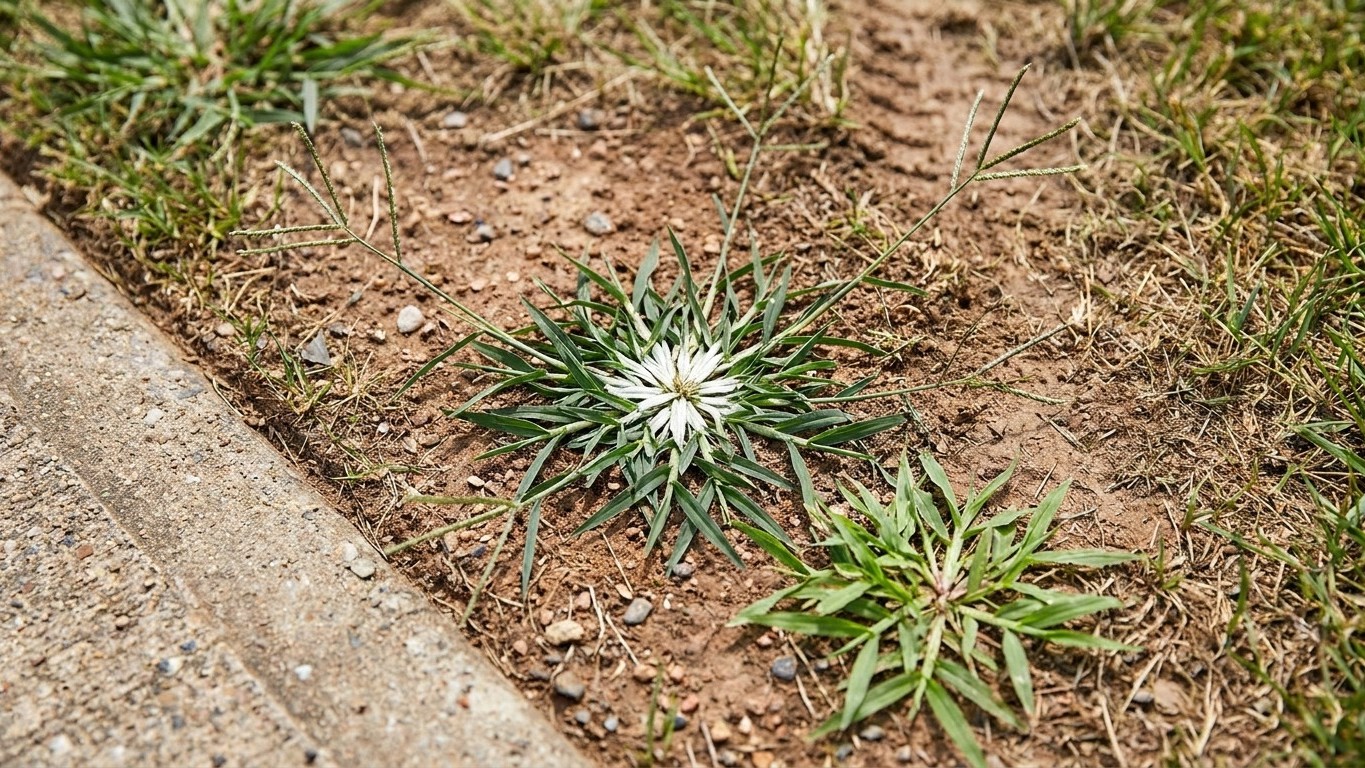
Weeds sprouting along a concrete edge in a lawn area during warm season.

In New Hampshire, the best window to sow grass seed runs from late August through the first half of September, while the soil is still warm and the…
How Late Can You Plant Trees and Shrubs in Fall in Tennessee?

How Late Can You Plant Trees and Shrubs in Fall in Minnesota?

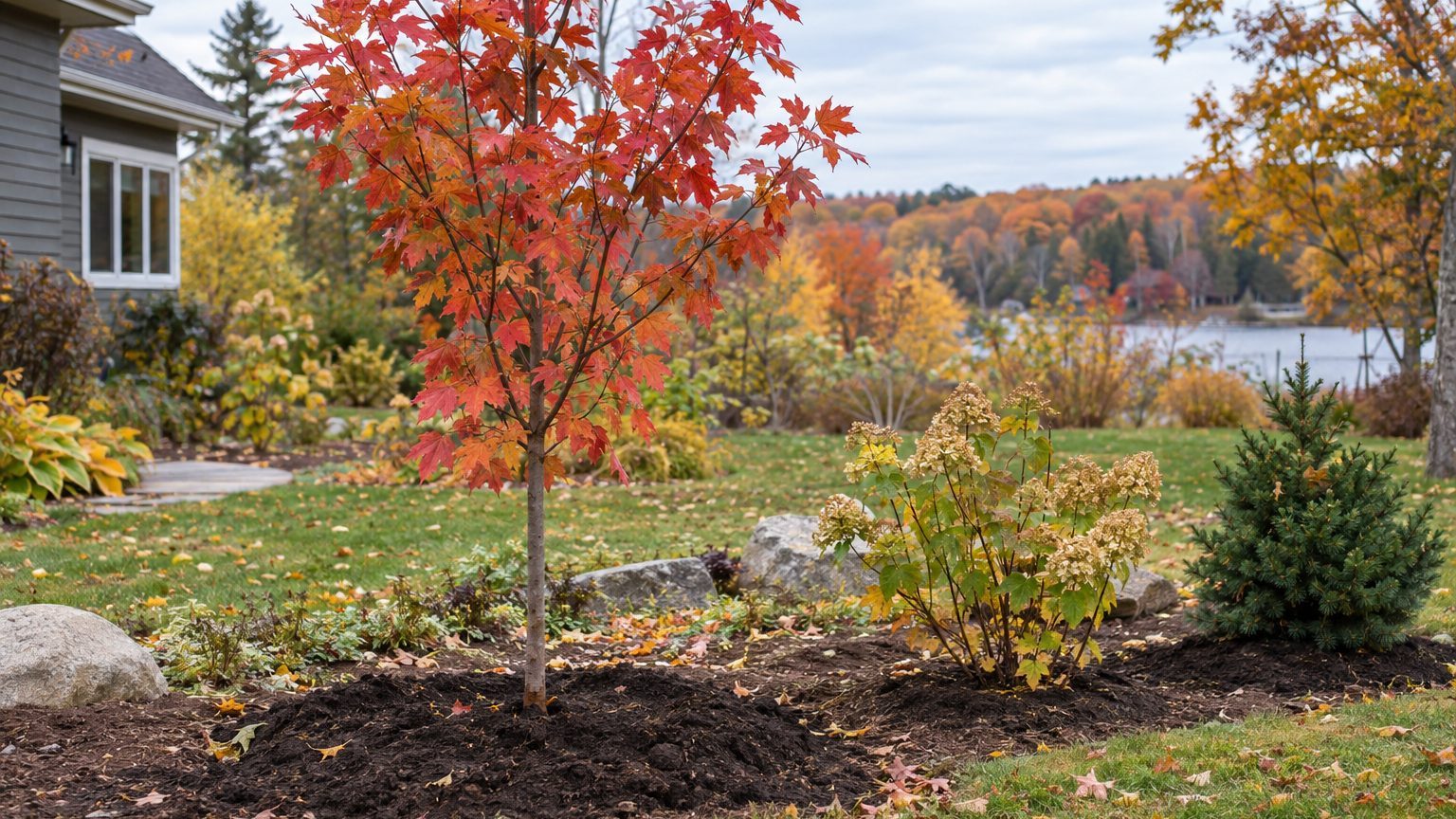
In Tennessee, the safe target for planting trees and shrubs in fall is September 16 to September 27, six weeks before the first fall frost.
When to Dethatch a Lawn in New Hampshire

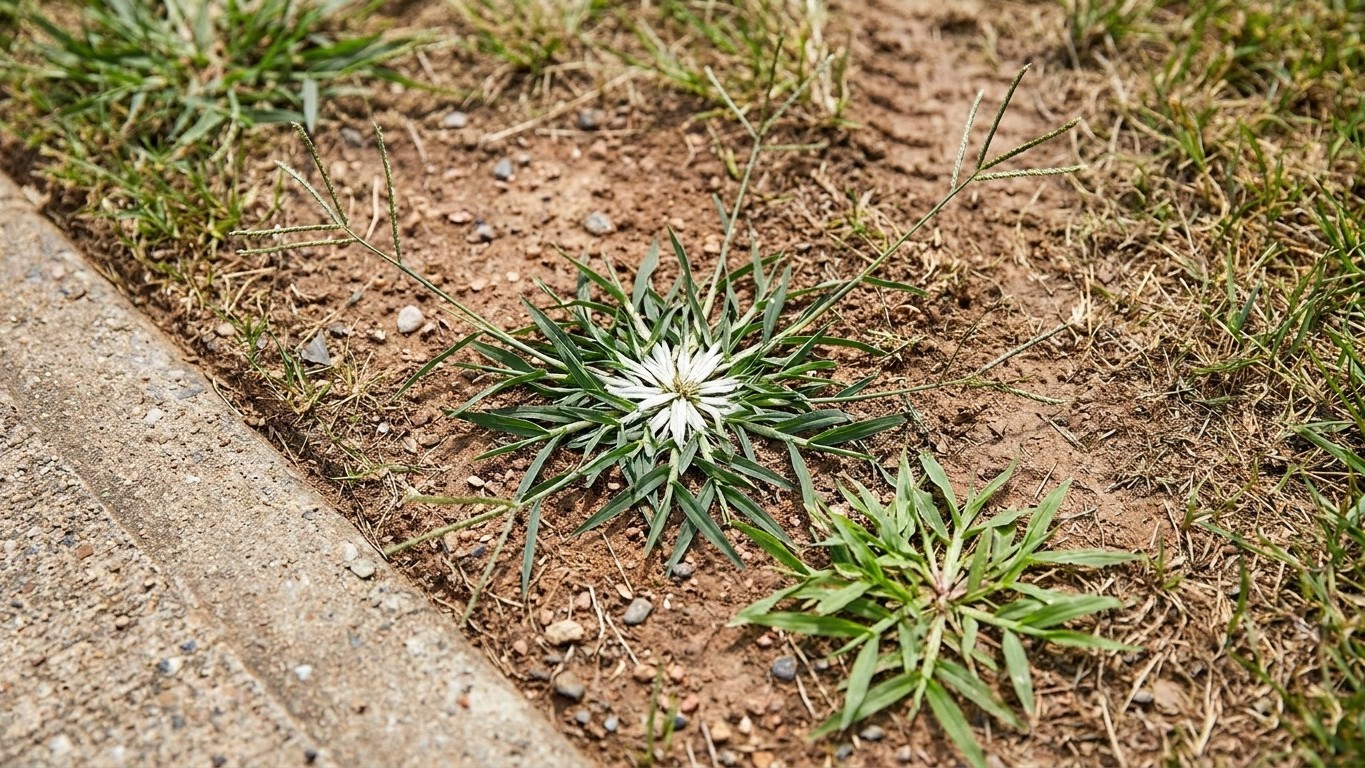
Weeds sprouting along a concrete edge in a lawn area during warm season.

Most New Hampshire lawns do not need dethatching at all. If a spade-cut wedge shows more than 0.75 inch of thatch, the best window is late summer into…
How High to Mow a Lawn in New Brunswick

Weeds sprouting along a concrete edge in a lawn area during warm season.

Most New Brunswick lawns are cool-season turf, and the right cut depends on the grass underfoot. Tall fescue wants 3 to 3.5 inches.
When to Dig Up Dahlias, Cannas and Gladiolus in South Dakota

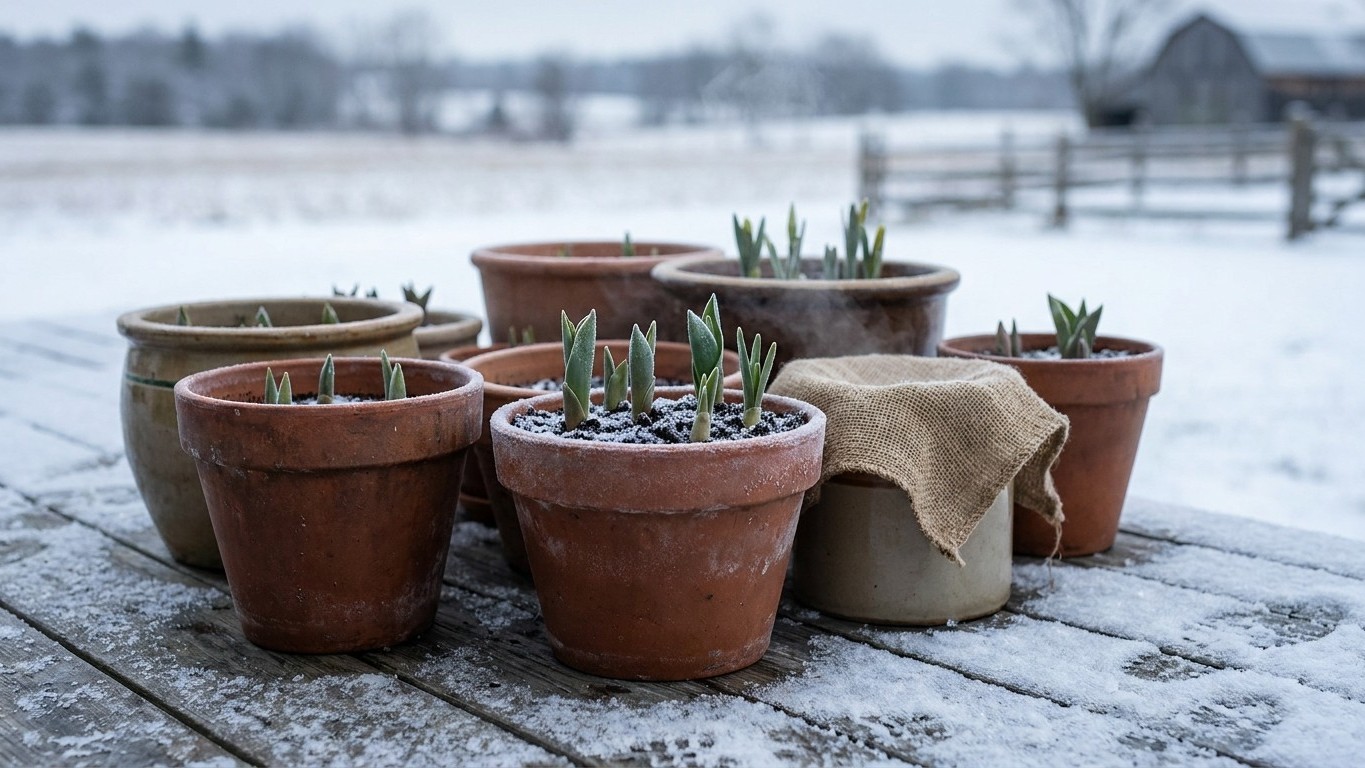
Terracotta pots with emerging spring bulbs arranged on a frozen wooden patio, with burlap cloth and snowy farm field visible beyond.

In South Dakota, dahlias, cannas and gladiolus come out of the ground every fall, about one to two weeks after the first frost blackens the foliage.

Older posts
Newer posts
← Previous Page1 … Page180 Page181 Page182 … Page987 Next →

The Homestead Post

Home and garden advice with the numbers attached — written for your climate, your season and your local rules.

Sections

  • Garden
  • Home Care
  • Energy
  • Pests
  • Decor
  • DIY

Popular states

  • California
  • Texas
  • Florida
  • New York
  • Pennsylvania
  • Ohio
  • Georgia
  • North Carolina
  • All states →

The Post

  • About us
  • Contact
  • Editorial guidelines
  • Affiliate disclosure
  • Privacy policy
  • Terms of use
© 2026 The Homestead Post·Home & garden, state by state