When to Aerate a Lawn in Nova Scotia
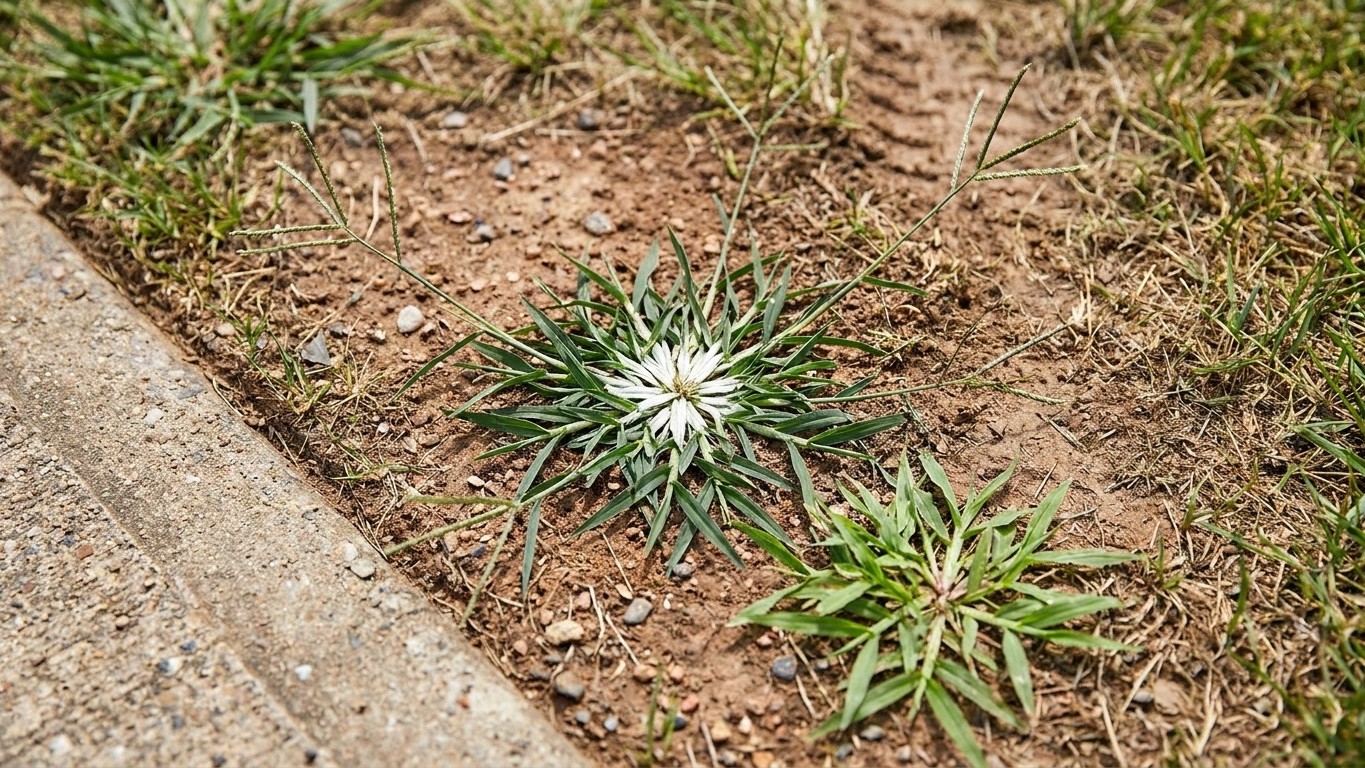
Aerate a Nova Scotia lawn in fall, while the grass is still growing, and finish before the first frost window opens.
Home & garden, state by state
Aerate a Nova Scotia lawn in fall, while the grass is still growing, and finish before the first frost window opens.
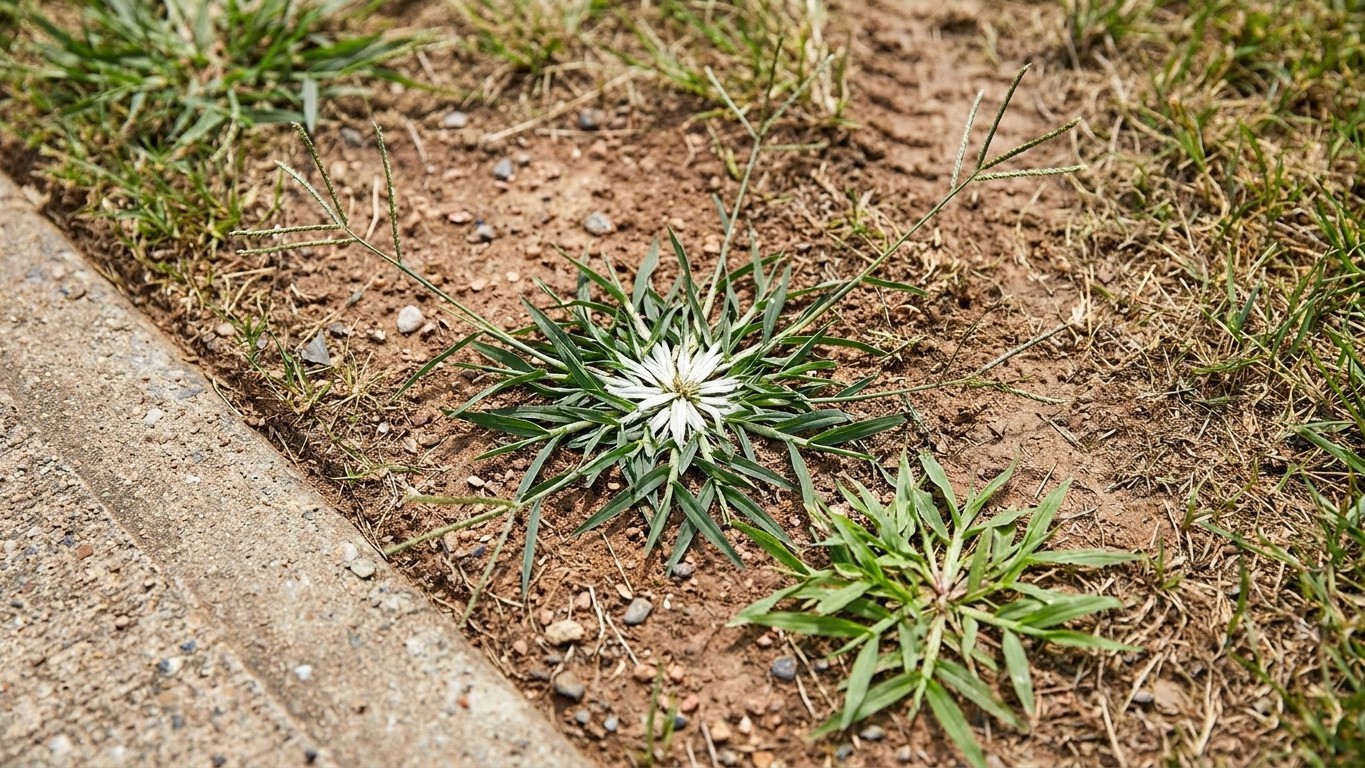
For a cool-season lawn in Kentucky, sow in early fall, with seed in the ground before the middle of September ends.
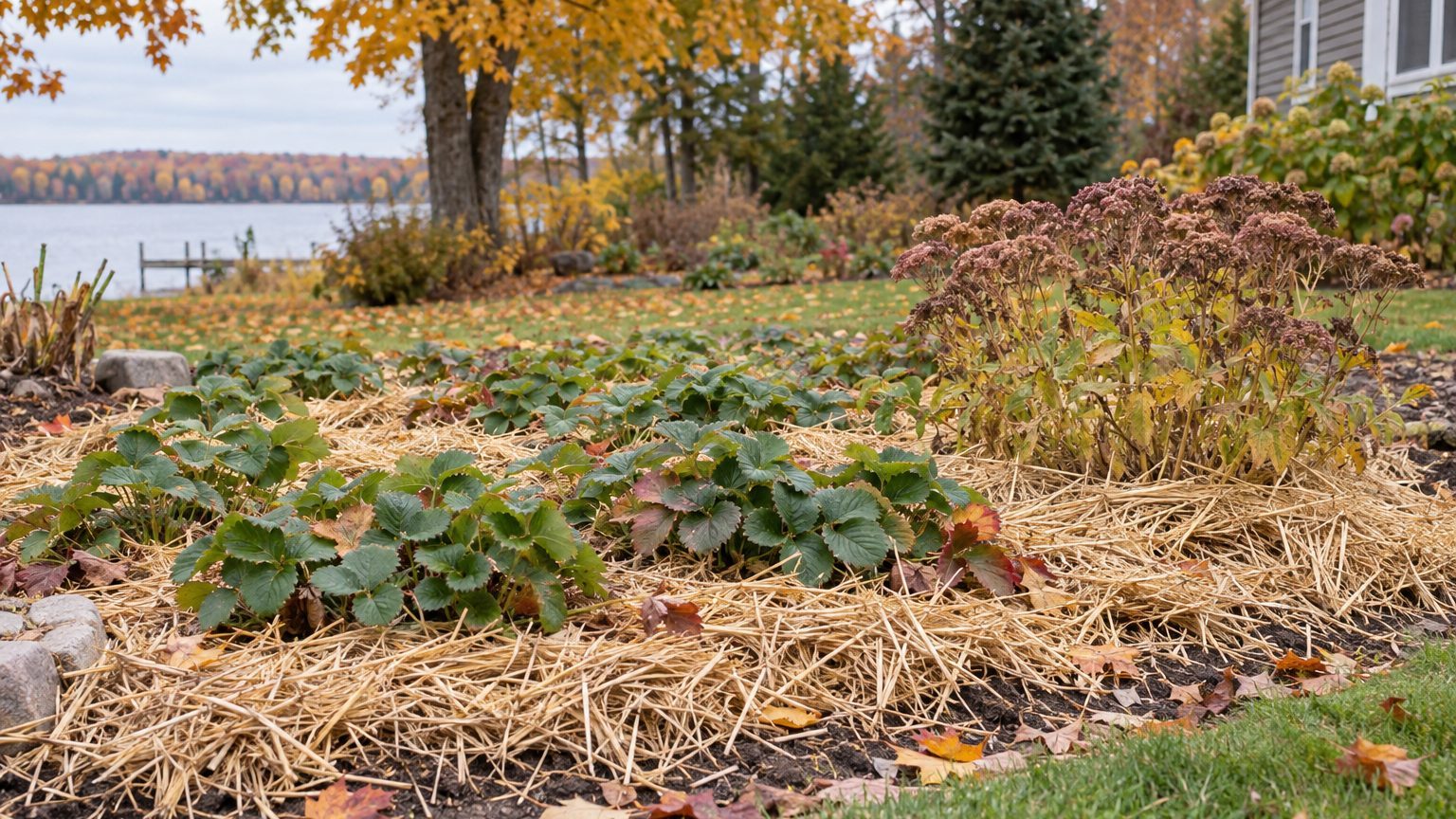
Mulch strawberries and perennials in Nunavut after the soil surface starts to freeze, not when the first frost arrives.
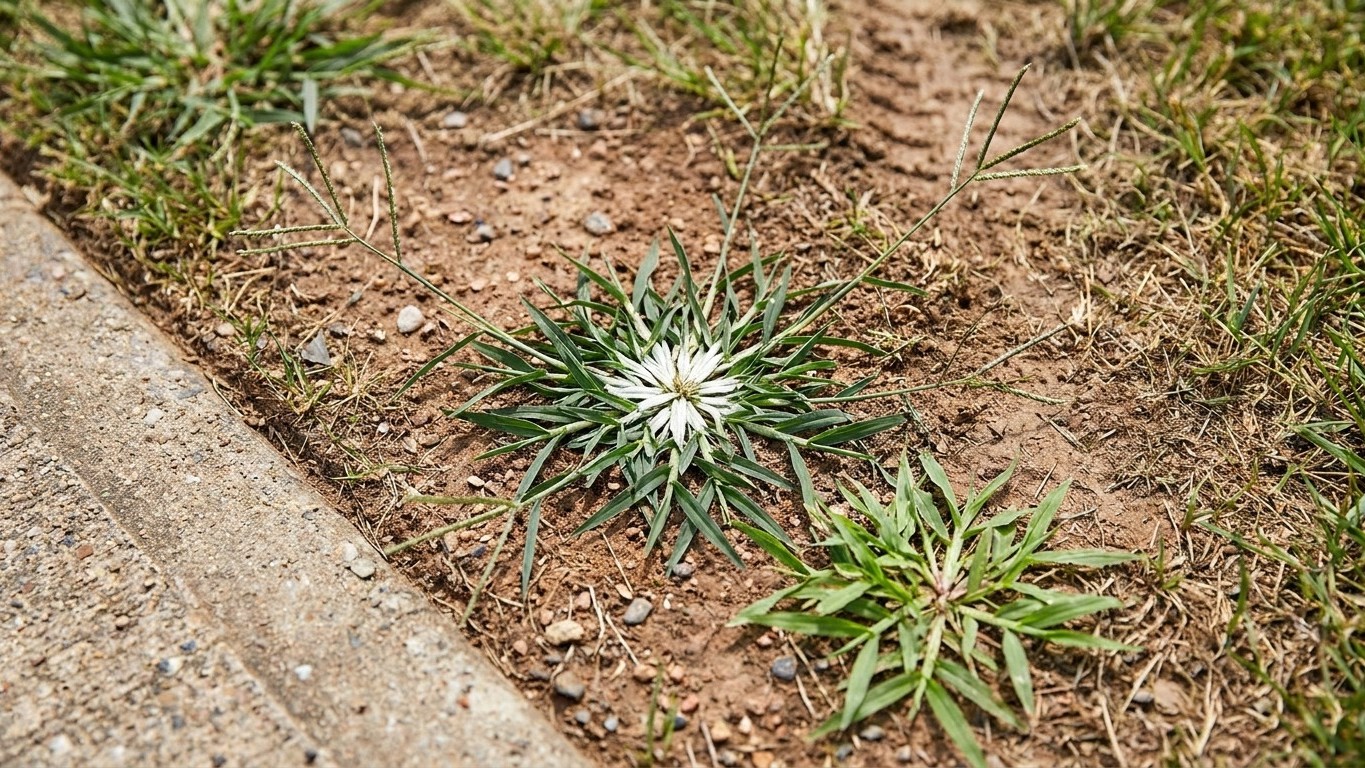
Aerate a Northwest Territories lawn in late summer, while the grass is still growing and ahead of the first fall frost.
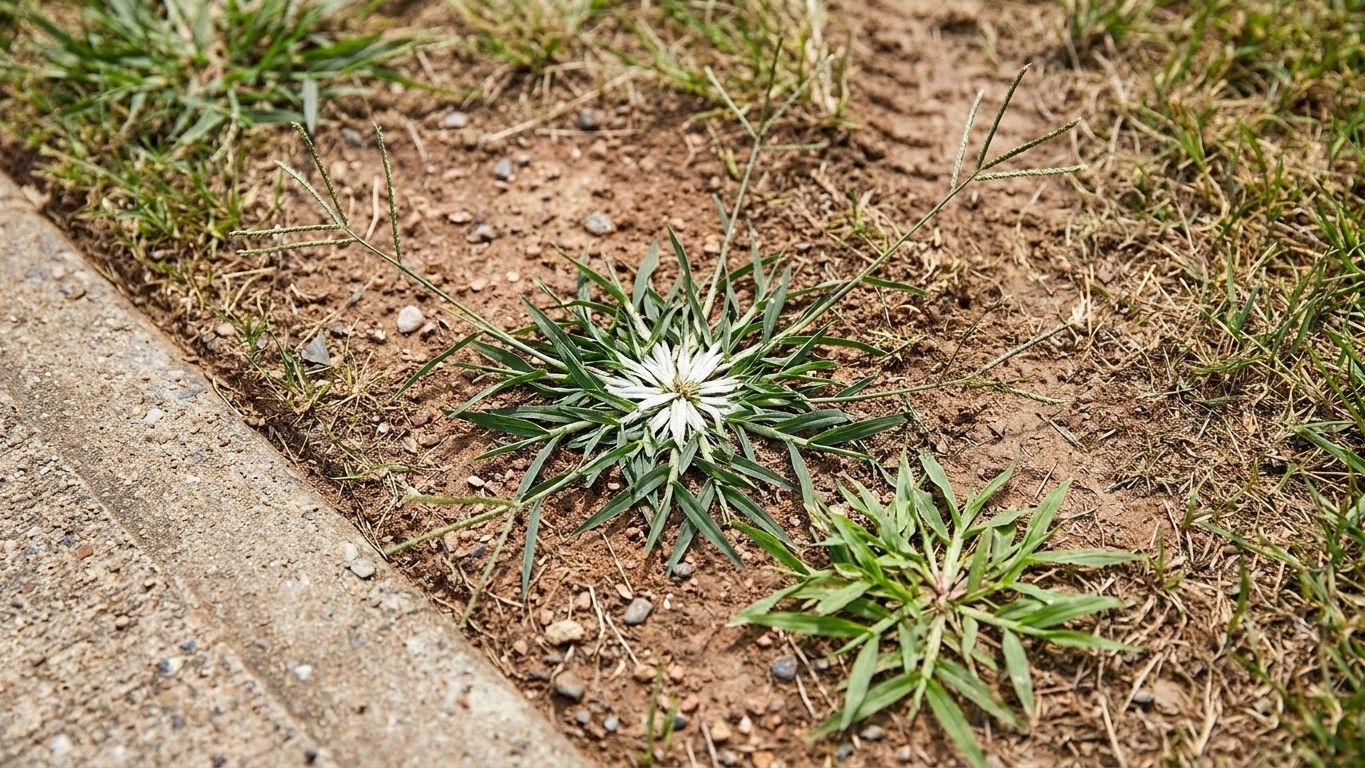
Aerate a North Dakota lawn in fall, while the grass is still growing and before the first freeze arrives.
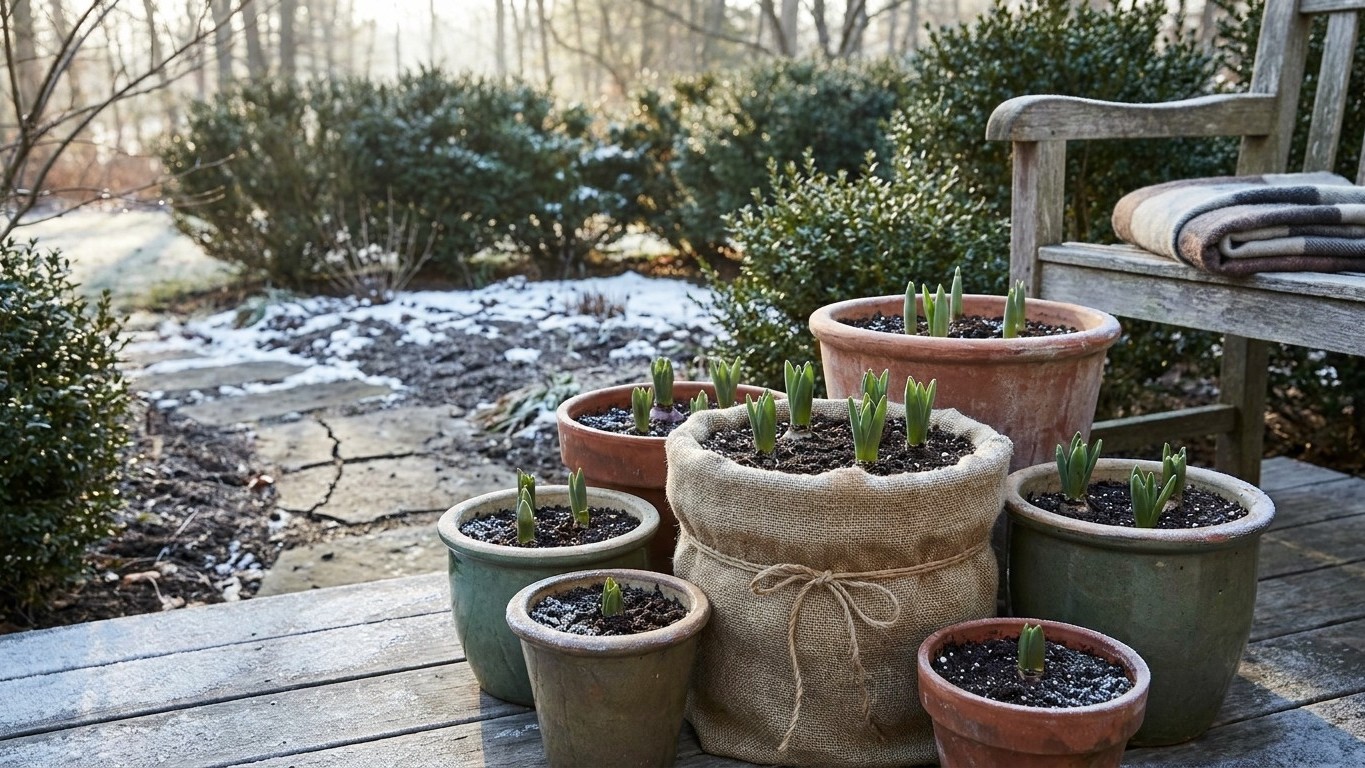
In Nunavut, dahlias, cannas and gladiolus have to come out of the ground every fall. Lift them one to two weeks after a frost blackens the foliage.
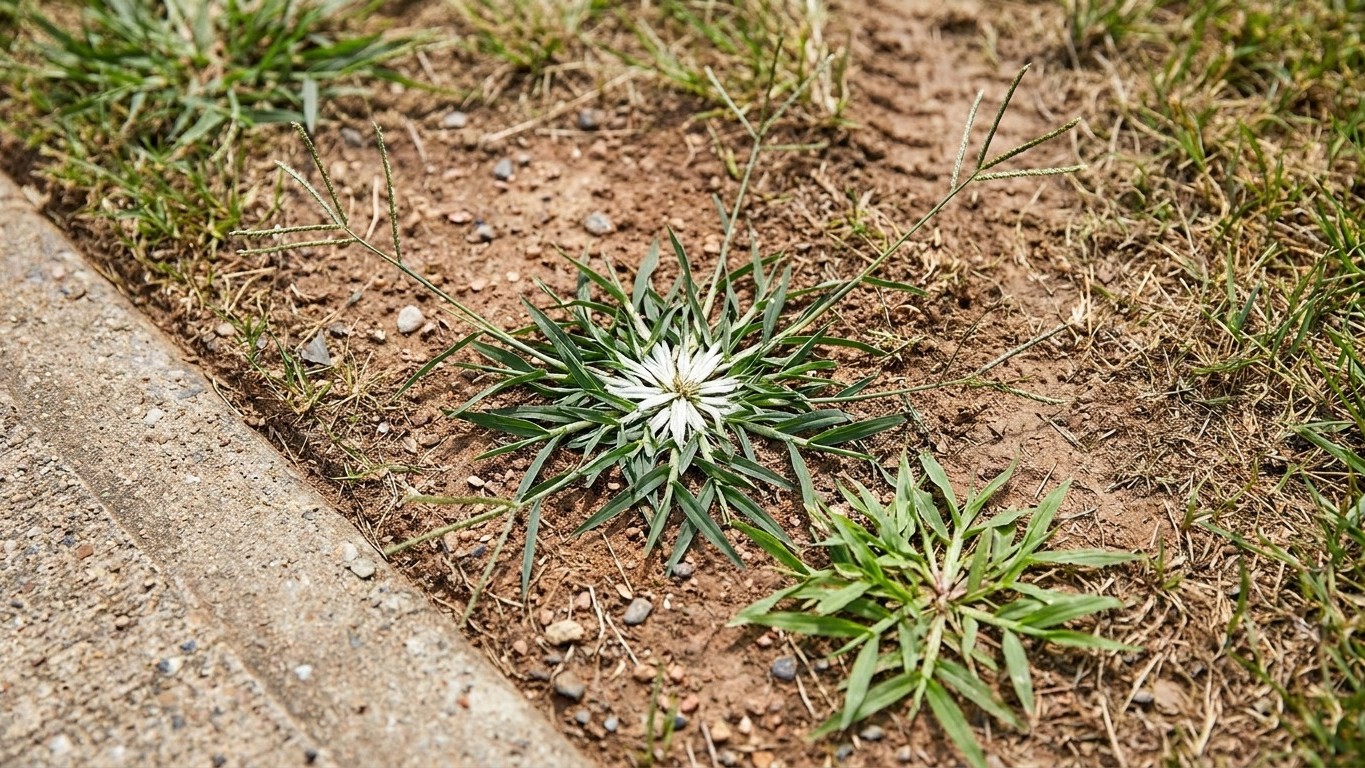
Most Kentucky lawns never need dethatching. Cut a wedge with a spade and measure the brown, spongy layer between the green blades and the soil.
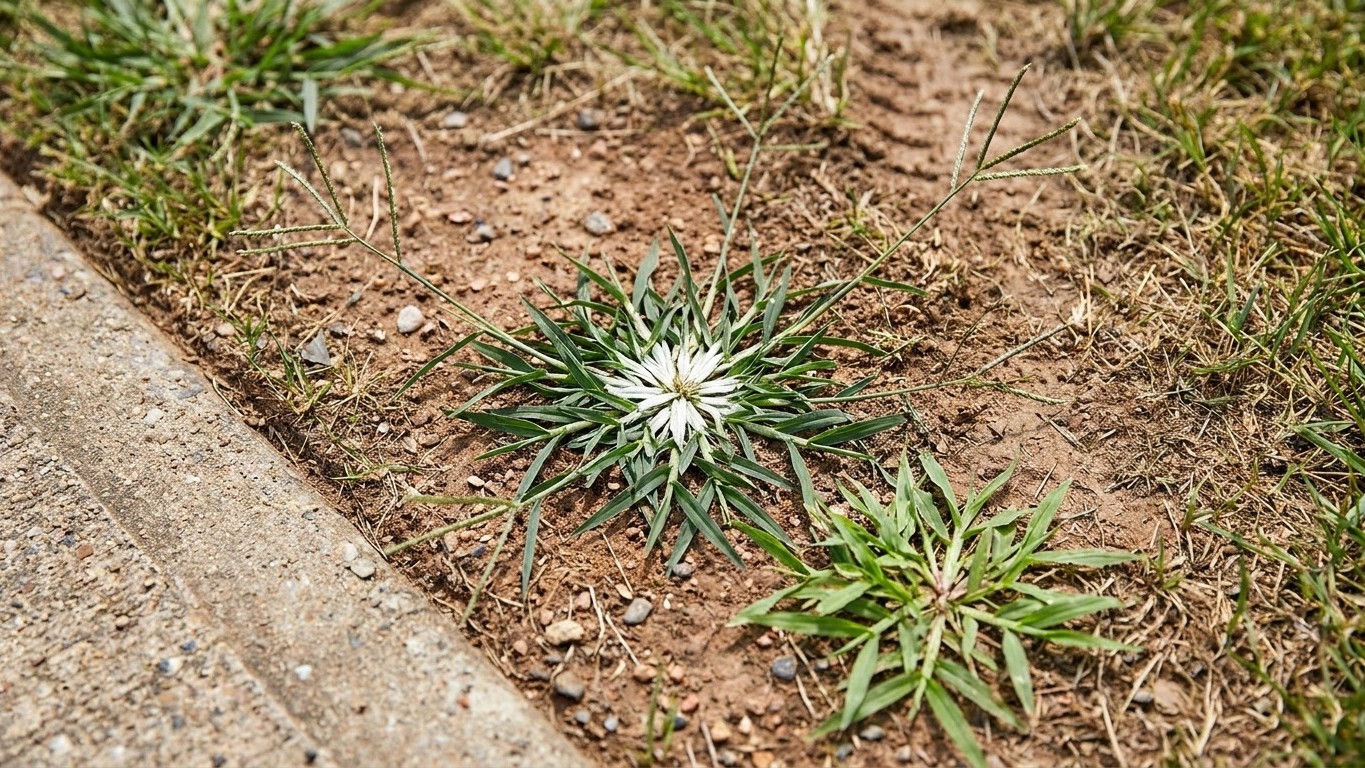
North Carolina sits in the turfgrass transition zone, so the right month depends on what is growing in your yard.
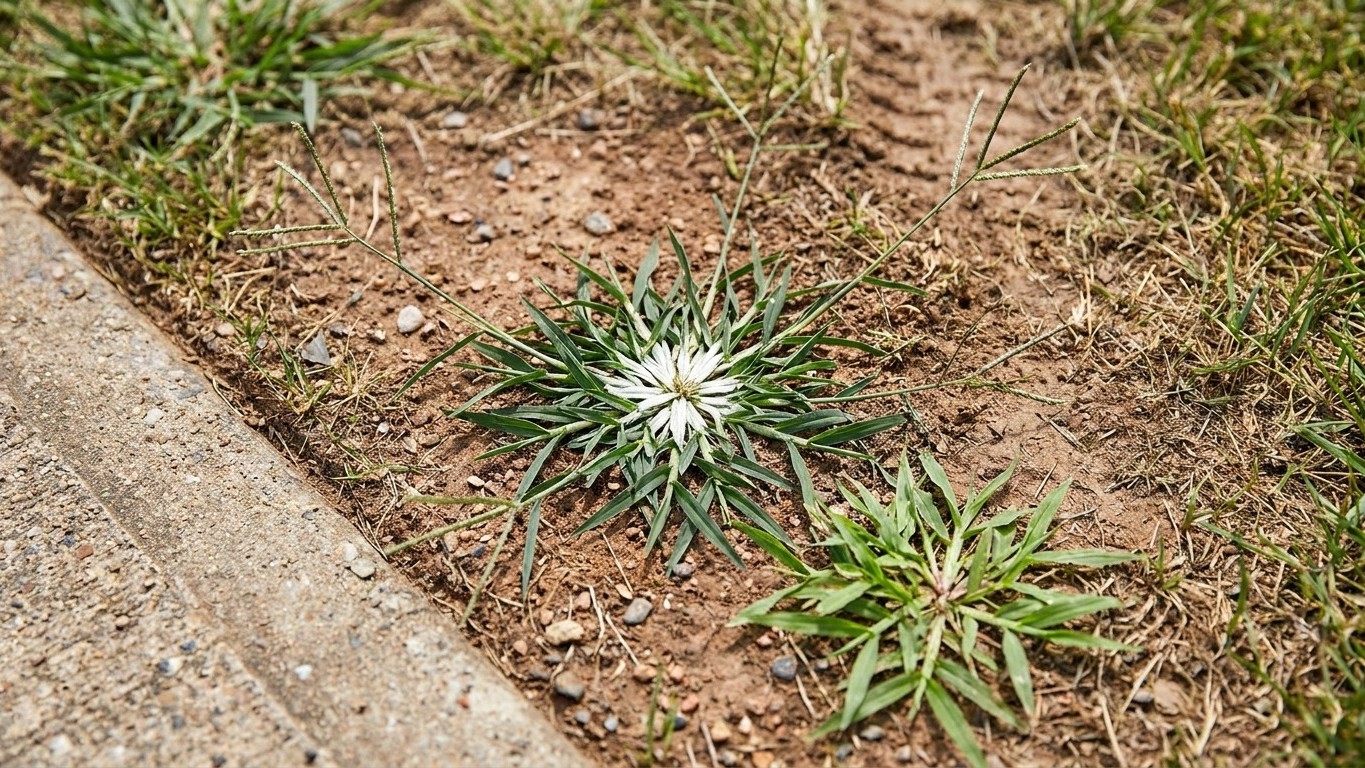
Sow cool-season seed (tall fescue, Kentucky bluegrass, perennial ryegrass) in early to mid September.
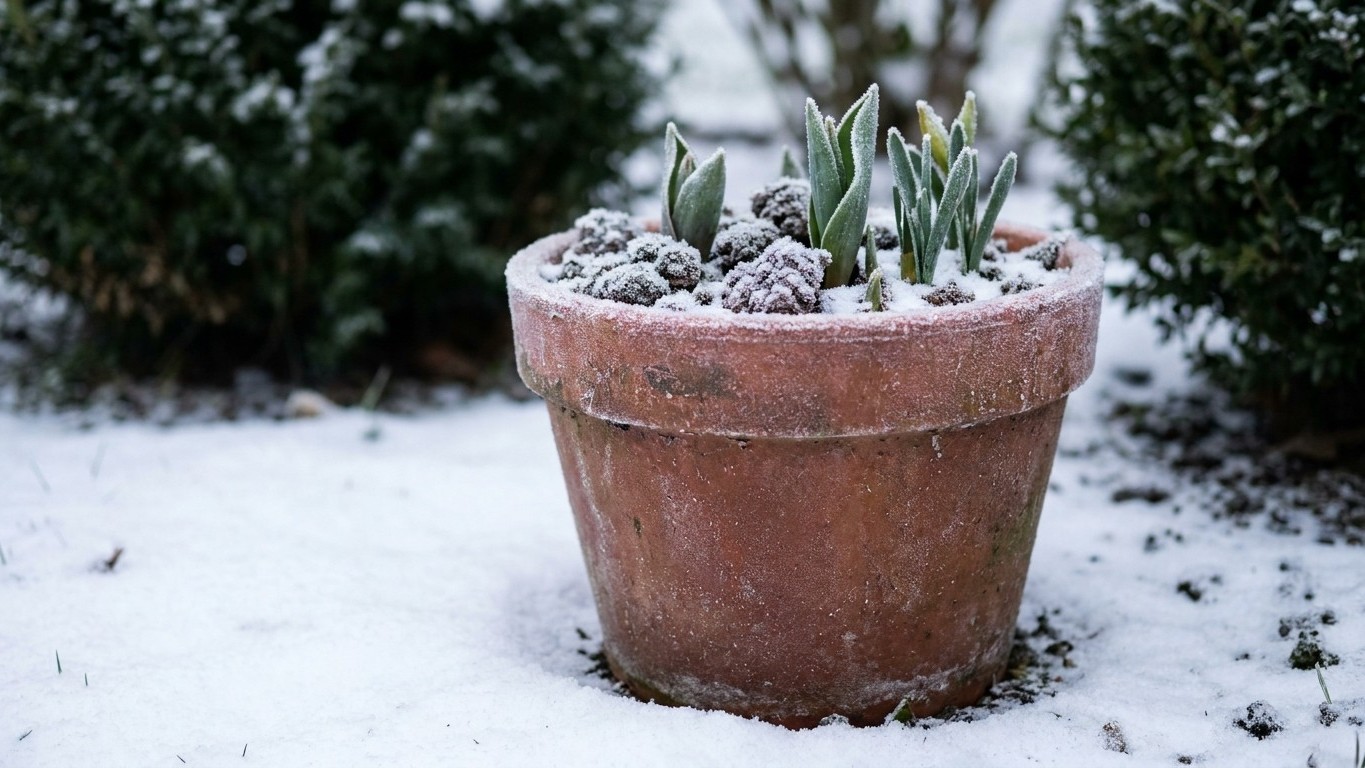
In Nova Scotia, dahlias, cannas and gladiolus come out of the ground after the first frost blackens their leaves.