Rose Diseases in New Mexico: What the Climate Here Actually Brings
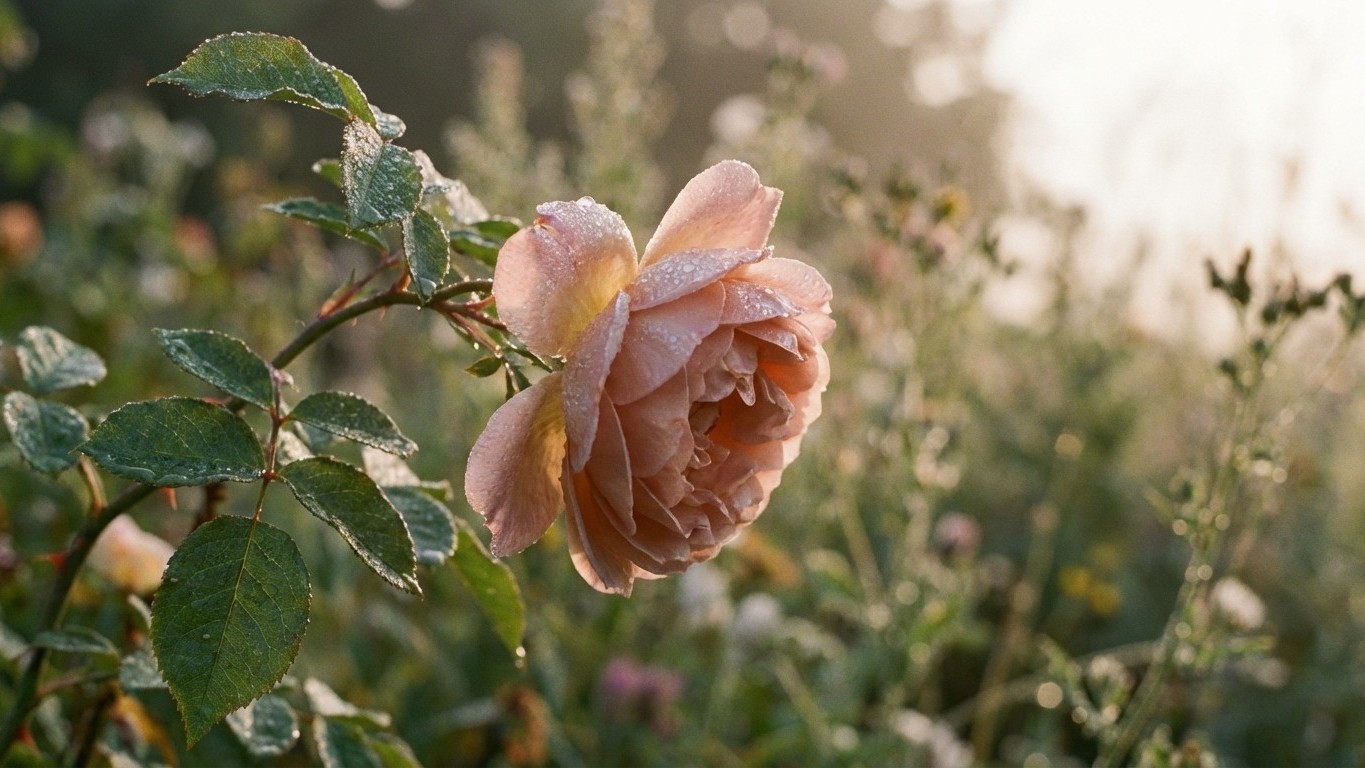
Powdery mildew is the rose disease most New Mexico gardeners meet first, because warm days and cool nights in spring and fall suit it well.
Home & garden, state by state
Powdery mildew is the rose disease most New Mexico gardeners meet first, because warm days and cool nights in spring and fall suit it well.
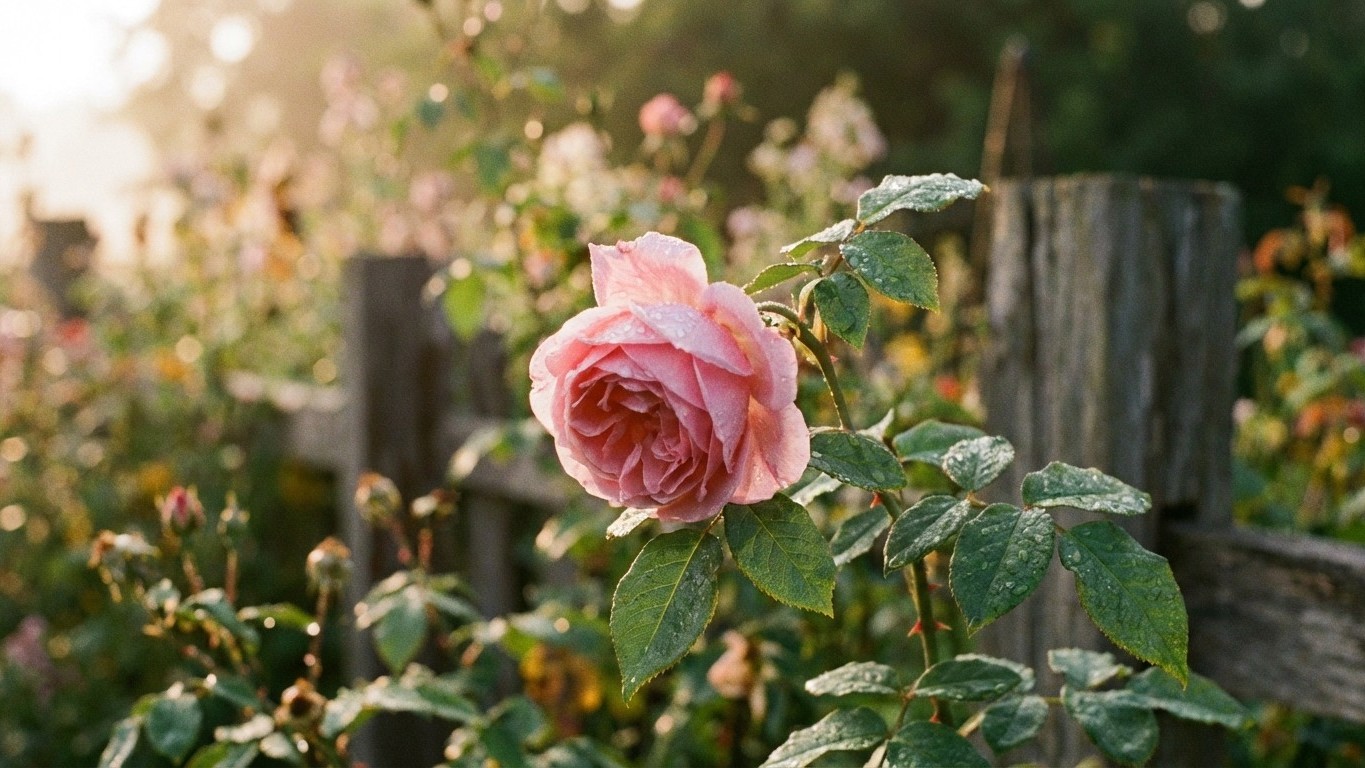
Most grafted roses in New Jersey need a mound of soil over the base of the plant, built after a run of hard freezes, usually in mid to late November.
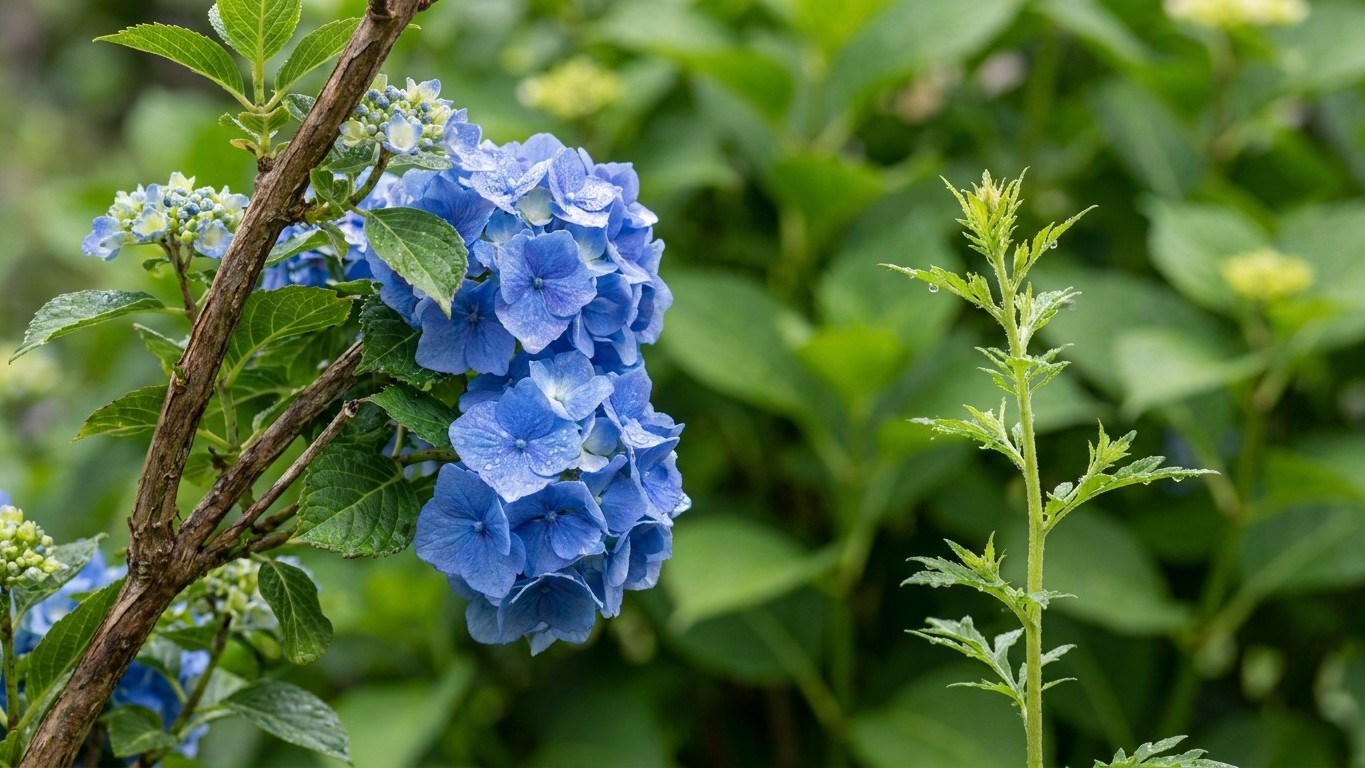
Nearly every hydrangea sold in North Carolina survives the winter as a plant. The real question is whether it flowers the next summer.
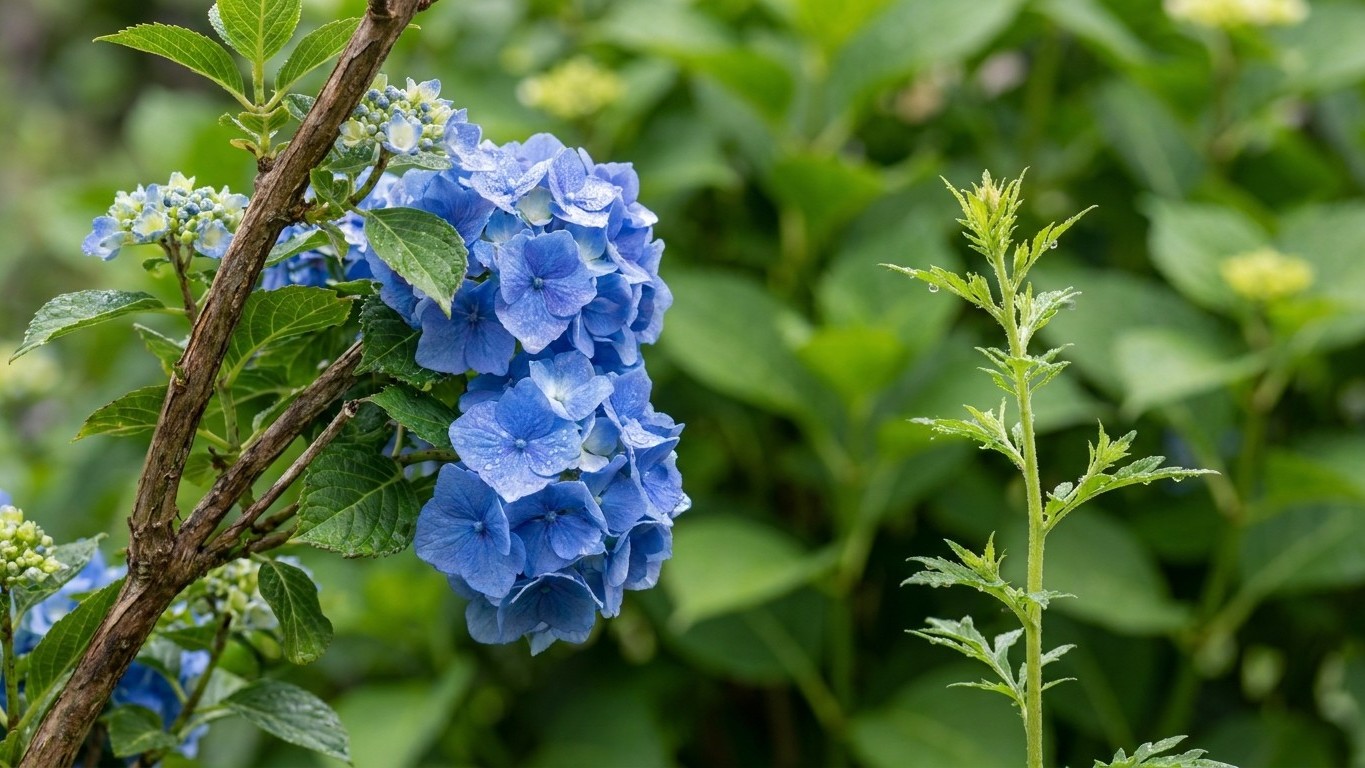
Hydrangeas turn pink in North Carolina when the plant cannot take up aluminum, and that usually traces back to soil that has been limed, fed heavily with…
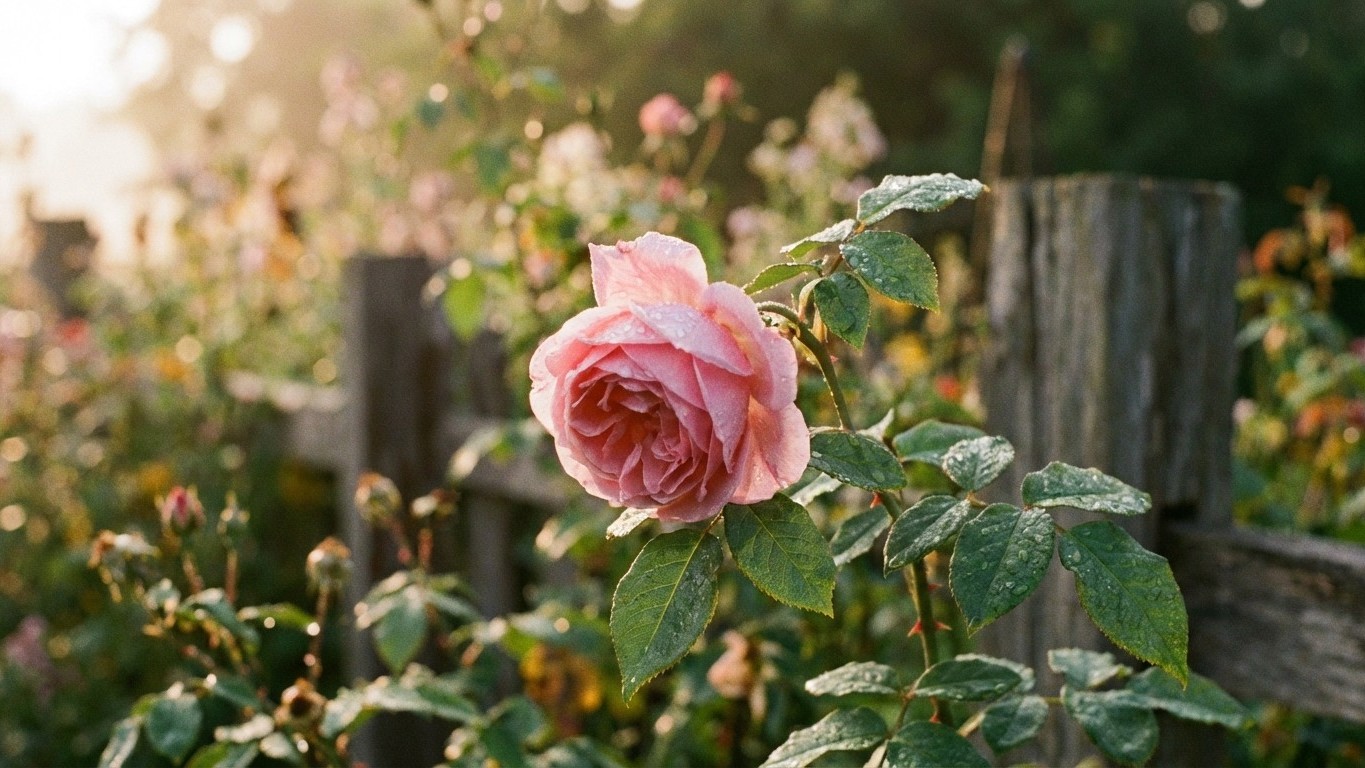
Rugosas, Explorer series roses, Knock Out and other modern shrub roses, and tough climbers like New Dawn come through New Jersey winters without special…
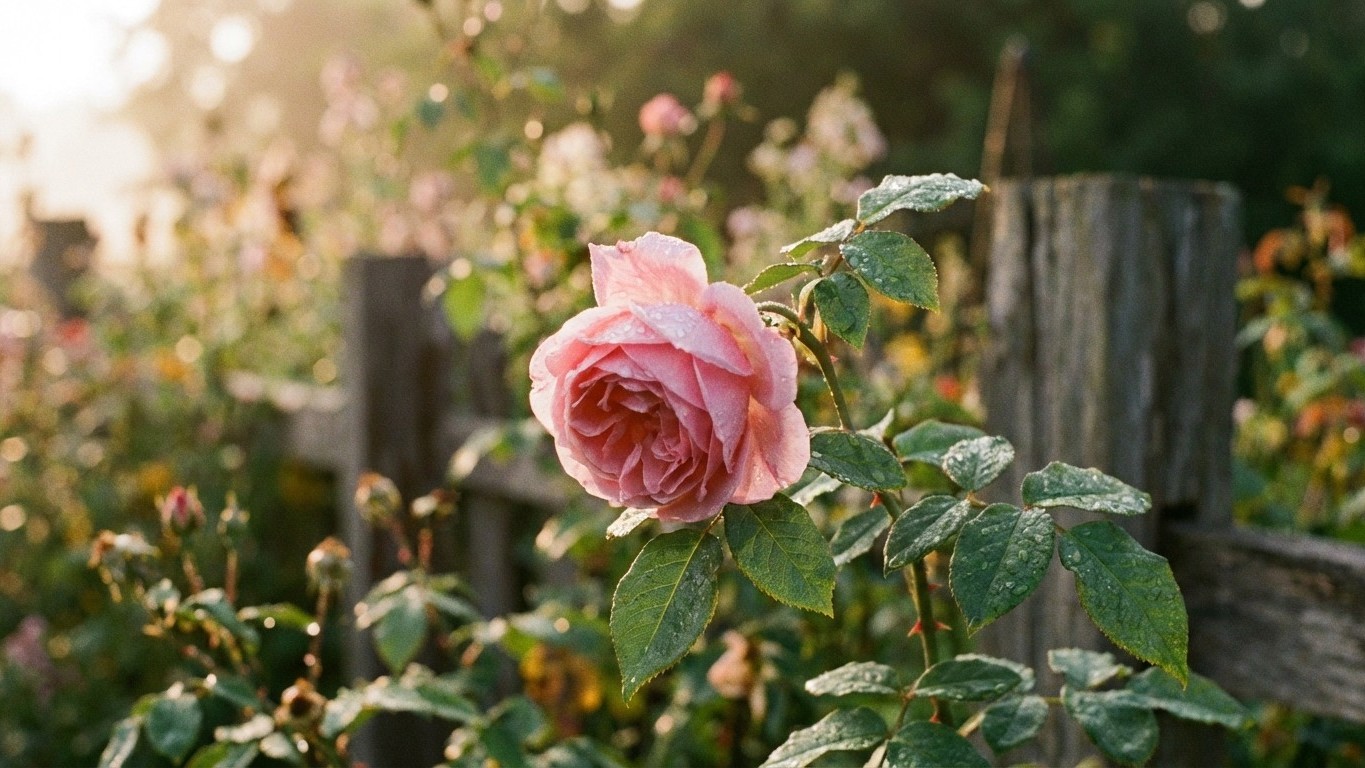
Prune repeat-blooming roses in New Jersey in early spring, when the buds swell and the last hard freeze is behind you.
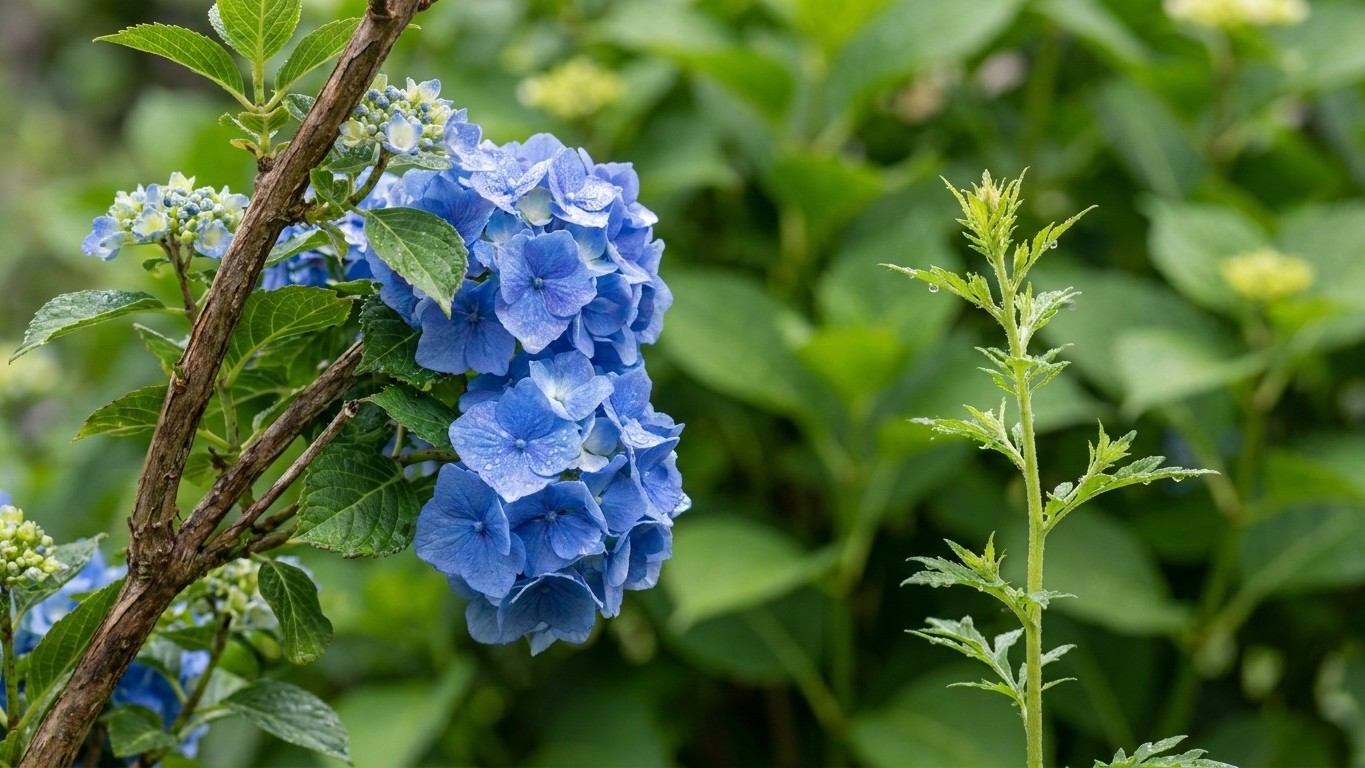
Hydrangeas in North Carolina are pruned on one of two calendars, and the plant decides which.
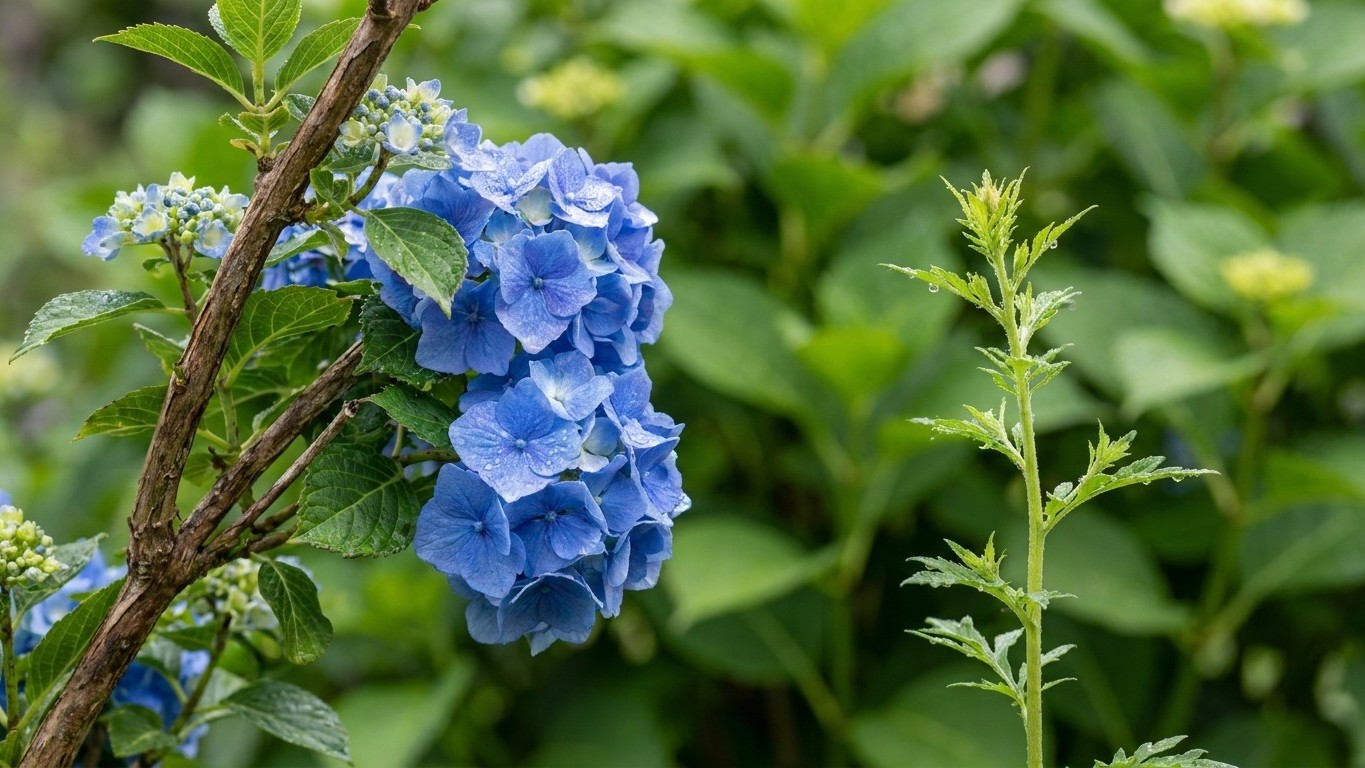
In New York City, hydrangea protection goes on after the leaves drop and the first hard frosts have passed.
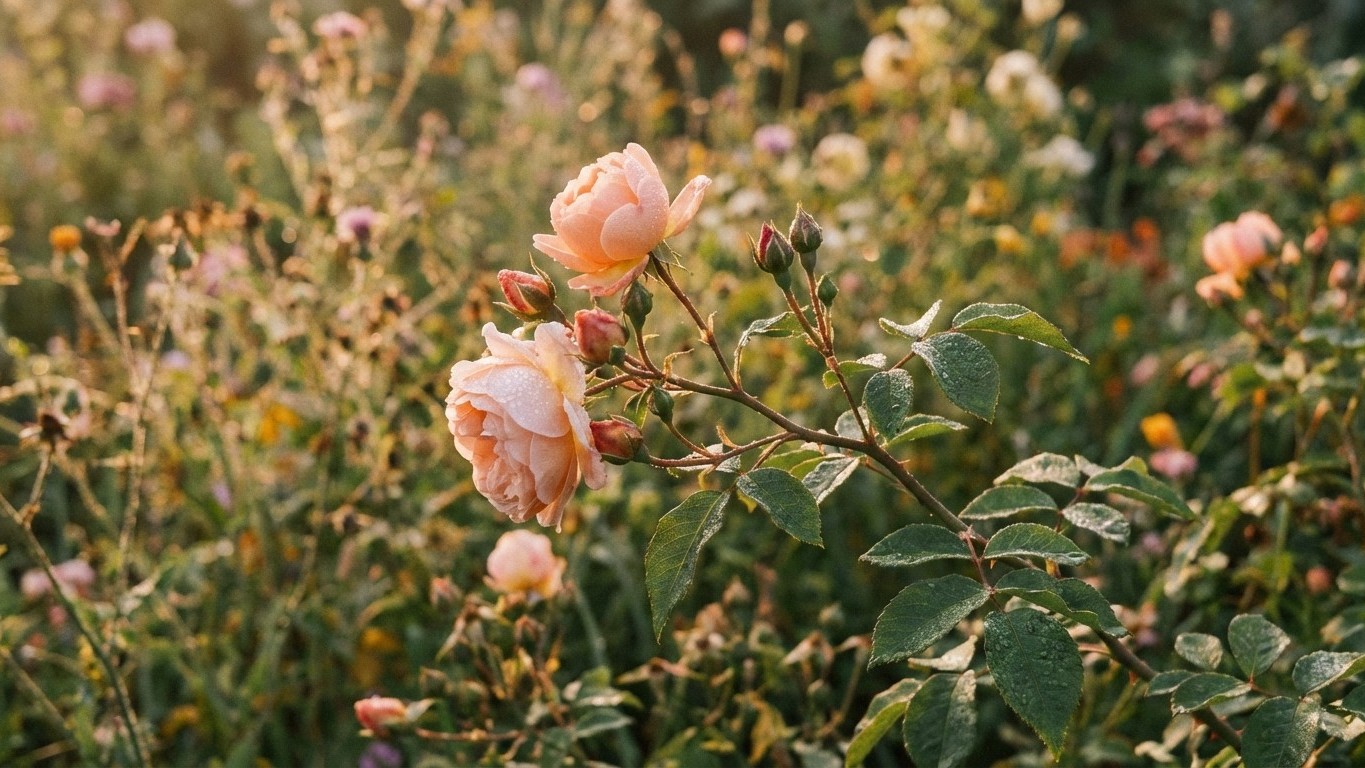
Three fungal diseases do most of the damage to roses across New Jersey: black spot, powdery mildew and downy mildew.
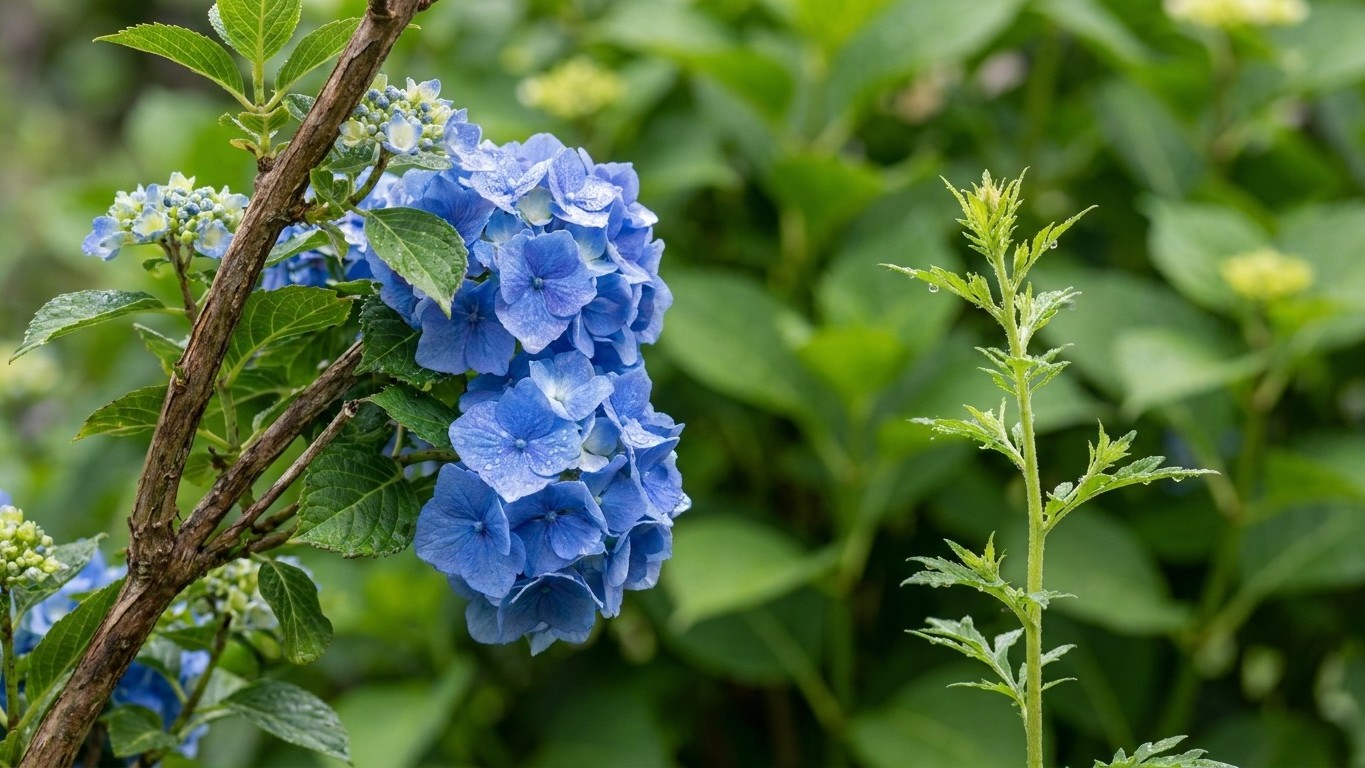
Panicle and smooth hydrangeas come through a New York winter in nearly every part of the state.