Rose Diseases in Michigan: What the Climate Here Actually Brings
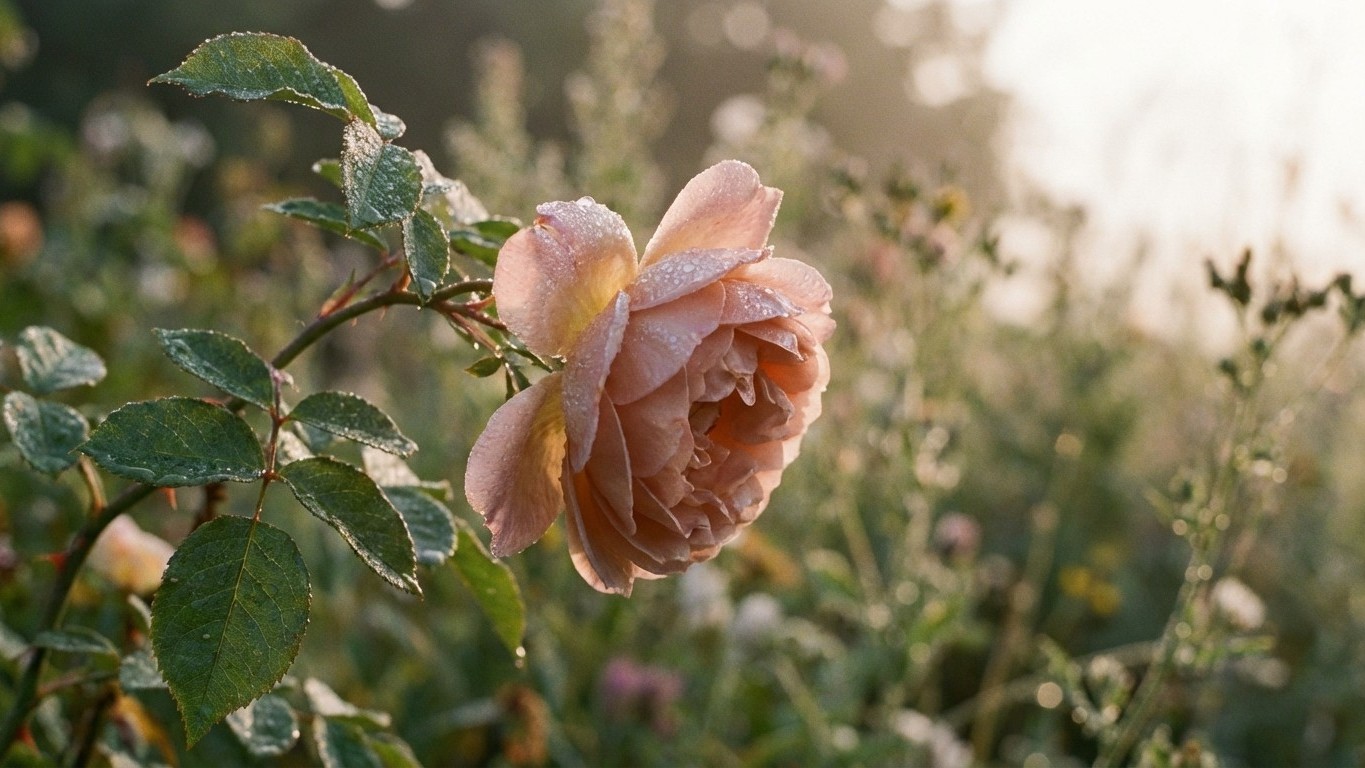
Black spot is the rose disease most Michigan gardeners end up fighting. Powdery mildew comes second, and downy mildew shows up in cool, wet stretches.
Home & garden, state by state
Black spot is the rose disease most Michigan gardeners end up fighting. Powdery mildew comes second, and downy mildew shows up in cool, wet stretches.
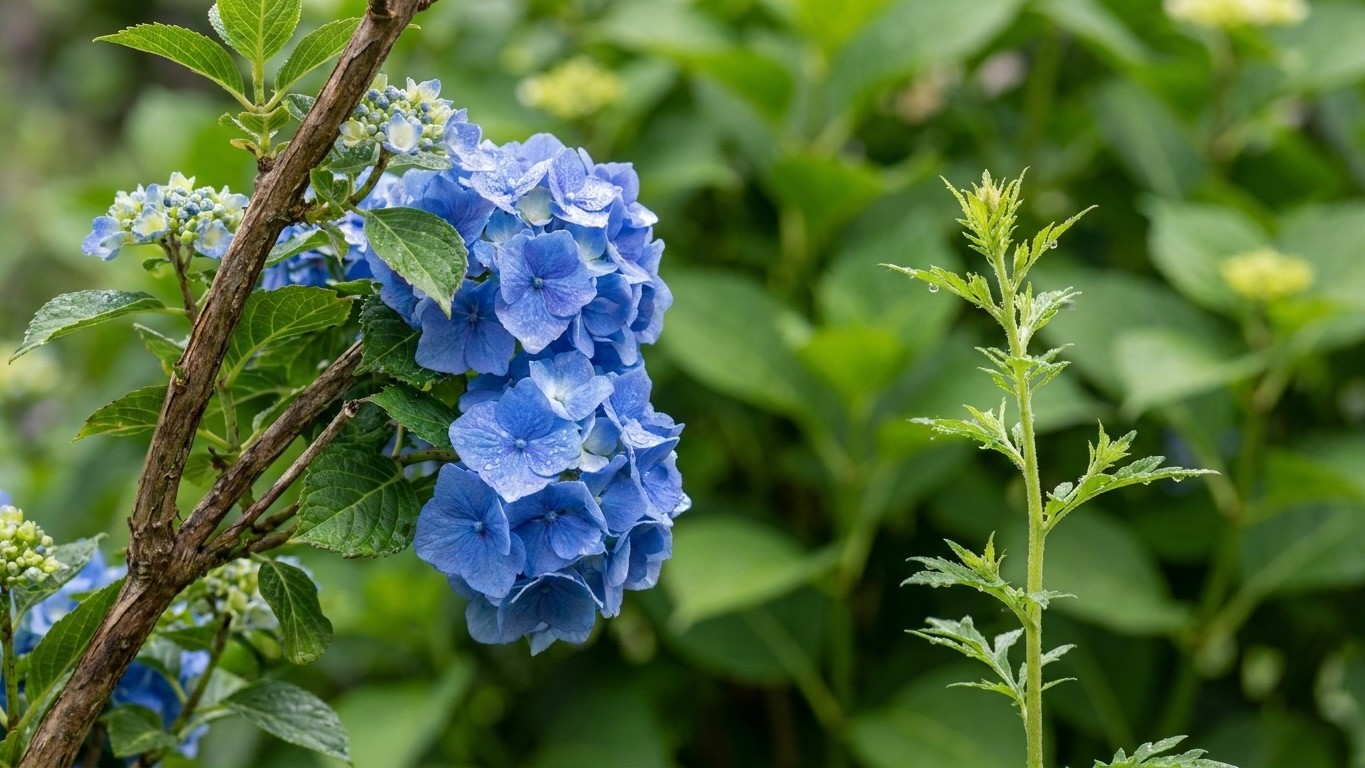
Most hydrangeas grown in Mississippi handle the cold itself without trouble. What hurts them is a warm spell in late winter that wakes the buds, followed…
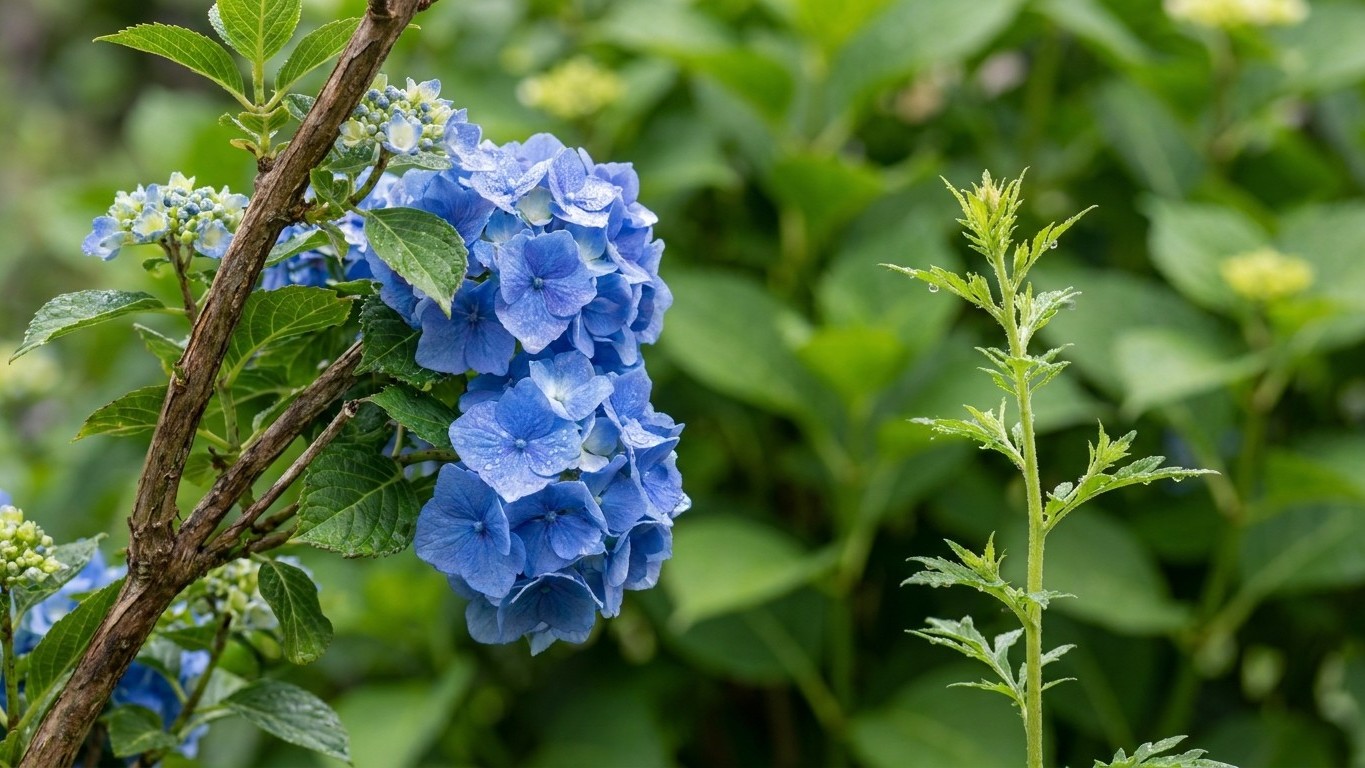
Nearly all of them. Every common hydrangea type is hardy to the cold Mississippi gets, which falls in USDA zones 7b to 9a.
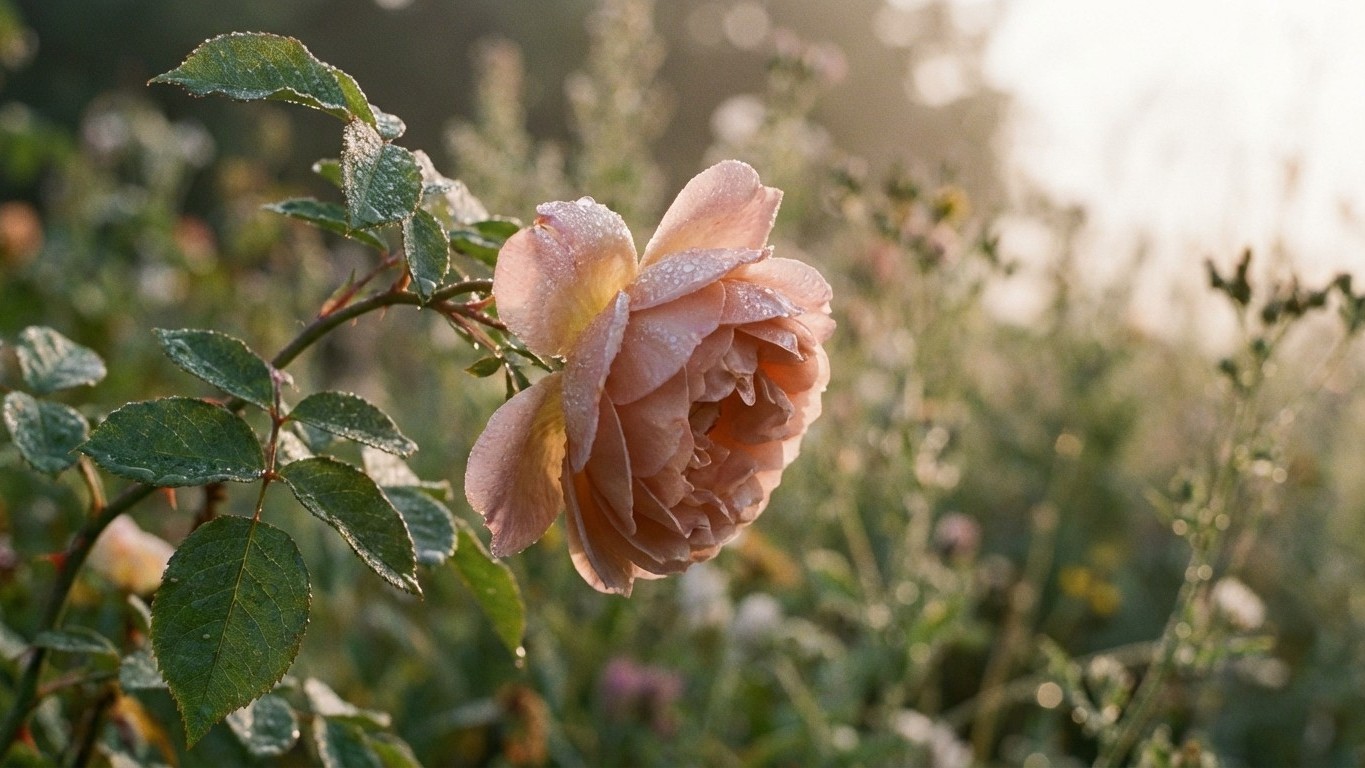
Yes, for most roses grown in Massachusetts, a mound of soil over the base of the plant is what gets them through winter.
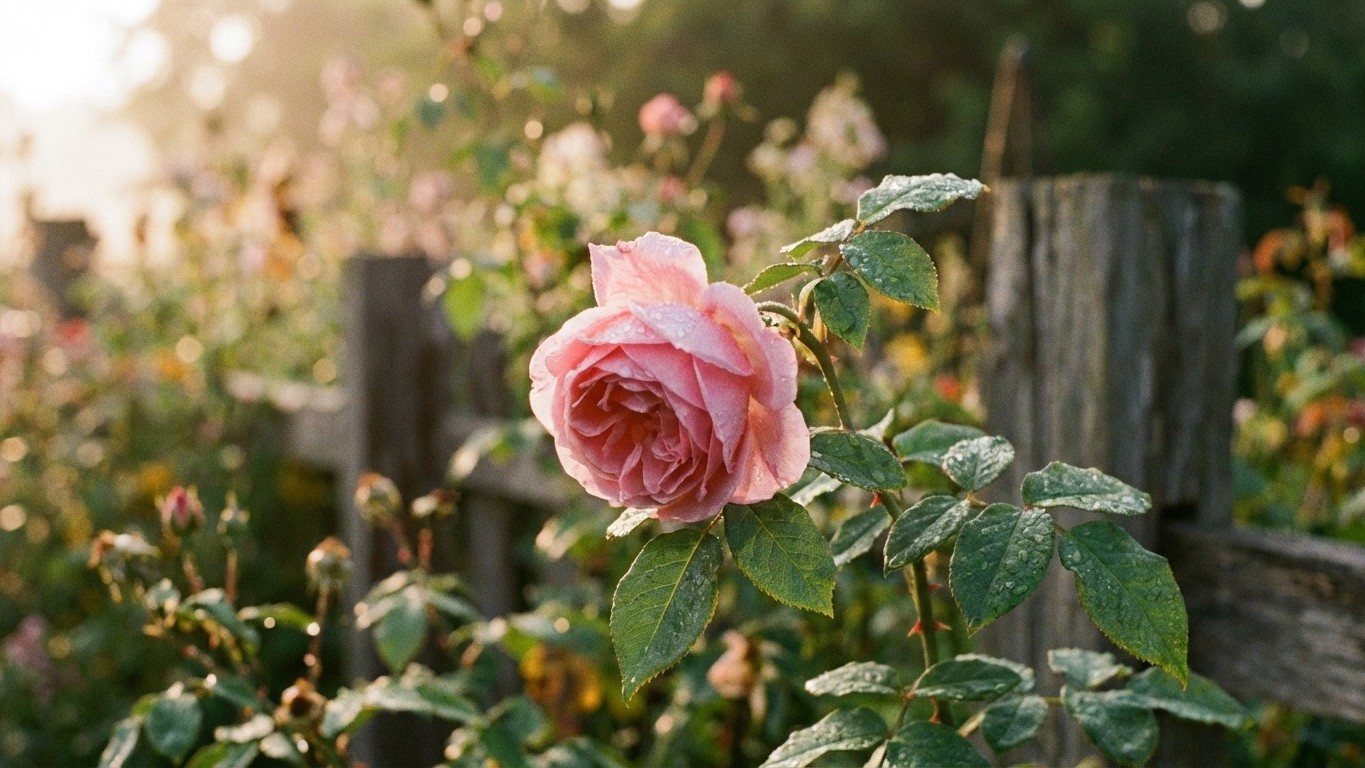
Rugosas, Canadian Explorer roses and a short list of tough shrub roses such as Knock Out come through a Massachusetts winter with little help.
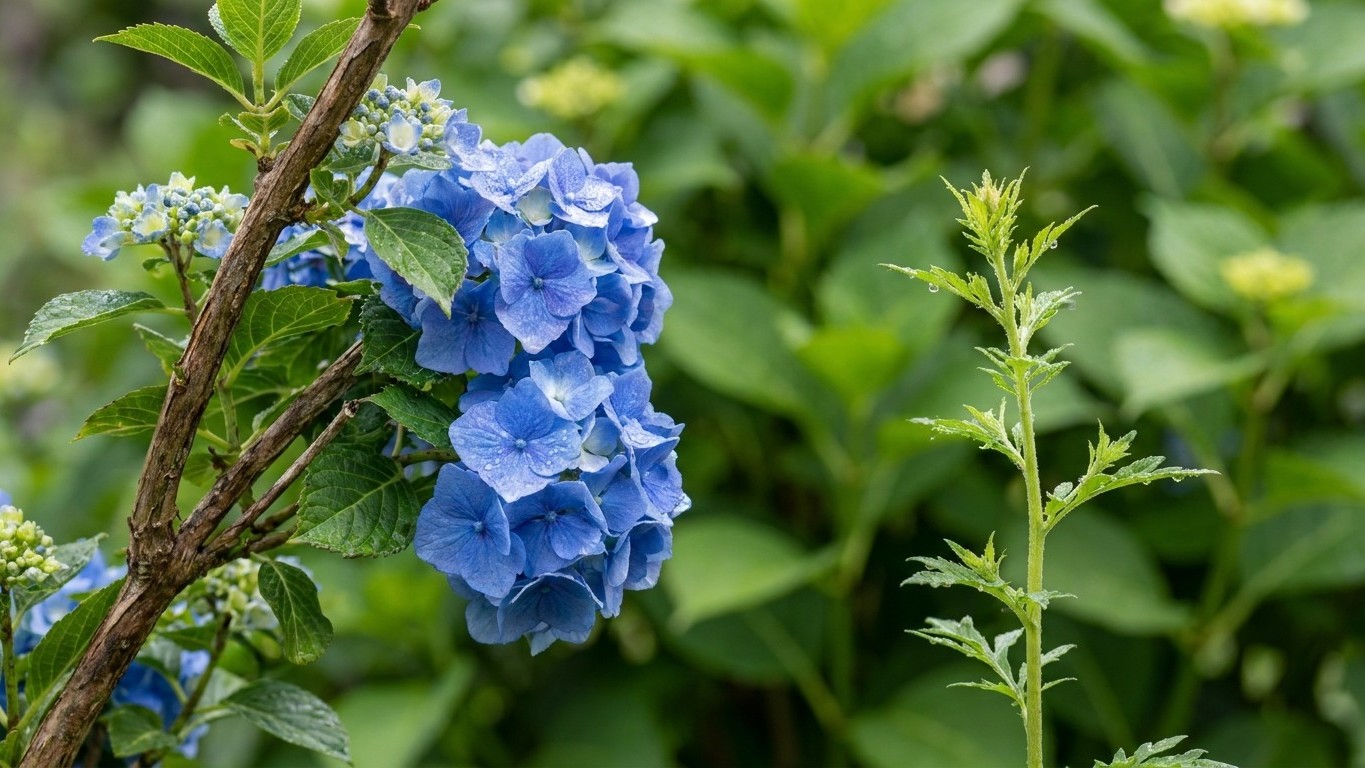
Bigleaf hydrangeas turn pink when the soil is not acidic enough for the plant to take up aluminum, and blue when it is.
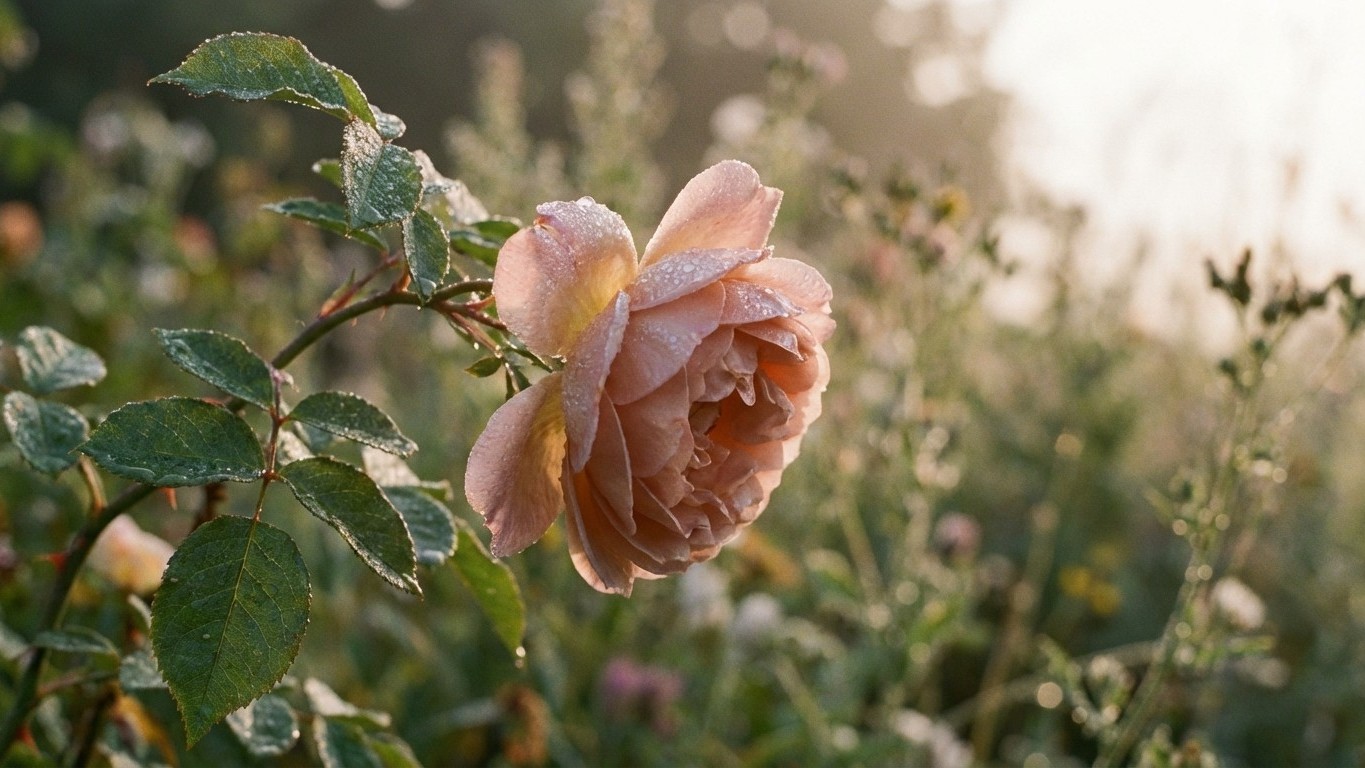
Most roses in Massachusetts get pruned from late March to mid-April, once the buds on the canes swell and the worst cold has passed.
The right month depends on the kind of hydrangea, because some bloom on stems grown last year and others on stems that haven’t grown yet.
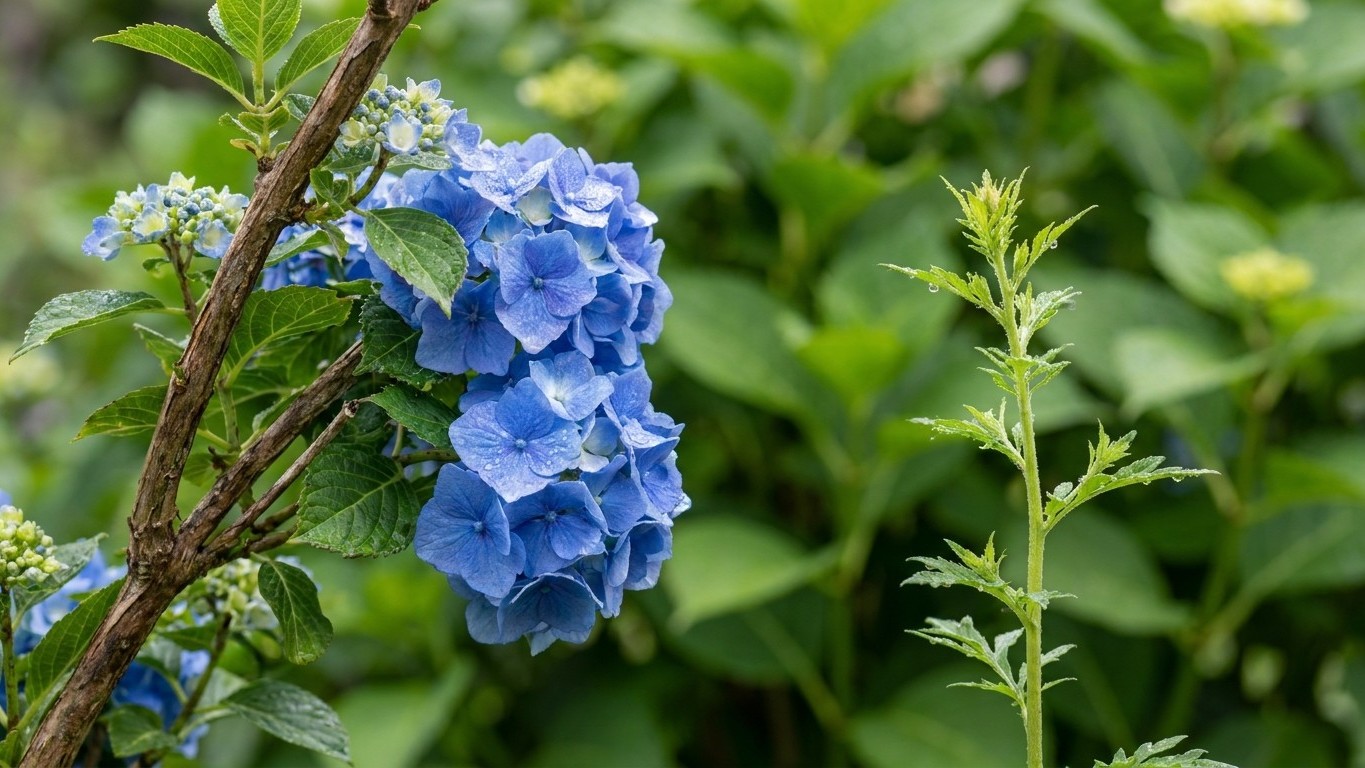
Most hydrangeas in Minnesota get by with a layer of mulch. Bigleaf types that set flower buds on old stems need a full cage of leaves or straw once the…
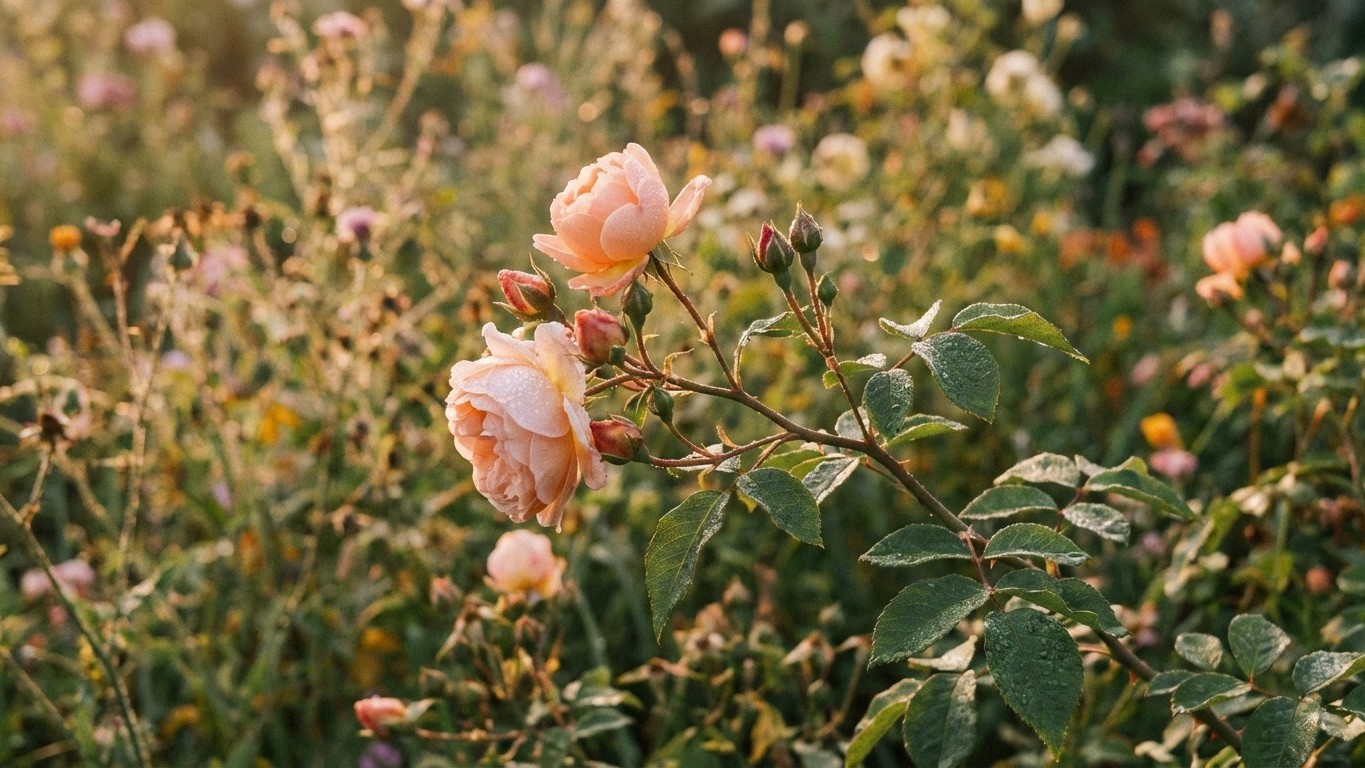
Three fungal diseases do most of the damage to roses in Massachusetts: black spot, powdery mildew and downy mildew. Each one follows its own weather.