The Best Grass Seed for New Jersey Lawns
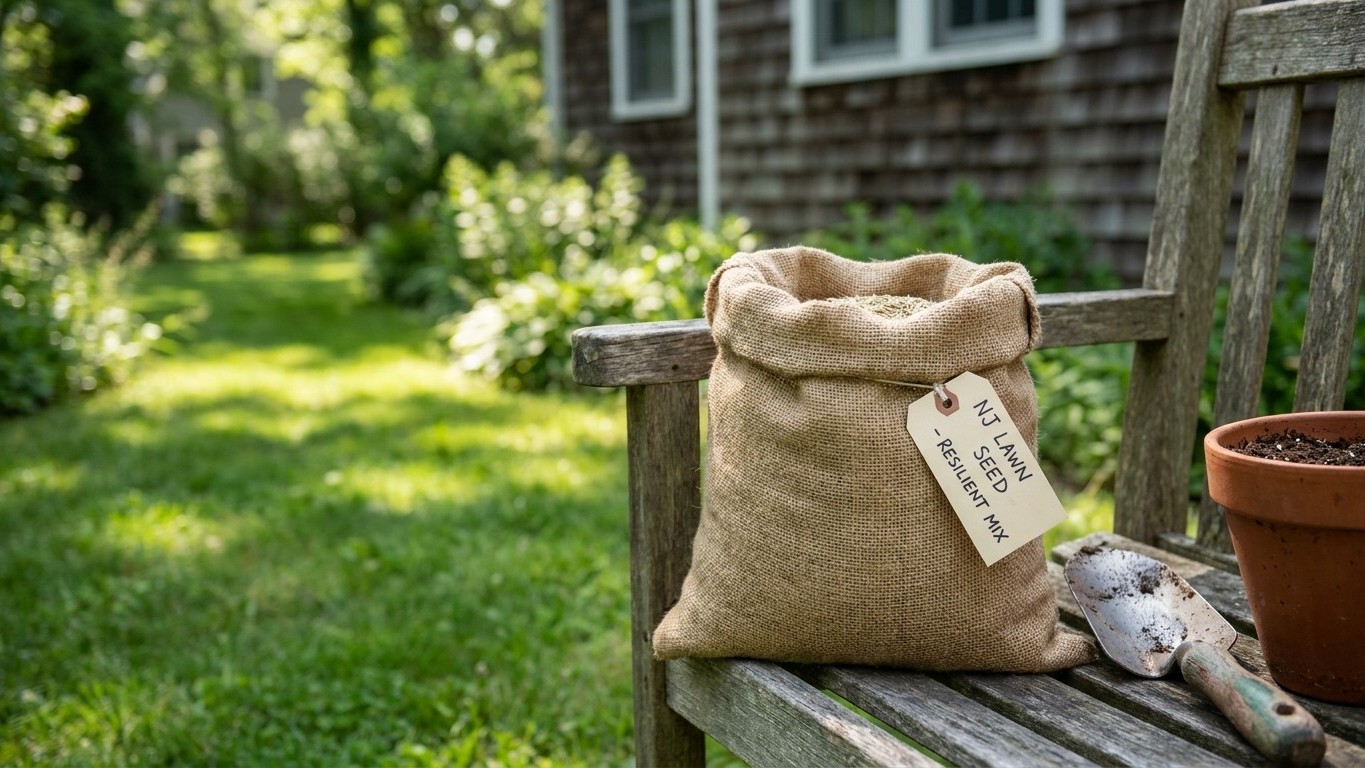
New Jersey’s transition-zone climate means cool-season and warm-season grasses each fail for part of the year, and homeowners have to pick which season to lose.
Home & garden, state by state
New Jersey’s transition-zone climate means cool-season and warm-season grasses each fail for part of the year, and homeowners have to pick which season to lose.

Explains how New Jersey apple trees move from dormancy to harvest using Newark’s NOAA frost-date normals, and where the rest of the state runs earlier or later.
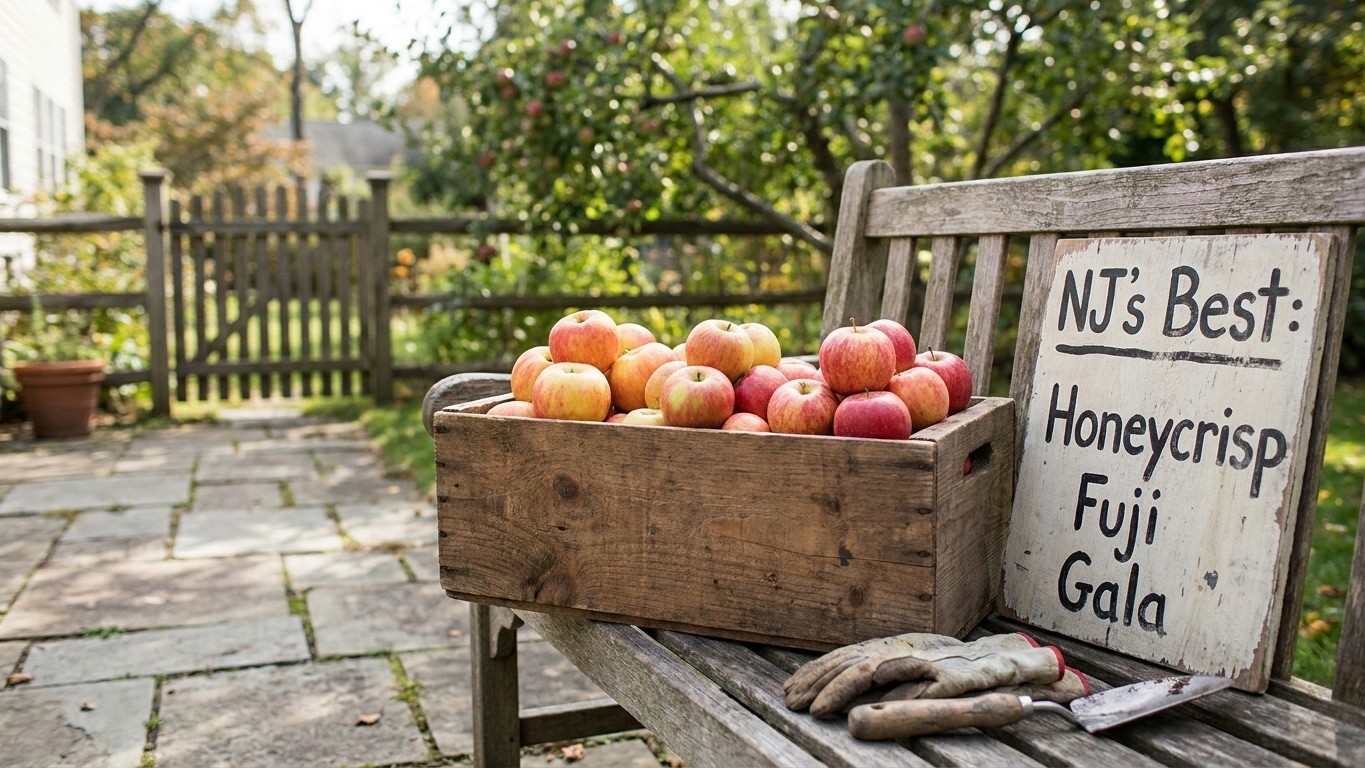
New Jersey’s winters suit apples statewide, but bloom timing against NOAA’s Newark frost dates decides which trees actually bear fruit.
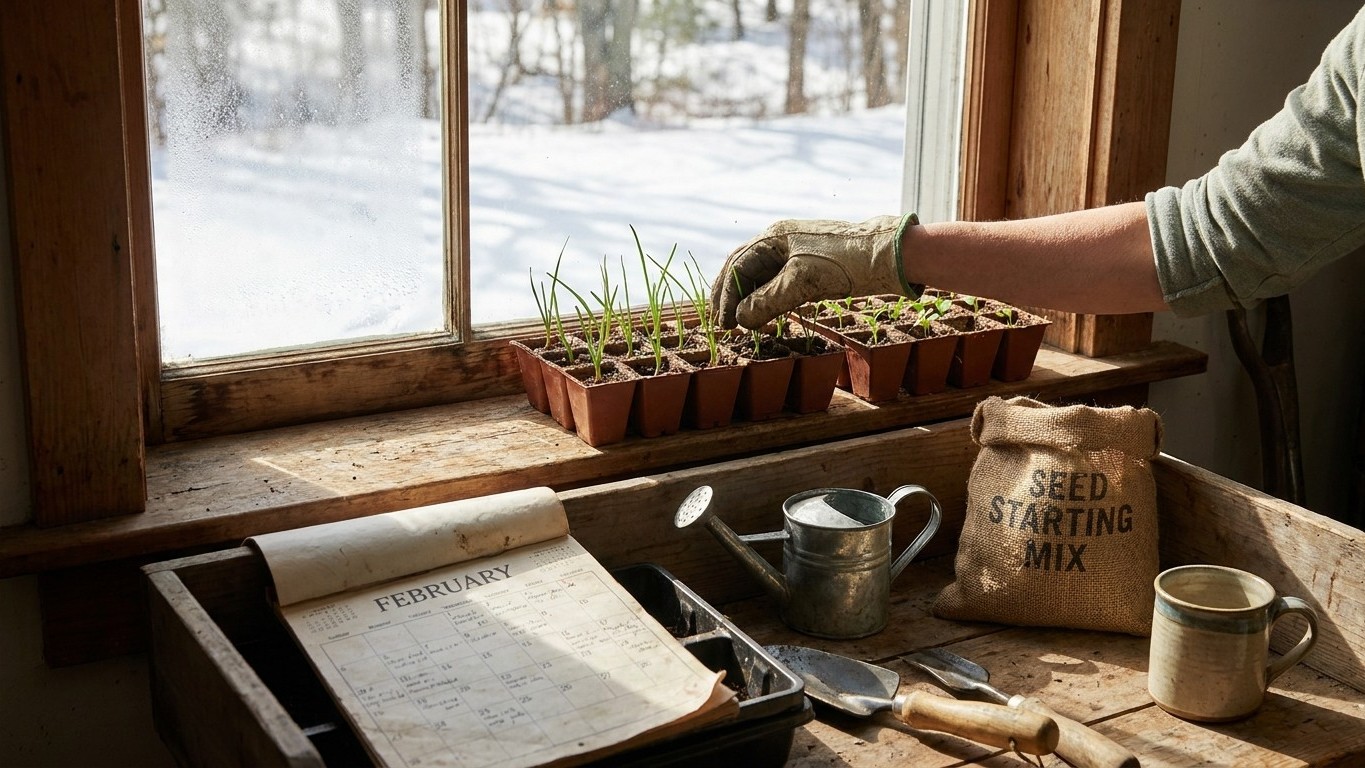
New Hampshire’s growing season runs on long days, not mild winters, so onions here get started early rather than late.
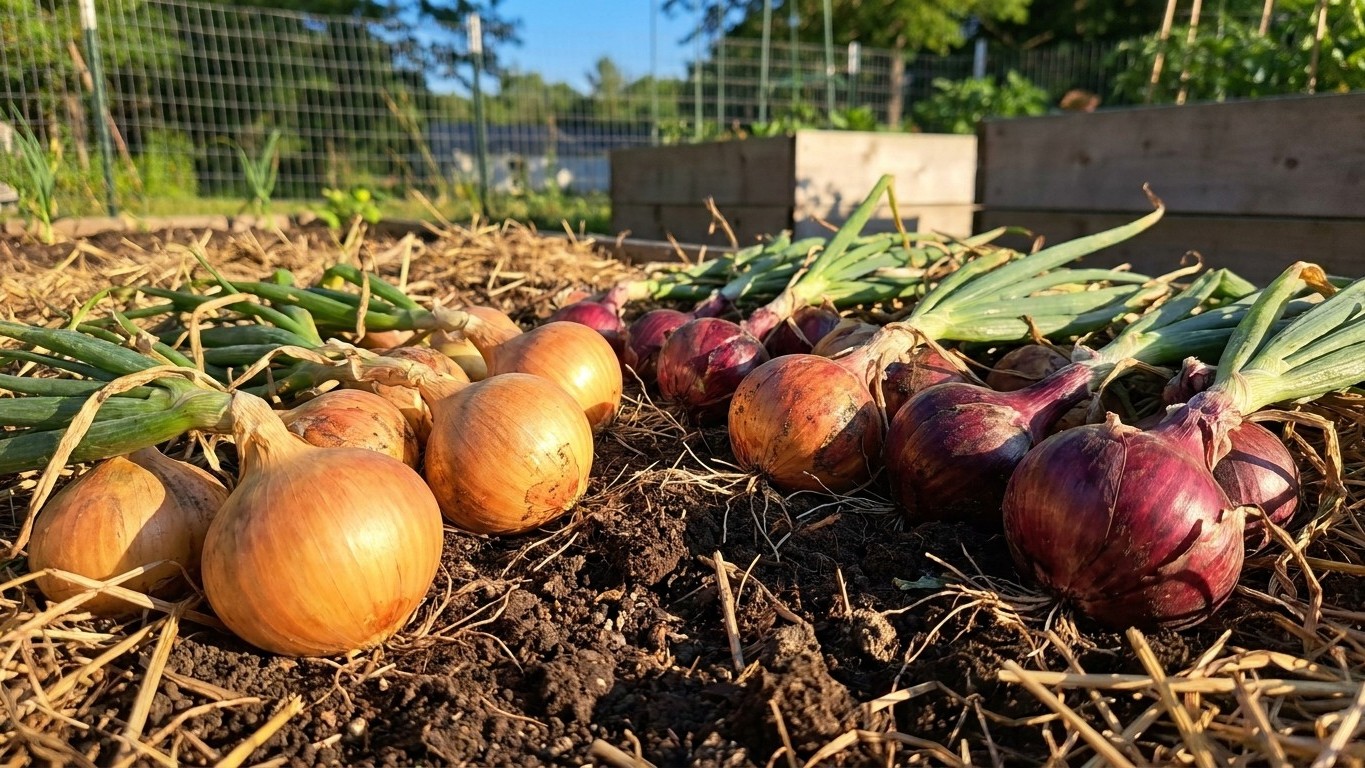
New Hampshire sits at 42.93 degrees north, and on the longest day of the year the sun gives it 15 hours and 10 minutes of daylight.
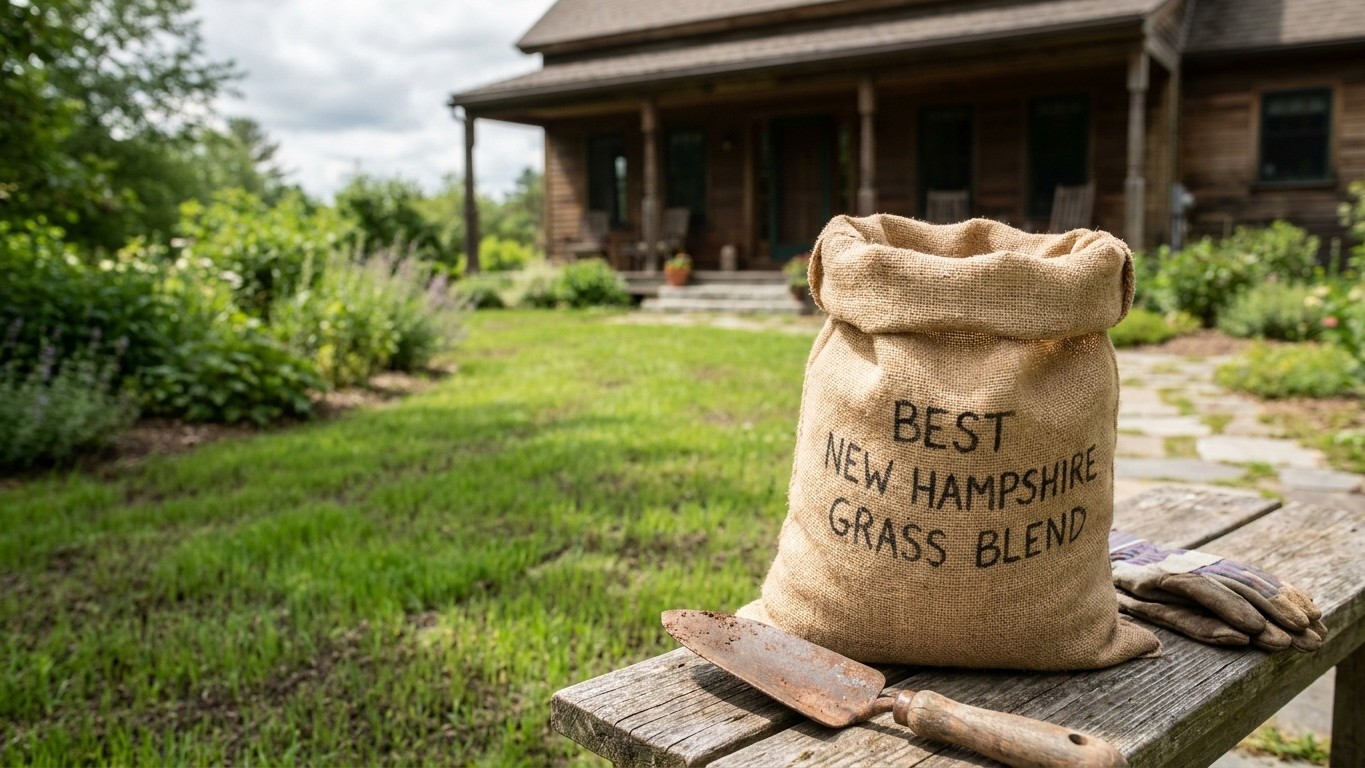
New Hampshire’s cool climate favors Kentucky bluegrass, perennial ryegrass, fine fescue, tall fescue and rough bluegrass, with fall seeding timed to Manchester’s first frost window.
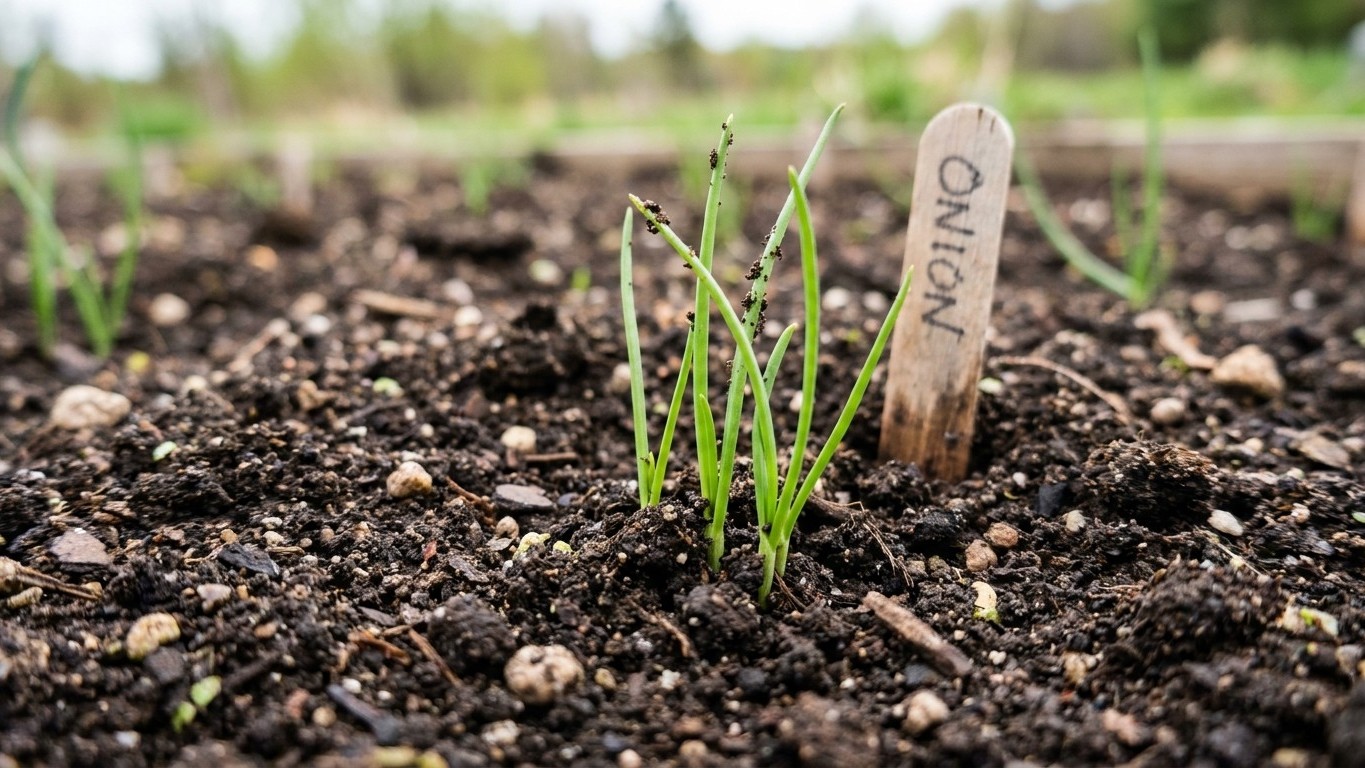
In New Brunswick, onions go in the ground in early-to-mid spring, as soon as the soil can be worked, not in autumn the way growers further south do it.
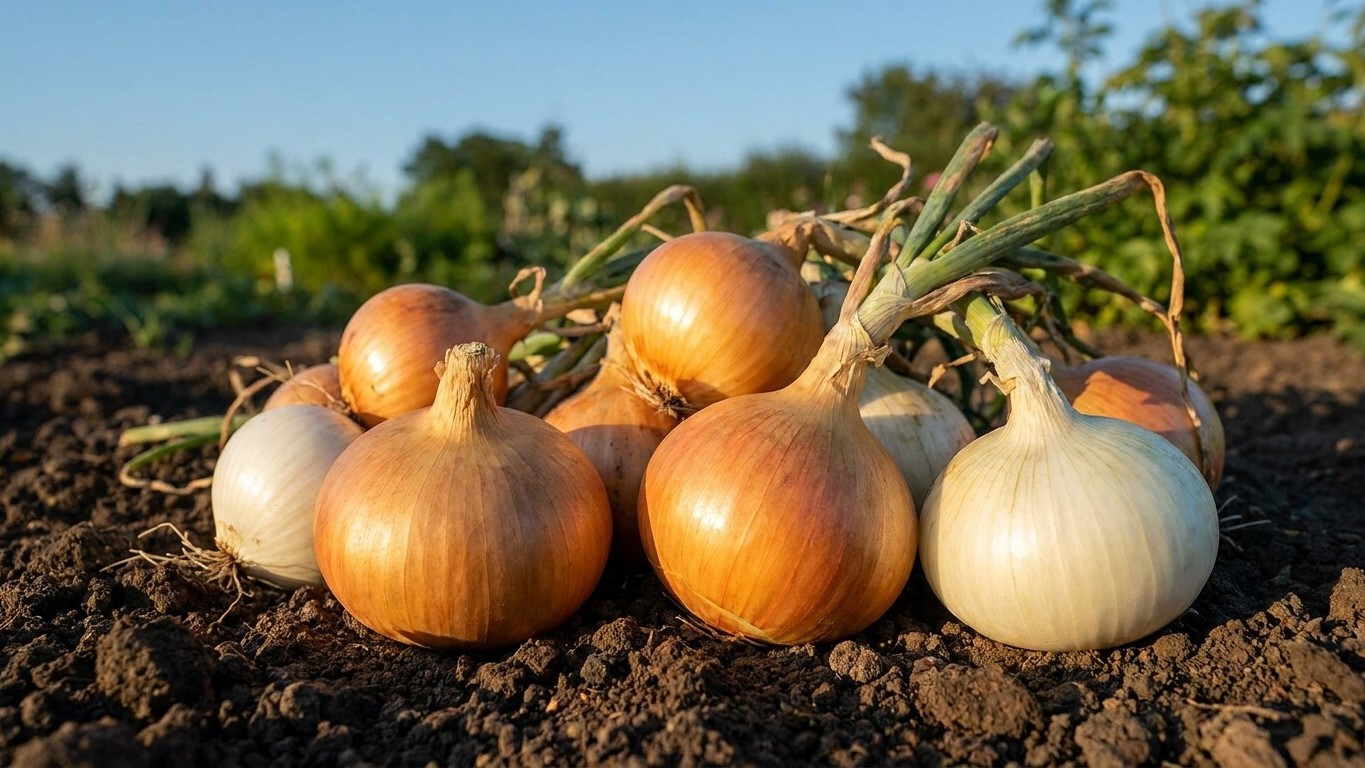
New Brunswick’s growing season calls for long-day onion varieties, full stop.
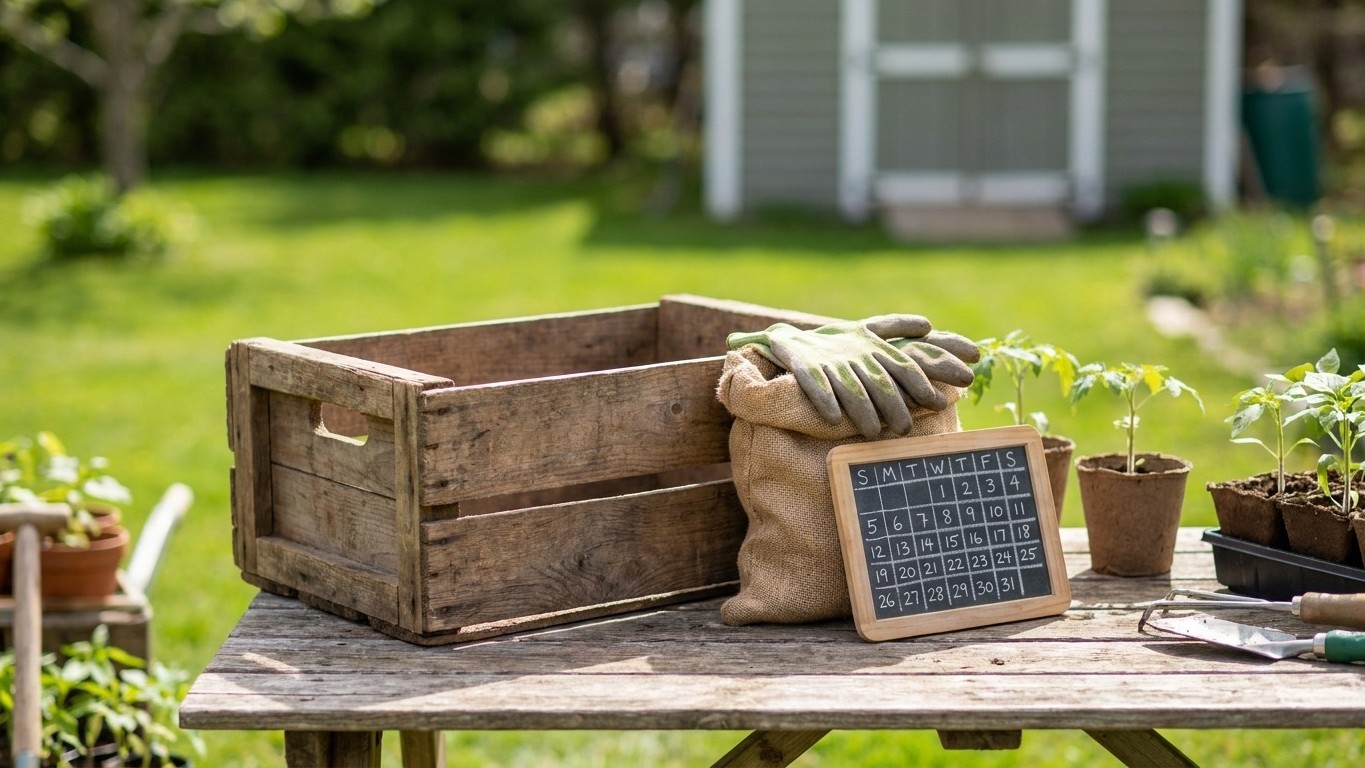
A month-by-month guide to feeding, mowing, aerating and overseeding a cool-season lawn in New Brunswick, timed to Moncton’s average frost dates.
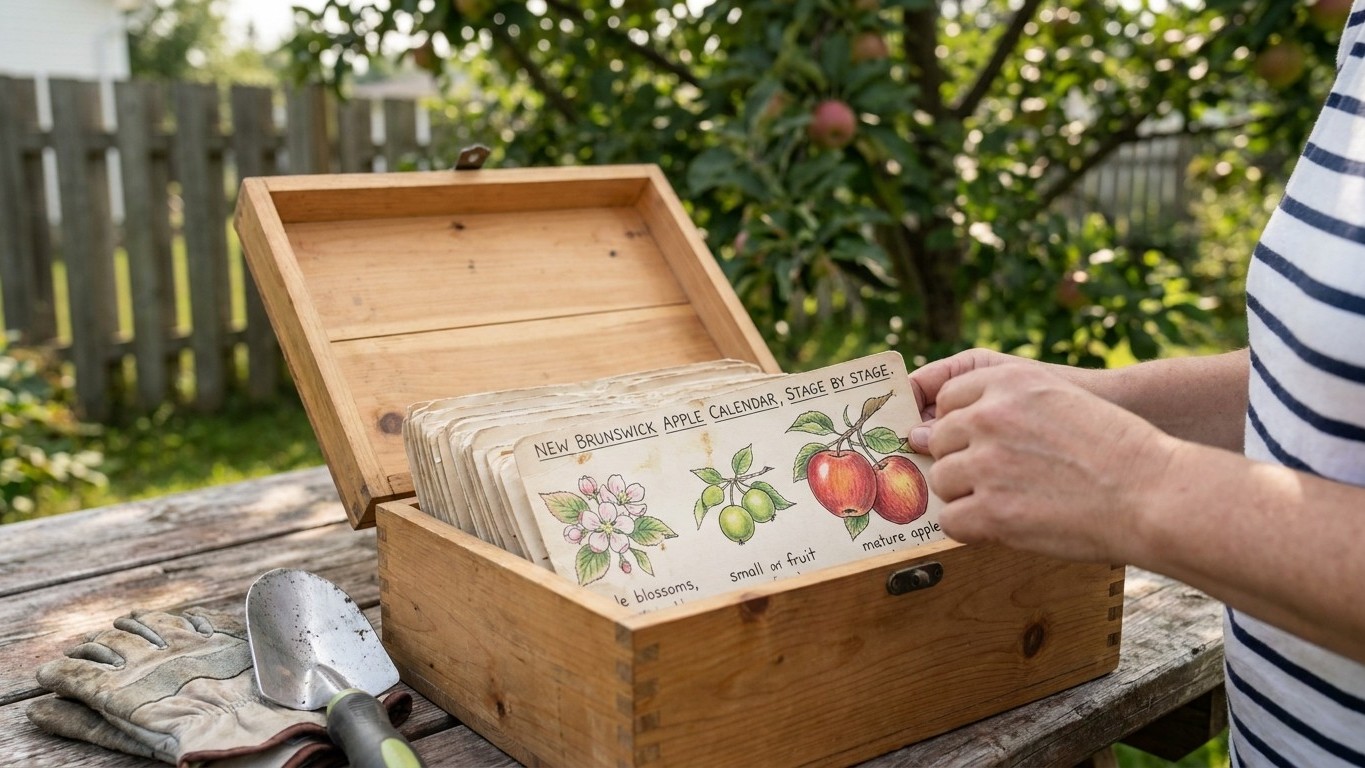
New Brunswick’s apple calendar follows the tree’s stage against Moncton’s average frost dates, not the month, from dormancy through harvest.