When to Sow Cover Crops in Yukon
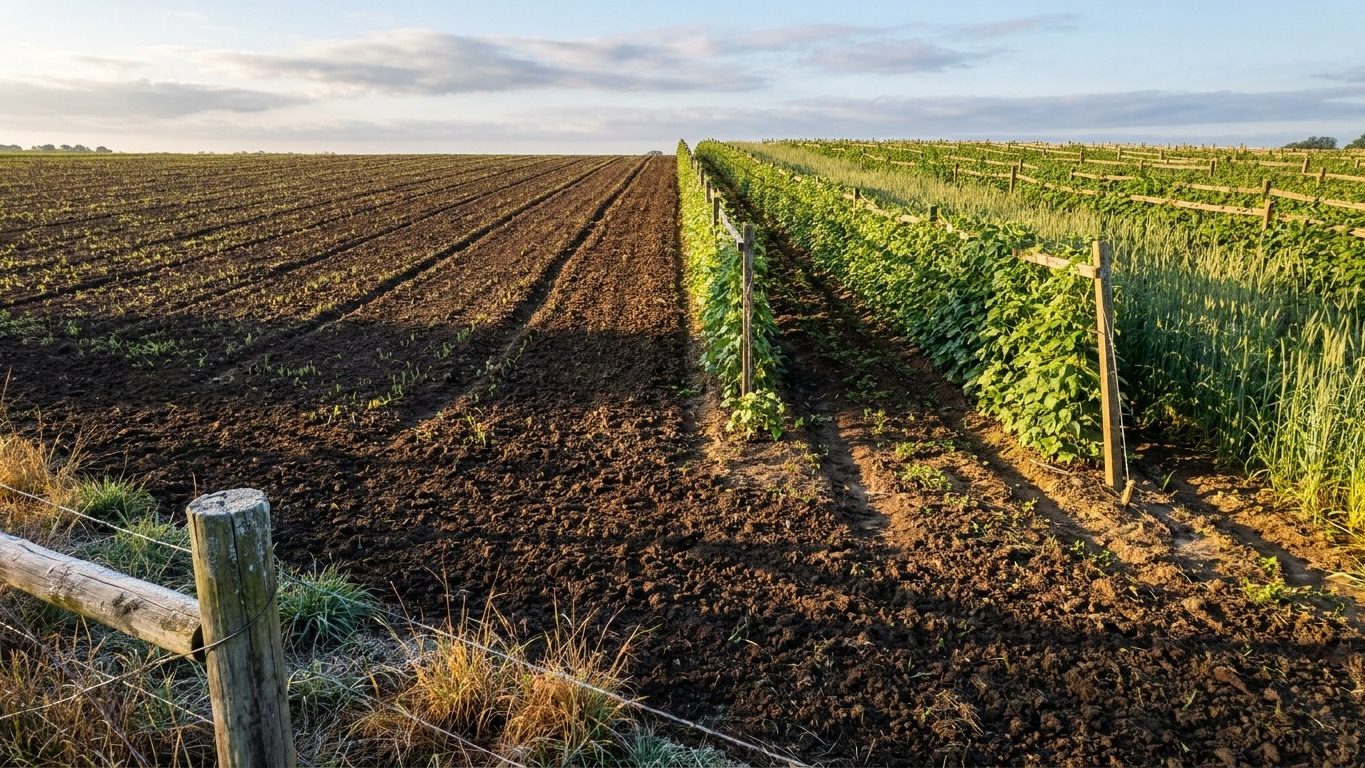
In Yukon, cover crops have one narrow lane to work with: the space between the average last spring frost, June 5, and the average first fall frost…
Home & garden, state by state
In Yukon, cover crops have one narrow lane to work with: the space between the average last spring frost, June 5, and the average first fall frost…
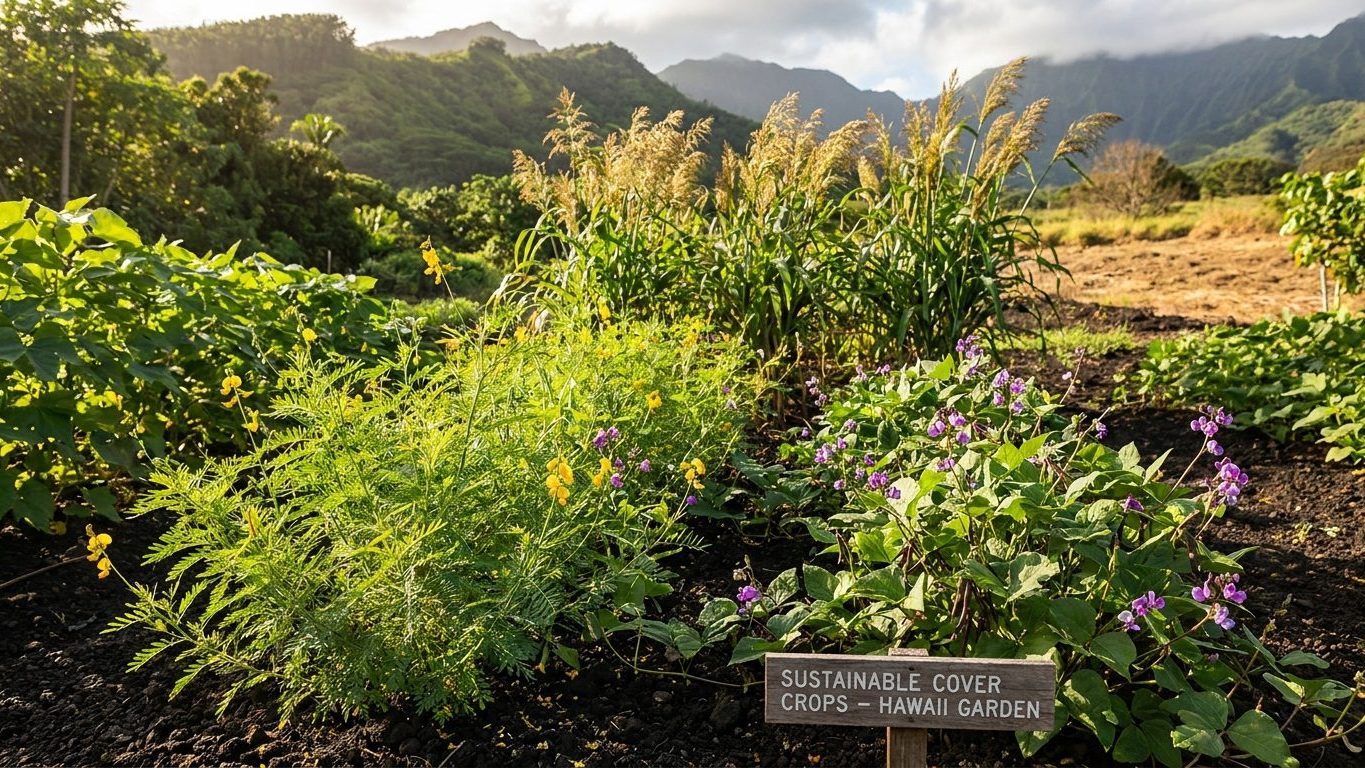
The short list for Yukon gardens is short on purpose: cereal rye, oats, field peas, and forage radish are the covers that actually finish what they start…
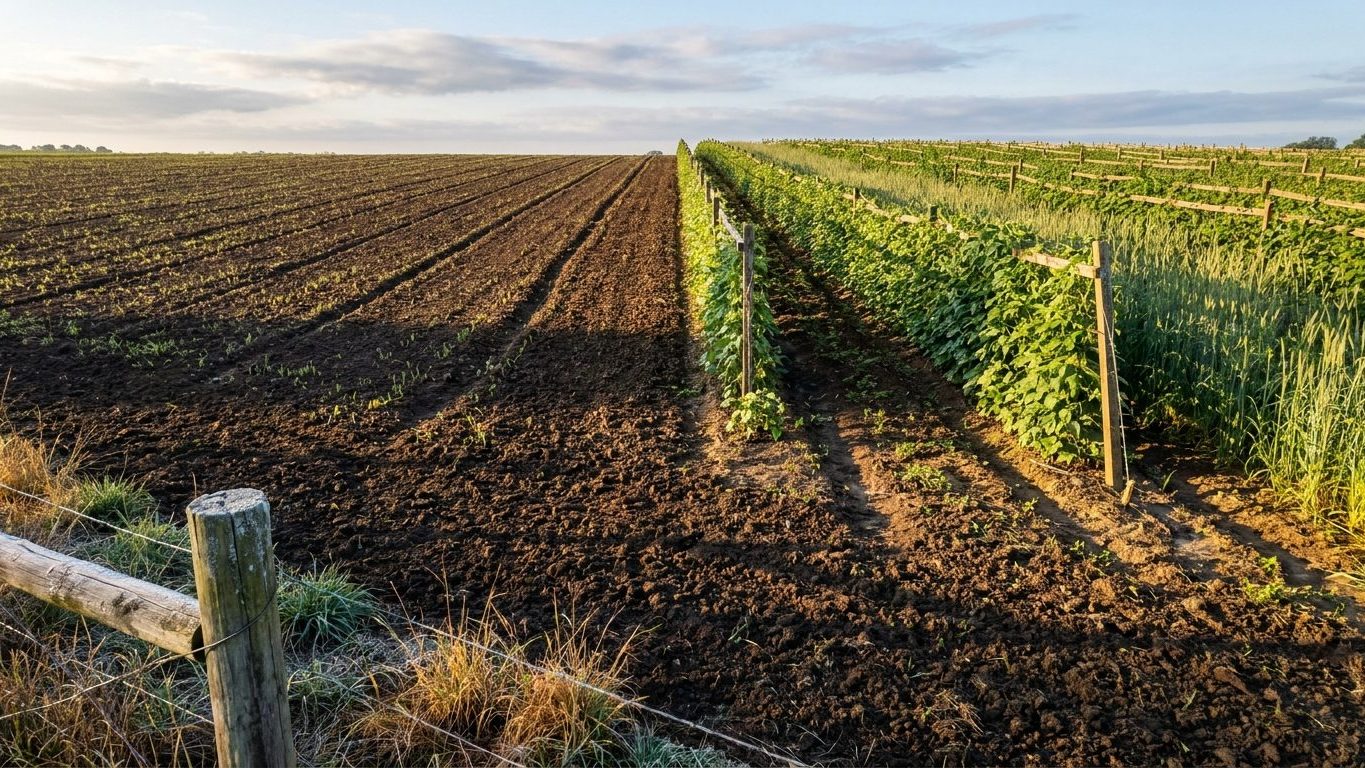
Wyoming’s cover-crop window runs from mid-May through late September, and it’s tight.
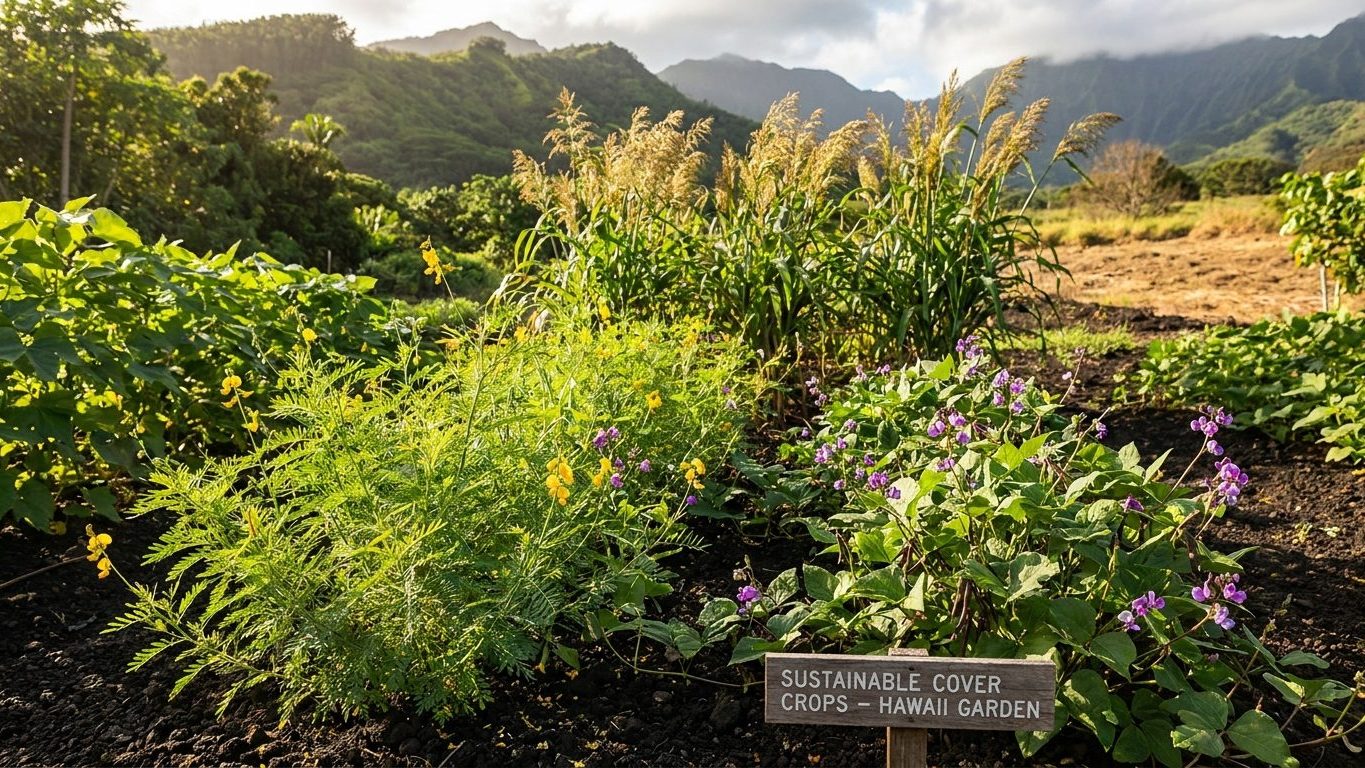
Wyoming’s short, high-elevation season rules out slow-growing cover crops and rewards fast, cold-tolerant ones.
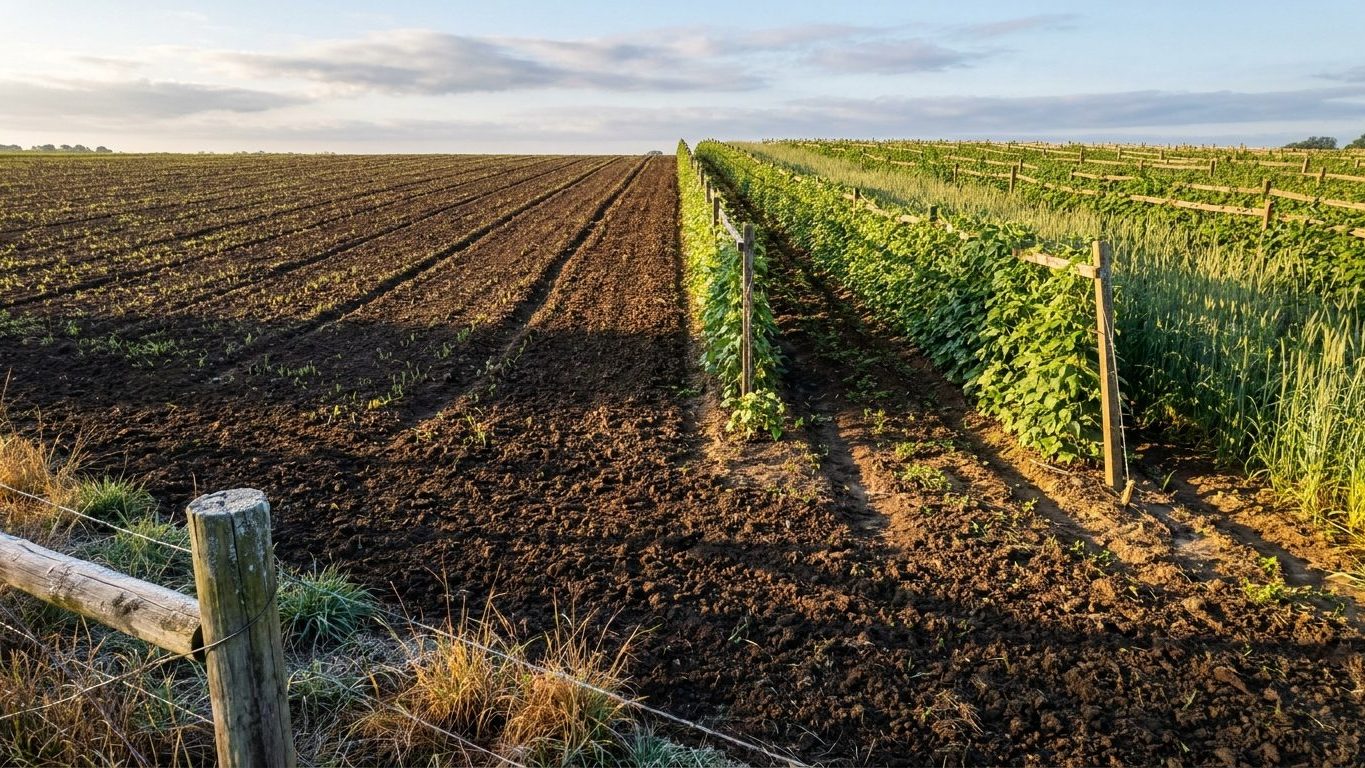
The safest window for fall-seeded cover crops in Wisconsin runs from mid-August through early September, giving plants four to six weeks of growth before…
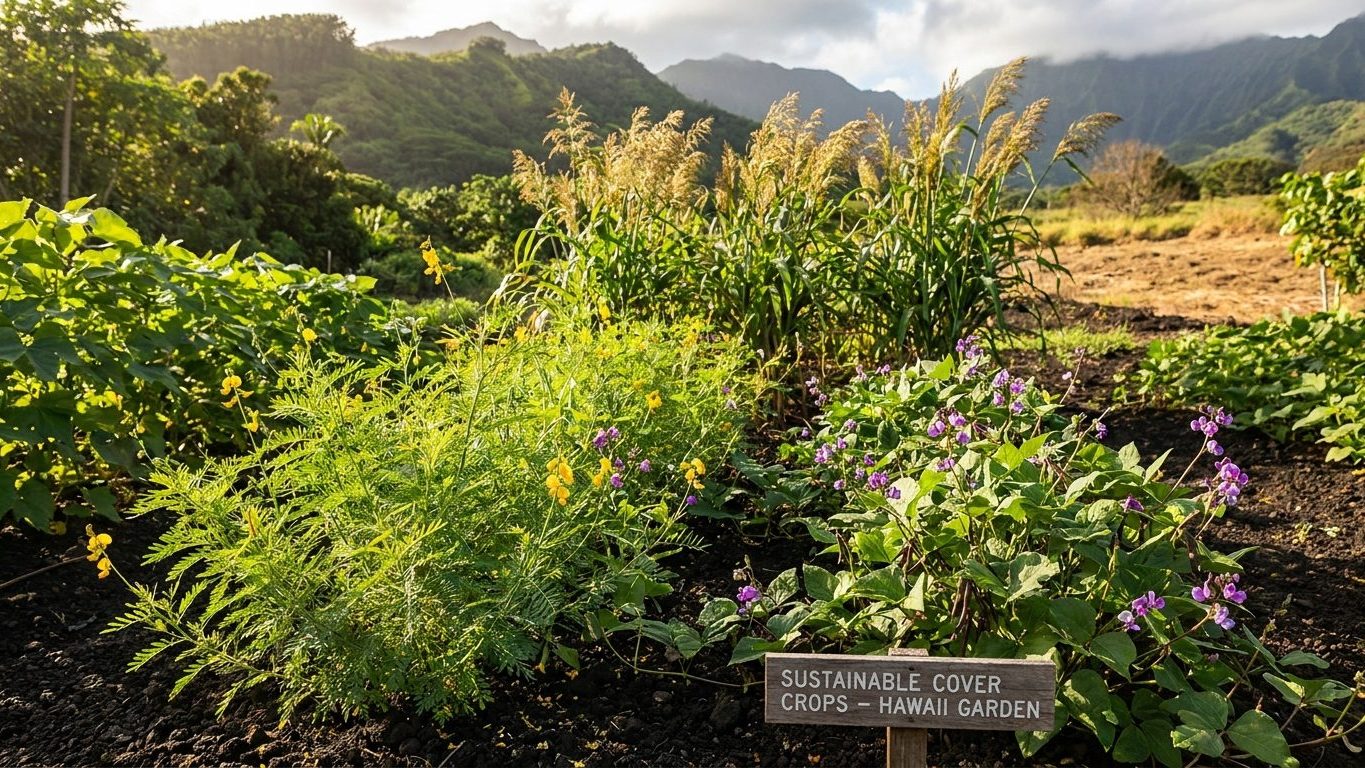
Winter cereal rye is the cover crop that works everywhere in Wisconsin, from the Lake Michigan shoreline to the far north near Lake Superior.
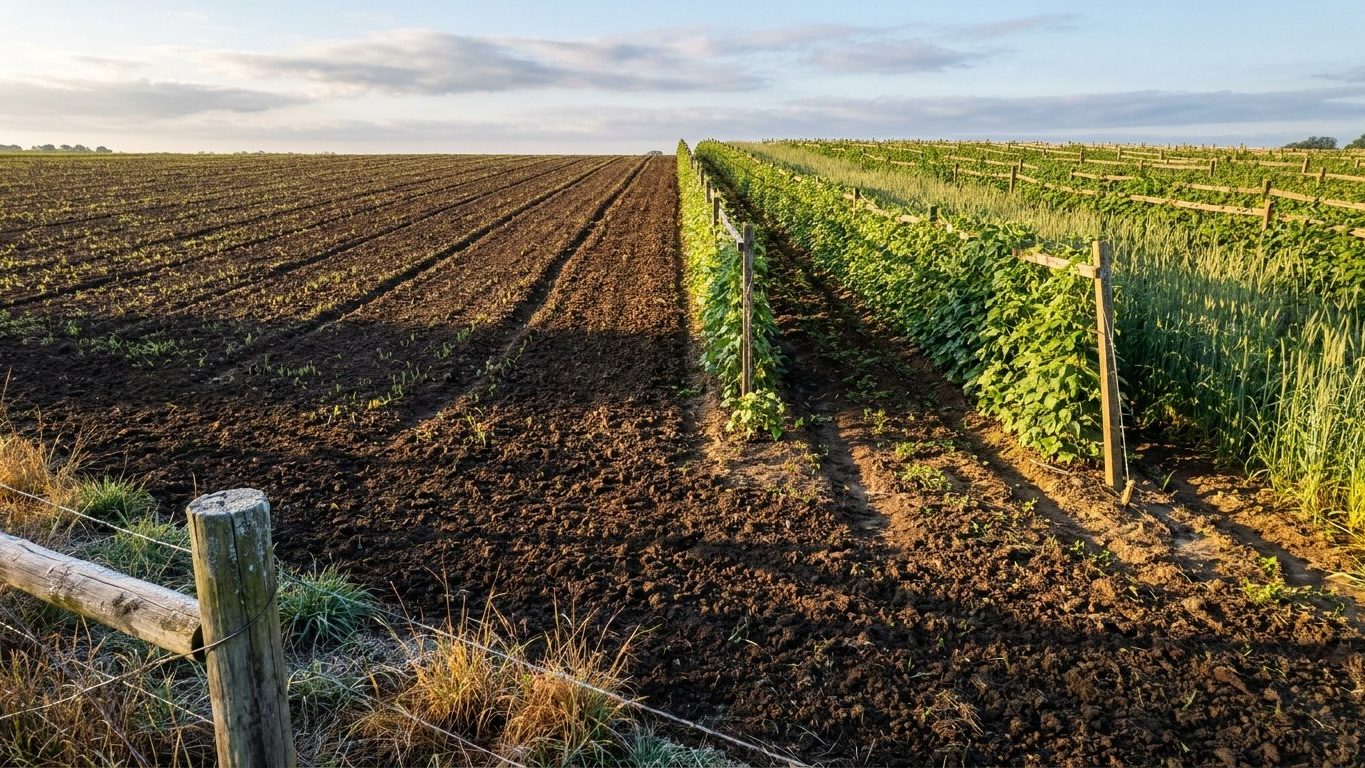
In West Virginia, sow winter-hardy cover crops like cereal rye, crimson clover, or hairy vetch between early September and early October, and save…
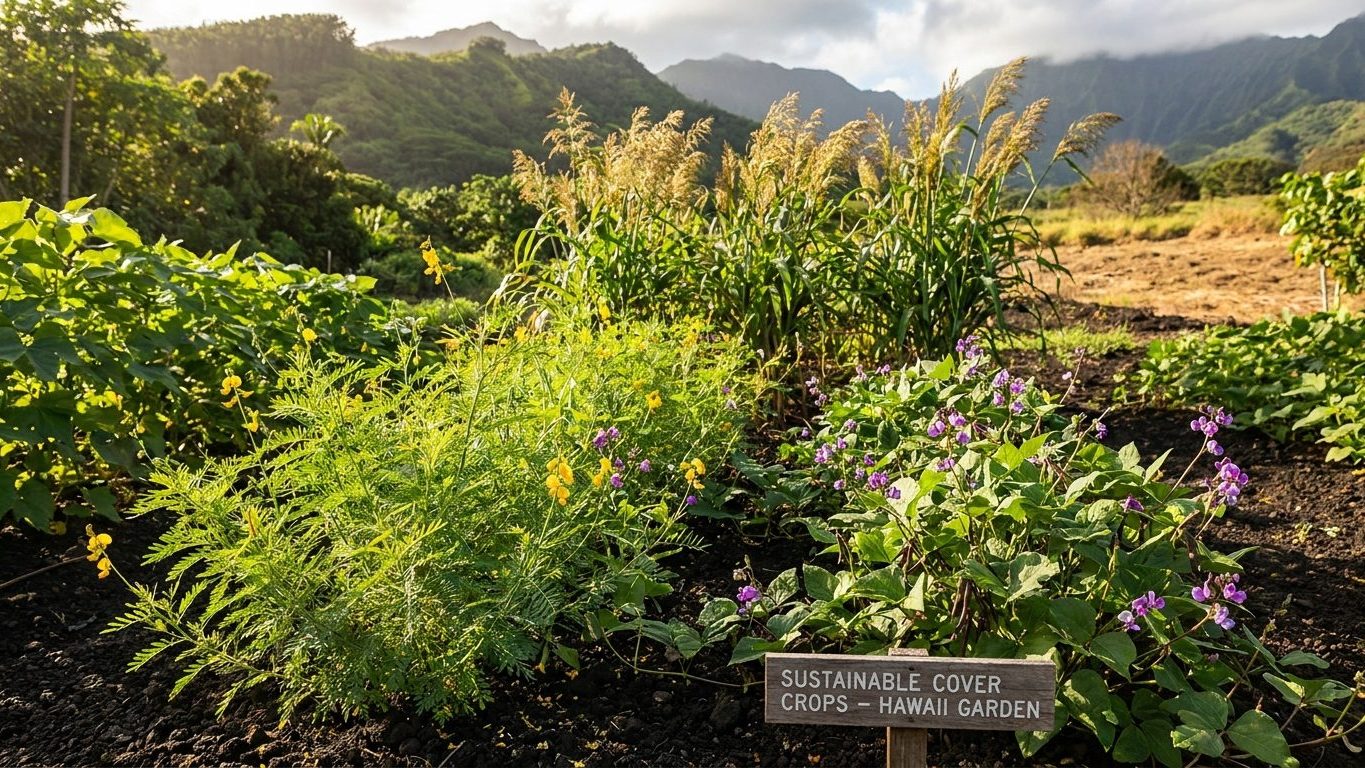
West Virginia’s most dependable cover crops are winter cereal rye and hairy vetch, because both shrug off a coldest-month mean minimum of 26.1°F and…
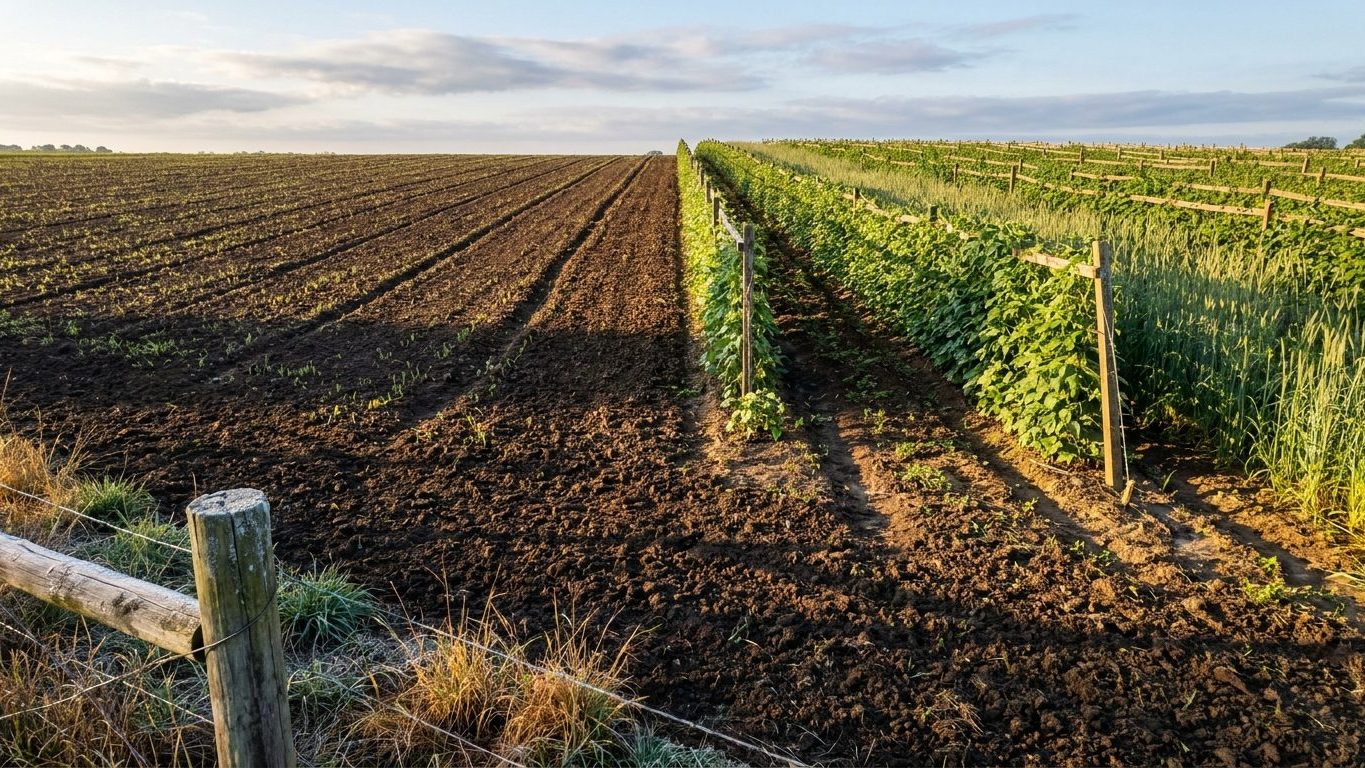
Cover crops in western Washington go in the ground between late August and mid-October for fall-sown species, timed to establish before the first fall…
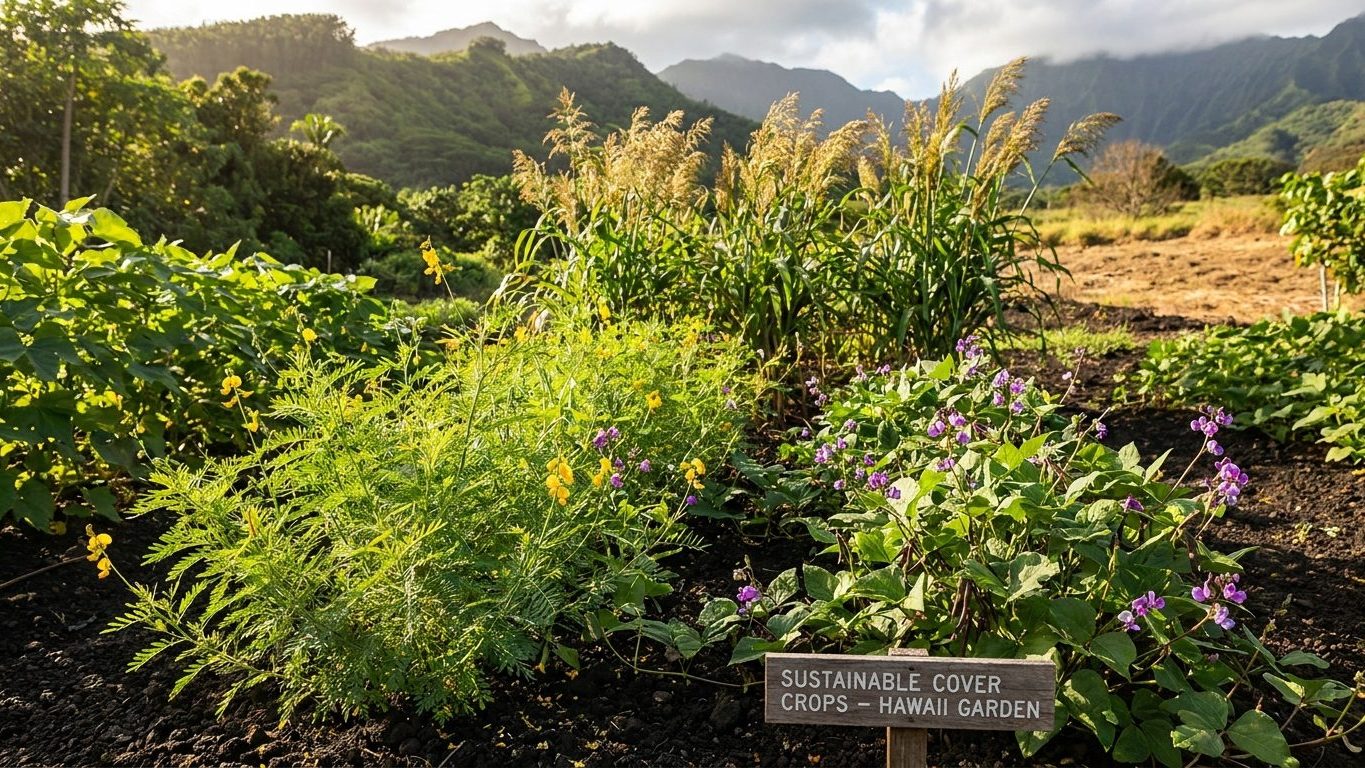
The best cover crops for Washington split hard along the Cascades: west side gardeners plant winter-hardy legumes and cereal grains through a long, mild…