Thinning Apples: One Fruit per Cluster and Why
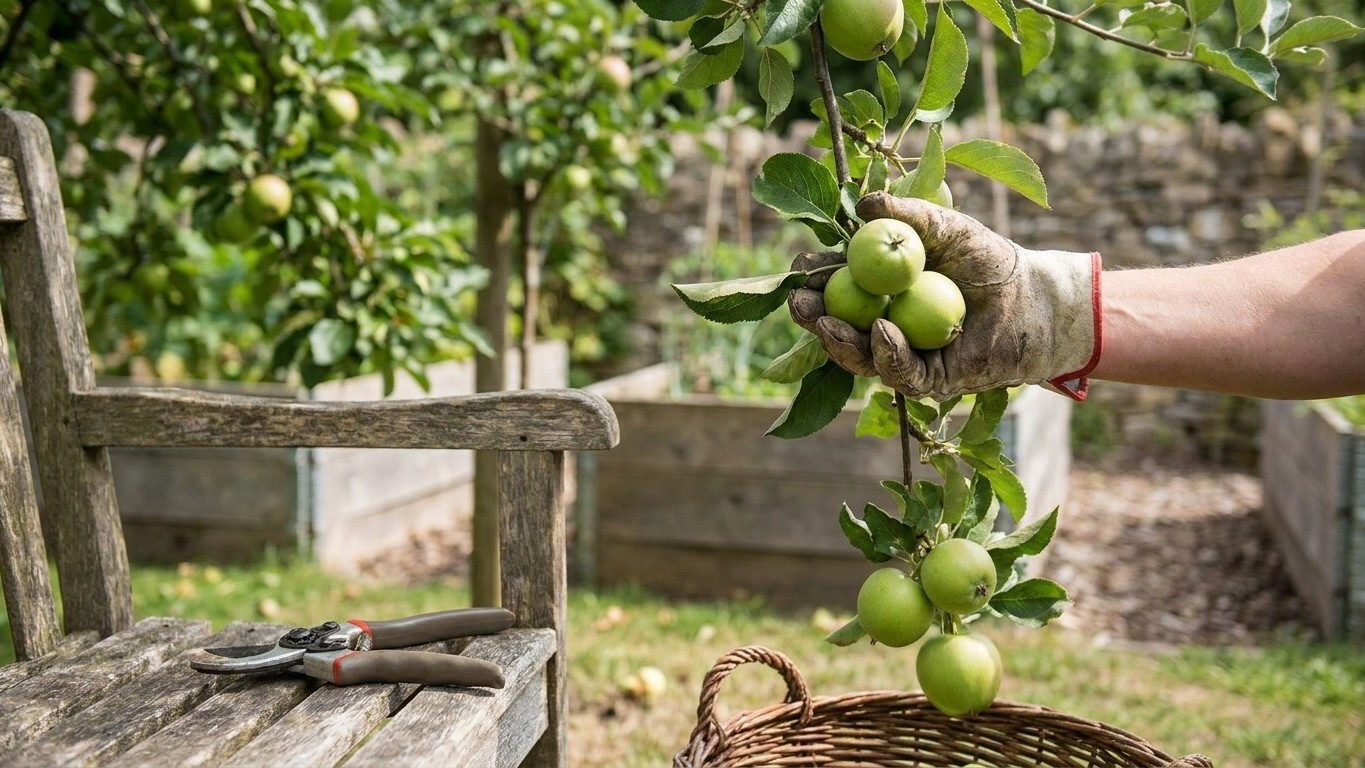
Explains why apple growers thin each fruit cluster down to one apple, when in the bloom cycle to do it, and what happens if you skip it.
Home & garden, state by state
Explains why apple growers thin each fruit cluster down to one apple, when in the bloom cycle to do it, and what happens if you skip it.
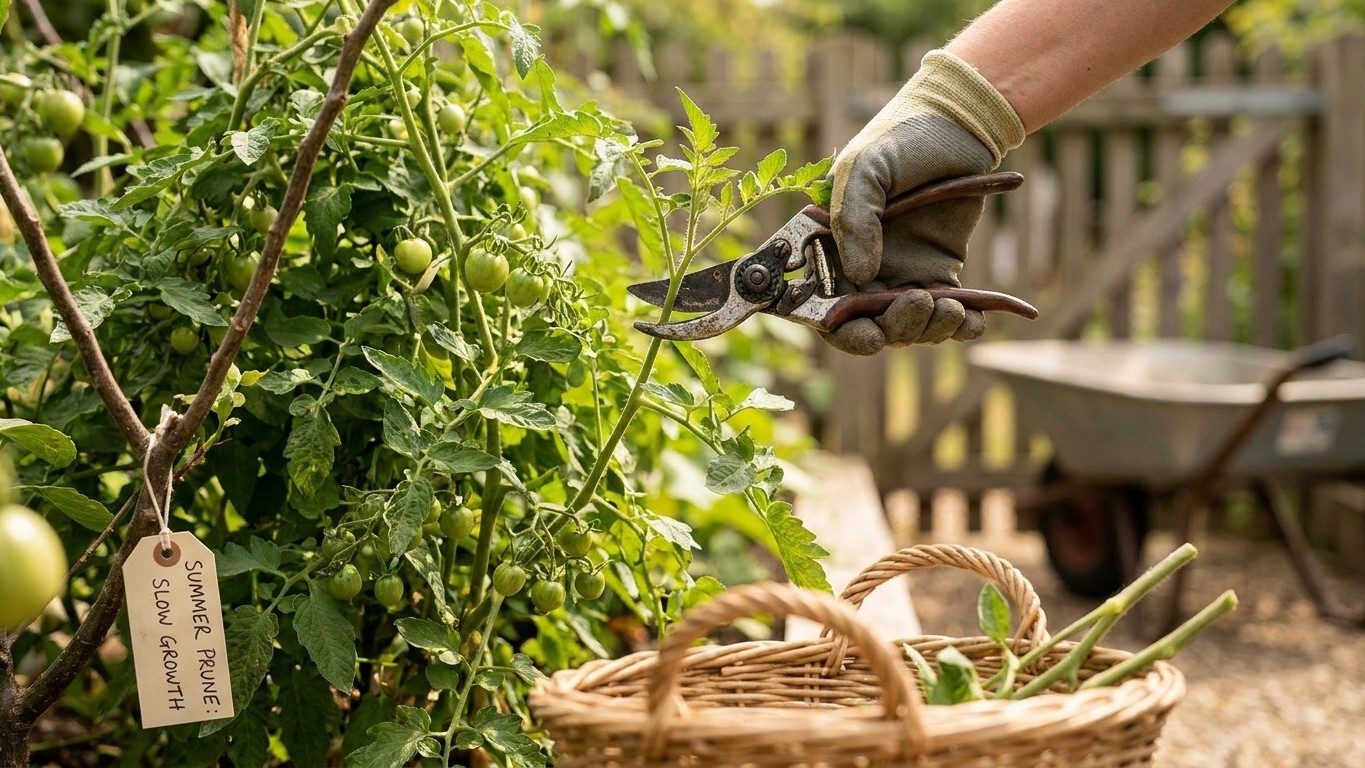
Summer pruning slows a tree’s growth instead of stimulating it, because cuts land while leaves are still making sugar, not while the tree is dormant.
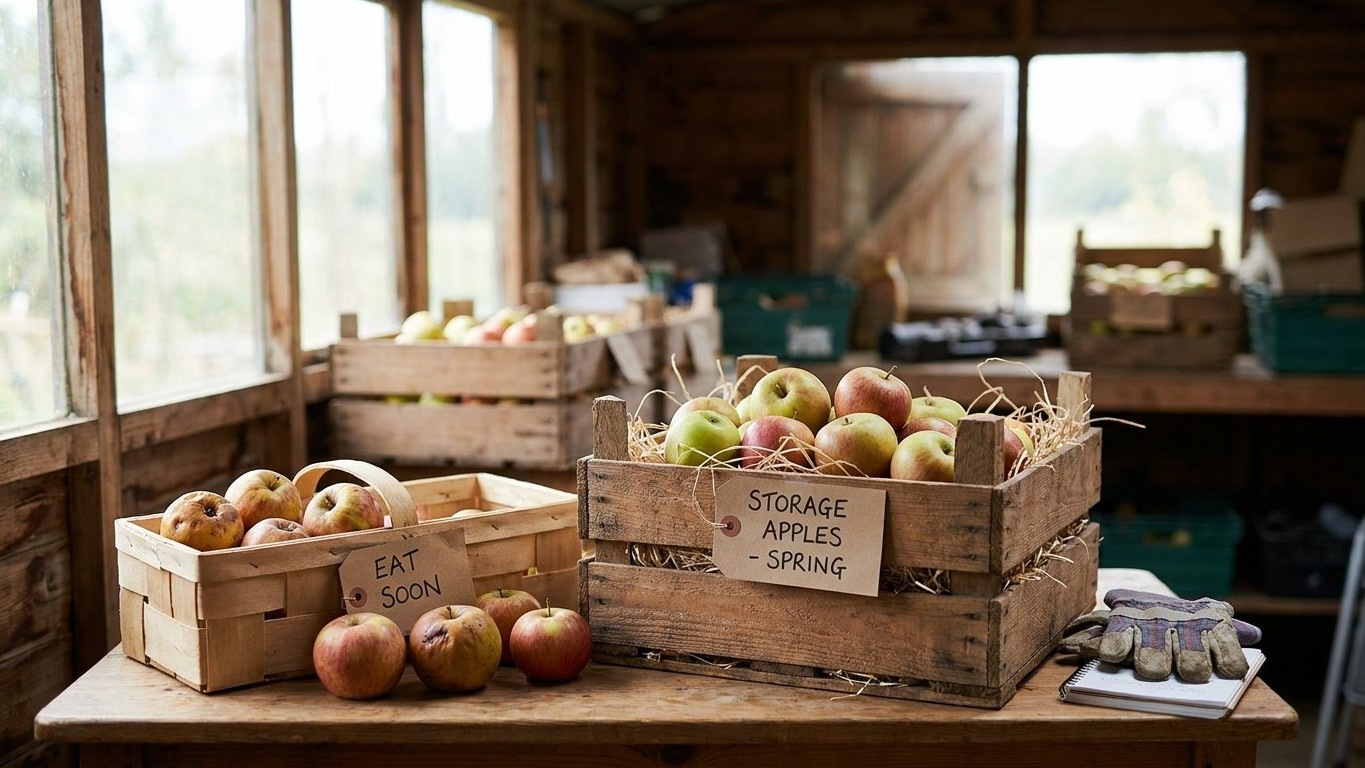
Apple storage life depends on the variety: some keep firm and crisp into spring, others must be eaten within weeks of harvest.
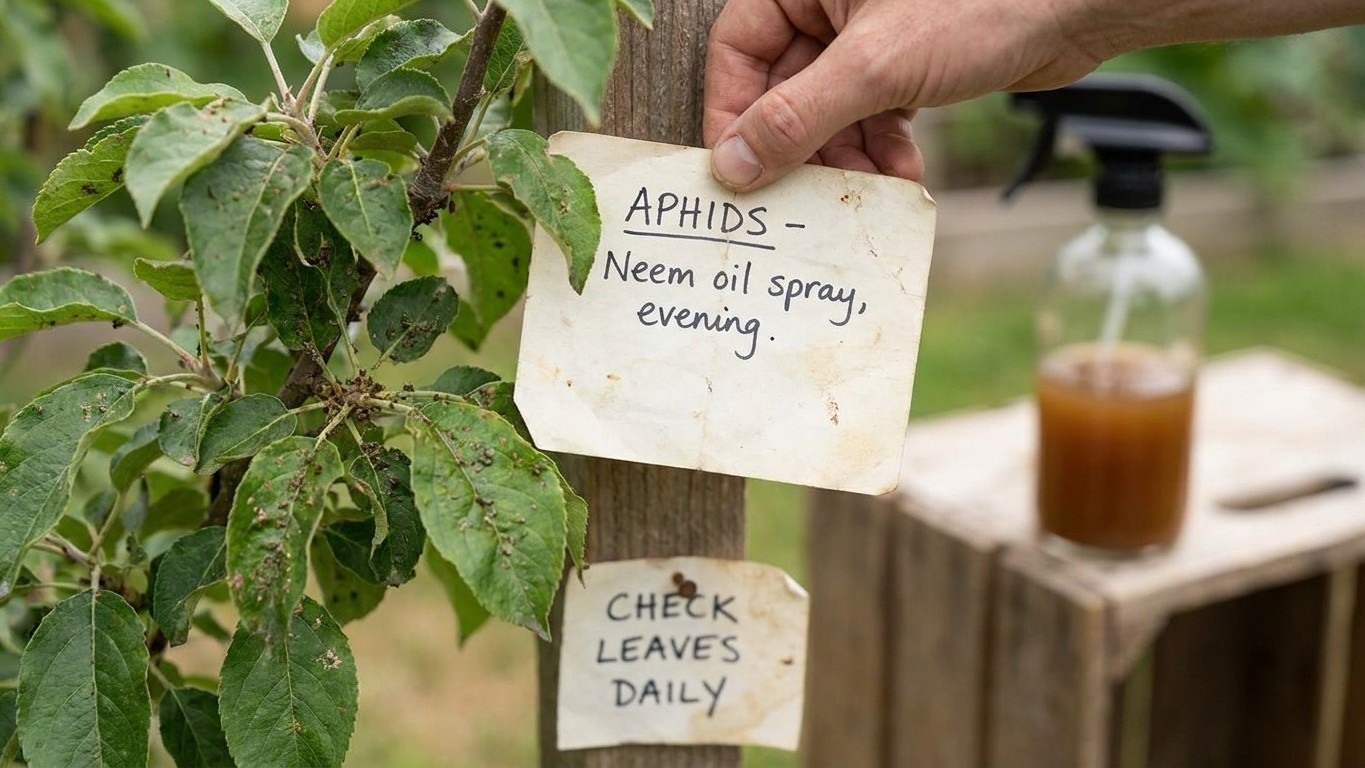
Apple spray timing should follow what the buds are actually doing, not a fixed date, and here’s how to read each stage.
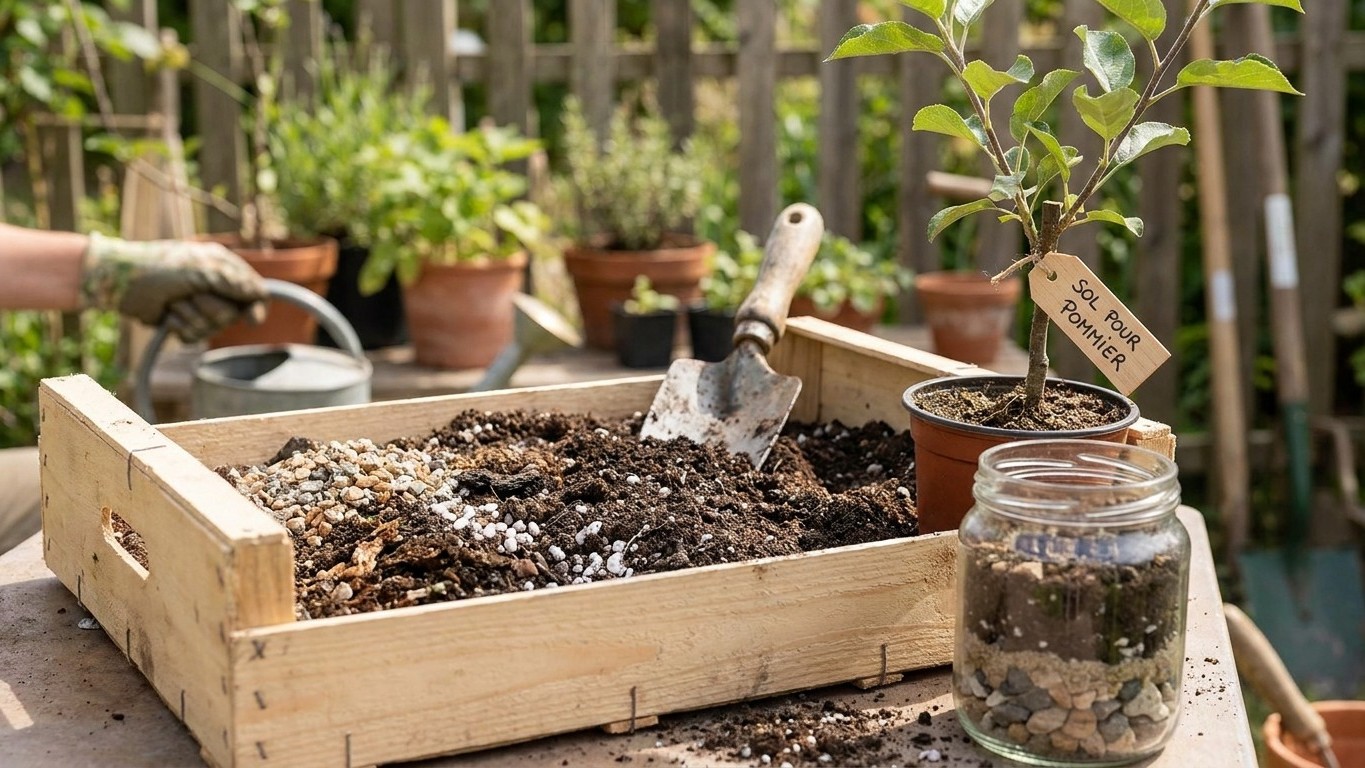
A percolation test done before planting tells you if your soil drains fast enough for an apple tree’s roots to survive.
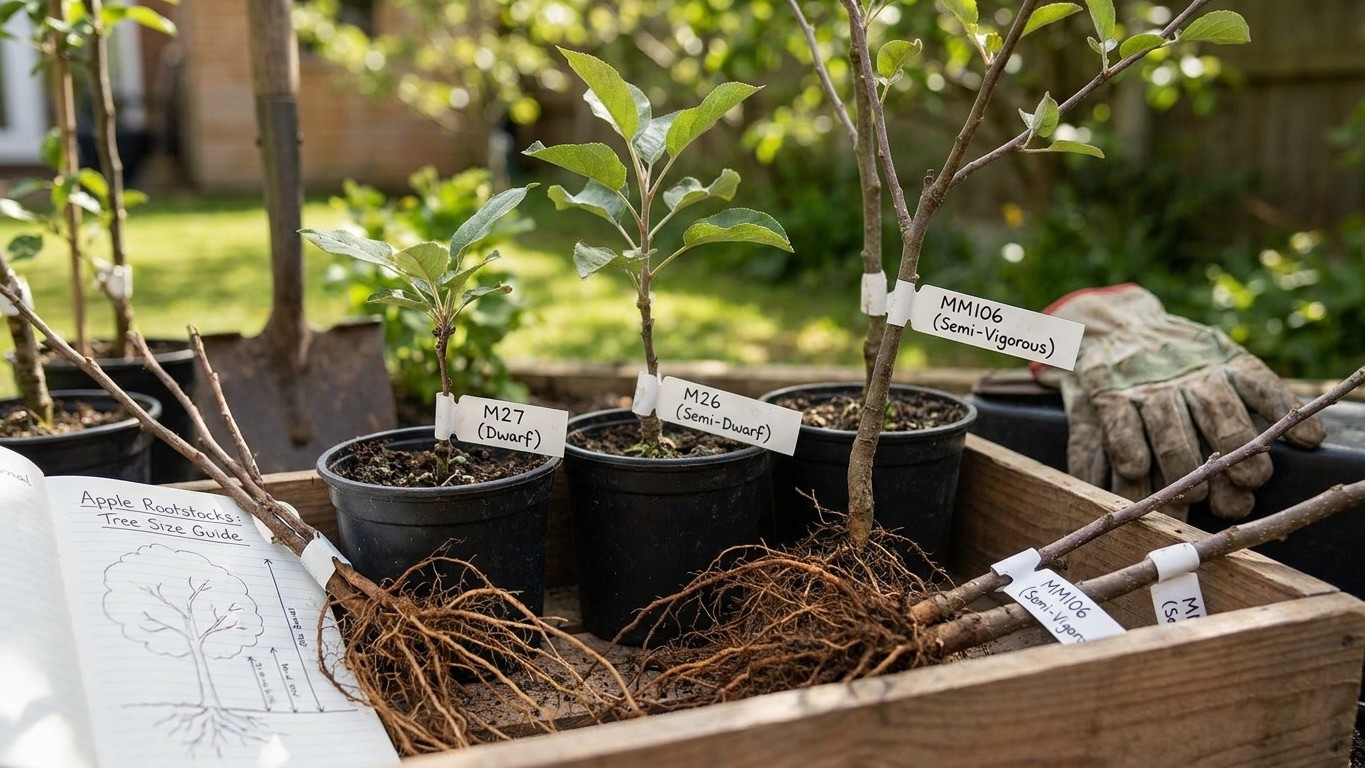
Apple tree size is set by the rootstock under the graft, not the fruit variety on top, and USU Extension lists the height each one produces.
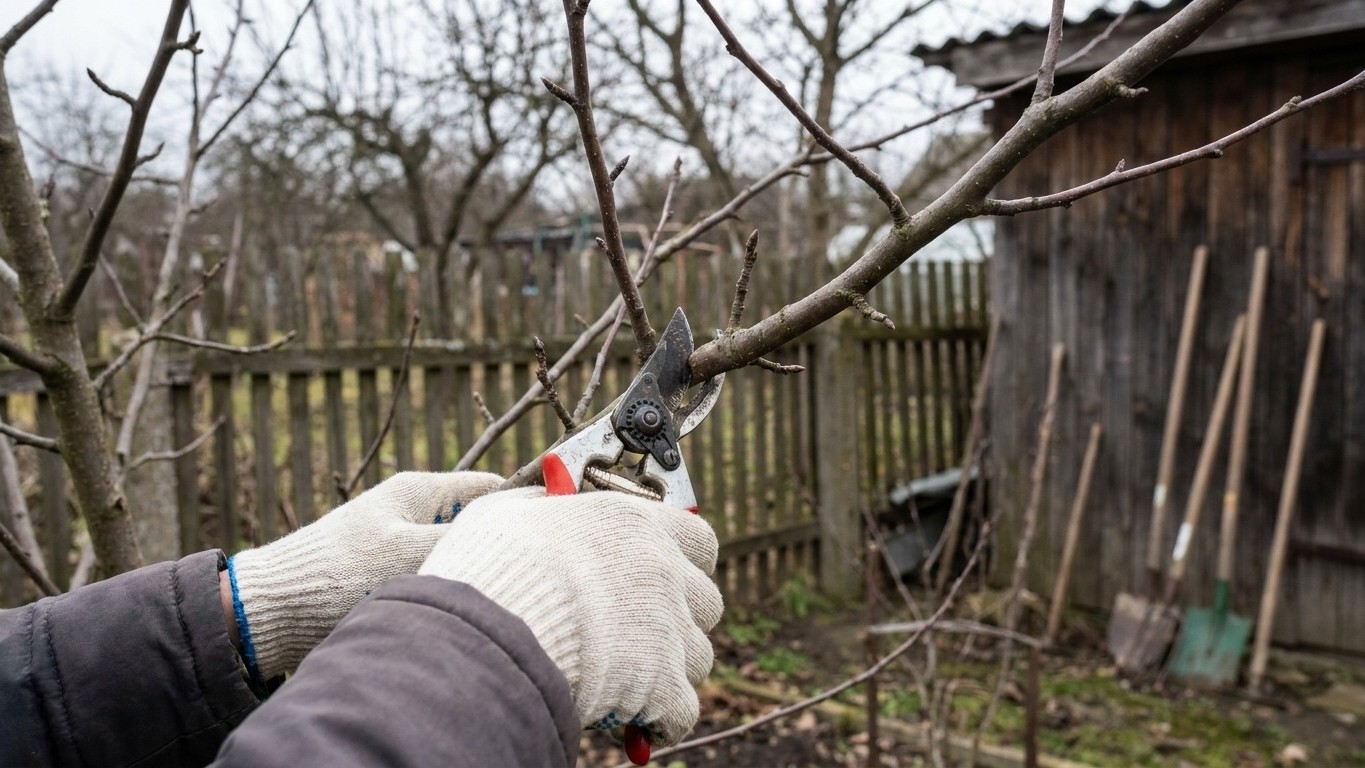
This guide explains where to make winter pruning cuts on an apple tree, how rootstock size guides scaffold selection, and when dormancy ends.
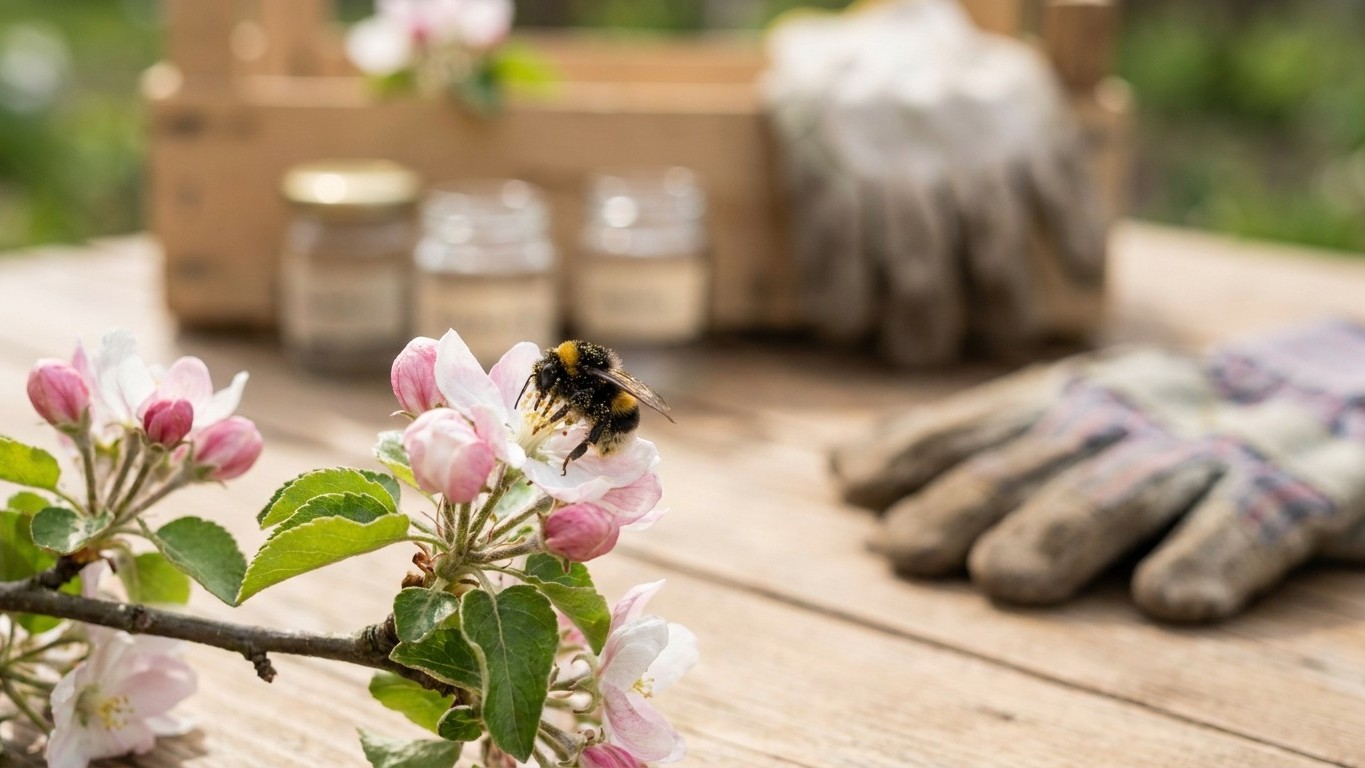
Apples need a cross-pollination partner blooming at the same time, and a few popular varieties can’t pollinate anything at all.
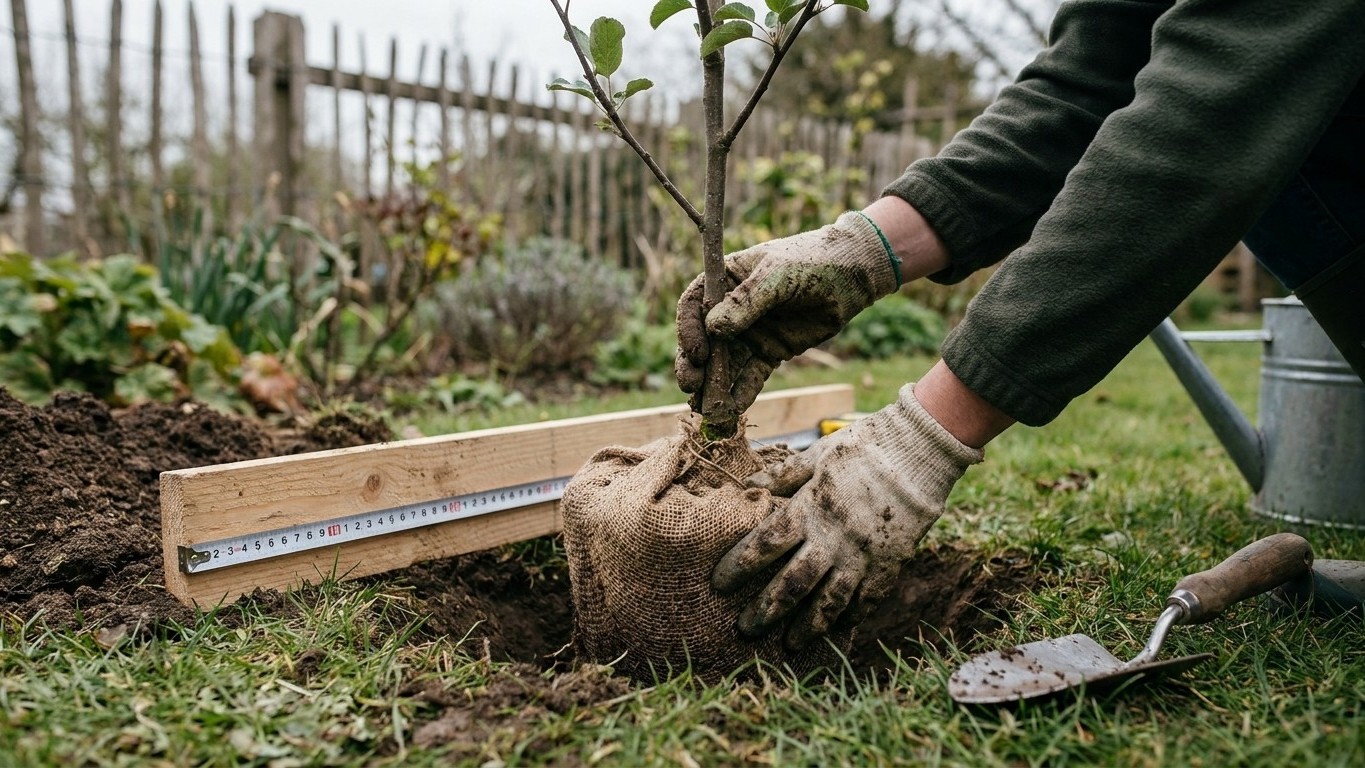
Planting depth for an apple tree is set by the graft union and the rootstock’s mature size, not the fruit variety grafted onto it.
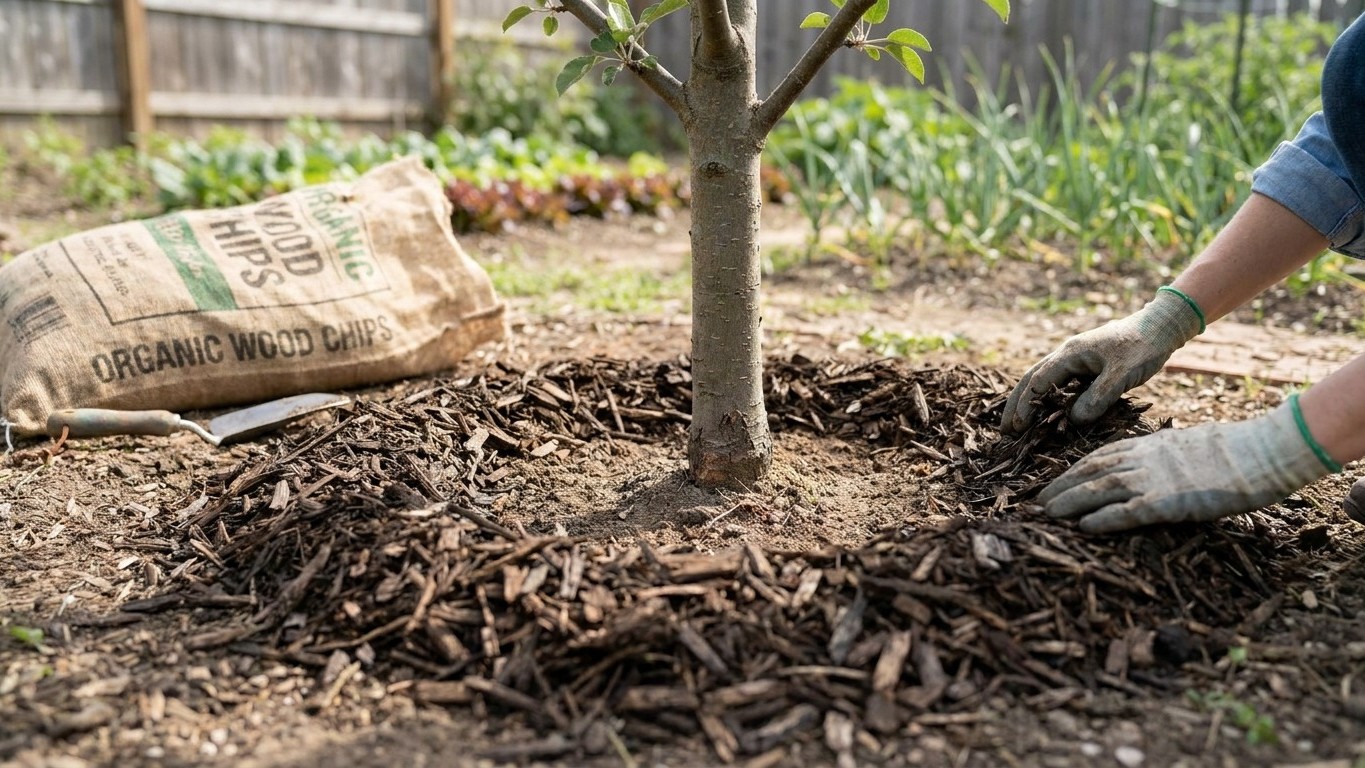
Explains how to mulch an apple tree without smothering roots or rotting the trunk, including ring width, depth, and which materials work best.