Growing Apples in California: Varieties, Timing and Frost Risk
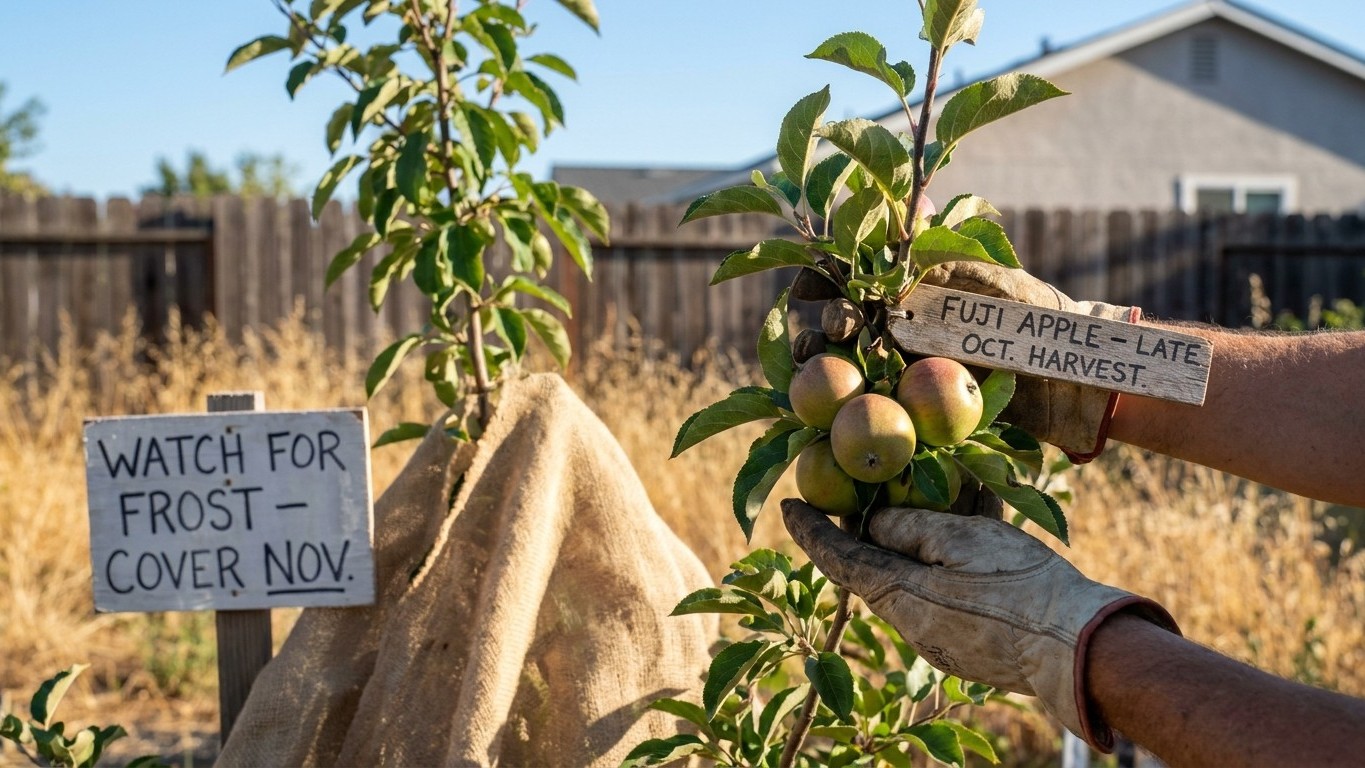
Los Angeles has almost no frost, so California apple growers must match a variety’s winter chill requirement to their region instead of worrying about cold.
Home & garden, state by state
Los Angeles has almost no frost, so California apple growers must match a variety’s winter chill requirement to their region instead of worrying about cold.
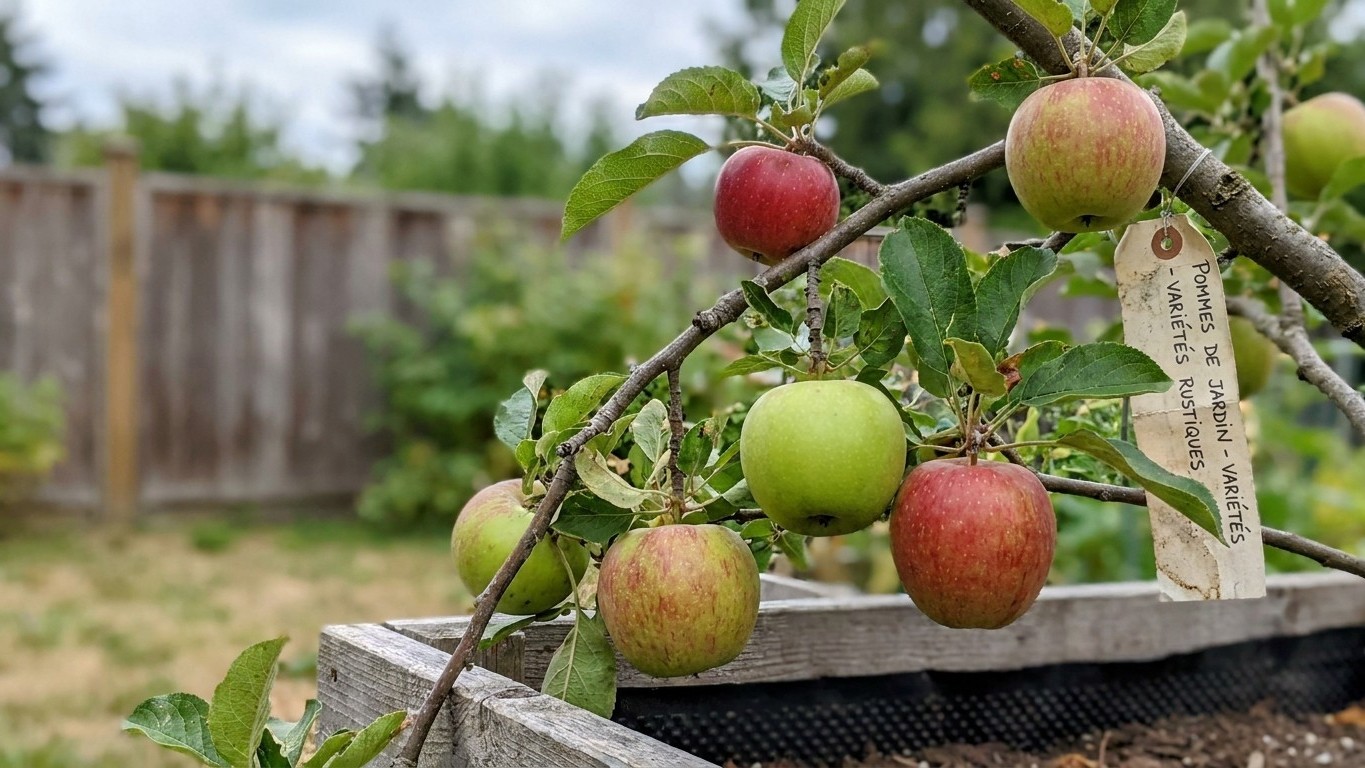
A look at which apple varieties handle British Columbia’s coastal climate, how to pair them, and when frost still threatens the crop.
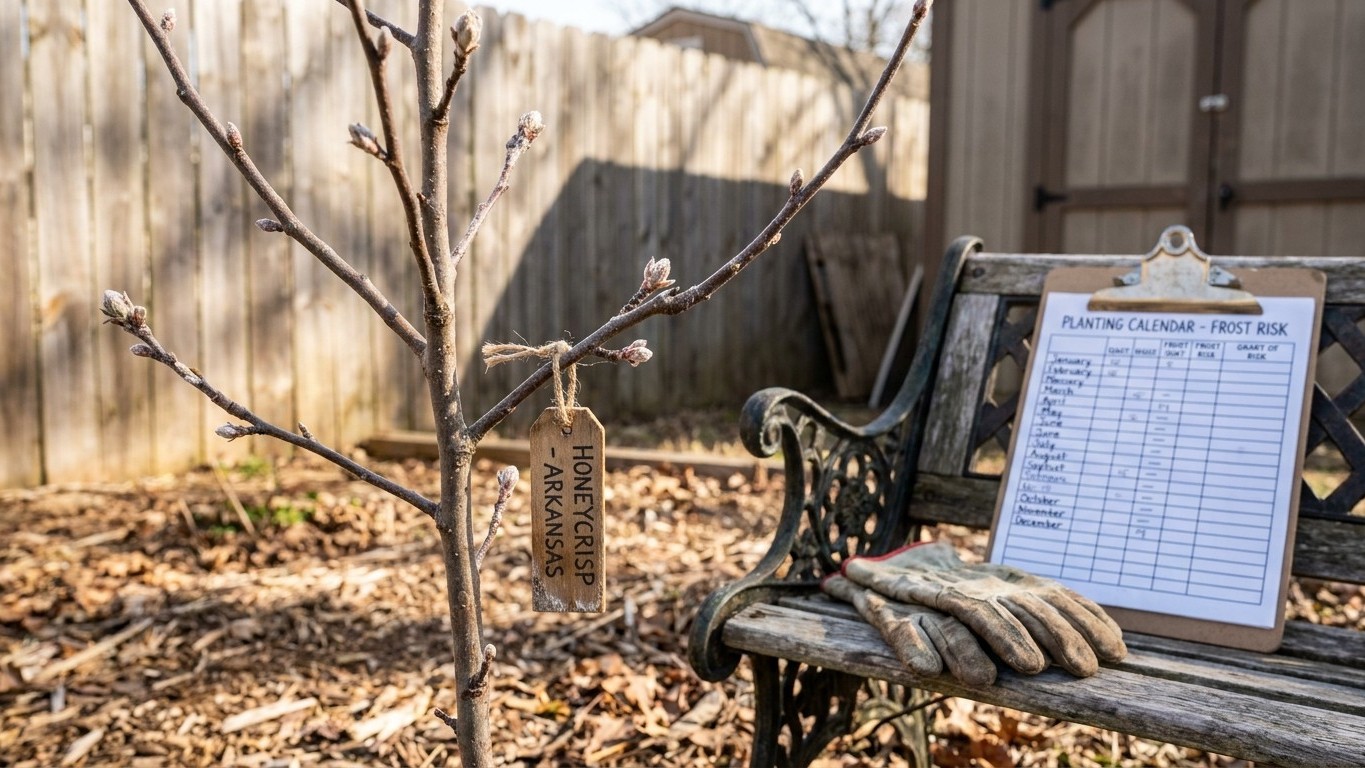
Arkansas’s USDA zones 6b to 8a and mild Little Rock winters support apples if you choose a moderate-chill variety and a compatible pollinizer.
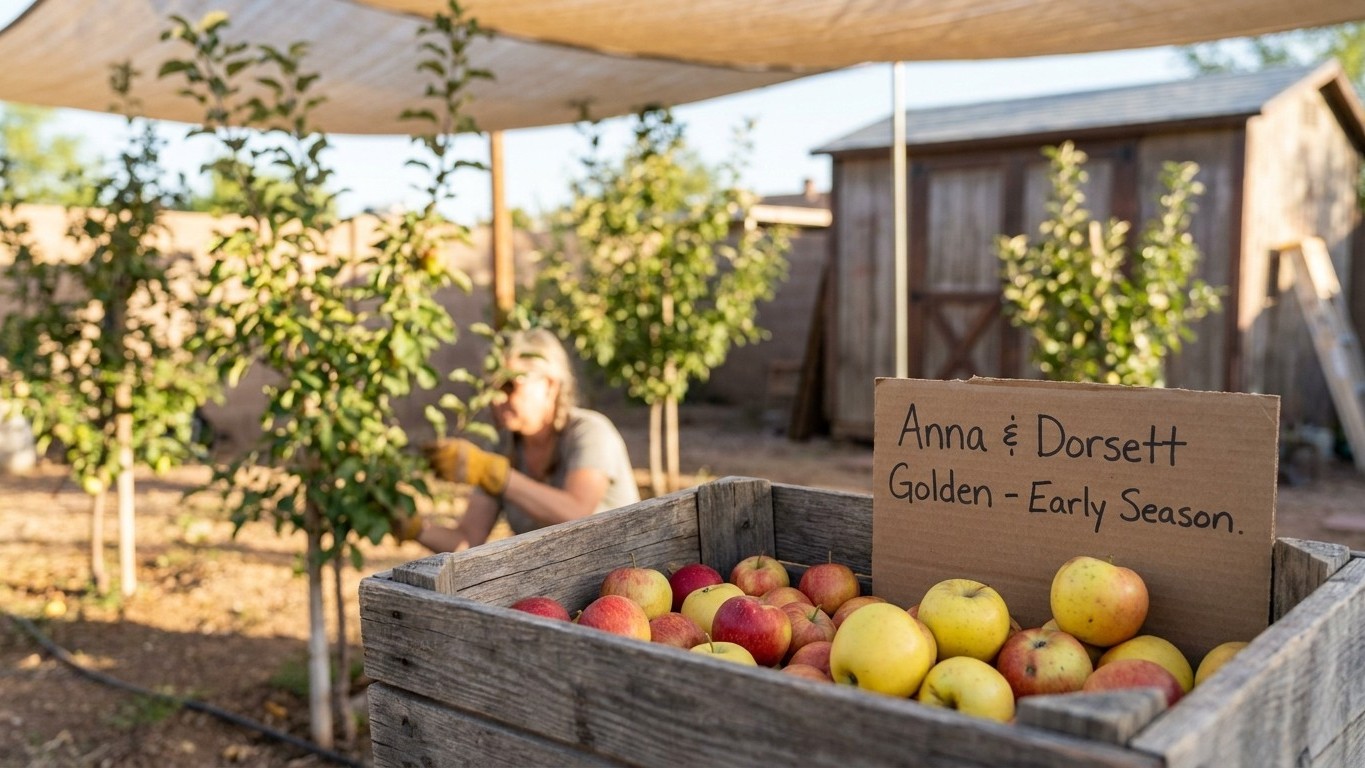
Arizona’s low desert and high country need different apple varieties, chill hours and frost timing, so pick based on your elevation, not the state.
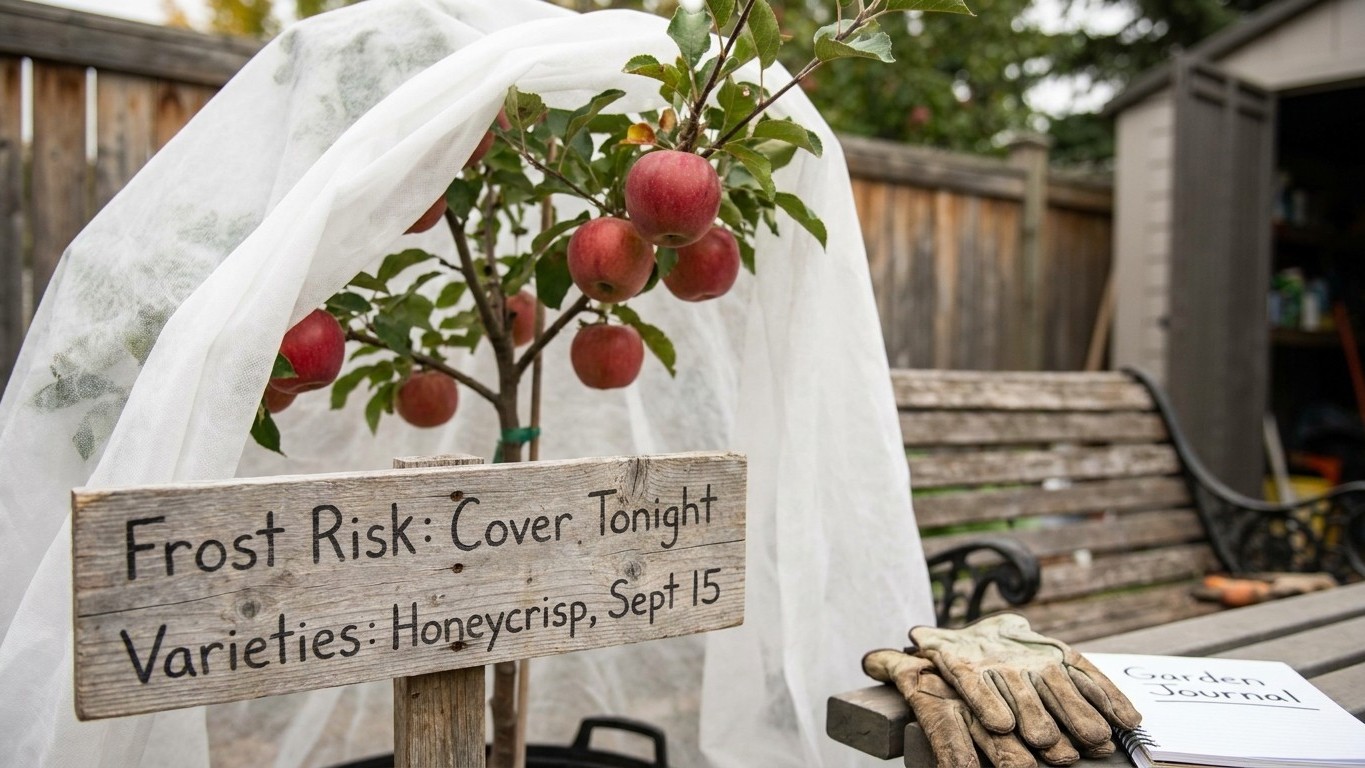
Alberta’s cold winters, short frost-free season and long-chill requirement narrow the apple choices to a handful of prairie-hardy cultivars that actually fruit here.
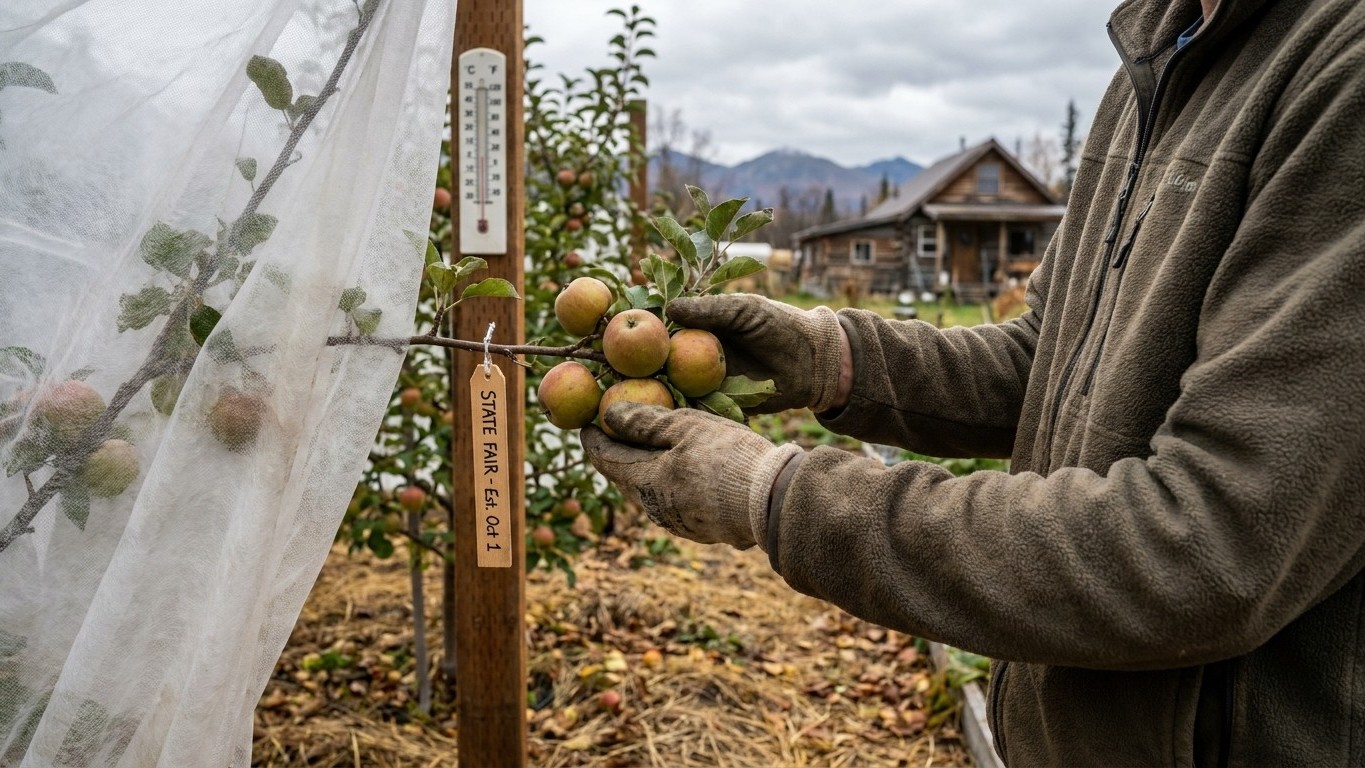
Anchorage’s mild pocket of Alaska can grow apples if you pick a cold-hardy, early-blooming cultivar and pair it with a fertile pollinizer that flowers at the same time.
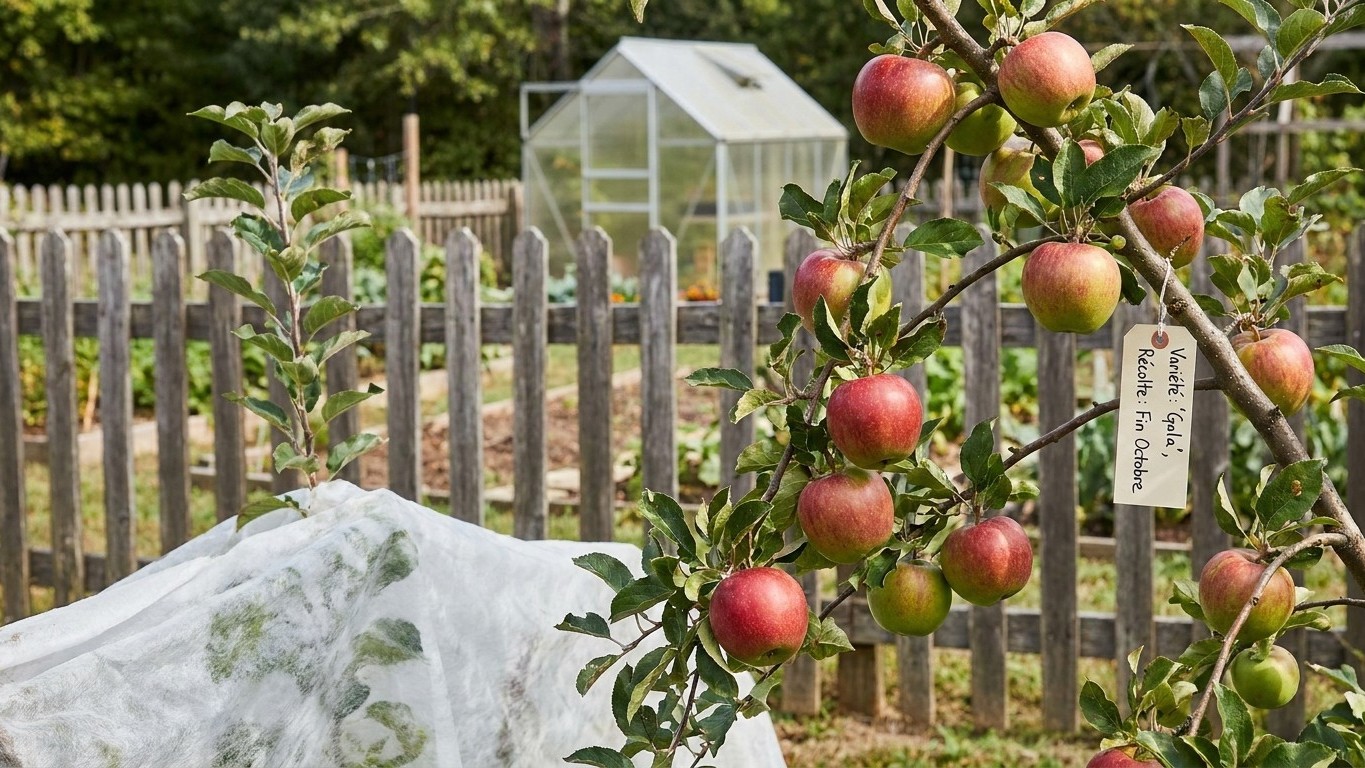
Alabama’s USDA hardiness zones and Huntsville’s frost dates decide which apple varieties fruit reliably, and which pairing keeps pollination working.
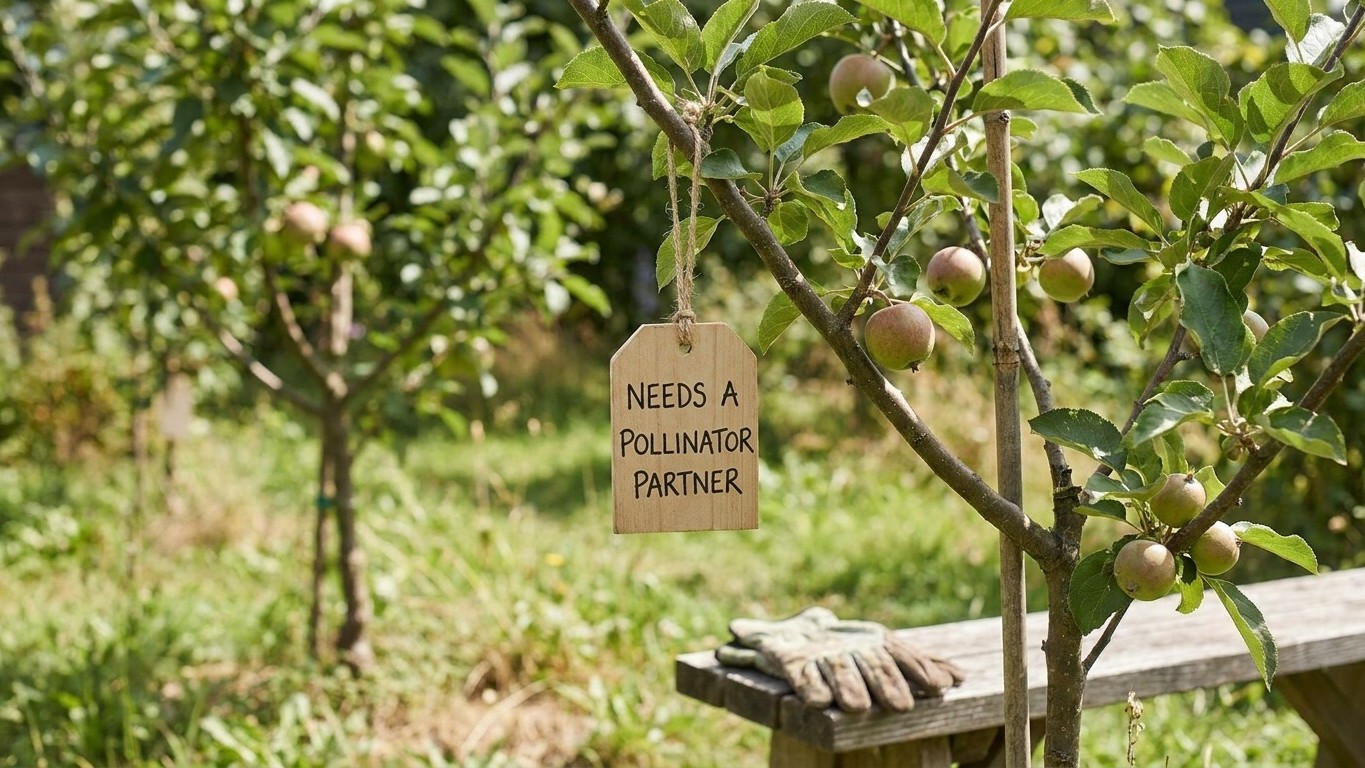
Explains why apple trees need a compatible pollinator, how rootstock sets tree size, and how to match a variety to your winter climate.
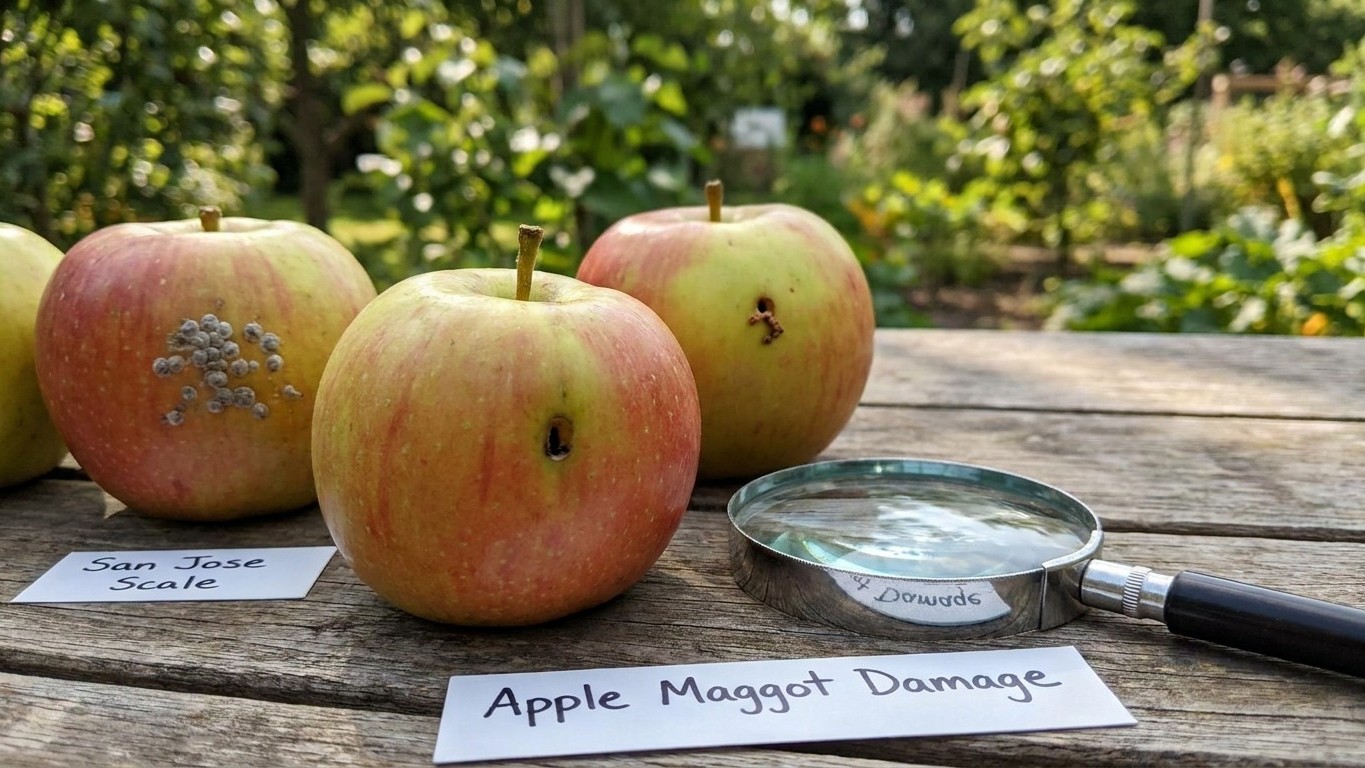
A rundown of the marks codling moth, plum curculio, apple maggot, woolly aphid, and San Jose scale leave, so you can identify the pest before treating it.