When to Sow Autumn Spinach in Nunavut
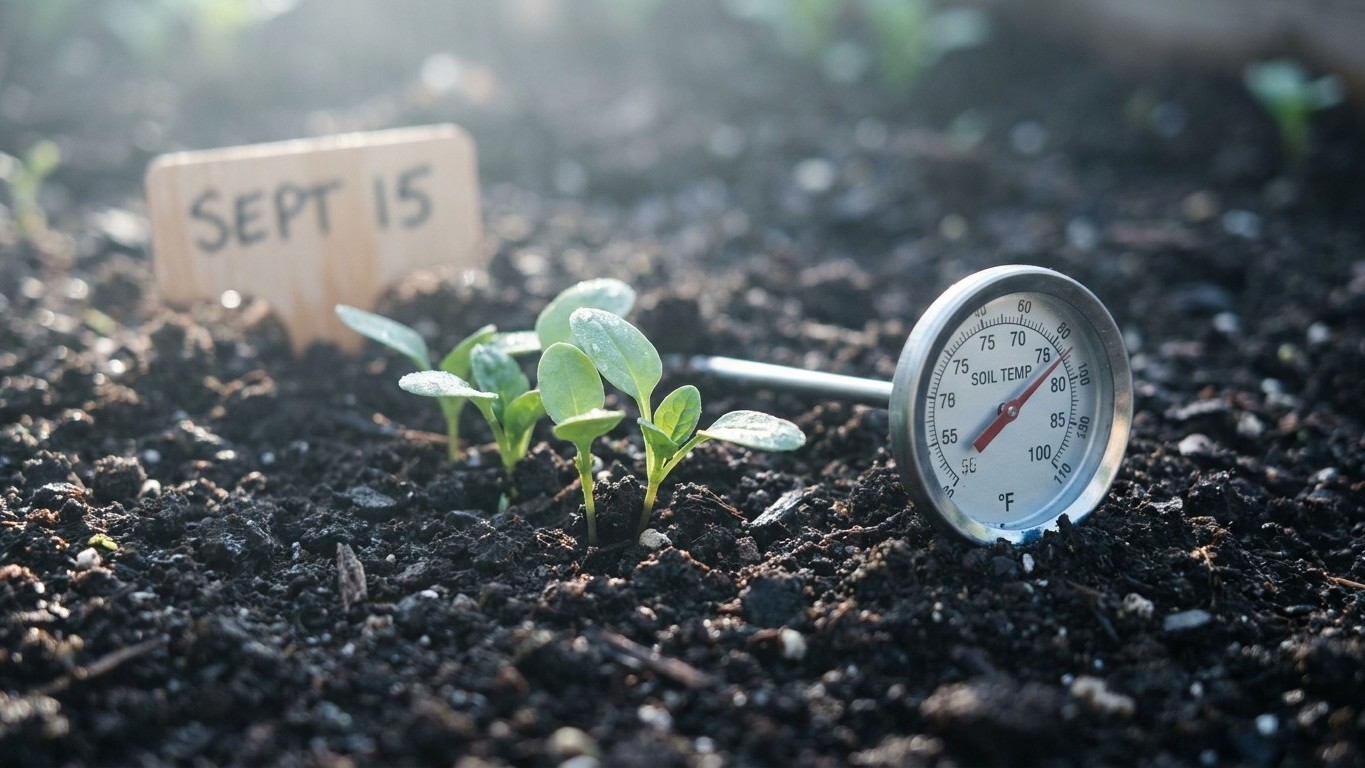
The safest stretch to put autumn spinach seed in Nunavut soil runs from late June through mid-July, right after the average last spring frost has passed.
Home & garden, state by state
Everything we have worked out for Nunavut: what to plant and when, which varieties finish in time, the pests that actually turn up here, and the jobs that pay off month by month. We also cover the rest of the property, from lawns and soil to home care and energy, because a garden rarely stops at the vegetable bed.
The numbers first, because everything else follows from them. Measured at the weather station in Rankin Inlet, the last spring freeze falls around June 19 and the first fall freeze falls around September 13, 159 growing degree days in the year.
That is little accumulated warmth: tomatoes need a tunnel or a greenhouse here, whatever the frost dates suggest. Garlic does well: 43.5 weeks below 40 °F, comfortably past the six it needs to form a proper head.
Figures from Environment and Climate Change Canada. A state is not one climate: elevation, a large lake or the coast can move these dates by two weeks either way, so check your own county with the extension service before you spend money.
The safest stretch to put autumn spinach seed in Nunavut soil runs from late June through mid-July, right after the average last spring frost has passed.
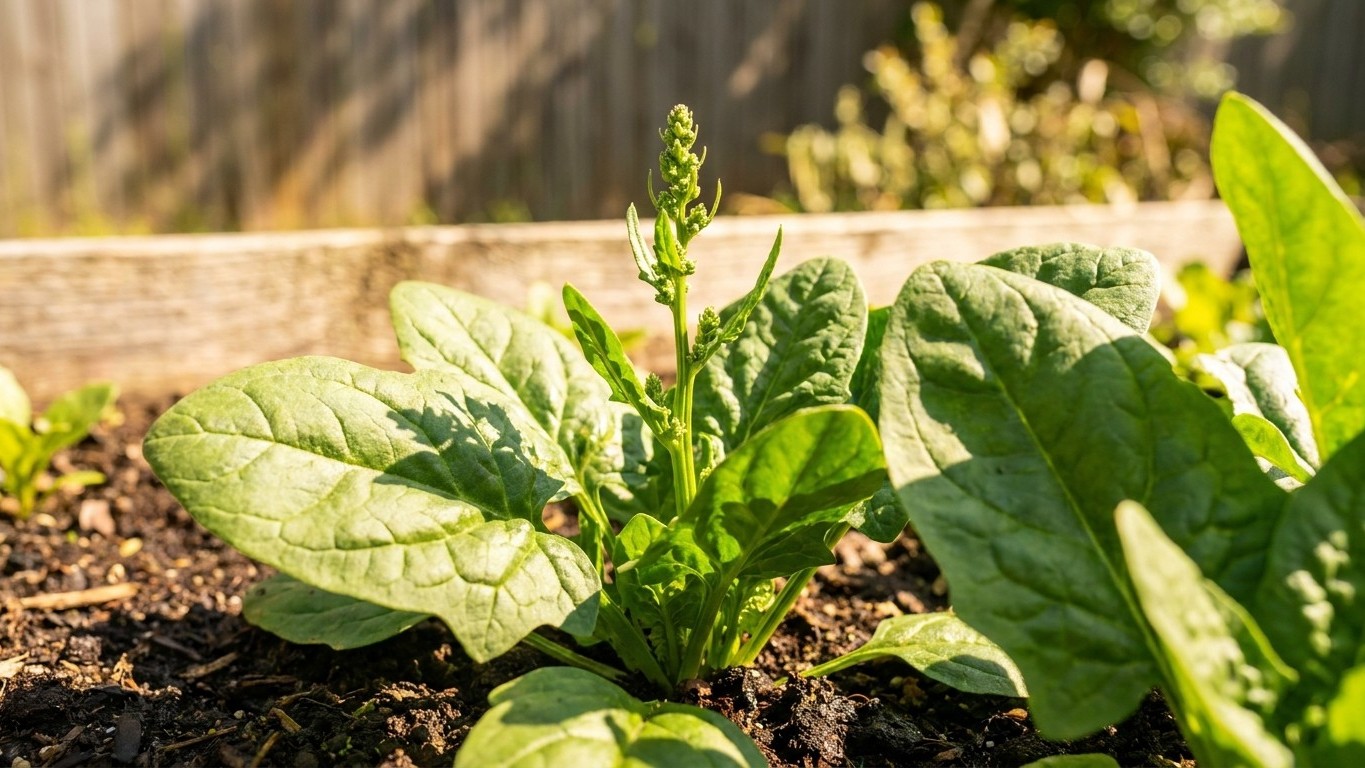
Yes, spinach bolts fast in Nunavut, and heat has almost nothing to do with it.
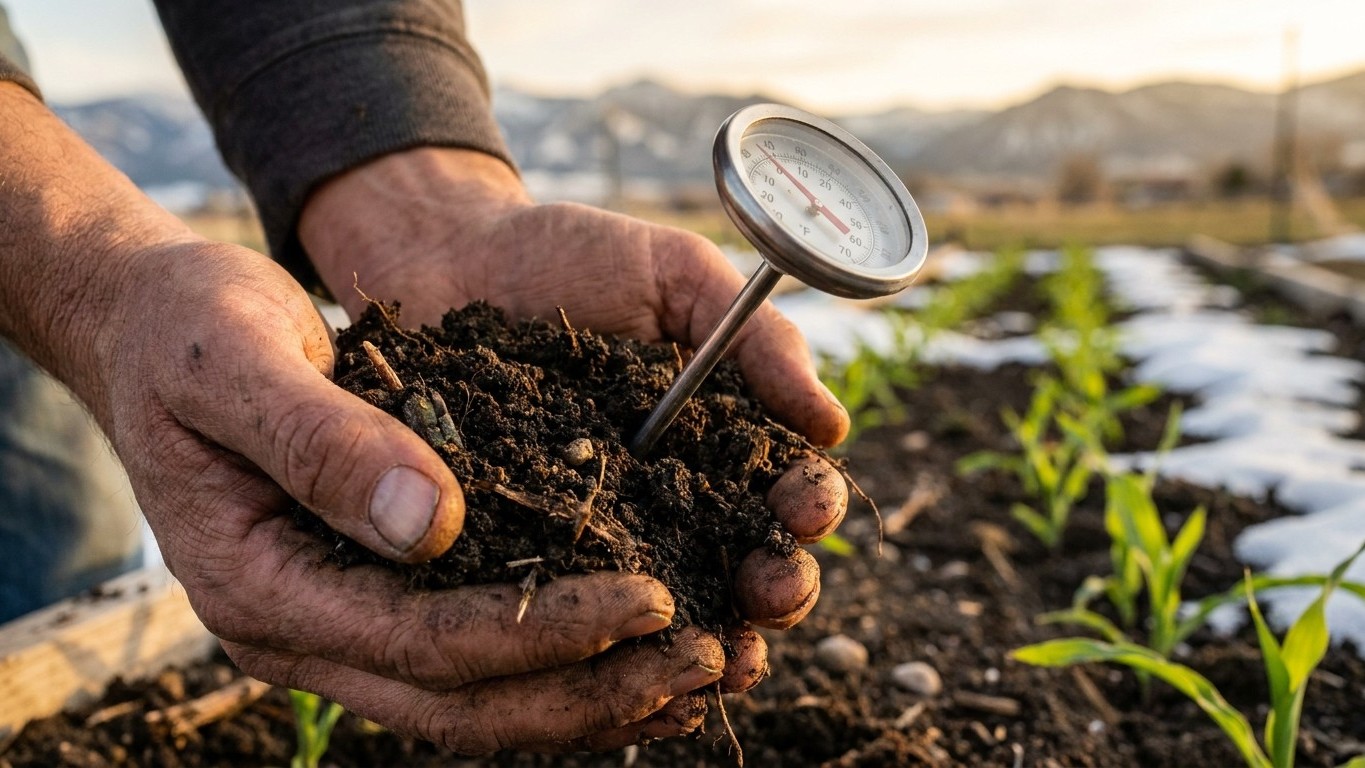
No, not reliably. Sweet corn needs soil above 60°F before its 60- to 90-day clock even starts, and at Rankin Inlet A that threshold arrives well after…
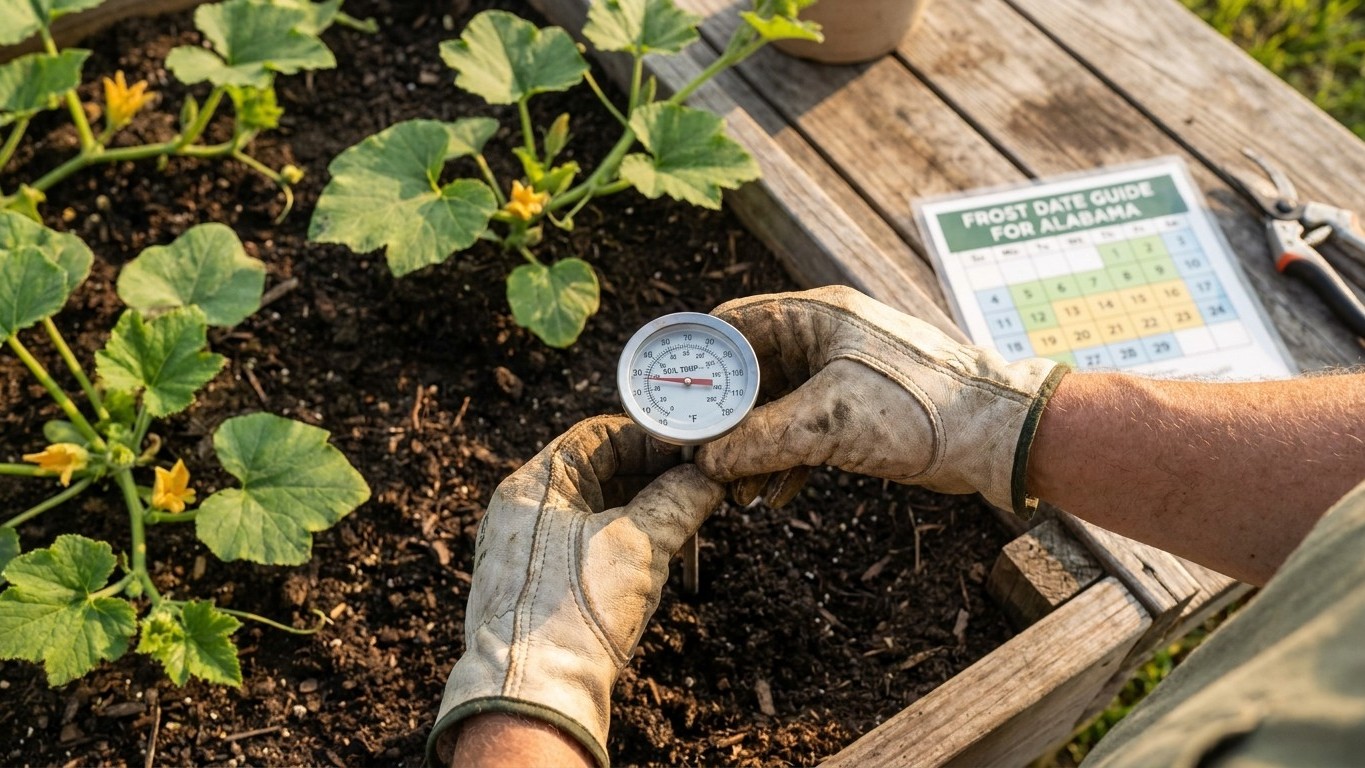
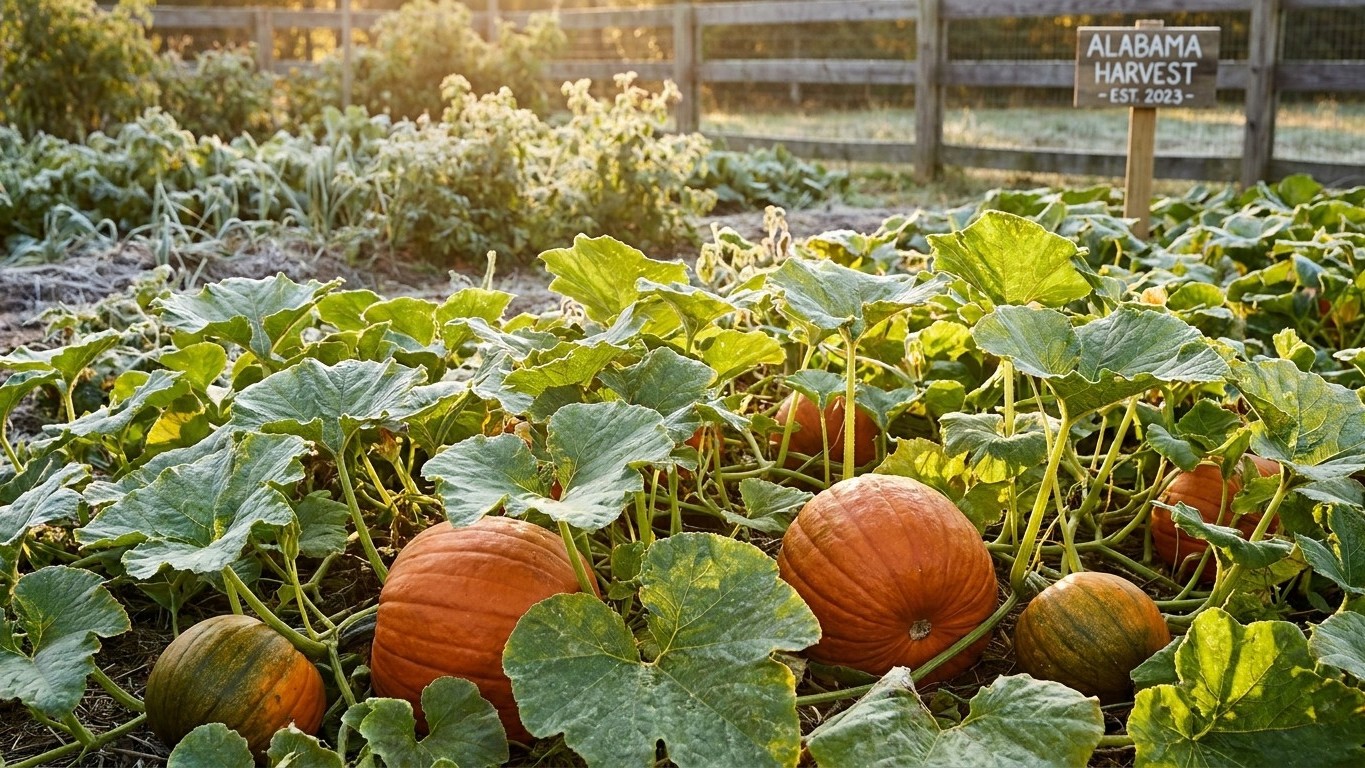
In Nunavut, sow pumpkin seed once the soil at seed depth has warmed to 65°F, not simply once the air clears frost.
Nunavut’s frost-free stretch runs from a mean last spring frost on June 19 to a mean first fall frost on September 13, roughly 86 days if both dates land…
The short answer: not really. Nunavut’s growing season, bounded by an average last frost near June 19 and an average first frost around September 13…
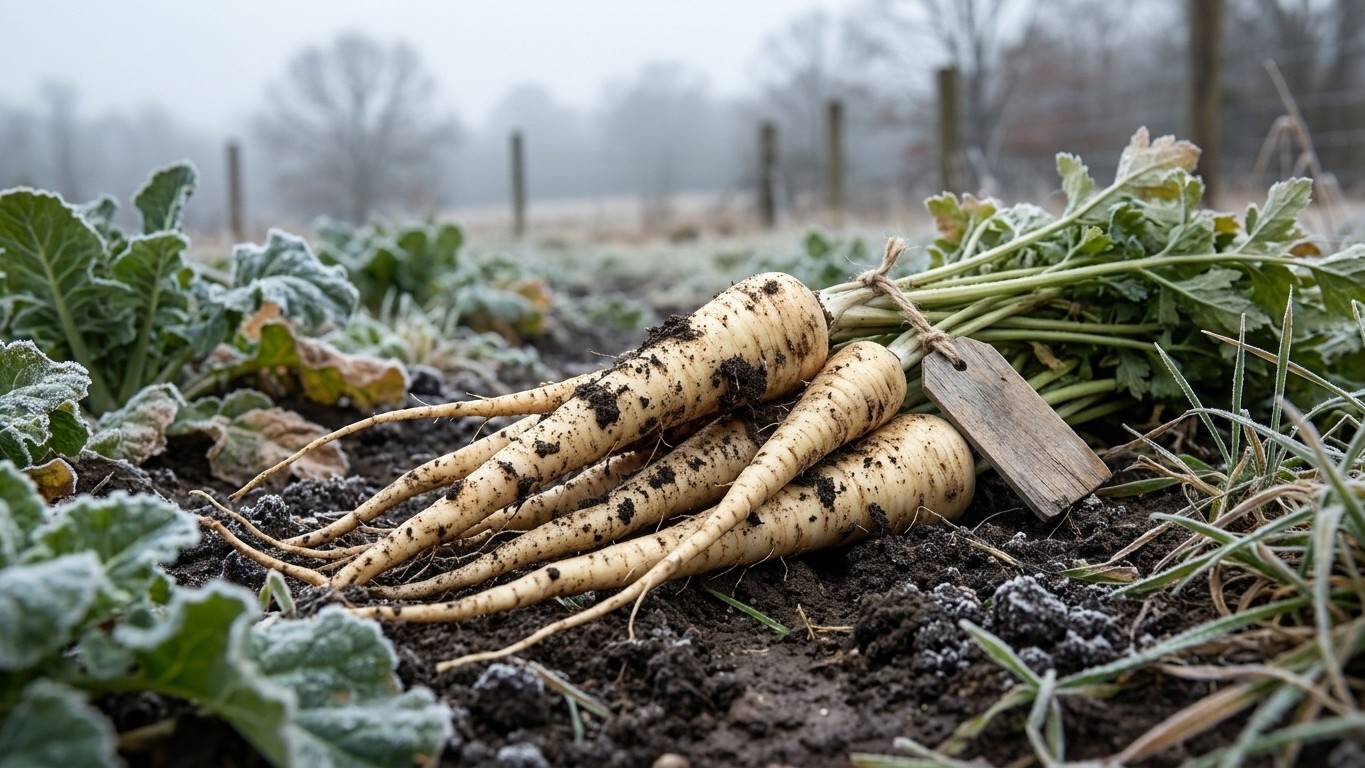
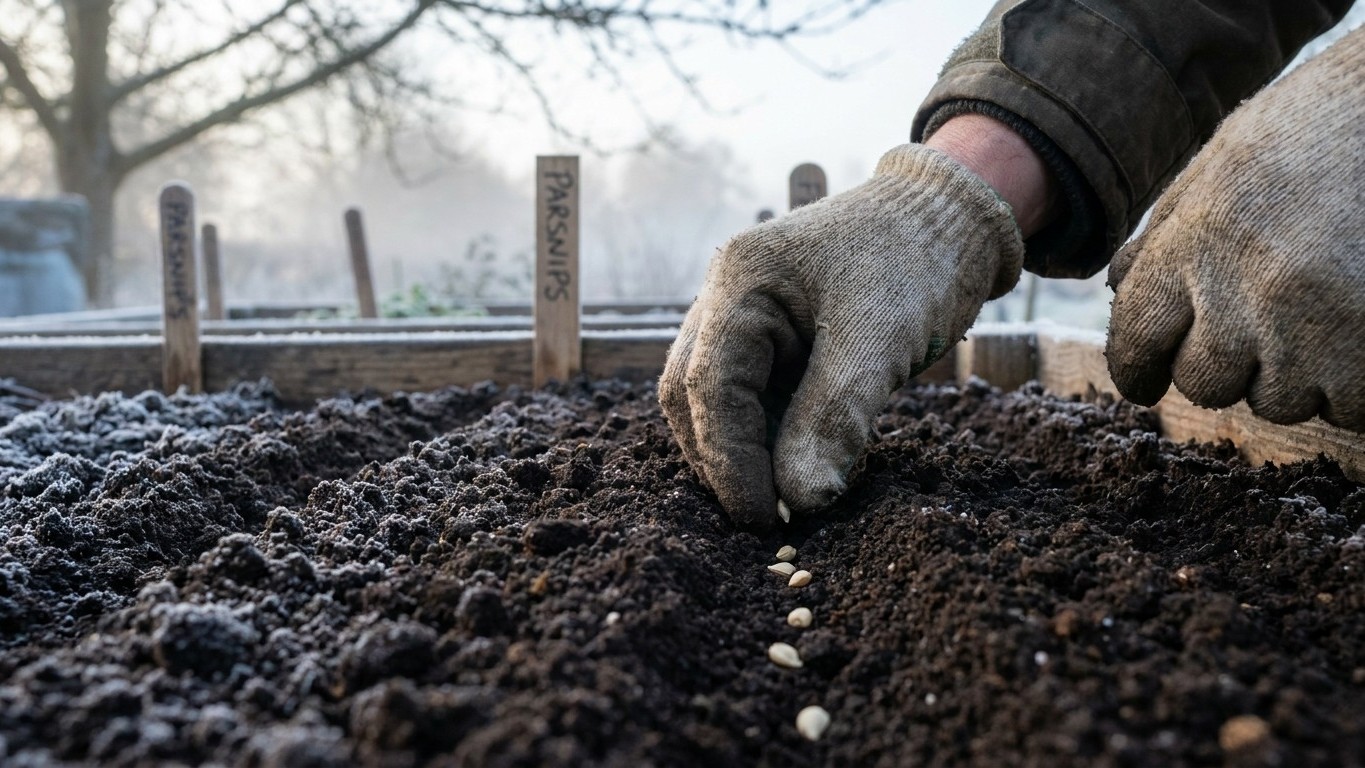
Nunavut delivers plenty of frost exposure, more than almost anywhere parsnips are grown in North America.
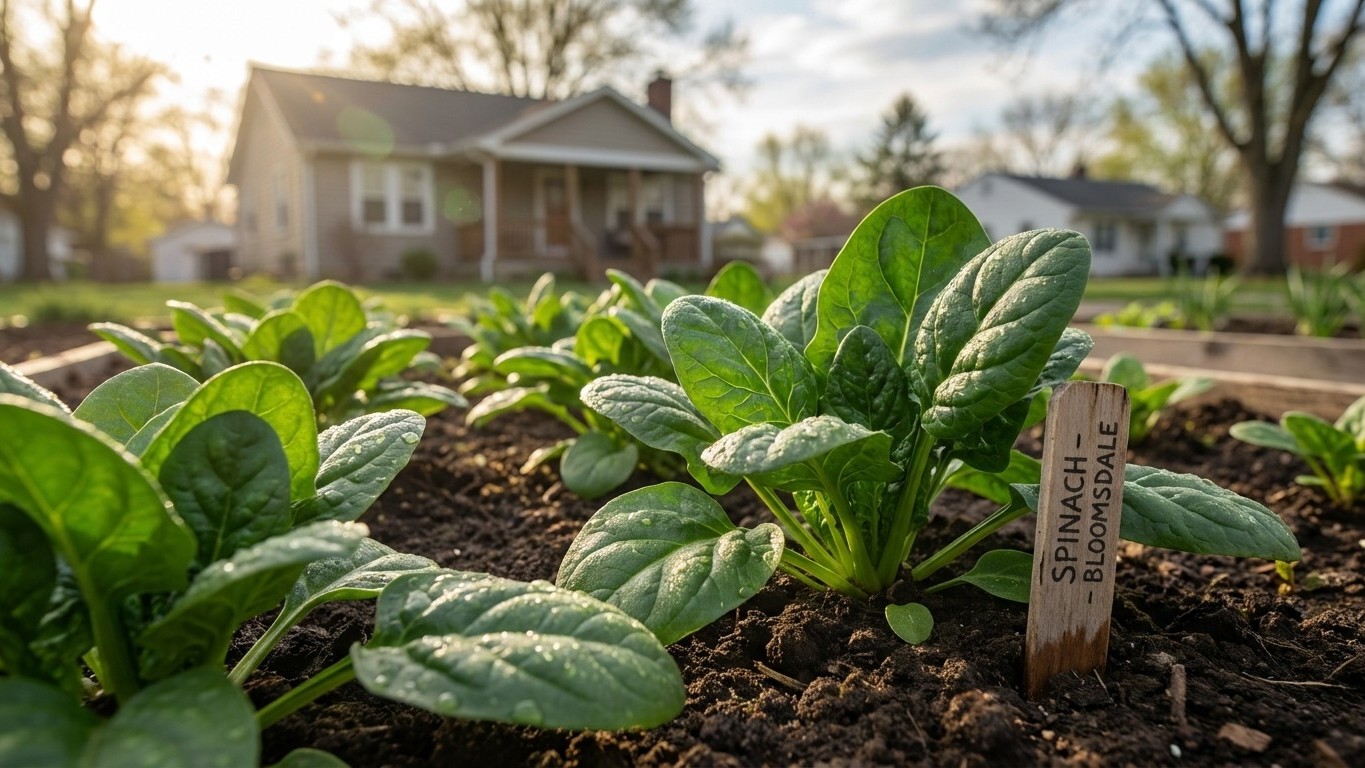
In Nunavut, spinach bolts on the calendar rather than the thermometer. The territory logs 19 hours and 41 minutes of daylight on its longest day, and…
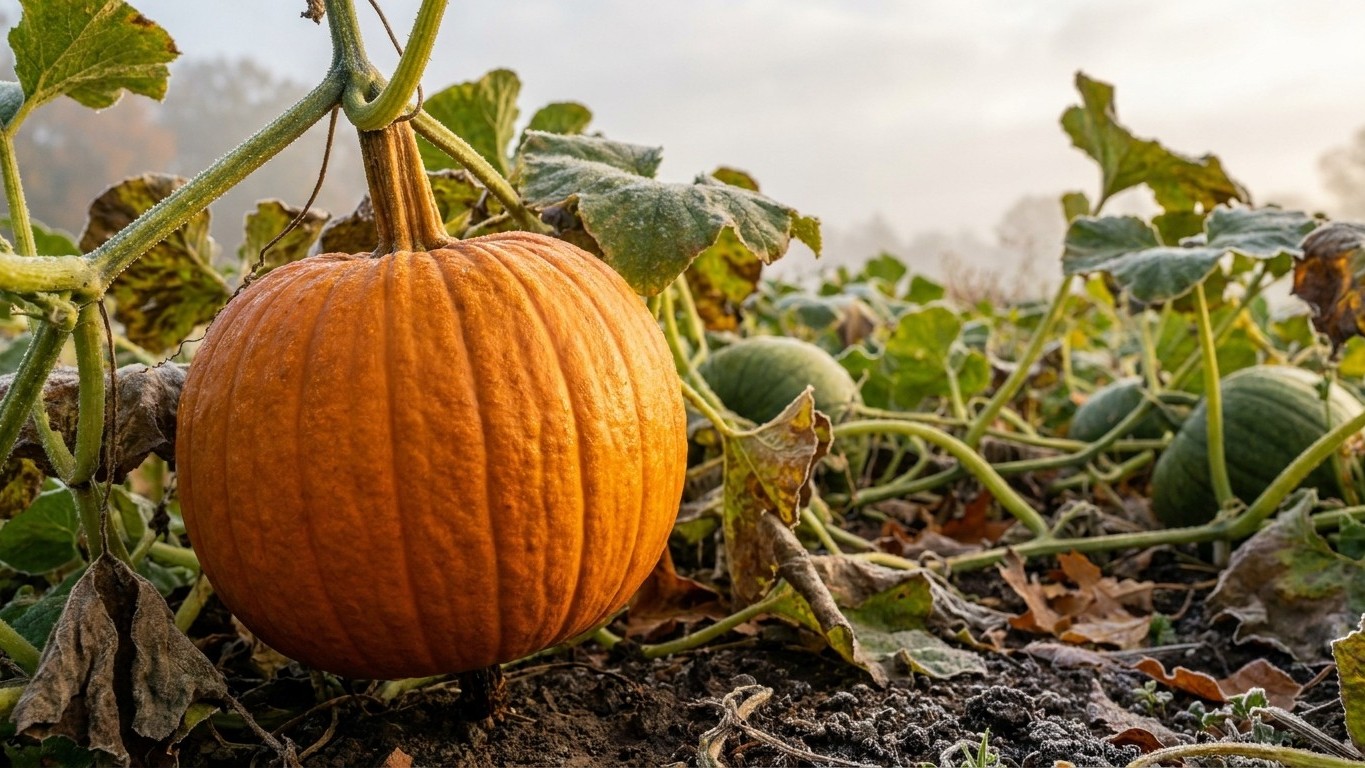
Nunavut’s growing season leaves almost no slack for a pumpkin vine. With an average last spring frost near June 19 and an average first fall frost near…
In Nunavut, there’s no month when the heat clicks off. At Rankin Inlet, the region’s benchmark climate station, the average temperature stays below the…