When to Overseed a Lawn in Nunavut
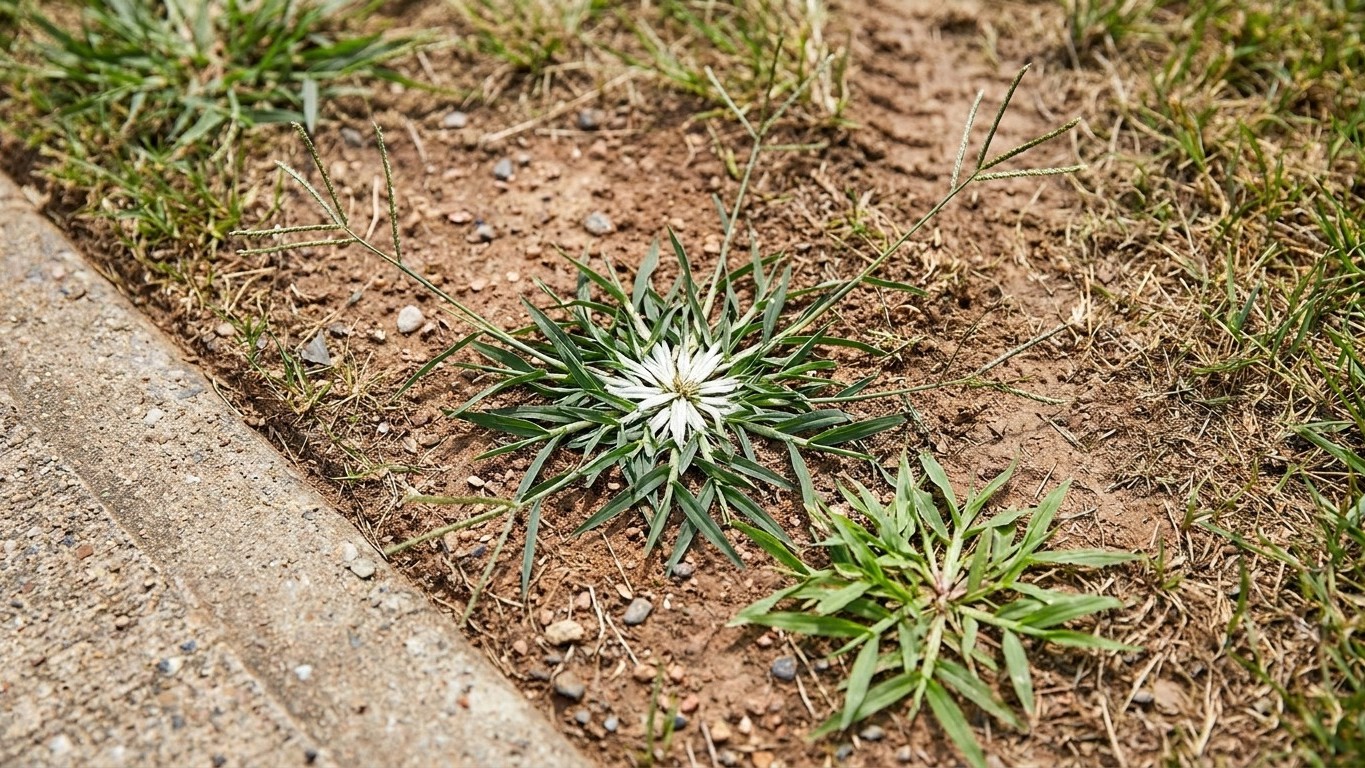
Overseeding in Nunavut has to happen while the ground is still workable, which in most communities means the back half of July through the first week or…
Home & garden, state by state
Everything we have worked out for Nunavut: what to plant and when, which varieties finish in time, the pests that actually turn up here, and the jobs that pay off month by month. We also cover the rest of the property, from lawns and soil to home care and energy, because a garden rarely stops at the vegetable bed.
The numbers first, because everything else follows from them. Measured at the weather station in Rankin Inlet, the last spring freeze falls around June 19 and the first fall freeze falls around September 13, 159 growing degree days in the year.
That is little accumulated warmth: tomatoes need a tunnel or a greenhouse here, whatever the frost dates suggest. Garlic does well: 43.5 weeks below 40 °F, comfortably past the six it needs to form a proper head.
Figures from Environment and Climate Change Canada. A state is not one climate: elevation, a large lake or the coast can move these dates by two weeks either way, so check your own county with the extension service before you spend money.
Overseeding in Nunavut has to happen while the ground is still workable, which in most communities means the back half of July through the first week or…
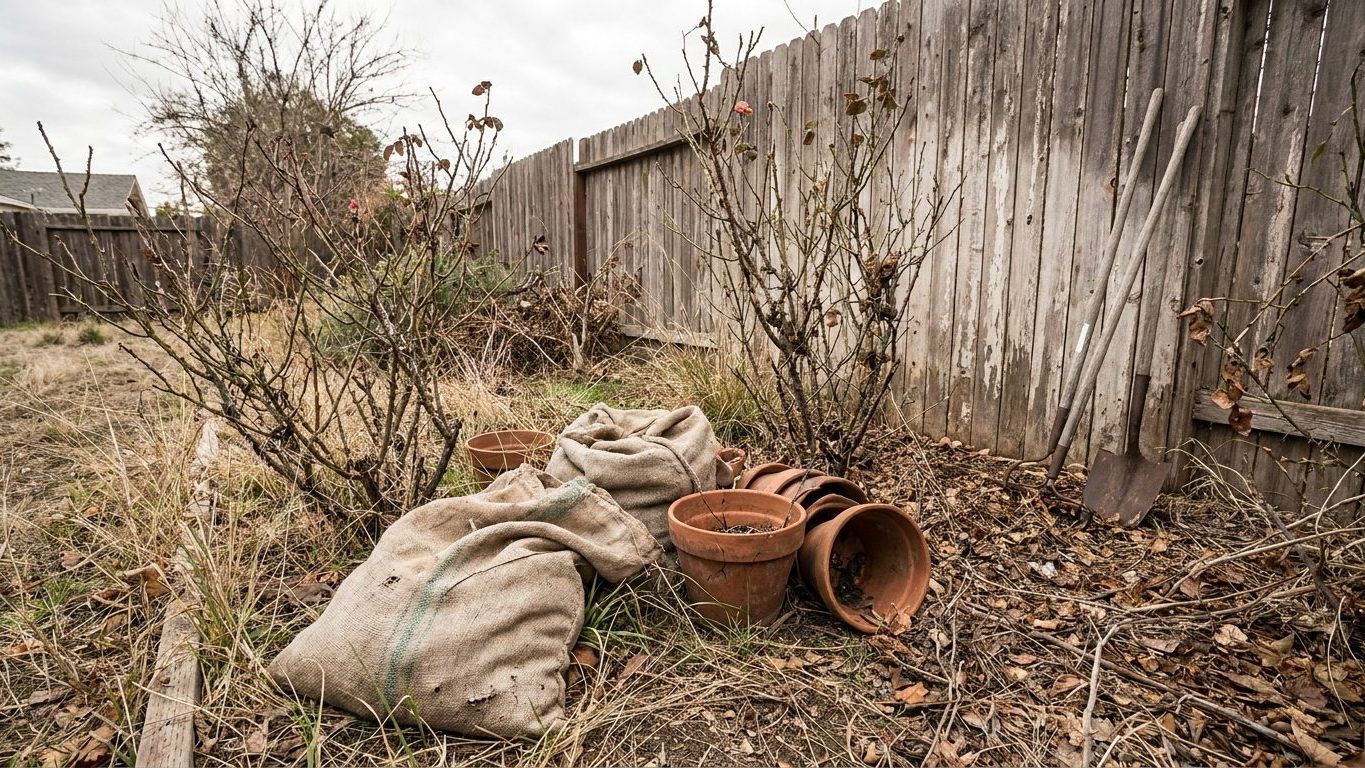
In Nunavut, the growing season runs on average from June 19, when the last spring frost typically occurs, to September 13, when the first fall frost…
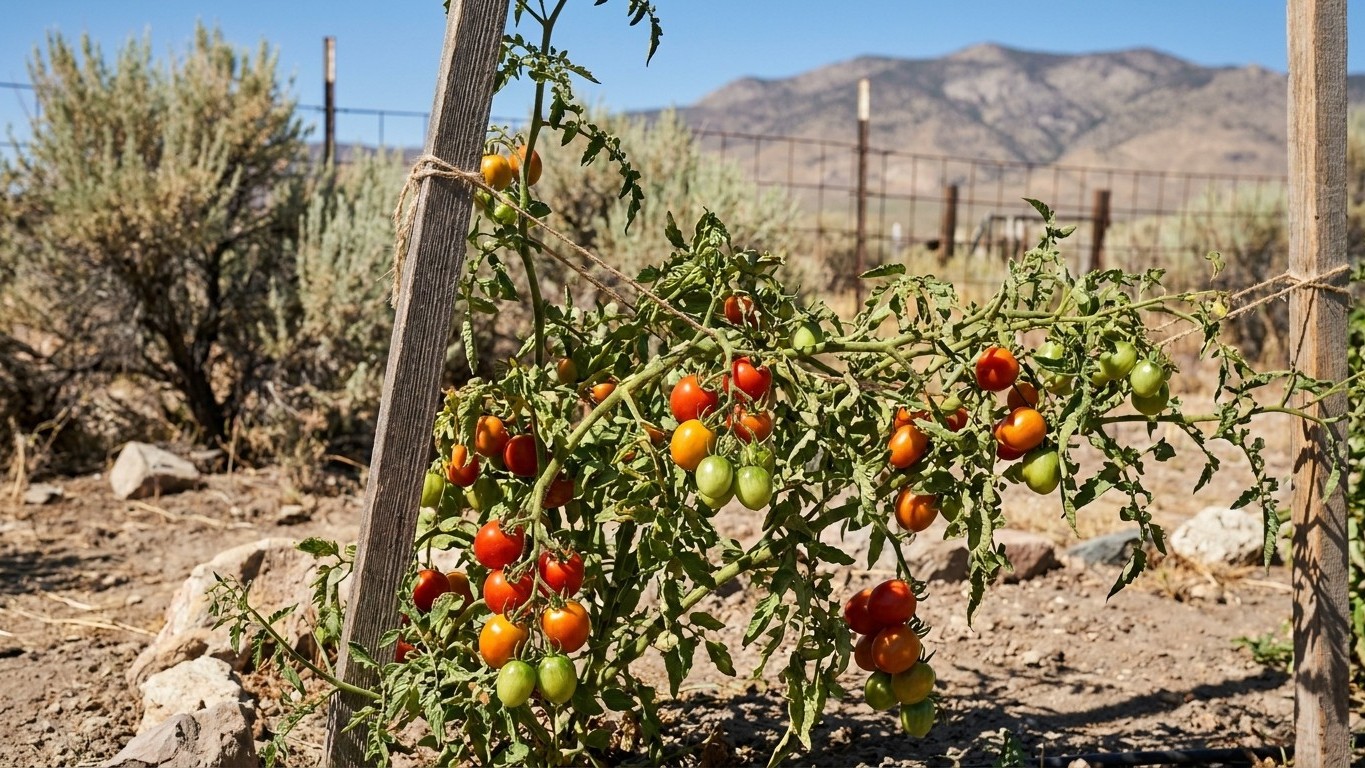
Pick tomatoes in Nunavut whenever frost is forecast, not on a set date. The fall frost average for the Rankin Inlet area sits at September 13, but that’s…
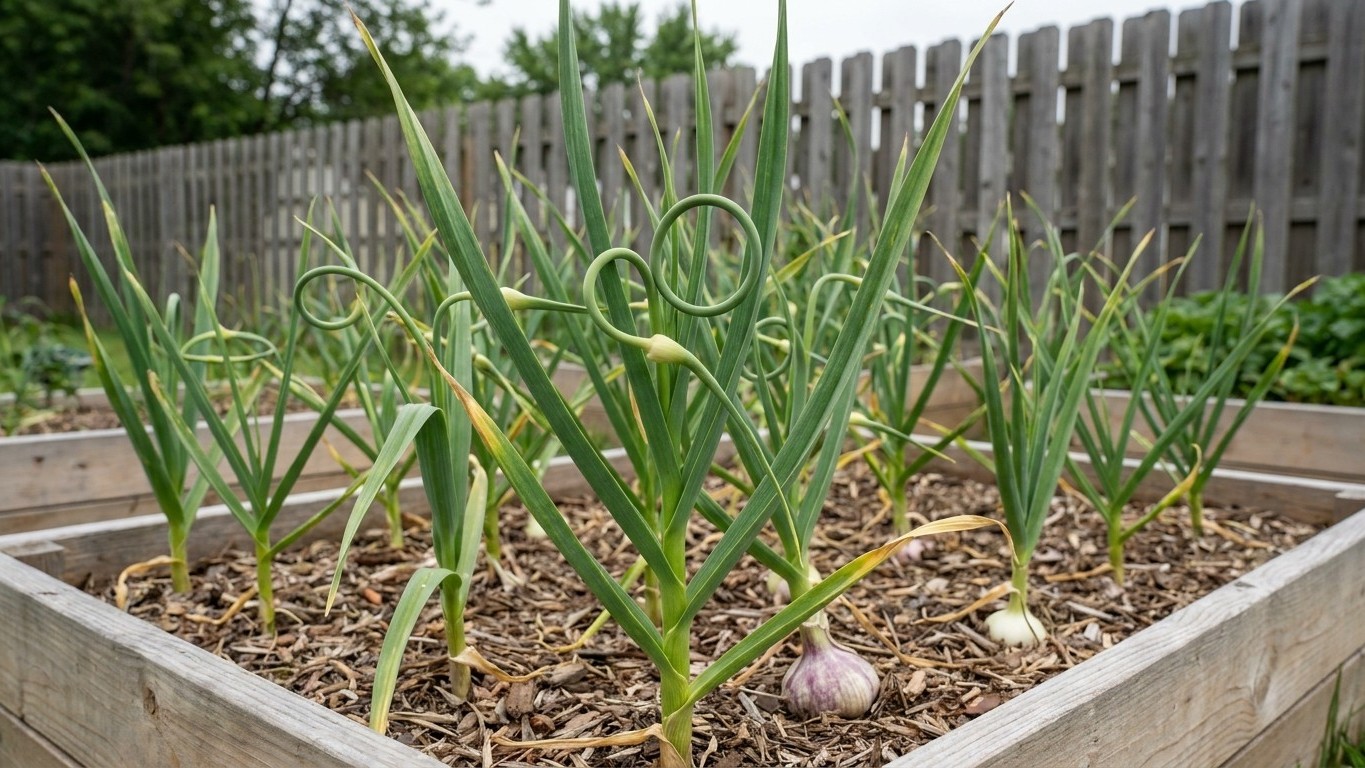
Garlic in Nunavut gets lifted in a narrow midsummer window, generally mid-to-late July into early August, because it went into the ground the previous…
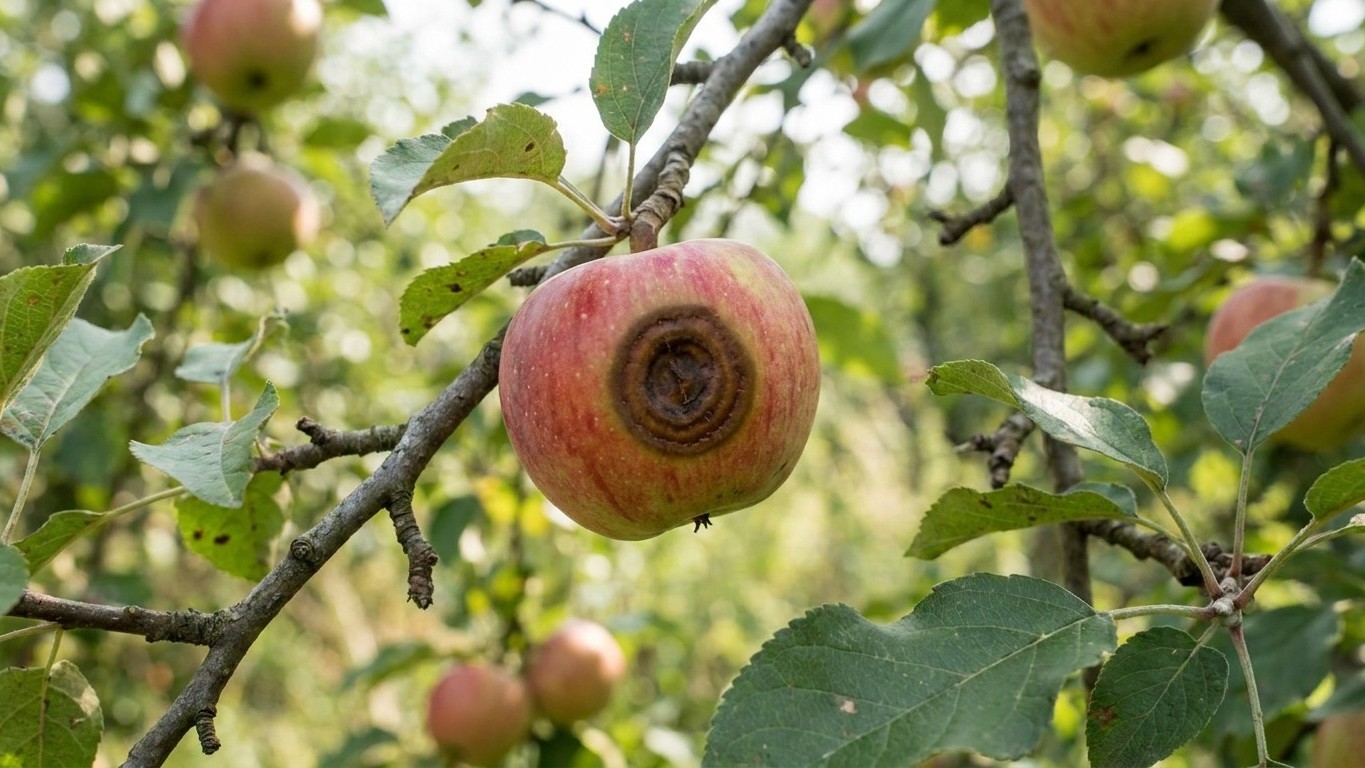
No commercial orchard in Nunavut publishes a picking date, because no reference orchard exists here in the way southern Canada or the northern U.S.
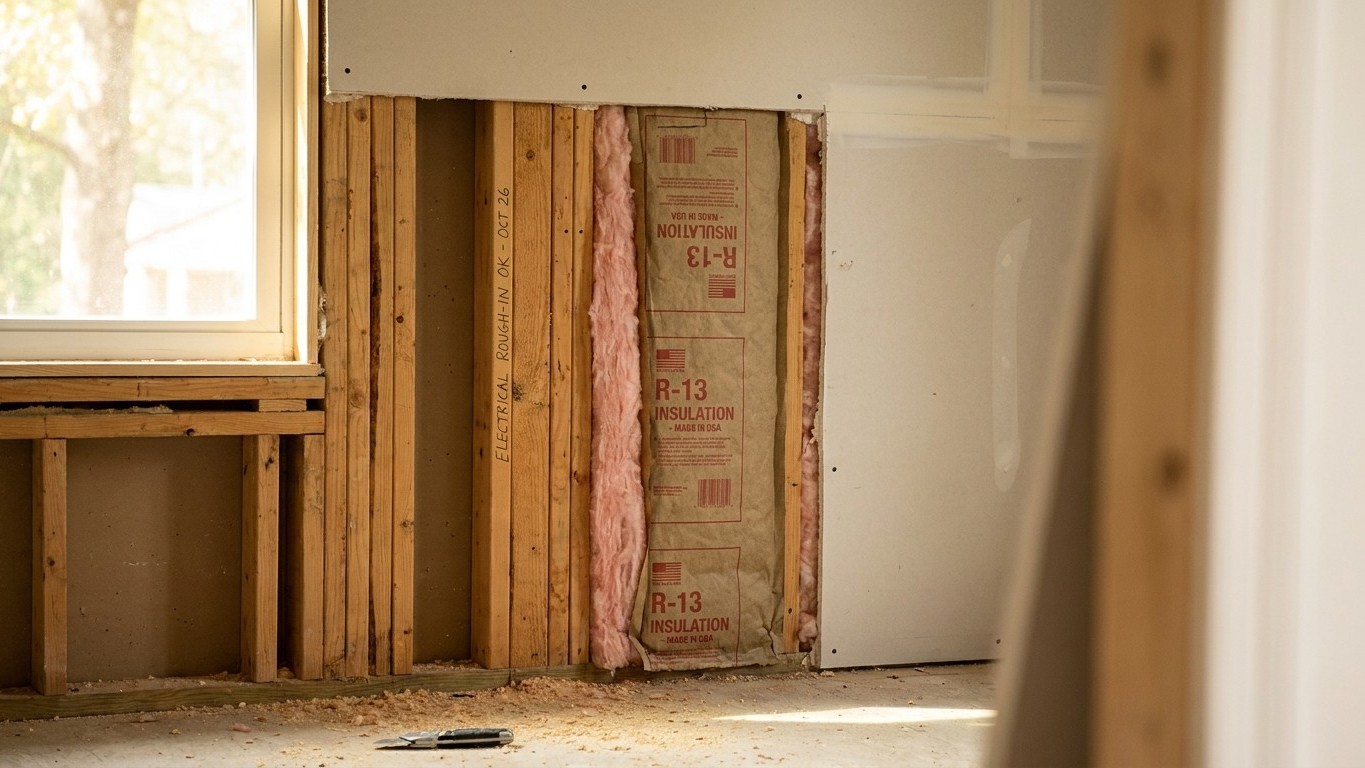
Yes. Under the National Building Code of Canada, Part 9, Article 9.25.4, a vapour barrier is required in insulated wall assemblies, and that requirement…
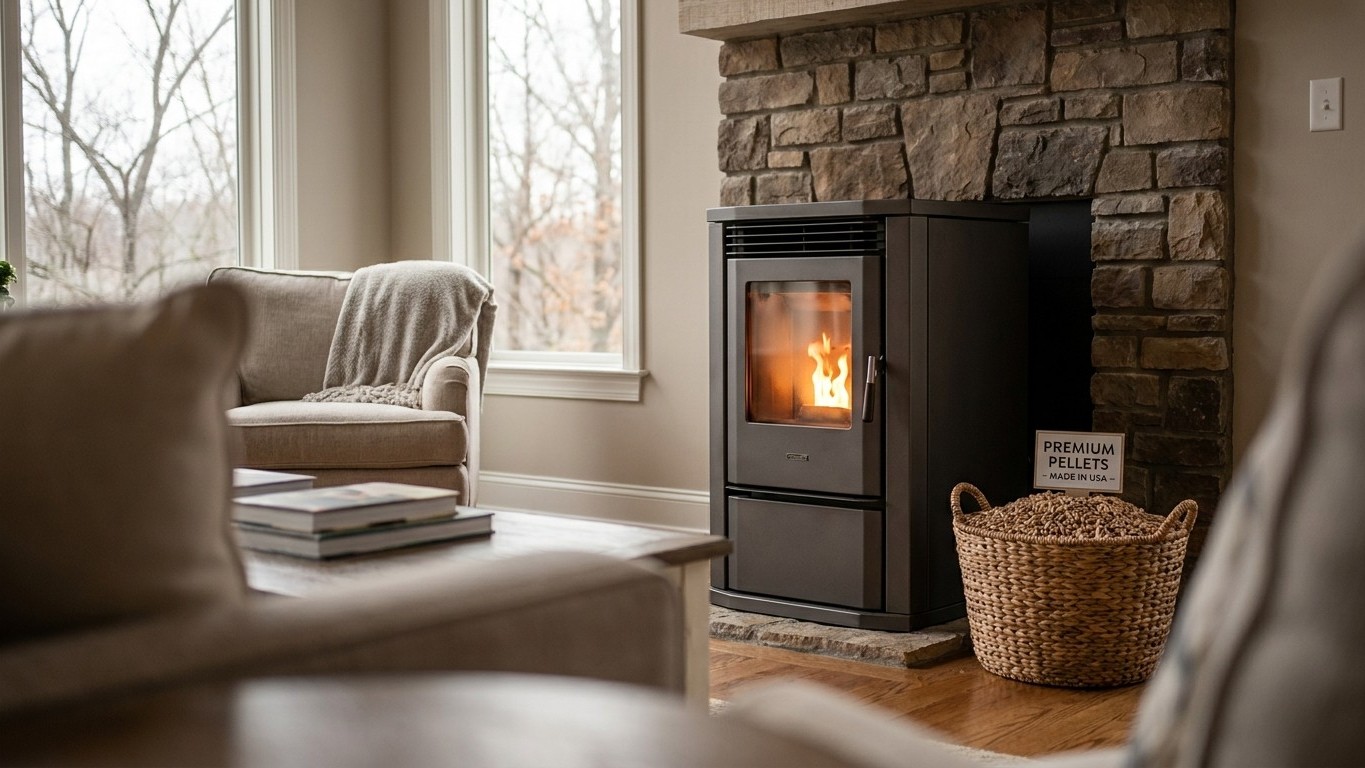
At Rankin Inlet, the reference weather station for Nunavut, the climate racks up about 10,376 heating degree days a year.
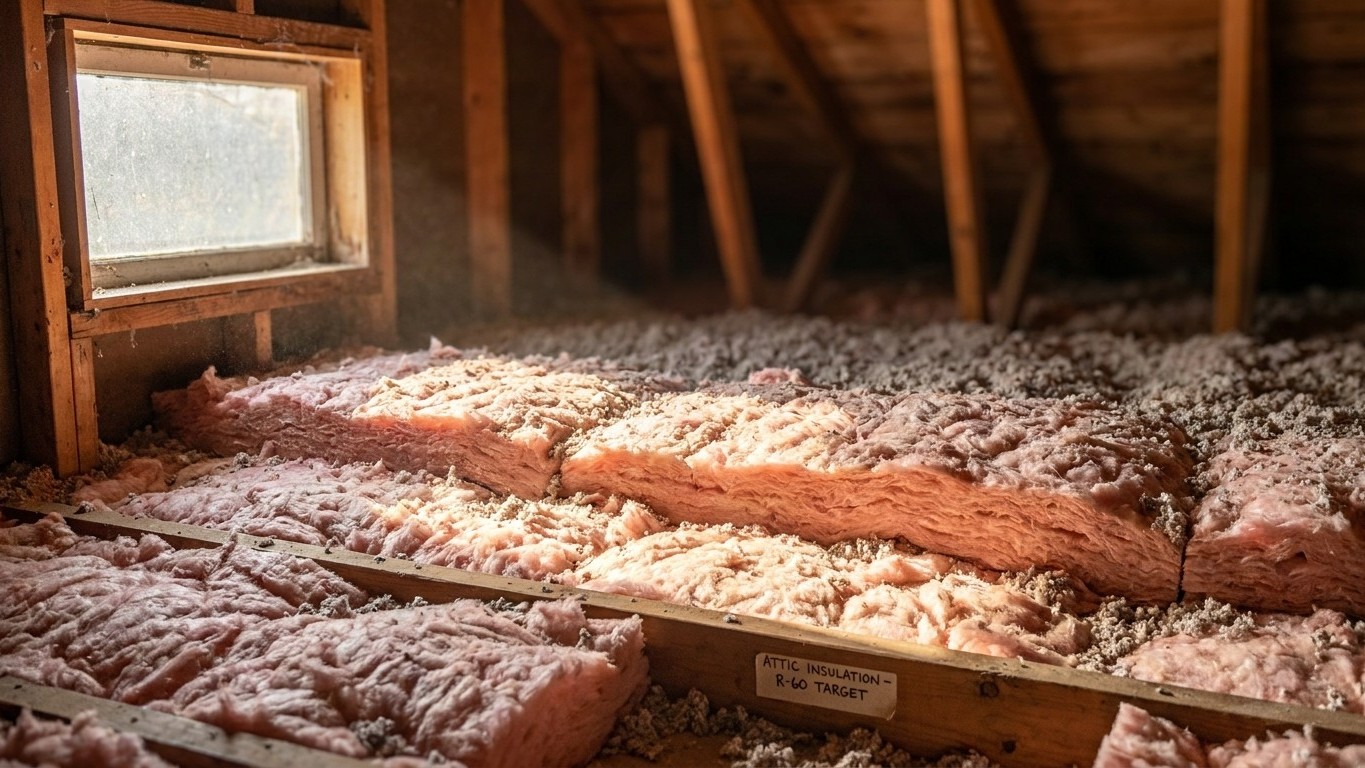
Nunavut’s only reliable benchmark, the Rankin Inlet A weather station, logs about 10,376 heating degree days below 18°C in an average year.
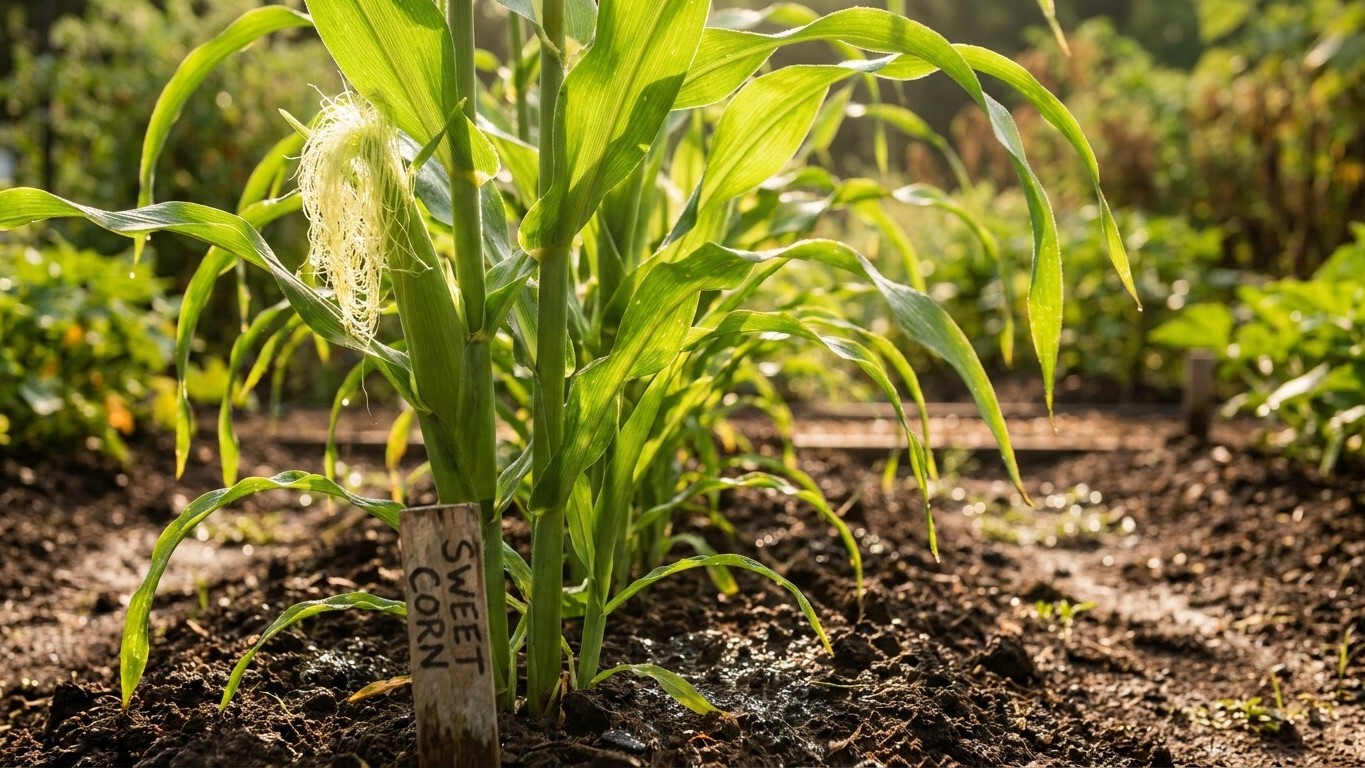
The direct answer is no, not reliably, and not in the open garden. Nunavut’s growing season is too short and too cold for sweet corn to reach the milk…
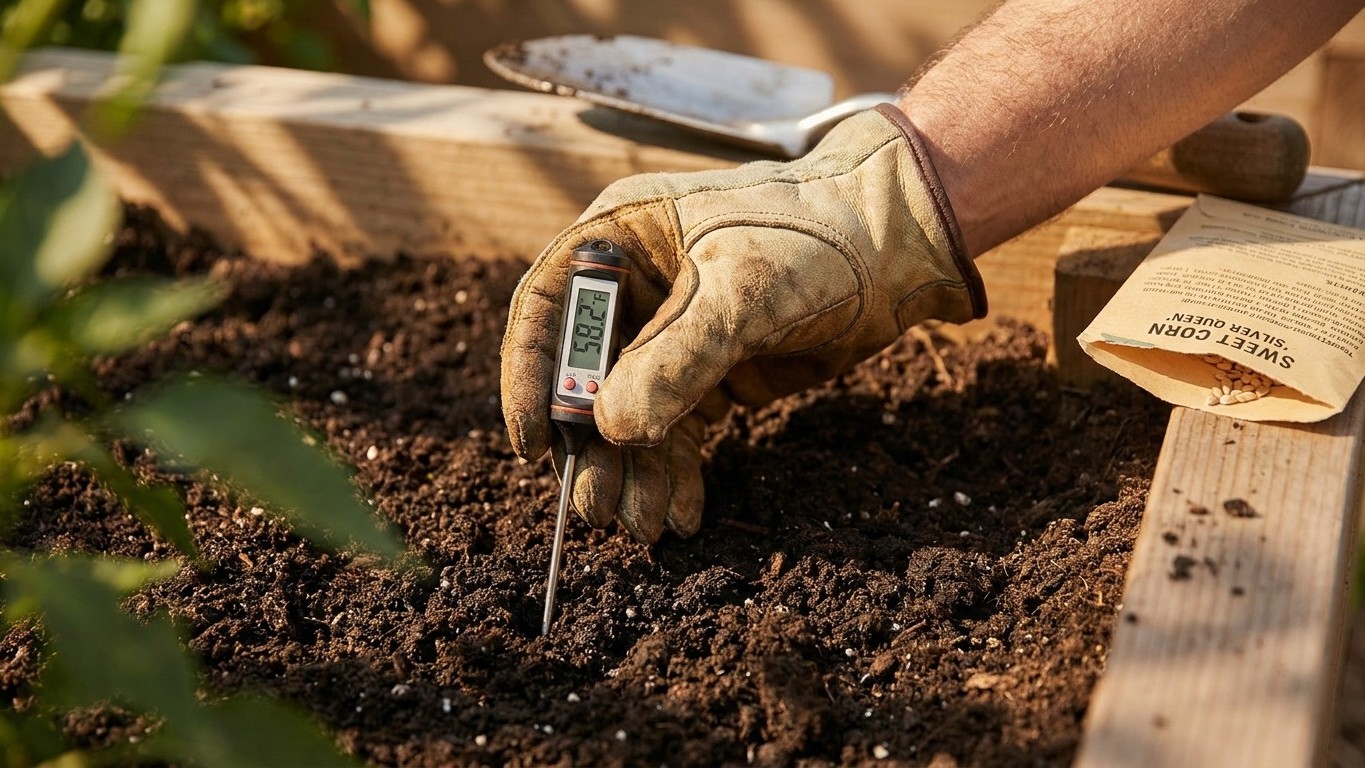
In Nunavut, sweet corn sits right at the edge of what’s realistic outdoors. The mean frost-free stretch runs from June 19 to September 13 at the Rankin…