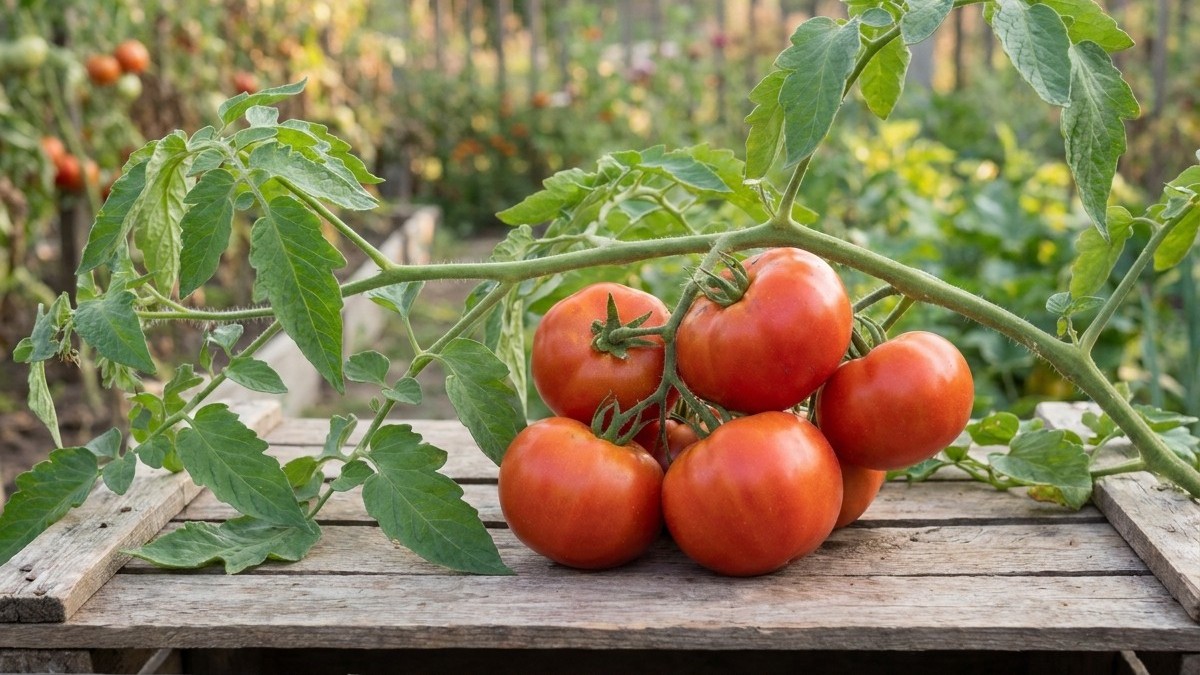

Pick when frost threatens or when fruit shows full color, whichever comes first. In most of Oklahoma, that means clearing vines before the first fall freeze hits sometime between October 29 and November 8, and it means checking plants every day or two once tomatoes start turning from green to a blush of pink or yellow. Ripe or not, once a hard freeze is forecast, everything worth saving comes inside.
When to pick tomatoes in Oklahoma
The freeze date matters more than the calendar. NOAA’s 1991-2020 climate normals put the first fall frost for the Oklahoma City airport station somewhere between October 29 and November 8, based on the 30 to 70 percent probability band for a 32-degree low. That’s a two-week window, not a single date, and it’s specific to that one weather station. Gardens outside the metro, especially in rural spots or at higher elevation, often see frost arrive a week or two earlier than the airport reading suggests. If you garden in the Panhandle, or up toward Kansas, don’t assume the airport’s window applies to you. Check your own county’s frost history before you bet a whole harvest on it.
The state also spans USDA hardiness zones 6a through 8a, a range built entirely on average annual extreme minimum winter temperature. That spread from the Panhandle to the southeast corner doesn’t just affect what survives winter, it shifts the whole growing season earlier or later depending on where you are. A zone 8a garden near the Red River is working with a longer frost-free stretch than a zone 6a garden near Guymon. That’s worth knowing when you’re deciding how aggressively to strip the vines in fall, though the details of planting windows belong on a different page.
Reading the fruit, not just the calendar
Color is the better guide day to day. A tomato at the “breaker” stage, showing the first tinge of color at the blossom end, has already reached mature size and will finish ripening off the vine with very little loss in flavor or texture. Waiting for full red on the plant gets you the best taste, but it also means the fruit is exposed to cracking, sunscald, and whatever birds or insects decide to sample first. Many home growers split the difference: pick at breaker or “pink” stage for anything near the porch rail, and let a few stay on the vine longer for eating fresh off the plant.
Late in the season, the decision stops being about flavor and becomes about the freeze forecast. Once nighttime lows are flirting with the 30s, on any night, not just the ones NOAA’s window says are likely, it’s time to strip the plant of everything with size, color, or firmness worth saving. A local OSU Extension office can confirm freeze timing for your specific county if the airport-based window doesn’t match what you’re seeing on your own thermometer.
What to do with the green ones
Not every green tomato is created equal, and that distinction decides what happens to it next. A mature green tomato has reached full size, has a glossy rather than dull skin, and shows a whitish or pale green color at the blossom end, sometimes with the faintest hint of pink starting underneath. Those will ripen. An immature green tomato, still small, dark green, and matte-skinned, generally won’t turn color no matter how long you wait. Sorting the two apart before frost saves you from wasting storage space on fruit that’s simply never going to ripen.
For the tomatoes that are still hard and dark green but full-sized, fried green tomatoes are the obvious use, along with green tomato relish, salsa verde-style sauces, or pickled green tomatoes. These preparations lean on the tartness and firmness that make an unripe tomato a poor candidate for a sandwich but a fine one for a skillet or a jar. If you’re facing a frost with dozens of pounds of green fruit still on the vine, cooking or preserving a portion immediately is often more realistic than trying to ripen everything indoors at once.
Sorting before the freeze hits
When a freeze is forecast, harvest everything that’s showing any hint of color first, then move to the mature greens, and leave the small, dark, immature fruit on the vine since it has little chance of ripening either way. Handle the fruit gently. A bruised tomato ripens unevenly and rots faster than one that went straight from vine to counter without a bump. Twist or clip rather than yank, since tearing the stem scar open gives mold an entry point during the weeks it sits in storage.
Lay the harvested green tomatoes in a single layer if possible, on newspaper, in a shallow box, or on a countertop. Stacking them, especially the mature greens destined to ripen slowly, traps moisture and speeds rot in whichever fruit is on the bottom. Check the pile every few days and pull out anything that’s gone soft or started to mold before it spreads to its neighbors.
Ripening indoors, and how long they keep
Tomatoes ripen through ethylene gas, the same compound that makes bananas and apples turn brown faster when they sit together in a bowl. Putting a green tomato in a paper bag with a ripe banana or apple traps that gas around the fruit and speeds up the color change, often noticeably within a few days. A cardboard box with the flaps loosely closed does something similar on a larger scale, useful if you’ve stripped a whole row of vines ahead of a freeze.
Temperature matters as much as the ethylene trick. Tomatoes ripen best somewhere in the 55 to 70 degree range, out of direct sun. A sunny windowsill looks like the obvious spot, but direct heat and light can make the skin soften unevenly or scald before the inside catches up. A kitchen counter, a spare room, or a closet shelf away from a heat vent works better than glass exposed to afternoon sun. Refrigeration is the opposite of helpful here: temperatures below about 55 degrees stop the ripening process and can leave tomatoes mealy and flavorless once they do turn color, so hold off on the fridge until a tomato is already fully ripe and you’re just trying to stretch its last few days.
How long the wait actually takes
A tomato picked at breaker stage, with just a blush of color, typically finishes ripening within one to two weeks at room temperature. A fully mature green tomato with no color at all can take two to four weeks, and some stragglers take longer or never quite get there. Checking the pile every couple of days and pulling ripe fruit out as it turns keeps the rest from being crowded or bruised by fruit that’s already soft.
Once ripe, a tomato holds its quality for roughly a week at room temperature and a bit longer, several more days, in the refrigerator, though the texture and flavor both suffer some from the cold. For a harvest that’s ripening in waves through the fall, staggering the trip to the counter, moving a few tomatoes at a time out of cold storage and into ripening conditions, keeps you from ending up with a dozen tomatoes going soft on the same day.
What goes wrong here
Timing mistakes account for most of the disappointment. Picking too early, before any color has started, means weeks of waiting for a tomato that may never develop full flavor. Picking too late, after a freeze has already touched the fruit, gives you a tomato that looks fine on the counter but turns to mush within a day because the cell walls were damaged by ice. The safest window is that brief stretch between the first hint of color and the first hard freeze, and it’s worth checking your local forecast rather than relying only on the NOAA normals, since actual weather in a given fall can arrive well outside that 30 to 70 percent probability band.
Splitting and cracking show up often in fall harvests, usually after a dry stretch followed by heavy rain or a big drink from the hose. The fruit swells faster than the skin can stretch, and a split skin invites rot within a day or two, so those tomatoes need to come off the vine and get used immediately rather than sitting in a ripening box. Blossom end rot, the flat brown patch at the base of the fruit, is a calcium and watering issue rather than anything to do with picking timing, but it does mean checking each tomato before it goes into storage, since one bad spot can spread mold to everything touching it.
Crowding is the quiet failure. Green tomatoes stacked two or three deep in a box ripen unevenly, and the ones on the bottom often rot before they ever turn color, simply from trapped moisture and the weight of fruit above them. A single layer, checked regularly, with the ripe ones pulled out as they go, avoids most of the loss that comes from an otherwise successful harvest sitting forgotten in a box in the garage.
Common questions
Will a green tomato ripen if it’s still small and hard?
Generally no. Size and skin texture matter more than color alone. A small, dark, matte-skinned tomato hasn’t reached the mature green stage and typically stays green or rots before it turns, so those are better used cooked than saved for ripening.
Does wrapping tomatoes in newspaper help them ripen?
It helps more with protection than ripening itself. Newspaper cushions the fruit from bruising and keeps individual tomatoes from touching each other, which slows the spread of mold, but the ethylene from a nearby banana or apple does the actual work of speeding up color change.
Can I pick tomatoes right before a frost even if they’re not close to ripe?
Yes, and it’s usually the right call. Anything that’s reached full size with even a hint of paling at the blossom end has a decent shot at ripening indoors, while fruit left on a frost-damaged vine turns to mush within a day or two.
Why did my county’s frost come earlier than the date I found online?
Published frost windows, including the NOAA normals used for Oklahoma, are measured at a specific airport weather station. Rural gardens, low-lying areas, and higher elevations routinely see frost arrive a week or two before the reference station does, so local judgment and your own thermometer matter more than a single published date.