
Hardy roots fit Pennsylvania best: salsify, scorzonera, parsnip, celeriac and burdock, plus perennial tubers like Jerusalem artichoke. Tender Andean and tropical roots such as yacon, oca and ginger can work, but only with an indoor head start and a lifting date before the first freeze. The state runs from mild Philadelphia to the cold Alleghenies, so the right pick shifts with where you garden.
The short answer for Pennsylvania
Decide by type, and let season length do the sorting. Hardy roots go in early and stay in the ground until cold sweetens them. Tender roots go out after the last freeze and come up before the first. The numbers here come from Philadelphia, the mildest corner of the state. NOAA’s 1991-2020 normals put the last spring frost between March 29 and April 6, and the first fall frost between November 5 and November 16.
Those dates are not deadlines. They bracket the band where the probability of a 32°F freeze runs between 30 and 70 percent, so a freeze on either side of them is still possible. Between the two bands sits roughly seven months, which is generous for slow crops. Winter is mild by northern standards too: the mean daily minimum of the coldest month is 26.0°F. That is an average of nightly lows, not a record, so colder nights will come.
| Type | Examples | Fit in Pennsylvania | How to handle it |
|---|---|---|---|
| Hardy taproots | Salsify, scorzonera, parsnip, burdock | Strong, statewide | Sow in early spring, harvest after fall frosts |
| Long-season celery relatives | Celeriac, Hamburg parsley | Good with transplants | Start indoors, set out after the last freeze |
| Perennial tubers | Jerusalem artichoke | Strong, even in cold areas | Plant once, contain the spread |
| Tender tropical and Andean | Yacon, oca, ginger, turmeric | Marginal, best in the southeast or containers | Indoor start, plant after frost, lift before first freeze |
Why the hardy group wins
Salsify, scorzonera and parsnip germinate in cool soil and want a long, unhurried season. Pennsylvania’s spring gives them one. Fall frosts then convert some of their starch to sugar, which is why a parsnip dug in November tastes better than one pulled in September.
Where the tender group fits
Yacon and oca ask for the full season and a lifting date. In the Philadelphia area that is realistic. Elsewhere in the state, treat them as containers you can drag into a garage.
What will not work here
Sowing tender roots on the last-frost date fails more often than people expect. Even at Philadelphia, the March 29 to April 6 band means a freeze remains plausible that week, and the soil is still cold. In the northern tier and the Alleghenies, where spring runs two to four weeks later, the same habit costs you the planting. Oca, yacon and ginger sulk in cold ground, and cold wet soil rots what it does not stunt.
Leaving tender crowns in the ground over winter fails too. A coldest-month mean minimum of 26.0°F at Philadelphia, the mild corner, means freezing nights are normal, and the rest of the state is colder. Ginger, turmeric and yacon crowns left outdoors will not come back. Mulch softens a frost, not a winter.
Late sowing of slow roots is the quieter failure. Parsnip, salsify and scorzonera need most of the growing season to bulk up. Sow them in June and you get pencil-thin roots by November. Parsnip seed also loses viability fast, so last year’s packet is a common reason for patchy rows.
Pennsylvania summers are humid. This page has no rainfall or humidity figure for the state, so take this as general horticulture, not a measured number. Humid summers punish close spacing. Celeriac and parsnip foliage crowded together stays wet, which invites leaf disease, and the roots below sit in damp soil. Give celeriac room and thin parsnips firmly.
Jerusalem artichoke fails in a different way: it succeeds too well. Every tuber you miss at harvest becomes next year’s plant, and a stand left alone in a vegetable bed will crowd out its neighbors. Give it its own corner, a deep bucket-style barrier, or an edge of the yard you don’t mind losing.
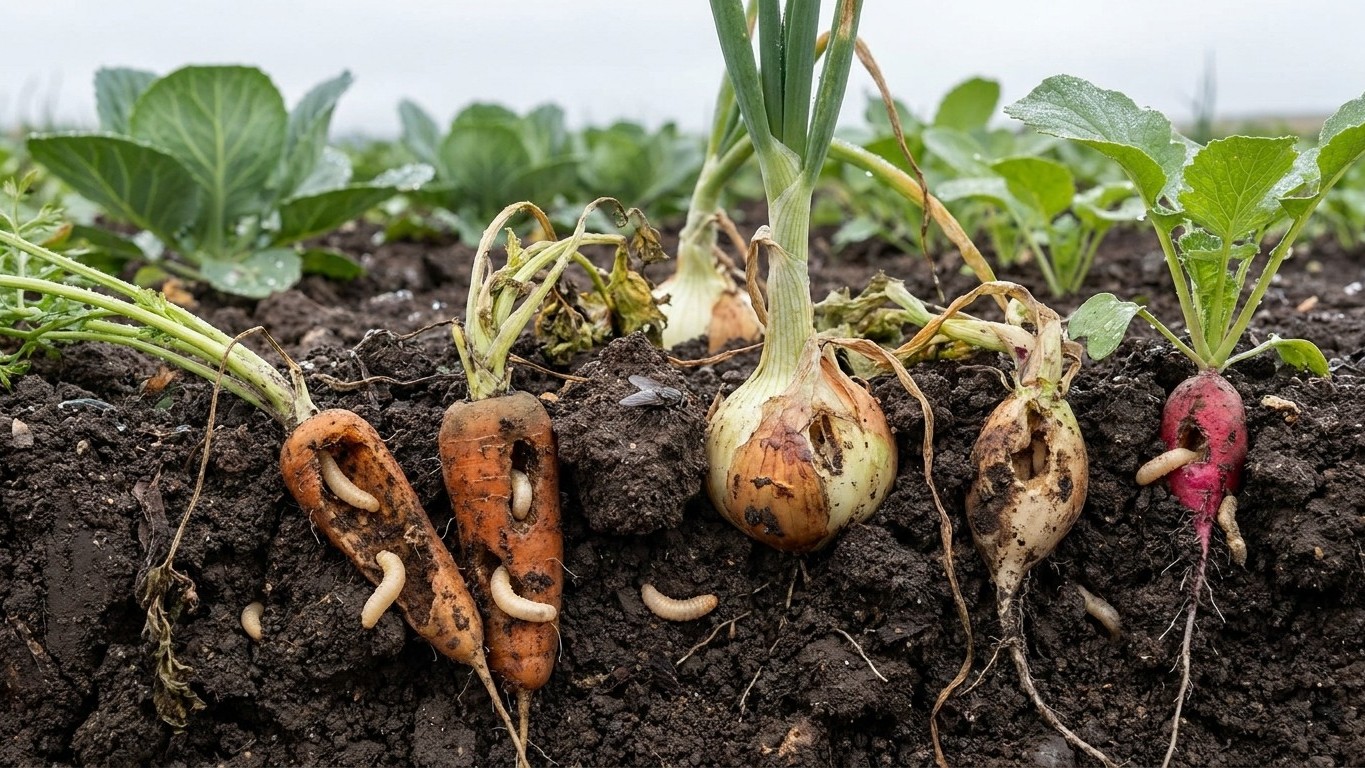
Heavy clay and stony ground, common across much of the state, will fork or stunt long taproots. If your soil is like that, choose shorter roots like Hamburg parsley, or build a raised bed that is loosened a full foot down. Skipping this step is the most common reason a promising row of salsify produces crooked stubs.
One last failure: expecting a single fall frost date to protect you everywhere. This page has Philadelphia’s fall band, but not a matching figure for the north. A later spring with no later fall would mean a shorter season, and that alone rules out long-season tropicals in the cold parts of the state.
What changes across Pennsylvania
No single answer covers the state. Under the USDA Plant Hardiness Zone Map (the 2023 edition, built on 1991-2020 normals), Pennsylvania spans zones 5a to 7b. That is six half-zone steps, and the system rests on one variable only: the average annual extreme minimum temperature. It tells you about winter cold, not about how long your season is or how hot July gets. Two gardens in the same zone can have frost dates weeks apart.
The Philadelphia figures above are a reference point, not a statewide rule. The northern tier and the Alleghenies run two to four weeks later in spring. Pushing the Philadelphia band back by that much puts the northern equivalent roughly between mid-April and early May. Fall dates for those areas are not in this page’s data, so check them locally.
What should a gardener in the north or at altitude shift? Lean on the hardy group. Parsnip, salsify, scorzonera, burdock and Jerusalem artichoke are the dependable core. Start celeriac indoors earlier than feels reasonable, and grow tender roots in containers that can come inside. In the southeast, where the season is longest, the tender group becomes a real option, and a second or later sowing of fast roots makes sense.
Valleys, hilltops and south-facing slopes add their own variation inside any zone. Cold air pools in low ground, so a hollow can hold frost days after the ridge above it is clear. To find your own zone, use the USDA map itself and look up your location rather than guessing from a neighbor’s advice.
Where to check this for your own county
Start with Penn State Extension, the state’s land-grant extension service. Pennsylvania spans too many climates for one page to settle, and a county recommendation beats a state one every time. This page is the state one.
Two things to look for there. First, the local planting calendar for your county, which will give frost-based windows that reflect your area and not Philadelphia’s. Second, any varieties trialled in your county. Trial results show which cultivars of celeriac, parsnip or salsify actually performed in local soil and weather, which is the information a general page like this one cannot provide. If a root crop has no trial listed, ask the county office whether one exists or whether a Master Gardener volunteer has grown it.
This page does not carry a Pennsylvania extension calendar specific to unusual roots, so it cites none. Other states’ calendars, including lawn guides from southern universities, do not apply here. For timing in this state, see When to Plant Unusual Roots in Pennsylvania, and for the broader picture of what is worth growing, Growing Unusual Root Crops in Pennsylvania.
Checking this against your own garden
Your own observation outranks every date on this page. Three signals cost nothing and need no tools.
- Soil warmth by feel. Push a bare hand a few inches into the bed in the morning. If it feels cold enough to ache, tender roots will stall. If it feels cool but comfortable, hardy seed is safe to sow. A bed that warms earlier than your neighbor’s tells you about a sunny, well-drained spot.
- The first flush of male flowers. On squash or cucumbers, male blooms open before female ones. When they appear, summer heat has arrived. If they are late compared with the calendar, your garden runs cool, and the long-season tender roots will lag.
- First true leaves. Watch how quickly direct-sown seedlings move from their seed leaves to their first true leaves. Fast means warm, sheltered soil. Slow means a cold pocket or heavy clay, and you should sow earlier or start indoors.
Write the dates down for a season or two. A scribbled note on the seed packet beats trying to remember what the beds did last April.
Common questions
What is the easiest unusual root to start with in Pennsylvania?
Jerusalem artichoke, if you can contain it. Among the sown crops, parsnip is the most forgiving, though it needs fresh seed and patience at germination.
Can I grow ginger or turmeric outdoors?
As a summer crop, yes, with an indoor start and a pot or bed you empty before frost. Left outdoors over winter, they will not survive, since the coldest-month mean minimum at Philadelphia alone is 26.0°F.
Does the Philadelphia frost window apply to my yard?
Only if you garden near Philadelphia. The northern tier and the Alleghenies run two to four weeks later in spring, and the March 29 to April 6 band reflects a 30-70 percent chance of a 32°F freeze, not a guarantee.
Do I need to know my hardiness zone?
It helps with perennials like Jerusalem artichoke, but it says nothing about season length. Use the USDA map for your location, then pair it with your county’s frost dates from Penn State Extension. The zone covers winter minimums only, so a late spring in a cold hollow can still catch you.