Heating With Pellets in Saskatchewan: What a Winter Takes
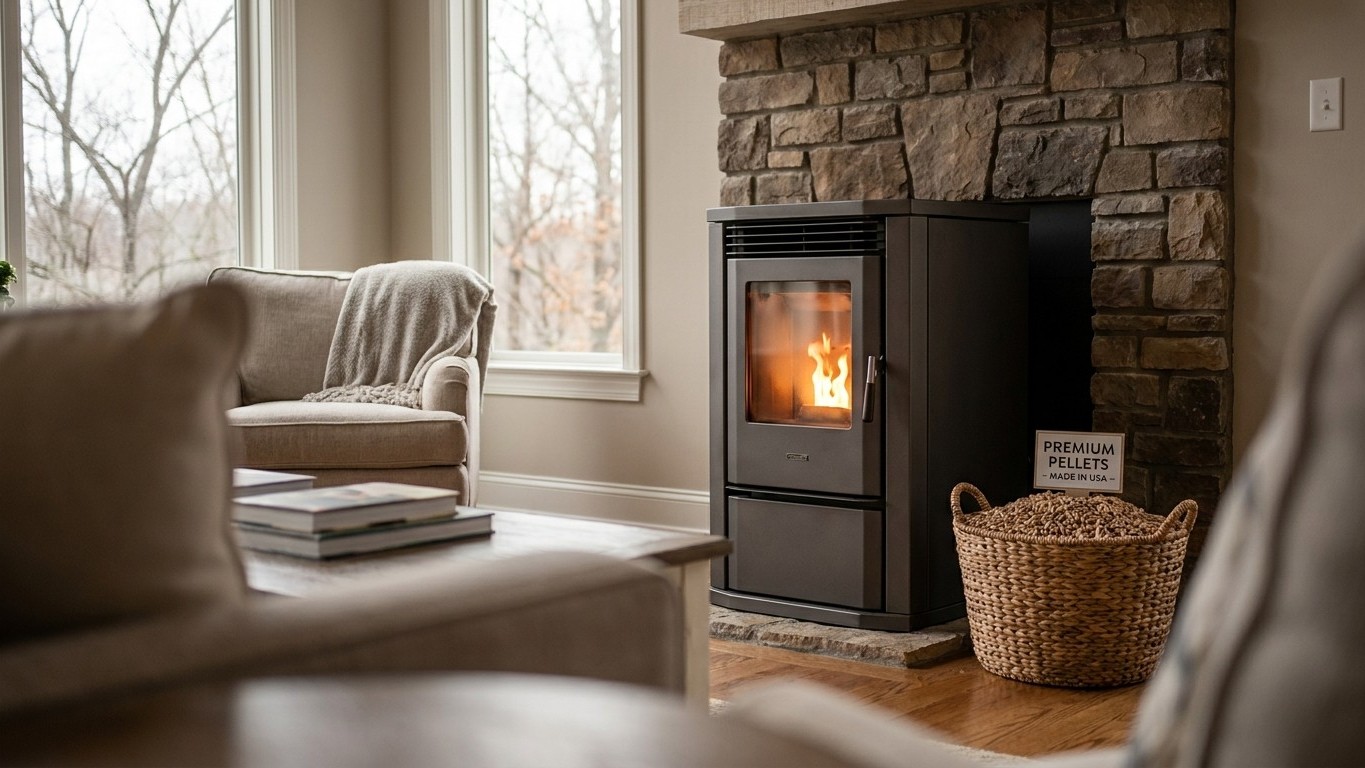
A pellet stove in Saskatchewan works through one of the longest, coldest heating seasons in the country.
Home & garden, state by state
Everything we have worked out for Saskatchewan: what to plant and when, which varieties finish in time, the pests that actually turn up here, and the jobs that pay off month by month. We also cover the rest of the property, from lawns and soil to home care and energy, because a garden rarely stops at the vegetable bed.
The numbers first, because everything else follows from them. Measured at the weather station in Saskatoon, the last spring freeze falls around May 18 and the first fall freeze falls around September 18, 1,549 growing degree days in the year.
That is enough for early varieties, tight for anything late. Garlic does well: 34.8 weeks below 40 °F, comfortably past the six it needs to form a proper head.
Elsewhere on the property in Saskatchewan: the pests that turn up here.
Figures from Environment and Climate Change Canada. A state is not one climate: elevation, a large lake or the coast can move these dates by two weeks either way, so check your own county with the extension service before you spend money.
A pellet stove in Saskatchewan works through one of the longest, coldest heating seasons in the country.
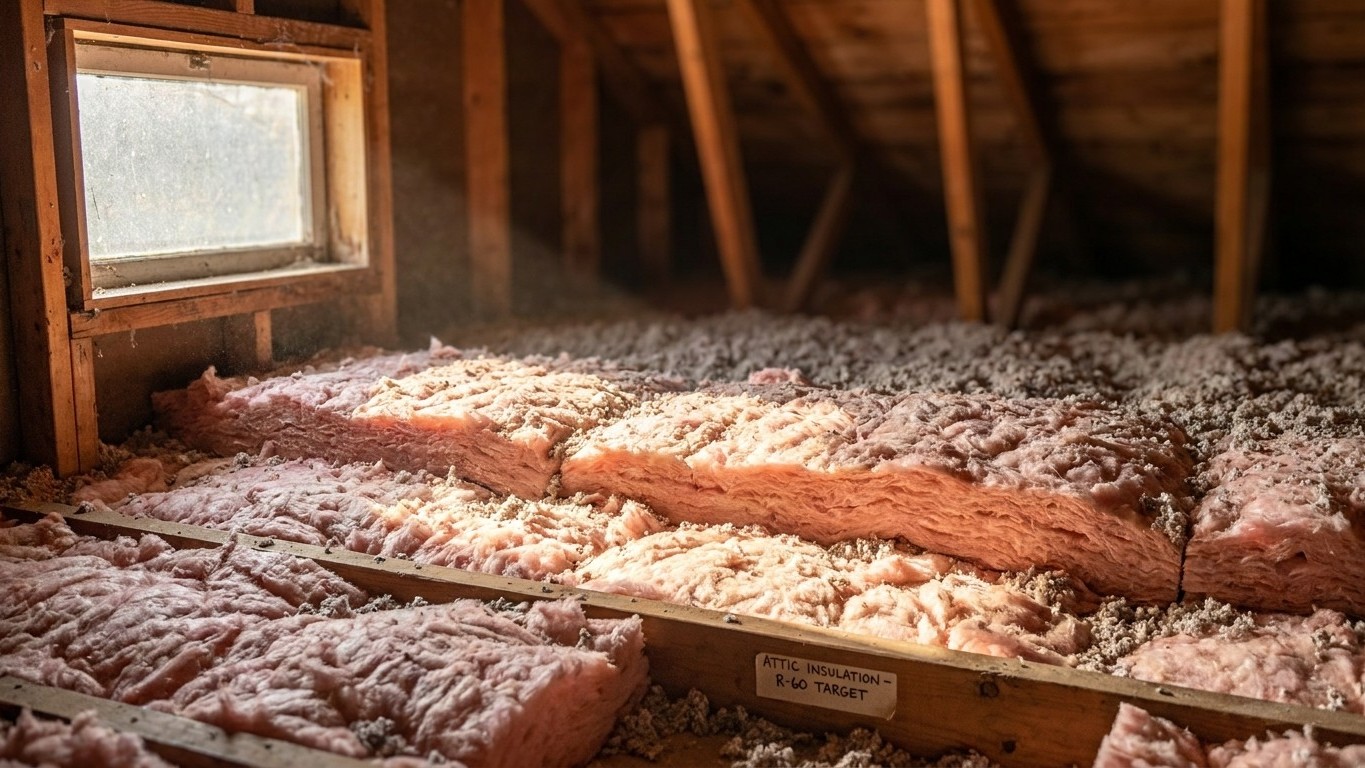
At Saskatoon’s Diefenbaker International Airport weather station, sitting in Natural Resources Canada’s climate zone 7a, the recommended minimums run…

Saskatchewan’s quietest month is July, when heating and cooling demand together add up to about 81 degree-days at the Saskatoon reference station.
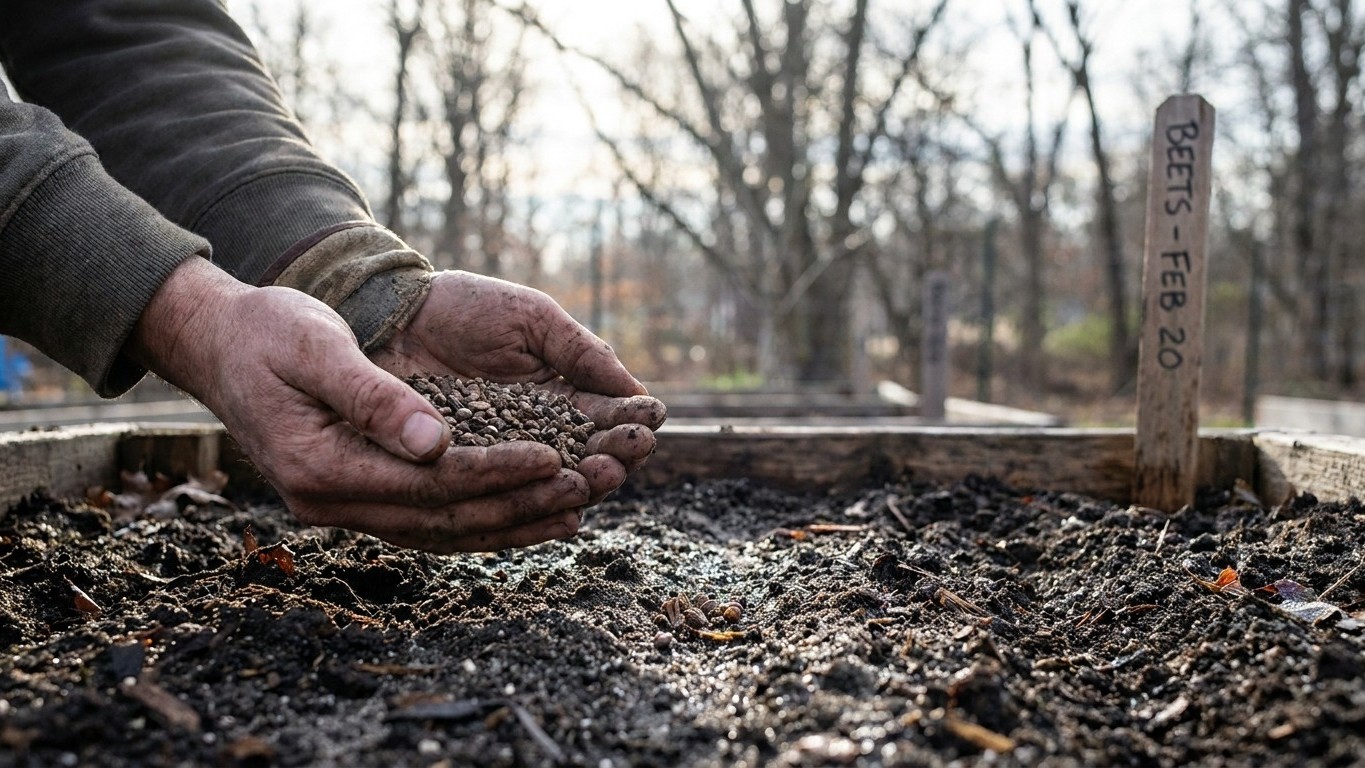
Sow beet seed directly into the ground two to three weeks before Saskatchewan’s average last spring frost of May 18, which puts most of the province’s…
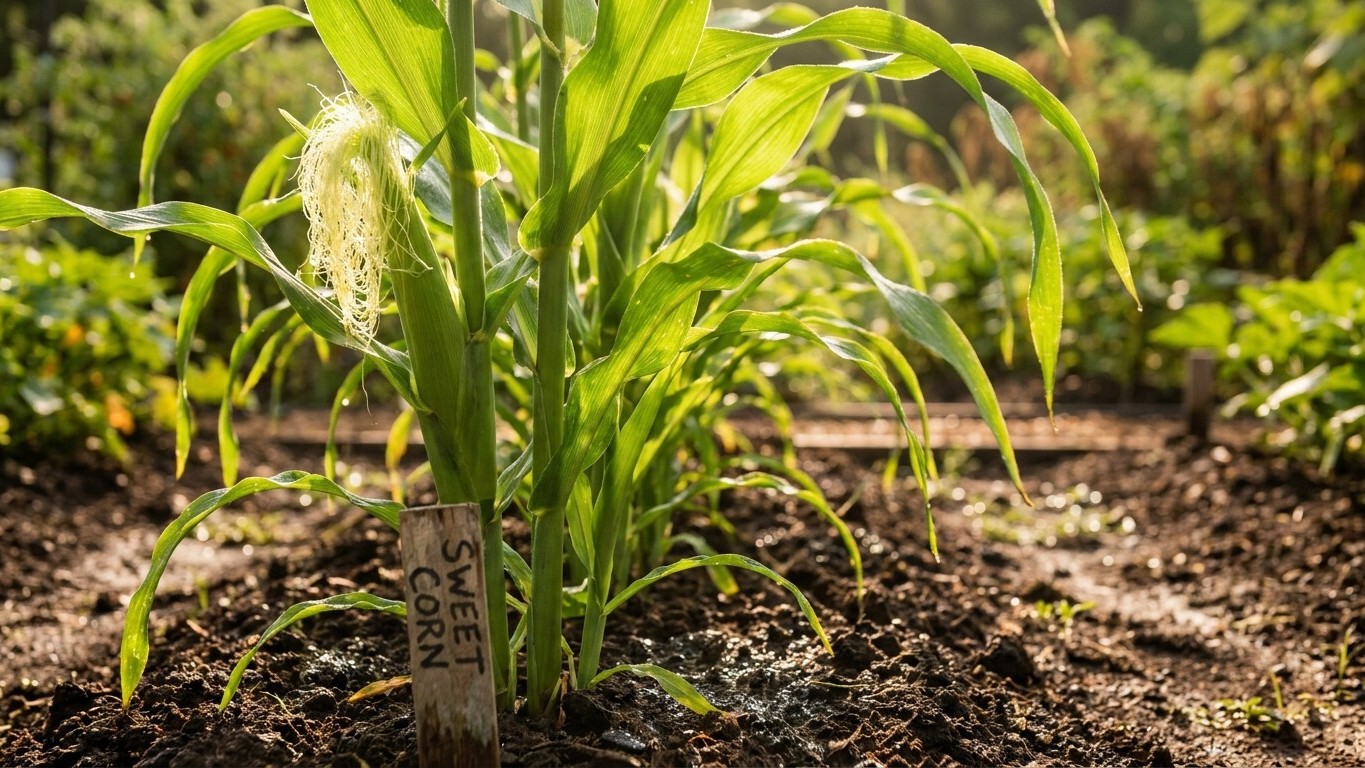
Sweet corn can ripen in Saskatchewan, but only if the calendar cooperates. With soil that needs to warm past 60 F before seed goes in the ground, and a…
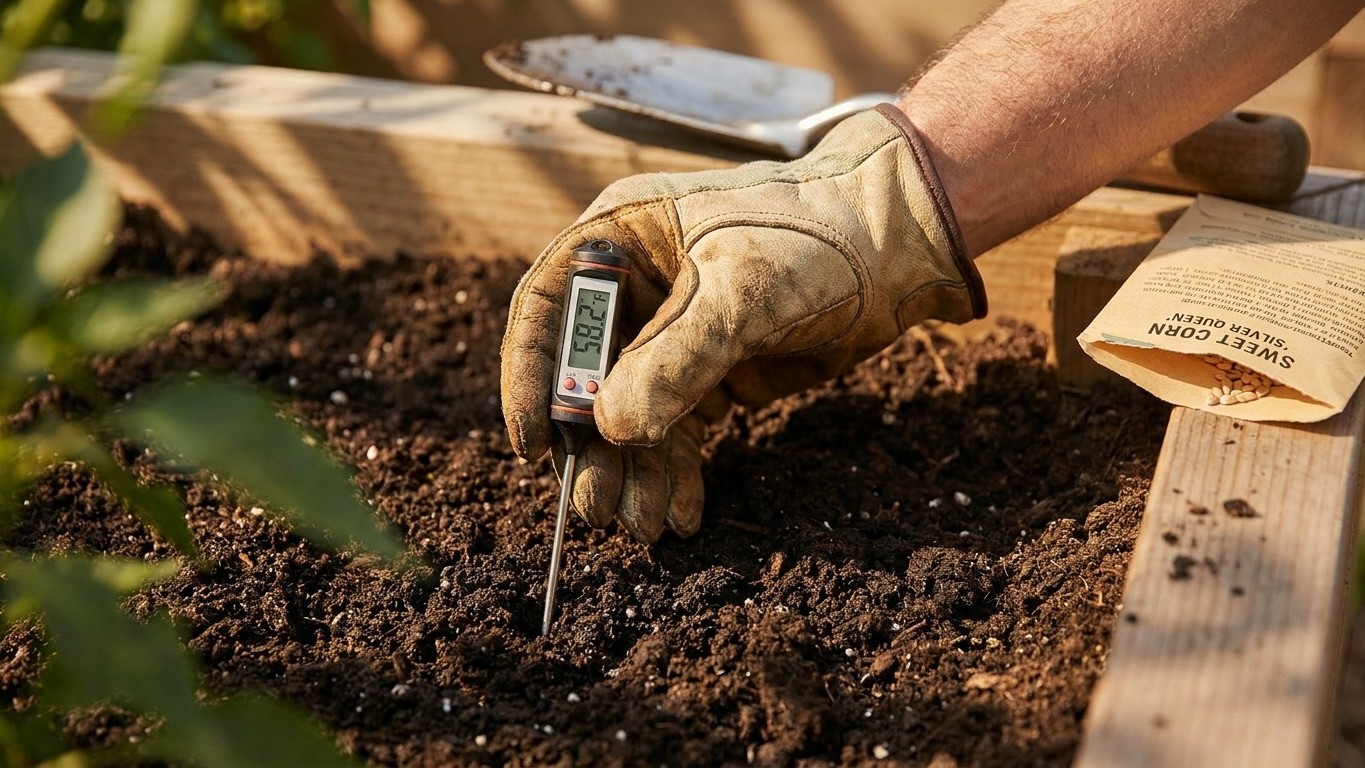
Sweet corn goes into Saskatchewan soil once the ground itself reaches 60°F, not on the calendar date of the last frost.
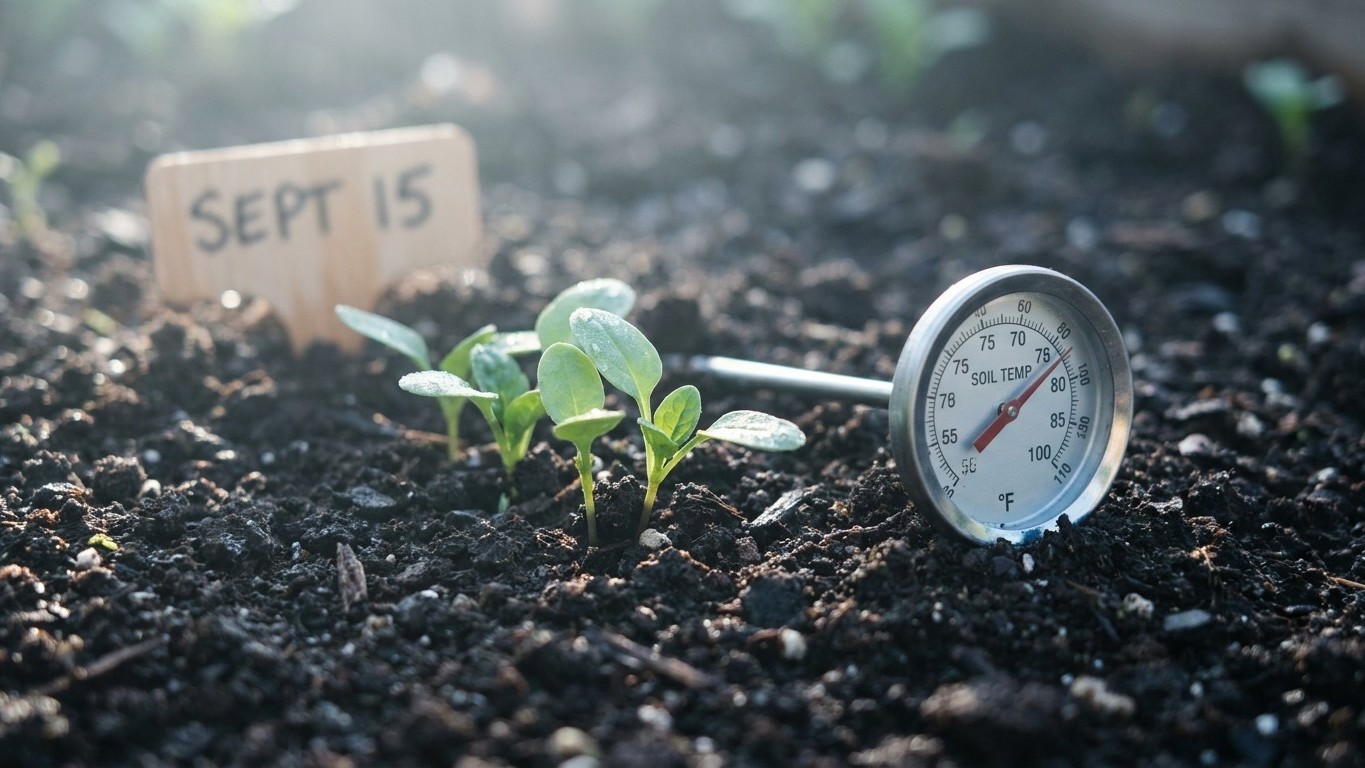
Sow autumn spinach in Saskatchewan roughly between the first week of July and the very end of July, timed 50 to 75 days before a realistic harvest date…
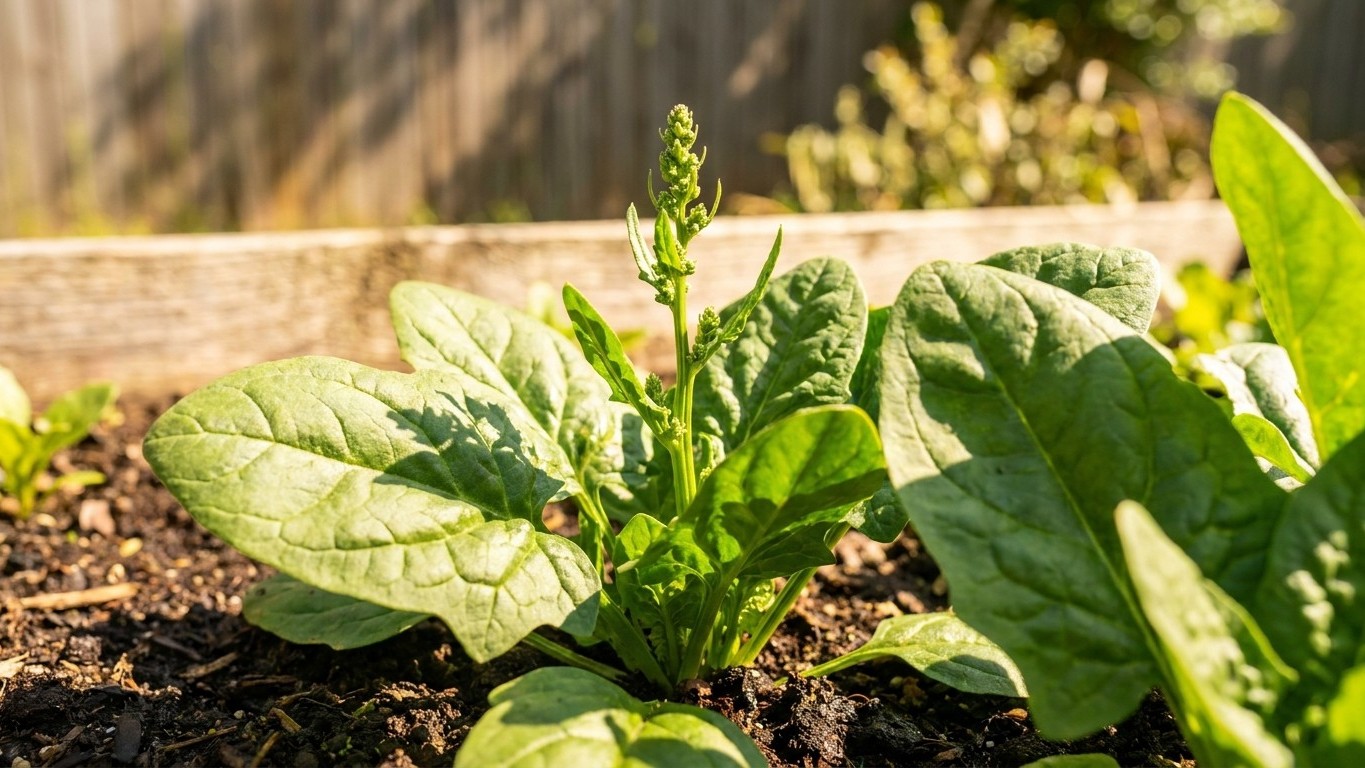
Yes, Saskatchewan gardeners routinely watch spinach shoot up a flower stalk before they’ve cut more than a couple of harvests.
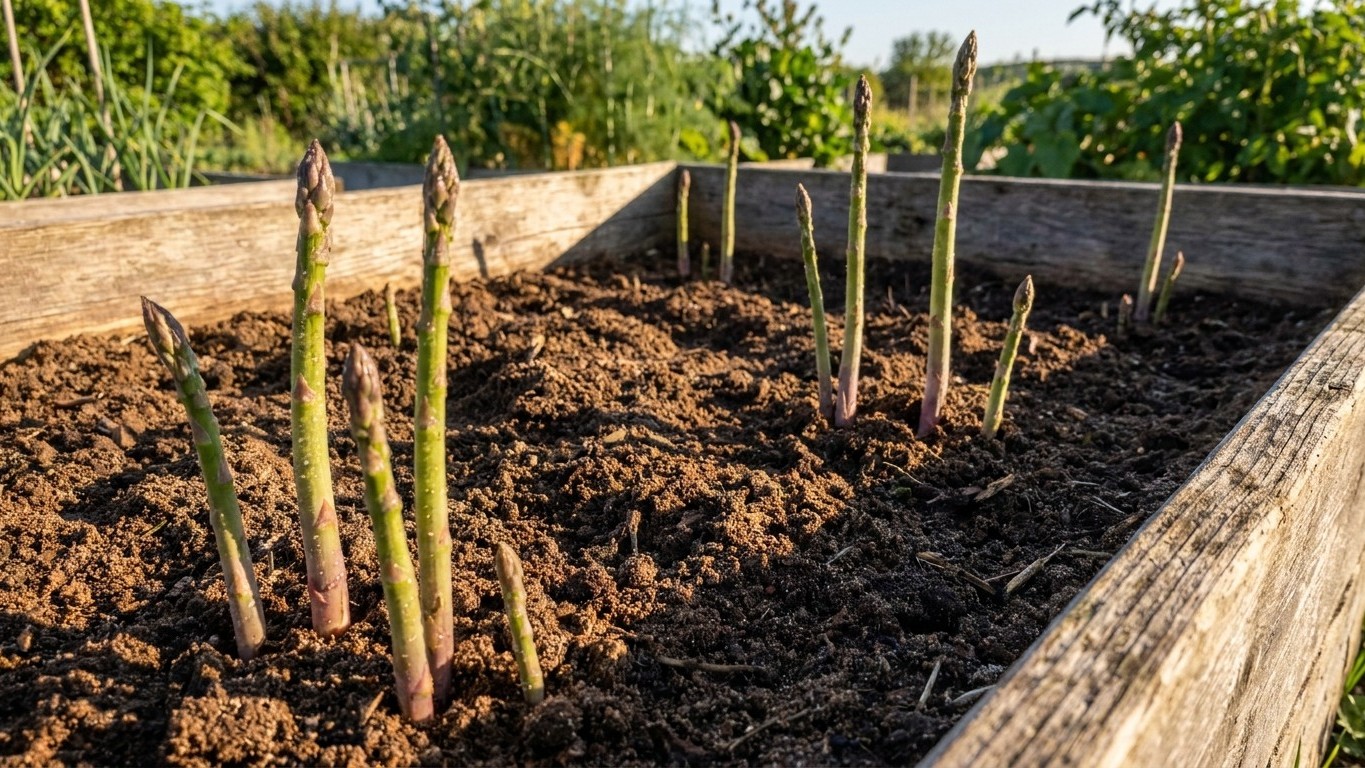
Yes, with a catch. The dominant soil across Saskatchewan’s farmed regions drains well by nature, which is the one requirement an asparagus bed actually…
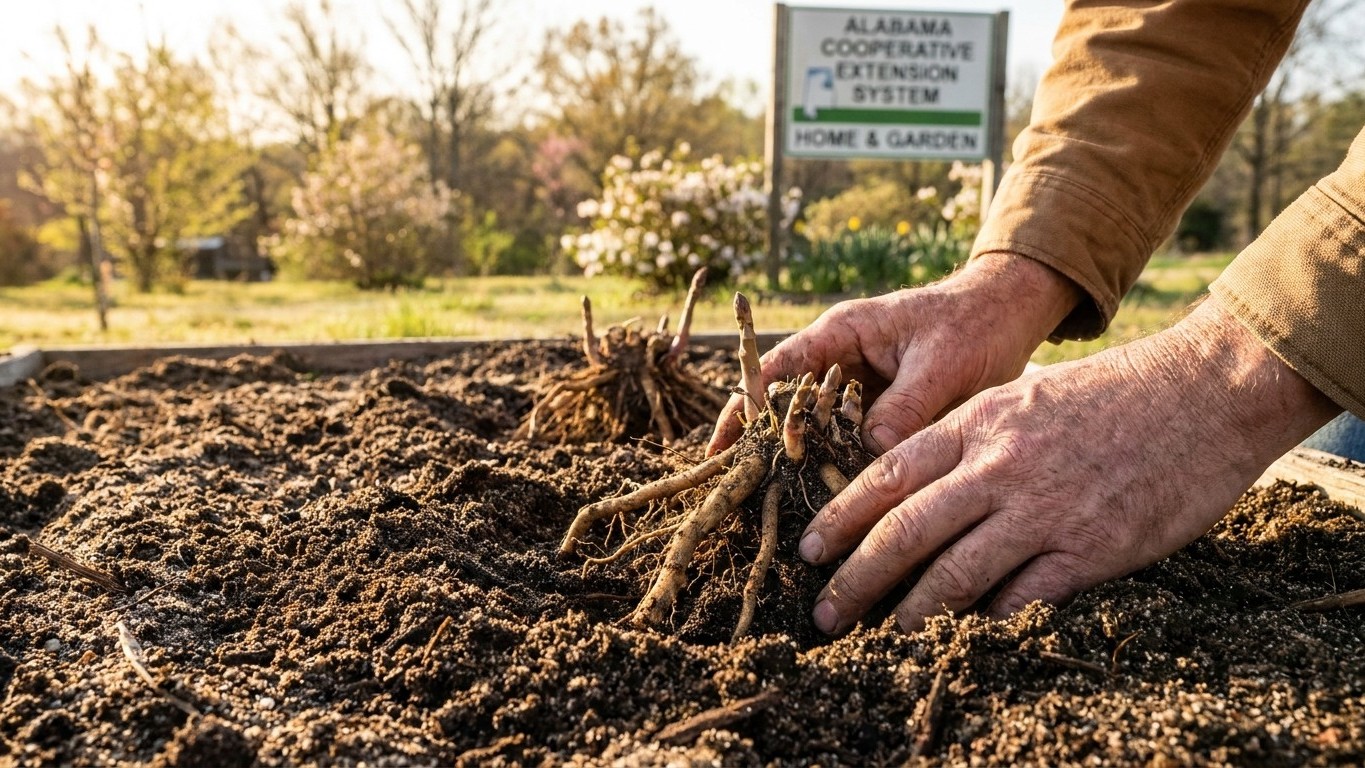
Asparagus crowns go into Saskatchewan ground in early spring, once the soil can be worked and the risk of a hard freeze has mostly passed, timed around…