
Pick summer squash while the fruit is small and glossy, usually from July until the first fall frost, and use it fast. It keeps about a week in the refrigerator, never months. Wyoming’s short season shapes both halves of that answer: how soon you start picking and how you handle the surplus.
When summer squash are ready in Wyoming
The signal is a young fruit with glossy skin that a fingernail dents easily, and the window runs from early to late July, depending on when the seed went in. Clemson Cooperative Extension puts first harvest about 55 days after planting, and seed sown between mid-May and early June lands the first pickings in that July stretch.
Those sowing dates come from NOAA’s 1991-2020 Climate Normals for Cheyenne, the reference station. There, the mean last spring frost falls between May 7 and May 18, and the mean first fall frost between September 24 and October 5. The reference station has about 130 frost-free days between the two. Squash dies at the first hard frost, so picking can run until then and no further.
Those dates belong to Cheyenne. The USDA Plant Hardiness Zone Map (2023 edition) spreads Wyoming across zones 3a to 6a, and at 6,000 feet and higher, frost is possible in any month. A garden in a high valley may be picking weeks after one on the southeast plains, or not picking at all without help. Row covers over young plants and a spot against a south-facing wall are not extras at that elevation. Early-maturing types also help, and The Best Summer Squash to Grow in Wyoming covers which ones to look for. For the full season plan, see Growing Summer Squash in Wyoming.
How often should you pick summer squash?
Every day or two once the plant starts producing. Summer squash stops setting new fruit once one fruit matures on the plant, so harvest frequency is the yield. A zucchini left hiding under a leaf for a week turns into a tough, seedy club, and the plant slows down while it feeds that one fruit.
Cheyenne averages only 10.4 days a year at 90°F or higher, so hot spells are short. They still matter. Fruit grows fast in the heat, and a plant that looked empty on Monday can carry a fruit past its best by Thursday. Cut the stem with a knife or pruners, and leave a bit of stem on the fruit.
Do rain and soil change when the fruit is ready?
They change how steady the harvest is. The reference station gets about 5.8 inches of rain across June, July and August (2.16 in June, 2.11 in July, 1.52 in August), out of 15.4 inches for the whole year. That is the usual pattern, not a forecast for your plot.
The same rain behaves differently depending on the ground. Sandy soil lets it through within the day, while clay can hold it for a week. Much of the summer rain also comes as thunderstorms, and a hard downpour on hot, dry ground mostly runs off. Plants that swing between soaked and bone dry tend to give tougher, sometimes bitter fruit. A cheap rain gauge on your own plot tells you more than any regional average, and watering deeply every few days beats a daily sprinkle.
Keeping them, and for how long
Summer squash does not store, and that is the whole answer. Clemson Cooperative Extension advises keeping it in a plastic bag in the refrigerator for up to 1 week. That is a maximum under good conditions, not a promise, and a fruit picked a bit past its prime or nicked by a knife will fade sooner.
How long does summer squash last in the refrigerator?
Plan on a few days and treat the full week as the outer limit. The skin is thin and the flesh is mostly water, which is why the fruit goes soft and slick as it ages. Winter squash is the opposite: a thick rind lets it keep for months in a cool, dry spot. The two share a name and a plant family, and almost nothing about storage.
Bag the fruit dry and unwashed, and use the oldest first. If a squash feels rubbery or shows wet, glassy patches, it is past saving for the table. Compost it.
What can you do with a glut of summer squash?
Freeze it, cook it, or give it away, because a cellar will not help. The most useful move is shredding the surplus (large fruit works fine for this once the seeds are scooped out), packing it in measured bags, and freezing it flat. Shredded squash goes into bread, muffins, soups and casseroles, and it is a good way to use the oversized fruit that escaped your daily rounds. Sliced squash can also be frozen, though it turns soft when thawed, so plan on it going into cooked dishes only.
Drying thin slices works too, and a tested pickle recipe handles a few jars. Check the method with University of Wyoming Extension before you can anything, because plain home-canned squash is not a safe shortcut. Food pantries, church kitchens and neighbors will take a bag of fresh zucchini gladly in August.
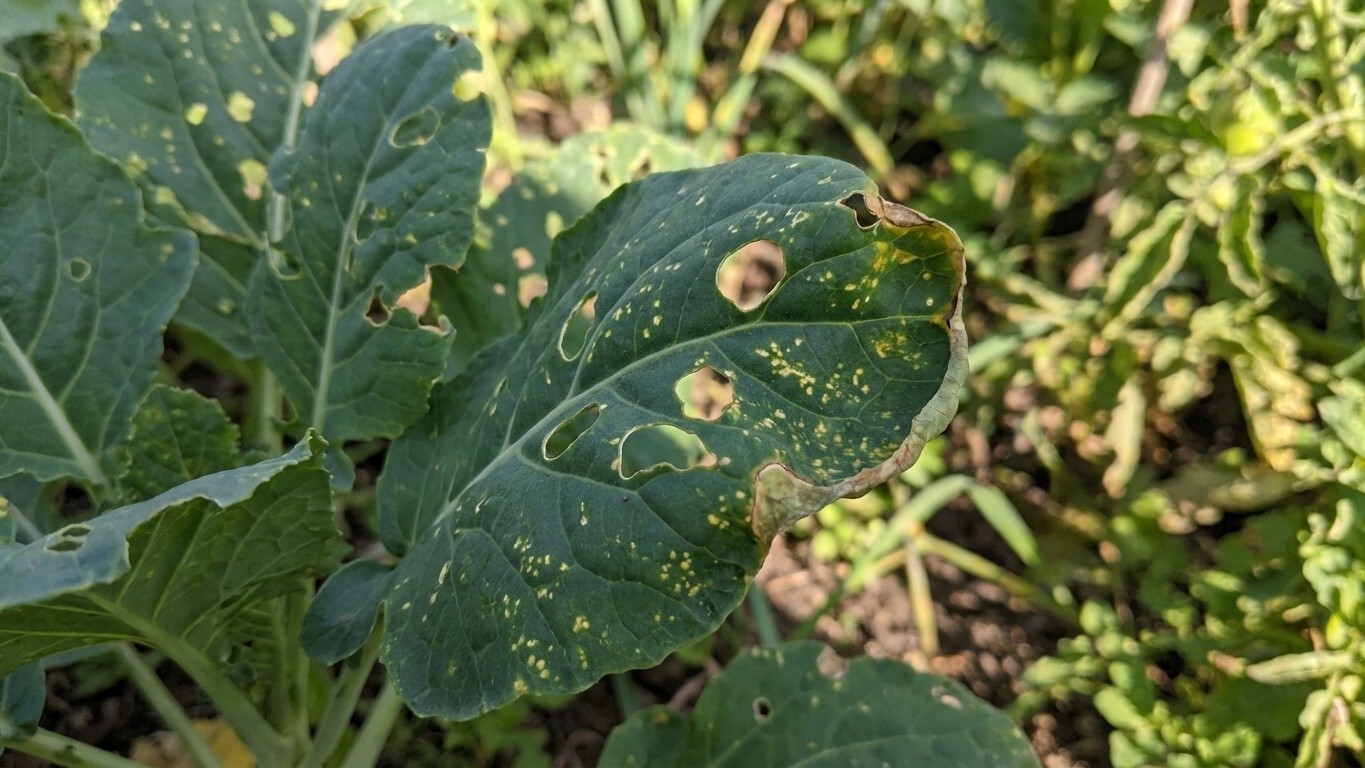
The best glut strategy is a smaller glut. Pick small, pick often, and plant fewer hills than seems sensible. A few plants feed most households. While you are out there harvesting, look under the leaves for pests, and What Eats Summer Squash in Wyoming, and When explains what to watch for.
Where in the house that actually is
The refrigerator is the room that comes closest, because it is the one setting the source names. A domestic fridge can run colder than some crops tolerate, though, especially near the back wall or the cooling vent, and a heated kitchen is too warm for anything beyond the day you cook. The practical job is to find the steadiest spot and confirm it.
Which spot in the refrigerator works best?
The crisper drawer, in a plastic bag with the opening loosely closed. It sits away from the cold air outlet in most models, and the drawer holds humidity better than an open shelf. Keep the bag away from the back wall, where produce can freeze at the edges. If the squash comes out with glassy, watery patches or pitted skin, the spot is too cold or the fruit has been there too long.
Put an inexpensive thermometer in the crisper drawer for a day and check it against your settings, because a drawer that runs colder than the dial says will quietly spoil a week of harvest. Skipping this check costs you soft, slick squash that you only discover when you reach for dinner.
Can you keep summer squash in the garage or a cellar?
Not for any length of time. A Wyoming garage swings from near-freezing nights in late September to hot afternoons in July, and the squash feels every swing. A basement is steadier but still not the right tool, because cellar storage suits winter squash and potatoes, with their thick skins and long dormancy. A thin-skinned summer fruit left in a cool basement gets slimy long before it gets better.
A kitchen counter is fine for the afternoon between picking and cooking, and that is all. Warm air speeds up the softening the refrigerator is meant to slow. If you pick more than you can eat within a few days, move straight to the freezer or the neighbor’s porch.
Common questions
How big should summer squash be when I pick it?
Small and tender, with glossy skin that a fingernail dents easily. Size varies by type, so go by the skin and feel. If the skin is dull and hard, the fruit has gone too far and the seeds inside will be large and tough.
Can I leave summer squash on the plant to get bigger?
You can, but it costs you. A maturing fruit tells the plant to stop setting new ones, so every fruit you let swell is future harvest lost. Oversized fruit still works shredded for baking, and the seeds are best scooped out first.
Can I store summer squash for the winter like pumpkins?
No. Summer squash keeps in the refrigerator for up to a week, according to Clemson Cooperative Extension. For winter use, freeze it shredded or sliced, or dry it. Winter squash is the type that stores for months in a cool spot.
When does the harvest end in Wyoming?
At the first hard frost, which falls between September 24 and October 5 on average at the Cheyenne reference station, earlier at high elevations. Watch the forecast in late September and cover plants on cold nights. Before a killing frost, pick everything of usable size.