
By May, Mississippi gardens are well past the frost line and running on full summer clock. The last spring frost at the reference station falls between March 6 and March 22, so the soil has had two months to warm, and nearly every heat-loving crop on the list can go in now. The real work this month is timing succession plantings and protecting young transplants from the heat that’s already building.
What goes in the ground in May

Soil temperature, not the calendar, decides what survives in a Mississippi garden this month, and by May that’s rarely the limiting factor. With the last frost window closing out in mid-to-late March at the reference station, soil across most of the state has climbed well past the 60°F mark that warm-season seeds need to germinate reliably. That means May is the widest-open planting month of the year here, not a cautious one.
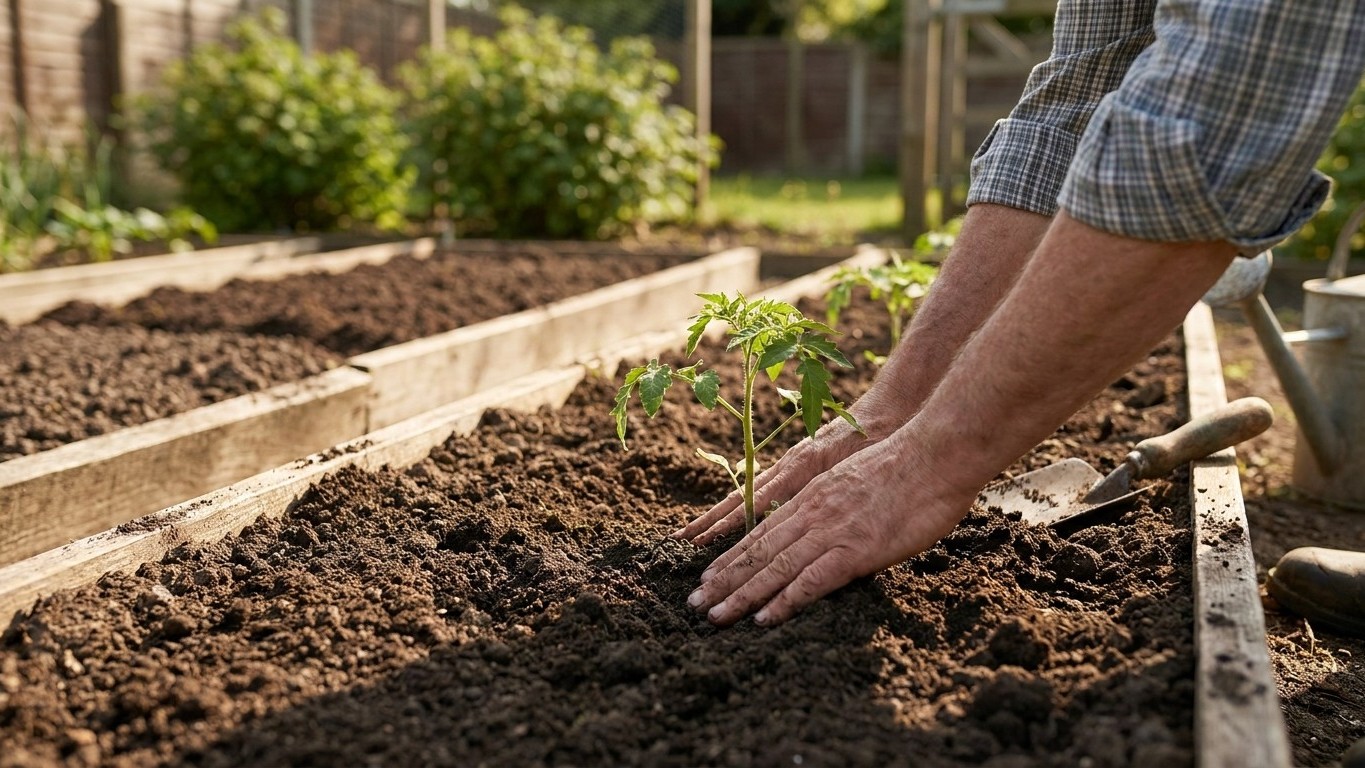
Tomato, pepper, and eggplant transplants can go into the ground now with little risk, provided they’ve been hardened off over a few days outdoors before their first full sun exposure. Direct-sown crops do just as well: snap beans, lima beans, southern peas, okra, cucumbers, summer squash, and sweet corn all germinate fast in warm soil and outrun most early pest pressure if planted now rather than waiting. Sweet potato slips also belong in the ground this month, since they need a long, hot stretch to bulk up before fall harvest.
Melons, both watermelon and cantaloupe, are worth direct-sowing early in the month so the vines have maximum room to sprawl before summer heat peaks. Okra in particular rewards an early May start in the Gulf South; it barely slows down once soil temperatures push past 70°F, and a late planting simply means a shorter harvest window before fall.
The one caution: cool-season holdovers like lettuce, spinach, and spring radishes are on borrowed time. If they’re still in the ground from earlier plantings, expect bolting and bitterness within weeks as daytime temperatures climb. This is the month to let those beds finish and clear space for the crops that actually want the heat.
What to start under cover
Starting seeds under cover in May in Mississippi is less about protecting against cold and more about controlling heat and moisture during germination, since most warm-season crops are already going straight into open ground. The exception is the fall garden, and counting backward from the first fall frost window (November 7 to November 22 at the reference station) tells you when to begin.
Broccoli, cabbage, and other fall brassicas typically need 6 to 8 weeks from seed to a transplant-ready size, plus another 10 to 12 weeks in the ground before harvest. Counting back from the early side of that November frost window puts the seed-starting date for fall brassicas in mid-to-late June for most of the state, which means late May is early, but worth prepping trays and shaded cold frames for.
Where under-cover starting matters right now is with heat-sensitive germination. Lettuce and spinach seed for a fall crop often refuses to germinate in soil above 75°F, so starting those seeds indoors under lights, or in a shaded cold frame, and transplanting out once soil cools later in the season, avoids the failure that comes from direct-sowing into hot ground.
The two failure modes to watch: starting fall brassicas too early leads to leggy, rootbound seedlings sitting in trays through the hottest weeks of summer, stressed and stunted before they ever reach the garden. Starting too late, on the other hand, means the plants hit the first fall frost window before they’ve matured, especially for anything that needs a long finish like cabbage. Splitting the difference by starting a small batch early and a second batch two to three weeks later hedges against both.
What is ready to pick
May harvests in Mississippi lean on what was planted back in late winter and early spring, and the window for several of them is closing fast as heat arrives. Strawberries hit peak production early in the month, and picking every other day keeps fruit from overripening in rising temperatures. Snap peas and English peas planted earlier are also wrapping up; once daytime highs stay consistently above 85°F, pea vines decline quickly regardless of how well they were tended.
Spring-planted lettuce, spinach, and other greens are still harvestable early in the month but should be picked promptly. Leaves turn bitter and stems elongate as plants bolt in the heat, so this is the moment to use them rather than let them linger for a “better” harvest later. Radishes from an early spring sowing are also finishing up, and any left in the ground too long will turn woody and hollow.
Herbs like cilantro will bolt to seed rapidly this month, which isn’t a loss so much as a different harvest: letting a plant or two go to seed provides coriander for the pantry and self-sown cilantro for fall. Onions and garlic planted the previous fall may be nearing harvest too, signaled by yellowing and folding-over tops. Pull garlic once about half the leaves have browned, rather than waiting for all of them, since delayed harvest risks bulbs splitting in the warm, often wet soil typical of a Mississippi May.
The jobs that matter this month
Mulching tops the list in May, and it pays off almost immediately. As temperatures climb, a 2 to 3 inch layer of straw, pine straw, or shredded leaves keeps soil moisture from evaporating and suppresses the weed flush that comes with warm, often rain-soaked soil. Skipping this step now means fighting weeds by hand through the hottest part of summer, which is a far worse trade.
Staking and caging tomatoes, peppers, and pole beans needs to happen before plants sprawl, not after. Once a tomato plant has flopped over and rooted where it touches the ground, working a cage or stake in without damaging roots becomes nearly impossible. The same goes for cucumbers and other vining crops if they’re being trained up a trellis rather than left to run.
Watering rhythm matters more in May than most gardeners expect, because a few unusually hot days can dry out a bed that looked fine the week before. Aim for roughly 1 to 1.5 inches of water per week, delivered in fewer, deeper sessions rather than daily light sprinkles, which encourages shallow roots that struggle once summer heat really sets in.
Succession sowing keeps the harvest window open longer. Beans, squash, and cucumbers all benefit from a second and third planting spaced two to three weeks apart, since the first flush often peaks and declines within a few weeks in Mississippi’s fast-moving heat. Pest scouting rounds out the list: check the undersides of squash and cucumber leaves for early squash bug egg clusters, and look over tomato stems for the first signs of hornworm damage before populations build. Catching either early, by hand-picking eggs or larvae, is far easier than managing a full infestation in July.
What not to do in May
The most common mistake this month is trusting a warm afternoon over the soil itself. A few 80°F days don’t mean the ground has caught up, especially in shaded or heavy clay beds, and dropping heat-loving seed like okra or sweet potato slips into soil that’s still cool underneath leads to rot or stalled germination rather than a head start.
Overcorrecting with nitrogen is another frequent misstep. A heavy dose of high-nitrogen fertilizer on tomatoes or peppers early in their growth pushes lush foliage at the expense of flowering and fruit set. A balanced feed at planting, followed by a lighter side-dress once fruit begins forming, produces a sturdier plant than front-loading nitrogen in May.
Pulling mulch or row cover too early after a cool spell is a smaller but real risk. A mild stretch in early May can tempt gardeners to strip protection from tender transplants, only for a late cool night or a sudden downpour to stress plants that had just started to settle in. It costs nothing to leave light cover on for a few extra days.
Letting spring greens linger “just a little longer” also backfires. Once lettuce or spinach starts to bolt, the plant redirects energy into seed production, and the leaves turn bitter fast. Better to pull them, clear the bed, and get a heat-tolerant crop in while there’s still time for it to mature before the peak of summer.
Checking this against your own county
These dates and windows come from one reference weather station, and Mississippi runs from USDA hardiness zone 7b in the north to 9a along the Gulf Coast, a real difference in how fast soil warms and how long the growing season stretches. Elevation, tree cover, and even how close a garden sits to the coast can shift these windows by a week or two in either direction. Treat the figures here as a starting point, then confirm against local data through the Mississippi State University Extension Service, which publishes county-level planting guidance suited to your specific part of the state.
Common questions
Is it too late to plant tomatoes in Mississippi in May?
No. May transplanting is well within the normal window, since the last spring frost at the reference station falls between March 6 and March 22. Tomatoes set out now still have a full summer to produce before fall frost arrives.
Can I still start a spring vegetable garden from seed this late?
Many warm-season crops like beans, squash, cucumbers, and okra are direct-sown quickly and don’t need the head start that cool-season crops require. Starting from seed in May works fine for these, though cool-season crops like lettuce and peas are past their ideal window.
Why did my lettuce turn bitter this month?
Rising temperatures push lettuce and other cool-season greens to bolt, redirecting energy into seed stalks and making the leaves bitter. This is a normal seasonal shift, not a growing mistake, and the fix is simply to harvest earlier next time or switch to heat-tolerant varieties.
Do I need to worry about frost anymore this month?
Frost risk at the reference station ends by March 22 at the latest, so by May the danger has passed for the season. The next frost concern is the fall window, which begins between November 7 and November 22 depending on location.