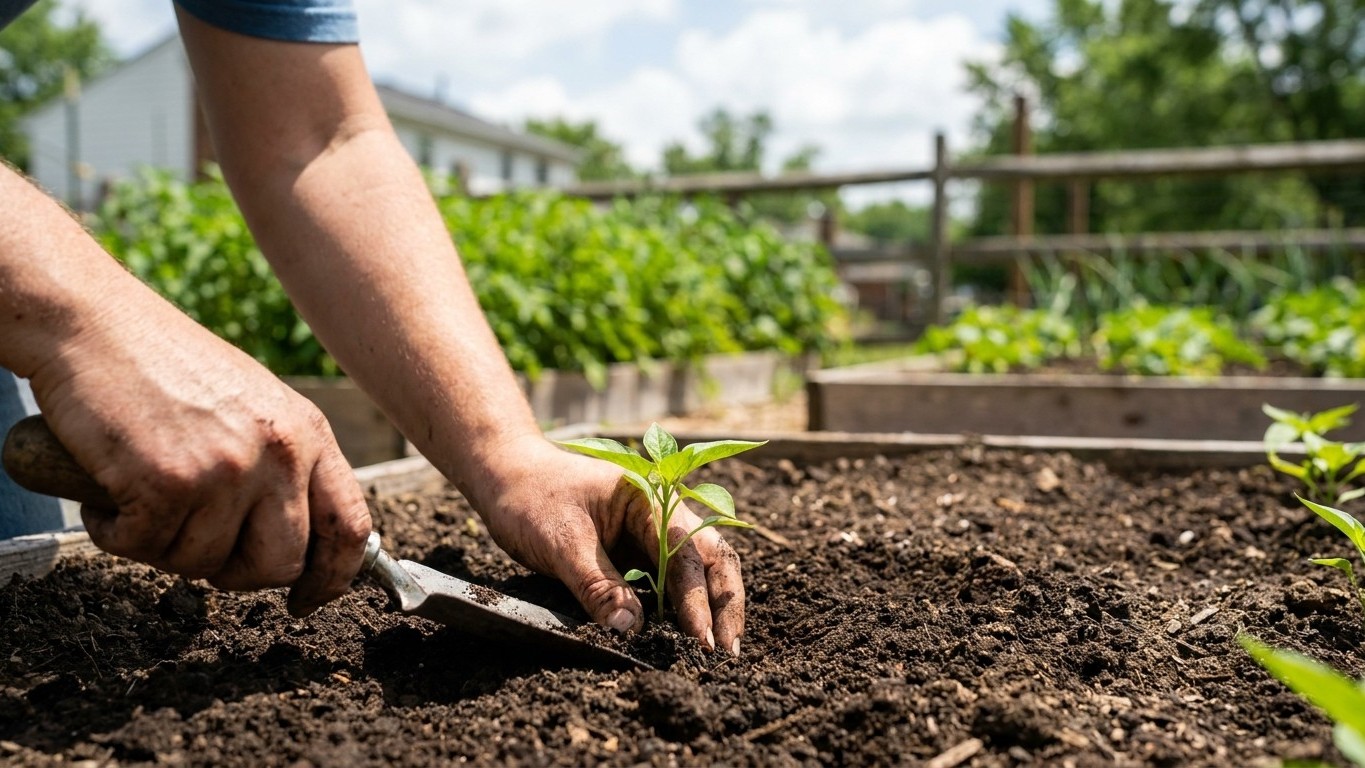

July in New Hampshire is full-season planting territory: the frost risk from spring is long gone, and the state won’t see its first fall frost until somewhere between October 13 and October 26. That gives most of the Granite State a solid stretch to keep sowing heat-loving crops, start fall vegetables under cover, and stay ahead of pests before they take over the bed.
What goes in the ground in July

Soil temperature stopped being a concern weeks ago. By July, garden beds across New Hampshire, from the Seacoast to the Connecticut River Valley, are warm enough for anything the state’s growing season supports. The question now is not “is it safe” but “is there enough time left before the first fall frost arrives.” That frost lands anywhere from October 13 to October 26 depending on where you garden, and that 13-day spread matters more in July than it did in May.
Bush beans direct-sown in the first half of the month will still produce a full crop before frost in most of the state. The same goes for summer squash, cucumbers, and zucchini sown as a second or third planting to replace spring crops that are winding down. Carrots and beets sown now mature in fall, often with better flavor than a spring crop, since cool nights sweeten root vegetables as they finish. Lettuce and spinach can go in too, but only heat-tolerant or bolt-resistant varieties, and ideally in a spot with afternoon shade, since July soil surface temperatures will send most lettuce straight to bolting.
Corn is the crop where timing gets tight. Direct-sown corn needs roughly 60 to 100 days depending on variety, and planted after the first week or two of July, it starts to compete directly with the fall frost window, especially in the Great North Woods and Dartmouth-Lake Sunapee regions where hardiness zones run 3b to 4a rather than the milder 5b to 6a found near the coast and southern tier. Melons and winter squash sown from seed this late are a gamble almost everywhere in the state; if they weren’t started by June, transplants are the safer bet, not fresh seed.
What to start under cover
July is when fall brassicas get their start, and the math runs backward from that October frost window rather than forward from today’s date. Broccoli, cabbage, and cauliflower need roughly 60 to 70 days from transplant to harvest, plus another three to four weeks as seedlings before they’re ready to go in the ground. Counting back from an October 13 frost in the north or an October 26 frost near the coast, seed started under cover in early to mid-July, then transplanted out in early August, lands the harvest right before the cold sets in.
Kale and collards are more forgiving. They tolerate a light frost without damage, so seed started under cover through mid-July still has room to mature even in a shorter-season county. The two ways this goes wrong are worth naming plainly. Start too early, say in early June instead of July, and the transplants sit around too long, getting rootbound and leggy in their trays before the ground or the gardener is ready for them. Start too late, past the third week of July in the colder zones, and the plants run out of daylight and warmth before they size up, leaving small heads or none at all.
Cold frames and unheated hoop structures aren’t needed yet for this round of starts; they matter more later in the season, once these seedlings are ready to go out and nighttime temperatures start dropping.
What is ready to pick
Garlic is the signature July harvest in New Hampshire. It’s ready when the bottom three or four leaves have browned while the top ones are still green, typically in the second half of the month. Pulling too early sacrifices size; waiting until all the leaves brown risks the bulb splitting open in the ground.
Peas are on their way out by midmonth as heat sets in, so any pods still on the vine should come off promptly before they toughen. Early lettuce and spinach sown in spring are likely bolting now and past their prime; pull them to make room for the succession crops described above rather than letting them take up bed space. Summer squash and zucchini plants that were transplanted or direct-sown in late spring start producing steadily this month, and they need checking every day or two, since a squash left on the vine for a week turns from tender to baseball-bat-sized overnight.
Raspberries on summer-bearing canes come into full production in July, and strawberries from June-bearing varieties are finishing their run. Herbs, basil, parsley, cilantro sown earlier, are ready for regular cutting, and regular harvest actually keeps them productive longer instead of bolting to seed.
The jobs that matter this month
Mulch matters more in July than in any other month. New Hampshire summers bring stretches of heat and dry spells between thunderstorms, and a two- to three-inch layer of straw or shredded leaves around vegetables holds soil moisture and keeps root zones from swinging between soaked and bone-dry, which is a direct cause of tomato blossom end rot and split fruit.
Watering and staking
Deep, infrequent watering beats a daily light sprinkle. Vegetable beds generally need about an inch of water a week, delivered in one or two sessions rather than a few minutes every evening, so roots grow down instead of staying shallow near the surface. Tomatoes, especially indeterminate varieties, should be staked or caged now if that wasn’t done earlier; sprawling plants in contact with wet soil are far more prone to fungal disease, and it’s much harder to cage a plant once it’s already fallen over.
Pest scouting and succession
July is peak season for Japanese beetles, squash vine borers, and Colorado potato beetles across New Hampshire. Checking the undersides of squash leaves for the small brown egg clusters of vine borers, and hand-picking beetles off potato foliage before populations explode, saves entire plantings later in the month. Succession sowing of beans, beets, and carrots should continue on a two- to three-week rotation through the first half of the month to keep harvests coming into September, and any bed that finishes a crop, like spent peas or bolted lettuce, should get cleared and replanted rather than left bare.
What not to do in July
The most common mistake this month is treating warm air as a green light for crops that actually need a longer runway than the calendar allows. Sowing corn or melon seed in the third or fourth week of July in the colder zones of the state, 3b to 4a in the north and at elevation, sets those plants up to run out of season before the first fall frost, which can arrive as early as October 13 there.
Uncovering row covers or shade cloth too readily during a stretch of mild weather is another one. A cool, cloudy week in July can feel like a break, but pulling protection off heat-sensitive lettuce or newly transplanted brassicas leaves them exposed the moment the next hot, sunny spell hits, and bolting or wilting can happen within days.
Nitrogen timing trips up a lot of gardeners with tomatoes, peppers, and squash. A high-nitrogen fertilizer applied once plants are flowering and setting fruit pushes leafy growth at the expense of the fruit itself, delaying harvest and sometimes reducing yield. Feed those crops with something balanced or lower in nitrogen once fruiting starts, and save the nitrogen-heavy applications for leafy greens and young transplants instead.
Letting weeds go to seed in July is a mistake that costs next season, not this one. A single pigweed or lamb’s-quarters plant left standing through late July can drop tens of thousands of seeds before frost, turning one missed weeding session into years of extra work.
Checking this against your own county
Every date and frost window here comes from a single reference station, and New Hampshire’s geography stretches that reference thin. Elevation in the White Mountains, cold air pooling in valleys, and the moderating effect of the Seacoast and the state’s larger lakes can shift frost timing by two weeks or more in either direction from what’s listed here. A garden in Coos County should generally plan around the earlier end of the fall frost window, October 13, while a garden near the coast has more room toward October 26.
The UNH Extension publishes county-level guidance and a state planting calendar that accounts for these local differences far than a statewide range can.
Common questions
Is it too late to plant tomatoes in New Hampshire in July?
Yes, for a full crop from seed. Transplants set out this late may still produce fruit before frost in the warmer parts of the state, especially fast-maturing varieties, but it’s a race against the October frost window rather than a sure thing.
Can I still start a vegetable garden from scratch in July in New Hampshire?
Yes. Bush beans, summer squash, cucumbers, and fall root crops like carrots and beets can all be direct-sown in July with enough time to mature before the first fall frost in most of the state.
When should I plant fall broccoli and cabbage in New Hampshire?
Start seed under cover in early to mid-July, then transplant into the garden by early August, counting back from the October frost window for your area.
Why is my garlic ready to harvest in July when I planted it the previous fall?
Garlic planted in fall overwinters and resumes growth in spring, maturing over the following summer. It’s ready when the bottom three or four leaves brown while the upper leaves stay green, which typically happens in the second half of July across New Hampshire.